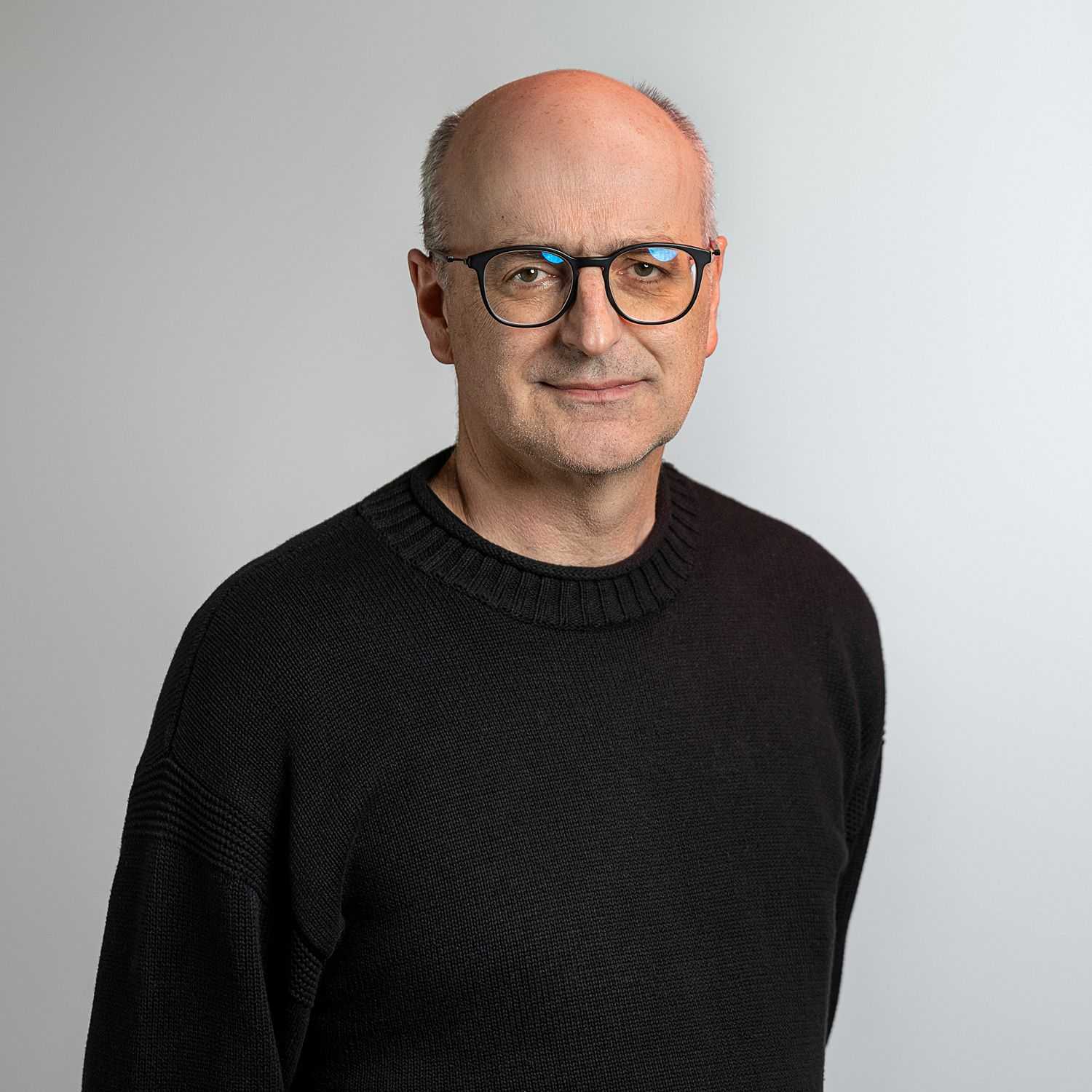
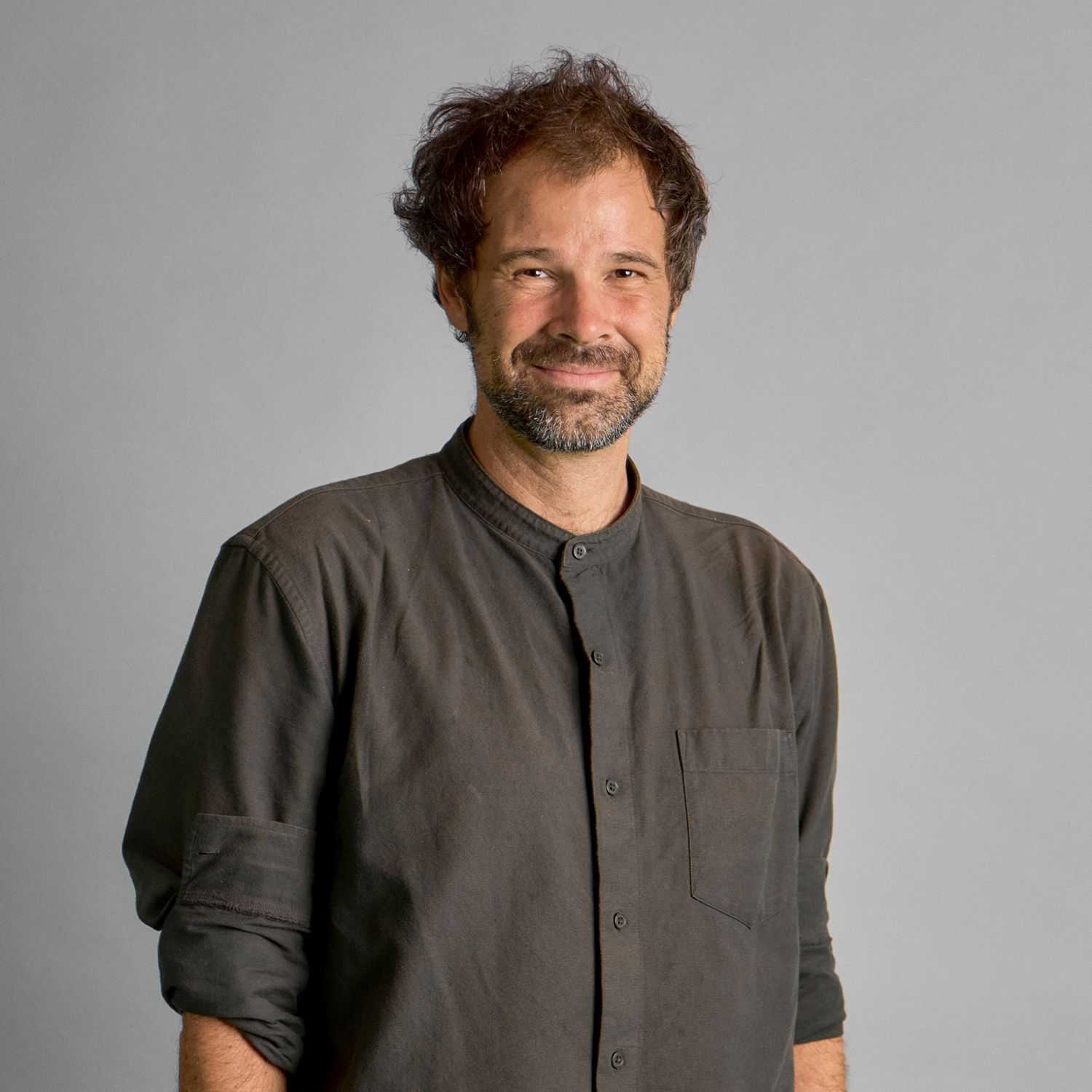
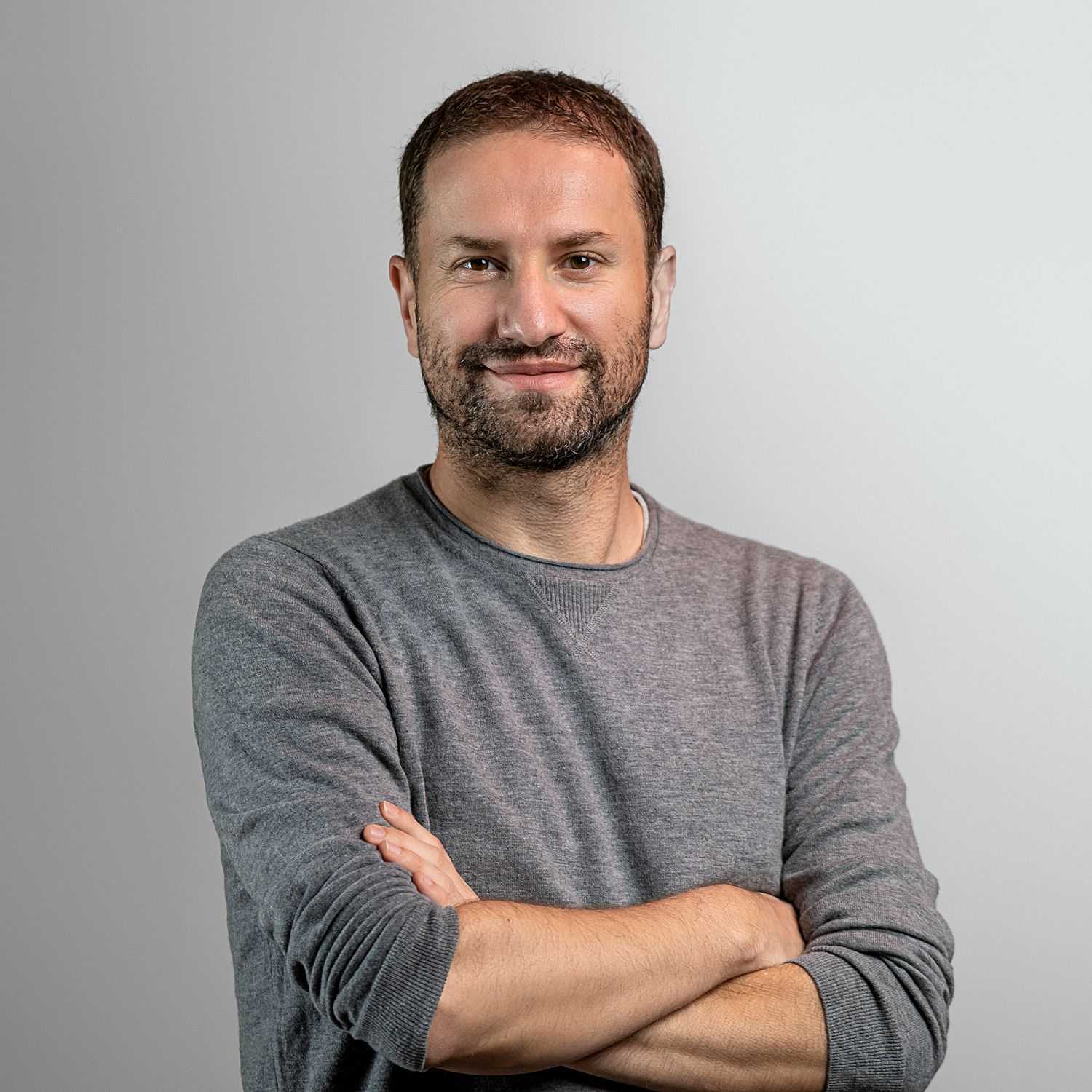
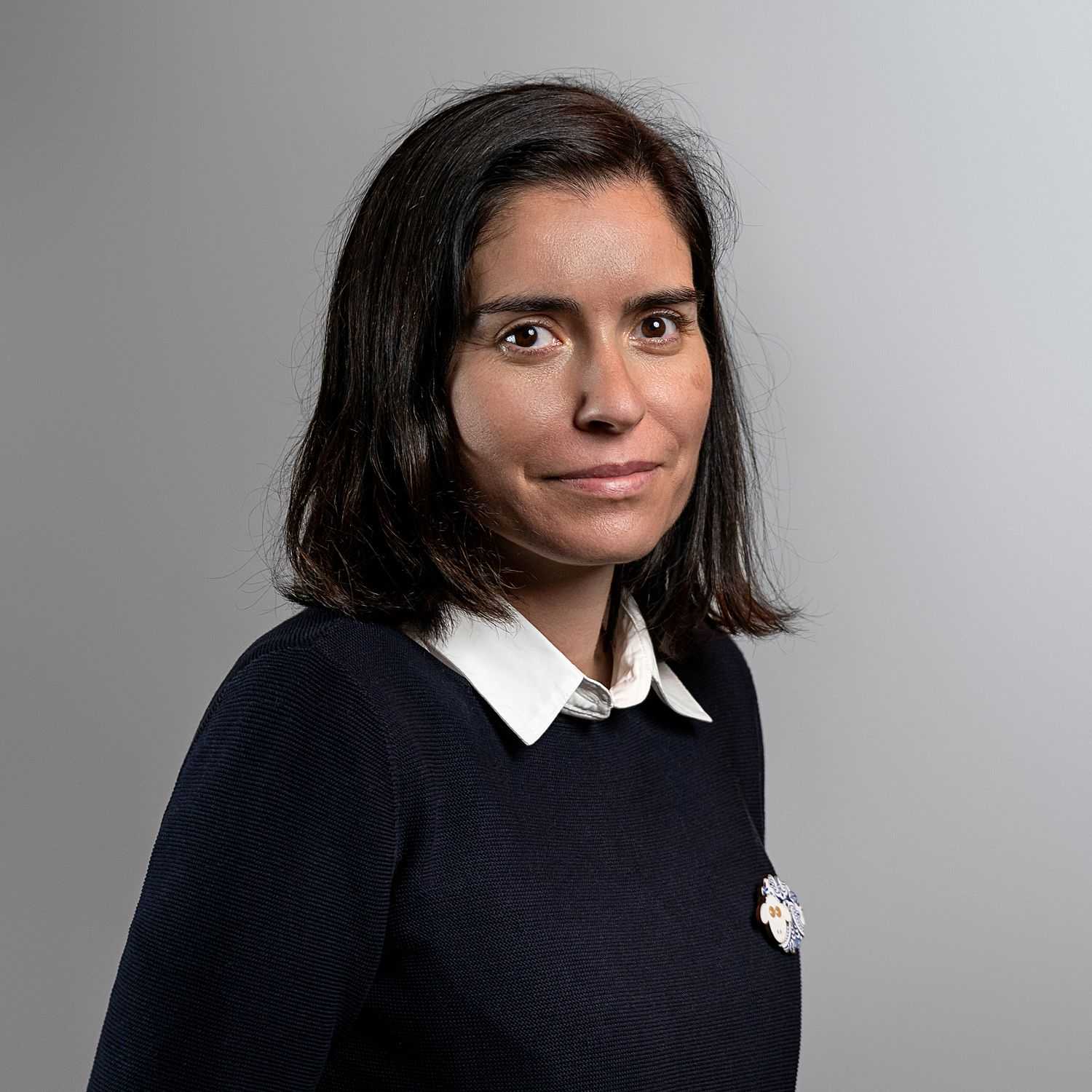
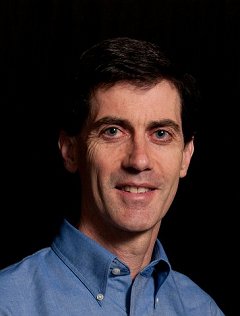
Manuel Gil Pérez is an Associate Professor in the Department of Information and Communication Engineering at the University of Murcia, Spain. His research focuses on cybersecurity, intrusion detection systems, trust management, and privacy-preserving data sharing in dynamic scenarios. University of Murcia (Faculty of Computer Science) Researcher in EU H2020/FP7 projects Key research areas include: Cyber deception frameworks for threat actor profiling Trust management in 5G/6G networks Decentralized federated learning security Privacy-preserving healthcare data systems Context-aware security mechanisms Recent publication trends highlight: Integration of knowledge graphs for threat analysis Moving target defense in distributed systems Standardization of trust frameworks for next-gen networks Adaptive risk assessment models Scientific contributions include: Design of antifragile deception systems Development of Fedstellar DFL platform Pre-standardization of reputation-based trust models Hardware fingerprinting for IoT security
Dr. José Carlos Cabaleiro Domínguez is a Full Professor in the Department of Electronics and Computing at the University of Santiago de Compostela's Faculty of Computing, Spain. He has been a member of CiTIUS (Centro singular de investigación en tecnoloxías da información e comunicación) since 2010 and was promoted to Full Professor in 2022 after serving as an Associate Professor since 1994. His academic journey began with a BS and PhD in Physics from the University of Santiago de Compostela in 1989 and 1994 respectively, with initial teaching experience at the University of A Coruña from 1990-1994. His research focuses on high performance computing, particularly in parallel systems architecture, development of parallel algorithms for irregular problems with sparse matrices, performance prediction and improvement of parallel applications, memory hierarchy optimization, and applications for grid and cloud computing. He has developed significant expertise in 3D point cloud processing from remote sensors like LiDAR, with applications in urban infrastructure analysis, powerline detection, and route planning. Analysis of his recent publications reveals a strong emphasis on optimizing resource allocation for big data frameworks, developing deep learning applications for point cloud classification, and creating efficient algorithms for powerline detection in LiDAR surveys. His work bridges theoretical computer science with practical applications in geospatial analysis and infrastructure monitoring. His research has been published in top-tier journals including IEEE Transactions, ISPRS Journal of Photogrammetry and Remote Sensing, and Future Generation Computer Systems, reflecting his significant contributions to the field of high performance computing and its applications. Dr. Cabaleiro actively collaborates with researchers across multiple institutions, as evidenced by his extensive publication record with co-authors from various universities and research centers. His work demonstrates a consistent trajectory of advancing parallel computing techniques while applying them to increasingly complex real-world problems involving large-scale geospatial data.
Tomás Fernández Pena is a Full Professor at the University of Santiago de Compostela (USC) and Senior Researcher at the Research Center in Intelligent Technologies (CiTIUS) . With a career spanning over three decades, he has held academic positions since 1990 and contributed extensively to High Performance Computing (HPC), Big Data, and emerging quantum computing fields. Ph.D. in Physics from USC (1994) Senior Member of IEEE Associate Editor for IEEE Transactions on Computers and IEEE Access Research Contributions : His work focuses on parallel systems architecture, cloud computing middleware, and quantum simulation optimization. He has pioneered methods for NUMA systems, LiDAR data processing, and Big Data applications in bioinformatics/cheminformatics. His recent articles show increasing emphasis on quantum computing frameworks and distributed quantum processing. Scientific Recognition : Holds four Spanish Ministry of Education six-year research excellence periods (sexenios de investigación) and has served as Principal Investigator in 3 public projects and co-investigator in 31 EU/Xunta de Galicia funded initiatives. Supervised 7 Ph.D. theses and published 43+ international journal papers. International Collaborations : Maintains academic connections through funded research stays at Loughborough University, University of Tennessee, and University of Illinois Urbana-Champaign. Active in IEEE and participates in global conferences like Euro-Par and CHEP.
David Ryan Glowacki is a cross-disciplinary Research Professor at Universidad de Santiago de Compostela, specializing in the intersection of virtual reality, molecular dynamics, and computational chemistry. He is the founder of the Intangible Realities Laboratory (IRL), a research group working at the immersive frontiers of scientific, aesthetic, computational, and technological practice. His educational background includes a B.A. from the University of Pennsylvania (2003), an M.A. in cultural theory from Manchester University (2004), and a Ph.D. in molecular physics from Leeds University (2008). His diverse academic training spans chemistry, mathematics, philosophy, comparative literature, and religions, reflecting his interdisciplinary approach. Glowacki's research focuses on interactive virtual reality applications for scientific simulation and visualization, particularly in molecular dynamics and drug discovery. He has pioneered the development of interactive molecular dynamics in virtual reality (iMD-VR) as a tool for flexible substrate and inhibitor docking, reaction network exploration, and computational drug design. His work bridges computer science, nanoscience, aesthetics, and cultural theory, creating innovative approaches to scientific problems. An analysis of his recent publications reveals a strong trend toward applying virtual reality technologies to solve complex problems in computational chemistry and drug discovery. His work on iMD-VR has been particularly influential, demonstrating how immersive technologies can enhance molecular modeling, protein-ligand binding studies, and educational approaches in chemistry. He has made significant contributions to understanding reaction networks, SARS-CoV-2 protease inhibition, and the application of machine learning to molecular systems. Royal Society Research Fellowship Philip Leverhulme award ERC grant SIG-CHI best paper award Glowacki has secured substantial research funding through prestigious grants including an ERC grant and Royal Society Fellowship, enabling his innovative work at the intersection of science and technology. His Narupa framework provides an open-source, multi-person VR environment that has been applied across multiple research domains. While specific student advising isn't detailed in the provided information, his educational publications suggest active engagement in teaching computational chemistry through innovative VR approaches. As founder of the Intangible Realities Laboratory, Glowacki leads a team exploring how immersive technologies can transform scientific practice. The lab's work spans from fundamental molecular dynamics research to applications in drug discovery and mental health, demonstrating the broad impact potential of interactive VR technologies. Their citizen science approach to distributed VR experiments represents a novel methodology for conducting large-scale psychological research.
Juan Carlos Pichel Campos is a Full Professor at the University of Santiago de Compostela (USC) specializing in high performance computing and language technologies. His research spans quantum computing, distributed systems, and Big Data technologies with a focus on practical applications in health informatics and computational physics. He received his B.Sc. and M.Sc. in Physics from University of Santiago de Compostela (Spain) and completed his Ph.D. there in 2006. He conducted postdoctoral research at University Carlos III de Madrid and University of Illinois at Urbana-Champaign, and worked as a researcher and project manager at Galicia Supercomputing Center. Professor Pichel's research interests include parallel and distributed computing, Big Data technologies, programming models, and software optimization techniques for emerging architectures. His recent work has focused on bridging quantum computing with classical high performance computing systems, developing efficient algorithms for processing massive biological datasets, and creating tools for health-related information retrieval and misinformation detection. His interdisciplinary approach combines techniques from computer science, physics, and biomedical informatics to solve complex computational problems. Analysis of his recent publications reveals a strong trend toward quantum computing applications and integration with classical HPC systems (accounting for approximately 40% of his recent work), followed by health informatics and natural language processing (about 30%), and bioinformatics and computational physics (about 30%). His research demonstrates a consistent focus on developing practical tools and frameworks that address real-world computational challenges across multiple domains. rePowerSiC: High-Efficiency High-Power Laser Beaming In-Space Systems Based On Sic (2024-2028) C3HS: Content curation for consumer health search - Search and misinformation detection (2023-2026) Big-eRisk: Early Prediction of Personal Risks on Massive Data (2021-2024) eRISK: Technologies for the early prediction of signs related with psychological disorders (2019-2021) BigNLP: Approaching High Performance Computing to Big Data Technologies: Natural Language Processing as Case Study (2015-2018) Professor Pichel has established strong collaborations with research groups across Europe and the United States, particularly in the fields of quantum computing and biomedical informatics. He is actively involved with CiTIUS (Centro singular de investigación en tecnoloxías da información e da comunicación de USC), contributing to its mission of advancing information and communication technologies through interdisciplinary research.
Natalia Seoane Iglesias serves as an Associate Professor in the Department of Applied Physics at the University of Santiago de Compostela's College of Physics. Her research integrates semiconductor device physics with high-performance computing to address challenges in next-generation electronics and energy conversion systems. B.Sc. in Physics, University of Santiago de Compostela (Spain) Ph.D. in Physics, University of Santiago de Compostela (2007) Postdoctoral research: University of Glasgow (2007-09), University of Edinburgh (2011), Swansea University (2013-15) Her research focuses on semiconductor device simulation , nanoscale variability analysis , and laser power conversion systems . She develops advanced computational tools combining 3D finite-element modeling with machine learning techniques to optimize device performance. Current projects target ultra-high efficiency (>80%) SiC-based laser converters for space applications and statistical variability studies in sub-10nm transistor architectures. Her publication portfolio reveals strong trends in machine learning-enhanced TCAD and high-concentration photovoltaics . Recent work demonstrates how vertical epitaxial heterostructures with SiC/GaN materials can overcome traditional efficiency barriers in wireless power transfer systems, while her nanoscale variability studies provide critical insights for future CMOS scaling. Key scientific contributions include: Development of MLFoMpy for semiconductor data post-processing Novel Pelgrom-based predictive models for device variability Breakthrough laser power converter architectures exceeding 80% efficiency Comprehensive studies of metal grain effects in nanosheet FETs She leads the rePowerSiC project (2024-2028) developing space-qualified laser power systems and contributes to multiple EU-funded initiatives in high-performance computing. Her team employs advanced simulation frameworks including VENDES and Silvaco Atlas for device characterization, with applications ranging from satellite power systems to refinery monitoring drones.
Nikolaos Karagiannis serves as Professor at the Technical University of Madrid (UPM) within the Department of Industrial Chemical Engineering and Environmental Engineering, and is a member of the Institute for Optoelectronic Systems and Microtechnology (ISOM) and its Semiconductor Devices Research Group. His research pioneers molecular simulations of synthetic/biological polymers, specializing in atomistic-level Monte Carlo algorithms for studying barrier properties, rheology, thermodynamics, and phase behavior of complex macromolecular systems. This work enables computer-aided design of advanced materials including colloidal-based systems, liquid crystal biosensors, and nanoconfined thin films, with significant contributions to the Simu-D simulation software suite. Professor Karagiannis has coordinated four and participated in twelve competitive projects including EC initiatives (PMILS, KORRIGAN, MNIBS), Spanish programs (NAFCA, MOSDOP, HIMOBIOS), and industrial collaborations with Dow Chemicals, BP-Amoco, Rhodia, and Borealis. He has directed five research fellowships, four diploma theses, thirteen master's theses, and two doctoral theses while currently supervising two master's and three doctoral candidates. His scientific recognition includes: Distinguished scientist award from Hellenic Ministry of Defense (2005) Ramón y Cajal fellowship from Spanish Ministry of Science (2009) Outstanding Reviewer award from American Physical Society (2023) He serves as founding member of the APS Soft Matter topical group, academic editor for Crystals journal, and board director of polyhub network. With over 350 reviews for 50+ journals, he maintains active roles evaluating for ANECA, CSIC, FONDECYT, and Marie-Sklodowska-Curie programs.
Alberto Juan Sebastian Lombraña serves as a Part-Time Lecturer and PhD candidate in the Department of Languages and Computer Systems and Software Engineering at the School of Computer Engineering, Technical University of Madrid. His academic activities are anchored in quantum information research through dual affiliations with the Quantum Information and Computing Research Group (GIICC) since February 2022 and the Center for Computational Simulation Research (CCS) since July 2020. His research profile centers on Quantum Computing and Quantum Information, with significant contributions to Computer Networks, Software Engineering, and Electronic Engineering as evidenced by his thematic output frequency. These interdisciplinary interests bridge theoretical quantum frameworks with practical computational applications. Key research engagements include: Quantum Information and Computing Research Group (GIICC) membership since February 2022 Center for Computational Simulation Research (CCS) membership since July 2020 and renewed in February 2023
Vicente Martin Ayuso is a Professor at the Department of Computer Languages and Systems and Software Engineering at the Technical University of Madrid (UPM). He has held this position since 1996 and currently serves as Deputy Director of the Center for Research in Computational Simulation (CCS) since 2023. Additionally, he is the Director of CCS (since 2015) and Principal Investigator of the Research Group on Information and Quantum Computing (GIICC) since 2005. Department: Computer Languages and Systems and Software Engineering Institution: Technical University of Madrid (UPM) Research Groups: GIICC (Principal Investigator) CCS Roles: Member (2015), Director (2015), Deputy Director (2023) His research spans interdisciplinary areas, combining theoretical computer science with physics. Key interests include: Quantum computing and information theory Computational simulations in physics Optics and atomic/molecular physics Hardware architecture and computer networks Mathematical physics and telecommunications His work reflects a strong focus on computational methods applied to physical systems, with an emphasis on quantum technologies and interdisciplinary collaborations.
Sandra María Gómez Canaval is an Associate Professor at the Universidad Politécnica de Madrid , affiliated with the Department of Computer Systems . Her research focuses on: Artificial Intelligence and Machine Learning Bio-Inspired Computational Models Distributed and High-Performance Computing Generative Models and Network Security Data Mining and Time Series Forecasting Her recent work explores machine learning applications for: Network traffic prediction Harmful algal bloom forecasting Energy-efficient deep neural networks Automated guided vehicle control Cryptomining attack detection Her publications highlight expertise in Generative Adversarial Networks (GANs), cloud-based security, and Industry 4.0 systems. She actively contributes to: Data augmentation techniques Parallel computing architectures Network digital twin development
Isabel Navazo is a Lecturer at the Department of Computer Languages and Systems, Polytechnic University of Catalonia, Spain. Her work focuses on medical imaging applications, volume and solid modeling, virtual reality, and occlusion culling. Research Interests: She specializes in Volume and Solid Modeling , Virtual Reality , and Medical Applications , particularly in colon segmentation, volumetric rendering, and interactive visualization tools. Her research often bridges computational methods with clinical diagnostics. Publication Trends: Recent articles highlight her contributions to MRI segmentation, medical visualization, and haptic rendering. Key themes include colonic content analysis , interactive exploration of medical data , and texture-based hybrid visualizations for diagnostic applications.
Attila Kertesz is an Associate Professor in the Department of Software Engineering at the University of Szeged, Hungary. He leads the IoT Cloud research group and coordinates key projects including the FogBlock4Trust sub-grant (TruBlo EU H2020) and the NKFIH-FK (OTKA) 131793 project. He serves on Management Committees for COST Actions CA19135 and CA17136. His research spans Cloud Computing (39%), IoT (38%), and Simulation (33%), with additional expertise in Fog Computing, Data Protection, and Blockchain. Kertesz investigates data management challenges in distributed systems, focusing on Edge-Cloud integration, resource optimization, and security architectures for IoT environments. Recent publications (2024-2025) demonstrate strong emphasis on converging Fog/Edge computing with Blockchain and Federated Learning for IoT applications. His work addresses resource-aware parallel computing optimization and domain-specific languages for Ambient Assisted Living microservices, appearing in IEEE Access and Simulation Modelling Practice and Theory. Professor Kertesz secures significant funding from EU H2020 and Hungarian Scientific Research Fund sources, supporting active research through multiple collaborative projects. While specific student counts aren't published, his project leadership indicates ongoing supervision opportunities. As leader of the IoT Cloud research group, Kertesz fosters innovation in Cloud-to-Things continuum technologies through theoretical and applied research, with strong international project participation and publication output.
Victor Manuel Rodriguez Espinosa is a Professor in the Department of Geology, Geography and Environment at the University of Alcalá's Faculty of Philosophy and Letters. He leads the research group 'Geographic Information Technologies and Territorial Analysis,' focusing on GIS applications in socio-environmental challenges. His work spans urban simulation, risk mapping, and land-use optimization. His research integrates spatial analysis with environmental planning, notably in projects like green infrastructure design for the Henares Corridor (Madrid) and cross-border GIS frameworks in Central America. He collaborates internationally, including capacity-building initiatives at the National Autonomous University of Honduras. Recent publications emphasize urban cadastral systems, deforestation monitoring, and spatial methodologies. He actively mentors PhD students in geospatial topics and has developed educational frameworks for GIS competency in higher education.
Luis Manuel Frutos Gaite is a University Professor in the Department of Analytical Chemistry, Physical Chemistry and Chemical Engineering at the University of Alcalá. He coordinates the Reactividad y Estructura Molecular (Reactivity and Molecular Structure) research group and teaches courses in computational chemistry, physical chemistry, and biophysics across multiple degree programs including Pharmacy, Chemistry, and the Chemistry for Sustainability and Energy master's program. His research interests span several interconnected areas in theoretical and computational chemistry: Computational chemistry software development Computational models for photoinduced processes Study of photoreactivity of molecular devices (switches and motors) Study of reactivity and electronic properties of organometallic complexes Theoretical and computational studies of mecanochemistry and photomechanical chemistry Quantum chemical studies of molecular processes and systems Professor Frutos Gaite's recent publications (2019-2025) demonstrate a strong focus on the intersection of mechanical forces and photochemical processes, with applications to molecular switches, solar energy storage systems, and fundamental understanding of photochemical mechanisms. His work often employs advanced computational methods including multiconfigurational quantum mechanical calculations and molecular dynamics simulations. Notable scientific contributions include: Development of computational models for predicting reactivity under mechanical forces Studies on mechanical modulation of energy gaps in molecular systems Research on molecular solar-thermal energy storage systems Contributions to the OpenMolcas quantum chemistry software package Elucidation of photoisomerization mechanisms relevant to vision Professor Frutos Gaite has secured multiple research grants from the University of Alcalá, the Spanish Ministry of Science and Innovation, and other funding bodies. His research group actively collaborates with national and international partners, contributing to the advancement of computational photochemistry and mecanochemistry. His laboratory, the Reactividad y Estructura Molecular research group, provides a dynamic environment for students and researchers interested in computational approaches to chemical problems, with particular emphasis on photochemical and mechanochemical processes.
Thomas W. Reps is the J. Barkley Rosser Professor & Rajiv and Ritu Batra Chair Emeritus at the University of Wisconsin-Madison , where he has been a faculty member since 1985. He is also President of GrammaTech, Inc., and a co-founder of the company. Education: Ph.D. in Computer Science from Cornell University (1982), winner of the 1983 ACM Doctoral Dissertation Award. Reps’s research spans program analysis , abstract interpretation , model checking , and computer security . His recent work focuses on quantum computing verification , probabilistic program analysis , and symbolic methods for static analysis . His publications (over 225) include foundational contributions to program slicing (1988 paper with Horwitz and Binkley, cited >1,780 times), machine-code analysis (ETAPS Best-Paper Awards in 2004 and 2008), and programming environments (co-author of The Synthesizer Generator ). Key awards include the ACM SIGPLAN Programming Languages Achievement Award (2017) , Guggenheim and Packard Fellowships , and ACM Fellow (2005) . Students: Mentored award-winning graduates like Akash Lal (SIGPLAN Outstanding Dissertation) and Venkatesh Srinivasan (Outstanding Graduate Student Research Award).