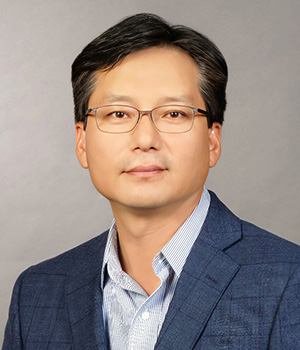
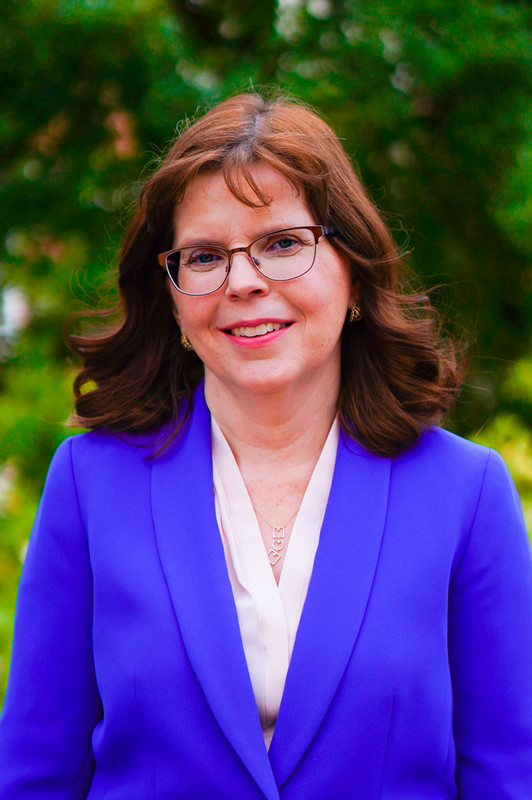
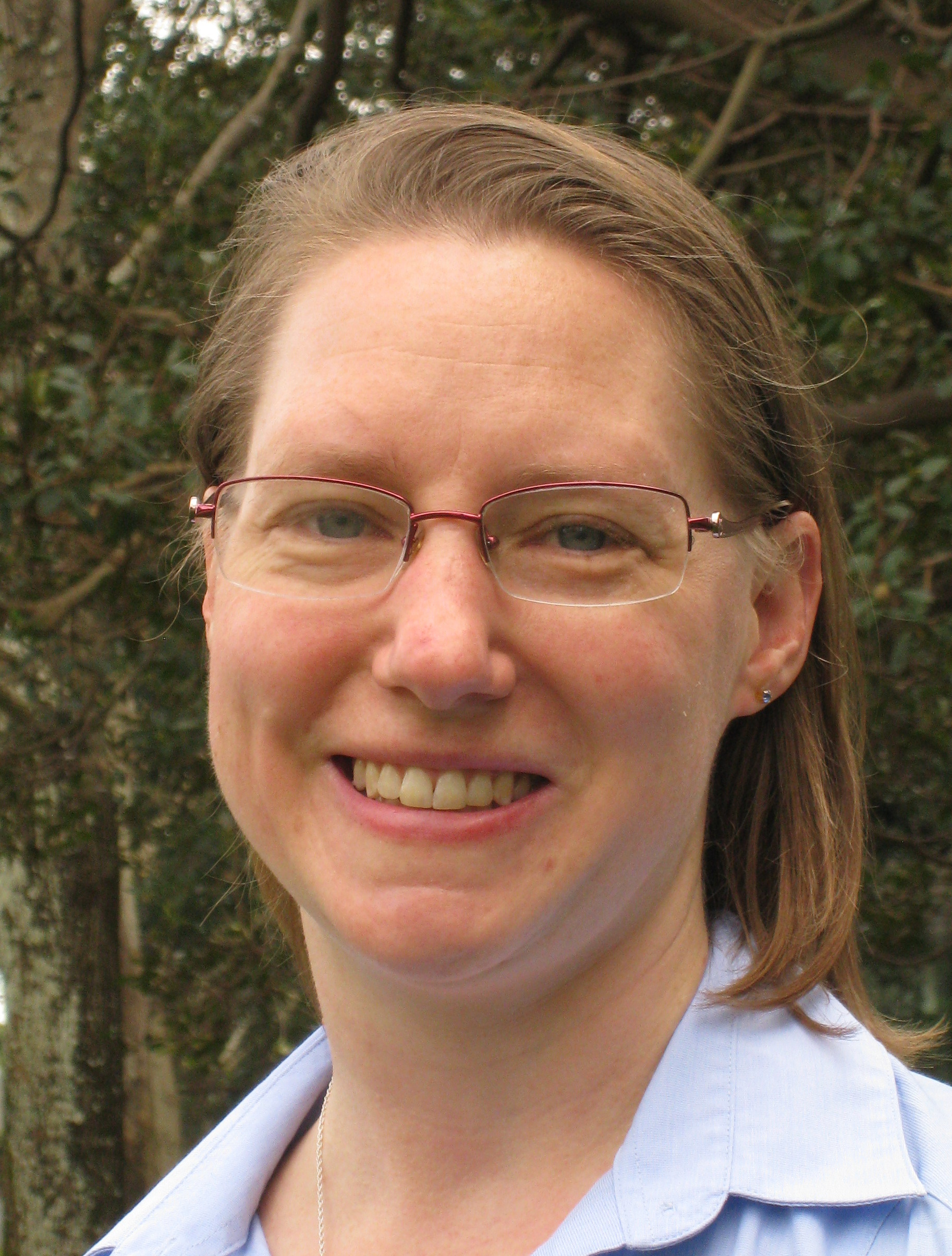
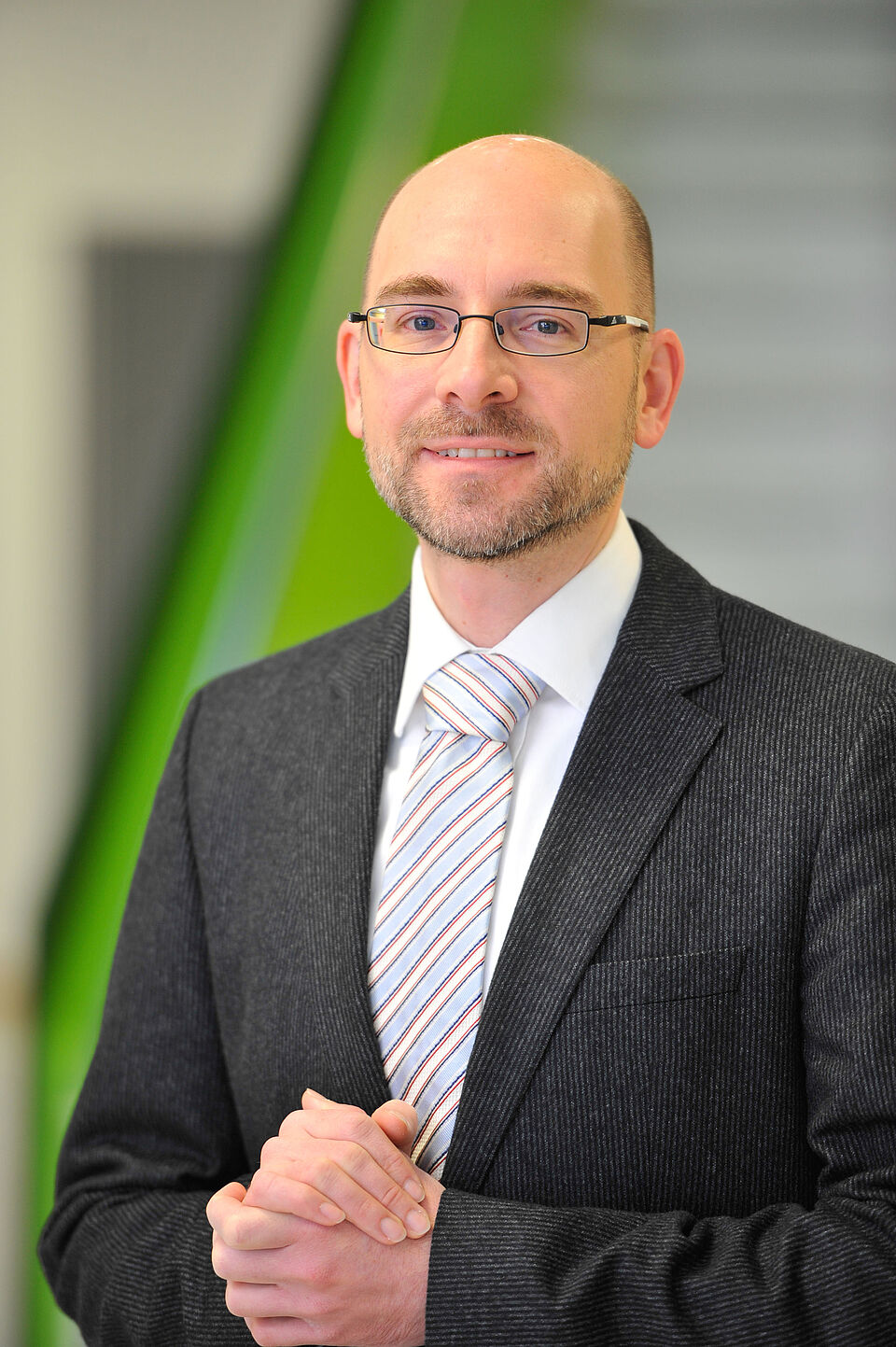
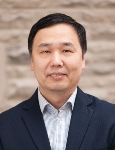
Kangsang Lee is Assistant Professor of Chemistry at the University of Central Florida's College of Sciences. His research develops novel synthetic methods in organosilicon chemistry and polymer science. Recent work explores catalytic C-H silylation techniques and silicone-acrylate copolymer systems with applications in advanced materials and conductive coatings. His group investigates fundamental reaction mechanisms while developing practical synthetic protocols.
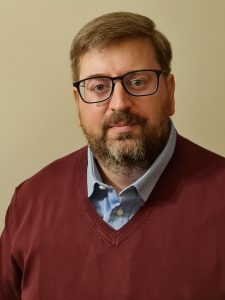
Dr. Robert O’Connor is an Assistant Professor at the School of Physical Sciences, Dublin City University (DCU) , specializing in interface chemistry and thin film characterization. His work bridges semiconductor physics and energy harvesting technologies , with a focus on materials like high-κ dielectrics and III-V substrates. BSc in Applied Physics (2001), DCU PhD in Semiconductor Physics (2005), DCU His research employs X-ray photoelectron spectroscopy (XPS) and atomic layer deposition (ALD) to study material interfaces in devices such as MOSFETs and photoelectrochemical systems . He leads a 4-year SFI-funded project on solar water splitting for hydrogen fuel and collaborates with Trinity College Dublin (SPOKE project) and IMEC, Belgium on area-selective deposition techniques. His lab utilizes a state-of-the-art integrated ALD-XPS tool . His scientific awards include the Marie Curie Intra-European Fellowship , Irish Research Council EMBARK Fellowship , and SFI TIDA Award . Publications span high-κ dielectrics , self-assembled monolayers , and block copolymer lithography , with recent work on graphene oxide heterostructures and recyclability in additive manufacturing . He supervises 5 postgraduate students and teaches modules like Final Year Project (PS451) and Solid State Physics I (PS204) . Collaborations include institutions such as IMEC and Trinity College Dublin , with tools like the integrated ALD-XPS system at DCU.
Virginia Davis is the Dr. Daniel F. and Josephine Breeden Professor in the Department of Chemical Engineering at Auburn University's College of Engineering. She holds a Ph.D. in Chemical and Biomolecular Engineering from Rice University, and M.S. and B.S. degrees in Chemical Engineering from Tulane University. Research Focus: Self-assembly of nanomaterials, rheology, lyotropic liquid crystals, additive manufacturing, polymers, nanocomposites, and biosensors Key Projects: USDA-funded agricultural outreach, NSF grant for MXene dispersion studies, Alabama STEM Council member Her recent publications explore cellulose nanocrystals, MXene 3D printing, and sustainable polymer recycling. Davis has received multiple honors including the Breeden Professorship, AIChE Fellowship, and Auburn University Faculty Awards for research and mentorship. Research Trends: Dominated by bio-based nanomaterials (cellulose nanocrystals, MXenes), with applications in additive manufacturing, environmental remediation (PFAS adsorption), biosensors (carbofuran detection, cancer biomarkers), and agricultural delivery systems. Scientific Awards Auburn University Faculty Awards (2023, 2025) AIChE Fellow (2023) Dr. Daniel F. and Josephine Breeden Professorship Davis leads outreach initiatives like the Tomorrow’s Community Innovators camp and collaborates with interdisciplinary teams on plastic recycling innovations. Her work emphasizes both fundamental material science and practical applications addressing environmental and agricultural challenges.
Dr. Mark Bissett is Reader in Nanomaterials at the University of Manchester's Department of Materials Engineering. He holds a PhD in Nanotechnology from Flinders University and was Research Assistant Professor at Kyushu University before joining Manchester. He directs the Advanced Nanomaterials Group focusing on 2D material applications. His research integrates graphene, carbon nanotubes, and transition metal dichalcogenides into electrochemical energy storage devices and polymer nanocomposites. Key areas include: Supercapacitor and battery electrode design Tribological coatings for industrial applications Multifunctional structural composites Publications span electrodeposition techniques, composite reinforcement strategies, and nanomaterial synthesis. Recent work shows strong emphasis on graphene-enhanced composites, MXene applications, and energy storage innovations. He teaches nanotechnology and composites courses, and leads the Nanotechnology unit coordination. Industrial collaborations include his role as CSO at MOLYMEM Limited. Laboratory facilities at the National Graphene Institute support his group's experimental work.
Associate Professor Judy Hart is a materials scientist at the School of Materials Science & Engineering, UNSW Sydney , specializing in the development of semiconducting materials for renewable energy applications. Her work integrates computational (DFT) and experimental approaches to understand composition-property relationships in systems like solid solutions , heterostructures , and doped materials for photocatalysis and solar cells . She leads projects funded by ARC Discovery and Linkage grants , including work on photo-electro-catalysis systems and stabilizing ceramic materials . Education: PhD in Materials Engineering (Monash University, 2007), BEng (Materials) (Monash, 2002) Professional Experience: Senior Lecturer (UNSW, 2017–), Lecturer (UNSW, 2013–2017), University of Bristol (2007–2012) Research Interests Her research focuses on designing materials for renewable energy , particularly photoelectrochemical water splitting and organic oxidation reactions . Key areas include Density Functional Theory (DFT) , defect engineering , band gap tuning , and nanostructured materials . She investigates ferroelectric polarization effects , metal oxide heterostructures , and stability of battery components , with applications in hydrogen production , CO2 conversion , and advanced battery materials . Scientific Awards Ramsay Memorial Fellowship (University of Bristol, 2007–2009) Teaching Contributions She is co-author of the 1st Australian & New Zealand edition of "Materials Science and Engineering: An Introduction" , and teaches courses on computational materials science , corrosion-resistant surfaces , mechanical behavior of metals , and materials design .
Michael S. Eberhart is an Assistant Professor in the Department of Chemistry and Environmental Science at New Jersey Institute of Technology (NJIT). His research focuses on solar energy conversion, specifically photoexcited charge transfer reactions and biomimetic strategies for artificial photosynthesis. He holds a Ph.D. in Chemistry from Columbia University (2016) and a B.S. in Chemistry from New Mexico State University (2010). His work integrates electrochemistry, electrocatalysis, and photoelectrocatalysis to develop sustainable solutions for energy and environmental challenges. Eberhart’s lab, eberhartlab.com , explores molecular functionalization of electrodes for water remediation and solar fuel generation. His recent studies highlight innovations in mesoporous metal oxide photoanodes and surface-bound molecular complexes for enhanced catalytic efficiency. Major research themes include stabilizing chromophores on nanostructured materials, designing bifunctional chromophore assemblies, and optimizing charge transport pathways. His articles from 2017–2021 emphasize advancements in photoelectrochemical systems, with a focus on water oxidation catalysis and plasmon-enhanced light utilization. The lab’s interdisciplinary approach bridges inorganic chemistry, materials science, and renewable energy applications.
Prof. Dr. Georg Garnweitner is a full Professor of Nanomaterials at the Institute for Particle Technology , Faculty of Mechanical Engineering, Technische Universität Braunschweig. He has served as Dean of Studies since 2023, DFG Liaison Lecturer since 2021, and head of the Laboratory for Emerging Nanometrology (LENA) board since 2013. University Professorship in Nanomaterials (2013–present) Junior Professorship in Nanoparticles/Nanocomposites (2007–2013) Research at Max Planck Institute (2005–2006) His research focuses on nanomaterial synthesis , non-aqueous nanoparticle formation , and energy storage materials , particularly for lithium-sulfur batteries. He also explores drug delivery systems using silica aerogels and optofluidic particle analysis . His work combines materials science , surface chemistry , and advanced characterization techniques . Recent publications highlight breakthroughs in solid-state electrolyte design (2023), solvent-free drug loading (2022), and nanoparticle migration dynamics (2020). He contributes to crystal engineering (2021) and population balance modeling (2017) for nanoparticle formation.
Al-Amin Dhirani is an Associate Professor in the Department of Chemistry at the University of Toronto, located in the Lash Miller Chemical Laboratories. His research focuses on nanoengineered materials, particularly quantum nanoengineered materials (q-NEMS), which exhibit emergent quantum phenomena. Key themes include bottom-up synthesis of nanostructured materials, development of novel fabrication techniques for 2D materials like MoS₂, and applications in green technologies and electrochemical sensing. Research interests emphasize hybrid molecule-nanostructure states (HYMNS) that enhance optical/electrical properties, as well as advanced applications such as conductivity meters and water electrolysis materials. His lab has pioneered methods for defect healing in exfoliated MoS₂ and scalable assembly of nanostructured films. Recent achievements include student milestones like Steven Gravelsins’ PhD completion and Monique’s NSERC postdoc fellowship. Located at 80 St. George Street, the Dhirani Lab collaborates on projects ranging from fundamental quantum transport studies to applied sensor technologies. The group actively publishes in top journals like ACS Nano and Communications Chemistry , with a focus on interdisciplinary material science and physics.
Ramses Martinez is an Assistant Professor in the Department of Industrial Engineering and Biomedical Engineering at Purdue University . He holds a B.A. in Applied Physics from Universidad Autonoma de Madrid (2004) and a Ph.D. in Physics and Materials Science from the Spanish National Research Council (CSIC) in 2009. Prior to joining Purdue, he conducted postdoctoral research in the lab of Prof. George M. Whitesides at Harvard University, focusing on nanofabrication, microfluidics, and soft robotics. Education B.A. in Applied Physics, Universidad Autonoma de Madrid (2004) Ph.D. in Physics and Materials Science, Spanish National Research Council (CSIC) (2009) His research bridges soft robotics , flexible electronics , and nanofabrication , with a focus on creating self-powered e-textiles , omniphobic paper-based devices , and programmable mechanical metamaterials . His work has led to over 25 publications and 9 patents, emphasizing practical applications in health monitoring and industrial automation . Notable projects include waterproof electronic decals for biofluid monitoring, smart bandages for chronic wound detection, and laser nanoforming methods for scalable metallic structures. His research has been recognized through the Fulbright Fellowship and the Marie Curie IOF Grant .
Mariela Martins Nolasco is an Assistant Researcher at the Department of Chemistry, University of Aveiro. She specializes in computational spectroscopy, focusing on bridging theoretical and experimental research through combined computational and spectroscopic methods. Her work emphasizes understanding molecular dynamics in materials like deep eutectic solvents, polymers, and luminescent systems. Education: B.Sc. in Chemical Engineering (1999), M.Sc. in Chemistry (2004), Ph.D. in Physical Chemistry (2007), all from University of Aveiro. Research Interests: Computational Spectroscopy, Neutron Scattering, Deep Eutectic Solvents, Polymer Dynamics, Cellulosic Materials. She has led 9 R&D projects (2 national, 7 international) and contributed to 15 others. Notable collaborations include work at ISIS Neutron & Muon Source (UK) and Institut Laue-Langevin (France). Her awards include the 2021 ISIS Impact Award for societal impact in polymer research.
Dr. Matthew Palframan is a Lecturer in Pharmaceutical Chemistry at the School of Pharmacy , University of Wolverhampton . His research focuses on synthetic organic chemistry, particularly natural product synthesis and reaction development involving radicals, carbenes, and photochemistry. BSc in Pharmaceutical Science MPharm courses: 4PY019, 5PY022 4CH003 - Fundamentals of Organic Chemistry 7CH005 - Advanced Topics in Organic Chemistry Education: MChem in Chemistry (University of Oxford, 2002-2006) PhD in Chemistry (University of York, 2007-2010) Research Interests: Dr. Palframan's work centers on synthetic organic chemistry, with emphasis on natural product synthesis, reaction development, and mechanistic studies. Key techniques include radical chemistry, photoredox catalysis, and cycloaddition reactions. Scientific Contributions: His publications span biomimetic synthesis of taxanes, cembranoid chemistry, radical arylation methods, and computational studies of reaction mechanisms. Notable works include studies on sobralene rearrangements and grandifloracin derivatives. Associate Fellowship of the Higher Education Academy (2019) Member of the Royal Society of Chemistry (2015)
Terry L. Bone, PhD is a Teaching Professor in the Chemistry Department at Missouri University of Science & Technology (Missouri S&T) in Rolla, Missouri. His office is located in 120B Schrenk Hall, and he teaches multiple chemistry courses including General Chemistry (Chem 1, Chem 2, Chem 3, Chem 8) and Organic Chemistry laboratory courses (Chem 224, 226, 228). Dr. Bone's primary research interests focus on Chemistry Education and Laboratory Experiment Development . His work bridges theoretical chemistry with practical educational applications, particularly in developing effective laboratory experiences for students. He has shown particular interest in integrating technology into chemistry education, as evidenced by his early work with the Apple II+ computer for data collection and analysis. His publication record spans from 1982 to 1991, showing expertise in polymer science, analytical techniques, and educational technology. The publications reveal a progression from fundamental polymer research to applications in coatings and educational methodologies. His work demonstrates strong interdisciplinary connections between chemistry, materials science, and educational technology. Dr. Bone maintains an extensive collection of chemistry education resources and web links, indicating his commitment to sharing knowledge and innovative teaching approaches with the broader chemistry education community. His homepage serves as a comprehensive resource hub for students and colleagues, featuring course materials, laboratory protocols, and educational tools.
Dr. Thomas Weyhermüller is a Group Leader at the Max Planck Institute for Chemical Energy Conversion (MPI CEC) in the Department of Inorganic Spectroscopy. He obtained his PhD from Ruhr-Universität Bochum in 1994 and has led his research group at MPI CEC since 1995. His work focuses on synthesizing model compounds for spectroscopic studies and understanding catalytic mechanisms, particularly related to nitrogenase and transition metal systems. Research Interests: Dr. Weyhermüller’s group develops molecular model systems to study catalytic processes, including the nitrogenase enzyme’s active site. They employ techniques like X-ray crystallography and NMR spectroscopy to analyze transition metal complexes and their reactivity. Key areas include inorganic chemistry, catalysis, and bioinorganic systems. Publications: Recent studies highlight work on nickel-based hydrogenation catalysts, rhodium-driven hydrodefluorination, and sulfur-ligated iron-carbon clusters mimicking nitrogenase. His articles explore ligand design, electron spin states in diiron complexes, and CO₂ activation mechanisms. Lab Facilities: His lab uses state-of-the-art equipment including a Bruker D8 Venture X-ray diffractometer and a 500 MHz NMR spectrometer. These tools support structural characterization of catalytically active compounds.
Yang Song is a Professor in the Department of Chemistry at the University of Western Ontario. His research focuses on materials under extreme conditions, utilizing high-pressure techniques and synchrotron radiation. He holds a B.Sc. from Peking University, a Ph.D. from Iowa State University, and postdoctoral training at Harvard University and the Carnegie Institution of Washington. His work explores novel functional materials through pressure tuning, with applications in energy storage, photovoltaics, and nanoporous materials. Key research tools include diamond anvil cells, FTIR, Raman spectroscopy, and synchrotron-based techniques. Notable awards include the Petro-Canada Young Innovator Award and the Ontario Early Researcher Award. His group has mentored numerous students, including M.Sc. and Ph.D. candidates, many of whom have presented at international conferences. The Song Research Laboratory collaborates with institutions globally, including the Canadian Light Source and Argonne National Laboratory. Recent projects address high-pressure photochemical reactions, hydrogen storage materials, and structural tuning of MOFs. Teaching includes courses in physical chemistry, analytical chemistry, and materials analysis. His lab’s infrastructure supports cutting-edge research, with a focus on interdisciplinary approaches at the intersection of chemistry, physics, and materials science.
Riccardo PICCARDI is a CNRS Researcher at the Université Paris Descartes, affiliated with the Chemistry towards Life Sciences department (UMR 8601). He has held this position since 2014, following roles as a CNRS Researcher at Université Paris Sud (2009–2014) and a Post-Doctoral Fellow at institutions in Lyon, Munich, and Switzerland. His expertise spans organic and organometallic chemistry, with a focus on synthetic methodologies for bioconjugation and flow chemistry applications. Research Interests: His work centers on the reactivity of α-alkynyl-diazosilanes and dimethylalkynylaluminum reagents, emphasizing their utility in protein functionalization and continuous flow synthesis. Key areas include organometallic chemistry, bioconjugation strategies, and sustainable synthetic methods. Teaching & Administration: Teaches flow chemistry and minor chemistry courses. Administrative roles include Health and Safety Assistant and Webmaster. Collaborations: Works with Prof. Emmanuelle SACHON (Sorbonne Université) and contributes to networks like the GdR Synthflux. Grants: Secured funding including the 2024 IdEX “Emergence” Université Paris Cité grant (Light Carbenes project) and a 2010 Université Paris Sud-11 grant.