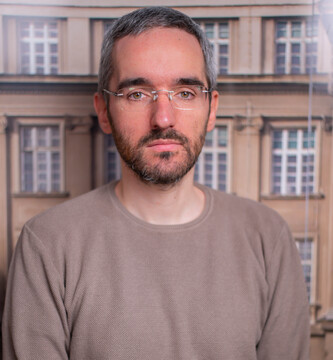
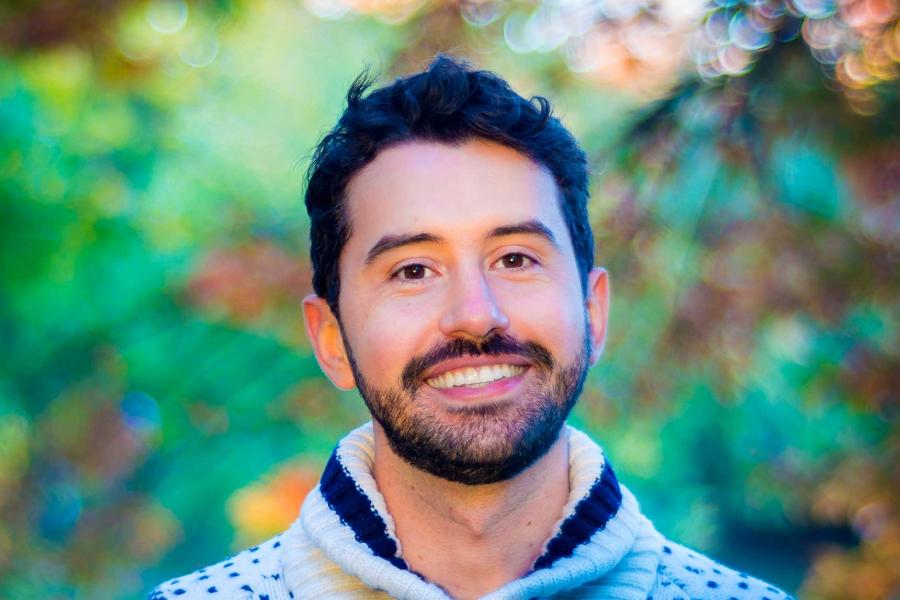
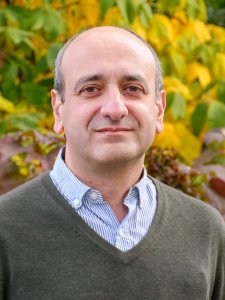
Prof. Dr. habil. Katrin Giller leads the Department of Molecular Nutrition Science (140a) at the University of Hohenheim, Garbenstraße 30, Bio Building I, Room 151, Stuttgart. Her research focuses on livestock nutrition, with specific interests in methane mitigation, antioxidant mechanisms, and metabolic syndrome in agricultural animals. Department: Molecular Nutrition Science (140a) Contact: katrin.giller@uni-hohenheim.de Office Hours: By appointment Her work spans nutritional biochemistry , ruminal fermentation , and sustainable livestock systems , often examining interactions between dietary compounds (e.g., spirulina, polyphenols, n-3 fatty acids) and animal physiology. Recent studies investigate antioxidant gene expression , transgenerational metabolic impacts , and feed efficiency . Current advisees include B.Sc. Viola Gauly, Fernando Giugno, Jana Kornherr, Mira Kühn, Daniel Obermüller, and Helen Pötzsch. The department's website details research projects, teaching events, and publications.
Mustafa TAN is a Professor at Havsa Vocational School of Trakya University and currently serves as Vice Rector of Trakya University since August 2024. He has held various administrative roles, including Director of Edirne Rose and Red Application and Research Center (August 2024–October 2024) and Director of Havsa Vocational School (2020–2024). Previously, he was a Professor and academic leader at Atatürk University's Faculty of Agriculture from 1995 to 2019, serving as Vice Dean (2008–2012) and Department Head. His research focuses on forage crops, quinoa genetics, and agricultural sustainability. Notable projects include studying genetic diversity in forage pea and developing herbicide-resistant quinoa varieties. He has authored/co-authored over 100 publications, including articles on crop improvement, silage quality, and climate-resilient agriculture. Dr. TAN has supervised numerous PhD and MSc students and contributed to books like Alternatif Yem Kaynakları . His work emphasizes practical applications, such as optimizing forage production and enhancing crop resilience in Turkey's high-altitude regions. He has led projects funded by TÜBİTAK and university grants, addressing challenges like quinoa adaptation to arid conditions and nitrogen use efficiency. His contributions extend to editing educational materials and promoting sustainable agricultural practices through publications and conferences.
Célia Maria Gonçalves Soares is an Adjunct Assistant Professor at the School of Engineering, Universidade do Minho, with a PhD in Chemical and Biological Engineering (2012). She specializes in mycology, focusing on mycotoxin detection and fungal biodiversity in food commodities. Education: PhD in Chemical and Biological Engineering, Universidade do Minho (2012) MSc in Technology, Science and Food Security, Universidade do Porto (2007) Her research interests include mycotoxin analysis , fungi in food safety , and MALDI-TOF MS applications . Recent work explores bioconcrete and ochratoxigenic fungi in Colombian coffee . Key projects: MYCOTOX-PALOP (2020–2025) and MIRRI-PT (2021–2023). She has published 20+ articles and co-authored chapters on fungal identification. Scientific Awards: 3rd Poster Prize (2011)
Norwegian University of Science And TechnologyNorway
Eva Falch is a Professor at the Department of Biotechnology and Food Science, Norwegian University of Science and Technology (NTNU). She chairs the Research Council of Norway’s Food and Bioresources Portfolio Board and serves on boards of the European Food Forum and JPI Healthy Diet initiatives. Her academic career includes roles as Vice Dean for Innovation and Education at NTNU. Education: PhD in Biotechnology (NTNU, 2006), Master in Food Science (NMBU), and Bachelor in Food Technology (HiST). Her research focuses on sustainable utilization of marine resources, lipid technology, and food innovation. Key competencies include biotechnology, seafood quality, omega-3 fatty acids, and rest raw material valorization. Research interests emphasize bioeconomy, marine lipid utilization, and cross-industry collaboration. Her work bridges academia and industry, addressing challenges in cardioprotective foods, innovation processes, and student-industry engagement. Recent projects include UP4Food (upcycling side-streams) and OMEGA (fish oil microencapsulation). Publications span food chemistry, marine biology, and biotechnology, with emphasis on seafood processing, protein hydrolysates, and functional ingredients. Her work highlights sustainable practices for waste-to-value conversion in fisheries.
Juan Solomon serves as an Associate Professor in the Department of Agriculture, Veterinary and Rangeland Sciences at the University of Nevada, Reno. His research lab operates from Building FA, Room 226d (Mail Stop 202), with direct contact via (775) 784-6888 or juansolomon@unr.edu. Education: B.S. in Agriculture, University of Guyana (2000) Graduate Diploma in Education-Science, University of Guyana (2005) M.S. in Agriculture, Mississippi State University (2010) Ph.D. in Agriculture, Mississippi State University (2013) Research Focus: Dr. Solomon's work centers on grassland ecology and sustainable pastoral systems for ruminant livestock, with emphasis on grazing management, forage quality evaluation, and drought-tolerant crop development. His research program investigates water use efficiency in semiarid forage systems, nutrient cycling dynamics, and climate-resilient crop screening—particularly for native and improved forages in arid western environments. Field studies often integrate ecosystem service valuation with practical livestock production metrics. Publication Trends: Recent work (2023-2025) demonstrates concentrated expertise in alternative forage systems, with 15 high-impact studies examining teff double-cropping, industrial hemp varietals, and cover crop nutrient cycling in Nevada's semiarid landscapes. Key methodological approaches include deficit irrigation analysis, nitrogen optimization trials, and biomass decomposition modeling—all targeting resource-efficient agricultural solutions for water-limited regions.
Søren Krogh Jensen is a Professor at the Department of Animal and Veterinary Sciences (ANIVET) within the Monogastric Nutrition (MONU) unit at Aarhus University. His research focuses on sustainable feed production, nutrient metabolism, and circular bioeconomy strategies in animal agriculture. He leads initiatives in biorefining green plant resources and serves on the steering committee of the Center for Circular Bioeconomy. Education & Research Expertise: Over 35 years of research on feed processing impacts on animal nutrition Specialization in vitamin/fatty acid metabolism, biohydrogenation, and excretion dynamics Expertise in analytical methods and laboratory facilities for nutritional studies Research Themes: Optimizing nutrient utilization across species (ruminants/monogastrics) Developing sustainable feed sources from agricultural byproducts Integrating circular economy principles into livestock systems Evaluating environmental impacts of protein crop expansion Current Projects (2020-2025): GrassProtein (grass-based biorefining) SeaSus-Protein (seaweed protein utilization) UVIBA (UV sterilization in livestock environments) GO-GRASS (grass-based circular business models) Labs & Collaborations: Directs the ANIVET bioeconomy initiative and collaborates with industry on biorefining technologies and feed innovation.
Prof. Dr. Aziz ŞAHİN is a Professor in the Department of Animal Science at the Faculty of Agriculture, Kirşehir Ahi Evran University, Turkey. With over two decades of academic experience, he has progressed from Research Assistant to Professor, holding positions at both Gaziosmanpaşa University and Ahi Evran University. His scholarly contributions span numerous research areas within animal science, with particular emphasis on biometrics, genetics, and breeding of both large and small livestock. Dr. ŞAHİN earned his Bachelor's degree in Animal Science from Ondokuz Mayıs University (1996-2000), followed by a Master's degree in Animal Science from Gaziosmanpaşa University (2001-2004), and completed his PhD in Animal Science at the same institution (2004-2010). His academic journey reflects a consistent dedication to advancing knowledge in animal breeding and genetics. His research primarily focuses on Biometrics and Genetics, Cattle Breeding and Improvement, and Small Animal Breeding and Improvement . Analysis of his publication record reveals a strong emphasis on buffalo and cattle breeding, with particular attention to lactation curves, genetic parameter estimation, meat quality characteristics, and environmental factors affecting dairy production. His work bridges theoretical genetic principles with practical applications in livestock management. Dr. ŞAHİN has received significant recognition for his scholarly contributions, including the prestigious TÜBİTAK Yayın Teşvik award in both 2012 and 2014. His research impact is evident through substantial citation metrics across multiple platforms: UNIS (389 citations, h-index 10), Web of Science (174 citations, h-index 7), Scopus (207 citations, h-index 8), and Google Scholar (747 citations, h-index 15). As an academic mentor, Dr. ŞAHİN has supervised numerous graduate students, serving as primary advisor for 9 Master's theses and 1 Doctoral dissertation. His research program has been supported by 21 funded projects from higher education institutions and public organizations, including significant work on Anatolian buffalo genetics, DNA banking, and lactation parameter analysis. He has also held important administrative roles including Head of Department (since 2024) and Faculty Board Member (since 2018). Dr. ŞAHİN maintains active collaborations with researchers across Turkish institutions, particularly with colleagues at Ondokuz Mayıs University and other agricultural research centers. His ongoing work continues to advance understanding of livestock genetics and breeding practices in the Turkish context.
Prof. Dr. Aleksa Božičković serves as Full Professor at the Department of Nutrition, Physiology and Anatomy of Domestic and Farmed Animals within the Faculty of Agriculture at the University of Belgrade. With extensive experience in animal nutrition science, he teaches numerous courses including Ruminant Nutrition, Applied Nutrition of Domestic and Farmed Animals, and Modern Concepts of Nutrition of Domestic and Farmed Animals. His academic position is supported by a robust publication record spanning over a decade. Professor Božičković's research focuses on critical aspects of animal nutrition with particular emphasis on: Ruminant nutrition systems and their impact on dairy production Forage quality assessment and management strategies Silage technology and preservation methods Feed particle size and physical effectiveness in ruminant diets Nutritional management during critical physiological periods Protein degradability in various forage systems His scholarly work demonstrates a consistent trajectory toward improving precision feeding techniques and understanding the relationship between feed physical structure and animal performance. Recent publications highlight innovative methodologies for assessing forage maturity and nutritional value, particularly in alfalfa and pasture systems. Professor Božičković has made significant contributions to understanding how different feeding strategies affect animal metabolism, chewing activity, and production parameters. Professor Božičković actively contributes to the academic community through teaching, research supervision, and scholarly publications. His work bridges theoretical knowledge with practical applications in animal husbandry, benefiting both students and industry professionals.
Dr. Lawton Stewart serves as a Professor and Extension Coordinator in the Department of Animal and Dairy Science at the University of Georgia's College of Agricultural & Environmental Sciences. With over 15 years of experience at UGA, Dr. Stewart leads statewide extension and applied research initiatives focused on beef cattle production systems in Georgia, building a synergistic program that leverages knowledge, collaboration, communication, and technology to improve the livelihood of Georgia's beef cattle producers. Dr. Stewart's educational background includes: B.S. in Animal Science from the University of Georgia M.S. in Agronomy with emphasis in Forage Management from the University of Florida Ph.D. in Animal Science with emphasis in Ruminant Nutrition and Forage Utilization from Virginia Tech Post-Doctoral Research Fellowship at the University of Kentucky investigating nitrogen metabolism in ruminants Dr. Stewart's research and extension program focuses on beef cattle nutrition, management, and forage systems, with particular emphasis on improving production efficiency in Georgia's diverse beef operations. His work integrates fundamental animal science research with practical extension programming to address challenges specific to southeastern US agriculture. Key areas include optimizing beef-forage systems, evaluating preconditioning and backgrounding strategies, developing sustainable parasite control methods, and investigating the impacts of nutrition on reproductive performance. He actively explores opportunities in beef cattle production such as stockering and retained ownership to enhance producer profitability. Analysis of Dr. Stewart's recent scholarly output reveals a strong thematic focus on integrated beef-forage systems, with particular attention to alfalfa-bermudagrass mixtures, nutritional impacts on reproductive physiology, and innovative management strategies for southeastern production environments. His publications bridge fundamental research with practical applications, addressing challenges like cotton byproduct utilization, baleage production, and sustainable grazing systems while maintaining scientific rigor through collaborations across multiple institutions. Dr. Stewart has received recognition for his contributions to student development: Student Career Success Influencer Award (2023) As an active researcher, Dr. Stewart manages a substantial portfolio of funded projects totaling significant grant support, primarily through the Georgia Commodities Commission for Beef, Cotton Incorporated, Merck & Co., and the Georgia Farm Bureau Federation. His research program includes studies on parasite control, forage improvement, cotton byproduct utilization, and sustainable beef production systems. He coordinates the UGA Beef Team, providing travel and educational support for student competitions including the Elite Stockman Short Course and Top Hand Stockmanship and Stewardship Contest, demonstrating his commitment to developing the next generation of agricultural leaders. Dr. Stewart participates in multiple interdisciplinary research teams focused on beef-forage systems across the southeastern United States, collaborating with agronomists, animal scientists, and extension specialists to address complex challenges in beef production. His program maintains strong industry partnerships that ensure research addresses practical on-farm challenges while advancing scientific understanding of beef cattle production systems in the southeastern agricultural environment.
Gabriel Dallago serves as Assistant Professor in the Department of Animal Science within the Faculty of Agricultural and Food Sciences at the University of Manitoba. His research integrates advanced data analytics with livestock production systems to enhance animal welfare and farm decision-making processes. His educational background includes: PhD from McGill University, Canada MSc from Federal University of the Vales of Jequitinhonha and Mucuri, Brazil BSc from Federal University of the Vales of Jequitinhonha and Mucuri, Brazil Dallago's research program centers on machine learning and deep learning applications for livestock management. Key initiatives include developing predictive models for animal bio-responses, integrating multimodal data streams to analyze complex farm systems, and optimizing dairy cow longevity through data-driven interventions. His work bridges computational science with practical agricultural challenges, focusing on tangible improvements in production efficiency and animal well-being. Precision monitoring of dairy cow behavior and welfare Early-life management impacts on herd productivity Computer vision applications for livestock assessment Economic modeling of livestock production systems Analysis of his 15 most recent publications (2022-2025) reveals strong thematic concentration in dairy science (47%), swine production (20%), and animal nutrition (20%), with consistent application of computational methods. Notable trends include increasing use of machine learning for welfare assessment (evident in 60% of recent works), growing emphasis on economic sustainability metrics, and innovative sensor integration for real-time livestock monitoring. Dallago teaches ANSC 7500 (Methodology in Agricultural and Food Sciences) and AGRI 4100 (Current Issues in Agricultural Systems), though specific advising relationships and grant details remain unreported in available materials. His research appears to operate through interdisciplinary collaborations leveraging computational tools and on-farm data collection systems, though dedicated laboratory descriptions are absent from current documentation.
Maninder Singh is an Associate Professor of Cropping Systems Agronomy at the Department of Plant, Soil and Microbial Sciences, Michigan State University (MSU), located within the College of Agriculture & Natural Resources. His research focuses on improving the productivity, profitability, and resiliency of Michigan's cropping systems through optimized variety selection and management strategies, particularly in corn, soybean, and wheat systems. His work integrates climatic patterns, modern farming practices, and economic conditions to address emerging challenges like mycotoxin contamination, soil health, and pest interactions. Education: Ph.D., University of Florida (Agronomy); M.S., Punjab Agricultural University (Agronomy); B.S. (Hons.), Guru Nanak Dev University (Agriculture). Research Interests: Cropping systems, precision agriculture, crop physiology, climate resilience, and sustainable farming practices. Key Focus Areas: Mycotoxin management in silage crops, soil biological health, and optimizing planting strategies for Michigan's climatic conditions. Dr. Singh's publications (2023–2025) highlight advancements in corn kernel moisture estimation, soybean nitrogen fixation, and biochar application impacts. He collaborates widely with institutions like the Kellogg Biological Station and engages in farmer-focused research to bridge practical agricultural challenges with scientific solutions. Teaching: CSS212 Advanced Crop Production (since 2017). Labs: Cropping Systems Agronomy Lab.
Prof. Dr.-Ing. habil. Konrad Koch is a Professor at the Technical University of Munich (TUM), leading the working group on energy-efficient wastewater treatment since 2012. He holds the Chair of Urban Water Management within the TUM School of Engineering and Design. His career includes a habilitation in 2018 and appointment as an Extraordinary Professor (Apl.-Prof.) in 2023. He previously worked at the Bavarian State Research Center for Agriculture and earned his PhD from TUM in 2010. Education: PhD (Dr.-Ing.), Technical University of Munich (2010) Diploma in Waste Management and Contaminated Sites, TU Dresden (2007) Research at TU Hamburg-Harburg (2006–2007) Research focuses on sustainable use of organic waste streams, anaerobic digestion, wastewater treatment innovation, and energy recovery. Key areas include biological methanation, CO₂ utilization, and process optimization for resource efficiency. Koch actively bridges lab-scale to full-scale applications, emphasizing practical implementation in urban wastewater systems. Publications highlight advancements in biogas potential testing standardization, microbial methanation, and co-digestion strategies. His work addresses challenges like nitrogen oxide emissions and substrate selection for anaerobic processes. Lab affiliation: Chair of Urban Water Management, TUM. Collaborates with interdisciplinary teams on projects like ENCOVER, CANDO, and the Urban Water-Energy-Food Nexus. Editor for Bioresource Technology and Environmental Technology & Innovation .
Corina van Middelaar is a Postdoc and WIAS Assistant Professor at Wageningen University & Research, specializing in Animal Production Systems. Her work focuses on optimizing the environmental sustainability of food systems through integrated livestock-crop strategies, circular economy principles, and climate change mitigation. Current projects include nutrient flow analysis in China, CAP-based feed sustainability in aquaculture, and regional circularity scenarios in North Netherlands. She has contributed to 153 research outputs, including articles on reducing greenhouse gas emissions, land use efficiency, and food waste utilization. Her recent publications highlight advancements in circular food systems, dairy production’s climate impact, and policy frameworks for multifunctional agriculture. She has supervised 10 PhD candidates and collaborated extensively on interdisciplinary datasets. Key scientific awards include the 2011 Presentation Prize for her work on maize silage in dairy diets. She actively engages in public discourse, contributing to 10 media appearances on nutrient cycling, carbon-neutral livestock practices, and grazing system sustainability.
Dillon Feuz serves as Professor and Ag Economics Specialist in Utah State University's Department of Applied Economics, concurrently coordinating livestock farm operations. His dual academic-extension role bridges theoretical research with practical ranch management guidance across Western U.S. agricultural communities. Education: PhD in Agricultural Economics, Colorado State University (1990) MS in Agricultural Economics, University of Wyoming (1986) BS in Ag Business, University of Wyoming (1984) Feuz's research examines economic decision-making in beef production systems through consumer preference analysis, risk management modeling, and market structure evaluation. His work integrates experimental economics with real-world ranch data to quantify impacts of pricing mechanisms, trade policies, and production innovations on producer profitability. Recent studies explore sustainable feedlot alternatives, cattle size optimization under grazing regulations, and dairy margin protection forecasting. His 48+ journal articles reveal consistent focus on livestock economics with evolving methodological sophistication—from early spatial price analysis to contemporary consumer experimental auctions and bio-economic modeling. Key thematic threads include value-based marketing efficacy, futures hedging strategies for cattle feeders, and economic sustainability metrics for alternative production systems. Award Highlights: USU Extension Specialists Association Specialist of the Year (2010) Western Ag Economics Association Outstanding Extension Program (2000) American Ag Economics Association Distinguished Extension Program (1997) Feuz mentors graduate students in agricultural economics research while directing extension programming that reaches ranchers through workshops, publications, and direct consultation. His Beehive Master Beef Manager Program demonstrates applied risk management education impacting producer decision-making. As Livestock Farm Coordinator, he oversees university facilities supporting hands-on research in beef production systems and sustainable ranching practices.
Armen Kemanian is a Professor of Plant Science at Pennsylvania State University's College of Agricultural Sciences and an Institute of Energy and the Environment (IEE) Fellow. His research focuses on understanding and managing agricultural and natural ecosystems across multiple scales, integrating soil processes, plant-water dynamics, and decision support systems. He leads projects like the Cycles agroecosystem model, which links fundamental research with societal challenges in food production, climate change, and environmental sustainability. Key areas of research include soil carbon/nitrogen cycling, agroecosystem modeling, and bioenergy crop systems. He has developed decision tools for farmers and policymakers, addressing issues like N2O emissions, water quality policies, and cover crop management. Recent work includes modeling plant stress thresholds, agrivoltaic systems, and crop resilience under climate change. Notable achievements include being named an IEE Fellow and receiving USDA grants. His work has been featured in journals like Nature Communications and Environmental Research Letters. He collaborates on interdisciplinary projects involving AI-driven modeling and policy impact assessments. Key publications span topics from soil moisture thresholds to bioenergy sustainability, with a focus on translating science into actionable tools for agriculture and environmental stewardship.