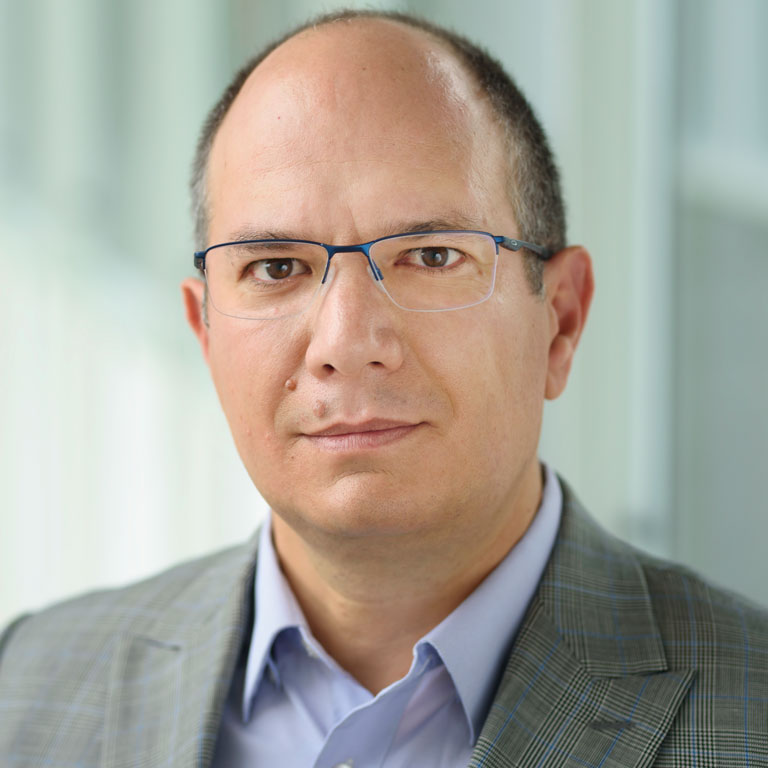
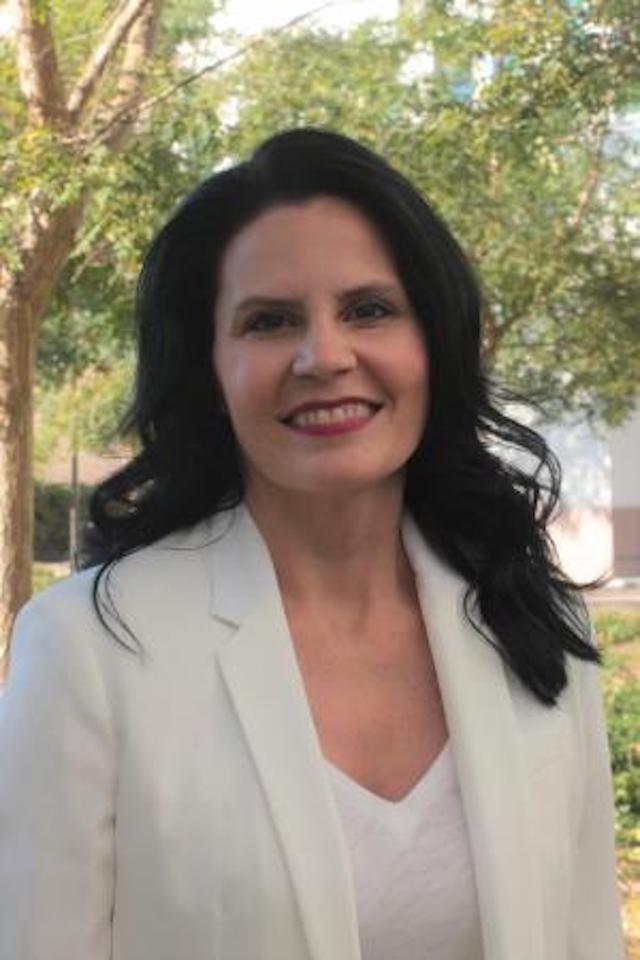
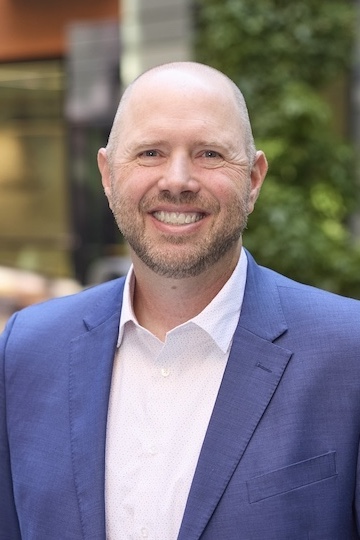
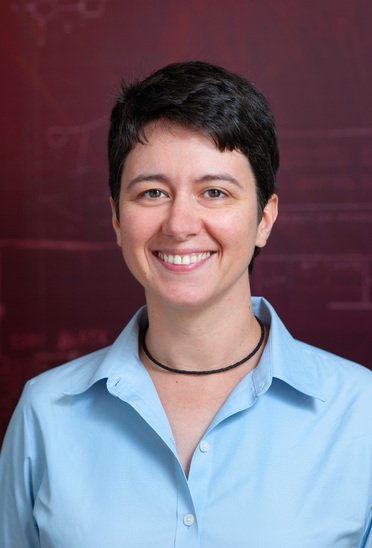
Luis Felipe Cisneros Martinez is a Professor at HEC Montréal’s Department of Entrepreneurship and Innovation. He also serves as Director of the Institut d'entrepreneuriat Banque Nationale and Scientific Director of the Pôle Entrepreneuriat/Repreneuriat/Familles en Affaires. His expertise spans family business dynamics, entrepreneurship, and small business management. Education: M.Sc. (Administration) from Universidad Autónoma de Aguascalientes, DEA (Systèmes Comptables d’Information) from Université Paris IX–Dauphine, and a Doctorat ès sciences (gestion) from HEC Paris. Research focuses on family business succession, entrepreneurial resilience, and innovation in SMEs. Notable contributions include studies on socioemotional wealth (SEW) across borders, crisis management in family firms, and gender dynamics in entrepreneurship. Over 15 recent articles highlight his work in journals like Journal of Family Business Strategy and Entrepreneurship & Regional Development . Received recognition as one of the TLN 10 Most Influential Hispanic Canadians 2023 . Supervised master’s theses on family succession and women entrepreneurs’ performance, alongside project supervision on innovation strategies and immigrant entrepreneur support systems. Leadership roles include directing research initiatives on family business governance and entrepreneurship education, contributing to policy recommendations for sustainable firm development.
Dr. Irene Ye Yuan is an Assistant Professor in the Department of Computing and Software at McMaster University's Faculty of Engineering, with a joint appointment as Associate Member of the McMaster School of Biomedical Engineering. Her research focuses on Human-Computer Interaction (HCI) and Social Computing , specifically designing technology for collaborative social experiences like intergenerational communication and remote play. Education Ph.D. in Computer Science, University of Minnesota M.S. in Human-Computer Interaction and Design, University of Washington Research Focus Dr. Yuan's work integrates ethnographic, design, and mixed methods to develop frameworks for multimodal interactions that foster meaningful social connections. Key domains include: Technology for intergenerational relationships Remote collaboration tools Embodied interaction systems Educational technology (VR/AR pedagogy) Publication Trends Her recent publications (2019-2024) in top-tier venues like CHI and CSCW emphasize socially connected experiences , with recurring themes of remote collaboration, intergenerational communication, and tangible interfaces. Methodologies blend qualitative analysis with system prototyping. Awards Three CHI Honorable Mentions IMWUT Distinguished Paper Award IDC Best Paper Award Academic Activities Dr. Yuan leads the ESI Lab at McMaster, focusing on Engaging Social Interactions. She teaches CAS 731: Social and Collaborative Computing and actively recruits graduate students for projects involving qualitative methods, system building, and empowerment of vulnerable groups (older adults/children).
Markus Jäntti serves as Professor at Stockholm University's Institute for Social Research (SOFI), where his research centers on income and wealth distribution, poverty dynamics, and socio-economic mobility through comparative international lenses. He specializes in quantifying family background's influence on economic outcomes and leads pivotal projects including MapIneq (life-course inequality trends), PrecaNord (Nordic precarious work analysis), and TITA (austerity-era inequality assessment). His research portfolio spans income distribution , wealth inequality , intergenerational mobility , and comparative social policy , employing advanced econometric techniques and cross-national datasets like the Luxembourg Income Study. Work within SOFI's Labor Market Economics (AME) group extends to education, health, taxation, and gender equality, reflecting labor economics' interdisciplinary nature. Analysis of his 2020-2025 publications reveals dual emphases: methodological innovation (e.g., grouped-data inequality measurement) and empirical exploration of family-background effects, labor policies, and social transfers. His influential 2020 framework synthesizing four mobility approaches underscores conceptual rigor, while recent Nordic-focused studies address contemporary challenges like migrant labor exploitation. Scientific awards: No awards were documented in source materials. Major grant-funded projects include: MapIneq : Tracking intergenerational, educational, labor market, and health inequality drivers across lifespans PrecaNord : Multi-level analysis of precarious/informal work in Finland, Norway, and Sweden TITA : Consortium study of austerity's impacts on financial, health, and opportunity inequalities As core faculty in SOFI's AME group, he contributes to research spanning labor market outcomes (wages, employment), social transfers, crime, and political economy—operating within Stockholm University's broader social policy ecosystem while maintaining independent research leadership.
Jeffrey A. Hall is a Professor of Communication Studies and Director of Graduate Studies at the University of Kansas. His research focuses on the intersection of technology, relationships, and well-being. He directs the Relationships and Technology Lab and has held leadership roles in professional organizations like the National Communication Association and International Communication Association. Dr. Hall earned his Ph.D. from the University of Southern California in 2015 and has been recognized with awards including the Early Career Award from the National Communication Association. His research explores how technology mediates communication in friendships, romantic relationships, and family dynamics. He has published extensively on social media’s impact on well-being, humor in relationships, and the role of digital interaction in fulfilling social needs. His award-winning book *Relating Through Technology* (2020) synthesizes these themes. He has been featured in prominent media outlets like the New York Times, NPR, and CNN. Key contributions include the *American Friendship Project*, investigating friendship trends, and experimental studies on social media abstinence. His work bridges communication theory with societal issues, offering insights into modern relational challenges. Current projects address loneliness, digital stress, and the evolving role of technology in human connection.
Tamara Afifi is the Department Chair and Professor of Communication at the University of California, Santa Barbara (UCSB). Her research focuses on family and interpersonal communication under stress, particularly examining how communication patterns like communal coping, conflict, and social support influence biological stress responses and relational health. She develops and tests theories such as the Theory of Resilience and Relational Load , integrating interdisciplinary perspectives on stress and resilience. Her work employs innovative mixed-methods approaches including surveys, longitudinal diaries, lab observations, biological markers (e.g., cortisol), and virtual reality. She studies diverse populations such as refugees, families with chronic illnesses, and undocumented immigrants. Key areas include stress contagion, information regulation, and intergenerational storytelling in Palestinian families. Dr. Afifi’s methodological contributions span data collection challenges in dementia care during pandemics, scale validation (e.g., Chronic Uncertainty scales), and the impact of modern divorce practices. Her research emphasizes practical applications, such as improving family quality of life through VR interventions and enhancing resilience in marginalized communities. Her academic affiliations include the Center for Aging and Longevity Studies (CALS) and the Neuroscience Research Institute at UCSB. She actively contributes to disciplinary discourse through reflections on 50 years of communication theory and advancing methodologies in stress communication research.
Mehmet YAVUZ is an Associate Professor at Trakya University's Faculty of Education, Department of Special Education Teacher Training. He has held academic positions since 2011, progressing from Lecturer to Assistant Professor (2018), and Associate Professor (2022). His professional experience includes teaching roles since 2000, primarily focused on special education. He obtained his doctoral degree in 2016 with research on video modeling methods for teaching children with autism spectrum disorder. YAVUZ's work emphasizes inclusive education, teacher well-being, and innovative teaching strategies for neurodiverse populations. Education: Bachelor's Degree in Special Education (2000) Master's Degree in Special Education (2008) Doctoral Degree in Special Education (2016) Research Interests: YAVUZ specializes in special education methodologies, particularly focusing on autism spectrum disorders. His work explores: Technology integration (VR/AR) in teaching sensory and life skills Teacher burnout and professional commitment Sibling relationships in neurodiverse families Inclusive classroom practices Educational assessment for children with learning difficulties Publications Trends: His recent work (2020–2025) emphasizes: Educational technology applications for disability support Teacher well-being and institutional challenges Metodological innovations in special needs pedagogy Advising & Grants: While no specific grants are listed, his extensive publication record indicates sustained research engagement. He has collaborated with co-authors like PINAR SAFAK and DENIZ SERDAL on key studies. Labs/Teams: No dedicated lab is mentioned, but his research often involves partnerships with Trakya University's Special Education faculty and international collaborators from institutions like Kliment Ohridski University (North Macedonia).
Shawn D. Whiteman serves as Professor and Interim Dean in the College of Education and Human Services at Utah State University, where he leads the Department of Human Development and Family Studies. His interdisciplinary work bridges developmental science, family studies, and public health to examine youth outcomes through adolescence and early adulthood. His educational background includes a PhD in Human Development and Family Studies (Statistics) from The Pennsylvania State University (2004), an MA in Psychology from Wake Forest University (2000), and a BA in Psychology from Shippensburg University (1998). PhD, Human Development and Family Studies (Statistics), The Pennsylvania State University, 2004 MA, Psychology, Wake Forest University, 2000 BA, Psychology, Shippensburg University, 1998 Whiteman’s research centers on sibling relationships as critical pathways for social influence and comparison within family systems. He investigates how sibling dynamics shape health behaviors, socioemotional adjustment, and developmental trajectories through adolescence into emerging adulthood. His work integrates longitudinal methodologies with family systems theory to unpack bidirectional sibling influences, differential parental treatment, and contextual factors like military deployment or pandemic disruptions. Current projects examine sibling mediation of substance use pathways, sport participation patterns, and crisis-related family adaptations. Analysis of his recent publications reveals consistent focus on sibling relationship mechanisms across developmental contexts. His work increasingly incorporates crisis events (military deployment, pandemics) as natural experiments to study family resilience. Methodologically, he combines advanced longitudinal modeling with mixed-methods approaches, particularly in military family and sibling sport research. His scientific recognition includes: Faculty Researcher of the Year (2019) from Emma Eccles Jones College of Education and Human Services, Utah State University Purdue University Scholar (2014) Early Career Research Achievement Award (2012) from Purdue University Whiteman mentors doctoral students in Human Development and Family Studies, with recent graduates including Leslie Page, Iliana Wilkinson, Jenna Dayley, and Liam Fischback. His research program receives substantial external funding from the National Institutes of Health and Department of Defense, supporting investigations into military family resilience and youth health behaviors. Current projects include longitudinal studies of wartime deployment effects on sibling relationships and pandemic-related family stress pathways. His work operates within university-wide research infrastructure at Utah State, collaborating with military family research centers and leveraging longitudinal datasets on sibling dynamics across diverse family structures.
Svetlana "Lana" Yarosh is an Associate Professor in the Computer Science & Engineering Department at the University of Minnesota, and a faculty member in the GroupLens Research Center. She holds the distinguished titles of Distinguished University Teaching Professor and McKnight Presidential Fellow, and serves as Director of Undergraduate Studies for Computer Science. Her academic journey began with dual B.S. degrees in Computer Science and Psychology from the University of Maryland, followed by a Ph.D. in Human-Centered Computing from Georgia Institute of Technology. Dr. Yarosh's research focuses on embodied interaction in social computing systems, with particular contributions to Child-Computer Interaction, Online Health Communities, and Pervasive Health applications. She leads the ProDUCT (Prototyping, Design, and Usability of Communication Technologies) research group within GroupLens, where her team explores how technology can enhance social connections, particularly in contexts like intergenerational mentorship, substance use disorder recovery, and health support communities. Her work often integrates embodiment perspectives, such as adding projection and haptics to communication systems. Her recent publications reveal a strong trend toward VR/AR technologies, ethical considerations in children's technology, and applications supporting recovery from substance use disorders. The research spans HCI, social computing, and health informatics, with growing emphasis on ethical design frameworks and participatory approaches to technology development. Morse-Alumni Award for contributions to undergraduate education McKnight Presidential Fellow (2020-2023) NSF CAREER Award recipient Multiple Best Paper and Honorable Mention awards at top venues including CHI, CSCW, and IDC Google Faculty Research Award Dr. Yarosh has successfully advised numerous Ph.D. students who have gone on to tenure-track positions at institutions like Carnegie Mellon University, North Carolina State University, and McMaster University. Her research is supported by significant grants including NSF ER2 ($400,000), NSF REU Site ($404,983), and her NSF CAREER award ($548,228). She is particularly committed to mentoring students interested in computational support for substance use disorders and has established structured pathways for undergraduate and graduate students to join her research lab.
Mariana Amorim is an Associate Professor in the Department of Sociology at Washington State University (WSU). She holds a Ph.D. from Cornell University (2019). Her research focuses on family dynamics, social policies, and demography, with a particular emphasis on economic inequality and family well-being. She examines how private, public, and informal "shadow" safety nets (e.g., payday loans, family loans) shape the lives of economically vulnerable families. Her work analyzes complex living arrangements, cash-transfer policies, and the role of unsecured debt in household financial strategies. Key research themes include racial disparities in family transitions, the impact of basic income programs like the Alaska Permanent Fund Dividend, and socioeconomic differences in stepfamily support systems. Amorim employs large-scale datasets and methodological tools to trace historical trends in multigenerational households and cohort changes in fertility patterns. Her findings contribute to understanding how families navigate instability in an era of growing inequality.
Tormod Rogne, MD, PhD, is an Assistant Professor Adjunct in Chronic Disease Epidemiology at the Yale School of Public Health. His research focuses on perinatal epidemiology, with particular interest in how climate change affects pregnancy, modifiable risk factors on reproductive health, and the long-term health consequences of being born preterm. He applies modern epidemiological methods including Mendelian randomization, negative controls, and genetic epidemiological approaches to address clinically relevant questions using high-quality population-based data. MD from Norwegian University of Science and Technology, NTNU (2015) PhD from Norwegian University of Science and Technology, NTNU (2016) Residency at Akershus University Hospital and Ski Municipality (2018) Fulbright Scholar at Yale School of Public Health (2019) Postdoctoral Scholar at Norwegian University of Science and Technology, NTNU (2021) Dr. Rogne's research spans several key areas of perinatal and environmental epidemiology. He investigates how environmental factors like climate change and temperature extremes affect pregnancy outcomes and child health. His work also explores the genetic and environmental determinants of reproductive health and adverse pregnancy outcomes. Of particular note is his research on how being born preterm affects long-term risk of cardiovascular and infectious diseases. Dr. Rogne emphasizes the use of high-quality data from population-based cohorts and national registries, applying sophisticated methods like negative controls, inverse-probability weighting, and genome-wide association analyses to ensure robust findings. His recent publications reveal a strong methodological focus on Mendelian randomization techniques to establish causal relationships in perinatal health. His work spans cardiovascular epidemiology, infectious disease epidemiology, and environmental health, with consistent themes including climate change impacts on pregnancy, socioeconomic determinants of health outcomes, and the developmental origins of disease. The geographic scope of his research includes both high-income settings like Norway and global health contexts in Africa. Fulbright Scholarship (2017) Tom Wilhelmsen Foundation's Research Stipend (2013) Dr. Rogne maintains active collaborations with multiple researchers including Andrew DeWan, Xiaomei Ma, Joshua Warren, Kai Chen, Rong Wang, and Zeyan Liew. His work is supported by various research initiatives including the Fulbright Program and the Tom Wilhelmsen Foundation. He is affiliated with the Yale Center for Perinatal, Pediatric and Environmental Epidemiology, where he contributes to advancing research on women's and children's health through epidemiologic studies investigating environmental, genetic, and clinical factors. As part of the Yale Center for Perinatal, Pediatric and Environmental Epidemiology, Dr. Rogne works within a collaborative team focused on promoting women's and children's health through rigorous epidemiologic research. The Center, originally founded in 1979 as the Yale Perinatal Epidemiology Unit, continues to be a leader in investigating how environmental, genetic, and clinical factors impact pregnancy, birth, and childhood development.
Unni Karin Moksnes is a Professor at the Department of Public Health and Nursing, Norwegian University of Science and Technology (NTNU), Faculty of Social and Educational Sciences. Her research focuses on adolescent mental health, stress, self-esteem, sense of coherence, self-efficacy, and resilience, framed within health promotion and salutogenic theory. She has led large-scale studies, including the project "Personal and contextual factors explaining mental health in adolescents," and co-developed psychometric instruments like the Rosenberg Self-Esteem Scale and the Health Literacy for School-Aged Children (HLSAC) measure. She previously served as leader for the research area "Education and upbringing" at NTNU's Center for Health Promotion Research (2009–2014). Her work spans public health, psychology, and nursing, with a strong emphasis on school-based interventions and longitudinal analyses. PhD in Public Health, Department of Social Work and Health Sciences, NTNU (2007–2011) Master of Social Work and Health Sciences, NTNU (2004–2006) Bachelor of Nursing, Sør-Trøndelag University College (2001–2004) Elementary Psychology Course, NTNU (2000–2001) Her publications (15 most recent) highlight adolescent stress, loneliness, resilience, and health literacy, with key studies on the HUNT cohort. She collaborates extensively with researchers like Geir Arild Espnes and Gørill Haugan. Despite her prolific output, no explicit scientific awards or student advisement records are mentioned in the provided text.
Tammy Barry is a Professor in the Department of Psychology at Washington State University and serves as Dean of the Graduate School and Vice Provost for Graduate Education. Her research focuses on biologically-based and contextual correlates of child externalizing behaviors, including ADHD, aggression, and autism-related disruptive behaviors. Ph.D. in Clinical Psychology (Child Emphasis) - University of Alabama (2000) B.A. in Communication - University of Alabama B.S. in Psychology - University of Alabama at Birmingham Barry's work examines neuropsychological functioning, child temperament, parental psychopathology/stress, parenting practices, socioeconomic factors, and individual differences like narcissism and psychopathy. Her lab investigates the measurement and latent structure of externalizing behavior disorders through interdisciplinary research involving psychophysiological, behavioral, and social data. Recent publications highlight her expertise in autism spectrum disorder, attention-deficit/hyperactivity disorder, and family dynamics. She has directed studies on mindfulness interventions, reward sensitivity, and reporting discrepancies in anxiety symptoms among children with ASD, presented at conferences like WPA, ISAR, and ABCT. No scientific awards explicitly mentioned Barry has mentored numerous graduate students and supervised the Child Externalizing Behaviors (CEB) Lab. The lab is not currently recruiting for Fall 2025 due to her sabbatical cycle. Her former students have transitioned to postdoctoral fellowships and clinical roles across the U.S.
Dr. Ashton Verdery is the Harry and Elisa Sichi Early Career Professor of Social Data Analytics, Sociology and Demography at Pennsylvania State University. His research examines how social networks influence demographic processes including migration, kinship structures, and population health. He develops innovative methodologies for sampling hard-to-reach populations and analyzing complex social systems. His research focuses on kinship network evolution, migration impacts on family structures, demographic consequences of drug mortality, and network-based sampling methodologies. He applies computational approaches to large-scale demographic questions. Recent work explores bereavement patterns following the opioid crisis, kinship structures in high-migration contexts, and social network interventions to reduce healthcare disparities. Publications demonstrate methodological innovation in demographic forecasting and network analysis. He conducts interdisciplinary research through the Population Research Institute and international collaborations.
Ayşenur DURMUŞ is an Assistant Professor in the Department of Midwifery at Kastamonu University's Faculty of Health Sciences since 2021, specializing in maternal health research and education. Previously, she served as a Lecturer at Ardahan University's School of Health Services from 2010, holding leadership roles including Department Chair (2017-2019) and Vice Dean of the Vocational School (2019-), demonstrating extensive academic and administrative experience in Turkish higher education. Education: Doctorate in Obstetrics and Gynecology Nursing, Marmara University (2019-2023) Master's in Obstetrics and Gynecology Nursing, Atatürk University (2011-2014) Bachelor's in Midwifery, Ondokuz Mayıs University (2007-2009) Bachelor's in Midwifery, Istanbul University (2005) Research Focus: Dr. DURMUŞ conducts pioneering work in breastfeeding dynamics (particularly tandem feeding and lactation support), non-pharmacological labor pain management (examining interventions like massage, chewing gum, and stress balls), and pandemic impacts on maternal healthcare . Her research integrates clinical midwifery with public health perspectives, employing rigorous methodologies including randomized controlled trials and qualitative analysis to develop evidence-based practices that improve maternal-infant outcomes across diverse healthcare settings. Publication Trends: Her recent publications (2020-2025) reveal three dominant trajectories: breastfeeding education innovations (35% of output), labor pain intervention efficacy (30%), and pandemic-related maternal health adaptations (25%), characterized by strong interdisciplinary collaboration and methodological diversity spanning clinical trials to metaphor analysis. Scientific Awards: No formal awards documented in available records Research Leadership: As Principal Investigator for the 2024 BAP project on simulation-based breastfeeding counseling, she directs cutting-edge educational research while contributing as co-investigator to multiple national studies including the LACTATION SIMULATION MODEL project (2023-2024) and historical research on dermal therapies during labor (2012-2014), securing consistent research funding despite limited thesis advisory roles. Collaborative Networks: She maintains active research partnerships with 18 colleagues across Turkish institutions including Marmara University and Kastamonu University, forming dynamic teams that bridge midwifery practice with nursing science to address complex maternal health challenges through interdisciplinary approaches.
Auli Vähäkangas serves as Professor of Practical Theology at the University of Helsinki's Faculty of Theology, where she also supervises in the Doctoral Program in Theology and Religious Studies and contributes to the Helsinki Inequality Initiative (INEQ). Her international academic presence includes visiting researcher positions at both University of Johannesburg (2023-2026) and Stellenbosch University in South Africa (2023-2026). Her research centers on death studies, bereavement practices, and pastoral care in contemporary contexts. Vähäkangas examines how religious communities navigate grief, particularly through her leadership in the MeDea project on worldview minority cemeteries in Finland. Her work bridges theological inquiry with practical social challenges, including refugee support through diaconal work, African-Catholic identity formation in Finland, and chaplaincy with dementia patients in nursing homes. She investigates how secularization pressures affect spiritual care while maintaining narrative approaches to existential questions. Analysis of her recent publications reveals consistent focus on death rituals across Nordic contexts, innovative pastoral approaches in healthcare settings, and religious responses to migration crises. Her work combines empirical theology with practical application, often addressing how traditional religious practices adapt to contemporary societal challenges. Vähäkangas actively mentors the next generation of scholars as evidenced by her supervision of 8 doctoral dissertations and 2 Master's theses. Her research is supported by significant grants including Academy of Finland funding for the MeDea project (2024-2028) and the 'Funerals during Covid-19' initiative. She also contributes to institutional change through projects like establishing Black History Month at the University of Helsinki. Her public engagement includes 23 public talks and 8 media appearances where she discusses death positivity, grief processing, and religious responses to social crises. Notable presentations include 'Waves of grief after the loss of a loved one' and 'Life is about dying – how should we talk about the inevitable?'