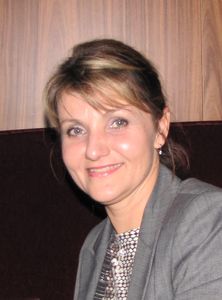
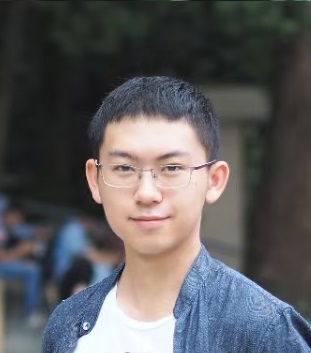
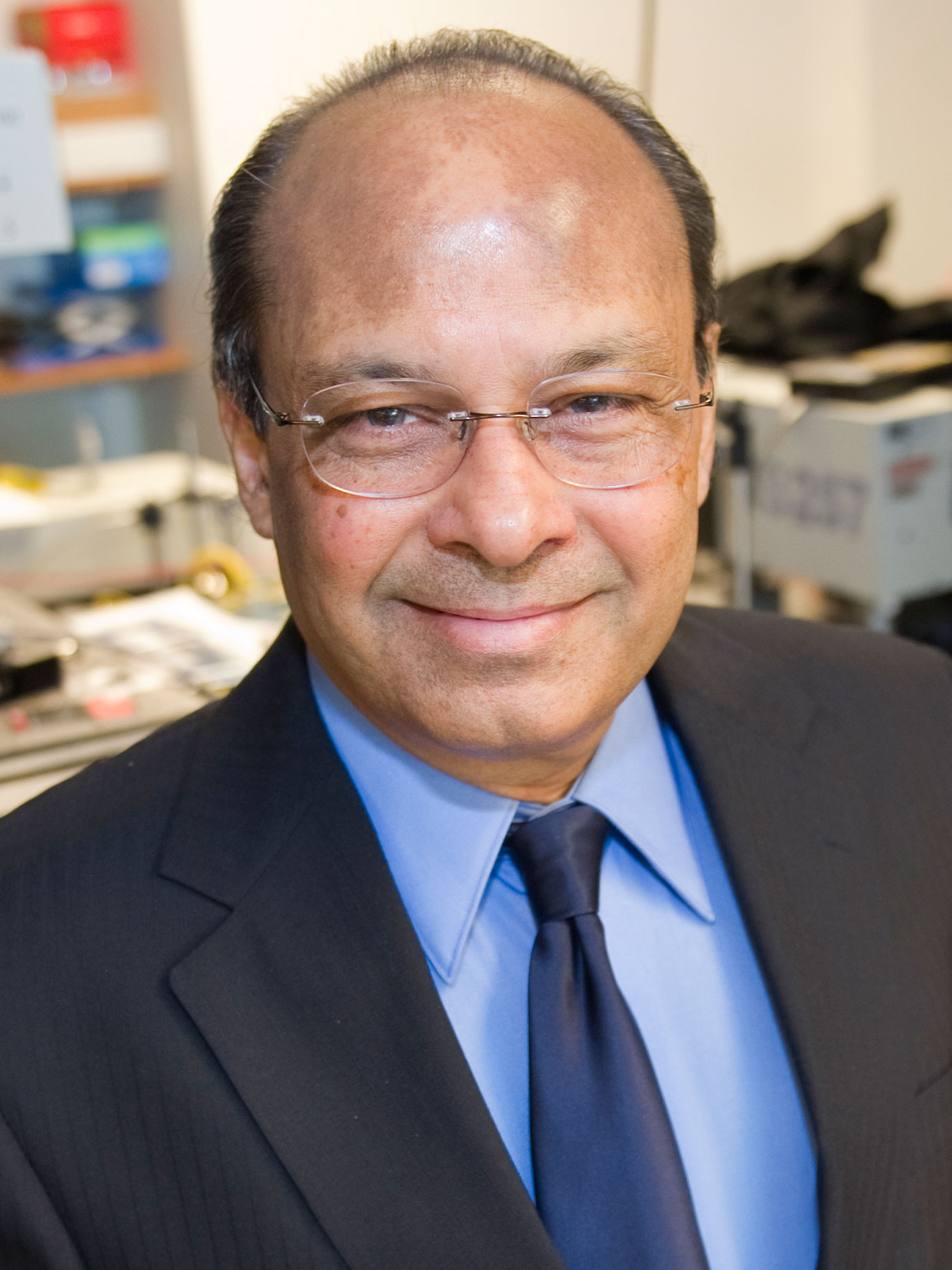
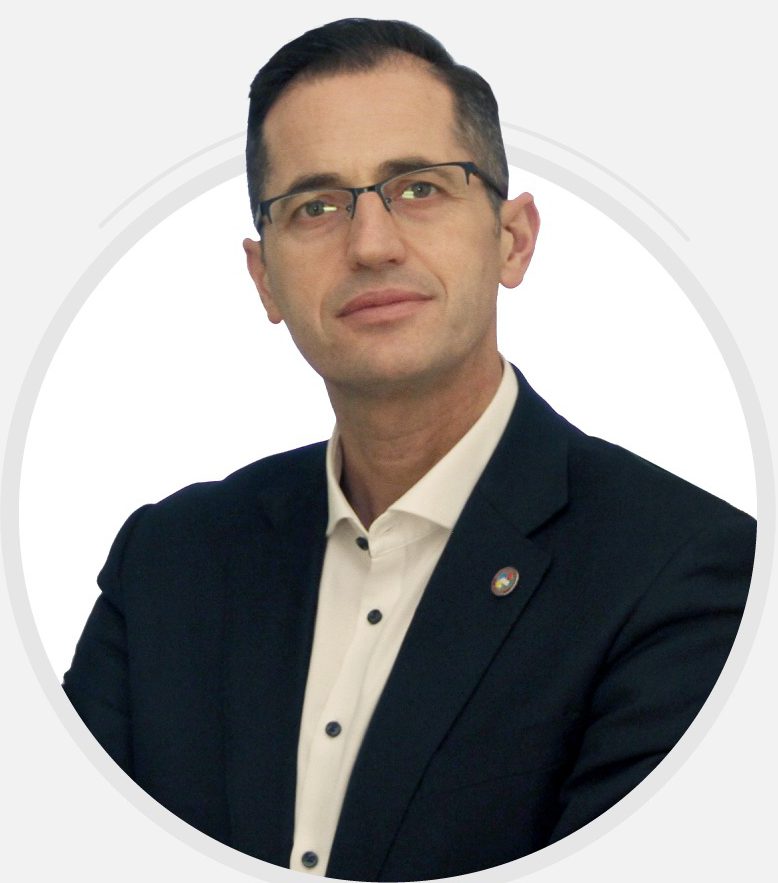
Assoc. Prof. Tatyana Yordanova is affiliated with the National Academy of Sports in Bulgaria, where she serves in the Faculty of Sports and Department of Technical and Ice Sports . She holds the academic rank of Associate Professor and has been leading the department since 2024. Education: Master's from State Central Institute of Physical Culture (1987); Doctorate in Sports Science (2019) Languages: English, Italian, Russian Her research focuses on technical elements in figure skating , speed-power abilities , balance stability , and judging systems . She has extensively studied jump mechanics and anthropometric factors in skaters. Her publications from 2018-2024 include studies on judging systems, jump techniques, and sports management. Key themes in her work involve training methodology, competition analytics, and biomechanics of skating. Since 2002, she has worked as an international figure skating judge, including at the Sochi 2014 Olympics . She chaired the Bulgarian Skating Federation (2011-2023) and participated in projects like Erasmus+ mobility (2022, 2024). Her pedagogical career includes roles as scientific assistant (1988), senior assistant (2006), and associate professor (2023).
Caglar Gulcehre is a Tenure Track Assistant Professor at École Polytechnique Fédérale de Lausanne (EPFL) and Principal Investigator of the CLAIRE (Caglar Gulcehre Laboratory of Artificial Intelligence Research) lab. Previously, he worked as a Staff Research Scientist at Google DeepMind, Microsoft Research, and IBM Research. His research focuses on reinforcement learning , foundation models , LLM alignment , and sequence modeling . Current Position : Assistant Professor, EPFL Lab : CLAIRE Lab Previous Roles : Staff Research Scientist at DeepMind, MSR, IBM Research His work spans reinforcement learning , deep learning , and neural architecture design , with a focus on safety , trustworthy AI , and real-world applications . He has published in top venues including Nature , NeurIPS , ICML , and JMLR . Scientific contributions include: Best paper award at NeurIPS Nonconvex Optimization workshop Honorable mention for best paper at ICML 2019 Co-organizer of seven workshops at NeurIPS, ICML, and ICLR He supervises PhD students in areas related to AI for algorithm discovery , neural architectures , and foundation models , including: Skander Moalla Justin Samuel Deschenaux Liangze Jiang Xiuying Wei Yitao Xu
April Yi Wang is a tenure-track Assistant Professor in the Department of Computer Science at ETH Zürich, where she directs the Programming, Education, and Computer-Human Interaction Lab (PEACH Lab). She is a core faculty member at the Institute for Intelligent Interactive Systems and associated with the ETH AI Center. Wang is also an active member of ETH HCI and Swiss CHI communities, contributing significantly to human-computer interaction and educational technology research. Dr. Wang's educational background includes: Ph.D. in Information Science from University of Michigan (2023), advised by Steve Oney and Christopher Brooks M.Sc. in Computer Science from Simon Fraser University (2018), advised by Parmit Chilana B.Eng in Computer Science from Zhejiang University (2016) Dr. Wang's research focuses on human-centered approaches to programming and data science. Her work reimagines programming as a form of literature that communicates with both machines and people, exploring creative representations like text, shapes, animations, and everyday objects. She investigates how to make programming more natural and intuitive through literate programming environments, with applications in professional and educational contexts. Her research spans human-computer interaction, educational technology, and AI-assisted programming tools. Analysis of Dr. Wang's recent publications reveals a strong focus on AI-enhanced educational tools, particularly for programming and data literacy. Her work increasingly integrates large language models to scaffold learning while maintaining user agency. There's a clear trajectory toward developing situated learning approaches that connect abstract concepts to real-world contexts through augmented reality and tangible interfaces. Her research bridges HCI, education, and AI to create more accessible and engaging technical learning experiences. Dr. Wang has received numerous prestigious awards including: 2023 Gary M. Olson Award and Honourable Mention Award at ACM CHI 2022 Rising Stars in EECS and Heidelberg Laureate Forum Young Researcher 2020 Best Short Paper Award at IEEE VL/HCC and Honourable Mention at ACM CHI 2019 Best Paper Award at ACM CSCW Dr. Wang actively mentors students through thesis projects at ETH Zürich, supervising numerous bachelor's and master's students on topics ranging from AI-assisted programming to data literacy tools. Her lab, PEACH Lab, has secured funding including the recent innovedum funding for the Coducate project. She serves on program committees for major conferences including CHI and UIST, and regularly reviews for top HCI and education journals. The PEACH Lab, directed by Dr. Wang, focuses on creating expressive, intelligent, and human-centered systems that make technical topics more accessible. The lab explores textual, visual, and embodied representations for programming, with emphasis on enhancing communication, collaboration, and learning. Current research directions include balancing automation with user agency, supporting diverse learning needs, and developing tools for interdisciplinary technical communication.
Haibin Ling is the SUNY Empire Innovation Professor in the Department of Computer Science at Stony Brook University, part of the College of Engineering and Applied Sciences. His research focuses on computer vision, medical image analysis, augmented reality, and AI applications in science. He holds a Ph.D. from the University of Maryland (2006) and prior degrees from Peking University. Previously, he worked at Temple University (2008–2019) and held roles at Siemens Corporate Research, UCLA, and Microsoft Research Asia. Professor Ling's work spans biomedical imaging, AI for science, and human-computer interaction. He leads the CV Lab and collaborates with the AI Institute at Stony Brook. Awards include the NSF CAREER Award (2014), Best Student Paper (ACM UIST 2003), and IEEE Fellow (2020). He serves on editorial boards for IEEE Trans. PAMI, Pattern Recognition, and CVIU, and chairs major conferences like CVPR. His research group includes over 50 students and alumni, with active projects in tracking benchmarks (LaSOT), Leafsnap, and medical imaging tools. Notable publications address OCTA flow estimation, backdoor attacks on vision models, and topology-guided medical learning. Collaborations involve institutions like Temple University and Stony Brook's Department of Applied Mathematics and Statistics.
Professor Guy Williams is a leading academic at the University of Cambridge with a focus on imaging science and clinical neurosciences, affiliated with Downing College and the Wolfson Brain Imaging Centre . Holding a PhD in Physics from his initial Natural Sciences degree, he specializes in nuclear magnetic resonance (NMR) and MRI techniques for brain imaging. Education: BA, PhD in Physics His research centers on non-invasive imaging of brain structure and function, particularly in traumatic brain injury (TBI) and dementia. His work involves developing novel MRI pulse sequences and advanced data analysis algorithms, including AI-based diagnostic tools. He leads studies on white matter integrity post-trauma, longitudinal dementia assessment, and applications of MRI in disorders of consciousness and addiction. Recent publications highlight collaborations in traumatic brain injury outcomes, AI-guided dementia prediction, and neuroimaging of post-COVID cognitive deficits. His team's work on ultra-high field laminar fMRI and distortion correction methods has advanced clinical neuroscience applications. Key techniques include diffusion tensor imaging (DTI), 7 Tesla MRI, and positron emission tomography (PET/MR). His research spans from basic NMR physics to clinical translation, with a strong emphasis on multi-site studies and real-world diagnostic implementation.
Dr. Thijs Broekhuizen is an Associate Professor at the University of Groningen's Faculty of Economics and Business, specializing in Innovation Management & Strategy. He currently serves as Scientific Director of the University of Groningen Business School, Coordinator of the Northern-Netherlands Innovation Monitor, and Programme Director of the Executive MBA. His research focuses on digital transformation, value creation in innovation, and digital business models, with interdisciplinary insights bridging strategy, innovation, and digitalization. Education: PhD in Marketing (University of Groningen, 2006) MSc in Marketing (University of Groningen, 2001) Research Interests: Broekhuizen explores value appropriation in technology-driven contexts, digital business models, and strategic responses to disruptive technologies. His work emphasizes SMEs' digital transformation challenges, organizational identity during technological change, and AI-driven innovation management. Key areas include digital platforms, motion picture industries, and social media dynamics. Grants & Projects: TALENT4S3 (€165K, Interreg 2024-2028) SIRM (€189K, Interreg 2023-2027) NWO-funded studies on construction industry profitability and online customer journeys Awards: Best Paper Award at ISoF 2021 Best Short Paper Award Nomination 2021 Teaching & Leadership: Broekhuizen teaches strategy and digitalization in executive programs and has led the MScBA and EMBA initiatives. His educational roles include Programme Director of the Executive MBA (Energy Transition, Health, Sustainable Business Models tracks) and member of the Groningen Digital Business Centre. Labs/Teams: He coordinates the Northern-Netherlands Innovation Monitor (surveying 10,000+ SMEs) and collaborates with the Groningen Digital Business Centre to advance digital strategy research.
Pardis Emami-Naeini is an Assistant Professor of Computer Science at Duke University, with joint appointments in the Sanford School of Public Policy and the Department of Electrical and Computer Engineering. She serves as the Director of the Duke Interdisciplinary Security, Privacy, and Interaction Research (InSPIre) lab and is a Duke Science and Technology Scholar. Her interdisciplinary work bridges computer science, public policy, and electrical engineering, with a focus on developing usable privacy and security solutions that empower individuals from diverse sociodemographic backgrounds. Dr. Emami-Naeini earned her Ph.D. in Computer Science from Carnegie Mellon University in 2020, followed by postdoctoral research at the University of Washington (2020-2022). Her research sits at the intersection of security, privacy, and human-computer interaction, with particular expertise in IoT security, technology-enabled abuse, reproductive health privacy, and smart city security. She has published extensively at flagship venues including IEEE S&P, CHI, CSCW, and SOUPS, with her work covered by major media outlets such as Wired and The Wall Street Journal. Her recent publications reveal a clear trajectory toward examining the human dimensions of security and privacy in emerging technologies, from LLM chatbots for mental health to social robots and period-tracking apps in the post-Roe v. Wade landscape. Her work consistently emphasizes the need for privacy-aware design that accounts for diverse user needs and contexts, particularly for vulnerable populations. Google Systems and ML Research Gift Award (2025) Google AI Research Scholar Program Award (2024) Top 5% Instructor in Duke Trinity College (2024) ORAU Ralph E. Powe Junior Faculty Enhancement Award (2023) Duke Science and Technology Scholar (2022) IEEE S&P paper highlighted in IEEE Security and Privacy Magazine (2021) CyLab Presidential Fellowship (2019) Dr. Emami-Naeini actively mentors several Ph.D. students including Jabari Kwesi, Jessie Cao, and Hiba Laabadli, as well as undergraduate and master's students. Her research has influenced key organizations including the National Institute of Standards and Technology (NIST), Consumer Reports, and the World Economic Forum in creating usable security and privacy labels for smart devices. She serves on numerous program committees including USENIX Security and CHI, and has participated in NSF grant review panels, demonstrating her growing leadership in the security and privacy community. Her InSPIre lab conducts user-centered research to uncover security and privacy needs of diverse stakeholders, with a particular focus on marginalized communities. The lab's work spans multiple domains including intimate partner violence, reproductive health, virtual reality, and smart cities, always with a strong emphasis on translating research findings into practical tools and policy recommendations.
Professor Isabel Dziobek is a distinguished academic at Humboldt University of Berlin, holding a W3 Professorship in Clinical Psychology of Social Interaction within the Institute of Psychology, Faculty of Life Sciences. She serves as Head of the University Outpatient Clinic for Psychotherapy and Psychodiagnostics and leads the Special Outpatient Clinic for Social Interaction. As Academic Director of the Center for Psychotherapy at Humboldt University and Principal Investigator at the German Center for Mental Health, she plays a pivotal role in shaping mental health research and clinical practice in Germany. Her educational background includes a Diploma in Psychology from Ruhr University Bochum (2000), a Dr. rer. nat. summa cum laude from University of Bielefeld (2006), and Habilitation in Psychology from Free University of Berlin (2014). She obtained her license to practice as a psychological psychotherapist in 2015. Professor Dziobek's research focuses on bio-psycho-social mechanisms of social interaction disorders across autism spectrum disorders, social anxiety disorders, and personality disorders. Her work integrates neurobiological approaches (fMRI, EEG, psychophysiology, eye-tracking, neuromodulation) with the development of diagnostic and intervention procedures including cognitive behavioral therapy, e-mental health, and social robotics. She has pioneered research on therapeutic mechanisms through focused short-term programs involving movement synchronization, social competence training, and brain stimulation augmentation. Analysis of her recent publications reveals a strong emphasis on empathy assessment in autism and personality disorders, development of innovative assessment tools like the Simulated Interaction Task for Children (Kids-SIT), and exploration of novel therapeutic approaches including psychedelic-assisted therapy. Her work increasingly incorporates participatory research methods and cross-cultural validation of assessment tools, reflecting a commitment to making research clinically relevant and accessible. 2016: Teaching Award of the Faculty of Life Sciences, Humboldt University of Berlin 2016: Antistigma-Preis der Deutschen Gesellschaft für Psychiatrie und Psychotherapie 2014: Charlotte- und Karl-Bühler-Preis, Deutsche Gesellschaft für Psychologie 2011: 2nd Place in Brain-Art Competition 2011 2007: Dissertation Award of University of Bielefeld 2007: 1st Prize at Canadian Film Festival "Picture This" Professor Dziobek serves in numerous leadership roles including Spokesperson for Charité Mental Health, Fellow of the Max Planck School of Cognition, and Board Member of Charité Mental Health. She directs the DZPG-funded research group and participates in the Cluster of Excellence Neurocure III. Her lab, the Dziobek Lab (dziobek-lab.org), focuses on developing and evaluating interventions for social interaction disorders while maintaining strong clinical connections through the University Outpatient Clinic.
Srinivas Sridhar is a University Distinguished Professor of Physics, Biomedical Engineering, and Chemical Engineering at Northeastern University, with a secondary appointment as Lecturer on Radiation Oncology at Harvard Medical School. He previously served as Vice Provost for Research at Northeastern University (2004–2008), overseeing its research portfolio. As an elected Fellow of the American Physical Society and the American Institute of Medical and Biological Engineering, his research spans nanomedicine, neurotechnology, drug delivery, and quantitative MRI, with over 450 publications and patents. He founded the Nanomedicine Innovation Center and directs major NIH/NSF programs like CaNCURE and IGERT, focusing on undergraduate and graduate training in nanomedicine, particularly for underrepresented communities. His research interests include Nanomedicine Neurotechnology Quantitative MRI Drug Delivery Systems Metamaterials and Nanophotonics Quantum Chaos Superconductivity . Recent work involves machine learning-enhanced diagnostics for glaucoma, engineered nanoparticles for BRCA-deficient cancers, and portable neuro-ophthalmic devices. His publications from 2025–2017 reflect interdisciplinary applications in oncology, neurology, and materials science, with a focus on therapeutic and diagnostic innovation. Scientific accolades include the 2016 Biomedical Engineering Society Diversity Award University Distinguished Professorship . As an educator and entrepreneur, he has trained over 120 researchers, developed first-of-their-kind nanomedicine courses, and founded companies commercializing technologies like QUTE-CE MRI. His lab leads projects on cancer nanomedicine, quantitative imaging, and nanoscale magnetism, supported by grants from NIH, NSF, DoD, and private foundations.
Zhu-Tian Chen is an Assistant Professor in the Department of Computer Science and Engineering at the University of Minnesota, Twin Cities, where he leads research in data visualization, human-computer interaction, and augmented reality. Prior to this, he held postdoctoral positions at Harvard University and UC San Diego, working with leading researchers in visual computing and interactive design. Ph.D. in Computer Science, Hong Kong University of Science and Technology B.Eng. in Software Engineering, South China University of Technology His research focuses on augmenting human intelligence through hybrid human-AI systems, particularly in everyday and outdoor environments. He specializes in designing intelligent AR interfaces, embedded visualizations, and language-oriented interactions for applications in sports analytics, education, and data analysis. His work integrates human-centered design with applied machine learning to create intuitive and effective visualization tools. The recent trend in his publications shows a strong emphasis on intelligent AR systems for dynamic scenes, LLM-based code generation interfaces, and real-time augmentation of sports videos using natural language and gaze-based interactions. His work frequently appears in top-tier venues such as IEEE VIS, ACM CHI, and UIST. Best Paper Award, ACM CHI'23 Best Short Paper Honorable Mention, EuroVis'23 Best Paper Honorable Mention, IEEE VIS'22 (twice) Certificate of Distinction and Excellence in Teaching, Harvard University Hong Kong Ph.D. Fellowship Dr. Chen actively mentors undergraduate, master’s, and PhD students, as well as visiting scholars and interns, and is building a new research lab focused on visualization for intelligent AR systems. He has served on program committees for major conferences including ACM CHI, IEEE VIS, and EuroVis, and has been invited to speak at institutions such as Apple, JP Morgan, and multiple universities worldwide. He also contributes to the academic community through grant reviewing for NSF and the Department of Energy. He leads research projects in intelligent AR systems for sports, language-oriented interactions with LLMs, and immersive data visualization, often in collaboration with institutions like Harvard, UC San Diego, and HKUST. His lab welcomes students and collaborators interested in visualization, HCI, and applied AI.
Prof. Blerim Rexha is a full professor at the University of Prishtina's Faculty of Electrical and Computer Engineering, Kosovo. With a Ph.D. in Computer Engineering from Vienna University of Technology (2004), he has led research in cybersecurity, blockchain, machine learning, and electronic voting systems. His teaching portfolio includes data, computer, and internet security courses. Education : Ph.D. in Computer Engineering (Vienna), Electrical Engineer MSc (Prishtina), specialized certifications in software engineering, biometrics, and .NET programming. His research spans cybersecurity (DDoS mitigation, face authentication attacks), blockchain applications (electronic voting bridges, transaction privacy), and machine learning integration (boosted trees for intrusion detection, LSTM for vulnerability scanning). He has contributed to cloud security through novel encryption methods and AI-driven attack detection. Recent publications focus on energy efficiency in cloud vs on-premises systems, XGBoost/CatBoost/LightGBM comparisons for network security, and blockchain bridges for e-voting. His work has addressed privacy preservation in video data, SMS encryption, and eID card pseudo-profiles. Awards include the 2024 Marin Barleti Prize for academic contributions and Best Paper Awards in election security (2015) and Kosovo website vulnerabilities (2013). Honors : Marin Barleti Prize (2024) Cyber Security Ambassador (2018) ICT Academician of the Year (2016) Best Paper Awards (2015, 2013) As academic advisor to the KosovaCyberTeam , he mentors students like Korab Keqekolla and Abian Morina. His leadership extends to Kosovo's Cyber Security State Training Center curriculum development and jury roles in Albanian ICT Awards .
Dr. Chenhao Ma is an Assistant Professor at the School of Data Science , The Chinese University of Hong Kong, Shenzhen , where he works on large-scale data management and data mining. Previously, he was a Postdoctoral Fellow at the University of Hong Kong (2021–2022) and earned his PhD in Computer Science from the University of Hong Kong (2021) and B.Eng. from Shandong University (2017). Current research focuses on graph computing (dense subgraph discovery, motif analysis, graph learning), AI+DB (Text-to-SQL, vector search), and traffic data mining (trajectory analysis, outlier detection). He has published over 40 papers in top venues including SIGMOD, PVLDB, KDD and received the ACM SIGMOD Research Highlight Award 2021 and Best of SIGMOD 2020 (4/458). Scientific Awards : ACM SIGMOD Research Highlight Award 2021 Best of SIGMOD 2020 (4/458) Presidential Young Fellow at CUHK-Shenzhen (2023) Hong Kong and China Gas Scholarship (2019-2020) Reaching Out Award (2019) HKU Postgraduate Scholarship (2017-2021) ACM-ICPC Gold Medal (2015) National Scholarship (2014, 2015) Advising and Research Team : He leads a team including Postdoc Dr. Yuanyuan Zeng, PhD students Lujie Ban, Yuwei Xu, and MPhil students Yi Yang, Yuyang Liang. Former mentees like Yichen Xu (PhD at Berkeley) and Jiayang Pang (Master at UC San Diego) have achieved academic placements. Professional Service : He has served as PC member/reviewer for VLDB, KDD, ICDE, WWW, NeurIPS, TKDE , and guest editor for Applied Sciences and Frontiers in Big Data . He chairs sessions at ICDE and VLDB.
Yan Chen is an Assistant Professor at the Virginia Tech College of Engineering , where he leads the PRIME Lab (Programming with Intelligent Machines & Environments) . His work focuses on creating interactive Human-AI systems to enhance real-time data analysis and programming education, particularly addressing barriers in collaborative learning environments. University of Toronto (Postdoctoral Fellow) University of Michigan (Ph.D., Information Science) University of Colorado, Boulder (BS/MS in Applied Math & Electrical & Computer Engineering) His research bridges Human-Computer Interaction (HCI) and Computer Science Education , with a focus on real-time data analysis , AI-driven programming assistance , and scalable learning tools . He employs LLMs and human-centered design to simplify complex computational processes, enabling data workers to detect critical patterns efficiently. Recent publications highlight trends in generative AI for education , proactive AI programming support , and collaborative analytics . Key themes include real-time classroom insights , intergenerational smartphone learning , and automated feedback systems . Scientific recognition includes: 🏆 Best Paper at L@S 2024 🏅 Best Paper Honorable Mention at CHI 2023 🏅 Best Paper Honorable Mention at UIST 2022 🏆 Best Short Paper at VL/HCC 2020 He mentors a team of PhD and MS students in projects spanning AI-assisted education, web automation, and collaborative coding tools, with active recruitment for future research directions.
Andrew Fielding is an Associate Professor in the School of Chemistry & Physics at Queensland University of Technology (QUT), Faculty of Science. His research and teaching focus on medical physics, particularly in radiation therapy, medical imaging, and Monte Carlo dosimetry techniques. He is the Course Coordinator for the Graduate Diploma and Master of Applied Science in Medical Physics programs at QUT. He holds a PhD in Physics from the University of Portsmouth and a B.Sc. (Hons) from the University of Surrey. He completed postdoctoral research at the Institute of Cancer Research / Royal Marsden Hospital and the University of Liverpool before joining QUT in 2004. His academic progression includes Lecturer (2004–2008), Senior Lecturer (2008–2022), and Associate Professor (2023–present). His research interests lie in medical imaging, radiation therapy, image-guided radiotherapy, Monte Carlo techniques for dosimetry, and radiation oncology physics. He emphasizes translating research into clinical practice to improve cancer care. His recent publications reflect a strong focus on Monte Carlo simulations, small-field dosimetry, preclinical irradiation, and the integration of AI and simulation in radiotherapy education and treatment verification. His scientific achievements are recognized through professional memberships including Fellow of the Institute of Physics (FInstP), Chartered Physicist (CPhys), and Member of the Australasian College of Physical Scientists and Engineers in Medicine (MACPSEM). Fellow of the Institute of Physics (FInstP) Chartered Physicist (CPhys) Member of the Australasian College of Physical Scientists and Engineers in Medicine (MACPSEM) Andrew Fielding actively supervises PhD and research master’s students in areas such as Monte Carlo dosimetry, tumor motion tracking, and radiotherapy optimization. He has secured competitive research grants, including Australian Competitive Grants for projects on tumor motion monitoring and in-vivo dosimetry verification. His teaching philosophy emphasizes authentic, clinically aligned learning using simulation, virtual reality, and real-world applications. He leads or teaches several core medical physics units, including Radiation Physics, Radiotherapy, Medical Imaging Science, and Research Methodology. He is involved in developing and evaluating innovative tools such as 3D volumetric outlining systems and immersive simulation environments for radiotherapy training. His work bridges physics, clinical application, and education, contributing significantly to the advancement of medical physics both in research and pedagogy.
Shantanu Jadhav is a Professor of Psychology at Brandeis University, with affiliations to the Neuroscience Program, the Volen National Center for Complex Systems, and the Sloan-Swartz Center for Theoretical Neurobiology. He earned his B.Tech. from IIT Bombay, Ph.D. from UC San Diego, and completed postdoctoral training at UCSF and UC Berkeley. Research Focus: Neural mechanisms of learning, memory, and decision-making in rodent models Investigation of hippocampal-prefrontal interactions via multielectrode recordings, optogenetics, and computational analysis Role of neural oscillations (theta, gamma, sharp-wave ripples) in memory consolidation and cognitive flexibility Implications for neurological disorders like Alzheimer’s, autism, and schizophrenia Recent work highlights the coordination of dopamine activity with rule representations in the prefrontal cortex and hippocampus, the role of prefrontal ripples in suppressing hippocampal reactivation during sleep, and geometric transformations in cognitive maps enabling cross-environment generalization. His lab has shown that awake sharp-wave ripples are critical for spatial memory and that cross-region neural synchronization underpins memory-guided decisions. Scientific Recognition: Peter and Patricia Gruber International Research Award (2013) Sloan Research Fellow (2015-2017) NARSAD Young Investigator Award (2015-2018) Whitehall Foundation Award (2016-2020) SFARI Core Member (2022-2025) The Jadhav Lab at Brandeis trains postdoctoral fellows, graduate students (via the Neuroscience and Psychology Graduate Programs), and research assistants. Current studies explore hippocampal-prefrontal network dynamics, dopamine signaling in cognitive flexibility, and geometric representations in memory abstraction.