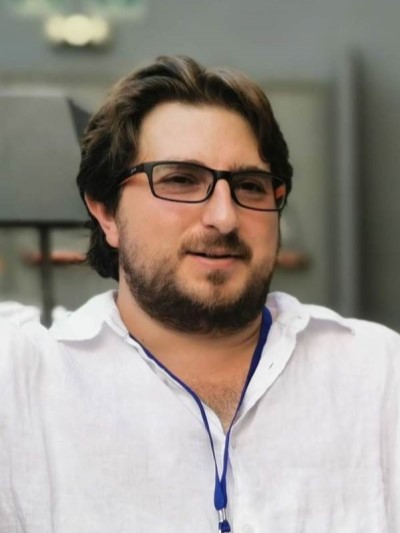
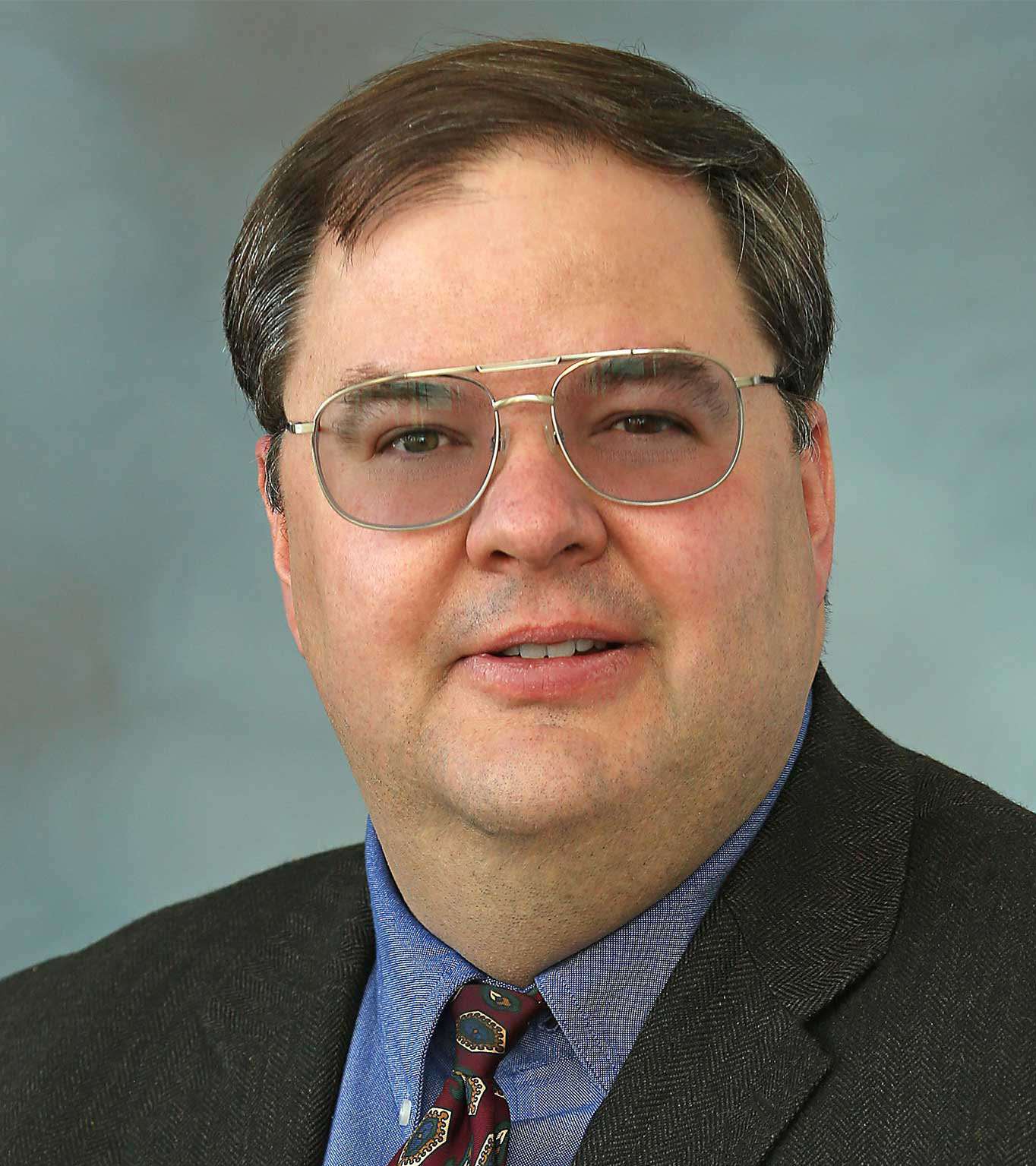
Professor Waldemar Sienkiewicz is a neuroanatomist at the University of Warmia and Mazury in Olsztyn, Poland, affiliated with the Faculty of Veterinary Medicine 's Department of Animal Anatomy . With an ORCID identifier 0000-0002-9995-1935 and over 92 publications, his research focuses on neurochemical coding of autonomic ganglia and sensory neurons in domestic animals. PhD, prof. UWM Department of Animal Anatomy Faculty of Veterinary Medicine University of Warmia and Mazury in Olsztyn His scientific work spans neurohistological characterization of anatomical structures across species including pigs, chinchillas, and sheep. Key research areas include: Neuroanatomy of digestive and reproductive systems Neurochemical coding of autonomic ganglia Neuroplasticity in castration models Neuropeptide expression in inflammatory conditions Comparative studies of sensory neuron distribution Immunohistochemical characterization techniques Article analysis reveals specialization in: Porcine nervous system plasticity Neuroimmune interactions in zebrafish Comparative joint innervation studies Neurochemical markers in autonomic ganglia Neurotransmitter co-localization patterns Animal model development for human disease Current research involves: Canine elbow joint innervation mapping Galanin's neuroprotective mechanisms Blue light retinal damage assessment Neuroanatomical tracing methods
Yauheni Zhalniarovich is a Professor at the Department of Surgery and X-ray with Clinic within the University of Warmia and Mazury in Olsztyn , Poland. His work focuses on advanced surgical techniques in veterinary medicine, particularly laparoscopic procedures, orthopedic surgery, and diagnostic imaging. Academic Rank: Professor Department: Surgery and X-ray with Clinic University: University of Warmia and Mazury in Olsztyn Research Interests: Zhalniarovich's research spans veterinary surgery, with a focus on minimally invasive techniques for canine and feline reproductive organs, orthopedic interventions like TPLO and TTA CF, and diagnostic imaging modalities such as MRI and ultrasound for musculoskeletal and neurological conditions. He has supervised doctoral students and led projects requiring specialized equipment and funding. Scientific Output: Recent publications highlight innovations in orthopedic surgery, comparative studies on implant designs, and applications of imaging in small and large animals. Trends include the use of sheep and canine models for biomechanical testing, epidemiological studies on equine desmopathy, and postoperative complication analysis. Supervision and Funding: Zhalniarovich has promoted one doctoral student and currently supervises another. Research projects under his guidance are supported by institutional funding and infrastructure, including advanced veterinary imaging and surgical facilities.
Dr Shannon Page serves as Senior Lecturer and Head of the Department of Environmental Management at Lincoln University (New Zealand) since 2018. Her academic leadership spans transport-energy systems research with interdisciplinary applications in climate policy and sustainable development. Her research focuses on transport and energy systems transformation to achieve greenhouse gas reduction goals, utilizing mathematical modeling of historical datasets to explore feasible technology limits. Key methodologies involve “what if” scenario analysis for renewable energy adoption and urban form changes, avoiding speculative forecasting for more robust policy insights. Primary research domains include: Electrified transport infrastructure impacts Renewable energy integration (solar, wind, geothermal) Sustainable mobility culture and behavioral adaptation Agricultural energy systems and livestock management Recent publications demonstrate strong interdisciplinary trends, evolving from foundational work on 100% renewable electricity systems (2010-2013) toward integrated solutions for solar farming, electric vehicle tourism, and precision agriculture. Her work consistently addresses New Zealand’s unique energy challenges while contributing to UN Sustainable Development Goal 7 (Affordable and Clean Energy). Dr Page has supervised 10+ postgraduate research projects including “Our electric futures: understanding hydrogen’s role in NZ grid dispatch” (2024) and “Body composition estimation in breeding ewes” (2024), demonstrating cross-sectoral impact. She examines as course examiner for Advanced Energy and Transport Planning (ERST 608) and Environmental Management Systems. Her laboratory work centers on energy modeling and spatial analysis, with recent collaborations extending into agricultural technology applications through image analysis of livestock systems. Current projects explore solar farming viability and electric vehicle tourism infrastructure challenges.
Stuart Charters is an Associate Professor at the School of Landscape Architecture, Lincoln University, New Zealand. His academic career spans research and teaching in computational agroecology, human-computer interaction, and software engineering. He serves as the Programme Director for the Master of Applied Computing and was previously seconded to be the Director of SIGNAL ICT Graduate School. Currently, he holds the position of Director of the Centre for Geospatial and Computing Technologies at Lincoln University. Dr. Charters holds a PhD and BSc (Hons) from the University of Durham, United Kingdom. His educational background provides a strong foundation for his interdisciplinary research that bridges technology, agriculture, and ecology, with applications in landscape architecture and sustainable agricultural systems. Charters' research focuses on the intersection of technology, agriculture and ecology, which he terms 'computational agroecology,' and on human aspects of computing including Software Engineering, Visualisation and eResearch. His work investigates how humans engage and interact with technology, with emphasis on both the design and deployment of environmental and agricultural technology, data presentation for consumption, and processes around human engagement. He particularly emphasizes that 'the ability for people to effectively engage with technology and interpret data is essential for technology adoption and effective data based decision-making.' His work in Evidence based Software Engineering aims to improve research reporting quality and provide methods to assess research evidence impact on practice or policy. His recent publications reveal a strong interdisciplinary focus spanning computational agroecology, IoT security, digital tools for landscape planning, and human-computer interaction in agricultural contexts. His work frequently employs geospatial modeling, multi-agent systems, and visualization techniques to address challenges in sustainable agriculture, landscape management, and technology adoption. A notable trend is his increasing focus on integrating ecological health with technological solutions in agricultural settings, particularly in New Zealand high-country environments. Charters actively supervises postgraduate research across diverse areas including neural networks for agricultural vehicles, IoT trust systems, technology's impact on elderly quality of life, and agile software development. His teaching includes directing the Master of Applied Computing program, which helps people transition into tech careers from any degree background. He has examined numerous courses including Industry Project COMP693 and Research Essay COMP698. He maintains an active international research network, collaborating with colleagues in New Zealand, Australia, and the UK. His ORCID identifier is 0000-0002-1560-0805, and he is available for collaborative projects, industry engagement, and student supervision in Masters and PhD programs.
Dr. Majeed Safa is a Senior Lecturer in the Department of Land Management and Systems at Lincoln University, New Zealand, where he also serves as Program Director for the Master of Precision Agriculture. He holds a PhD from Lincoln University, MAgEng from Azad University (Tehran), and BAgrEng from University of Tehran. His research focuses on sustainable agricultural engineering with expertise in energy management, environmental sustainability, and precision farming technologies. Research interests center on developing engineering solutions for sustainable agriculture, including: Energy consumption modeling and carbon footprint analysis in agricultural systems Precision agriculture technologies using ANN and MLR modeling Environmental impact assessment of farming and construction practices Sustainable waste management and composting technologies Development of digital tools for farm management decisions His publications demonstrate strong focus on sustainability metrics, with recurring themes in carbon footprint analysis (dairy systems, construction), precision agriculture applications (image analysis, sensor technology), and waste management solutions. Recent work shows increasing emphasis on digital transformation in agriculture and sustainable materials. Awards & Recognition: Early Career Research Award, Modelling and Simulation Society of Australia and New Zealand (2015) Academic Leadership: Serves as Assistant Editor for the IV-Energy sector of the CIGR journal. Supervises postgraduate research projects on topics including precision livestock management, dairy technology adoption, greenhouse gas quantification, and energy-efficient farming systems. Developed educational app for optimal fertilizer application using satellite imagery. Professional Engagement: Member of Asian Association of Agricultural Engineering (AAAE). Leading development of digital tools for sustainable farming practices, including an app for precision fertilizer application using thermal imaging.
Dr Craig Trotter serves as a Lecturer in the Department of Land Management and Systems at Lincoln University, New Zealand, where he focuses on agricultural systems management. With a PhD and BAgSci(Hons) from Lincoln University, his academic journey spans from animal nutrition research to broader agricultural management systems. His research interests center on efficient and profitable farm systems, economic drivers in agriculture, and land use change across the Agribusiness sector. Dr Trotter specializes in on-farm agribusiness innovation technologies that help primary producers improve management efficiency, profitability, and reduce environmental impact. His current projects include farm systems research for sheep & beef and dairy operations, greenhouse gas emissions reduction from Agribusinesses, farm systems analysis modeling, and land use change adaptation to climate change. The publication record shows a clear evolution from his early work on animal nutrition (particularly liver abscessation and fodder beet systems for beef cattle) toward broader agricultural management and sustainability issues. His most recent work focuses on integrating trees into rural landscapes and climate change adaptation, reflecting the growing emphasis on environmental sustainability in agricultural research. Dr Trotter maintains strong industry connections through his roles as Academic Director for the Kellogg Rural Leadership Programme, B2B Channel Specialist at FarmIQ, and previous positions with the Ministry for Primary Industries and Centre for Dairy Excellence. He actively contributes to industry committees including the New Zealand Institute of Primary Industry Management and the Canterbury Ballance Farm Environmental Awards Management Committee. As an educator, Dr Trotter teaches and examines courses including Farm Management (MGMT 073), Farm Management Systems A & B (MGMT 024, MGMT 025), MGMT 631, and Principles of Agricultural Systems (MGMT 201). He also serves as Course Advisor for the Diploma of Agriculture at Lincoln University.
Dr Alistair Black serves as a Senior Lecturer in the Department of Agricultural Sciences within Lincoln University's Faculty of Agriculture and Life Sciences. His work integrates teaching, research, and leadership in dryland agricultural systems, with a focus on climate-resilient pasture management. He leads the Regenerative Agriculture Dryland Experiment (RADE), a farmlet-scale initiative examining total-farm impacts of regenerative practices. His educational background includes a PhD and B.Agr.Sc.Hon. from Lincoln University. His research spans pasture and crop agronomy, with specific expertise in legume-based systems, endophyte diversity, and low dry matter forages. He investigates how environmental and management factors influence plant growth to develop practical solutions for drought-prone farms. Analysis of his 15 most recent publications reveals a strong thematic focus on dryland adaptation, pasture mixture optimization, and regenerative agriculture. His work consistently addresses climate change challenges through field experiments examining species interactions, soil-plant dynamics, and management innovations that enhance water and nitrogen use efficiency. Member of Executive Committee of the New Zealand Grassland Association Dr Black actively supervises postgraduate research across diverse topics including endophyte effects on animal health, forage quality optimization, and dryland crop adaptation. His teaching spans diploma to PhD levels in pasture agronomy, with practical field-based instruction on campus and commercial farms. He contributes significantly to academic service as Associate Editor for Journal of New Zealand Grasslands and Grass & Forage Science, and serves on Lincoln University's Faculty Teaching Committee. The Regenerative Agriculture Dryland Experiment (RADE) functions as his primary research platform and 'living laboratory' for interdisciplinary teaching. His international collaborations include projects with Qinghai University (China) on high-altitude grasslands and Trinity College Dublin (Ireland) on plant diversity modeling.
Dr. Andrew Greer serves as a Senior Lecturer and Head of Department in the Department of Agricultural Sciences at Lincoln University, New Zealand. With over two decades of academic service at the institution, he has progressed from Teaching Fellow (2001-2006) to Lecturer (2008-2012) and currently holds his senior position since 2019. His academic credentials include a PhD and BAgrSc(Hons), both from Lincoln University. Greer's research program focuses on improving livestock production through investigations in parasitology, epidemiology, nutrition, immunology, and metabolism. His primary expertise lies in sheep parasitology, though he also works extensively with cattle health and production systems. He employs cutting-edge research techniques to develop practical solutions for real-world agricultural challenges, emphasizing the functional application of scientific findings. His work aligns with UN Sustainable Development Goals 3 (Good Health and Well-Being), 12 (Responsible Consumption and Production), and 15 (Life on Land). Analysis of his recent publications reveals a strong emphasis on precision livestock farming technologies, particularly using accelerometers and other sensors to detect sickness behavior in grazing animals. His research increasingly integrates parasite control strategies with nutritional approaches, exploring how dietary diversity affects animal health, welfare, and production. Recent work shows growing interest in targeted selective treatment methods to combat anthelmintic resistance while maintaining productivity. Co-Editor In Chief for Veterinary Parasitology Associate Editor for Animal Production Science Editorial board member for Parasite Immunology Past-President of the New Zealand Society of Animal Production Director for DEEResearch NZ Technical advisory group member for Wormwise NZ Greer has supervised numerous postgraduate research projects focused on livestock health and production, with completed theses covering topics such as behavioral traits for disease identification, targeted supplementation for parasite control, and dietary phytochemical diversity. His teaching portfolio includes advanced courses in animal science, livestock production, and agroecology. He maintains collaborative links with researchers across New Zealand institutions and European partners, reflecting his international research engagement.
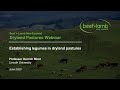
Derrick Moot is a Professor in the Department of Agricultural Sciences at Lincoln University's Faculty of Agriculture and Life Sciences. He leads the Dryland Pastures Research Programme, focusing on enhancing water and nitrogen use efficiency in dryland farming systems through legume-based pastures. His work has transformed agricultural practices in drought-prone regions of New Zealand and internationally. Professor Moot's educational background includes a PhD from Lincoln University and a BAgrSc(Hons) from the University of Canterbury. His research interests center on dryland agriculture, with particular expertise in lucerne agronomy, pasture science, and climate change adaptation. Moot believes that 'excellent agricultural science only happens in the field,' emphasizing practical, field-based research that directly benefits farmers. His work examines how environmental factors influence plant growth and development, developing integrated farm systems that enhance resilience in summer-dry and drought-prone regions. Analysis of his recent publications reveals a strong focus on sustainable pasture systems, climate change adaptation, and precision agriculture. His work spans from fundamental plant physiology to practical farm applications, with particular emphasis on lucerne cultivation, nutrient management, and innovative pasture mixtures that improve productivity while reducing environmental impacts. Moot's research demonstrates a consistent commitment to solving real-world agricultural challenges through scientifically rigorous field studies. Beef & Lamb LNZ Sheep Industry Science Award (2017) New Zealand Grasslands Trust Ray Brougham Award for Impact on New Zealand Agriculture (2016) Sir Arthur Ward Award NZIAHS (2007) National Tertiary Teaching Excellence Award (2004) Fellow of the New Zealand Institute of Agricultural & Horticultural Science Professor Moot has supervised numerous postgraduate students across various agricultural topics, including wheat production, pasture establishment, and plant physiology. His Dryland Pastures Research Team maintains strong engagement with the farming community through a weekly lucerne management text service reaching over 1,000 recipients and more than 135 field days conducted since 2012. The team works closely with Beef+LambNZ and other agricultural organizations to translate research findings into practical farming applications. The Dryland Pastures Research Programme operates as a collaborative network connecting researchers, farmers, and industry partners across New Zealand and internationally. The team has particularly strong connections with agricultural communities in Patagonia, Argentina, Chile, Victoria, and New South Wales, where their lucerne research has transformed local farming practices. Their work integrates plant science, soil science, and animal production to develop resilient farming systems for dryland environments.
Jasmine Tanner serves as a Lecturer in the Department of Agricultural Sciences at Lincoln University, specializing in biometrics and equine epidemiology. Her research focuses on statistical modeling of health, welfare, and performance within the racing industry, with particular emphasis on Standardbred horses. MSc, Massey University PgDipSci, Massey University BSc, Massey University Her research expertise spans veterinary epidemiology, genetic data analysis, and quantitative methods applied to animal science. Dr. Tanner investigates reproductive efficiency in broodmares, population studies of racing performance, and statistical modeling of genetic datasets. Her work aligns with UN Sustainable Development Goals for Good Health, Quality Education, and Industry Innovation. Analysis of her 15 most recent publications reveals a strong focus on equine health within the racing industry, with recurring themes in reproductive efficiency, injury epidemiology, and genetic trait analysis. Her methodological approach consistently employs advanced statistical modeling of large-scale industry datasets. Professor Cliff Irvine Memorial Scholarship (2024/2025) Dr. Tanner actively supervises Masters and PhD students while collaborating with industry partners including the New Zealand Standardbred Breeders Association and New Zealand Equine Education Trust. She serves as an examiner for biometrics and experimental design courses (QMET 201, 306, 608) and performs peer review for the Equine Veterinary Journal.
Christian Kapel is a Professor in the Department of Plant and Environmental Sciences at the University of Copenhagen's Faculty of Science, specializing in the Section for Organismal Biology. His research focuses on host-microbiome interactions, experimental and wildlife parasitology, and zoonotic infections. He maintains an active research profile with extensive publications and significant research funding. Dr. Kapel holds a MSc in Zoology and a PhD in Veterinary Science, with postdoctoral experience at the US Department of Agriculture. His academic career includes serving as Head of Studies for 10 years, membership on the Academic Council of SCIENCE at the University of Copenhagen, and membership on the University Senate. He teaches across biology, animal science, and veterinary programs and has founded three university spinout companies. His research portfolio demonstrates consistent focus on parasitic organisms and their applications in biomedical contexts. Recent work centers on Trichuris suis and its therapeutic potential for inflammatory bowel diseases, zoonotic pathogen detection in wildlife populations, and parasite-microbiome interactions. His publications reveal strong interdisciplinary connections between veterinary medicine, human health, and ecological systems, with particular emphasis on the One Health approach. The research shows notable translational potential, with several clinical applications emerging from basic parasitology studies. Dr. Kapel has secured substantial research funding totaling over 75 million DKK (10 million €) throughout his career. His work has achieved significant visibility with coverage in 56 news outlets, blogged by 6 sources, shared across numerous social media platforms, and referenced on Wikipedia. He serves as an assessor for the Innovation Fund Denmark, demonstrating recognition of his expertise in research evaluation and innovation. His teaching activities span multiple disciplines including biology, animal science, and veterinary medicine. While specific student advisement information isn't provided in the available text, his extensive publication record and leadership roles suggest significant mentorship activity. His research group appears to maintain strong international collaborations across multiple continents as indicated by the geographic diversity in his co-authorship network. Dr. Kapel's laboratory work focuses on host-parasite interactions, with particular attention to zoonotic pathogens and their impact on both wildlife and human populations. His research group maintains active investigation into parasite genomics, microbiome interactions, and translational applications of parasitological research for human health conditions. The group appears to utilize both field and laboratory approaches, with studies involving wildlife sampling, clinical trials, and molecular analysis techniques.
Assoc. Prof. DERYA HAROĞLU serves as Associate Professor in the Department of Industrial Design Engineering at Erciyes University's Faculty of Engineering, where she has held academic positions since 2009. Previously Assistant Professor (2015-2024) and Research Assistant in Textile Engineering (2009-2015), she concurrently serves as Erasmus Program Institutional Coordinator for the Faculty of Engineering. Her educational background includes: Doctorate in Textile Technology Management, North Carolina State University (2010-2014) Executive MBA, Istanbul Technical University (2006-2007) B.Sc. in Textile Engineering, Ege University (1998-2002) Her research integrates Textile Engineering with Biomedical and Automotive applications, specializing in 3D knitted scaffolds for myocardial tissue regeneration, polymer optical fiber sensors for automotive safety, and computational intelligence methods. She pioneers fuzzy logic and neural network applications in textile physics while developing innovative medical and veterinary education tools through 3D printing technology. Recent publications reveal dominant trends in cardiac tissue engineering scaffolds (40% of output), automotive sensor development (30%), and fuzzy logic applications in textile design (20%), with growing interdisciplinary work in veterinary anatomy education. Her work consistently bridges textile manufacturing with biomedical and automotive engineering challenges. Dr. Haroğlu has successfully supervised three postgraduate students through thesis research on furniture upholstery design, veterinary brain modeling, and product development methodologies. She secured significant research funding including a BAP project on myocardial regeneration scaffolds (2018-2021) and an Erasmus+ KA2 project on vocational design education (2016-2019), while holding two patents for cardiac patches and industrial design. She leads a multidisciplinary research team developing textile-based cardiac regeneration solutions, collaborating with medical researchers on scaffold biocompatibility testing and automotive engineers on sensor integration. Her laboratory combines advanced textile machinery with computational modeling tools for predictive analysis of fabric structures.
Andrew Mead is Lecturer in Antimicrobial Resistance at the Royal Veterinary College (RVC), Department of Comparative Biomedical Sciences, Hawkshead campus. His work integrates microbiology and pharmacology to optimize antimicrobial use in veterinary medicine and combat antimicrobial resistance through dynamic in vitro models and pharmacometric approaches. Education: BSc (Hons) in Biomedical Science, University of Bedfordshire MRes at RVC (funded by Veterinary Medicines Directorate) PhD at RVC (2022), thesis on PK/PD-informed clinical breakpoint determination for colistin in chickens Dr. Mead's research focuses on veterinary antimicrobial pharmacology, specializing in PK/PD modeling of colistin, florfenicol, and sulfonamide-trimethoprim combinations. He employs hollow-fibre infection models and molecular resistance profiling to develop evidence-based dosing strategies that minimize resistance emergence while maintaining efficacy. His work bridges laboratory science with clinical applications in poultry and livestock, emphasizing One Health sustainability. His 15 most recent publications (2015-2025) reveal a concentrated research trajectory in veterinary antimicrobial optimization, with 80% focused on colistin and florfenicol pharmacodynamics. Key methodological themes include hollow-fibre infection modeling (35% of articles), heteroresistance quantification (25%), and PK/PD-informed breakpoint determination (20%). The work consistently targets resistance prevention through precision dosing across multiple animal species. Scientific Awards: McKeever Prize for best original research in animal health (2022) Dr. Mead supervises PhD candidate Annelies Van Bohemen (molecular epidemiology of MDR E. coli in Nigerian live-bird markets) and MRes students Katarina Malgo (Sustainable Treatment & Evaluation of Practices for Sheep) and Abigail Hughes (florfenicol pharmacodynamics in Glaesserella parasuis). He co-developed the APPRAISE facility (2022) and leads projects including SulTAn (JPIAMR-funded sulfonamide-trimethoprim optimization) and EcoFlor (sustained-release florfenicol formulations). His collaborations span VetCAST (EUCAST), ENOVAT, and ESCMID with industry and regulatory partners. He co-leads the RVC's AMR Research Group, serves on the Researcher Association executive, and contributes to international AMR guidelines. As a Fellow of the Higher Education Academy, he teaches Principles of Infectious Disease and Biobusiness modules while developing outreach initiatives in antimicrobial stewardship.
Jeffrey Toth, PhD, FAIMBE, serves as Adjunct Professor in the Department of Orthopaedic Surgery at the Medical College of Wisconsin (MCW), with dual adjunct appointments at Marquette University in the School of Dentistry (Biomaterials) and College of Engineering (Biomedical Engineering). He directs the Walter F. Joyce Jr. Memorial Biomaterials Laboratory at Marquette University and is a core faculty member of the Orthopaedic Rehabilitation and Engineering Center (OREC), a joint MCW-Marquette initiative advancing orthopaedic device innovation. His research spans biomaterials development , tissue engineering , and spinal implant analysis , focusing on bone graft substitutes, osteoinductive protein delivery systems, and retrieval studies of explanted devices. Dr. Toth pioneered the seminal tissue engineering definition adopted globally and demonstrated that host responses to spinal implants vary by biomaterial composition—a critical insight for device safety. Current projects address spine impairment (the leading cause of activity limitation in US adults), with emphasis on radiolucent fusion devices and PEEK polymer applications. Dr. Toth's work is supported by NIH (NIAMS/NIDRR), National Arthritis Foundation, American College of Surgeons, and industry partnerships. His laboratory employs advanced techniques including undecalcified histology, microradiography, and quantitative histomorphometry for pre-clinical biomaterials testing. Fellow of the American Institute for Medical and Biological Engineering (AIMBE), 2010 Outstanding Graduate School Educator, MCW Graduate School of Biomedical Sciences, 2017 As an educator, Dr. Toth supervises graduate students through OREC and teaches biomaterials courses, integrating retrieval analysis findings into translational research training. His lab maintains active collaborations with spine device manufacturers and international research groups, with outcomes directly informing clinical implant design and surgical protocols.
Dr. Nkululeko Nyangiwe is a Doctor of Veterinary Medicine and Researcher at the Dohne Agricultural Development Institute in Stutterheim, South Africa, where he works within the Rural Development and Agrarian Reform division and the Animal Welfare and Meat Science Lab. With 64 publications and 865 citations, his research significantly contributes to understanding livestock parasites and diseases in South African farming systems, particularly in communal settings. Dr. Nyangiwe's expertise spans multiple critical areas: Animal Parasitology Veterinary Medicine Animal Welfare Animal Science Zoonotic Diseases Tick Ecology and Control His research primarily focuses on tick-borne diseases affecting livestock, with special emphasis on the invasive Rhipicephalus microplus species. He has conducted extensive field studies examining seasonal tick dynamics, species displacement, acaricide resistance, and the relationship between environmental factors and parasite distribution. His work uniquely bridges biological research with social science approaches, investigating both the scientific aspects of parasite control and farmers' knowledge, attitudes, and practices. Dr. Nyangiwe's publications demonstrate consistent research productivity across multiple provinces in South Africa, with recent work addressing climate change impacts on vector distribution, molecular characterization of pathogens, and practical control methods for resource-limited farming communities. His research has accumulated over 42,095 reads, indicating significant interest from the scientific and agricultural communities. Notable research contributions include: Documenting the range expansion of Rhipicephalus microplus across southern Africa Studying the displacement of native tick species by invasive counterparts Investigating acaricide resistance mechanisms in tick populations Assessing farmer knowledge regarding parasite control methods Analyzing climate and environmental influences on tick distribution Dr. Nyangiwe maintains an active collaborative network with researchers across South Africa and internationally, participating in FAO expert meetings and multi-country research initiatives. His work in the Animal Welfare and Meat Science Lab focuses on practical applications that directly benefit livestock producers while advancing scientific understanding of parasite ecology and control.