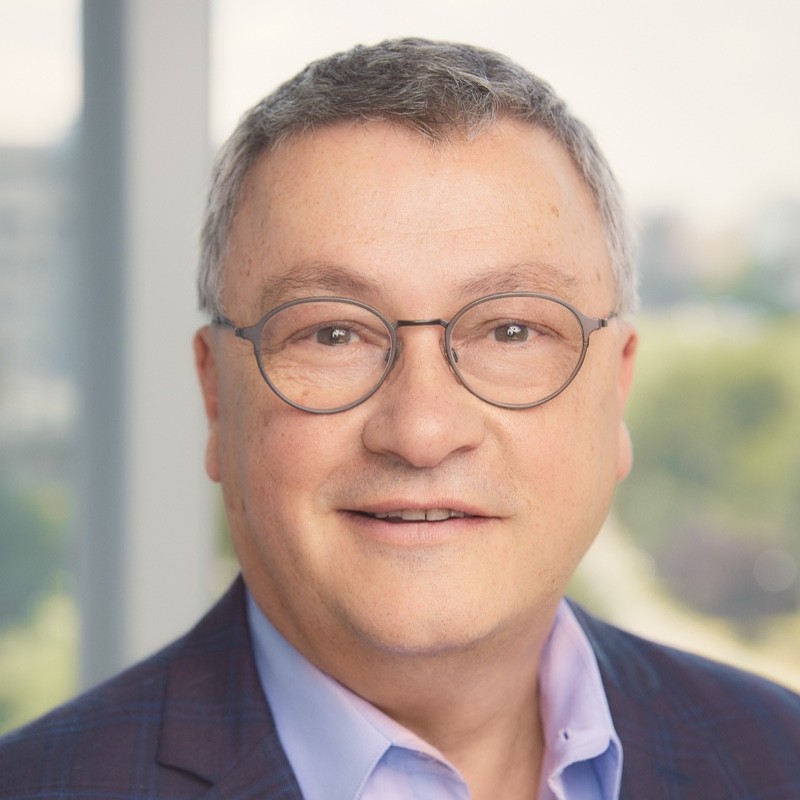
Richard D. Wesel is an Associate Dean for Academic and Student Affairs at a College of Engineering, where he has held leadership roles such as Vice-Chair of the Electrical Engineering Department. With Ph.D. and M.S. degrees in Electrical Engineering from Stanford University and MIT respectively, his research focuses on communication theory and channel coding, particularly low-density parity-check (LDPC) codes and turbo codes for efficient data transmission over noisy channels. Education: MIT (B.S., M.S.), Stanford (Ph.D.) Leadership: Associate Dean, Former Vice-Chair of Electrical Engineering Wesel's research explores advanced techniques for broadcast and multiple-access communication systems, emphasizing applications in wireless LANs, satellite communications, and optical networks. His work integrates machine learning with traditional decoding algorithms, as seen in recent publications on neural-network-optimized LDPC decoding and parallel trellis-stage-combining methods for high-throughput systems. His articles demonstrate a focus on finite-blocklength coding, including CRC-aided list decoding for convolutional and polar codes, and voltage optimization strategies for flash memory reliability. Wesel has authored over 100 publications and led a research group that won the 2006 Design Automation Conference's top award for optical multiple access design. Scientific Awards: National Science Foundation CAREER Award Okawa Foundation Award As an educator, Wesel received the TRW Excellence in Teaching Award in 2000 and has contributed to academic governance through roles on the Faculty Executive Committee and Undergraduate Council. His work bridges theoretical communication systems with practical implementations, including FPGA-based decoders and adaptive coding for fading channels.
Dr. Xiong Yi is an Assistant Professor at the School of System Design and Intelligent Manufacturing (SDIM) at Southern University of Science and Technology (SUSTech) in Shenzhen, China. He leads the Computational Design and Fabrication (CoDeFab) research group, focusing on the integration of computational design methods with advanced manufacturing technologies, particularly in the field of additive manufacturing. Dr. Xiong has established himself as a leading researcher in computational design for additive manufacturing, with a strong international research background spanning Europe and Asia. Dr. Xiong's educational journey includes: Doctor of Science (DSc) in Engineering Design and Production from Aalto University, Finland (2012-2016) Master of Science (MSc) in Machine Automation from Tampere University of Technology, Finland (2010-2012) Bachelor of Engineering (BEng) in Mechanical Engineering from Hubei University of Technology, China (2006-2010) Dr. Xiong's research primarily focuses on computational design and fabrication methodologies, with particular emphasis on design for additive manufacturing (DfAM), intelligent manufacturing systems, and smart materials. His work bridges the gap between theoretical design principles and practical manufacturing constraints, developing novel approaches for the production of complex engineered products. He has pioneered research in continuous fiber-reinforced composite additive manufacturing, developing innovative process planning and optimization techniques that enable the production of high-performance structural components. His research in electrothermally controlled origami and 4D printing of smart materials represents cutting-edge work at the intersection of materials science, mechanical engineering, and computational design. Dr. Xiong's recent publications reveal a strong focus on continuous fiber-reinforced composites, with significant contributions to 4D printing, metamaterials, and intelligent process planning. His work integrates computational design with manufacturing constraints, creating novel approaches for topology optimization, toolpath planning, and structural design that consider both performance requirements and manufacturability limitations. The research demonstrates increasing sophistication in materials science applications, particularly in programmable materials and multi-functional structures. Dr. Xiong has received multiple prestigious awards for his research contributions, including: Best Presentation Award at the 24th Chinese Conference on Mechanisms and Machine Science (IFToMM CCMMS2024) Best Presentation Award at the International Conference on Frontiers of Additive Manufacturing Research (RAAM 2024) Best Paper Award at the International Conference on Design for 3D Printing (ICD3DP 2023) PhD Scholarship from Aalto University (2016) Research Travel Grant from the International Association for Vehicle System Dynamics (IAVSD) (2013) National Scholarship from the Ministry of Education (2008) As a dedicated educator and mentor, Dr. Xiong serves as a PhD supervisor at SUSTech and has successfully guided students who have gone on to pursue advanced studies and careers at prestigious institutions including Hong Kong Polytechnic University, Beihang University, DJI Innovations, and Singapore's A*STAR research institute. His research is supported by multiple competitive grants, including key projects from the National Key R&D Program of China, the National Natural Science Foundation of China, and provincial and municipal funding agencies. Dr. Xiong also serves on the editorial board of the Journal of Engineering Design and as a guest editor for Composites Communications, contributing to the advancement of his field through scholarly service. Dr. Xiong leads the CoDeFab research group, which maintains a strong collaborative culture focused on 'design leading manufacturing, manufacturing driving design, and digital-intelligent integration.' The group has developed several advanced manufacturing platforms, including multi-axis continuous fiber-reinforced composite additive manufacturing systems, smart composite additive manufacturing platforms, and multifunctional soft matter open manufacturing platforms. With a focus on practical applications and innovation, the CoDeFab group actively collaborates with industry partners and has established a joint laboratory to bridge academic research with industrial implementation.
Brandon Chalifoux serves as an Assistant Professor at The University of Arizona's Wyant College of Optical Sciences and Department of Aerospace and Mechanical Engineering. His research focuses on enabling next-generation space telescopes through precision fabrication, mounting, and alignment of lightweight optical mirrors, with applications spanning astronomy, Earth observation, and space infrastructure development. His educational background includes: Ph.D. in Optical Sciences, Massachusetts Institute of Technology, 2019 M.S. in Optical Sciences, Massachusetts Institute of Technology, 2014 B.S. in Physics, Rice University, 2008 Chalifoux's research centers on stress-based surface shaping, precision engineering, ultrafast laser optical material processing, and astronomical optics. Through the Lightweight Optics Lab, he develops experimental and analytical techniques for manufacturing and aligning thin mirrors, with current projects targeting X-ray mirror metrology, laser stress figuring, and optical assembly methods critical for future high-resolution space telescopes. His recent publications (2023-2025) demonstrate concentrated advancements in ultrafast laser stress figuring (ULSF) for optical surface correction across thin mirrors and X-ray telescope optics. Key themes include material behavior analysis in fused silica and glass, stress generation mechanisms, and novel metrology techniques like axial shift mapping, establishing foundational methodologies for space-based optical systems. Scientific Awards: No awards mentioned in source material Chalifoux has successfully advised graduate students including Dr. Hayden Wisniewski (PhD, 2023), now a metrology engineer at ASML, and Alex St. Peter (Masters, 2023). His lab secures research funding for optical engineering projects with emphasis on space telescope technology, featuring significant collaborations with MIT on stress tensor mesostructures and laser-based figuring techniques. The Lightweight Optics Lab operates at the forefront of space optics research, conducting projects from fundamental laser-material interactions to X-ray mirror segment assembly. Current team efforts focus on ultrafast laser stress figuring for mirror correction and advanced metrology for near-cylindrical surfaces, directly addressing challenges in next-generation astronomical instrumentation and space infrastructure.
Prem Pal is a Professor in the Department of Physics at the Indian Institute of Technology Hyderabad. His work focuses on MEMS technology, silicon micromachining, and thin film applications in sensors and energy systems. Education : Ph.D. in MEMS from IIT Delhi (2004), M.Tech in Solid State Materials from IIT Delhi (1999) His research spans wet anisotropic etching, microfluidic channels, and advanced MEMS fabrication techniques. He has developed novel processes for Borofloat glass and silicon wafer processing. Key trends in his publications include isotropic/anisotropic wet etching, masking layer behavior, and optimization of etching solutions (e.g., NH4OH, KOH, NaOH) for MEMS devices. His work addresses surface texturization and structural dynamics of microcantilever beams. Laboratory : Prem Pal leads the MEMS & Micro/Nano Systems Laboratory at IIT Hyderabad, advancing microsystem technologies and semiconductor physics applications.
Dana Carroll is a Distinguished Professor in the Department of Biochemistry at the University of Utah's Spencer Fox Eccles School of Medicine, renowned as the "father of the gene-editing revolution" for pioneering zinc-finger nucleases that enabled CRISPR technology. With a 48-year career at the institution, he has shaped genome editing across medicine, agriculture, and basic science. Education: Bachelor's degree from Swarthmore College, Pennsylvania PhD from the University of California, Berkeley Postdoctoral research at Beatson Institute for Cancer Research, Glasgow Postdoctoral research at Carnegie Institution Department of Embryology, Baltimore Research Focus: Carroll's work centers on targetable nucleases (zinc-finger, TALENs, CRISPR/Cas) for precise genome editing in over 200 organisms. His lab optimizes these tools for clinical trials targeting genetic diseases and agricultural improvements in crop nutrition and animal welfare, while actively addressing ethical implications through public discourse and international policy development. Scientific Recognition: National Academy of Sciences membership American Academy of Arts and Sciences Fellowship Novitski Prize (2012) and Sober Lectureship Award (2014) University of Utah Distinguished Innovation Award (2017) Utah Governor’s Medal (2018) and Rosenblatt Prize (2023) Mentorship & Leadership: Carroll supervised 31 graduate/postdoctoral students and served on 125 thesis committees. As Biochemistry Department co-chair (1980s) and sole chair (1998-2009), he recruited Nobel laureates and revitalized the department. His committee service spans 26 university-wide, 50 School of Medicine, and 20 NIH panels, alongside innovating graduate courses on recombinant DNA technology and gene therapy ethics. Current Initiatives: As a Huntsman Cancer Institute member in the Nuclear Control Program, Carroll advances clinical genome editing applications while co-authoring the 2020 international report on heritable human genome editing for the U.S. National Academies and UK Royal Society.
Elizabeth M. Belding is a Professor in the Department of Computer Science at the University of California, Santa Barbara (UCSB) and Associate Director of the Center for Information Technology and Society. She holds a Ph.D. (2000) and M.S. (1997) in Electrical and Computer Engineering from UCSB. Co-developer of AODV routing protocol (basis for IEEE 802.11s and Zigbee) Director of the Mobility Management and Networking (MOMENT) Laboratory Associate Dean and Faculty Equity Advisor, College of Engineering Her research focuses on mobile and wireless communication networks , including network performance analysis , digital equity , and information and communication technologies for development (ICTD) . She specializes in improving internet access for marginalized communities including Native American reservations, refugee camps, and rural areas in Zambia, South Africa, and Mongolia. Recent research trends include: Accurate broadband measurement in the U.S. using crowdsourced data Development of wireless solutions for underserved regions Analysis of 5G performance variability and GEO satellite latency Mapping cellular network evolution and infrastructure criticality Evaluating federal broadband funding programs (CAF, BEAD, NSF) Quantifying video streaming quality of experience (QoE) Scientific honors include: ACM Fellow (2018) IEEE Fellow (2014) AAAS Fellow ACM SIGMOBILE Test of Time Award (2018) NCWIT Harrold and Notkin Award (2015) UCSB Outstanding Graduate Mentor Award (2012) IRTF Applied Networking Research Prize (2024) She has advised 22 Ph.D. graduates from the MOMENT Lab, including Jiamo Liu (2024) and Udit Paul (2023). Current research receives funding from NSF, Bill & Melinda Gates Foundation, and industry partners like ViaSat, with emphasis on broadband deployment analysis and network solutions for challenged environments.
Dr. Upali Nanda is an Adjunct Professor in the School of Public Health at the University of Michigan and an Associate Professor of Practice at the Taubman School of Architecture and Urban Planning. She holds a PhD in Architecture from Texas A&M University (2005), an MA in Architecture from the National University of Singapore (2001), and a BArch from the School of Planning and Architecture, New Delhi (1999). Currently serving as Director of Research at HKS Inc., a global architectural firm, Dr. Nanda's academic and professional work bridges architecture, healthcare design, and human wellbeing. PhD in Architecture, Texas A&M University (2005) MA in Architecture, National University of Singapore (2001) BArch, School of Planning and Architecture, India (1999) Dr. Nanda's research focuses on the intersection of architecture and health. Her core interests—Human Health and Wellbeing, Sensory Design, and Power of Place—explore how built environments impact mental and physical health. She has pioneered evidence-based approaches to healthcare design, including the concept of 'Sensthetics,' which examines crossmodal sensory experiences in architectural contexts. Her recent publications highlight interdisciplinary applications of design thinking across healthcare, education, and urban environments. Key trends include leveraging sensory design for mental health, optimizing healthcare facilities through data-driven models, and addressing aging populations through adaptive urban planning. These works emphasize the role of architecture in shaping healthier outcomes across diverse populations. Dr. Nanda has received notable recognition for her contributions, including: Top 10 Most Influential People in Healthcare Design (Healthcare Design Magazine, 2015) Women in Architecture Innovator Award (Architectural Record, 2018) In addition to her academic roles, Dr. Nanda contributes to practice-based research at HKS Inc., where she develops tools like the Design Diagnostic and Post-Occupancy Evaluation Toolkit. Her work integrates neuroscience principles (e.g., neuroesthetics) with architectural practice, influencing global standards for patient-centered environments.
Mahmoud Karimi is a Senior Lecturer at the School of Mechanical and Mechatronic Engineering , University of Technology Sydney (UTS), leading the Vibroacoustics Research Group within the Centre for Audio, Acoustics and Vibration. He holds a PhD in Mechanical Engineering from UNSW with specialization in vibration and acoustics, and has conducted visiting research at University of Cambridge, Technical University of Munich, and INSA Lyon. His research focuses on computational hydroacoustics, vibroacoustics, and uncertainty quantification in noise/vibration problems. Academic Leadership : Editor-in-Chief of Acoustics Australia since 2025 Research Income : Attracted $6M in competitive grants ($2M as Chief Investigator) since 2017 Technical Expertise : Specializes in acoustic black hole structures, flow-induced vibration modeling, and leak detection in buried pipelines Scientific Awards : Recipient of ARC DECRA Fellowship (DE190101412) 2019-2022 Research Trends : His 91+ publications demonstrate expertise in hybrid acoustic modeling techniques, sustainable hempcrete development, and vibration energy harvesting solutions with applications in mining, rail systems, and water infrastructure. International Collaborations: University of Cambridge (UK), Technical University of Munich (Germany), INSA Lyon (France) Teaching Portfolio: Advanced numerical methods, dynamics & control, and computational modeling at UTS
Joakim Lindblad is a Professor at the Department of Information Technology, Uppsala University , and holds affiliated roles as Senior Research Associate at the Mathematical Institute of the Serbian Academy of Sciences and Arts, and Head of Research at Topgolf Sweden AB. With over two decades of expertise in image analysis and machine learning , his work bridges computational methods with biomedical applications. Key affiliations: Uppsala University, Serbian Academy of Sciences, Topgolf Sweden Specializations: Deep Learning, Multimodal Image Registration, Quantitative Microscopy His research focuses on reliable image processing frameworks that integrate intensity and spatial information , particularly for biomedical applications . Recent publications highlight innovations in autofluorescence-based cancer detection , self-supervised one-class learning for sparse instance identification, and rotation-equivariant CNNs for robust analysis of cytology images. Recent article trends demonstrate expertise in multimodal image analysis (2024: 3 papers), oral cancer detection (2025: 2 papers), and multiscale biomedical imaging . His 2025 work on the Uppsala Storytelling Dataset introduces novel frameworks for multimodal dataset creation in AI research. While no scientific awards are explicitly mentioned, his extensive publication record (2000-2025) across top venues like Pattern Recognition , PLOS ONE , and IEEE Transactions indicates significant academic impact. His methodological contributions span stochastic distance transforms , fuzzy set defuzzification , and multimodal image registration techniques. Collaborative work with researchers like Nataša Sladoje and interdisciplinary teams has produced innovations in automated cytology analysis , TEM image enhancement , and AI-driven medical diagnostics . His 2021-2022 projects introduced contrastive learning approaches for multimodal image registration and explainable AI frameworks for infant engagement analysis.
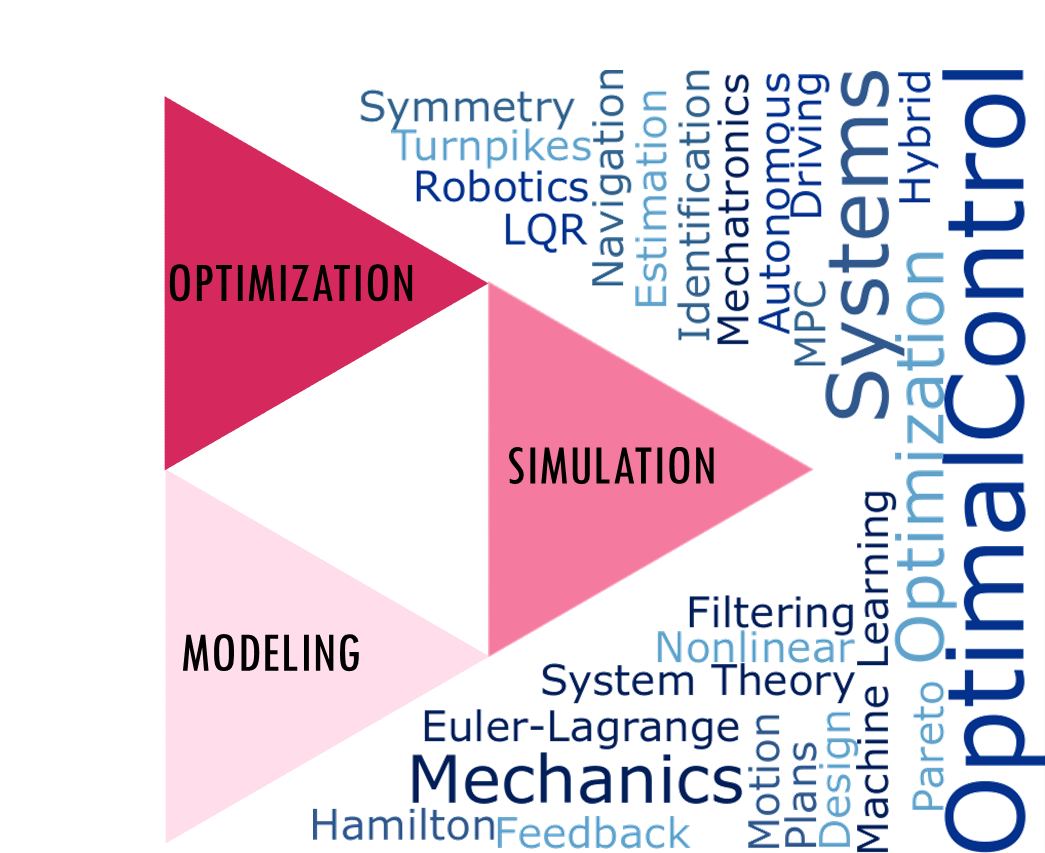
Kathrin Flaßkamp is a Professor at Saarland University, specializing in the Department of Systems Engineering. Her work focuses on modeling and simulation of technical systems, with applications spanning robotics, optimal control, and biomedical engineering. She is based at Campus A5 1, Room 1.04, Saarbrücken. Her research integrates control theory, artificial intelligence, and optimization to address challenges in mobile robotics, autonomous vehicles, and medical devices. A key trend in her recent articles involves leveraging model predictive control, neural networks, and Koopman operators for energy-efficient and cooperative trajectory planning. She also explores applications in stereotactic neurosurgery using continuum robots, emphasizing precision and adaptability. Her work frequently bridges theoretical advancements with real-world engineering problems, including systems with symmetries, multi-agent coordination, and data-driven methods for dynamical systems. Despite no explicit awards listed, her contributions to optimal control and robotics are evident in her extensive publication record.
Takuya Taniguchi is an Associate Professor at the Center for Data Science, Waseda University, where he has been employed since 2019, first as an Assistant Professor (2019-2021) before promotion to his current non-tenure track position. His interdisciplinary research bridges organic chemistry, materials science, and data science, with a focus on developing and analyzing functional organic materials, particularly photo-responsive molecular crystals. He maintains active collaborations with research groups including Hideko Koshima and Toru Asahi, and serves on professional committees such as the Manufacturing Industry AI Promotion Association. Education Doctor of Engineering, Waseda University (2019) Graduate studies at Waseda University's Graduate School of Advanced Science and Engineering Undergraduate studies at Waseda University's School of Advanced Science and Engineering, Department of Life Science and Medical Bioscience Research Focus Professor Taniguchi's work centers on structural organic chemistry and physical organic chemistry , with particular emphasis on organic functional materials and the application of materials informatics to crystal engineering. His research investigates how molecular structure influences macroscopic mechanical properties, especially photo-mechanical behaviors in organic crystals. He has pioneered the use of machine learning techniques to predict crystal properties, optimize materials performance, and design novel functional materials with applications in soft robotics and energy conversion. His recent work demonstrates a clear progression from fundamental studies of photo-mechanical crystals toward increasingly sophisticated applications of machine learning in materials science. The 15 most recent publications reveal a strong focus on neural network potentials for crystal property prediction, optimization of photo-actuated materials, and exploration of phase transitions in molecular crystals. This research trajectory shows consistent innovation in combining experimental chemistry with advanced computational methods. Awards and Recognition Inoue Research Encouragement Prize (2019) Ono Azusa Memorial Award from Waseda University (2019) Student Presentation Award at Japan Chemical Society 99th Spring Annual Meeting (2019) Poster Presentation Award at Chirality 2017 Multiple poster and presentation awards at international crystallography conferences Research Leadership Dr. Taniguchi leads multiple research projects funded by JSPS, JST, and industry partners including ENEOS Corporation and Sumitomo Foundation. His current projects include 'Efficient crystal structure prediction for organic porous materials,' 'Machine learning simulation of HOF material stability,' and 'Machine learning application for organic solid-phase transition.' He has successfully secured competitive funding including JST ACT-X and JSPS Early-Career Scientist grants. His work has received significant media attention, with coverage in Nikkan Kogyo Shimbun and Kagaku Kogyo Nippo highlighting breakthroughs in light-driven organic crystals with 3.7x improved output force. Academic Contributions Beyond research, Professor Taniguchi teaches extensively in Waseda's Global Education Center, offering courses in data science, statistical analysis with R, and statistics literacy across multiple academic quarters. He has contributed chapters to technical publications on process informatics, Bayesian optimization, and crystallization process design. His scholarly impact is evidenced by an h-index of 11 (Google Scholar) with 581 total citations, demonstrating significant influence in the emerging field of materials informatics for organic crystals.
Adetola B. Adesida serves as a full Professor in the Department of Surgery within the Faculty of Medicine & Dentistry at the University of Alberta . His laboratory focuses on developing autologous cell-based tissue engineering strategies for cartilage and meniscus repair, leveraging interdisciplinary collaborations between chemists, biologists, clinicians, and material scientists. PhD in Pharmacy, Victoria University of Manchester (1999) Postdoctoral Research, Wellcome Trust Centre for Cell-Matrix Research Dual Fellowship, Harvard University/Massachusetts General Hospital (2006) Marie-Curie Fellowship, European Commission (2007) Dr. Adesida's research centers on stem cell biology and tissue engineering for musculoskeletal regeneration, with emphasis on: Meniscus and articular cartilage repair mechanisms Stem cell-chondrocyte interactions in 3D microenvironments Bioreactor conditioning (hypoxia, dynamic compression) Sex-specific responses in knee osteoarthritis models Space-related microgravity effects on joint tissues His work bridges fundamental mechanobiology with clinical translation through industry partnerships like CellCoTec. Recent publications demonstrate a strong trend toward 3D bioprinting of nasal and meniscal tissues, sex-dimorphic responses in osteoarthritis, and space medicine applications . Key themes include bioink development, molecular characterization of fibrochondrocytes, and prevention of post-traumatic joint degeneration through regenerative strategies. CIHR Research Award (2013) Harvard University/Massachusetts General Hospital Fellowship (2006) European Commission Marie-Curie Fellowship (2007) Dr. Adesida leads the Orthopaedic Tissue Engineering Laboratory , directing multiple CIHR-funded projects on meniscus regeneration using mesenchymal stem cells. His research integrates advanced bioreactor systems for mechano-hypoxia conditioning and collaborates with aerospace initiatives through Canadian Space Agency partnerships. Current work explores simulated microgravity effects on human meniscus models and develops clinically applicable matrices incorporating bioactive molecules for cartilage formation.
Jamal Atif is a Professor at Paris-Dauphine University and holds multiple significant leadership positions including Project Manager for 'Data Science and Artificial Intelligence' at the Institute of Information Sciences and their Interactions (INS2I) of the CNRS, Deputy Scientific Director of 3IA PRAIRIE, Head of the MILES team/project at LAMSADE (UMR CNRS-Université Paris-Dauphine), Co-leader of the Transverse Artificial Intelligence Program at PSL University, and Director of the Dauphine Numérique program. Professor Atif's primary research focuses on the foundations of responsible artificial intelligence, with specific expertise in privacy preservation in machine learning, robustness of deep learning algorithms to malicious attacks, causality, and explainability. His work bridges theoretical foundations with practical applications in security and reliability of AI systems. He has developed innovative approaches to address adversarial vulnerabilities in machine learning models and has made significant contributions to privacy-preserving techniques in data analysis. His publication record demonstrates a consistent focus on robust and trustworthy AI systems, with recent work exploring differential privacy in clustering, adversarial robustness, and explainable AI. The research spans theoretical foundations in logic and knowledge representation to practical applications in finance, healthcare, and computer vision. His publications appear in top-tier venues including Machine Learning journal, Neural Information Processing Systems, and International Joint Conferences on Artificial Intelligence. Scientific Awards: Recipient of two awards from the North American Society of Radiology for his thesis work Professor Atif has co-supervised or is currently supervising around fifteen doctoral students, demonstrating his commitment to mentoring the next generation of AI researchers. His leadership extends to directing major institutional programs including Dauphine Numérique and the Transverse Artificial Intelligence Program at PSL University, where he shapes strategic research directions in AI. He leads the MILES team/project at LAMSADE, which focuses on foundational aspects of machine learning and artificial intelligence. The team's research spans theoretical aspects of learning algorithms to practical applications requiring robust and reliable AI systems, with particular emphasis on security and privacy considerations in modern machine learning deployments.
Yingbin Hu is an Assistant Professor in the Industrial and Systems Engineering Department at Mississippi State University (MSU), part of the Bagley College of Engineering. Prior to joining MSU in 2024, he held an Assistant Professor position at Miami University. His educational background includes a Ph.D. in Industrial Engineering from Texas Tech University (2019), an M.S. in Manufacturing Engineering from the University of Texas-Rio Grande Valley (2015), and a B.S. in Mechanical Engineering from Shandong University (2013). Dr. Hu’s research focuses on additive manufacturing, materials processing, and advanced machining, with specializations in composite materials, laser-assisted manufacturing, and ultrasonic vibration techniques. His work has yielded over 70 peer-reviewed publications in journals like Composites Part B: Engineering and Additive Manufacturing , along with patents and conference contributions. He received the Miami University Junior Faculty Scholar Award and serves as an associate editor for Materials and guest editor for multiple journals. His research interests include: (1) additive manufacturing of composites, ceramics, and biomaterials; (2) ultrasonic vibration-assisted laser additive manufacturing; (3) laser alloying of metallic materials; and (4) rotary ultrasonic machining of hard materials. His contributions bridge fundamental material science with advanced manufacturing processes. Lab Affiliation: The AIM Laboratory (Additive Manufacturing & Innovation) Professional Memberships: SME, ASME, IISE Dr. Hu’s work emphasizes sustainable and high-performance material systems, with applications in biomedical engineering, aerospace, and advanced manufacturing. His recent articles explore 4D printing, functional graded ceramics, and acoustic field-assisted additive manufacturing techniques.
Garth Gibson is a Professor in the Computer Science Department and Department of Electrical and Computer Engineering at Carnegie Mellon University's School of Computer Science. He serves as Co-Director of the Master of Computational Data Science program and as Associate Dean for Master's Programs. Gibson has been a faculty member at CMU since 1991, after receiving his Ph.D. and M.Sc. in Computer Science from the University of California at Berkeley and a Bachelor of Mathematics in Computer Science and Applied Mathematics from the University of Waterloo. Gibson's research focuses on large-scale parallelism in computer systems, secondary memory system technologies and optimization, scalable file and key-value storage systems, scalable machine learning, and systematic testing for large scale systems. His work bridges theoretical concepts with practical implementations, with a strong emphasis on shepherding technological advances from academic research to commercial reality. He has made significant contributions to RAID technology, network-attached secure disks (NASD), and parallel file systems that have shaped industry standards and products. Gibson's recent publications reveal a strong trend toward data-intensive scalable computing, with increasing focus on machine learning systems, distributed storage solutions, and high-performance computing infrastructure. His research has evolved from foundational storage technologies to address the challenges of petascale and exascale computing environments, with particular attention to the intersection of storage systems and machine learning workloads. The papers demonstrate a consistent theme of addressing system scalability challenges through innovative architectural approaches. Scientific Awards: 2014 Fellow of the IEEE for contributions to the performance and reliability of transformative storage systems 2012 Fellow of the ACM for contributions to the performance and reliability of storage systems 2012 Jean-Claude Laprie Award in Dependable Computing Industrial/Commercial Product Impact Category 2011 SIGOPS Hall of Fame for the SIGMOD88 RAID paper 1999 Reynold B. Johnson Information Storage Award 1999 Allan Newell Award for Research Excellence 1998 Test of Time Award 1991 A.C.M. Doctoral Dissertation Award (tied for second) Gibson has advised numerous graduate students who have gone on to influential positions in both academia and industry, including Swapnil Patil who won first place in the 2010 ACM Graduate Student Research Competition. He has secured significant research funding through initiatives like the DOE Petascale Data Storage Institute and the Intel Science and Technology Center for Cloud Computing. His research has been supported by collaborations with national laboratories including Los Alamos, Sandia, Oak Ridge, Pacific Northwest, and Lawrence Berkeley. Gibson founded CMU's Parallel Data Laboratory (PDL) in 1993, which has grown into a vibrant research community comprising 6-9 faculty members, 2-3 dozen students, and 4-10 staff. The PDL operates with guidance from the Parallel Data Consortium, which includes 15-25 companies interested in parallel data systems. He also founded Panasas Inc. in 1999, a scalable storage cluster company that has deployed technology in national laboratories, energy sectors, and other high-performance computing environments. More recently, Gibson established the Big Learning research group and created the Systems Major curriculum within CMU's Master of Computational Data Science program.