Ewa Batyra is an Affiliate Researcher at the Laboratory of Fertility and Well-Being within the Max Planck Institute for Demographic Research (MPIDR). Her work focuses on global demographic patterns related to fertility, family formation, and socioeconomic disparities. Key Research Areas: Fertility dynamics, child marriage, union formation, and the impact of education on demographic transitions. Geographic Focus: Global South, particularly Sub-Saharan Africa and Latin America. Recent Trends: Batyra's publications analyze post-disaster fertility shifts, unintended pregnancy outcomes, and the role of income inequality in delaying parenthood. She employs cross-national datasets and advanced statistical methods like fixed-effects modeling. Collaborations: Works with institutions such as the University of Pennsylvania (Hans-Peter Kohler), University of Oxford (Tiziana Leone), and Brazilian research teams on fertility forecasting.
Dana Mahr is a Researcher at the Karlsruhe Institute of Technology (KIT) within the Institute for Technology Assessment and Systems Analysis (ITAS) . Her work focuses on Technology Assessment , Science and Technology Studies , and Citizen Science , with particular interests in Epistemic Diversity , Digital Health Research , and the Sociopolitical dimensions of biomedical technologies . Key research areas: Participatory research, gender in science, public trust in technology, and science communication in digital contexts Current projects: Inspiring and Anchoring Trust in Science (IANUS), Moral economies of emerging technologies, and the role of experiential knowledge in biomedical research Teaching: Has designed courses on topics like "Big Data in Medicine" and "Citizen Science" at institutions including Université de Genève and University of Lübeck Her recent publications address issues such as digital patient twins , data diaries in health platforms , and the politics of gender and reproduction . She leads discussions on disinformation, public engagement, and the ethical implications of technology in healthcare. Mahr's work emphasizes the intersection of social theory , scientific governance , and democratic participation in shaping technological futures. Notable collaborations include research with European Citizen Science Association (ECSA) and contributions to debates on transgender rights and digital health equity . Her methodological approach combines historical analysis with participatory frameworks to challenge epistemic hierarchies in scientific practice.
Dr. Beatriz Carbone is a Research Associate at Saarland University's Department of European Social Sciences, Political Science, specializing in postcolonial, feminist, and critical race theory applications to political discourse. Her career spans multiple German universities, including TU Kaiserslautern, University of Augsburg, and Philipps-Marburg University, where she held roles in research and teaching. Her research interests include Whiteness and gender in Brazilian policy Eurocentrism's global consequences Intersectionality in health/sexual violence Urban resilience and participatory cultures Her selected publications analyze materiality in social programs, authoritarianism in Latin America, and diaspora subjectivities in migrant cinema. She co-edited the 'Political Ethnography' series and earned a 'Magna Cum Laude' PhD in 2021. Scientific awards include Rosa Luxemburg Foundation doctoral scholarship (2012-2015) DAAD STIBET scholarship (2015-2016) She has taught interdisciplinary courses at Saarland University, TU Kaiserslautern, and University of Augsburg, covering topics like right-wing populism, feminist theory, and postcolonial approaches to conflict-related violence.
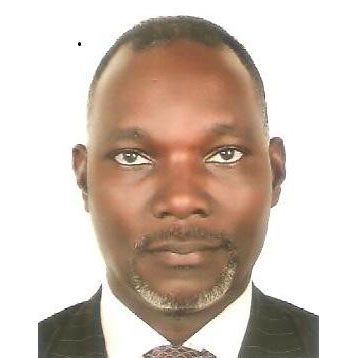
Dr. Anthony Okeregbe is a Senior Lecturer in Philosophy at the University of Lagos (UNILAG) and Principal Investigator at the Lagos African Cluster Centre of Excellence (ACC), part of the Africa Multiple Cluster of Excellence at the University of Bayreuth, Germany. He holds a Ph.D. in Philosophy from UNILAG (2004) and has extensive research interests in Philosophy of Religion, Phenomenology, Existentialism, and contemporary African lifeworlds. His current project examines the moral tensions surrounding sexuality pedagogies in Nigeria under the Child Rights Act (2003), focusing on adolescents’ perceptions of sexual education and moral agency. Education: BA (Hons.) in Philosophy, University of Ibadan (1990) MA in Philosophy, University of Lagos (1994) Ph.D. in Philosophy, University of Lagos (2004) Research Interests: Philosophy of Religion and Ethics African existential challenges Cultural and socio-political dynamics in Africa Psycho-spiritual therapies and mental health Entangled moral spaces in sexuality education His work bridges philosophical theory with applied ethics, addressing topics like media ethics, postcolonial thought, and bioethical dilemmas. He serves on UNILAG’s Postgraduate Board and chairs the Department of Philosophy’s Postgraduate Committee. Prior to academia, he worked as Features Editor at The Guardian (Lagos) and remains a Visiting Editorial Board Member there. Awards & Affiliations: Catalyst Fellow, Centre for African Studies, University of Edinburgh Member, African Studies Association of Italy (ASAI) Certifications in Andragogy, Competency-Based Adult Learning, and Psycho-Trauma Counselling
Dr. Holly Patch is a Research Associate at the Professorship of Sociology of Gender Relations at TU Dortmund University's Faculty of Social Sciences, working under Prof. Mona Motakef since April 2021. She completed her PhD in January 2023 at Bielefeld University with distinction (summa cum laude) for her dissertation 'Claim Your Voice: An Ethnographic Study of Trans* Vocality,' which received the Bielefeld Equality Award in gender research. Her academic journey includes significant research positions at Bielefeld University and a study abroad year at TU Dortmund University during her undergraduate studies at the University of Iowa. PhD in Sociology, Bielefeld University (2023) MA in Gender Studies, Bielefeld University (2016) BA in Gender, Women's and Sexuality Studies and Music, Voice Performance, University of Iowa (2011) Dr. Patch's research spans multiple interconnected fields including gender studies, trans* studies, sociology of gender, body and music, and voice studies. Her work combines theoretical rigor with practical engagement, particularly in exploring the intersections of gender identity, vocal expression, and social participation. Her current postdoctoral research investigates the complex relationships between time, nature, and gender relations, with specific focus on gendered dimensions of transformations in small-scale farming practices using biographical methods. She has developed expertise in both qualitative ethnographic approaches and participatory action research methodologies. Her publication portfolio demonstrates consistent scholarly output across multiple disciplines, with a clear trajectory from vocal studies toward broader investigations of gender relations in diverse contexts. The publications reveal a methodological commitment to interdisciplinary work that bridges sociology, musicology, and gender studies, with increasing attention to rural sociology and ecological perspectives in her most recent work. Bielefeld Equality Award in gender research (2023) Outstanding Thesis Award from German Sociological Association (2017) Junior Fellowship at Center for Interdisciplinary Research (2020-2021) Multiple prestigious scholarships including Presidential and Old Gold Scholarships from University of Iowa Dr. Patch has been actively involved in academic mentoring through programs like 'Movement' at Bielefeld University (2025-2026) and 'Blickpunkte' at Bielefeld University (2020-2021). Her research has received support from significant funding bodies including the German Academic Exchange Service (DAAD) for the 'We CAN virtuOWL' International Virtual Academic Collaboration. She maintains strong international connections, evidenced by her upcoming visiting fellowship at the University of Trento, Italy, and previous collaborations with institutions in the United States. Her work bridges academic research with community engagement, particularly through her investigations of trans* choral singing and vocal practices.
Prof. Dr. Vera King is Professor of Sociology and Psychoanalytic Social Psychology at Goethe University Frankfurt am Main and Managing Director of the Sigmund Freud Institute Frankfurt. She is affiliated with the Department of Social Sciences and Institute of Sociology, where she leads research on the intersection of sociology and psychoanalysis. Her work bridges theoretical frameworks with contemporary social challenges, particularly in the digital age. King's research focuses on the social-psychological analysis of societal developments, their institutional, intergenerational, and individual psychological consequences. She examines the interplay between psychological and social determinants of individual action, exploring theoretical and methodological connections between sociology and psychoanalysis. Her current research addresses social-psychological analyses of crisis phenomena, psychological consequences of digitalization (e.g., in the 'The Measured Life' project), optimization requirements in changing time relations (e.g., in the DFG research project 'Reproductive Timing'), and shifts in pathology and normality in contemporary society. Her recent publications reveal a clear trend examining how digital measurement and optimization transform social relations and individual psyche. King's work investigates how digital technologies create new 'normalities' and 'pathologies,' particularly in social media use, self-tracking practices, and workplace environments. She analyzes the cultural shift toward quantification and how it affects attention, relationships, and self-perception, revealing both productive possibilities and destructive mechanisms in digitally optimized societies. Prof. King supervises Bachelor and Master theses in sociology and social psychology, requiring prior attendance at her 'Sociology and Psychoanalytic Social Psychology' colloquium. She has led major research projects including 'The Measured Life' (funded by Volkswagen Foundation), 'Reproductive Timing' (DFG research project), and participates in the interdisciplinary research cluster 'ConTrust - Vertrauen im Konflikt. Politisches Zusammenleben unter Bedingungen der Ungewissheit.' She leads the research team at the Sigmund Freud Institute and collaborates with prominent scholars including Hartmut Rosa and Benigna Gerisch. Her team conducts interdisciplinary work examining the psychosocial consequences of migration and flight, adolescent trajectories, and generational dynamics. King's approach integrates sociological theory with psychoanalytic methodology to understand how social structures shape psychological processes and vice versa.
Annika Hartmann is a member of the academic staff at the Institute for Latin American History, University of Bremen, with a focus on teaching and research in Latin American History, History of Science, and Medical History. Her work intersects with Gender Studies and Transnational History, particularly examining demographic policies and social practices in Guatemala (1954-1986). Born: September 2, 1984, in Hilden Education: Studies in Contemporary History with minors in Spanish and art history at Philipps-University Marburg and Universidad de Alicante (2004-2010) Thesis: Junta de Historia y Numismática Americana in Argentina's historiography institutionalization (1893-1938) Her research explores medical actors, practices, and debates around sexuality and birth control in Guatemala, framed within transnational and local contexts. She has contributed to edited volumes and peer-reviewed articles, particularly analyzing the Pro-Bienestar de la Familia association's role in family planning. Hartmann's academic engagement includes teaching assistant duties at the University of Bremen since 2011, prior tutoring roles at Philipps-University Marburg, and internships at institutions like the Ibero-American Institute in Berlin and Goethe-Institute in Buenos Aires.
Professor Céline Miani is a Professor of Social and Gender Epidemiology at Bielefeld University's Faculty of Health Sciences, where she leads Working Group 3 Epidemiology & International Public Health. Her research focuses on the intersection of gender, epidemiology, and public health, with particular emphasis on reproductive health, childbirth experiences, and obstetric violence. Dr. Miani's research interests span several key areas in social and gender epidemiology: Gender in social epidemiology and quantitative health research Reproductive health, particularly childbirth and abortion services Obstetric and gynecological violence Maternal health during the pandemic Gender-transformative approaches in healthcare Her recent research has examined telehealth abortion services in Kenya, women's perception of birth during the pandemic across 20 countries, and innovations in abortion care during the COVID-19 pandemic in Germany, France, and Great Britain. Dr. Miani has developed conceptual frameworks for interdisciplinary public health research using the Delphi technique and has conducted significant work on masculinities, critical consciousness, and contraceptive decision-making. Her work on gender and mental health of adolescents has contributed to developing conceptual frameworks in this important area. Dr. Miani has received funding for her research from various sources, including the Institute for Maternal and Child Health IRCCS Burlo Garofolo in Trieste, Italy. She is actively involved in the IMAgiNE EURO project, which investigates maternal and newborn care across European countries. Her work has important implications for healthcare policy and practice, particularly in creating gender-responsive and transformative healthcare systems that address the needs of all individuals. Dr. Miani's research bridges epidemiology, gender studies, and public health to address critical gaps in understanding how gender influences health outcomes and healthcare experiences.
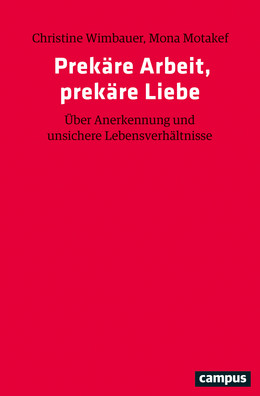
Prof. Dr. Mona Motakef is a Professor of Sociology of Gender Relations at the Department of Social Sciences, TU Dortmund University. Her research explores how gender, gender identity, and sexual orientation intersect with social policy, labor, and family dynamics through an interpretative paradigm. She leads the doctoral program 'New Challenges in Aging Societies' and serves as first spokesperson for the Women's and Gender Studies section of the German Sociological Association (DGS), while also holding editorial roles at journals like Feministische Studien . Her work emphasizes precarious life arrangements, inequality, and recognition within diverse families. Research Trends: Analysis of LGBTQ+ family discrimination, gender and labor precarity, critical discourse methods, and recognition theory in family and labor contexts. Scientific Awards: Faculty Award for Good Teaching (2020) Maria Weber Grant (2018) Young Researcher Award (2012) Global Young Faculty (2012) Advising: Mentored doctoral and master’s projects, particularly in the 'Elternschaft und Familie jenseits von Heteronormativität und Zweigeschlechtlichkeit' collaborative research.
Eva-Sabine Zehelein is a Professor at the Faculty of Humanities and Cultural Studies, Johann Wolfgang Goethe-Universität Frankfurt am Main. Her research spans American literature, gender and sexuality studies, medical humanities, and intermediality. She has organized international conferences like 'Family Ecologies' (2022) and contributed to edited volumes on family narratives and media politics. Fields of Interest: American literature, gender studies, medical humanities, environmental humanities, intermediality Professional Affiliations: DGfA, EAAS, ASA, Bavarian American Academy, German Association for Canadian Studies, Fulbright Alumni Her recent work focuses on reproductive justice, transnational surrogacy, and the intersection of science with narrative. She guest-edited journals and delivered lectures on topics from Afrofuturism to Black History Month themes. Her publications include monographs on science drama and contributions to discussions on Emily Dickinson, Toni Morrison, and John Updike.
Teresa Loichen is a Researcher at the Chair of Social and Health Education, Faculty of Philosophy and Education, Catholic University of Eichstätt-Ingolstadt. She holds an MA in Caritas Studies (2010, University of Passau) and a Diploma in Social Work (1995, Catholic University of Eichstätt-Ingolstadt). Since 2017, she has served as a research assistant and project coordinator, and since 2022 as Head of Hospital Chaplaincy at Bludenz Regional Hospital (Austria). Education MA in Caritas Studies (2010), University of Passau Diploma in Social Work (1995), Catholic University of Eichstätt-Ingolstadt Her research focuses on pastoral care after pregnancy loss , spirituality in healthcare , grief counseling , and suicide prevention in VUCA-working environments . She investigates how spirituality moderates grief and resilience factors affect women after prenatal loss, with recent studies exploring physician-assisted suicide perspectives among German hospice professionals. Her publications reveal trends at the intersection of health psychology , environmental studies , and medical ethics . Key areas include complicated grief , right-wing authoritarianism in environmentalism, and spiritual coping mechanisms . She has organized multiple international conferences on topics like "Illness as Transformative Force" (2025) and "Theology of the Body" (2011). Current projects include "Schanzer Pluspunkt" (regional health promotion collaboration) and her doctoral research on women's grief after prenatal loss and spirituality-based support concepts. She combines empirical research with practical theological frameworks to address healthcare challenges.
Rohan Khan is a doctoral researcher in the Emmy Noether research group “Varieties of Reproduction Regimes: Institutions, Norms and Social Inequality” at the Berlin Social Science Center (WZB) since January 2023. His research focuses on the interplay between public opinion and reproduction policies in comparative contexts, analyzing how societal attitudes influence legislation and how policies shape perceptions of gender, sexuality, and family structures. Education includes a bachelor's degree in Sociology, Political Science, and Economics from Zeppelin University (2020) and a Master's degree in Sociology from the University of Konstanz (2022). These interdisciplinary foundations support his work on institutional frameworks and social inequality. Rohan’s research interests emphasize political sociology and social policy, with a focus on legislative dynamics and normative shifts. While no specific articles or awards are listed in the provided texts, his current projects suggest contributions to debates on reproductive rights and policy effectiveness. He is part of the WZB research team and can be contacted via rohan.khan@wzb.eu .
Hannah Zagel is Professor of Life Course Sociology at TU Dortmund University and former Head of the Emmy Noether Research Group 'Varieties of Reproduction Regimes' at the WZB Berlin Social Science Center. She has held visiting and interim professorships at Humboldt-Universität zu Berlin, Freie Universität Berlin, and Harvard University’s Minda de Gunzburg Center for European Studies. Her research is situated at the intersection of sociology, demography, and social policy. Education and Career Highlights: Professor of Life Course Sociology, TU Dortmund University (since 10/2024) Head of Emmy Noether Research Group, WZB Berlin (2022–2028) Visiting Researcher, Harvard University (2024) Interim Professor, Humboldt-Universität zu Berlin (2021–2022) Guest Professor, Freie Universität Berlin (2020–2021) Postdoctoral Researcher at University of Hamburg, University of Bremen, and Yale University Research Interests: Hannah Zagel's work centers on life course sociology, reproductive regimes, family policy, and social inequality. She investigates how institutional frameworks and social norms shape reproductive decisions, family formation, and economic vulnerability across different welfare states. Her research emphasizes comparative analysis across Europe, with a focus on Germany, and integrates micro-level behavior with macro-level policy. Publication Trends: Her recent publications reveal a strong focus on reproductive policy, household structures, and poverty dynamics. She develops conceptual tools like the International Reproduction Policy Database and analyzes how non-teleworkable jobs, single-earner status, and migration status affect household resilience. Her work combines qualitative policy analysis with quantitative social research, often in interdisciplinary collaborations. Scientific Awards: Emmy Noether Research Group Grant (DFG) Advising and Grants: As Principal Investigator of the Emmy Noether Group, Dr. Zagel leads a major research project funded by the German Research Foundation (DFG) from 2022 to 2028. She has also co-led projects funded by the German Federal Ministry of Labour and Social Affairs. While she collaborates widely and mentors junior researchers, no formal PhD or Master’s students are listed in the provided materials. Labs and Research Groups: Dr. Zagel leads the Emmy Noether Research Group 'Varieties of Reproduction Regimes: Institutions, Norms and Inequalities' at WZB Berlin. She was previously associated with the Completed Research Group 'Demography and Inequality' at the same institution. Her work is embedded in a network of collaborations across German and international social science research centers.
Prof. Dr. Milena Noll is a Professor in the Department of Child Protection in Social Work at Frankfurt University of Applied Sciences (Department 4: Social Work & Health). Her research prioritizes child protection, sexual violence in childhood/adolescence, gender studies, trauma, and vulnerability. She has led projects like the Monitoring-Studie zum bundesweiten Stand der Online-Beratung für Kinder und Jugendliche during the pandemic and collaborations with moBBI and FeM e.V. . Education: PhD in Educational Sciences (2012, Goethe-University Frankfurt). Professional Roles: 2022–Present: Professor at Frankfurt UAS; 2021–2022: Lecturer at Fresenius University; 2013–2021: Research Associate at Goethe-University. Her work bridges trauma theory and child-centered counseling , focusing on Disclosure frameworks and institutional responses to violence. She co-edited Im Zeichen des Geschlechts and authored foundational texts on sexual violence’s educational implications. Scientific Collaborations: Member of the Independent Commission for Sexual Violence in the Diocese of Limburg. DFG network on “Dimensions of Psychological Violence in Educational Settings.” Deutsche Gesellschaft für Soziale Arbeit (DGSA) and Deutsche Gesellschaft für Erziehungswissenschaft (DGfE).
Mireille Le Guen is a demographer currently serving as a research fellow at the Ined-team "Health and sexual and reproductive rights" and as a scientific collaborator at UCLouvain-DEMO (Université catholique de Louvain Centre for Demographic Research). Her academic career spans multiple institutions across France and Belgium, with a focus on migration studies and reproductive health research. Her research interests center on demography, migration studies, reproductive health, contraceptive use patterns, and HIV/AIDS research among migrant populations. Dr. Le Guen's work particularly examines how migration experiences intersect with reproductive health decisions and outcomes, with a special focus on sub-Saharan African migrants in France and comparative studies of contraceptive practices across Western European countries. Her recent publications reveal a strong focus on understanding how major events like the "pill scare" impact contraceptive access and usage patterns, particularly how these events reshape social inequalities. She also investigates the complex relationship between legal status trajectories of immigrants in Belgium and their reproductive health outcomes. Her methodological approach often involves large-scale demographic studies and comparative analyses across national contexts. Dr. Le Guen's research demonstrates a clear trajectory from her PhD work on union recompositions among sub-Saharan migrants following HIV diagnosis toward broader investigations of contraceptive decision-making across Western countries, with particular attention to gender dynamics, migration experiences, and policy impacts on reproductive health.