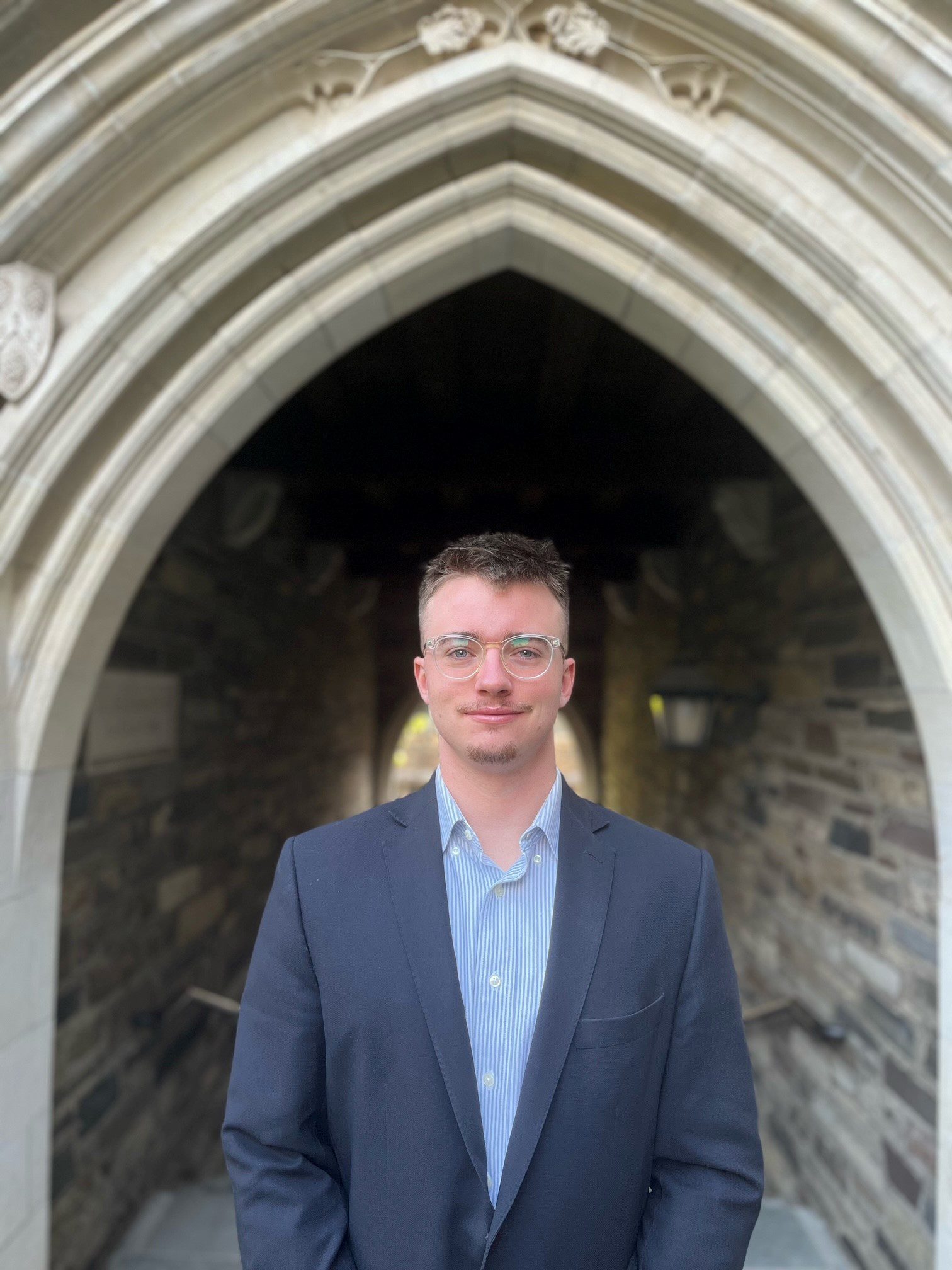
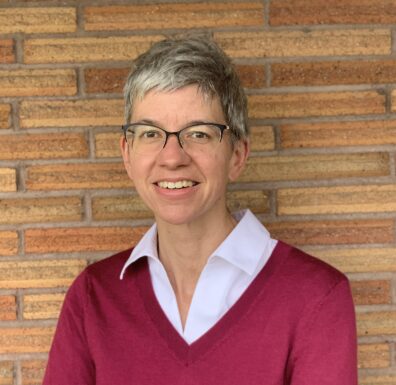
Liza Berdychevsky is an Associate Professor in the Department of Recreation, Sport and Tourism at the University of Illinois at Urbana-Champaign, with affiliations to the Coordinated Science Lab and Center for Social & Behavioral Science. Her research bridges health, sexuality, and leisure studies, focusing on vulnerable populations like older adults and transgender individuals. PhD in Health and Human Performance (University of Florida) MBA in Business Administration (Ben-Gurion University of the Negev, Israel) BA in Hotel and Tourism Management (Ben-Gurion University of the Negev, Israel) Her work examines sexual risk-taking, positive sexuality, and leisure as a coping mechanism during crises like the COVID-19 pandemic. She publishes in top-tier journals and leads editorial roles at Leisure Sciences and Tourism Management . Key themes include gender-sensitive leisure research, social justice, and methodological innovation in qualitative and mixed-methods designs. Recent publications highlight cannabis use as leisure, cybersex profiling, and gang involvement’s impact on wellbeing. She co-edited books on sex in tourism with Channel View Publications and Leisure Sciences special issues. Awards include induction as a Fellow in The Academy of Leisure Sciences (2025).
Olivia N. Kachingwe, PhD, serves as Assistant Professor of Public Health in the Department of Social and Behavioral Sciences at Yale School of Public Health. Her academic home sits within Yale University's prestigious public health institution, where she contributes to research and teaching in health equity and behavioral sciences. Dr. Kachingwe's research program centers on understanding how healthcare systems, family dynamics (particularly father-child relationships), peer networks, and technology can better support the sexual and reproductive health of Black youth and young adults. Her work critically examines health disparities rooted in systemic racism and discrimination against LGBTQ+ communities, emphasizing community-based partnerships with organizations and providers. Her recent methodological focus includes qualitative exploration of parent-child sexual health communication among Black LGBTQ+ young adults and evaluation of evidence-based parenting interventions implemented with Black fathers involved in the criminal justice system (on probation, parole, and supervised release). These projects reflect her commitment to translating research into practical interventions that address structural inequities. PhD in Behavioral and Community Health from University of Maryland (2021) MPH in Health Behavior from Brown University (2015) BA in Health and Societies from University of Pennsylvania (2013) As a newer faculty member (profile updated January 2024), Dr. Kachingwe represents Yale's commitment to advancing health equity through rigorous community-engaged scholarship that addresses the complex intersections of race, sexuality, and structural disadvantage in healthcare systems.
Jaleah Rutledge is a T32 Postdoctoral Fellow at the Yale School of Public Health ’s Center for Interdisciplinary Research on AIDS. She holds a PhD in Ecological-Community Psychology from Michigan State University and dual undergraduate degrees in Psychology and Communications from Tuskegee University. Current academic appointment: Postdoctoral Fellow, Social and Behavioral Sciences Key service role: Co-Chair, Yale Black Postdoctoral Association Research Interests: Focus on racial health disparities, health equity, and community-based interventions for marginalized populations – particularly Black women and girls. Strengths include qualitative methods, HIV/STI prevention, maternal health equity, and intersectional approaches to sexual/reproductive health. Publication Trends: Recent work analyzes HIV testing disparities in Black adolescents, social media’s impact on sexual health, and structural drivers of maternal care access in Haiti. Collaborations frequently involve interdisciplinary teams across Yale’s Social and Behavioral Sciences and Epidemiology departments. Scientific Recognition: Dissertation of the Year Award (Society for Community Research and Action, APA Division 27) Graduate Student Leader of the Year Bob and Bets Caldwell Land-Grant Values Award Grants & Partnerships: Secured funding from Yale’s Office of the Provost for research collaborations with Tuskegee University. Active in designing community-engaged HIV prevention frameworks and digital health equity projects. Labs & Teams: Works with Yale’s Center for Interdisciplinary Research on AIDS (CIRA) and collaborates with the Prevention Research Center (PRC) team. Engages in multi-institutional research networks focused on health equity and Black women’s health.
Marie Brault is an Adjunct Assistant Professor in the Department of Social and Behavioral Sciences at the Yale School of Public Health, with affiliations to the Yale Institute for Global Health. Her work focuses on adolescent-friendly approaches to sexual and reproductive health, gender equity, and health disparities in clinical and community settings across the U.S., India, Kenya, Zambia, and Zimbabwe. PhD in Medical Anthropology, University of Connecticut (2015) MA in Anthropology, University of Connecticut BA in Biology/Anthropology, Grinnell College (2009) Brault’s research bridges medical anthropology with public health, emphasizing community-based participatory research, mixed methods, and implementation science. She investigates gender, mental health, and empowerment among adolescents, particularly in low-income and pandemic-affected contexts. Her recent publications highlight collaborations in India and Sub-Saharan Africa, addressing youth health programming, HIV prevention, and pandemic response strategies. These studies employ mixed methods, qualitative frameworks, and implementation science to improve healthcare access and equity.
Leo Wilton is a Professor in the CCPA Human Development department at Binghamton University. His research focuses on health disparities related to HIV/AIDS prevention, Black psychological development, mental health, and community-based participatory research. He holds a BA from Binghamton University, an MA and PhD in Psychology from New York University, and an MPH from the University of Massachusetts Amherst. His work emphasizes socio-structural and cultural contexts affecting African and African diaspora communities, with a focus on implementing culturally congruent interventions. Teaching includes courses on racism psychology, Black child development, family dynamics, HIV/AIDS psychology, and research methods. Wilton has secured multiple NIH grants and leads interdisciplinary teams nationally and internationally. His over 100 publications appear in top-tier journals, addressing topics like HIV stigma, PrEP adherence, and intersectionality among marginalized populations. Key Awards: Chancellor's Excellence in Teaching, Chancellor’s Excellence in Scholarship, Provost’s Research Mentoring Award Leadership: Principal Investigator on NIH-funded studies, HIV Prevention Trials Network (HPTN) collaborator Research highlights include the TRUST HIV self-testing intervention for Black transgender women and MSM, and studies on socio-structural factors influencing HIV outcomes in Ghana and the U.S. His work integrates critical race theory and harm reduction frameworks to address systemic inequities.
Sara Matsuzaka is an Assistant Professor in the Department of Social Work and Child Advocacy at Montclair State University’s College of Humanities and Social Sciences. She holds a PhD in Social Work from Fordham University and completed a postdoctoral fellowship in Psychology at the University of Virginia. Her research focuses on improving engagement in substance use and mental health treatment through an intersectional lens, emphasizing clients’ unique needs. Key areas of expertise include gendered racism, LGBTQ+ healthcare access, and clinical social work practice. Dr. Matsuzaka’s work integrates qualitative and quantitative methodologies, addressing systemic barriers in healthcare and advocacy. Her research explores topics such as racial microaggressions, online victimization impacts on Black women, and provider biases in substance use treatment. She advocates for anti-racist policies and culturally competent care frameworks in both clinical and organizational settings. Her scholarship spans over 15 peer-reviewed articles since 2017, with recent contributions to journals in social work, public health, and sociology. She actively contributes to interdisciplinary dialogues on intersectionality, healthcare equity, and marginalized communities’ mental health needs.
Professor Patrick O'Leary is a leading academic in social work and criminology at Griffith University's School of Human Services and Social Work. He holds significant leadership roles including Co-Lead of the Disrupting Violence Beacon and Director of the Violence Research and Prevention Program (VRPP), overseeing projects like the MATE Bystander Intervention. His research focuses on domestic violence, child protection, and the long-term impact of sexual abuse, with a global footprint spanning Australia, the US, Europe, and Asia. He has secured over $53 million in research funding and co-edits International Social Work and the Contemporary Social Work Studies series. Educations: PhD in Social Work, Flinders University (1997–2003) Prior academic positions at the University of Southampton, Bath, and South Australia Research Interests: Violence prevention and perpetrator intervention systems Child sexual abuse policy and practice Social work practice around hope and trauma Customary justice systems in international contexts Grants & Advising Roles: ARC Centre of Excellence on Eliminating Violence Against Women (2023–2030) Advisory roles in Australia’s National Strategy on Child Sexual Abuse, Queensland Women’s Safety Taskforce, and UNICEF Supervised 20+ doctoral candidates focusing on domestic violence, child welfare, and migration Labs & Collaborations: Griffith Criminology Institute International engagement with UNICEF, Terre des Hommes, and Hong Kong Polytechnic University
Monica Gandhi is a Clinical Professor of Medicine at the University of California, San Francisco (UCSF), specializing in HIV medicine and global health. She leads the UCSF Division of HIV, ID and Global Medicine's education initiatives and has held roles such as Education Director and Mentorship Program co-Director. Her research focuses on low-cost adherence monitoring (e.g., hair-based drug level analysis), HIV prevention in marginalized populations, and healthcare access for unstably housed individuals. She has contributed to over 200 peer-reviewed articles addressing viral suppression, PrEP adherence, and global health interventions. Education: Her academic background in medicine and global health is foundational to her work. Research Interests: She investigates innovative adherence strategies using biomarkers, social network interventions for HIV prevention, and the intersection of substance use/housing instability with HIV outcomes. Her work bridges clinical care and public health policy. Articles: Her recent work emphasizes long-acting antiretrovirals, mpox outbreak responses, and PrEP adherence innovations across diverse populations. Grants/Advising: Leads NIH-funded mentoring programs for early-career researchers and has pioneered mobile outreach models for unstably housed patients. Her teams collaborate globally on HIV prevention and treatment access. Labs/Teams: Collaborates with UCSF's Center for AIDS Research (CFAR) and global partners like the Mpox SHARE-NET Writing Group. Her lab develops point-of-care adherence tools and evaluates healthcare delivery models for vulnerable groups.
Lara Gerassi is an Associate Professor at the Sandra Rosenbaum School of Social Work, University of Wisconsin–Madison. She holds a PhD, MSW, and BSW from Washington University in St. Louis and New York University. Her research focuses on improving policies and services for individuals in the sex trades, emphasizing survivor-centered methodologies and anti-oppressive practices. Dr. Gerassi’s work addresses barriers to healthcare access, service provision for marginalized populations, and intersectional frameworks for addressing systemic inequities. Her research includes two primary lines: 1) developing rigorous survey tools to understand sex trade experiences and 2) identifying strategies to strengthen social and healthcare services for those involved in sex work. A current NIH-funded project expands this work nationally. She is the author of Sex Trafficking & Commercial Sexual Exploitation: Prevention, Advocacy, and Trauma-Informed Practice (2017), a foundational text for social work practitioners. Dr. Gerassi teaches courses such as Sex Trading and Sex Trafficking and Practice with Individuals, Families, and Groups , incorporating critical pedagogy to dismantle oppressive systems. Her funded projects emphasize community engagement and LGBTQ+ inclusivity, with recent studies exploring provider assessment practices, youth vulnerability, and retrafficking prevention. She collaborates with service providers and survivors to co-design interventions that promote dignity and equity. Her work spans topics like racial justice in service provision, LGBTQ+ service access, and qualitative methodological innovations. Key grants include National Institute of Child Health and Human Development funding for national sex trade measurement studies. Dr. Gerassi’s pedagogical approach integrates clinical practice experience, particularly with violence survivors, to bridge academic research and real-world impact.
Janne Christine Haugnes Bromseth is a Researcher affiliated with the Innlandet School of Business – Faculty of Economics and Social Sciences at Inland Norway University and the Eastern Norway Research Institute. She holds a PhD in interdisciplinary cultural studies from NTNU with a focus on gender research. Her academic career includes roles as a researcher and teacher at Stockholm University and Uppsala University in Sweden, where she specialized in norm-critical pedagogy and LGBTQ+ aging studies. Her research emphasizes creating norm-conscious, person-centered care in healthcare and integrating LGBTQ+ perspectives into education and professional practices. Key projects include developing the Rainbow Lighthouse certification program for eldercare and evaluating healthcare services for Nordic LGBTQ+ seniors. Current initiatives involve a 3-year study on queer perspectives in healthcare education with UiT. Her publications span LGBTQ+ aging, queer pedagogy, and healthcare accessibility, with a focus on Nordic contexts. Collaborations include the Nordic Council and UiT. She joined Eastern Norway Research Institute in May 2023, continuing her interdisciplinary work at the intersection of gender, sexuality, and social policy.
Julie A. Kmec is a Professor and Chair of the Department of Sociology at Washington State University (WSU). She holds a Ph.D. in Sociology from the University of Pennsylvania (2002). Her research focuses on work environments, gender and race/ethnic labor market inequality, workplace diversity, and social stratification, with an emphasis on how organizational practices and societal beliefs shape workplace dynamics. Key research interests include the impact of diversity initiatives on workplaces, societal perceptions of gender affecting discrimination (e.g., sexual harassment, family responsibilities discrimination), and the role of ideal worker expectations in career trajectories. She also explores how employers approach diversity management and the cultural contexts influencing these efforts. Her publications span topics such as DEI penalties in academic settings, work-family policies in democracies, and gendered career consequences. Recent work highlights organizational culture’s influence on academic parents and the intersection of sleep quality and workplace ambition for women. Award and grant details are not explicitly documented here, but her leadership role as Department Chair underscores her contributions to institutional governance and academic strategy. She actively engages in mentoring and advising within her department, fostering an environment for collaborative research. Her research often intersects with interdisciplinary themes, including labor market outcomes, legal environments, and cultural contexts shaping workplace diversity. She leads research teams exploring the sociological dimensions of work and family, contributing to policy-relevant insights.
Lynn Matthews is a Professor of Medicine and holds dual appointments in the School of Medicine (Department of Medicine - Infectious Diseases) and the School of Public Health (Department of Epidemiology) at the University of Alabama at Birmingham (UAB). She serves as Associate Director of the Mary Heersink Institute for Global Health and Associate Director of the UAB Centers for AIDS Research (CFAR) Developmental Core. Her work focuses on HIV prevention and treatment in global health contexts, particularly in sub-Saharan Africa and the U.S. Deep South. Matthews leads the Global Infectious Disease Research Section within UAB’s Division of Infectious Diseases. Education: She earned a Doctor of Medicine (MD) from the University of Miami and a Master of Public Health (MPH) from Harvard University. Her postgraduate training includes residencies in Internal Medicine and Infectious Disease, as well as a Global Health Fellowship at Massachusetts General Hospital. Research Interests: HIV prevention strategies (including PrEP), safer conception practices, implementation science, and addressing health disparities in sexual and reproductive health. Her work emphasizes global health interventions, with a focus on reducing HIV transmission among vulnerable populations such as adolescent girls, Black communities, and HIV-serodifferent couples. Grants: Over 20 grants from NIH and other institutions support her work, including studies on PrEP implementation in Alabama, safer conception programs in Uganda, and evaluating HIV testing strategies in rural areas. Her research has informed scalable interventions like mobile testing initiatives and mHealth applications for maternal care. Advising & Grants: Matthews has mentored students since 2011 and led multidisciplinary teams in developing interventions such as the Healthy Families Clinic Program in Uganda. Her grants emphasize community engagement, provider training, and data-driven approaches to combat HIV. Labs/Teams: Directs UAB’s Global Infectious Disease Research Section and collaborates with CFAR’s Developmental Core to advance AIDS research. Her work integrates clinical care, public health, and social science to address systemic barriers to HIV prevention and treatment.
Dr. Lucinda Grummitt is a Research Fellow at the Matilda Centre for Research in Mental Health and Substance Use within the Faculty of Medicine and Health at the University of Sydney. Her research program focuses on childhood adversity and trauma as critical risk factors for mental ill-health and substance use disorders, with particular emphasis on adolescent and young adult populations. She leads large-scale implementation trials of trauma-informed mental health prevention programs in Australian schools and coordinates international research collaborations. Education PhD, University of Sydney (awarded circa 2019, supported by NHMRC CRE PREMISE PhD Scholarship) Bachelor's degree, University of Sydney (Academic Merit Prize, 2013) Graduate studies, Northeastern University, Boston, USA (Dean's List for Academic Achievement, 2014) Research Focus Dr. Grummitt's work integrates epidemiological, clinical, and public health approaches to address childhood adversity's lifelong impacts. She develops trauma-informed, gender-inclusive prevention strategies targeting schools and healthcare settings, with special attention to vulnerable populations including gender and sexuality diverse youth. Her research spans improving childhood adversity monitoring systems, understanding trauma's psychological and social consequences, and creating evidence-based preventive interventions that address structural determinants of health. Publication Impact Her recent publications (2023-2025) reveal a strategic shift toward gender-affirming, trauma-informed mental health prevention with strong methodological diversity. She publishes extensively in top-tier journals including JAMA Psychiatry and The American Journal of Preventive Medicine, with growing emphasis on intersectional approaches that address co-occurring mental health and substance use issues among marginalized youth populations. Her work increasingly incorporates machine learning for risk prediction and mixed-methods designs for program refinement. Scientific Recognition Professor Helen Herrman Award for Social Mental Health (2022) NHMRC PREMISE Travel and Career Development Support Grant (2019, 2020, 2022) The Matilda Centre Award for Research Excellence (2022) SPR Early Career Travel Award (2022) NHMRC Centre of Research Excellence PREMISE PhD Scholarship (2019) Research Leadership Dr. Grummitt has secured over $1.5 million in competitive funding since 2019, including multiple NHMRC grants and international travel awards. She currently manages a large randomised controlled trial of the OurFutures Mental Health program and coordinates Australia's participation in the International Study of Pro/Anti-social behaviour. Her leadership extends to co-chairing the Trauma and Substance Use Special Interest Group at the International Society of Trauma and Stress Studies, where she shapes global research priorities. Collaborative Networks She actively contributes to the Matilda Centre's research ecosystem while maintaining international collaborations with Columbia University and King's College London. Her professional affiliations include the Society for Mental Health Research, Growing Minds Australia, and the International Society of Trauma and Stress Studies, where she bridges clinical research with policy implementation through cross-sector partnerships focused on trauma-informed systems change.
Iliana V. Kohler is a Practice Associate Professor in Sociology and Associate Director of the Population Studies Center (PSC) at the University of Pennsylvania. She holds an adjunct role as a Scholar at the Penn Medicine Center for Global Health. Her research focuses on the demographic, health, and social aspects of aging in low- and middle-income countries (LMICs), emphasizing the life-course perspective and how early childhood factors influence late-life health outcomes. She leads studies evaluating aging theories beyond high-income contexts, including work in Malawi and other Sub-Saharan African regions. Education: Ph.D. in Political Science (University of Southern Denmark, 2001), M.A. in German Philology (University of Vienna, 1996), Clinical Research Certificate (Perelman School of Medicine, UPenn, 2013) Her research interests include global health aging, mortality patterns, and interventions targeting non-communicable diseases (NCDs) in resource-poor settings. Key areas include hypertension management, cognitive health trajectories, and the impact of educational attainment on memory retention in later life. Recent work highlights pandemic responses in Malawi, including how prior HIV/AIDS experiences shaped behaviors during the early stages of the COVID-19 crisis. Collaborative studies with Corey McMillan and others have secured grants to advance research on Alzheimer’s disease biomarkers and aging in LMICs. Affiliations: Population Studies Center (PSC), Penn Medicine Center for Global Health Labs/Teams: Active contributor to the Malawi Longitudinal Study of Families and Health (MLSFH) and its Mature Adults Cohort (MAC), which examines aging dynamics in Sub-Saharan Africa. Her work integrates demographic, epidemiological, and social science methodologies to address global health inequities.
Rosemary Cant is an Adjunct Research Fellow at the School of Allied Health, The University of Western Australia. Her work focuses on child protection, child sexual abuse prevention, and mixed-methods research in social policy contexts. She holds a Doctoral Thesis (2021) examining sexual abuse reporting patterns in Western Australia. Key contributions include analyzing overcrowded housing as a vulnerability factor for child sexual abuse (2019) and evaluating child protection systems through client information systems (2017). Her research aligns with UN Sustainable Development Goals addressing poverty reduction and child welfare. Notable projects include an outcome evaluation of school chaplaincy programs (2022) and a decade-long study on differential response models in child protection (2015). Cant's work bridges academic research with policy applications, emphasizing evidence-based approaches to safeguarding vulnerable children. Research Interests: Child Protection Systems, Mixed Methods Research, Social Policy Analysis Recent Focus Areas: Housing Vulnerabilities, Program Evaluation, Policy Implementation Her publications highlight methodological rigor and real-world impact, with over 20 citations for work on housing and child sexual abuse (2019). No specific grants or student advisement records are listed, though her collaborative efforts with institutions like the School of Allied Health demonstrate active interdisciplinary engagement.