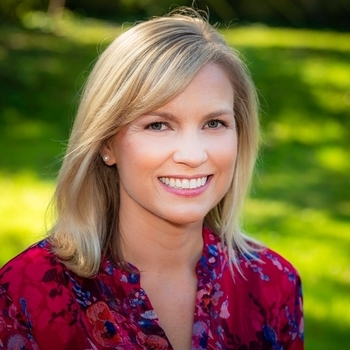
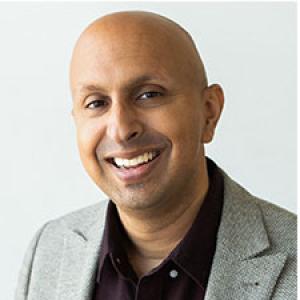
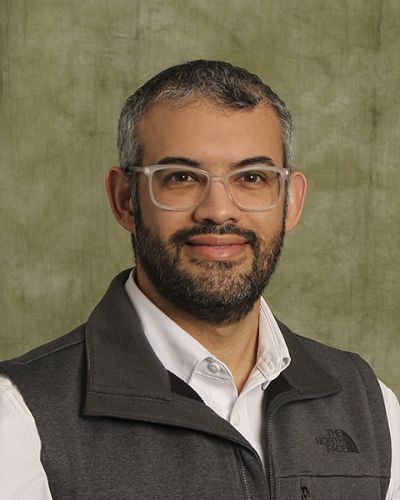
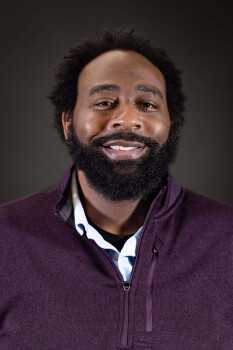
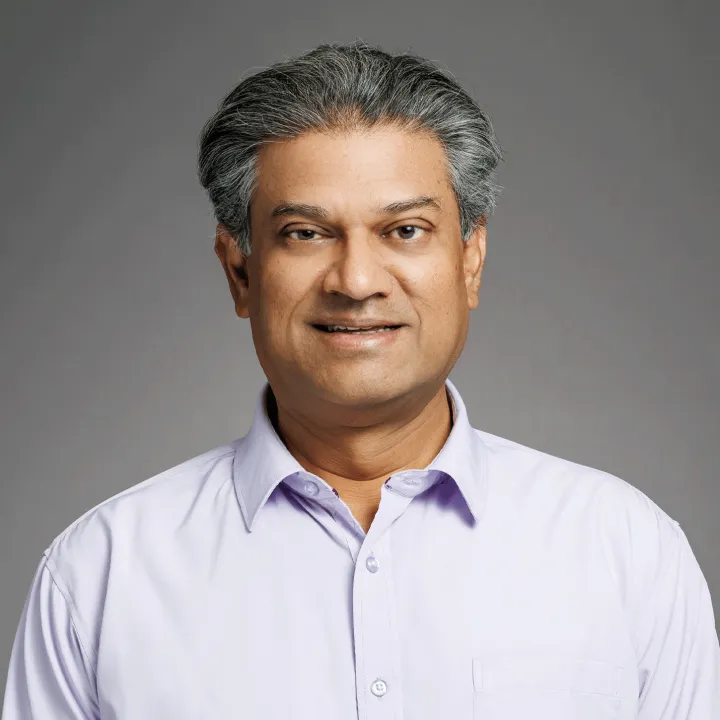
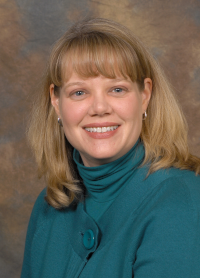
Kelly Arnold is an Associate Professor in the Department of Biomedical Engineering at the University of Michigan. Her research integrates systems engineering principles with immunology to investigate variability in immune responses across infection, vaccination, and injury, with a focus on computational modeling and clinical translation. Research Focus Systems-level immune response modeling Vaccination and antibody functionality Vaginal microbiome-host interactions Chronic lung disease progression Computational serology and proteomics Recent Work Her 2025 studies examine SARS-CoV-2 vaccination responses in cancer patients and computational frameworks for vaginal probiotics. Earlier works (2024-2007) span COPD progression, lupus fibrosis, HIV susceptibility, and tissue engineering for fertility preservation. Methodologies include proteomic profiling, network modeling, and microfluidic systems.
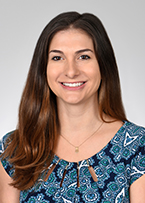
Emily D. Gottfried, PhD, is an Associate Professor at the Medical University of South Carolina (MUSC) in the Department of Psychiatry and Behavioral Sciences, College of Medicine. She serves as Director of the MUSC Sexual Behaviors Clinic and Lab (SBCL) and CPSPD Student Education & Research, conducting forensic evaluations, physiological sexual arousal assessments, and mentoring students. She is licensed in South Carolina and Georgia, and a National Register Health Service Psychologist. Bachelor’s in Psychology, San Diego State University Master’s in Psychology, Teachers College, Columbia University PhD in Clinical Psychology, Florida State University Her research focuses on sex offender risk assessment , malingering detection (PPG/VPP technology), female offender psychology , and forensic evaluation validity . Recent work includes dimensional personality models and QAnon-related threat analysis . She has published extensively on psychopathy , penile/vaginal plethysmography , and mental health court outcomes . Notable publication trends include Forensic validity of symptom detection tools Psychopathy in female offenders Technology's role in sexual behavior assessment Telehealth adaptation during pandemics MMPI-2-RF applications in correctional settings Psychological factors in civil commitment She leads ongoing funded studies on female sexual arousal and police officer behavioral outcomes , operating at the intersection of forensic science and clinical psychology .
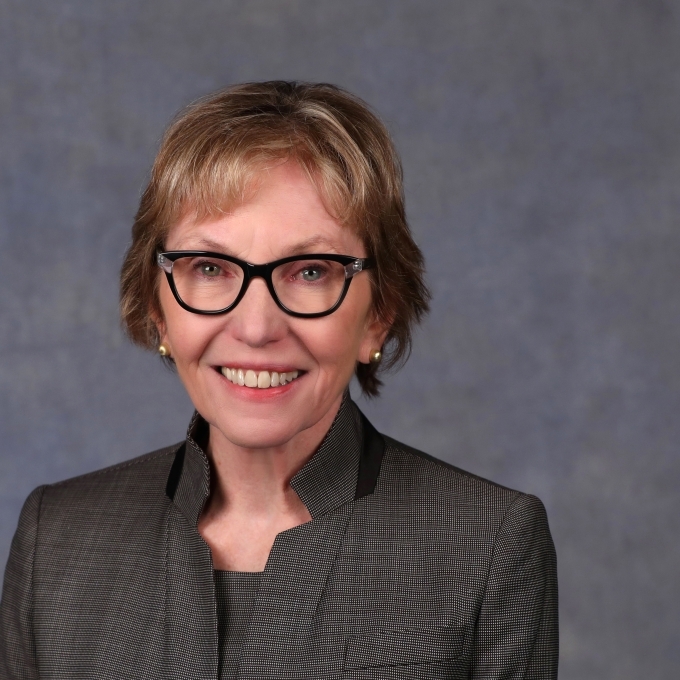
Susan Roberts is a Professor of Political Science and Gender and Sexuality Studies at Davidson College. She specializes in U.S. and North Carolina politics, reproductive rights, interest groups, and hashtag politics. Ph.D. and M.A. from University of Notre Dame B.A. from Wake Forest University Her research focuses on activism in reproductive policy, political capital dynamics, and digital political discourse. She frequently contributes to media outlets like NPR, BBC, and Washington Post, analyzing congressional dysfunction, presidential politics, and electoral trends. Key Awards: Diane Blair Award (Southern Political Science Association)
Sarah Boyd, MD is an Associate Professor specializing in Female Pelvic Medicine & Reconstructive Surgery. She focuses on optimizing patient outcomes for pelvic floor disorders through surgical and non-surgical approaches. Board-certified in Obstetrics and Gynecology (2017) and Female Pelvic Medicine & Reconstructive Surgery (2021), her expertise spans pelvic organ prolapse, urinary incontinence, and minimally invasive gynecologic procedures. Female Pelvic Medicine & Reconstructive Surgery Fellowship, Hartford Hospital (2016-2019) Obstetrics and Gynecology Residency, Christiana Care Health System (2012-2016) MD from Marshall University John C. Edwards School of Medicine (2008-2012) Her research explores adverse outcomes in pelvic reconstructive surgery, postoperative opioid consumption, catheter management, and non-surgical interventions for prolapse. She collaborates in multi-institutional research groups analyzing perioperative outcomes. Articles demonstrate trends in data-driven surgical optimization and pain management protocols. Scientific Awards: Pyrtek Research Paper Distinction Award in Clinical Research (2019)
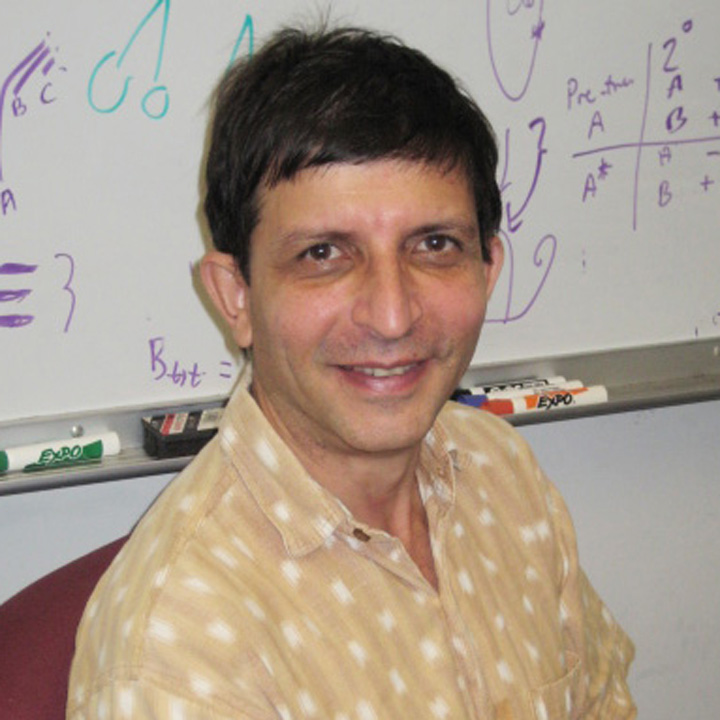
Rustom Antia is the Samuel C. Dobbs Professor in the Department of Biology at Emory University, affiliated with the Emory College of Arts and Sciences. His research focuses on the quantitative analysis of pathogen dynamics, immune responses, and evolutionary biology using mathematical models and experimental collaborations. He leads the Antia Lab (located in Rollins 1164), working closely with experimental immunologists like Dr. Rafi Ahmed at Emory. Education: Ph.D., University of Massachusetts (1990); MSc, Indian Institute of Technology (1983). His research interests include population biology, computational biology, and the evolutionary interactions between pathogens and hosts. He explores how immune memory shapes viral evolution and transmission, with recent emphasis on SARS-CoV-2, influenza, and dengue viruses. Key research themes include modeling immune responses to vaccines, understanding antibody waning and viral escape, and developing transmissible vaccines for disease control. His work integrates experimental data with theoretical frameworks to predict outbreak dynamics and inform public health strategies. Notable collaborations include studies on CD8+ T cell-mediated immunity in respiratory infections, the role of menstrual cycles in immune surveillance, and immune dysfunction in autoimmune diseases like SLE. His lab’s contributions span from basic immunology to translational applications in vaccine design and cancer therapy.
Jessica A. Mong, PhD , is a Professor in the Department of Pharmacology & Physiology at the University of Maryland School of Medicine , where she also serves as Assistant Dean for Graduate & Post-Doctoral Studies and Director of Graduate Education for the Program in Neuroscience. Her research focuses on the neuroendocrine mechanisms underlying sex differences in sleep circuitry and the estrogenic modulation of sleep-wake cycles. Primary Appointment: Pharmacology & Physiology Administrative Title: Assistant Dean for Graduate & Post-Doctoral Studies Laboratory Director: Program in Neuroscience Research Interests: Dr. Mong's work investigates how ovarian steroids influence sleep-wake behavior through sexually differentiated neuroanatomical substrates. Key areas include: Mechanisms of estrogenic modulation in the median preoptic nucleus (MnPN) Developmental programming of sex differences in sleep sensitivity Translational studies using rodent and nonhuman primate models of menopause Functional significance of hormonal influences on sleep quality and recovery Scientific Trends: Her recent publications (2023-2025) emphasize: Role of KCNMA1 channelopathy in sleep regulation Adenosinergic signaling in MnPN Translational menopause models Estrogen's protective effects against noise-induced hearing loss Sex-dependent responses to kynurenine pathway challenges Awards & Appointments: NIH BIRCWH Scholar (Building Interdisciplinary Research Careers in Women's Health) Co-Chair, Society for Women’s Health Research Interdisciplinary Research Network on Sex-Differences in Sleep Health NIH/NHLBI R01 HL129138 grant recipient Education & Training: B.S., Biology, Gettysburg College (1987-1991) Ph.D., Neuropharmacology, University of Maryland Baltimore (1994-2000) NIH Postdoctoral Fellowship in Endocrinology, Rockefeller University (2000-2003)
Rana K. Gupta, PhD , is the W. David and Sarah W. Stedman Distinguished Professor of Medicine and Cell Biology at Duke University School of Medicine and serves as Section Chair of Basic Sciences within the Duke Molecular Physiology Institute . Previously, he spent ten years on the faculty at the University of Texas Southwestern Medical Center. His laboratory investigates the developmental biology and molecular regulation of adipose tissue, with the goal of translating insights into therapies for obesity and metabolic diseases. Education & Training: PhD, University of Pennsylvania (2006) Research Fellow, Dana-Farber Cancer Institute, Cell Biology (2006–2012) Research Interests: Dr. Gupta’s work centers on two inter-related themes: (1) the transcriptional networks that establish and maintain white, brown, and beige adipocyte lineages, with a spotlight on the zinc-finger factor ZFP423 ; and (2) the heterogeneity and functional specialization of adipocyte progenitor cells during healthy versus pathological adipose-tissue expansion. Using single-cell multi-omics, lineage tracing, and metabolic phenotyping in mice and humans, his team deciphers how distinct progenitor pools orchestrate adipogenesis, angiogenesis, and immune remodeling in obesity. Key Publications: Across 78 peer-reviewed papers (2010-2025), Dr. Gupta has defined ZFP423 as a molecular brake on adipocyte thermogenesis, uncovered PDGFRβ+ progenitor subpopulations that drive hyperplastic adipose growth, and demonstrated that inducible Zfp423 deletion can convert white adipocytes into energy-burning beige cells to reverse diet-induced obesity. Recent single-cell atlases further reveal sex- and depot-dependent progenitor heterogeneity, providing a roadmap for targeted metabolic therapies. Scientific Awards & Honors: W. David and Sarah W. Stedman Distinguished Professorship Funding & Training Leadership: Principal Investigator on 13 active NIH, ADA, and foundation grants (2021-2029) Director, Endocrinology and Metabolism Training Program (NIDDK T32) Co-Investigator, Medical Scientist Training Program (NIGMS T32) Mentor to 6 postdocs, 4 graduate students, and numerous undergraduates and research technicians Lab Teams & Collaborations: The Gupta Lab at Duke is a multi-disciplinary team of postdoctoral fellows (Pablo Morales, Wenxin Tong), graduate students (Ashley Truong), instructors (Jessica Cannavino), and research analysts (Krissy Campbell, Lavanya Vishvanath) collaborating closely with the Duke Molecular Physiology Institute to integrate genomics, physiology, and translational medicine.
Marvin Diaz is an Associate Professor and Behavioral Neuroscience Area Head at the Department of Psychology, Binghamton University. His research focuses on understanding neurobiological and behavioral alterations caused by early developmental insults such as prenatal drug exposure, with emphasis on sex differences. He employs advanced techniques including electrophysiology, optogenetics, and molecular biology. His work addresses mechanisms underlying anxiety disorders, substance misuse, and neurodevelopmental trajectories. Education: PhD and MA from Wake Forest University School of Medicine, BS from University of NC at Wilmington. Research Interests: Neurodevelopment, prenatal drug exposure, substance use disorder, neural circuits, and the role of sex as a biological variable. Key Findings: Demonstrated that prenatal methadone/alcohol exposure alters amygdala function, GABAergic transmission, and ethanol intake behavior in sex-dependent ways. Highlighted cytokine modulation of adolescent neurophysiology and stress-related behaviors. Awards: SUNY Faculty Diversity Award (202?), Gordon Conference Minority Fellowship (202?), Dean’s Research Semester Award (202?). Labs: Director of the Alcohol Development Lab. Active in studying developmental neurotoxicology and stress-anxiety interactions.
Dr. Michael D. Burton is an **Associate Professor** and **Eugene McDermott Distinguished Professor** in the Department of Neuroscience at the University of Texas at Dallas (UT Dallas), affiliated with the **School of Behavioral and Brain Sciences**. He is a founding member of the **Center for Advanced Pain Studies (CAPS)** and holds roles in the **Center for Vital Longevity (CVL)**. His research focuses on neuroimmunology, pain mechanisms, and metabolic disorders, emphasizing how immune-nervous system interactions influence chronic pain, depression, anxiety, and aging-related conditions. Dr. Burton’s work bridges preclinical and translational research, using rodent models and human clinical samples. Education: PhD in Animal Science (Immunophysiology and Behavior), University of Illinois at Urbana-Champaign (2012) B.S. in Animal Science and Biotechnology, University of Illinois at Urbana-Champaign (2006) Postdoc in Pain Neurobiology, UT Dallas (2017) Postdoc in Diabetes/Metabolism Research, UT Southwestern Medical Center (2015) Research Interests: Dr. Burton investigates how peripheral stimuli (diet, alcohol, immune activation) affect pain and behavior through neuroimmune pathways. Key areas include: Sex differences in pain sensitivity and neuroinflammation Risk factors for chronic pain (e.g., high-fat diets, aging) Neuroimmune biomarkers for pain and delirium Development of non-opioid analgesics (e.g., cannabinoids) Awards: 2024 ROAR Research Award, UT Dallas 2023 Eugene McDermott Distinguished Professorship 2022 SFNova/Rising Star (Society for Neuroscience) 2019 Mitchell Max Award for Pain Research Grants & Leadership:** Co-Director, **Enhancing Neuroscience Undergraduate Research Experiences (ENSURE)** program ($900K grant) NIH R35, R21 grants (pain and metabolism) Editorial roles: *Neurobiology of Pain*, *Journal of Neuroinflammation*, and others Labs & Teams:** Neuroimmunology and Behavior Lab (UT Dallas) Member, NIH Pain Consortium and Endocrine Society’s Basic Science Group
D.S. Fahmeed Hyder is a Professor of Biomedical Engineering at Yale University, with additional appointments in Radiology & Biomedical Imaging. He holds a Ph.D. from Yale University and leads the Hyder Lab, which focuses on advancing quantitative and translational imaging technologies using magnetic resonance methods to study brain function and dysfunction at the laminar level. His research integrates multidisciplinary approaches, including molecular imaging, neurophysiology, and material science. Research Interests: Neurovascular and neurometabolic coupling mechanisms Molecular imaging probes for disease diagnostics Functional MRI (fMRI) and metabolic imaging in health and disease Imaging applications for Alzheimer’s, stroke, and cancer Publications: Dr. Hyder’s recent work emphasizes cutting-edge imaging techniques, such as pH-sensitive biosensors, high-resolution fMRI, and multimodal optical imaging. His research highlights include studies on neurovascular dysfunction in Alzheimer’s models, therapeutic interventions for brain injury, and molecular imaging of tumor microenvironments. Awards: Niels Lassen Award (2003), for cerebral blood flow research Early Career Faculty Award (1998), NSF & NIH Pilot Awards from JDRF & Yale-UCL Collaborative (2008, 2013) Labs/Teams: The Hyder Lab collaborates with institutions like UCL and the James S. McDonnell Foundation, advancing translational imaging solutions for clinical applications.
Dr. Yvonne M. Ulrich-Lai is a Professor in the Department of Pharmacology and Systems Physiology at the University of Cincinnati. Her research focuses on the neural and hormonal mechanisms linking diet, obesity, and stress, particularly the role of the HPA axis and reward systems in behavioral and physiological stress responses. PhD in Neuroscience, University of Minnesota (2002) Postdoctoral Fellowship, University of Cincinnati College of Medicine (2007) BSc in Biology, Harvey Mudd College (1994) Her work investigates: How comfort foods modulate stress through brain reward pathways Ketogenic diets' impact on HPA axis activity Sexual dimorphism in stress-induced metabolic dysfunctions Neuroanatomical circuits regulating stress-food interactions Recent publications highlight her focus on rodent models to study diet-induced obesity, HPA axis plasticity, and stress-related behavioral changes. Scientific awards include the 2012 Amgen/Endocrine Society Early Investigators Award . She holds multiple federal grants from NIDDK and NIMH, including R01 and R56 awards, and collaborates with interdisciplinary teams on metabolic phenotyping and stress resilience.
Dr. Joel Gelman is a Clinical Professor in the Department of Urology at the University of California, Irvine School of Medicine. He serves as the Director of the Center for Reconstructive Urology at UCI Medical Center, where he has been a faculty member since 1998. Dr. Gelman is a world-renowned expert specializing in male urethral and penile-genital reconstructive surgery with over 1,400 reconstructive procedures performed throughout his career. Dr. Gelman's educational background includes undergraduate studies at Indiana University, medical school at the Medical College of Ohio, residency training at Indiana University and UCLA, and fellowship training in reconstructive surgery at the Devine Center in Norfolk, Virginia. Prior to joining UCI, he served on the faculty at Albert Einstein College of Medicine in New York and Ohio State University. Dr. Gelman's research focuses on advanced urological reconstructive techniques, with particular expertise in urethral stricture disease, Peyronie's disease, hypospadias repair, and erectile dysfunction including penile implant surgery. His clinical practice is exclusively dedicated to male urethral and genital reconstructive procedures, making him one of the most specialized surgeons in this field. His publication record demonstrates consistent contributions to the advancement of reconstructive urological techniques, with particular emphasis on improving surgical outcomes and patient satisfaction. Dr. Gelman is a Diplomat of the American Board of Urology and has served on the Board of Directors of the Society of Genitourinary Reconstructive Surgeons. His editorial contributions to major urological journals reflect his standing as a thought leader in the field of reconstructive urology. As Director of the Center for Reconstructive Urology, Dr. Gelman leads a specialized clinical program focused on complex male genitourinary reconstruction. His work has established the center as a referral destination for challenging reconstructive cases, attracting patients from across the country seeking his expertise in procedures that few surgeons perform with similar frequency and success.
Christina Wright is a Clinical Assistant Professor in the Doctor of Physical Therapy Program at Oklahoma City University (OCU), joining in January 2020 to support the inaugural DPT class. Her clinical background includes over a decade at Stephenson Cancer Center and OU Physicians’ Urogynecology Clinic, specializing in pelvic health therapy for cancer survivors. She earned a BA from Baylor University (2002) and a DPT from OUHSC (2015), complemented by certifications in Lymphedema Therapy (2014), Pelvic Physical Therapy (2017), and Sexuality Education & Counseling (2019). Her teaching focuses on Pelvic Health , Human Sexuality , and Psychosocial Considerations in clinical care, emphasizing holistic patient approaches. Research interests include DPT student mentorship , service-learning in PT education , and the psychological dimensions of physical therapy interventions. She advises the DPT Student Executive Council. Professionally, she co-founded and serves on the board of the Oklahoma Pelvic Health Association, volunteers with Project31 (a breast cancer support organization), and reviews articles for lymphedema treatment research. Her clinical expertise bridges biosocial frameworks to improve patient outcomes, particularly for cancer survivors facing pelvic dysfunction and related quality-of-life challenges.
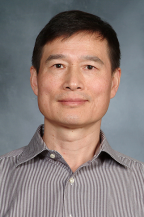
Ping Zhou is an Associate Professor of Research in Neuroscience at the Brain and Mind Research Institute, Weill Cornell Medical College, where he has been conducting groundbreaking research since 2013. His work focuses on understanding the molecular mechanisms underlying neurovascular dysfunction in Alzheimer's disease and other neurodegenerative conditions. Dr. Zhou received his Ph.D. from the University of Illinois at Urbana-Champaign in 1991 and completed his undergraduate studies at Nanjing University in China in 1982. His educational background provided the foundation for his extensive research career in neuroscience and neurovascular biology. Dr. Zhou's research interests center on neurovascular coupling, cerebral amyloid angiopathy, and mitochondrial mechanisms of neuroprotection. His laboratory investigates how ApoE4 contributes to neurovascular dysfunction, the role of border-associated macrophages in white matter injury, and the neuroprotective functions of prohibitin through S-nitrosylation. His work bridges basic molecular mechanisms with translational applications for treating neurodegenerative diseases. Analysis of Dr. Zhou's recent publications reveals a strong focus on the intersection of neuroinflammation and neurovascular dysfunction in Alzheimer's disease. His work increasingly incorporates single-cell and epigenetic approaches while maintaining a strong emphasis on mitochondrial function and oxidative stress pathways. The research shows a clear progression from basic mechanisms of neurovascular coupling to more complex investigations of macrophage interactions and genetic risk factors like ApoE4. Dr. Zhou currently serves as Principal Investigator on the NINDS-funded project "Role of prohibitin nitrosylation in its neuroprotective functions" (2022-2027) and as Co-Investigator on two additional NINDS grants: "ApoE4, neurovascular injury and cognitive impairment" (2022-2027) and "Dietary sodium, neurovascular dysfunction and cerebrovascular risk" (2021-2026). These projects reflect his continued focus on molecular mechanisms of neuroprotection and vascular contributions to cognitive impairment. While the available information doesn't specify his laboratory structure, Dr. Zhou's extensive publication record spanning over two decades suggests leadership of a productive research team focused on neurovascular biology and neurodegeneration mechanisms.
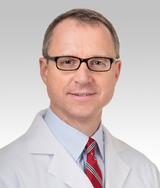
Robert E Brannigan is a Professor and Vice Chair of Clinical Urology in the Department of Urology at Northwestern University, Feinberg School of Medicine. He serves as Chief of Male Reproductive Medicine and Men's Health and holds the Janice Binstein Professorship in Urology. Dr. Brannigan directs the Andrology Fellowship program and serves as Assistant Director of Student Affairs in the Augusta Webster Office of Medical Education. Northwestern University, Feinberg School of Medicine Department of Urology Center for Reproductive Science Center for Genetic Medicine Dr. Brannigan obtained his MD from Northwestern University Feinberg School of Medicine in 1992, completed residency training in Urology at Northwestern, and pursued a fellowship in Male Reproductive Medicine and Surgery at Baylor College of Medicine. He joined the Northwestern faculty in 1999 and has trained numerous fellows, over half of whom now hold faculty positions at academic medical centers. His research focuses primarily on male reproductive medicine, with particular emphasis on fertility preservation (oncofertility) for male cancer patients, microsurgical procedures, and treatment of hypogonadism. His recent publications (2025) demonstrate continued active research in erectile dysfunction among young adults, fertility preservation in hematologic malignancy patients, transgender healthcare, and developing research standards for male infertility studies. His work spans clinical urology, reproductive medicine, and men's health with significant contributions to sexual dysfunction treatment and fertility preservation protocols. Janice Binstein Professor of Urology (2024) Elected to American Association of Genitourinary Surgeons (2022) Multiple teaching awards including Resident Teaching Awards (2021, 2013) Gold Humanism Honor Society Faculty Member ASRM Service Milestone Award (2016) Multiple Outstanding Reviewer Awards from The Journal of Urology Dr. Brannigan has advised numerous fellows through the Andrology Fellowship program, with over half securing academic faculty positions. He has served on multiple national committees including the American Board of Urology Examination Committee, the American Urological Association Core Curriculum Committee, and has held leadership positions in the Society for Male Reproduction and Urology (past President) and the Society for the Study of Male Reproduction (past President). His extensive editorial experience includes serving as Editorial Editor for Fertility and Sterility and Assistant Editor for The Journal of Urology. He directs the Center for Reproductive Science advisory board and has been instrumental in developing Northwestern's fertility preservation programs, particularly for cancer patients and transgender individuals. His clinical work focuses on microsurgical vasectomy reversal, varicocelectomy, micro-TESE for sperm extraction, and treatment of hypogonadism including cases associated with aging and congenital conditions like Klinefelter's syndrome.