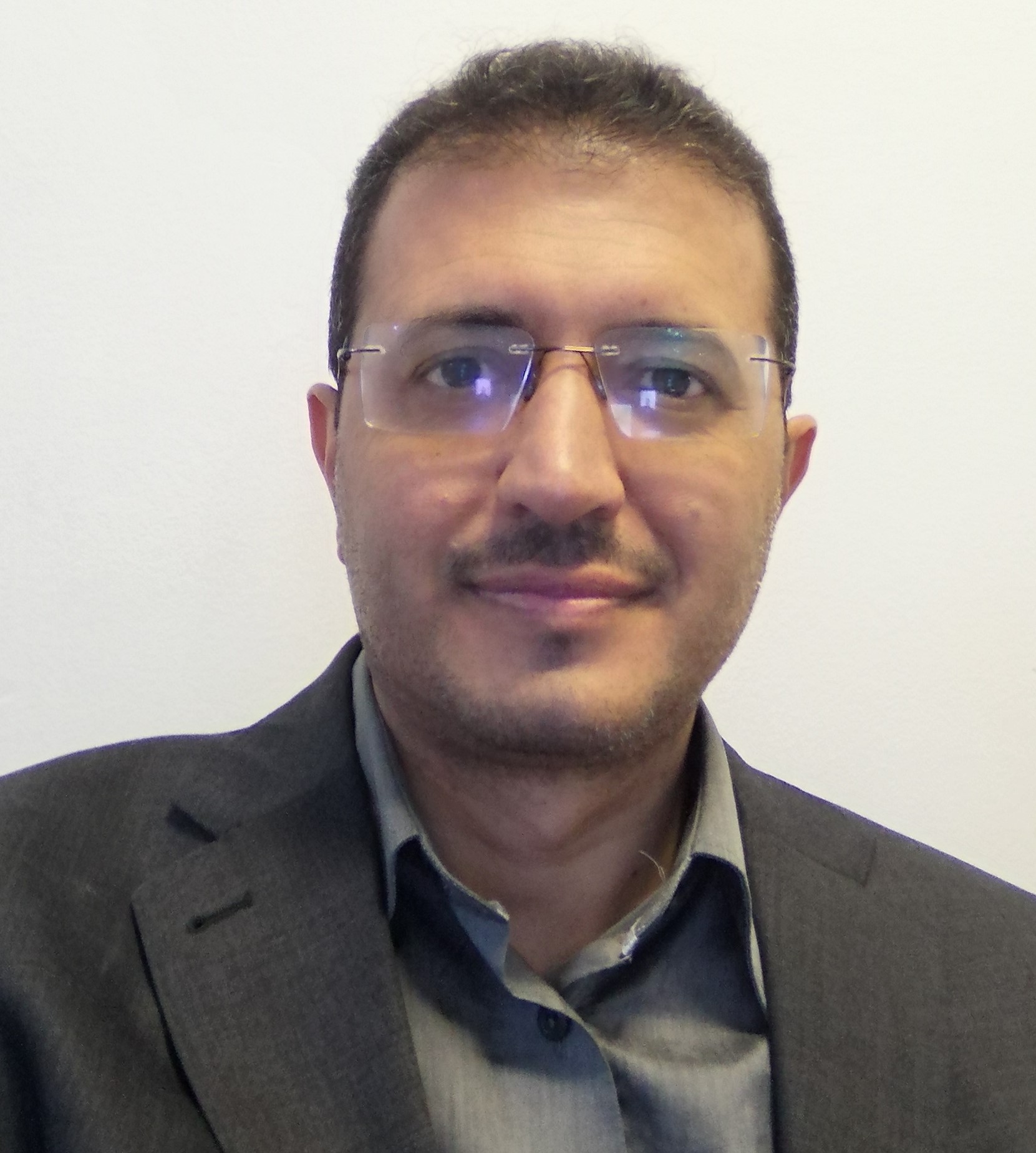
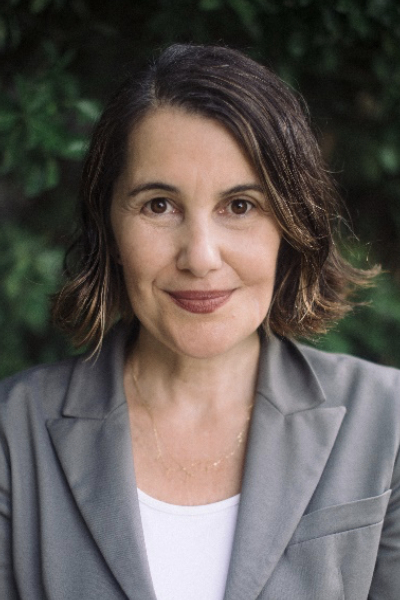
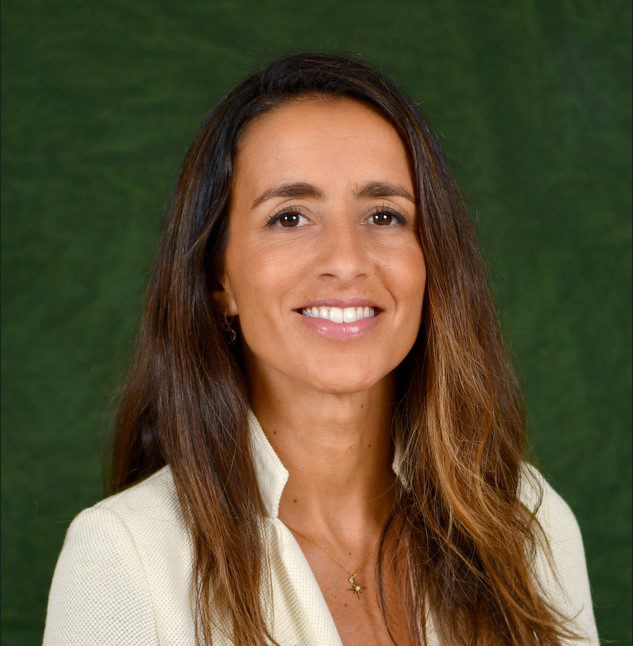
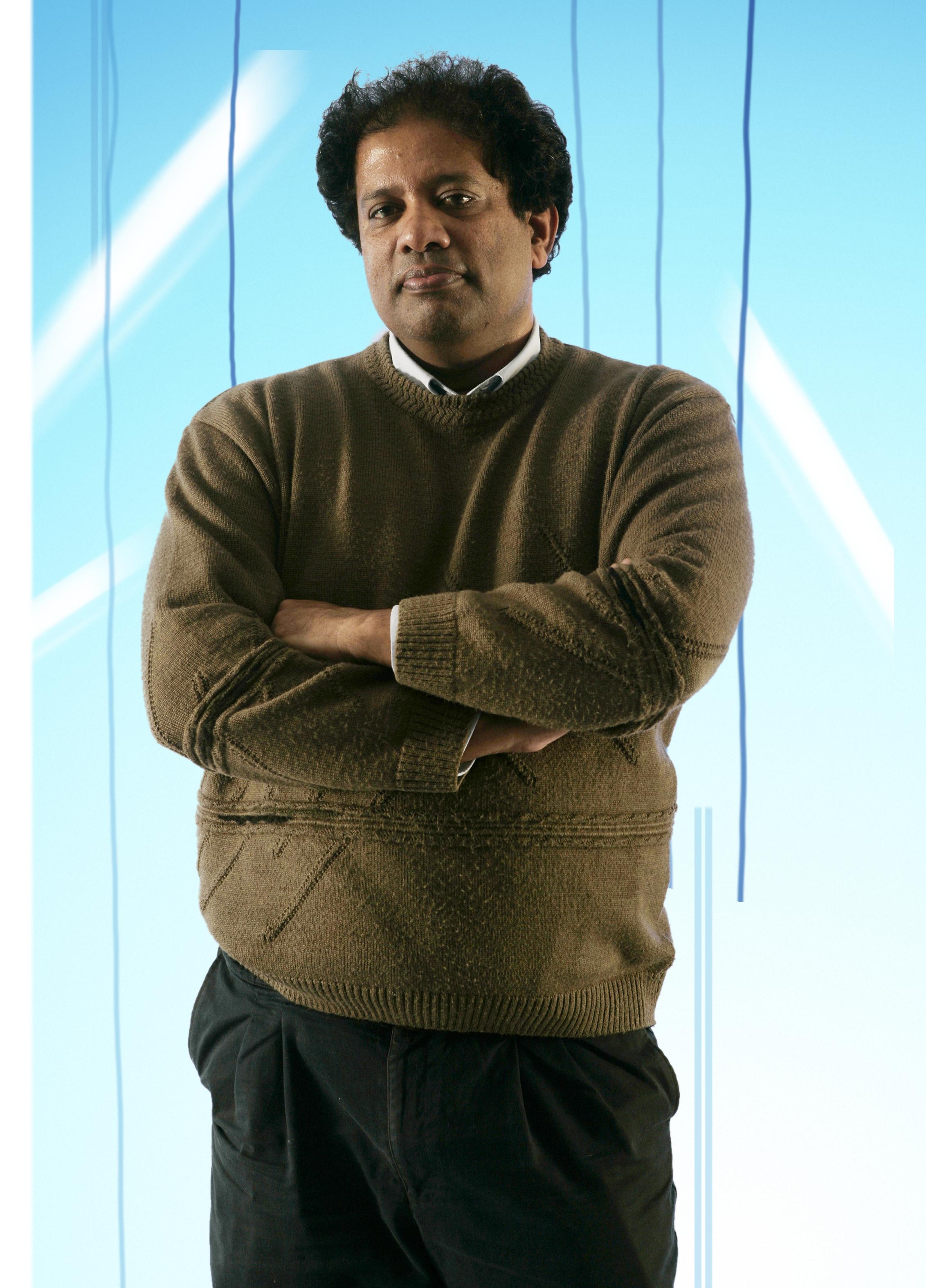
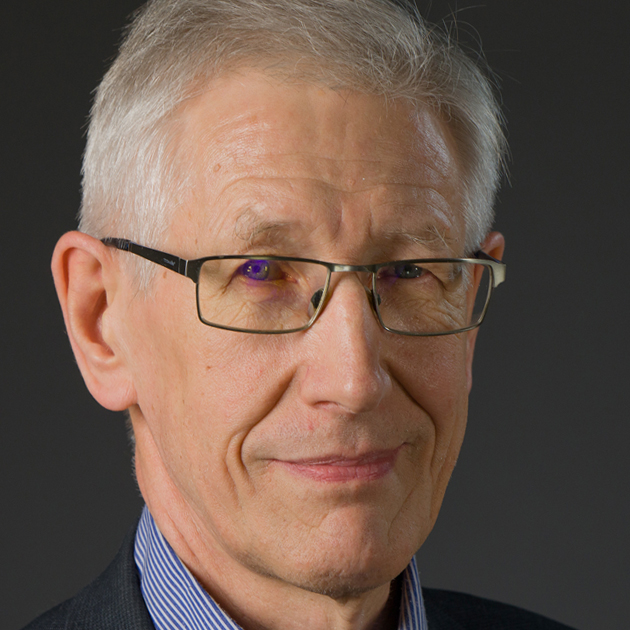
Azzam Al-nahari is an Associate Professor in the Department of Electrical Engineering at Ibb University, Yemen, since 2017. He holds a B.Sc. in Electronics and Communications Engineering from the University of Technology, Iraq, and M.Sc. and Ph.D. in Electrical Communications from Menoufia University, Egypt. He has held postdoctoral positions at Lund University, Sweden (2012), University at Buffalo, USA (2014), and is currently a Visiting Scholar at Aalto University, Finland (since 2019). Education: B.Sc., Electronics and Communications Engineering, University of Technology, Iraq M.Sc. & Ph.D., Electrical Communications, Menoufia University, Egypt Research Interests focus on Backscatter Communications , Massive MIMO Systems , Physical Layer Security , Cognitive Radio Networks , and Signal Processing for Wireless Communications . His work explores UAV-assisted systems, energy-efficient protocols, and covert communication techniques. Recent Publications highlight advancements in Ambient IoT , UAV-Backscatter Integration , Reconfigurable Intelligent Surfaces (RIS) , and Secure Beamforming , reflecting trends in low-power networking, AI-driven resource allocation, and wireless security. Affiliation: Research groups in Communication Engineering at Aalto University.
Cathryn A. Galanter, MD is Professor of Clinical Psychiatry and Training Director of the Child and Adolescent Psychiatry Fellowship Program at State University of New York Downstate Health Sciences University. She joined SUNY Downstate in 2011 after holding leadership roles at Columbia University, including Director of the Pediatric Bipolar Service at Children's Hospital of New York. Dr. Galanter earned her undergraduate degree in Art History from the University of Pennsylvania (graduating with distinction), her medical degree from New York University School of Medicine, and completed her psychiatric training at Columbia University through general and child residencies plus a research fellowship. Her research program focuses on critical gaps in child mental health: developing theory-based educational interventions for clinicians, analyzing clinical decision-making processes in diagnosing complex conditions like pediatric bipolar disorder and ADHD, and establishing evidence-based protocols for assessment and treatment. She has pioneered work on the diagnostic boundaries between ADHD and bipolar disorder in youth, challenging traditional categorizations through empirical research. Analysis of her 15 most recent publications reveals consistent thematic progression from foundational work on diagnostic criteria (2003-2009) toward contemporary integration of mental health services in primary care (2018) and policy-level DSM-5 implementation (2020). Her scholarship demonstrates deep engagement with diagnostic reliability challenges, longitudinal outcome studies, and practical implementation science for clinical settings. Dr. Galanter's research impact is recognized through: NIMH Career Development Award (K-Award) for 'Improving Child Psychiatrists' Clinical Decision Making' Multiple awards from the American Academy of Child and Adolescent Psychiatry Grants from the American Psychiatric Association and Columbia University Leadership roles including Secretary of the AACAP Executive Council (2019-2021) As Training Director, she mentors fellows through the Child and Adolescent Psychiatry Fellowship Program while maintaining active NIMH-funded research. Her 2016 Academic Psychiatry paper on direct supervision models demonstrates her commitment to reshaping psychiatric education. She also serves on national committees including the American Association of Directors of Psychiatry Residency Training. Dr. Galanter previously directed Columbia's Pediatric Bipolar Service and currently maintains a Brooklyn private practice treating all age groups. Her clinical work directly informs her research on real-world diagnostic challenges, particularly regarding comorbid ADHD and bipolar presentations in pediatric patients.
Sintip Pattanakuhar serves as Lecturer in Biomedical Engineering at the University of Strathclyde, United Kingdom, following his transition from Chiang Mai University, Thailand where he progressed from Lecturer (2016-2020) to Assistant Professor (2020-2022) and Associate Professor (2022-2025). A board-certified rehabilitation physician and clinician scientist, he specializes in improving quality of life for individuals with physical disabilities through multimodal research spanning cellular mechanisms to community health services, with particular focus on spinal cord injury rehabilitation. His educational foundation includes: Doctor of Medicine, Mahidol University (2004) Diplomat Thai Board of Rehabilitation Medicine, Medical Council of Thailand (2014) PhD in Clinical Medical Sciences, Chiang Mai University (2019) Swiss Government Excellence Postdoctoral Fellowship (2022-2023) Diplomas in Clinical Epidemiology, Clinical Statistics, and Harvard Principles of Clinical Research Dr. Pattanakuhar's research program centers on spinal cord injury rehabilitation, with three interconnected pillars: (1) applying Nanokicking cellular vibration technology to reverse osteoporosis in spinal cord injury patients through collaboration with SCISCI and QENSIU; (2) investigating cardiovascular and metabolic complications in spinal cord injury; and (3) developing tele-neurological assessment tools for remote patient evaluation. His work integrates rehabilitation engineering, clinical medicine, and health services research to address both physiological mechanisms and practical care delivery challenges. His publication trajectory demonstrates increasing focus on technology-driven rehabilitation solutions, particularly in telemedicine applications for neurological assessment and predictive modeling for orthopedic complications in neuromuscular disorders. Recent works prioritize clinical validation of assessment tools and development of evidence-based prediction rules for complex rehabilitation scenarios. Major recognitions include: Swiss Government Excellence Scholarship (2022) National Research Council of Thailand Best Research Award (2019) Outstanding Researcher Award, Chiang Mai University Faculty of Medicine (2021) Han Frankel Early Career Scholar Awards (2020, 2021) ASCoN 2020 Best Poster Presentation He currently leads multiple funded projects including a Daiwa Anglo-Japanese Foundation initiative establishing a neuromodulation lab through knowledge transfer from University of Tokyo, alongside Thailand Research Fund grants. Actively accepting PhD students, he supervises research at the intersection of biomedical engineering and clinical rehabilitation while collaborating with international networks spanning Switzerland, Japan, and Thailand. His current projects focus on translational applications of vibration therapy and tele-rehabilitation systems. Dr. Pattanakuhar's research operations center on collaborations with the Scottish Centre for Innovation in Spinal Cord Injury (SCISCI) at Queen Elizabeth National Spinal Injuries Unit, where he integrates laboratory-based cellular vibration studies with clinical rehabilitation teams to develop practical interventions for osteoporosis management in spinal cord injury patients.
Dr. Breanna Krueger is an Associate Professor in the Division of Communication Disorders at the University of Wyoming , where she has been since earning her PhD in 2017. Her academic background includes two MA degrees in Speech-Language-Hearing Sciences and Linguistics from the University of Kansas, and a BA in Communication Sciences and Disorders from the University of Wyoming. Research Focus: Dr. Krueger specializes in improving treatment outcomes for children with speech sound disorders through: Investigating age-related treatment efficacy Developing clinical teaching methods for speech-language pathologists Enhancing understanding of children's speech perception mechanisms Exploring social impact of speech disorders Ultrasound visual biofeedback applications for speech therapy Publication Trends: Her research portfolio shows increasing focus on: Transgender voice communication software (2024) Home practice facilitation techniques (2024) Pediatric cancer speech services (2023) Preterm birth language impacts (2023) Advanced phonological assessment methods (2022) Scientific Recognition: Dr. Krueger has received significant funding including: NIH Grant (P20GM103432) for age-related treatment research ASHA Foundation research grant College of Health Sciences internal funding Laboratory & Outreach: She directs the PhUnderLab , actively engages with professional organizations including the American Speech-Language-Hearing Association (ASHA), and maintains a Twitter presence @phunderlab for research dissemination.
Magdalena Von Der Thannen is a Senior Scientist & Lecturer at the Institute of Soil Bioengineering and Landscape Construction at the University of Natural Resources and Life Sciences, Vienna (BOKU). She earned her doctorate with distinction in 2019 and holds two master's degrees from BOKU Vienna - in Alpine Natural Dangers/Watershed Regulations (2014) and Landscape Planning and Landscape Architecture (2012). Her educational background includes: Doctorate (2019, passed with distinction) Master in Alpine Natural Dangers / Watershed Regulations (2014, BOKU Vienna) Master in Landscape Planning and Landscape Architecture (2012, BOKU Vienna) Dr. Von Der Thannen's research focuses on soil bioengineering, river restoration, life cycle assessment, carbon balance, ecosystem services, and eddy covariance measurements. Her work bridges engineering, ecology, and environmental science with particular emphasis on sustainable approaches to natural hazard protection and landscape management. She has developed methodologies for environmental life cycle assessment of alpine protective structures and soil bioengineering constructions, with a strong focus on carbon balance and ecosystem services valuation. Analysis of her publications reveals a consistent research trajectory focused on quantifying the environmental performance of bioengineering solutions. Her most recent work (2024-2025) emphasizes carbon accounting in urban green infrastructure and floodplain ecosystems, building upon earlier work on life cycle assessment methodologies. She has established connections between eddy covariance measurements and ecosystem services, particularly in riparian restoration contexts. Her scientific recognition includes: Jubiläumsfonds der Stadt Wien für die Universität für Bodenkultur (2020) Projektprämierung der Stadt Wien - BOKU Research Funding Programm 2020 Dr. Von Der Thannen has presented her research at numerous international conferences including the EGU General Assembly and INTERPRAEVENT meetings. Her work demonstrates strong collaboration with Austrian and European institutions focused on natural hazard management and sustainable infrastructure development.
Junkai HE serves as an Assistant Professor in the Operations, Supply Chain and Information Management department at KEDGE Business School and is affiliated with the CESIT research center since September 2024. He earned his PhD in mathematics and computer science from Paris-Saclay University (France) in 2020, following which he conducted postdoctoral research at IRT SystemX and Télécom SudParis. His research specializes in decision making under uncertainty through advanced modeling and algorithm design , with primary applications in supply chain management , remanufacturing , and maintenance optimization . Key methodologies include stochastic programming, multi-objective optimization, and predictive maintenance modeling for complex industrial systems. Analysis of his 2019-2024 publications reveals a consistent trajectory in applying operations research to sustainable industrial practices. His work increasingly focuses on uncertainty integration in disassembly line balancing and remanufacturing systems, while maintaining strong foundations in classical scheduling problems for manufacturing and logistics. Publications predominantly appear in top-tier journals like the International Journal of Production Economics and Computers & Operations Research. He teaches core operations management courses including operations research, production planning, and logistics, demonstrating active educational engagement. His research at CESIT likely involves industry collaborations addressing real-world supply chain challenges, though specific grant details are unmentioned. As a CESIT researcher, he contributes to KEDGE's industrial technology research initiatives, bridging theoretical optimization methods with practical applications in manufacturing and logistics systems. Current work appears oriented toward sustainable supply chain innovations and digital transformation of maintenance practices.
Professor Anthony Smith is Director of the Centre for Online Health (COH) at The University of Queensland’s Faculty of Health, Medicine and Behavioural Sciences and Adjunct Professor at the University of Southern Denmark. With 25+ years in telehealth research, he focuses on scalable virtual care models, Indigenous health equity, and workforce training. His leadership includes editorship of the Journal of Telemedicine and Telecare and chairing the International Conference on Successes and Failures in Telehealth. Research Interests: Smith’s work spans telehealth feasibility, consumer engagement, and technology-supported care in underserved populations. Key projects include telehealth integration in aged care, First Nations health services, and telementoring for rural practitioners. His research prioritizes sustainable, community-led health solutions. Publication Trends: Recent articles (2024–2025) emphasize telehealth accessibility, trust validation in chronic disease management, and economic evaluations of remote care. Methodologies include systematic reviews, mixed-methods studies, and cross-sectional surveys, reflecting a focus on evidence-based service optimization. Awards: Public Engagement Award (UQ, 2024) Top Researcher in Medical Informatics (2023) Excellence in Indigenous Engagement (2021) Spirit of Reconciliation Award (2021) Advising & Grants: Supervises PhD candidates in telehealth equity and service implementation. Secured funding from the Commonwealth Department of Health, CRC for Developing Northern Australia, and Queensland Health for projects like DementiaECHO and palliative care telehealth. Major grants include: Expanding Palliative Care ECHO (2023–2026, $2.1M) Health-e-Regions telehealth expansion (2023–2025) Labs & Teams: Leads the COH, collaborating with Queensland Digital Health Centre and First Nations communities. Partners with clinical teams across 35+ schools for Indigenous child health screening and international groups for pediatric telehealth innovation.
Paolo Monti is a Professor and Head of the Optical Networks Unit at Chalmers University of Technology's Department of Communications, Antennas and Optical Networks. With extensive expertise in optical communication infrastructures, he leads research focusing on energy efficiency, network resiliency, programmability, automation, and techno-economics of optical networks. His work spans multiple international collaborations with funding from major research bodies across EU, USA, and Asia. Professor Monti's research interests center around next-generation optical networking technologies. His work explores the integration of artificial intelligence and machine learning with optical networks, quantum-classical network convergence, 6G infrastructure development, and network automation. His research addresses critical challenges in network energy consumption, reliability under failure conditions, and cost-effective deployment strategies for emerging communication technologies. The research group under his leadership develops frameworks for optical network monitoring, security, and resource optimization using advanced computational techniques. Analysis of his recent publications reveals a strong trend toward AI/ML integration with optical networking, with significant focus on quality of transmission estimation, network automation, and 6G readiness. His work increasingly combines quantum technologies with classical optical networks while addressing practical implementation challenges in multi-band elastic optical networks. The publications demonstrate a progression from theoretical network design to practical implementations with real-world validation. Professor Monti has received recognition as a Senior Member of IEEE, highlighting his contributions to the field of communications and networking. As an academic leader, Professor Monti has been involved as Principal Investigator, co-PI, and main technical leader in numerous national and international projects. His educational contributions include teaching courses at undergraduate, Master's, and PhD levels, as well as developing ICT-focused education programs. His research has been supported by major funding bodies including the European Commission, VINNOVA, and Wallenberg Centre for Quantum Technology. The Optical Networks Unit under Professor Monti's leadership operates as a vibrant research environment focusing on both theoretical and experimental aspects of next-generation optical communications. The unit maintains strong collaborations with industry partners and academic institutions worldwide, participating in multiple EU-funded projects and national initiatives focused on quantum communications and 6G infrastructure.
Luis Merino is an Associate Professor at the School of Engineering, Universidad Pablo de Olavide (UPO), Seville, Spain. He founded and leads the Service Robotics Laboratory and contributed to establishing the Systems Engineering and Automation division at UPO. He served as Vice-Dean for five years and currently coordinates the Computer Science degree program. Education: Ph.D. in Robotics from the University of Seville (2007), supervised by Anibal Ollero. Research: Focuses on cooperative robotic systems, human-robot collaboration, localization/navigation techniques, and machine learning in social robotics. His work includes leading 2 H2020, 4 FP7, 3 National R&D, and 3 Andalusian regional projects. Notable projects: MBZIRC 2020 (PI), collaboration with Honda Research Institute Japan, and EU-funded initiatives. He advocates for open-source code/datasets and industry technology transfer. Scientific Awards: ABB Award to the Best Doctoral Dissertation on Robotics (2007) Best Paper Award at ROBOT2019 Professional Roles: Associate Editor for Image and Vision Computing and IEEE Robotics and Automation Letters . Serves on ICRA/IROS conference program committees. Grant reviewer for FONDECYT (Chile), SBIR (USA), and ERC.
Valentina Cecchi is Associate Professor of Electrical and Computer Engineering and Associate Director of the same department at the University of North Carolina at Charlotte (UNC Charlotte), where she has been a faculty member since 2010. She previously served as Graduate Program Director and Associate Chair of the department from 2019 to 2024. Education background: Ph.D. in Electrical Engineering, Drexel University, Philadelphia, PA Research interests center on electric power systems modeling and analysis, with particular emphasis on optimization of transmission and distribution system planning and operation, grid-enhancing technologies, dynamic line rating of transmission lines, and the integration of renewable and distributed energy resources. Her work spans power system protection, resilience, data-driven analytics, and pedagogical innovation in power engineering education. A consistent thread in her recent publications (2023-2025) is the application of advanced analytics and machine learning to improve real-time monitoring, protection, and restoration of active distribution networks. A complementary focus is the development and evaluation of modern educational methodologies to prepare students for emerging challenges in power and energy systems. Scientific awards: William States Lee College of Engineering Graduate Teaching Excellence Award (2022) Advising & grants narrative: While specific PhD/Master’s students are not listed in the provided text, Dr. Cecchi’s service as Graduate Program Director and her active publication record with student co-authors suggest significant mentoring activity. She has led NSF-supported curriculum updates and educational research efforts, and her work on distribution system resilience, renewable integration, and protection coordination has been funded by multiple agencies and industry partners. Laboratory & teams: Dr. Cecchi is affiliated with the EPIC building (Energy Production and Infrastructure Center) at UNC Charlotte, specifically office 1224, and contributes to the university’s power and energy systems research infrastructure.
Professor Aruna Prasad Seneviratne serves as the Foundation Professor of Telecommunications at the University of New South Wales (Australia), where he holds the prestigious Mahanakorn Chair of Telecommunications. He is currently the Research Director for the Cyber Physical Systems Research Program within Data61, following the merger of NICTA with CSIRO. Previously, he directed the Australian Technology Park Laboratory of NICTA and led their Networked Systems research activities. Professor Seneviratne's research focuses on physical analytics - technologies enabling applications to interact intelligently and securely with their environment in real time. His recent work includes behavioral biometrics, wearable device optimization, and IoT system verification. His extensive publication record spans cybersecurity, artificial intelligence, communications engineering, and mobile technologies, with particular emphasis on integrated communications and sensing systems. His scholarly contributions include over 180 refereed technical papers and book chapters, reflecting his leadership in telecommunications and networked systems research. Professor Seneviratne's work demonstrates a consistent trajectory toward developing practical solutions for next-generation digital services and security frameworks. His scientific recognition includes prestigious fellowships at British Telecom and Telecom Australia Research Labs, underscoring his industry impact alongside academic contributions. Professor Seneviratne has supervised 30 PhD dissertations throughout his career, mentoring the next generation of telecommunications researchers. His leadership extends to directing major research initiatives at NICTA and Data61, where he has guided the development of new technologies for establishing trust, energy-efficient content storage, search, and distribution within digital economies. His laboratory work centers on the Cyber Physical Systems Research Program at Data61, where his team develops innovative approaches to secure and intelligent interaction between digital systems and physical environments.
Steven Chamberland is a Full Professor at the Department of Computer Engineering and Software Engineering at Polytechnique Montréal. He serves as Director of Academic Affairs and Student Life at the institution. With a Ph.D. from Polytechnique Montréal, an MBA from HEC Montréal, and an MIR from Queen's University, his expertise combines engineering rigor with strategic academic leadership. Ph.D. (Polytechnique Montréal) MBA (HEC Montréal) MIR (Queen's University) B.Eng. (Polytechnique Montréal) Dr. Chamberland specializes in network design and optimization , particularly for wireless and vehicular communication systems. His work addresses critical challenges in network reliability, congestion management, and resource allocation across emerging technologies like SDN, IoT, and 5G/6G systems. He actively explores machine learning applications for network optimization and quality-of-service improvements. His recent publications focus on heterogeneous vehicular networks , with contributions to congestion avoidance mechanisms using neural networks, routing protocols for intelligent transportation systems, and network slicing techniques with generative adversarial networks. These works align with his broader research in mobile computing and smart city infrastructure . Dr. Chamberland has supervised over 8 Ph.D. and 12 Master's students , including notable graduates like Falahatraftar, El Garoui, and Jaramillo Herrera. His leadership extends to the LARIM Laboratory , where he contributes to mobile computing research. Despite extensive publications (>110), no specific scientific awards were mentioned in the provided texts.
Maurice Gagnaire is a Full Professor at Télécom Paris in the Computer Science and Networks (Infres) department, affiliated with the Networks, Mobility and Services (RMS) research team and the Information Processing and Communication Laboratory (LTCI). He has contributed extensively to optical network design, cloud computing, and network virtualization. Education: Engineering degree from Télécom SudParis, Master's in Computer Systems (Paris VI), Ph.D. (Télécom ParisTech), HDR (University of Versailles) Research Interests : His work focuses on translucent WDM networks , green networking , dynamic resource allocation , and physical layer impairments . Key projects include traffic grooming , failure detection , and energy-aware routing . Publications & Awards : He co-authored Springer's Traffic Grooming for Optical Networks and received the IBM Faculty Award 2014 . His research spans optical access systems , cloud brokering , and multi-layer traffic engineering . Scientific Honors: IBM Faculty award, Chevalier de l'Ordre des Palmes Académiques Academic Service : He served as expert for NSF (USA), IEEE, and ARCEP. His leadership includes coordinating the RMS research group and leading the Optimization and Networking Cluster.
Auday Al-Dulaimy is a Senior Lecturer at the Department of Information Science, School of Information and Engineering, Dalarna University. His teaching responsibilities include coordinating courses on Distributed Computing , Internet of Things (IoT) , and Internship in Data Science . His research focuses on cloud computing, IoT, and smart production systems. Distributed Computing (GIK2NX) Internet of Things (GMI2MD) Internship in Data Science (AMI23J) His recent publications explore trends in cloud-based services for smart production, fault tolerance mechanisms, and computing continuum architectures integrating IoT and cloud technologies.
Anders Wretstrand is a Senior Lecturer at the Faculty of Engineering , Lund University , specializing in Transport and Roads . His research focuses on Transport Systems and Logistics , Infrastructure Engineering , and Human Geography , with a particular interest in Public Transport , Rural Areas , and Ageing and Supportive Environments . Research Output Highlights : His recent work includes a 2024 Research in Transportation Economics article on Regulatory Regimes , a 2022 European Transport Research Review study on Off-peak Service Improvements , and a 2021 Transportation paper analyzing Socioeconomic Disparities in transport affordability. Other key contributions examine Rural Bus Reliability and Modal Shift from Bus to Rail . Projects : He is currently active in the Urban Arena network and previously contributed to CiViTAS CAPITAL (2013-2016) and a Transport Efficient Society pre-study (2019).