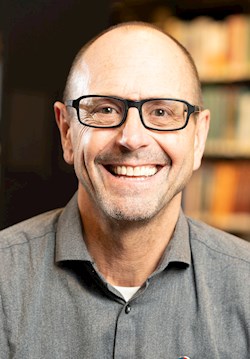
Stuart Hamilton is a part-time Professor and Chair of the Department of Coastal Studies at East Carolina University (ECU) and the UNC Coastal Studies Institute. He holds a Ph.D. in Geography (GIS) from the University of Southern Mississippi (2012), an M.S. in Geography (GIS) from SUNY Buffalo (2003), and a B.S. in Geography and Applied Social Science from Canterbury University (1996). His research focuses on remote sensing and GIS analysis of nearshore environments, particularly mangrove forest change, hurricane impacts, and interactions between environmental degradation and socioeconomic outcomes.
Professor Helen Woolley is Head of the School of Architecture and Landscape at the University of Sheffield, where she is a leading academic in children's outdoor environments and landscape architecture. Her research spans inclusive play spaces, post-disaster landscapes, urban green space equity, and children's spatial agency. Research Interests: Her work focuses on the relationship between people and green spaces, especially children's access to and use of outdoor environments. She investigates policy, design, and societal influences on play, with a strong emphasis on inclusion, disaster recovery, and urban planning. Her research has been funded by ESRC, AHRC, JRF, JSPS, and the Big Lottery. Recent Publications Trends: Her recent articles (2020–2025) show a global reach, with studies in China, Brazil, and Jordan, using advanced spatial analysis (SOPARC, KDE), co-design methods, and comparative disaster research. Themes include water play, mobility safety, generational change in play, and multifunctional urban green spaces. Scientific Awards: Japanese Society for the Promotion of Science (JSPS) Visiting Fellowship (2014) Invited to Queen’s Garden Party at Buckingham Palace (2003) Landscape Institute Research Award (1997) Winner, Sunday Telegraph Town Garden Design Competition (1982) Advising and Grants: She actively supervises PhD students such as Melih Bozhurt, Junfang Xie, and Maryam Mani. Her grant portfolio includes major projects like Living with Nature (Big Lottery funded), Children’s Lost Landscapes in post-disaster Japan (Daiwa Foundation), and Knowledge Transfer Partnerships with Timberplay and Fairplay. She has led research for CABE Space, Natural England, and the National Audit Office. Labs and Teams: She is a member of the Centre for the Study of Childhood and Youth and the Sheffield Urban Institute. She co-led the Living with Nature partnership with Sheffield City Council and Wildlife Trusts, and contributed to interdisciplinary initiatives like the Green Space Forum and Sheffield Botanical Gardens regeneration.
Daniel Murphy is the Jung Family Associate Professor of Business Administration at the Darden School of Business, University of Virginia. He holds a B.S. from the University of Notre Dame and M.A. and Ph.D. from the University of Michigan. His research bridges macroeconomics and public policy, focusing on fiscal stimulus, housing markets, and economic slack. B.S., University of Notre Dame M.A., University of Michigan Ph.D., University of Michigan Murphy's research examines cost-effective strategies for economic stabilization, emphasizing how fiscal policies impact heterogeneous populations. Key areas include: Defense spending effects on employment and inequality Gentrification and housing affordability Land taxation efficiency and implementation Consumer debt dynamics during recessions Macroeconomic modeling of demand complementarities Speculative trading in oil markets His recent publications analyze: 2025: Theoretical models for expenditure shocks 2024: Land tax impacts on urban development 2022: Fiscal policy during pandemics 2020: Credit market responses to stimulus No scientific awards are explicitly mentioned in the provided text.
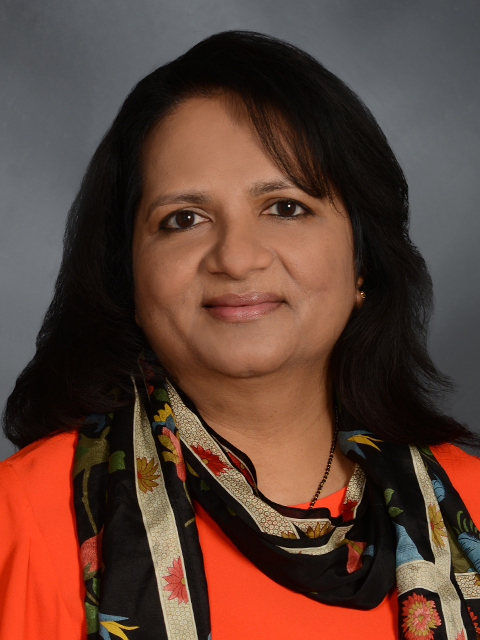
Darshana M. Dadhania, M.D., M.S., D(ABHI), is an Associate Professor of Medicine at Weill Cornell Medical College and an Associate Attending Physician at NewYork-Presbyterian Hospital. She serves as Medical Director of the Kidney and Pancreas Transplant Program and Program Director of the Transplant Nephrology Fellowship. Additionally, she is Director of the Genomics Division and Associate Director of the Immunogenetics and Transplantation Center. Education: M.D. from University of Medicine and Dentistry of NJ; M.S. in Clinical and Translational Investigation from Weill Cornell; B.A., B.S. from Stevens Institute of Technology. Training: Internal Medicine Residency, Nephrology Fellowship, and Transplant Medicine Fellowship at NewYork-Presbyterian Hospital; additional training in histocompatibility testing. Certifications: Board Certified in Internal Medicine and Nephrology; Diplomate, American Board of Histocompatibility and Immunogenetics. Dr. Dadhania's research focuses on noninvasive biomarkers for kidney allograft outcomes, particularly urinary cell mRNA and cell-free DNA profiling for rejection detection, management of highly sensitized patients, and infectious complications post-transplant. She has pioneered work in gut microbiota interactions with immunosuppression and infection risk. Her studies integrate genomics, immunology, and clinical outcomes to improve long-term transplant success. Her recent publications (2023–2025) emphasize noninvasive diagnostics using urinary biomarkers, consensus development in antibody-mediated rejection (Banff Working Group), kidney paired donation trends, and integration of palliative care in transplant failure. These works span high-impact journals including Nature Medicine , American Journal of Transplantation , and Transplantation , reflecting a strong translational and clinical research trajectory. Elected Fellow, American Society of Transplantation (2015) President, New York Society of Nephrology (2014–2015) Chair, Kidney Pancreas Community of Practice, American Society of Transplantation (2017–2019) Co-Chair, Consensus Conferences on Frailty, Cardiovascular Disease, and Heart-Kidney Transplantation Editorial Board, Nephrology, Dialysis and Transplantation and Transplantation Recipient of multiple investigator awards and leadership recognitions since 2003 Dr. Dadhania has served as site Principal Investigator for NIH-supported CTOT-03 and CTOT-04 trials and currently leads multiple studies including the APOLLO Consortium and metagenomic profiling of urinary cell-free DNA. She mentors fellows through her fellowship directorship and contributes to national policy via consensus guidelines and editorial leadership. Her work bridges clinical care, research innovation, and education in transplant nephrology. She leads the Genomics Division and Immunogenetics and Transplantation Center, where her team develops and validates molecular assays for allograft monitoring. Her lab collaborates extensively with biopharma partners and national consortia to translate biomarkers into clinical practice.
Dr. Rebecca Tittler is a part-time faculty member at Concordia University's Loyola College for Diversity and Sustainability, affiliated with the Department of Geography, Planning and Environment. She combines academic advising with research coordination at the Loyola Sustainability Research Centre. Ph.D. in Biology from Carleton University (2008) M.Sc. in Biology from University of Alberta (1998) B.A. in Biology from Swarthmore College (1995) Her research focuses on: Interactions between biodiversity, forest landscape structure, and human activity Sustainable boreal/mixedwood forest management Ecosystem services in urban and periurban environments Source-sink dynamics in avian populations TRIAD zoning strategies Landscape-scale ecological modeling Key publication themes include: Optimizing vegetation management under electric infrastructure Long-term forest sustainability under climate change Wildfire risk mitigation in timber supply Anthropogenic disturbance zoning TRIAD forest management applications Avian dispersal patterns Current research projects examine: Climate change impacts on Quebec's annual allowable cut Biodiversity effects of partial cuts Plantation location optimization Urban tree ecosystem services
Assistant Professor in the Department of Anesthesia and Department of Health Research Methods, Evidence, and Impact at McMaster University's Faculty of Health Sciences. Her research focuses on evidence synthesis and evaluation to guide complex healthcare and public health decisions through systematic reviews and meta-analyses. Research Interests Evidence Synthesis: Developing methodologies for integrating conflicting health research findings Meta-Analysis: Specializing in network meta-analyses for comparative treatment effectiveness Public Health Decision-Making: Translating evidence into actionable health policies Clinical Epidemiology: Addressing methodological challenges in health research interpretation Systematic Reviews: Optimizing approaches for rapidly evolving evidence landscapes Recent publications (2023-2025) demonstrate expertise across respiratory medicine, hematology, ophthalmology, and public health, with emphasis on methodological rigor in evidence synthesis. Her work consistently addresses the challenge of conflicting evidence and rapid publication cycles in health research. Awards Gairdner Early Career Investigator Award for contributions to evidence-based healthcare Her scholarly activity includes developing risk-of-bias instruments like ROBUST-RCT and contributing to clinical practice guidelines. Current projects include living systematic reviews for long COVID management and methodological improvements in nutritional epidemiology. She teaches Statistics & Epidemiology courses and maintains active collaborations across multiple medical specialties.
University of North Carolina at Chapel HillUnited States
F. Donelson (Don) Smith is a Research Professor in the Department of Computer Science at the University of North Carolina at Chapel Hill . He holds a Ph.D. in Computer Science (1978) from UNC-Chapel Hill, with prior degrees in Chemistry (1962) and Industrial Management (1964) from the University of Tennessee. Key research areas: Computer networking, multimedia systems, distributed systems Collaboration with: Kevin Jeffay , Jasleen Kaur , and the DiRT Lab Notable contributions include: Co-inventor of U.S. Patents 7,444,720 (2008) and 5,892,754 (1999) Key roles at IBM (1965-1997) in network architecture , protocol development , and multimedia networking Active in professional service: Program Chair, TriComm '91 Co-chair, ACM CSCW '94
Associate Professor Denise Blanchard serves as the Head of Discipline Nursing at the Central Coast Clinical School, Gosford, within the School of Nursing and Midwifery at the University of Newcastle's College of Health, Medicine and Wellbeing. With expertise spanning mental health and psychological well-being for older people, her research focuses on aged care outcomes, dementia, aging in place, and long-term conditions management. She has made significant contributions to nursing education through curriculum development, simulation training, and evidence translation. Her academic credentials include a Doctor of Philosophy (Nursing) and a Master of Arts (Social Science), both from Victoria University of Wellington. Her Fields of Research classifications are Aged Care Nursing (25%), Nursing not elsewhere classified (50%), and Mental Health Nursing (25%). Denise has actively maintained nursing practice in Australia and New Zealand while contributing to strategic leadership about nursing at the university level. Professor Blanchard's research interests center on aged care nursing and aging in place, psychological well-being related to long-term conditions, and simulation and competency-based education and training. Her recent publications demonstrate expertise across interprofessional education, rural healthcare access, mental health nursing, and neurological conditions. She has published extensively on nurse practitioner roles, cultural safety in healthcare, Parkinson's disease management, and therapeutic communication approaches, with numerous articles appearing in high-impact journals. Currently supervising two PhD students working on research related to childbirth experiences and aged care transitions, Professor Blanchard maintains an active research profile with publications spanning from 2002 to projected 2025. Her work demonstrates consistent engagement with critical issues in nursing education and practice, particularly focusing on vulnerable populations and innovative teaching methodologies. She has maintained practice connections while advancing nursing education and research through strategic leadership roles.
Associate Professor Zhan Wu is a faculty member at the University of Sydney Business School, specializing in International Business. He holds a PhD from Nanyang Technological University in Singapore and has established himself as a leading researcher in international business, strategic management, and innovation in emerging markets and transition economies. His educational background includes BSc and MSc from Sichuan and PhD from Nanyang Technological University in Singapore. His academic journey has positioned him at the forefront of research examining how firms navigate complex institutional environments in developing economies. Professor Wu's research focuses on the intersection of international business, strategic management, and innovation in the context of emerging markets and transition economies. His work particularly examines the strategy of firms in and from emerging economies, OFDI and IFDI, competitive dynamics, green innovation and energy economics, entrepreneurship, and dynamic capabilities. His publications in top journals like Journal of Management Studies and Energy Economics demonstrate the theoretical and practical significance of his research, which has important implications for multinational corporations operating in developing economies and for understanding how emerging market firms can successfully expand globally. His extensive publication record shows a clear trajectory of research excellence across multiple domains of international business. A notable trend in his recent work is the growing emphasis on sustainability and green innovation within international business contexts, reflecting broader global concerns about environmental challenges. His 2024 and 2025 publications demonstrate continued research productivity with increasing attention to the intersection of artificial intelligence, new energy vehicles, and corporate sustainability strategies. Wayne Lonergan Outstanding Teaching Award (Early Career) valued at $10,000 Dean's Citation for Teaching Excellence USS Awards Research Excellence Award nomination (2024) Competitive research grant from China's NNSF (AUD80,000) Professor Wu has demonstrated significant leadership in academic service, serving as Associate Editor of Journal of Business Research and Senior Editor of Asia Pacific Journal of Management. He has secured research funding from China's National Natural Science Foundation and serves as an ARC assessor. In educational leadership, he has served as Learning and Teaching Associate, Undergraduate Program Coordinator for International Business, and Program Director for the Master of International Business, significantly contributing to curriculum development and student experience. As an academic ambassador for the Business School, Professor Wu has cultivated a strong global research network, including a visiting scholar position at Fudan University Management School in China. His research collaborations span multiple continents, reflecting the international nature of his scholarly interests in global business dynamics and the increasing interconnectedness of emerging and developed economies.
Dr. Yu-Wen Chen is a Full Professor at the Department of Social Work, National Taiwan University, where she has served since 1996. She holds a Ph.D. in Social Work from Washington University in St. Louis (1996) and specializes in youth welfare, quantitative research methods, and social policy analysis. Her research focuses on disadvantaged populations, particularly children and adolescents facing economic hardship, mental health challenges, and social inequality. Professor Chen leads research on child well-being measurement, adolescent mental health interventions, and cross-cultural social policy comparisons. Her recent work examines COVID-19 impacts on vulnerable children and international adoption practices. She employs advanced statistical methods in large-scale studies across 35 countries and advises Taiwanese government ministries on child protection policies. Her publication corpus reveals strong thematic continuity in youth development research, with recent expansion into pandemic-related well-being studies and AI applications for social policy. She maintains active collaborations with NGOs including World Vision and the Taipei Women's Rescue Foundation, serving on their governing boards to translate research into practice. Professor Chen has received multiple awards for teaching excellence and research impact, though specific honors are not enumerated in available materials. Her advisory roles include formal appointments with Taiwan's Ministry of Education and Health and Social Welfare, shaping national policies on child welfare and poverty alleviation.
Carolyn L. Rochester is a Professor of Medicine at Yale School of Medicine , specializing in Pulmonary, Critical Care & Sleep Medicine. She serves as Medical Director of both the Yale COPD Program and the Pulmonary Rehabilitation Program at VA Connecticut Healthcare System. Undergraduate: Smith College (1979) Medical Degree: Columbia University College of Physicians and Surgeons (1983) Residency: Internal Medicine at Columbia-Presbyterian (1984-1986) Fellowship: Pulmonary Medicine at Columbia-Presbyterian (1986-1988) and Yale (1990-1991) Her research focuses on Pulmonary Rehabilitation (PR) and COPD , including transcutaneous muscle stimulation techniques, PR outcomes, telehealth implementation, and COPD phenotyping. She contributes to multi-center clinical trials (ECLIPSE, IMPACT, UPLIFT, GALATHEA) and leads the Northeast Pulmonary Rehabilitation Consortium. Recent publications address home-based PR models, telehealth standards, AI-driven readmission prediction, and environmental exposure analysis in COPD patients. Key collaborations include Charles Dela Cruz, F. Perry Wilson, and Krystal Pollitt. Scientific Awards: ATS Pulmonary Rehabilitation Lifetime Achievement Award (2024) Bohmfalk Teaching Award Nominee (2020-2021) ATS Postgraduate Fellows' Teaching Award (2021) She chairs the Yale-New Haven Health System COPD Consensus Group, developing inpatient care pathways (2021) and collaborating with Quality & Safety teams to reduce COPD readmissions. As a COPD Clinical Resource Center leader for the Alpha-1 Foundation (2020), she advances specialized care for genetic respiratory disorders.
Sara Valentini is an Associate Professor in the Department of Marketing at Bocconi University where she serves as Curriculum Coordinator for the Ph.D. program in Marketing. She co-chairs the 'Customer Journeys in a Digital World' conference and the 'Methods, Modelling & Marketing Analytics' track at the European Marketing Academy (EMAC), having previously served as Italian Representative on EMAC's Executive Board. Her educational background includes: PhD in Management, University of Bologna, Italy B.S. in Statistics (cum laude), University of Bologna, Italy Visiting PhD Scholar, Tuck School of Business, Dartmouth College, USA Dr. Valentini's research centers on marketing effectiveness and customer profitability with expertise in multichannel marketing and customer relationship management . Her work evaluates marketing actions across the customer journey, including longstanding research on service recovery mechanisms and recent investigations into product returns dynamics , customer data acquisition , and earned media generation . This focus bridges theoretical rigor with practical business applications. Analysis of her 11 publications (2008-2025) reveals an evolution from foundational service recovery meta-analyses toward data-driven omnichannel strategies. Recent work (2020-2025) emphasizes digital transformation, consumer data utilization, and real-time customer journey analytics, while maintaining her core focus on profitability measurement. Her interdisciplinary approach spans retailing, consumer psychology, and digital marketing. Her scientific recognition includes: 2021 Davidson Award (Second Runner Up) for best paper in Journal of Retailing (2020) As Ph.D. Curriculum Coordinator, Dr. Valentini mentors doctoral candidates while leading major academic initiatives. Her conference co-chairships foster collaborative research networks, and her extensive publication record in premier journals (Journal of Marketing, Marketing Science, etc.) indicates successful research funding despite no explicit grant details being provided. Through co-chairing the 'Customer Journeys in a Digital World' conference series and EMAC's analytics track, she cultivates a vibrant research ecosystem focused on digital marketing innovation and methodological advancement in customer analytics.
Thomas Beery is a Professor of Environmental Didactics at Kristianstad University's Faculty of Natural Science, Department of Environmental Science. His work focuses on environmental social science with emphasis on connectedness to nature, outdoor recreation, and sustainability education. PhD in Teaching and Learning, University of Minnesota Duluth (2011) Master of Environmental Education, University of Minnesota Duluth (1993) Bachelor of Science in Education, University of Wisconsin-Madison (1986) Research interests include: Connectedness to nature (theoretical/conceptual frameworks, measurement tools) Outdoor recreation and friluftsliv (Swedish outdoor culture) Climate adaptation and sustainability education Early childhood environmental education Human-nature relationships and ecosystem services SDGs curriculum integration in higher education Recent publications analyze: Multi-dimensional approaches to nature connection measurement Post-pandemic outdoor recreation adaptations Relational values of childhood nature experiences Climate action drivers in Northern communities Scientific awards include the Institute on the Environment Education Fellowship (2018-2020) at University of Minnesota Twin Cities. Current projects investigate: NiF: Nature Experiences in Fritidshem (2022-2026) Nordic Nature Kindergarten Network (2022-2024) Outdoor recreation and rural development post-COVID (2022-2025)
Professor James Cook is a Theme Leader for Plants, Animals and Interactions at the Hawkesbury Institute for the Environment (HIE) at Western Sydney University. He holds the academic rank of Professor and leads research focused on ecology, evolution, and symbiosis, with particular emphasis on pollination systems and insect ecology. Professor Cook received his BA in Zoology from Oxford University and his PhD in Evolutionary Biology from Imperial College London. His previous academic appointments include positions at La Trobe University, Imperial College London, and the University of Reading. Professor Cook's research interests lie at the intersection of ecology, evolution, and symbiosis , with particular emphasis on pollination systems and insect-microbe interactions . His work spans multiple scales from molecular to ecosystem levels, investigating how species interactions shape biological communities. He is particularly renowned for his expertise in fig-pollinator mutualisms and stingless bee biology . His research integrates field studies, laboratory experiments, and molecular approaches to address fundamental questions in evolutionary ecology while also addressing applied challenges in agricultural pollination and conservation biology . Analysis of Professor Cook's recent publications reveals a strong focus on pollination ecology and insect-microbe symbioses . His work spans both fundamental research on evolutionary processes and applied studies addressing agricultural challenges. A significant portion of his recent work examines stingless bees as potential managed pollinators for Australian horticulture, alongside investigations into alternative pollinators beyond honey bees. His research increasingly incorporates molecular methods to understand microbial communities and their impacts on host biology. There's also a growing emphasis on climate change impacts on pollination systems and the development of resilient pollination strategies for future agricultural systems. Natural Environment Research Council (NERC, UK) College Member (2007-2010) Royal Entomological Society Symbiosis Special Interest Group Convenor (2005-2012) Editorial Board Member, Journal of Evolutionary Biology (2005-2008) NERC Advanced Research Fellow (1998-2003) SERC Research Fellow (1993-1995) Royal 1851 Commission Research Fellow (1991-1993) Australian Entomological Society Conservation Committee Member (2017-present) Invited collaboration with Professor Wan-Jin Liao's group at Beijing Normal University Professor Cook currently leads multiple significant research projects focused on pollination services for Australian horticulture. His grant portfolio includes projects on stingless bee husbandry , alternative pollinators including flies, and pollinator health . He collaborates extensively with researchers across Australia and internationally, with projects spanning from basic research on fig-wasp mutualisms to applied studies on crop pollination. Professor Cook has authored over 70 research articles and six book chapters, demonstrating sustained research productivity throughout his career. Professor Cook's research involves extensive field, laboratory, and glasshouse work, with a strong emphasis on molecular methods. His work connects with collaborators across Australia, India, China, France, the UK, and the USA, creating a robust international research network focused on pollination ecology and insect symbioses. His leadership in the Plants, Animals and Interactions research theme at HIE provides a framework for integrating fundamental ecological research with practical applications for sustainable agriculture and conservation.
Professor Mick Lennon is a distinguished academic at University College Dublin, where he serves as Professor in the School of Architecture, Planning and Environmental Policy. With a career spanning both academic and professional planning practice, Professor Lennon brings extensive experience to his role. His academic journey at UCD has progressed from Research Fellow (2013-2014) to Lecturer (2015-2021), Associate Professor (2021-2025), and currently Professor (since July 2025). Prior to UCD, he was a Lecturer in Spatial Planning at Cardiff University. His professional background includes significant experience as a town planner in both public and private sectors across Ireland, the UK, and New Zealand. Professor Lennon's academic foundation is robust and interdisciplinary: BA in Geography from University College Cork MA in Geography from University College Cork MSc in City & Regional Planning from University of Wales Cardiff PhD in Planning & Environmental Policy from University of Wales Cardiff Prof Cert in University Teaching & Learning from University College Dublin Professor Lennon's research sits at the dynamic intersection of planning theory, environmental policy, and socio-ecological systems. His work spans a spectrum from practical applications to philosophical inquiry, with current focus on four interrelated areas: Socio-Ecological Relationships, The Politics and Policy of Change, Planning Sustainable Environments, and Planning Theory & Practice. His scholarship demonstrates particular expertise in green infrastructure planning, environmental justice, and climate change adaptation strategies. A distinctive feature of his approach is the integration of theoretical frameworks from thinkers like Paul Ricoeur, Alasdair MacIntyre, and Charles Taylor into planning practice, offering novel perspectives on the concept of the "common good" in planning contexts. Analysis of Professor Lennon's recent publications reveals a strong thematic focus on the challenges of planning in the face of climate change and environmental degradation. His work consistently examines the tensions between theoretical planning frameworks and their practical implementation, with particular attention to issues of justice, equity, and community participation. A notable trend is his exploration of "managed retreat" as a climate adaptation strategy, examining its environmental justice implications across multiple contexts. His scholarship also demonstrates growing engagement with multispecies perspectives and the role of green infrastructure in addressing urban inequalities, particularly in marginalized communities and informal settlements. While specific awards are not prominently featured in the available information, Professor Lennon's professional standing is evidenced by: Corporate (Full) Membership in the Irish Planning Institute Chartered (Full) Membership in the Royal Town Planning Institute Though specific details of Professor Lennon's advising activities and grant funding are not extensively documented in the available materials, his research output suggests significant involvement in collaborative research projects focused on climate adaptation, environmental justice, and planning theory. His publications frequently appear with co-authors from multiple institutions, indicating active participation in research networks. His work on green infrastructure planning, managed retreat, and environmental assessment appears to be supported by research funding that enables international comparative studies, as evidenced by projects examining cases in Ireland, Germany, and Iran. His role as editor for special issues in prominent planning journals further suggests leadership in directing research agendas within his field. Professor Lennon appears to be actively engaged with multiple research networks and collaborative initiatives, though specific laboratory structures are not detailed in the available information. His work on the Citizens' Assembly on Biodiversity Loss suggests involvement with policy-focused research groups at UCD. The international scope of his collaborations, particularly with researchers in Germany examining coastal management, indicates participation in transnational research consortia. His focus on participatory approaches to planning and environmental assessment suggests alignment with community-engaged research frameworks that prioritize co-production of knowledge with stakeholders.