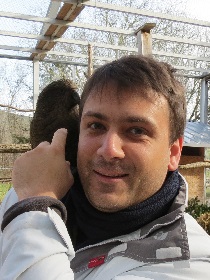
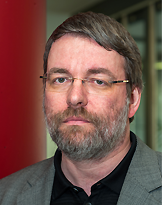
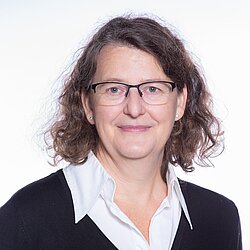
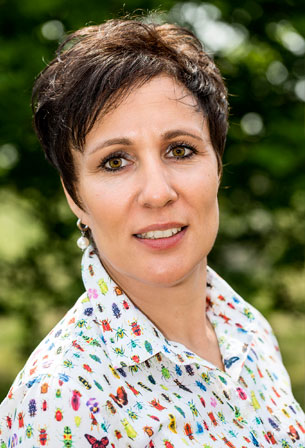
Dr. Patrick Vogel is a Habilitation candidate and researcher in the Magnetic Particle Imaging (MPI) group at the University of Würzburg's Faculty of Physics and Astronomy, Department of Experimental Physics V. His work focuses on advancing MPI technology for clinical applications, including imaging safety assessments, interventional procedures, and nanoparticle-based diagnostics. He contributes to the development of portable MPI scanners and hybrid imaging systems, collaborating with the AG Behr research group. His research spans magnetic particle spectroscopy, vascular imaging, and biomaterial characterization. Vogel has pioneered studies on MPI-guided endovascular interventions and the application of MPI in perfusion models. His work bridges physics, biomedical engineering, and clinical practice, with a focus on translating MPI into real-world medical diagnostics and surgery support. Key projects include the design of human-sized MPI scanners, safety evaluations of medical implants, and the use of synthetic tracers like Synomag®. He collaborates with interdisciplinary teams to address challenges in vascular imaging, nanoparticle behavior analysis, and real-time imaging systems.
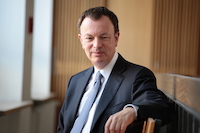
Prof. Dr. med. Sebastian Suerbaum is Professor and Chairman of Medical Microbiology and Hospital Epidemiology at the Max von Pettenkofer Institute, Faculty of Medicine, Ludwig-Maximilians-Universität (LMU) Munich. A physician-scientist trained in internal medicine and medical microbiology, he leads a research group that integrates experimental microbiology with comparative genomics to understand and combat gastrointestinal infections, in particular those caused by Helicobacter pylori and Campylobacter jejuni . Education & Training Medical School: Ruhr-Universität Bochum, Universität Wien, and Harvard Medical School MD thesis, Ruhr-Universität Bochum (1988) Clinical training in Internal Medicine, Bernhard-Nocht-Institute for Tropical Medicine, Hamburg Specialty board certification in Medical Microbiology, Virology and Infection Epidemiology, Ruhr-Universität Bochum Post-doctoral fellowship, Institut Pasteur, Paris (1991–1993) Habilitation in Medical Microbiology Research Focus The Suerbaum laboratory combines in vivo models, human samples, high-throughput sequencing and bioinformatics to dissect bacterial adaptation during chronic infection. Central themes include the extreme genome plasticity and epigenetic methylation landscapes of Helicobacter pylori , the evolution of antibiotic resistance, the development of rapid culture-independent diagnostic workflows integrating endoscopy and molecular resistance testing, and the interplay between gastric/intestinal microbiota and disease outcomes such as gastric cancer and inflammatory bowel disease. Scientific Awards & Honours Gerhard Hess Award, Deutsche Forschungsgemeinschaft DGHM Main Award, German Society for Hygiene and Microbiology Eva and Klaus Grohe Award, Berlin-Brandenburg Academy of Sciences Elected Member: German National Academy of Sciences Leopoldina, American Academy of Microbiology, European Academy of Microbiology, Academia Europaea Leadership & Service Prof. Suerbaum served as President of the German Society for Hygiene and Microbiology (DGHM) 2010–2014 and currently chairs the Scientific Advisory Board of the Robert Koch Institute while also sitting on the Scientific Advisory Board of the Robert Koch Foundation. He is actively involved in national guideline committees (DGVS S2k guidelines on H. pylori and gastrointestinal infections) and directs structured doctoral programs at the Max von Pettenkofer Institute. Laboratory & Team The Research Group ‘Suerbaum’ is located in the Max von Pettenkofer Institute, Pettenkoferstraße 9a, 80336 München. The team includes post-doctoral researchers, PhD candidates and technical staff working in state-of-the-art BSL-2 facilities with access to clinical sample biobanks and next-generation sequencing platforms.
Dr. Kimberly E. Hanson is a Professor of Internal Medicine and Adjunct Professor of Pathology at the University of Utah School of Medicine. She serves as Medical Director of Mycology and Head of Immunocompromised Host Infectious Diseases Services at University Hospital and Huntsman Cancer Center. Her research focuses on developing cost-effective diagnostic tests for infectious diseases and addressing transplant-related infections. Master’s Degree in Health Sciences, Duke University MD from Northwestern University Residency and Chief Resident in Internal Medicine, Dartmouth Hitchcock Medical Center Fellowships in Infectious Diseases and Medical Microbiology, Duke University Dr. Hanson’s work spans medical microbiology, molecular diagnostics, and antimicrobial resistance. She leads initiatives in validating novel diagnostic technologies for immunocompromised patients and contributes to national guidelines for infectious disease testing. Outstanding Fellow Research, IDSA (2005) Alpha Omega Alpha Fellowship (2004) Honors Graduate, Northwestern University (1994) Her publications highlight advancements in metagenomic sequencing, CMV resistance detection, and antimicrobial resistance reporting. Certified by the American Board of Pathology (Medical Microbiology) and American Board of Internal Medicine (Infectious Disease), she bridges clinical and laboratory medicine to improve patient outcomes.
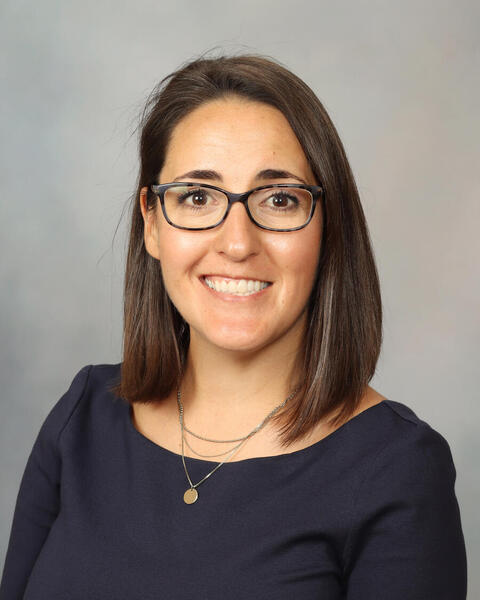
Elitza S. Theel, Ph.D., is a Professor of Laboratory Medicine and Pathology at Mayo Clinic College of Medicine, where she serves as a Consultant in the Division of Clinical Microbiology within the Department of Laboratory Medicine and Pathology. She directs the Clinical Microbiology PhD Fellowship program accredited through the American Society for Microbiology and contributes significantly to diagnostic laboratory medicine at Mayo Clinic and Mayo Clinic Laboratories. Dr. Theel's research interests focus on developing and evaluating serologic assays for diagnosing bacterial, viral, and fungal infectious diseases. Her work specifically targets infections caused by Borrelia burgdorferi , Histoplasma capsulatum , Dengue virus, and Strogyloides stercoralis . She has led significant advancements in vector-borne disease diagnostics, viral testing methodologies, and dimorphic fungal detection systems. Her research has direct clinical applications, with implemented assays available to patients and providers through Mayo Clinic Laboratories. Dr. Theel's publications reveal a consistent focus on diagnostic testing methodologies across infectious diseases, with particular emphasis on serologic approaches, molecular diagnostics, and laboratory equity. Her work spans from foundational parasitology studies to cutting-edge pandemic response research, demonstrating remarkable versatility within clinical microbiology. 2024 Fellow - American Academy of Microbiology 2021 Young Investigator Award from Pan American Society for Clinical Virology 2020 30 Under 40 Award from Business Insider 2020 Heroes of the Pandemic Honoree from Star Tribune 2017 40 Under 40 Honoree from American Society for Clinical Pathology As Editor for the Journal of Clinical Microbiology and the Clinical Microbiology Newsletter, and co-host of a monthly ASM-sponsored podcast, Dr. Theel plays a vital role in disseminating knowledge throughout the clinical microbiology community. She has also contributed to international laboratory outreach programs in Belize City, focusing on implementing high-impact diagnostic assays and optimizing laboratory quality and safety standards.
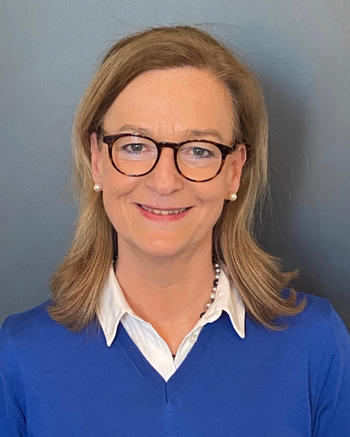
Susanne Hartmann is a Professor of Infectious Immunology and Director of the Institute of Immunology at the Department of Veterinary Medicine, Free University of Berlin. She has held this W3 professorship since October 2015, following a DFG Heisenberg Professorship (2011-2016) in the same field. Her academic career spans over two decades with previous positions at Humboldt University Berlin as Oberassistentin and Arbeitsgruppenleiterin (2005-2010), where she also completed her Habilitation in Parasitology (2004). Her research focuses on the immunology of parasitic infections, particularly nematode infections and host-parasite interactions. Dr. Hartmann's work explores how parasites like Ascaris modulate host immune responses, the relationship between parasites and the microbiome, and the metabolic interactions between hosts and parasites. Her laboratory employs advanced techniques including two-photon microscopy, fluorescence lifetime imaging, and detailed immunological analyses in both murine and porcine models. Analysis of her recent publications (2023-2025) reveals a strong emphasis on Ascaris research, particularly examining immune responses to larval stages, the impact of nematode infections on co-infections with bacteria like Salmonella, and the metabolic adaptations of both parasites and hosts. Her work increasingly incorporates advanced imaging techniques to study host-parasite interactions at the cellular and molecular levels, with significant focus on Th2 immunity, T cell responses, and microbiome-parasite interactions. Dr. Hartmann has received several prestigious awards including membership in the Leopoldina National Academy of Sciences (2018), the Innovationspreis of the Stiftung Familie Klee (2018), and the Teaching Award of the Free University Berlin (2018). Her DFG Heisenberg Professorship (2011-2016) recognized her exceptional research potential early in her independent career. She actively mentors doctoral students, with recent successful thesis defenses by Robert Mugendi Mugo and Zaneta Musimbi Kidiavai in 2025. Her research group maintains strong international collaborations, particularly with institutions in Kenya and Belgium, and she frequently presents at major parasitology conferences worldwide. As Director of the Institute of Immunology at the Center for Infectious Diseases (Robert von Ostertag House), she leads a research team investigating fundamental aspects of infectious immunology with translational applications in veterinary and potentially human medicine.
Stefan Ross is a Professor at the University of Duisburg-Essen, where he leads the Stefan Ross Research Group within the Institute of Virology. His academic career focuses on viral pathogenesis, particularly hepatitis C virus (HCV) and rabies virus, with extensive contributions to molecular diagnostics development, epidemiological surveillance, and clinical management of viral infections in immunosuppressed populations including transplant recipients and people who inject drugs. Professor Ross's research program integrates laboratory virology with clinical epidemiology to address critical gaps in viral disease understanding. His primary expertise spans HCV molecular typing and diagnostic standardization, rabies virus characterization, and viral kinetics in immunocompromised hosts. Notable work includes establishing dried blood spot methodologies for HCV serology, defining CMV replication patterns post-transplantation, and identifying risk factors for viral infections among vulnerable populations. His approach consistently bridges basic science with public health applications, particularly in harm reduction settings and nosocomial infection control. Analysis of his 2011-2025 publication record reveals three dominant research trajectories: 1) HCV epidemiology and diagnostics refinement (accounting for 45% of publications), featuring multi-center German studies on injection drug users and diagnostic assay validation; 2) CMV dynamics in transplantation (30% of publications), demonstrating viral replication's impact on relapse risk and immune reconstitution; 3) Emerging pathogen responses (25% of publications), including rapid SARS-CoV-2 variant surveillance and rabies prophylaxis guidelines. His work consistently emphasizes real-world diagnostic applicability and collaborative multi-institutional frameworks. Professor Ross directs the Stefan Ross Research Group at the University of Duisburg-Essen's Institute of Virology, maintaining active collaborations with multiple Arbeitsgruppen (research groups) including AG Bayer, AG Dittmer, and AG Trilling. His team participates in national consortia such as the DRUCK-study on drug-related infections and contributes to German medical guidelines including the S3-Leitlinie for HCV management. Current research priorities include wastewater-based SARS-CoV-2 surveillance and optimizing viral diagnostics for resource-limited settings.
Dr. Markus Keller is a researcher at the Friedrich-Loeffler-Institut (FLI) within the Institute of Novel and Emerging Infectious Diseases (INNT), specializing in zoonotic viruses and molecular diagnostics. Affiliated with INNT and involved in national and international research projects. Focuses on One Health , emerging infectious diseases , and pathogen transmission between animals and humans. His work includes studies on West Nile Virus , SARS-CoV-2 , and Orthonairoviruses , with recent publications analyzing antibody responses, diagnostic pitfalls, and viral circulation in wildlife. Contributed to projects like MOBILISE (mobile One Health laboratories) and EBOSURSY (Cameroon twinning for viral hemorrhagic fever diagnostics). Collaborates with teams in Germany and globally to strengthen biosecurity and disease surveillance.
Dr. Mandy Elschner is a working group leader at the Institute for Bacterial Infections and Zoonoses (IBIZ) within the federal research institution Friedrich-Loeffler-Institut in Jena, Germany. She specializes in veterinary virology and microbiology, focusing on high-risk zoonotic pathogens such as Burkholderia species and Bacillus anthracis . Her work involves molecular typing, epidemiological studies, and antimicrobial susceptibility testing. Contact: Telephone: +49 3641 804-2428 | Address: Naumburger Str. 96a, 07743 Jena Her research spans the detection of bacterial infections in animals, with applications in food safety, public health, and the One Health concept. She contributes to pathogen surveillance networks and standardization of diagnostic methods. Dr. Elschner has authored numerous publications on bacterial zoonoses since 1991, with recent work emphasizing molecular diagnostics and antimicrobial resistance trends. She leads a working group at IBIZ and collaborates with international agencies like WOAH.
Prof. Dr. Andrea Kröger serves as Research Group Leader of the Innate Immunity and Infection group at the Helmholtz Centre for Infection Research (HZI) in Braunschweig and holds a Professorship in Molecular Microbiology at Otto von Guericke University Magdeburg since June 2015. Her career spans over 25 years at HZI, beginning with doctoral studies in 1995 under Dr. Hansjörg Hauser. Her research focuses on interferon-mediated immune defense mechanisms against viral infections, particularly neurotropic viruses like tick-borne encephalitis virus and SARS-CoV-2. Key interests include: Type I interferon signaling in neuronal and glial cells Immune response dynamics during viral CNS invasion Interferon regulatory factors (IRF-1, IRF-7) in infection control Neuroinflammation mechanisms in viral pathogenesis Analysis of her 15 most recent publications (2021-2024) reveals a strong emphasis on neurovirology and interferon responses , with significant contributions to understanding SARS-CoV-2 immunity, flavivirus pathogenesis, and interferon signaling in brain aging. Her work bridges molecular virology, neuroimmunology, and translational infection research. Her laboratory actively investigates how innate immune responses protect against viral CNS invasion while balancing inflammatory damage. Current projects examine cGAS-STING signaling in brain aging, astrocyte-mediated interferon responses, and MAIT cell antiviral programming.
Marc Lütgehetmann, Dr. med., is a prominent researcher at the Institute of Medical Microbiology, Virology and Hygiene at the University Medical Center Hamburg-Eppendorf. With over 250 publications to his name, his work spans multiple areas of virology, microbiology, and infectious diseases diagnostics. His research has significant clinical implications, particularly in the areas of hepatitis viruses, transplant medicine, and emerging infectious diseases. Dr. Lütgehetmann's research interests primarily focus on viral pathogens including hepatitis viruses (HEV, HDV, HBV), SARS-CoV-2, HIV, and other emerging pathogens. His work combines laboratory research with clinical applications, particularly in developing and validating diagnostic methods. He has made significant contributions to understanding viral pathogenesis, immune responses to viral infections, and the development of molecular diagnostic techniques for various infectious diseases. His recent publications demonstrate a strong focus on diagnostic methodologies, including adaptation of high-throughput PCR systems, cell-free DNA sequencing for infection detection, and evaluation of commercial diagnostic panels. The research output shows a clear trajectory toward improving diagnostic accuracy and clinical utility in managing infectious diseases, particularly in immunocompromised patients and transplant recipients. Dr. Lütgehetmann collaborates extensively with researchers across multiple disciplines, as evidenced by his numerous co-authored publications spanning virology, immunology, hepatology, and clinical diagnostics. His work has appeared in high-impact journals including Nature Communications, Journal of Hepatology, and Hepatology.
Prof. Dr. Carlos A. Guzmán is a leading figure in vaccinology and applied microbiology, serving as Head of the Department of Vaccinology and Applied Microbiology at the Helmholtz Centre for Infection Research (HZI) and holding an APL professorship at Hannover Medical School. With over 260 publications and numerous patents, his research spans mucosal immunology, adjuvant development, and vaccine delivery systems, particularly focusing on Salmonella vectors and RNA-based vaccines. Education: Medicine (National University of Rosario, Argentina); specialization in Medical Bacteriology (Argentina); doctorates in Medicine/Surgery and Microbiological Sciences Research Pillars: Adjuvant discovery, DNA vaccines, mucosal delivery systems, and vaccine candidates against infectious diseases His work includes foundational studies on cyclic dinucleotides as adjuvants, self-replicating RNA vaccines, and translational projects like HeberNasvac for hepatitis B. Recent studies address aging-related vaccine responsiveness, pediatric respiratory infections in the LoewenKIDS cohort, and molecular insights into influenza and HCV immunogenicity. Scientific Contributions: Co-inventor of numerous international patents Key role in TRANSVAC infrastructure development Editorial board member for Vaccine , Frontiers in Mucosal Immunology , and others Current projects utilize the Helmholtz Centre's resources and collaborate with institutions across Europe, integrating systems immunology and nanotechnology for next-generation vaccines. The HZI's 60-year legacy and BRICS networks further amplify his impact.
Dr. Jana Heidrich serves as Head of the Licensing Authority within the Department of Experimental Animal Facilities and Biorisk Management (ATB) at the Friedrich-Loeffler-Institute (FLI) in Greifswald, Germany. A chamber-recognized specialist in veterinary parasitology holding a Dr. med. vet. degree, she bridges regulatory science and laboratory research in animal health diagnostics. Her research expertise centers on parasitic disease diagnostics, particularly Trichinella and Dicrocoelium infections in livestock. She has pioneered ELISA and PCR-based test validation for ovine dicrocoeliosis, canine liver flukes, and equine Lyme disease, while establishing Germany's regulatory frameworks for veterinary in-vitro diagnostic approvals. Publication trends from 2002-2014 reveal consistent contributions to diagnostic methodology and regulatory science, with emphasis on field validation of tests, biorisk management protocols, and OIE-aligned kit registration procedures. Her work directly impacts food safety, zoonotic disease control, and diagnostic standardization across European veterinary practices. As Licensing Authority head, Dr. Heidrich oversees approval processes for diagnostic kits at FLI's Riems Island facility, collaborating with international bodies like the OIE while managing biorisk protocols for high-containment animal facilities. Her leadership integrates scientific rigor with regulatory compliance in Germany's animal health infrastructure.
Prof. Dr. Christiane Fuchs is a full professor at the Faculty of Economics of Bielefeld University and heads the Data Science Group . She is also leading the Biostatistics Research Group and Core Facility Statistical Consulting at Helmholtz Munich . Her academic affiliations include the Bielefeld Graduate School of Economics and Management and the Bielefeld Center for Data Science (BiCDaS) . Education : MSc in Computational Modeling, Brunel University West London (2003) Diploma in Mathematics with Computer Science, University of Hanover (2005) PhD in Statistics, Ludwig Maximilian University of Munich (2010) Research interests span stochastic modeling , Bayesian inference , uncertainty quantification , and statistical applications in economics, medicine, and epidemiology. She specializes in diffusion processes , high-dimensional data analysis , and integrated statistical methods for cross-domain data (genomics, clinical, environmental). Recent publications focus on AI-driven clinical decision support systems , spatial epidemiology , fractional diffusion modeling , and statistical serology validation . Her work bridges methodological innovation in Bayesian statistics with real-world applications in infectious disease dynamics and hematological malignancies . Principal investigator in third-party funded projects from DFG , BMBF , NIH , and Helmholtz Association , including the UQ Consortium (2019-2024) and KoCo19 prospective COVID-19 cohort (2020-2024). She has developed statistical software packages like stochprofML and adaSC3 , and contributed to network-regularized regression methods. As Vice Rector for Research and Networking at Bielefeld University since 2023, she drives institutional research strategy while maintaining active roles in scientific societies including the International Society for Bayesian Analysis and Deutsche Statistische Gesellschaft .
Sacha Uljon, MD, PhD serves as Assistant Pathologist at Massachusetts General Hospital (MGH), Medical Director of the MGH Core Laboratory, and Medical Director of Clinical Labs at Nantucket Cottage Hospital. He is board-certified in Blood Banking/Transfusion Medicine and Clinical Pathology, holding faculty-level appointments within the Pathology Department at Harvard Medical School’s primary teaching affiliate. Dr. Uljon earned his combined MD and PhD degrees from Mount Sinai School of Medicine, followed by residency and fellowship training in pathology at Brigham and Women’s Hospital. His dual doctorate background grounds his work at the intersection of clinical diagnostics and translational research. Research Interests Clinical toxicology and detection of emerging illicit drugs (fentanyl, xylazine, levamisole) Laboratory methods for therapeutic and illicit drug monitoring using LC-MS/MS Quality assurance and interference studies in blood banking and transfusion medicine Proteomic approaches for biomarker discovery and protein quantification in biological fluids Impact of public policy (e.g., cannabis legalization) on emergency-department toxicology Across over 25 peer-reviewed publications spanning 1998 to 2025, Dr. Uljon’s scholarly output has evolved from fundamental molecular cloning and proteomic methodology to highly applied clinical studies that directly inform patient care and public health practice. Recent work highlights novel adulterants in street drugs, analytical interferences in pain-management testing, and obstetric toxicology considerations related to epidural fentanyl. Scientific Awards & Recognition No specific awards or honors are enumerated in the provided materials. Grants & Funding Narrative Grant details are not publicly listed; however, the breadth of collaborative multi-center studies and continuous publication output suggest ongoing grant support for translational laboratory research and quality-improvement initiatives. Laboratory & Team Leadership Dr. Uljon directs the Core Laboratory at MGH—one of the largest academic clinical laboratories in the United States—and oversees laboratory services at Nantucket Cottage Hospital. These roles encompass supervision of technologists, residents, fellows, and quality-management teams, ensuring cutting-edge diagnostic accuracy and regulatory compliance across a broad test menu that includes transfusion medicine and high-complexity toxicology assays.
John Branda, MD is an Associate Professor of Pathology at Harvard Medical School and serves as the Director of the Clinical Microbiology Laboratory at Massachusetts General Hospital , where he also holds the position of Associate Pathologist . University: Harvard Medical School Department: Pathology Lab: Clinical Microbiology Laboratory His research focuses on innovative diagnostic strategies in clinical microbiology, particularly for tick-borne infectious diseases like Lyme borreliosis. He has pioneered advancements in molecular diagnostics for difficult-to-culture pathogens and rapid testing protocols. Key publication areas include Lyme disease , diagnostic guidelines , and microbiology laboratory efficiency . His work has been cited in multidisciplinary clinical guidelines from the Infectious Diseases Society of America and others. The Clinical Microbiology Laboratory at Mass General processes over 500,000 specimens annually , offering expertise in bacteriology, virology, mycology, and molecular diagnostics.