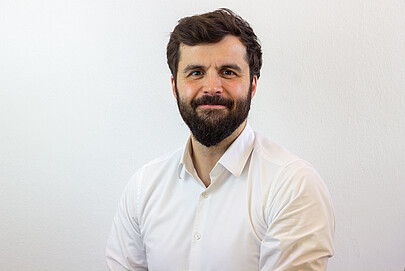
Dr. Patrick Gill is a Lecturer in English Literature at Johannes Gutenberg University Mainz, where he earned his PhD in 2007. His research emphasizes formalist approaches to literary texts and media, focusing on the mechanisms of signification rather than content. He investigates poetic forms, castaway narratives, audio fiction, short story cycles, TV seriality, and textual absences. Dr. Gill teaches advanced undergraduate and graduate courses in literary and cultural studies, emphasizing formal analysis of texts and popular culture genres. He specifically supervises BA, BEd, MA, and MEd theses centered on formalist methodologies. His 15 most recent publications demonstrate consistent focus on narrative structures across media, with research trends showing strong emphasis on poetic forms (30% of publications), Robinsonade adaptations (27%), and media studies (20%).
Elizabeth Reich is an Associate Professor in the Department of English at the University of Pittsburgh, affiliated with the Gender, Sexuality, and Women's Studies Program within the Kenneth P. Dietrich School of Arts and Sciences. Her research focuses on intersections of race, gender, and media studies with specific attention to Black feminist film practices, sonic studies, and cultural representation. She has conducted extensive work on African American cinema, queer theory, and documentary filmmaking. Reich’s scholarship bridges historical analysis and contemporary cultural critique, examining how marginalized communities utilize film to challenge dominant narratives. Her publications include explorations of Black women’s documentary traditions, sonic ontology in sci-fi narratives, and the erasure of Black soldiers in Hollywood cinema. She frequently collaborates with filmmakers to document underrepresented stories through innovative media forms. Her recent work emphasizes decolonial methodologies, interrogating how Black feminist frameworks reshape film criticism and production. Notable projects include roundtable discussions with prominent Black filmmakers and critical analyses of popular series like Stranger Things and Random Acts of Flyness. Reich’s writing appears in leading journals across film studies, gender studies, and cultural theory.
Florian Groß is a Lecturer in American Studies at the English Seminar within the Faculty of Humanities at Leibniz University Hannover. He serves multiple roles including Department Officer for IT Security and Representative of the Faculty of Humanities, demonstrating his integration into both academic and administrative structures of the institution. His scholarly work bridges literary studies, media theory, and urban cultural history with particular focus on serial phenomena across media forms. His educational background includes: M.A. in English/American Studies and Political Science from Leibniz University Hannover (2006) Thesis: "Just Another Appliance, a Toaster with Pictures: Postmodern Literary Engagements with TV in Don DeLillo and David Foster Wallace" Dr. Groß's research explores how serial forms like television series, podcasts, and world's fairs function as transnational cultural phenomena that shape identity formation and historical consciousness. He investigates the cultural history of New York City as a laboratory for negotiating authenticity, coolness, and creativity, particularly examining spaces like the High Line as sites where rural-urban tensions manifest. His work demonstrates how contemporary media forms build upon historical patterns of serial cultural production while adapting to new technological and social contexts. His publication pattern reveals consistent engagement with seriality across diverse media platforms, showing how cultural phenomena evolve while maintaining structural continuities. The thematic focus on New York City as a cultural laboratory connects his work on television, podcasts, and urban spaces, demonstrating how local contexts participate in global cultural flows. His scholarship consistently examines how authenticity is constructed within serial forms, whether in television comedy, world's fairs, or urban renewal projects. His recognized achievements include: Doktorandenkurzstipendium Deutscher Akademischer Austauschdienst for research at the Paley Center for Media, New York City Dr. Groß has been actively involved in academic service including organizing international conferences such as "Cultural Distinctions Remediated" (2011) and "The Aesthetics of Authenticity" (2010). His teaching engages directly with contemporary media forms, particularly television series, and he has shared his pedagogical approaches through guest lectures at institutions including TU Braunschweig and Georg-August-University Göttingen. His administrative roles within the Faculty of Humanities demonstrate his commitment to institutional development alongside his scholarly work. He maintains active participation in scholarly communities through memberships in the German Society for American Studies (DGfA), European Association of American Studies (EAAS), and International David Foster Wallace Society, regularly presenting his research at national and international conferences with presentations documented through 2023.
Prof. Dr. Britta Viebrock is a Full Professor of English Language Teaching (Didaktik der englischen Sprache und Literatur) at Goethe University Frankfurt since 2012. Her work bridges pedagogy, multilingualism, and digital innovation, with a focus on ethical research practices and teacher professional development. Key contributions to Content and Language Integrated Learning (CLIL) and transcultural competence. Editorial roles in journals like Fremdsprachen Lehren und Lernen and Language Education and Multilingualism . Research Interests: She explores the intersection of digital media, film literacy, and language education, advocating for critical engagement with multilingual research. Her work on series_serial literacy and ethical frameworks in teacher training highlights her interdisciplinary approach. Recent Trends: Her 2024 publications emphasize mental health discourse and digital sovereignty in EFL classrooms, while 2022-2021 studies analyze video-based feedback, CLIL sustainability, and ethical standards in multilingual research. Scientific Awards: Preis für die beste Promotionsbetreuung (2018) Active roles in editorial boards and review colleges. Advising & Grants: Mentorship in programs like ment² and MenTa. Collaborated on grants for digital teacher education (e.g., ENROPE Erasmus+ projects). Supervised PhD theses on film literacy and transcultural competence.
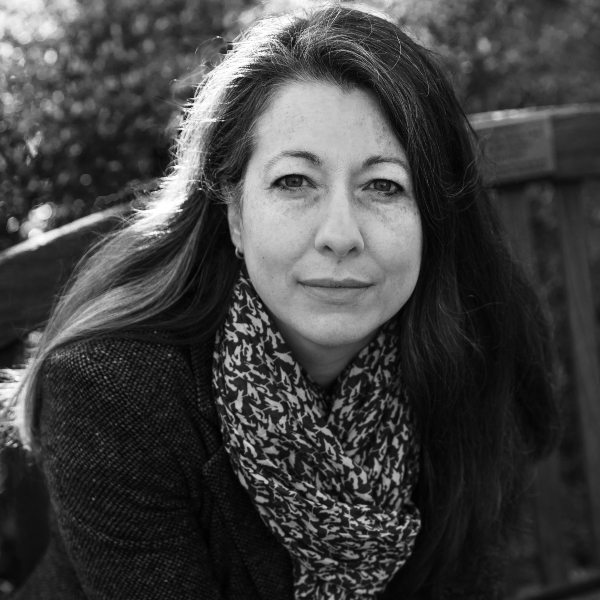
Dr. Wendy Roy is the Bateman Professor of English at the University of Saskatchewan, specializing in Canadian literature with a focus on gender, culture, and apocalyptic/dystopian narratives. Her research explores Canadian women's writing, particularly through SSHRC-funded projects like *Women of the Apocalypse* and *The Next Instalment*. She holds academic leadership roles, including past presidency of the Association for Canadian and Quebec Literatures and advisory board membership for *Studies in Canadian Literature*. Roy has authored books such as *The Next Instalment* (2019) and *Maps of Difference* (2005), and co-edited *Listening Up, Writing Down* (2012). She has received multiple teaching awards, including the 2016 Provost's Award for Outstanding Teaching. Her work bridges literary analysis, cultural studies, and pedagogical innovation, emphasizing interdisciplinary collaboration and graduate mentorship. Research Interests: Her studies center on apocalyptic/dystopian fiction, serial narratives, travel writing, and feminist literary analysis. Recent projects investigate Canadian women’s responses to global crises through speculative fiction. She also examines adaptations of classic texts like *Anne of Green Gables* and explores intersections of oral, written, and visual cultural forms. Publications: Over 20 peer-reviewed articles and book chapters, including analyses of Margaret Atwood, Carol Shields, and L.M. Montgomery. Upcoming publications include *ReVisions: Speculating in Literature and Film in Canada* (2025), a collection examining speculative Canadian narratives. Teaching & Mentorship: Teaches courses in Canadian literature, fiction, and drama. Supervised numerous MA and PhD students on topics like dystopian novels, Indigenous presence in modernist fiction, and comic book nationalism. Mentorship includes international scholars and collaborative projects, such as the 20/21 Vision conference. Honors: Finalist for Saskatchewan Book Awards and Literary Encyclopedia prizes. Active in professional organizations, fostering academic discourse and public engagement through conferences and edited volumes.
Nicole Stamant is the Fuller E. Callaway Professor of English at Agnes Scott College, where she has been a faculty member since 2011. She served as chair of the English department from 2018–2019 and 2020–2022, demonstrating leadership and deep engagement with her academic community. Her academic background includes a BA in English/Creative Writing and French from Sweet Briar College, and an MA and PhD in English from Texas A&M University, along with a Graduate Certificate in Women's and Gender Studies. Dr. Stamant's research focuses on life writing, memoir, and self-representation, particularly in the contexts of race, gender, ethnicity, and sexuality. She is especially interested in historically marginalized voices and literary forms. Her scholarship spans American literature, ethnic American literature, queer studies, and feminist theory, with a current project on hospitality in culinary memoir. Her recent publications reflect a strong trend in narrative activism, identity, and the politics of autobiography. She has written extensively on serial memoir, racial belonging, and the intersections of food, gender, and narrative. Her work appears in leading journals such as ARIEL , MELUS , a/b: Auto/Biography Studies , and South Atlantic Review . Vulcan Materials Company Teaching Excellence Award (2018) Fuller E. Callaway Professorial Chair (2022) She is the managing editor of a/b: Auto/Biography Studies and has served as first vice president of the South Atlantic Modern Language Association (SAMLA). She has advised on numerous academic panels, moderated literary events such as the Decatur Book Festival, and participated in public conversations on #MeToo and feminist storytelling. Her teaching and scholarship emphasize mentorship, student growth, and the transformative power of narrative. Dr. Stamant is actively involved in the academic and literary community through her editorial work, public engagements, and leadership roles, contributing significantly to the fields of life writing and feminist literary studies.
Stefania Rimini is a Full Professor of Cinema, Photography, and Television at the Department of Humanities, University of Catania. She holds the academic position of Full Professor in the disciplinary sector PEMM-01/B and is actively involved in research, teaching, and academic leadership. She supervises doctoral theses, leads the Catania Unit of the PRIN 2017 project 'Archives of the South', and coordinates the ARIE research project on opera and media. She also serves as the DISUM delegate for research coordination and is a member of several academic centers, including CRAD at the University of Turin and the Genus Center for Gender Studies. She co-directs the Class A journal Arabeschi with Maria Rizzarelli. Her research interests include intermediality, cinema museology, acting, stardom, documentary film, film archives, and audiovisual heritage. She emphasizes interdisciplinary methodologies and the study of tangible and intangible cultural heritage. Her work often intersects with theater, visual culture, and national/international cultural production. As part of her Third Mission, she curates exhibitions and seminars with local and international impact. The analysis of her recent academic output—particularly her supervision of student theses—reveals a strong focus on the intersections between cinema and other cultural forms such as sports, philosophy, music, literature, and digital media. Her research spans both historical and contemporary themes, from silent film comedy to modern music videos and biographical cinema. She consistently explores narrative, visual language, psychological depth, and cultural representation across genres and media. She has no listed scientific awards in the provided text. However, her leadership in national research projects and editorial roles underscores her academic prestige. Stefania Rimini advises numerous students at the master's level, covering diverse and innovative topics in film and media. Her supervision reflects a commitment to interdisciplinary inquiry and the exploration of cinema as a dynamic, evolving cultural force. She also participates in broader academic activities such as curriculum development and institutional research coordination. She is involved in multiple research initiatives, including the PRIN 2017 'Archives of the South', which examines non-fiction cinema and southern Italian landscapes between 1948 and 1968, and the ARIE project on contemporary opera. These projects involve collaboration with national archives and interdisciplinary teams focused on remediation, iconography, and environmental representation in audiovisual media.
Maren Lickhardt is a Professor of Modern German and General Literature at the University of Siegen, Faculty I. She has previously held academic positions at the University of Innsbruck, University of Greifswald, and Johannes Gutenberg University Mainz. Her research is centered on pop and popular culture, literary theory, narratology, serial and intermedial storytelling, and the literature and culture of the Weimar Republic. W3 Professor, University of Siegen (2024–present) Associate Professor, University of Innsbruck (2022–2024) Habilitation, University of Innsbruck (2022) Doctorate, Johannes Gutenberg University Mainz Her research interests include pop and popular culture, the picaresque novel from the 16th to the 21st century, narratology, serial storytelling, media aesthetics, and the interplay between literature and film. She investigates how popular narratives function across media, particularly in magazines, television, and digital platforms. Her recent publications and research projects focus on prefigurations of pop in 1920s and 1930s entertainment magazines, binge-watching culture, and transformations of literary forms in contemporary media. She is a principal investigator in the Collaborative Research Center 'Transformations of the Popular' and leads subprojects analyzing early pop culture formations. Prefigurations of Pop in 1920s Entertainment Magazines (SFB Project) Binge Watching: Cultural and Aesthetic Dimensions Handbook of the Weimar Republic: Literature and Culture (co-edited) Lickhardt has received recognition through research fellowships and guest lectureships, and she contributes regularly to public discourse via podcasts, radio interviews, and media commentary. She has co-edited several book series and journals in pop culture and literary studies, and she supervises academic projects and publications in her field. She is actively involved in academic communities, delivering invited lectures at institutions such as the University of Liverpool and participating in international conferences. Her public engagement includes features on BR2, MDR, NDR, and SWR, as well as contributions to online platforms like pop-zeitschrift.de and ZEIT ONLINE. Lickhardt leads and participates in collaborative research teams, including the SFB 'Transformations of the Popular' and editorial boards for journals such as Pop Culture and Criticism . She is also a regular contributor to the podcast series Problematisch Populär , engaging in interdisciplinary dialogues on contemporary cultural phenomena.
Deborah Jakubs is an Adjunct Associate Professor of History at Duke University's College of Arts & Sciences, with additional affiliations to Duke University Libraries. Her academic work bridges historical research and library science, focusing on Latin American cultural history through a multidisciplinary lens. Her research interests include: Social history of modern Latin America Immigration patterns Social history of tango Cooperative library resource development Jakubs' scholarship spans two major domains: 1) Argentine cultural history (particularly tango's evolution across continents) and 2) academic library management strategies. Recent publications analyze globalization's impact on cultural forms and explore innovative models for international library collaboration in the digital age. Key publication trends show her consistent engagement with: Transnational cultural analysis (1984-2018) Library cooperative ventures (1999-2015) Historiographic methodologies (1987-2018) Digital transformation challenges (2008-2015) Cultural identity debates (1983-2018)
Prof. Dr. Niels Werber is a faculty member in the Department of German Studies at the University of Siegen, within the Philosophical Faculty. He is a leading figure in the Collaborative Research Center (SFB) 1472 'Transformationen des Populären' and has founded the Research Center 'Populäre Kulturen'. He leads Project A01 on serial politics in pop aesthetics, focusing on superhero comics and science fiction novels like Perry Rhodan. His educational background includes a doctorate (1993) and habilitation in German Philology (2001), with an expanded venia legendi in Media Studies. He was appointed Professor for Modern German Literature at Siegen in 2008. Werber's research centers on popular culture, the dynamics of popularity, seriality, fan practices, paratexts, and the ideological implications of media forms. He investigates how popularity is constructed, maintained, and contested, especially through digital platforms, rankings, and social media. His work critically engages with the high/low cultural divide and explores how populism and media practices shape public attention. His recent publications analyze Donald Trump’s media strategies, Taylor Swift’s fan culture, Tolkien’s Middle-earth, and the mechanisms of depopularization. These works reveal a consistent focus on the political dimensions of popularity, the role of rankings in amplifying visibility, and the transformation of cultural legitimacy in digital environments. Scientific awards or fellowships are not mentioned in the provided texts. He actively mentors junior researchers such as Niels Penke and collaborates extensively within the SFB 1472. He has no indicated grants listed, but his leadership roles suggest involvement in major funded projects. He participates in podcasts, public lectures, and academic workshops, contributing to both scholarly and public discourse. Werber is a core member of several research groups, including the Cooperative Research Group (CRG) on 'Listen, Rankings, Charts' and 'Kommentar und Konflikt'. He is also involved in working groups on the politics of pop aesthetics, theories of the popular, and gender and intersectionality. His research is conducted through the Forschungsstelle 'Populäre Kulturen' and the SFB 1472 infrastructure.
Stacey Abbott is Professor of Film at Northumbria University's School of Design, Arts and Creative Industries. A renowned expert in horror and genre studies, she has authored influential works on vampire cinema, television horror, and science fiction. Her research examines the evolution of horror genres across film and television, with particular focus on vampire narratives and supernatural television. Professor Abbott's scholarship explores: Cultural representations of vampires and zombies Evolution of horror genres in global television Gender representations in genre media Television spin-offs and cult series She serves on editorial boards for multiple academic journals including Science Fiction Film and Television and Horror Studies, and has supervised PhD research on topics ranging from found footage horror to feminist vampire narratives. Professor Abbott frequently contributes to public discourse through appearances at film festivals, museum events, and media outlets including BBC Culture, Empire Magazine, and NPR.
Dr. Lindsy Lawrence is a Professor and Department Chair of English Rhetoric and Writing and Media Communication at the University of Arkansas - Fort Smith. She holds a Ph.D. in English from Texas Christian University (2008), an M.A. from Southern Methodist University (2002), and a B.A. in English and Secondary Education from Schreiner University (1999). A 2023 Lucille Speakman Master Teacher Award recipient, her expertise spans Victorian literature, digital humanities, cultural studies, and periodical pedagogy. Her research focuses on 18th- and 19th-century British literature, particularly Frances Hodgson Burnett’s transatlantic serial fiction, Elizabeth Gaskell, and Neo-Victorian adaptations in modern media like Doctor Who . She collaborates extensively with undergraduate researchers, emphasizing digital literacy and collaborative projects such as the Periodical Poetry Index , a digital bibliography she co-directs. Recent work includes analyzing domestic violence in Burnett’s The Shuttle , exploring poetry in Victorian periodicals like Belgravia , and developing pedagogical methods rooted in periodical studies. Her current project examines Burnett’s transatlantic author-publisher relationships and serial fiction reprinting dynamics. Dr. Lawrence’s academic contributions bridge traditional literary analysis and digital humanities, emphasizing collaboration and accessibility in scholarly research. She actively promotes undergraduate research initiatives and innovative teaching methodologies.
Stephen Goss is Professor of Composition and Director of the International Guitar Research Centre at the University of Surrey, and also holds a professorship at the Royal Academy of Music. His compositions are widely performed at major venues such as Wigmore Hall, Carnegie Hall, and Tchaikovsky Hall, and have been recorded on over 100 albums by labels including Decca, EMI, and Naxos. Professor of Composition, Department of Music and Media, University of Surrey Director, International Guitar Research Centre (IGRC) Professor of Guitar, Royal Academy of Music Board Member: Incorporated Society of Musicians, Guitar Foundation of America, International Guitar Foundation Goss’s research and compositional practice centers on pluralism in music, the late 20th and early 21st centuries, guitar history and repertoire, and performance practices. His work is marked by a fascination with time, place, and the juxtaposition of contrasting styles, often blurring the lines between composition, transcription, and improvisation. As a performer and collaborator, he has worked with composers such as Tōru Takemitsu and Peter Maxwell Davies, and performers including John Williams and Dame Evelyn Glennie. His recent compositions, such as Wynwood Walls , Landscape and Memory , and The Alchemist , reveal a continued exploration of narrative, visual art, and intercultural dialogue. These works often feature hybrid instrumentation and programmatic themes, reflecting his eclectic and forward-looking approach. Scientific Awards and Honors: Ivor Novello Award nomination (2021) for Still Life Fellow of the Royal Academy of Music (FRAM, 2018) Honorary Associate of the Royal Academy of Music (ARAM, 1999) Julian Bream Prize (Royal Academy of Music) Goss has supervised over 25 PhD students in areas including contemporary composition, guitar pedagogy, performance practice, and cross-cultural collaborations. He has received commissions from leading artists such as Nicola Benedetti, Ian Bostridge, and David Russell. He is also an active speaker and keynote lecturer at international conferences, addressing topics such as collaboration, improvisation, and the politics of nostalgia in music. He leads the International Guitar Research Centre, fostering global research and innovation in guitar studies. He is a D’Addario artist and an Arsenal FC season ticket holder.
Professor Mark Evans is the Interim Dean of the Faculty of Design, Architecture and Building at the University of Technology Sydney (UTS). Previously, he held roles as Pro Vice-Chancellor (Enterprise Learning) and Head of the School of Communication at UTS. His academic career spans over 12 years in senior administrative positions, emphasizing institutional transformation, international partnerships, and interdisciplinary learning solutions. Research Interests: Evans is a leading scholar in digital disruption within media industries, focusing on music and journalism. His work examines the internationalization of higher education curricula in transnational ventures. He has authored/edited seven books, including studies on digital music industries and religious influences in popular culture. His research often bridges cultural studies, media ethics, and creative industry dynamics. Professional Contributions: He has held Visiting Professorships at NYU, University of Amsterdam, and Turku University. His funded research includes an ARC grant on 'Duty of Care in the Contemporary Music Industries'. He edits academic journals like Perfect Beat and oversees series such as Genre, Music and Sound . Academic Leadership: Evans collaborates with industry partners to design custom learning programs and has developed cross-disciplinary curricula. His leadership focuses on enhancing teaching quality, research impact, and institutional revenue strategies.
Johan Wijkmark is a Researcher at Karlstad University, affiliated with the KuFo research group specializing in culture studies. His work spans speculative fiction, science fiction, and the cultural significance of Antarctica across historical periods. He explores how Antarctic representations evolve from early 19th-century mystery to contemporary ecological and conspiracy-themed narratives. Wijkmark also investigates Edgar Allan Poe’s legacy, particularly in Swedish literary contexts, and co-authored Translated Poe (2014). His research extends to popular culture, analyzing fictional violence in media and co-editing Våldsamma Fantasier (2014) on violence’s functions in fiction. He teaches literature, cultural studies, and philosophy of science through Collegeåret programs. His educational background is not explicitly detailed, but his publications reflect deep engagement with American literature, Gothic traditions, and interdisciplinary cultural analysis. Wijkmark’s Antarctic-focused studies trace its symbolism from the Heroic Age of exploration to modern ecological discourse. Current projects include digital age constructions of originality in popular music and intercultural Poe translations. His collaborative efforts highlight interdepartmental and international scholarly networks. Despite no listed awards, his prolific publications and editorial roles underscore academic impact. His advising and grants are unspecified, but his research spans multiple eras and genres, emphasizing historical and cultural context. Wijkmark’s work bridges literature, media, and environmental studies, reflecting a commitment to interdisciplinary inquiry.