Peter Micalosمشاهده پروفایل
مدرس ارشد
- Anatomy
- Physiology
- Pain Research
- +۷ مورد دیگر
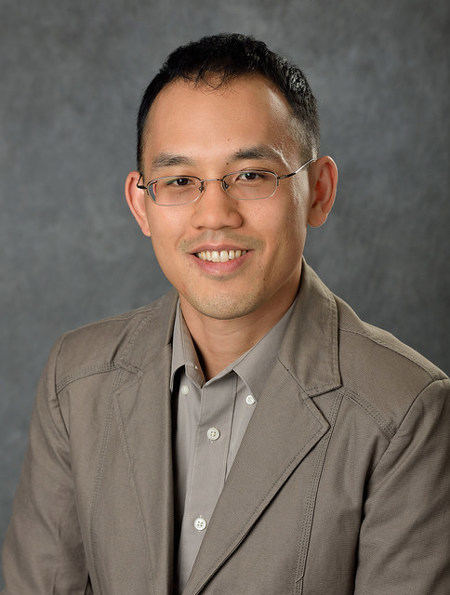
Dr. Peter Micalos is a Senior Lecturer in Anatomy and Physiology at Charles Sturt University's School of Dentistry and Medical Sciences, based at the Port Macquarie campus. With extensive experience in teaching anatomy, pathophysiology, and exercise science, he applies engaging pedagogical approaches across various learning levels. As the School Honours Advisor for the B.Sci (Honours) program, he plays a significant role in academic guidance at the institution. Dr. Micalos's educational background includes a PhD in Neurosensation, Pain, and Exercise, completed between 2005-2012, with research focused on "The effect of aerobic exercise on pain and neurosensory modulation in healthy participants and with chronic pain disorder." His teaching philosophy emphasizes analytical reasoning through observation and interpretation, utilizing scaffolded and sequential learning strategies that foster lifelong learning. His research spans diverse areas of human health including pain mechanisms, exercise science, cancer, nutrition, the human microbiome, and Parkinson's disease. Dr. Micalos has secured over $80,000 in external research funding and has published more than 20 scientific articles, literature reviews, an edited book, and a book chapter, accumulating over 500 citations in Google Scholar with an h-index of 9. His recent publications demonstrate a strong focus on rice bran arabinoxylan compounds in cancer treatment, Parkinson's disease in regional Australia, and prehospital emergency care. Dr. Micalos has received multiple awards including the CRGT Completion Award (2012) and School of Biomedical Sciences Teaching Awards (2017, 2019). His significant research contributions include collaborations with Westmead Hospital's Department of Radiology, the Brain Dynamics Centre at CSU, the University of Aalborg in Denmark, and the University of Technology Sydney. His work on pain measurement employs sophisticated techniques including nociceptive withdrawal reflex, sensory perceptual ratings, somatosensory cortical evoked potentials, and functional magnetic resonance imaging.