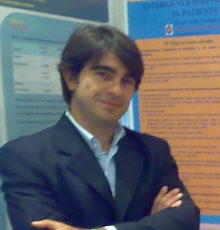
Alessandro Toni is a Research Professor at the Department of Social and Economic Sciences, Sapienza University of Rome. He teaches courses such as Psychology in Social Services and Social Psychology , coordinating exams and student advising. His office hours and course schedules are regularly updated via institutional platforms like Google Classroom. His research spans social and developmental psychology, with emphases on: Attachment theory and early-life experiences, including child abuse impacts Cognitive and attributional processes in moral development Emotional regulation, alexithymia, and mindfulness Leadership styles and interpersonal communication He employs quantitative methods to study psychosocial disorders, parenting dynamics, and trauma outcomes. Publications (2019–2025) focus on moral disengagement, emotional skills mediation, and psychosocial distress. Trends include longitudinal analyses of attachment styles, intergenerational trauma transmission, and pandemic-related mental health crises. No awards or funded grants are documented.
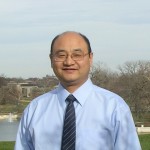
Nicholas C. Bala serves as the William R. Lederman Distinguished University Professor at Queen's University Faculty of Law, where he has been a core faculty member since 1980. An internationally recognized expert in children, youth, and families within the justice system, he teaches Family Law and Contract Law while maintaining visiting professorships at McGill, Osgoode Hall, Duke, and the University of Calgary. His academic foundation includes: B.A. from the University of Toronto J.D. from Queen's University LL.M. from Harvard Law School L.S.M. degree Professor Bala's research centers on Family and Children's Law, with deep exploration of parental separation dynamics, domestic violence impacts on children, parental alienation, child witness competency, and systemic access to family justice. His interdisciplinary methodology integrates perspectives from psychology, social work, criminology, and healthcare to analyze justice system impacts on vulnerable populations. With over 225 publications cited by Canadian Supreme Court and international tribunals, his work bridges theoretical rigor and practical legal application. Recent publications (2020-2025) reveal consistent thematic evolution toward interdisciplinary solutions for family justice challenges. Key trajectories include virtual court proceedings' efficacy, parental alienation interventions, family violence risk assessment, and child witness protection protocols. His scholarship demonstrates increasing integration of technology, trauma-informed approaches, and cross-jurisdictional policy analysis while maintaining foundational focus on children's rights within adversarial systems. His distinguished recognition includes: Queen’s University Prize for Excellence in Research (2006) Stanley Cohen Distinguished Research Award (AFCC) Ontario Bar Association Excellence Award and Law Society Medal (2009) Fellow of the Royal Society of Canada (2013) William R. Lederman Distinguished Professorship (2019) Three-time Law Students Society teaching award recipient Professor Bala actively mentors JD and graduate students through federally funded research initiatives, including SSHRC projects on child witnesses (1999-2014), family justice access (2014-2022), and current Ontario family justice systems analysis (2023-2028). His grant portfolio features sustained support from the Social Sciences and Humanities Research Council, Law Foundation of Ontario, and Canadian Foundation on Legal Research, totaling over two decades of continuous interdisciplinary funding. He directs multidisciplinary research collectives including the AFCC-Ontario Parenting Plan Task Force (2020-2023) that developed standardized templates adopted across Canadian provinces. His collaborative networks integrate judicial educators, clinical psychologists, and child welfare specialists to transform evidence into courtroom protocols and legislative reforms.
Dr. Mudrika Khandelwal is an Associate Professor in the Department of Materials Science and Metallurgical Engineering at Indian Institute of Technology Hyderabad. She holds a Ph.D. from the University of Cambridge (2013) and completed her M.Tech and B.Tech at IIT Bombay. Her research focuses on sustainable materials development through cellulose-based composites and nanotechnology for applications in drug delivery, food packaging, energy storage, and environmental remediation. Education: Ph.D. (University of Cambridge), M.Tech/B.Tech (IIT Bombay) Current Role: Associate Professor & Dean of Alumni Relations (appointed 2022) The Cellulose Group at IIT Hyderabad emphasizes interdisciplinary research combining materials science, chemistry, and biomedical engineering. Their work involves manipulating cellulose at nano and micro scales with inspirations from natural structures to address societal challenges in healthcare, food preservation, and renewable energy systems. Key funded projects include the SERB Women Excellence Award for medicated dressings, National Technical Textiles Mission initiatives for filtration applications, and several SERB/DST grants for cellulose-derived energy materials. The group maintains active collaborations across India, UK, Australia, and Singapore. Scientific Awards SERB Women Excellence Award (2022) IIT Hyderabad Faculty Research Excellence Award (2021) Young Associate, Indian National Academy of Engineering (2020) Platinum Jubilee Young Scientist Award (NASI, 2021) Young Engineer Award (INAE, 2020) The group has advanced laboratory facilities including battery testing systems, nanofabrication equipment, and drug release characterization tools. Dr. Khandelwal supervises both PhD and M.Tech students while leading multiple industrial collaborations with companies like Malai Biomaterials and Eaton.
Laxmidhar Behera is a Professor in the Department of Electrical Engineering at the Indian Institute of Technology Kanpur, specializing in Intelligent Systems and Control. With over two decades of academic experience at IIT Kanpur and international research experience at institutions including Fraunhofer Institute of Autonomous Intelligent Systems in Germany, ETH Zurich, and University of Ulster, he has established himself as a leading researcher in cognitive robotics and intelligent control systems. Dr. Behera's research spans multiple cutting-edge domains including Cognitive Robotics, Nano-robotics, Vision based Control, Soft Computing, Information Retrieval in music and language, Semantic Information Processing, Physics of Complex Systems, Cyber Physical Systems, Formation Control of UAVs, Brain-Computer Interface (BCI), and Sanskrit Computational Linguistics. His interdisciplinary approach bridges traditional control theory with modern computational intelligence techniques, creating innovative solutions for complex real-world problems. His extensive publication record in top-tier journals like IEEE Transactions demonstrates his leadership in areas such as brain-computer interfaces, visual servoing, multi-robot systems, and music information retrieval. Notably, his work on quantum neural networks for EEG filtering and multisatellite formation control has received significant attention in the research community. UKIERI Standard Research Award 2008 Best Paper at International Conf. on Intelligent Sensors and Information Processing (ICISIP-2004) Best Paper at WoSco,02, Int. Conf. High-Performance Computing (HiPC, 2002) AICTE career award for young teacher (1997) Senior Member IEEE Multiple IEEE top accessed articles (2009-2010) As an Associate Editor for Autosoft Journal and Technical Committee Member for Intelligent Control at IEEE Control System Society, Dr. Behera actively contributes to the academic community. His laboratory in the Western Lab - 212A of the Department of Electrical Engineering serves as a hub for research in intelligent systems, where he mentors students and collaborates with researchers worldwide on cutting-edge projects in robotics, control systems, and computational intelligence.
William Schonberg is a Professor in the Department of Civil, Architectural and Environmental Engineering at Missouri University of Science and Technology, specializing in aerospace engineering applications within civil infrastructure frameworks. His research bridges terrestrial engineering disciplines with space exploration challenges, particularly in spacecraft protection systems and lunar resource utilization. His primary research domains include: Micrometeoroid and Orbital Debris (MMOD) risk analysis and mitigation strategies Development and refinement of ballistic limit equations for spacecraft shielding Lunar regolith processing for in-situ resource utilization (ISRU) Space law frameworks addressing orbital debris accountability Electrostatic and magnetic separation techniques for regolith beneficiation Aluminum extraction from lunar materials via molten salt electrolysis Analysis of his 2023-2025 publications reveals a dual research trajectory: advancing Mars Sample Return mission safety through MMOD risk uncertainty modeling for Earth Entry Systems, and pioneering lunar resource processing technologies. His MMOD work focuses on probabilistic risk assessment methodologies for spacecraft shielding, while his ISRU research demonstrates practical approaches for sustainable lunar exploration through regolith beneficiation and metal extraction. No scientific awards were documented in the source materials. Information regarding graduate student advising, grant funding, or laboratory facilities was not explicitly provided in the available texts.
Shoji Makino is a Professor at Waseda University's Graduate School of Information, Production and Systems. He has held academic and research positions at institutions such as the University of Tsukuba and NTT Communication Science Laboratories. His work spans acoustic signal processing, blind source separation, and adaptive filtering. Education: Ph.D., Tohoku University (1993.03) Mechanical Engineering, Tohoku University Graduate School of Engineering (1979.04–1981.03) Engineering, Tohoku University Faculty of Engineering (1975.04–1979.03) Research Interests: His research focuses on acoustic signal processing for speech and audio, including blind source separation (BSS) , beamforming , and adaptive filtering . He pioneered methods for solving permutation alignment in frequency-domain BSS and developed geometrically constrained ICA techniques. Scientific Awards: Hoko Award (2018.10, Hattori Hokokai Foundation) Outstanding Contribution Award of the Institute of Electronics, Information, and Communication Engineers (2018.06) IEEE Signal Processing Society Best Paper Award (2014.01) IEEE Fellow (2004.01) IEICE Achievement Award (1997.05) Committee Memberships: He has served as Chair of the IEEE CAS Society's Blind Signal Processing TC, General Chair of IEEE WASPAA2007, and Associate Editor of IEEE Trans. SAP. He is actively involved in EURASIP, APSIPA, and the Acoustical Society of Japan.
Xudong Fan is a Professor at the University of Michigan specializing in advanced analytical and diagnostic technologies. His work bridges engineering, chemistry, and clinical medicine through innovative device development. His research focuses on: Miniaturized gas chromatography systems for portable chemical analysis and planetary science missions Optofluidic immunoassays using biolasers for ultrasensitive, label-free biomarker detection Machine learning integration for chromatographic data analysis and biosensor accuracy enhancement Breath-based diagnostics for cancer, infectious diseases, and respiratory conditions Microfluidic platforms requiring minimal sample volumes (e.g., 1μL fingertip blood) Professor Fan's 2025 publications reveal a strong emphasis on device miniaturization, automation, and multimodal sensing. Key trends include the convergence of micro-GC with photoionization detectors for field-deployable chemical analysis, deep learning solutions for chromatographic co-elution challenges, and biolaser-based platforms enabling antigen-independent cancer cell detection. These efforts target affordable point-of-care diagnostics with applications in tuberculosis monitoring, COVID-19 immunity assessment, and early lung cancer screening through breath analysis. His work demonstrates significant translational impact, particularly in resource-limited settings where cost, portability, and minimal sample requirements are critical. Current projects show strong alignment with NASA planetary science objectives through micro-GC development for extraterrestrial organic analysis.
Associate Professor Pierre Le Clech is a leading expert in membrane science and chemical engineering at the University of New South Wales , affiliated with the UNESCO Centre for Membrane Science & Technology. His work focuses on optimizing membrane processes for water and wastewater treatment, particularly addressing fouling mechanisms caused by biopolymeric materials and algal blooms. Current research explores fouling characterization, energy-efficient desalination, and membrane regeneration strategies. He contributes to Desalination and Water Treatment as Associate Editor, and serves on the editorial boards of Membrane Water Treatment and Process Safety and Environmental Protection . Research Trends : Recent publications highlight advancements in algal fouling analysis, graphene oxide membrane applications, and computational modeling of fouling dynamics. His work bridges chemical engineering with environmental technology , emphasizing sustainable solutions for global water challenges. Scientific Awards : Associate Editor, Desalination and Water Treatment Editorial Board Member, Membrane Water Treatment and Process Safety and Environmental Protection Supervision & Collaboration : He actively supervises projects in municipal wastewater treatment, potable water systems, and membrane fouling mitigation. His team collaborates with industry partners on innovations like solar-integrated desalination and biofouling prevention.
Dr. Stephanie Lansing is a Professor in the Department of Environmental Science & Technology at the University of Maryland's College of Agriculture and Natural Resources. She directs the Bioenergy and Biotechnology Lab, focusing on renewable energy systems, waste treatment, and the Food-Energy-Water Nexus. Her work spans ecological engineering, antimicrobial resistance mitigation, and sustainable bioplastic production from organic waste. College of Agriculture and Natural Resources Environmental Science & Technology Bioenergy and Biotechnology Lab Her research integrates anaerobic digestion , microbial fuel cells , and nutrient recovery to address global sustainability challenges. Recent projects examine bioplastic formation from food waste and AMR dynamics in manure systems , with fieldwork in the US, Africa, and Latin America. She co-developed the NourishNet platform combining real-time surplus food distribution ( FoodLoops ) with spoilage detection ( Quantum Nose ). Active grants exceed $6 million, including two major DOE awards for biofuel and bioplastic production from food waste. Her lab collaborates with institutions like Virginia Tech, Idaho National Laboratory, and international partners. Current team members include PhD candidates Maureen Nabulime and Adanyro Atilago, MS student Rafian Aziz, and undergrad researchers exploring waste-to-energy systems.
Andrea Dorigato serves as an Associate Professor in the Department of Industrial Engineering at the University of Trento, Italy, with his office located at Via Sommarive, 9 - 38123 Povo. His contact information includes telephone 0461 283724 and email andrea.dorigato@unitn.it. He actively teaches courses including Circular Economy for Materials Processing , Engineering Properties of Materials , Recycling and Sustainable Materials , and Laboratory of Polymer Technologies and Sustainability across multiple degree programs in Materials Engineering and Industrial Systems Engineering. Dr. Dorigato's research spans sustainable materials engineering with expertise in biopolymers, carbon nanotube composites, thermo-mechanical characterization, and energy storage systems. His work emphasizes circular economy principles through polymer blend compatibilization, phase separation control, and development of silsesquioxane-enhanced composites. Key focus areas include self-healing structural materials, biodegradable packaging solutions, and agricultural applications of wood-derived topsoil covers. His recent 2025 publications reveal a strong trend toward environmental impact assessment and sustainable material innovation. Dominant themes include life cycle analysis of packaging/building materials, self-repairing composites for structural applications, biopolymer-based agricultural solutions, and furanoate polyester development for biodegradable products. The research consistently integrates experimental characterization with environmental performance metrics. No scientific awards were documented in the provided sources. Information regarding student advisement, research grants, laboratory facilities, or collaborative teams was not specified in the available materials.
Patrick Ayotte is a Full Professor and Infrastructure Adjunct in the Department of Chemistry at the University of Sherbrooke. He holds an M.Sc. in Radiobiology from the University of Sherbrooke (1995) and a Ph.D. in Chemistry from Yale University (1999), followed by postdoctoral training at the Environmental Molecular Sciences Laboratory, Pacific Northwest National Laboratory (2001). Education M.Sc. in Radiobiology, University of Sherbrooke, 1995 Ph.D. in Chemistry, Yale University, 1999 Postdoctoral Fellowship, Environmental Molecular Sciences Laboratory, Pacific Northwest National Laboratory, 2001 Research Interests Professor Ayotte's research focuses on the physics and chemistry of ice interfaces, utilizing advanced spectroscopic techniques, optical/electron microscopy, molecular beams, and surface science to investigate heterogeneous reaction kinetics and dynamics. His group integrates experimental data with molecular modeling to elucidate molecular-level mechanisms in astrochemistry and environmental chemistry, particularly for interstellar and atmospheric phenomena. Current projects include heterogeneous hydrolysis kinetics of nitrogen dioxide on ice, separation of nuclear spin isomers of water, and mitigation strategies for fugitive dust emissions from mining residues. Advising and Grants No specific details regarding graduate student advising or grant funding were provided in the source text. Laboratory and Research Team His laboratory employs specialized instrumentation for ice surface analysis, focusing on experimental and computational studies of heterogeneous processes relevant to cosmic and terrestrial environments.
Eric Mandelbaum is a Professor of Philosophy at Baruch College, City University of New York (CUNY), where he holds the Ruth Printz O'Hara '52 Professorship. He also maintains an appointment at the CUNY Graduate Center Department of Philosophy. His scholarly work bridges philosophy and cognitive science, with a particular focus on the nature of belief, mental representation, and cognitive architecture. Professor Mandelbaum's primary research interests include Philosophy of Cognitive Science and Philosophy of Mind, with significant contributions to understanding belief systems. His work has developed the influential Spinozan model of belief fixation, which posits that merely contemplating a proposition entails believing it, with rejection requiring a separate, effortful process. He has also advanced a fragmented model of belief storage, challenging the traditional unified web of belief in favor of multiple, context-sensitive belief stores. His research extends to language of thought hypothesis, implicit bias, and the psychological immune system that governs belief change. Analysis of Mandelbaum's publication record reveals a consistent trajectory of integrating philosophical analysis with empirical findings from psychology and cognitive science. His recent work demonstrates an increasingly interdisciplinary approach, connecting belief science to mental health applications, language processing, and social cognition. A distinctive feature of his scholarship is the development of mechanistic explanations for seemingly incompatible aspects of belief, showing how belief can simultaneously be discerning, credulous, rational, and irrational. Ruth Printz O'Hara '52 Professorship While specific details about Professor Mandelbaum's advising activities are not explicitly documented in the available information, his extensive publication record featuring numerous collaborations suggests active mentorship and research leadership. His work appears to be supported by institutional resources at CUNY, and likely external research grants given the scope and interdisciplinary nature of his investigations into belief systems and cognitive architecture. His frequent co-authorship with researchers across multiple institutions indicates participation in collaborative research networks. Professor Mandelbaum's research is conducted through collaborative networks spanning philosophy, psychology, and cognitive science disciplines. His frequent co-authorship with scholars like Nicolas Porot, Jake Quilty-Dunn, and others suggests leadership in research teams focused on belief systems, language of thought, and implicit cognition. These collaborations demonstrate his commitment to interdisciplinary approaches that bridge philosophical analysis with empirical cognitive science.
Mark Tibbitt is an Associate Professor in the Department of Mechanical and Process Engineering at ETH Zürich, where he also serves as Deputy Head of the Department. His research focuses on macromolecular engineering , integrating chemical engineering, synthetic chemistry, and biology to design responsive soft materials for biomedical applications. Key areas include drug delivery, regenerative medicine, and biomaterials with tunable mechanical properties. Education: B.A. in Integrated Science and Mathematics, Northwestern University Ph.D. in Chemical Engineering, University of Colorado Boulder NIH Postdoctoral Fellow, MIT (2013–2017) Research Interests: His lab develops user-programmable materials to study biological processes and solve clinical challenges. Current projects explore stimuli-responsive hydrogels, ex situ organ perfusion, and biomaterials for tissue engineering. The Macromolecular Engineering Laboratory emphasizes interdisciplinary collaboration across engineering, chemistry, and medicine. Labs/Teams: He leads the Macromolecular Engineering Laboratory at ETH Zürich, dedicated to advancing dynamic biomaterials and their clinical translation.
Quanxi Jia is a SUNY Distinguished Professor, Empire Innovation Professor, and National Grid Professor of Materials Research at the University at Buffalo. He holds appointments in the Department of Materials Design and Innovation within the School of Engineering and Applied Sciences and serves as Scientific Director of the New York State Center of Excellence in Materials Informatics (CMI). Education: PhD in Electrical and Computer Engineering, University at Buffalo, 1991 MS in Electronic Engineering, Jiaotong University, Xian, China, 1985 BS in Electronic Engineering, Jiaotong University, Xian, China, 1982 Research Focus: Jia's work centers on advanced electronic and energy materials, particularly epitaxial thin films and heterostructures. His research investigates processing-structure-property relationships, monolithic integration of functional materials, and superconductors for quantum/energy applications. Key methodologies include pulsed laser deposition and polymer-assisted techniques, with emphasis on oxide heterostructures , memristive devices , and multiferroic systems for next-generation electronics. Publication Trends: Recent publications (2023-2025) reveal dominant focus on neuromorphic computing via resistive switching devices (58% of sampled works), superconducting thin films for quantum applications (20%), and strain-engineered oxide heterostructures (22%). His group pioneers HfO 2 -based artificial neurons, NbN superconducting films on CMOS platforms, and multiferroic membranes, demonstrating strong industry-academia translation potential. Scientific Recognition: Fellow of Los Alamos National Laboratory Fellow of Materials Research Society (MRS) Fellow of American Physical Society (APS) Fellow of American Ceramic Society (ACerS) Fellow of AAAS Fellow of IEEE Fellow of National Academy of Inventors (NAI) Leadership & Infrastructure: As CMI Scientific Director, Jia oversees New York's flagship materials informatics initiative integrating AI with experimental materials science. His prior directorship of DOE's Center for Integrated Nanotechnologies (Los Alamos/Sandia) established expertise in national lab collaboration. The group maintains 50+ U.S. patents and 500+ publications, with current work targeting quantum device integration and sustainable neuromorphic hardware. Research Ecosystem: The CMI hub connects Jia's team with industry partners (including National Grid) and national labs, facilitating rapid prototyping of energy materials. Current thrusts include machine learning-guided ferroelectric design, CMOS-compatible superconductors, and recyclable perovskite sensors, positioning the group at the semiconductor-energy nexus.
Prof. Remko Boom is a Full Professor of Food Process Engineering at Wageningen University & Research. His research focuses on sustainable food systems, plant-based alternatives, and advanced food processing technologies such as 3D food printing, membrane filtration, and protein functionalization. Key areas include edible robotics, animal-free cheese alternatives via artificial casein micelles, and functional ingredient extraction from plant and insect-based sources. He collaborates globally on biorefinery processes and contributes to edible robotic systems through material science innovations. Education Background: PhD in Food Technology (exact details not specified) Master's/Undergraduate degrees in relevant engineering disciplines (not explicitly stated) Research Interests: Prof. Boom's work spans food process engineering with emphasis on: - Development of plant-based protein ingredients using mild fractionation techniques - 3D-printed food materials with tailored mechanical properties - Electrophoretic and membrane-based separation technologies for food components - Engineering edible casein micelles for cheese analogues - Biodegradable robotics using food-grade materials Recent Research Trends: Publications from 2024-2025 highlight advancements in: - 3D-printed starch cryogels and protein-based composites - Oleosome extraction and encapsulation of bioactive compounds - Functional characterization of artificial casein micelles - Edible robots powered by Marangoni propulsion Awards & Recognition: No specific awards listed in available data, though his work has received significant media attention including features on edible robotics and sustainable food innovations. Advising & Collaboration: Supervising 87+ PhD projects including work on: - Electrohydrodynamic drying - Brewer's spent grain valorization - Recombinant protein purification Active in industry partnerships for scaling-up electrophoretic separation and 3D food printing technologies Labs & Teams: Leads research groups focused on: - Advanced Food Processing Technologies - Sustainable Ingredient Development - Biorefinery Applications in Food Systems