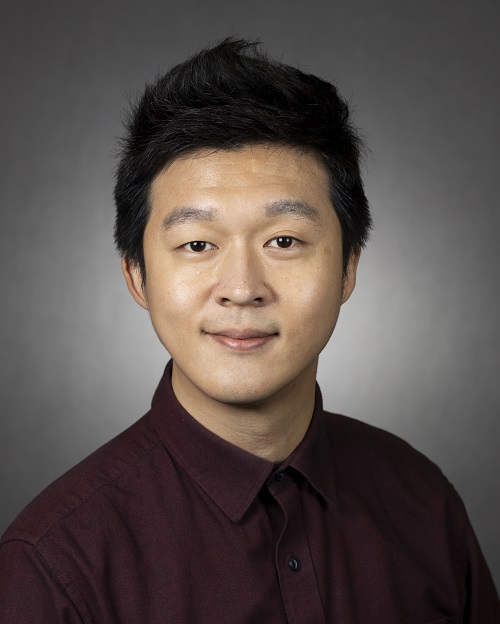
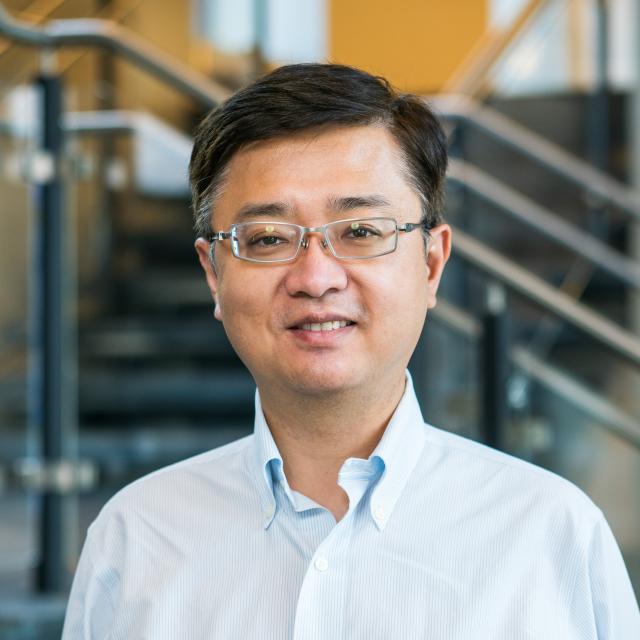
Joonhyuk Suh is an Assistant Professor in the Department of Food Science & Technology at the University of Georgia's College of Agricultural & Environmental Sciences. His research focuses on applying analytical chemistry and metabolomics/flavoromics to enhance food flavor, quality, and safety. Research Interests : Multidisciplinary food chemistry analysis Metabolite and flavor profiling Nut and fruit quality evaluation Dairy product flavor chemistry Food safety biomarkers Recent Publication Trends (2025-2022) show expertise in: Metabolomic evaluation of agricultural products Flavor chemistry in tropical fruits and nuts Food processing safety and contaminant analysis Plant-based food characterization Microbiome and nutritional interventions
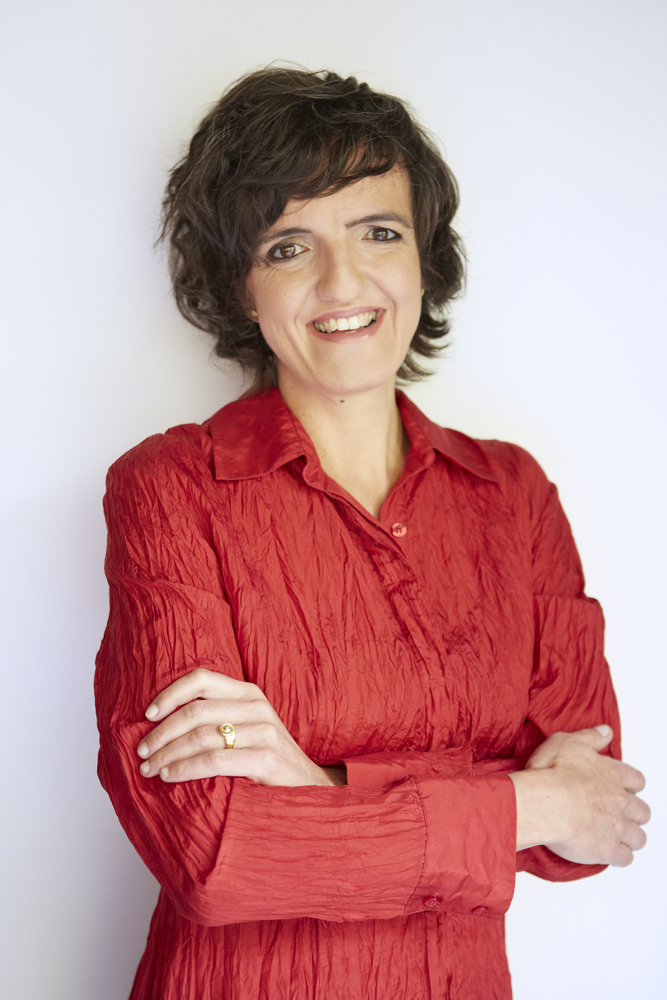
Silvia Arber holds a joint appointment as Full Professor for Neurobiology/Cell Biology at the Biozentrum, University of Basel, and serves as Senior Group Leader at the Friedrich Miescher Institute (FMI) in Basel, Switzerland. Her laboratory investigates the organization, function, and development of neuronal circuits controlling motor behavior, with a particular focus on how these circuits enable precise movement control. Arber obtained her PhD in 1996 from the Friedrich Miescher Institute under Pico Caroni, followed by postdoctoral training with Thomas Jessell at Columbia University (1996-2000), where she studied transcription factors in spinal cord neuronal differentiation. Her educational background includes Biology II studies at the Biozentrum of the University of Basel with graduation in Cell Biology (1987), a diploma thesis at the FMI (1990), and graduate work at the FMI (1992). Her research program centers on elucidating how neuronal circuits orchestrate accurate motor behavior in response to sensory cues and voluntary movement initiation. Using mouse as a model system, her laboratory employs multi-faceted approaches including advanced mouse genetics, viral technologies for transsynaptic circuit tracing, optogenetics and pharmacogenetics for functional manipulation, quantitative behavioral analysis, electrophysiology, and gene expression profiling. Her work has revealed precise synaptic interactions within dedicated motor circuit modules throughout the nervous system and how these impact function, with implications for understanding diseases causing motor deficits and spinal cord injury. Analysis of Arber's publication record shows a consistent focus on motor circuit organization, with particular emphasis on transcriptional control mechanisms, circuit connectivity mapping, and the relationship between developmental processes and functional circuit organization. Her work bridges molecular, cellular, and systems neuroscience, providing fundamental insights into how the nervous system controls movement. The Brain Prize (2022) Elected to the National Academy of Sciences of the United States (2020) Physiological Society Annual Review Prize Lecture (2019) Pradel Research Award (2018) W. Alden Spencer Award (2018) Louis-Jeantet Prize for Medicine (2017) ERC Advanced Grant (2010-2015) EMBO Member (2005) EMBO Young Investigator Award (2001) While specific students are not listed in the provided materials, Arber's laboratory has received significant research funding including an ERC Advanced Grant (2010-2015) and multiple prestigious awards supporting her research program. Her laboratory at the Biozentrum (Room 11.038) collaborates closely with the Friedrich Miescher Institute, where she serves as Senior Group Leader. The research group employs cutting-edge technologies for neural circuit analysis and has contributed fundamental insights into motor circuit organization, with implications for understanding and potentially treating movement disorders and spinal cord injuries.
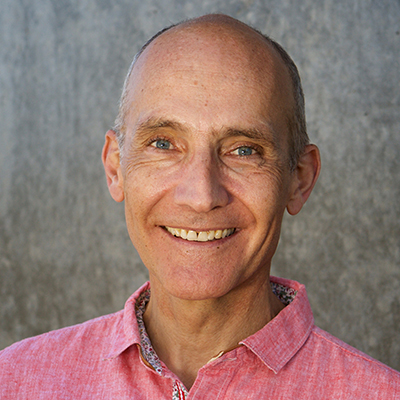
Felix Schweizer is Professor of Neurobiology at the David Geffen School of Medicine, University of California, Los Angeles, and concurrently serves as Interim Director of the Brain Research Institute and Chair of the Graduate Interdepartmental Program for Neuroscience, reflecting his leadership in both research and graduate training. Education Ph.D. in Biochemistry (summa cum laude), University of Basel, 1989 Research Interests Schweizer’s laboratory focuses on the molecular mechanisms of synaptic transmission and neuronal communication. Using electrophysiology, optical imaging, and quantitative proteomics, his group investigates how protein ubiquitination dynamically regulates neurotransmitter release and neuronal excitability. Recent projects explore microbial metabolite sensing by vagal afferents, the synaptic impact of environmental toxicants linked to Parkinson’s disease, and how gravitational load alters vestibular synaptic architecture. Collaborations with Drs. James Wohlschlegel (multiplexed SILAC proteomics), David Krantz (pesticide neurotoxicology), and Larry Hoffman (vestibular biology in altered gravity) extend the lab’s reach from molecular mechanisms to systems-level neuroscience. Scientific Awards No specific awards are listed in the provided text. Advising & Grants As Chair of the Graduate Interdepartmental Program for Neuroscience, Schweizer oversees interdisciplinary Ph.D. training across UCLA. The laboratory continuously hosts post-doctoral fellows and graduate students, and recent funding supports work on ubiquitin-mediated synaptic modulation, pesticide-induced neurodegeneration, and spaceflight-induced synaptic plasticity in the vestibular system. Labs & Teams The Schweizer laboratory, located in the Center for Health Sciences at UCLA, integrates electrophysiology, advanced imaging (serial EM and EM tomography), and biochemical approaches to dissect synaptic function across rodent, Drosophila, and human tissue models.
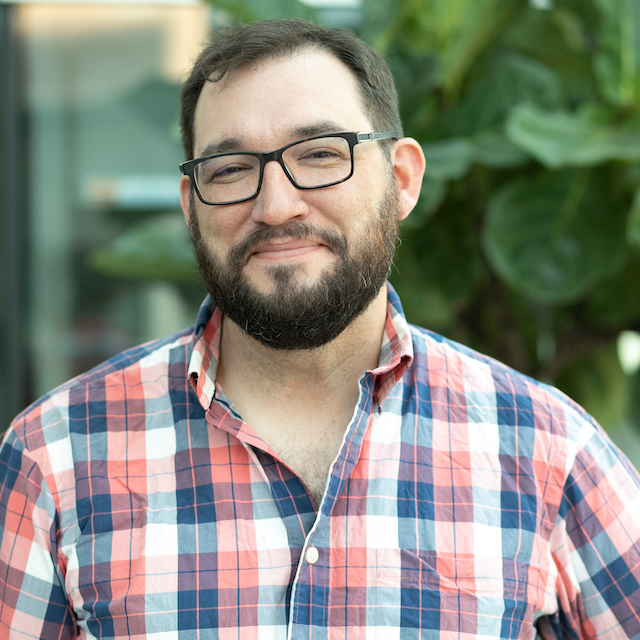
Dr. Elisenda Bueichekú serves as a Research Scientist at the Yale School of Medicine within the Radiology & Biomedical Imaging Department . Her work focuses on neuroimaging applications in neurodegenerative disorders, particularly Alzheimer’s disease progression and memory systems analysis. She collaborates with leading researchers in the Mental Health PET Radioligand Development (MHPRD) Program and the PET Core facility. Primary Affiliation: Yale School of Medicine Department: Radiology & Biomedical Imaging Research Programs: MHPRD Program, PET Core Her research integrates multimodal neuroimaging techniques to investigate: Tau pathology propagation patterns Connectome-based disease modeling Cortical hub analysis in memory systems Cognitive resilience mechanisms Neuroimaging of anosognosia Functional network contributions to creativity Dr. Bueichekú contributes to translational research through: Advanced PET/MRI methodologies Spatiotemporal disease progression mapping Development of imaging-based biomarkers Recent publications demonstrate expertise in: Alzheimer’s disease neuroimaging Tau and amyloid co-accumulation Functional connectivity analysis Memory system characterization Scientific contributions include: 2025 Center for Brain & Mind Health Pilot Grant Key publications in top-tier journals (Nature Aging, Alzheimer's & Dementia, etc.)
Justin English serves as Assistant Professor of Biochemistry at the University of Utah School of Medicine, where he develops molecular tools to investigate human health and disease mechanisms through directed evolution and protein engineering approaches. Education: B.A. from Cornell University Ph.D. from University of North Carolina at Chapel Hill Research Focus: Dr. English's laboratory specializes in Directed Evolution and Protein Engineering to create molecular tools for studying G-protein Coupled Receptors (GPCRs) , cell signaling pathways , and neuroscience applications . His work integrates synthetic biology with classical pharmacology to develop innovative platforms like VEGAS for mammalian cell evolution and TRUPATH for GPCR transducerome analysis, with significant implications for drug discovery and therapeutic development. Publication Trends: Analysis of his 2019-2025 publications reveals consistent focus on GPCR biology, featuring breakthroughs in biosensor development (nanobody-based receptor monitoring), chemogenetic tools (BioTAC system), and high-throughput screening platforms. His research demonstrates strong translational potential in neuroscience, particularly through engineered mouse models for psychedelic drug studies and molecular tools for mapping small-molecule interactomes. Research Environment: Dr. English leads an active laboratory within the University of Utah's Department of Biochemistry, leveraging institutional core facilities for biochemical and molecular studies. His research program maintains strong collaborative ties with neuroscience and pharmacology groups, with ongoing projects focused on advancing molecular engineering techniques for biomedical applications as detailed on his lab website.
Ju Lu serves as an Assistant Professor at Lehigh University with office location in Iacocca Hall (room 0111), contactable via phone (610.758-3687) and email (jul724@lehigh.edu). Her academic position reflects active engagement in neuroscience research and education within the university's life sciences framework. Education Background: Ph.D. in Neurobiology from Harvard University (2008) B.Eng. in Microelectronics from Tsinghua University (2002) Research Focus: Dr. Lu's work pioneers investigations into neural circuit dynamics and synaptic plasticity mechanisms using advanced optical imaging technologies. Her research spans: Cortical circuit reorganization during motor skill acquisition across species Stress-induced synaptic alterations mediated by microglia in prefrontal circuits Therapeutic applications of psychedelic compounds for neural circuit restoration Development of three-photon microscopy for deep-brain imaging Genetically-encoded neurotransmitter sensors for in vivo studies This multidisciplinary approach bridges molecular neuroscience, systems-level circuit analysis, and translational mental health applications. Publication Trends: Analysis of Dr. Lu's 15 most recent publications (2016-2023) reveals an evolving trajectory from foundational studies on dendritic spine plasticity toward translational neuroscience. Early work emphasized optical imaging methodology and basic plasticity mechanisms, while her 2021-2023 publications increasingly focus on stress-related circuit disruptions and psychedelic therapeutics. A consistent thread involves combining high-resolution in vivo imaging with behavioral models to establish causal links between neural circuit dynamics and cognitive functions. Honors and Awards: No scientific awards or fellowships were documented in the provided materials. Mentorship and Funding: While specific student mentees and grant funding details are not specified in the source text, her extensive collaborative publication record indicates active supervision of research personnel and successful acquisition of research support. Research Infrastructure: Her methodological expertise in advanced microscopy suggests utilization of specialized imaging facilities, though no dedicated laboratory or research team is explicitly identified in the available documentation.
Dr. Rani Moran is a Lecturer in Psychology at Queen Mary University of London's School of Biological and Behavioural Sciences. She is affiliated with the Centre for Brain and Behaviour. Her research focuses on decision-making, memory, and learning mechanisms, employing methods like computational modeling, neuroimaging, and pharmacological interventions. Key interests include reinforcement learning, cognitive maps, and exploration-exploitation dilemmas. Her work integrates experimental designs with advanced statistical analysis to understand flexible behavioral control. Recent studies explore model-based vs. model-free learning, credit assignment mechanisms, and disinformation's impact on learning biases. She has published in top journals such as Psychological Review and Nature Communications . Dr. Moran collaborates on projects involving neurocomputational models of confidence, meta-cognition, and social learning. Her research aims to develop interventions for optimizing cognitive processes, with applications in mental health and decision-making contexts.
Timothy Tricas is a Professor at the University of Hawaii at Manoa's School of Life Sciences, specializing in fish sensory systems and coral reef ecology. He leads a research lab focused on understanding acoustic communication, neuroethology, and behavioral ecology in marine species. His work integrates field observations with neurophysiological and anatomical studies, often using advanced techniques like rebreather diving and hydrophone recordings. Affiliations: School of Life Sciences, Department of Zoology, Hawaii Institute of Marine Biology Courses Taught: Ethology, Animal Behavior, Sensory Ecology, Fish Behavior and Sensory Biology Research Interests: His studies explore how fish use sensory systems (auditory, lateral line, electrosense) to navigate, communicate, and survive in coral reef ecosystems. Key projects include decoding fish acoustic behaviors, understanding the evolution of specialized sensory adaptations (e.g., butterflyfish hearing mechanisms), and applying bioacoustics for coral reef health monitoring. Grants & Funding: Secured grants from NOAA, NSF, and the Hawaii Undersea Research Laboratory for projects like parrotfish soundscapes analysis and stingray electrosensory systems. Lab Activities: Mentors graduate and undergraduate students in field experiments, neuroanatomical studies, and acoustic data analysis. Current projects include parrotfish home range behavior and开发 new bioacoustic monitoring tools.
Barry Sheils is Professor in the Department of English Studies at Durham University, specializing in modern and contemporary literature with intersecting interests in affect theory, ecological thinking, and psychoanalysis. His research particularly examines W.B. Yeats, Irish modernism, and transnational poetics. Prior to joining Durham in 2016, he held fellowships at University College Dublin (Irish Research Council) and Warwick University's Institute of Advanced Study, following lectureships at Swansea University. He earned his doctorate from Warwick University and BA from Trinity College Dublin. Sheils' research explores: The interaction of literary style with ecological consciousness and meteorological themes Affective dimensions of modern writing, especially shame and anxiety Transnational exchanges in modernist literature Psychoanalytic approaches to cultural production Contemporary reformulations of modernist legacies in digital culture His publications demonstrate sustained engagement with environmental humanities, Irish studies, and aesthetic theory, frequently employing interdisciplinary frameworks connecting literary analysis with cultural history and philosophy. Honors include: Irish Research Council Fellowship Early Career Fellowship, Warwick Institute of Advanced Study Keynote at Swedish National Forum for English Studies (2017) He currently supervises four doctoral students researching modern literature and serves as Associate Director of Durham's Centre for Culture and Ecology. As Chair of the Undergraduate Board of Examiners since 2019, he oversees modules on post-war fiction, Yeats, literary psychoanalysis, and shame studies.
Charles Spence is Professor of Experimental Psychology at the University of Oxford and Fellow of Somerville College, where he heads the Crossmodal Research Laboratory. His work bridges cognitive neuroscience with real-world applications in multisensory design, spanning food science, human-computer interaction, and environmental psychology. Spence's research centers on how the brain integrates sensory inputs (sight, sound, touch, taste, smell) to form unified perceptual experiences. This foundational work drives innovations in sensory marketing, product design, and human factors engineering, with significant implications for optimizing everyday interactions with technology and environments. His approach combines rigorous laboratory experimentation with industry collaborations to translate theoretical insights into practical solutions. Recent publications demonstrate a clear trajectory toward applied crossmodal research, particularly in consumer contexts. His 2025 output reveals growing emphasis on digital commerce environments, nature-food perception interactions, and multisensory flavor enhancement—showcasing how sensory cues can be strategically deployed to influence behavior in retail, dining, and digital platforms. His major recognitions include: 10th Experimental Psychology Society Prize British Psychology Society Cognitive Section Award Paul Bertelson Award (Young European Cognitive Psychologist of the Year) Friedrich Wilhelm Bessel Research Award 2008 IG Nobel Prize for Nutrition (for 'sonic crisp' research) Spence maintains extensive industry partnerships, having consulted for Toyota on multisensory warning systems, ICI on environmental psychology, and Heston Blumenthal's Fat Duck restaurant on culinary innovation. His research attracts significant commercial funding through these collaborations, though specific grant details aren't publicly itemized. The Crossmodal Research Laboratory operates as an interdisciplinary hub where psychologists, neuroscientists, and industry partners investigate sensory integration mechanisms. Current projects focus on optimizing driver alert systems, designing immersive food experiences, and understanding how built environments affect cognitive performance—maintaining Spence's legacy of translating basic science into tangible human benefits.
Dr. Philip R. Holland is a Reader in Neuroscience at King's College London, affiliated with the Wolfson Sensory, Pain and Regeneration Centre within the School of Neuroscience and the Institute of Psychiatry, Psychology & Neuroscience. His research focuses on understanding migraine mechanisms and developing therapies, with a particular emphasis on neurovascular interactions and pain pathways. He leads a team funded by organizations like the Medical Research Council, Wellcome Trust, and European Research Council. Dr. Holland earned his PhD under Prof. Peter Goadsby at University College London, followed by postdoctoral research at UCSF and the University of Edinburgh. He actively engages in teaching, public awareness, and editorial roles (e.g., Cephalalgia). Key awards include the 2020 Medical Research Foundation Emerging Leaders Prize. His work spans clinical and translational research, aiming to bridge basic science with patient care. Education: PhD in Neuroscience, Postgraduate Certificate in Academic Practice (King's College London). External Roles: External Examiner at UCL, Science Editor of CGRP Forum, Associate Editor of Cephalalgia. Grants/Projects: Investigates trigeminal autonomic cephalalgias, neuroendocrine signaling, and novel therapies like cannabidiol combinations. Labs/Teams: Leads a migraine-focused research group exploring neurobiological and pharmacological interventions.
Elliot Hawkes is an Associate Professor in the Department of Mechanical Engineering at the University of California, Santa Barbara (UCSB). His research bridges design, mechanics, and non-traditional materials to develop robust, adaptable, human-safe robots for uncertain environments. He leads the Hawkes Lab, focusing on bio-inspired microstructured adhesives, nonlinear compliant mechanisms, soft actuators, exoskeletons, and growing robots. PhD from Stanford University, 2015 Postdoctoral Scholar at Stanford's CHARM Lab, 2015-2016 Assistant Professor at UCSB since 2016 Current projects include: Material-like robotic collectives with spatiotemporal control Variable friction shoe for locomotor therapy High-force soft actuators for industrial applications Vine-inspired robots for search and rescue Growing robots for biomedical and environmental use Recent publications in Science and Nature highlight breakthroughs in soft robotics and human-safe actuation. His team has received multiple NSF GRFP awards and a UCSB Regents Fellowship. The lab holds patents in adhesive gripping, soft actuation, and reconfigurable robotics.
Thomas DC Little is a Professor of Electrical and Computer Engineering in the College of Engineering at Boston University. He serves as the Associate Dean for Educational Initiatives, driving the growth of the engineering master’s program and enhancing pedagogy through mobile and cloud technologies. Additionally, he is the Associate Director and Principal Investigator of the National Science Foundation Smart Lighting Engineering Research Center (LESA), a multi-institutional effort advancing visible light communication and smart lighting systems. Professor Little's research centers on ubiquitous computing and communications, with a focus on using optical cells to expand wireless data capacity for mobile devices. He pioneers ambient intelligence that enables environments to anticipate human needs. His key areas include Visible Light Communications (VLC), Optical Wireless Communications, Indoor Positioning Systems, and Smart Lighting. By integrating lighting infrastructure with communication networks, his work addresses the growing demand for wireless data and enables energy-efficient, responsive smart buildings and urban environments. Analysis of his recent publications (2019-2024) shows a strong trend toward occupancy sensing, indoor positioning, and hybrid RF/VLC networks. His team develops innovative solutions for people counting, zone-based positioning, and interference mitigation in dense optical wireless environments. There is increasing integration of machine learning for security and optimization, with applications in energy-efficient buildings and user-centric smart spaces. Scientific awards received by Professor Little include: Janetos Award for Continuous Indoor Air Quality Assessment for BU Buildings (2025) Professor Little actively mentors graduate students and postdocs, with notable advisees including Iman Abdalla (awarded Best Computer Engineering Dissertation, 2020-2021) and the MenuNav team (Societal Impact Award for a navigation app for the blind). He has secured significant research funding, including a $1M Department of Energy/ARPA-E project for occupancy sensing to reduce energy costs in commercial buildings and grants for indoor air quality sensor development. He leads the NSF Smart Lighting ERC (LESA), which develops COSSY people counting technology, sensory lighting systems, and dynamic light control applications. His team collaborates with industry and has spun off Helux Technologies, Inc. to commercialize dynamic lighting control. Current projects focus on creating safe, energy-efficient buildings through advanced sensor integration and wireless communication.
Richard Born is a Professor of Neurobiology at Harvard Medical School , focusing on the circuitry of the mammalian cerebral cortex and its role in visual perception. His lab employs multi-species approaches, combining primate psychophysics and electrophysiology rodent 2-photon imaging and optogenetics hierarchical Bayesian modeling of perceptual inference to investigate cortico-cortical feedback, neural variability, and context-dependent visual processing. Research Interests span visual systems neuroscience, with emphasis on top-down modulation of sensory processing binocular rivalry and perceptual states gamma oscillations and neural synchrony input-gain control in V1/V2/V3 Bayesian brain frameworks neuroanatomical connectomics Recent work explores layer 1 dendritic interactions with somatostatin interneurons and collaborations with institutions like Boston University and the University of Rochester. Advising includes mentoring postdoctoral fellows (Ariana Sherdil, Camille Gómez-Laberge, Abhinav Grama) and students at Harvard Medical School. The lab utilizes advanced techniques including multi-electrode arrays laminar probes optogenetic perturbation DTI tractography validation for circuit analysis.
Henrik von Coler is an Assistant Professor at Georgia Institute of Technology's School of Music within the College of Design. His work bridges engineering, electronic music, and empirical research, focusing on spatial audio systems, live electronics, and human-computer interaction in musical contexts. He joined Georgia Tech in 2023 after serving as director of the TU Studio for Electronic Music at Technische Universität Berlin from 2015 to 2023, where he founded the Electronic Orchestra Charlottenburg (EOC) to explore live electronic ensembles in multichannel environments. His research emphasizes the integration of sound, space, and HCI to enhance compositional and performative expressiveness. Notable projects include immersive audio installations, virtual instrument design, and AI-assisted composition. Coler has performed globally on immersive audio systems and curated international concerts. His technical contributions span spatial sound synthesis algorithms, networked music systems, and real-time signal processing tools. Key areas of exploration include volumetric music performances in metaverse environments, hybrid spatial interaction via ARCube, and statistical models for spectral synthesis. He has developed open-source systems like Orchestra (for metaverse performances) and SPRAWL (for ensemble interaction). Coler’s work often combines empirical research with artistic practice, aiming to redefine the boundaries of live electronic music through technological innovation. His academic output spans over 30 peer-reviewed articles since 2011, with recent focus on metaverse applications, AI-human collaboration, and immersive audio design. While no formal awards are listed, his leadership roles and project outcomes highlight significant contributions to music technology and spatial audio engineering.