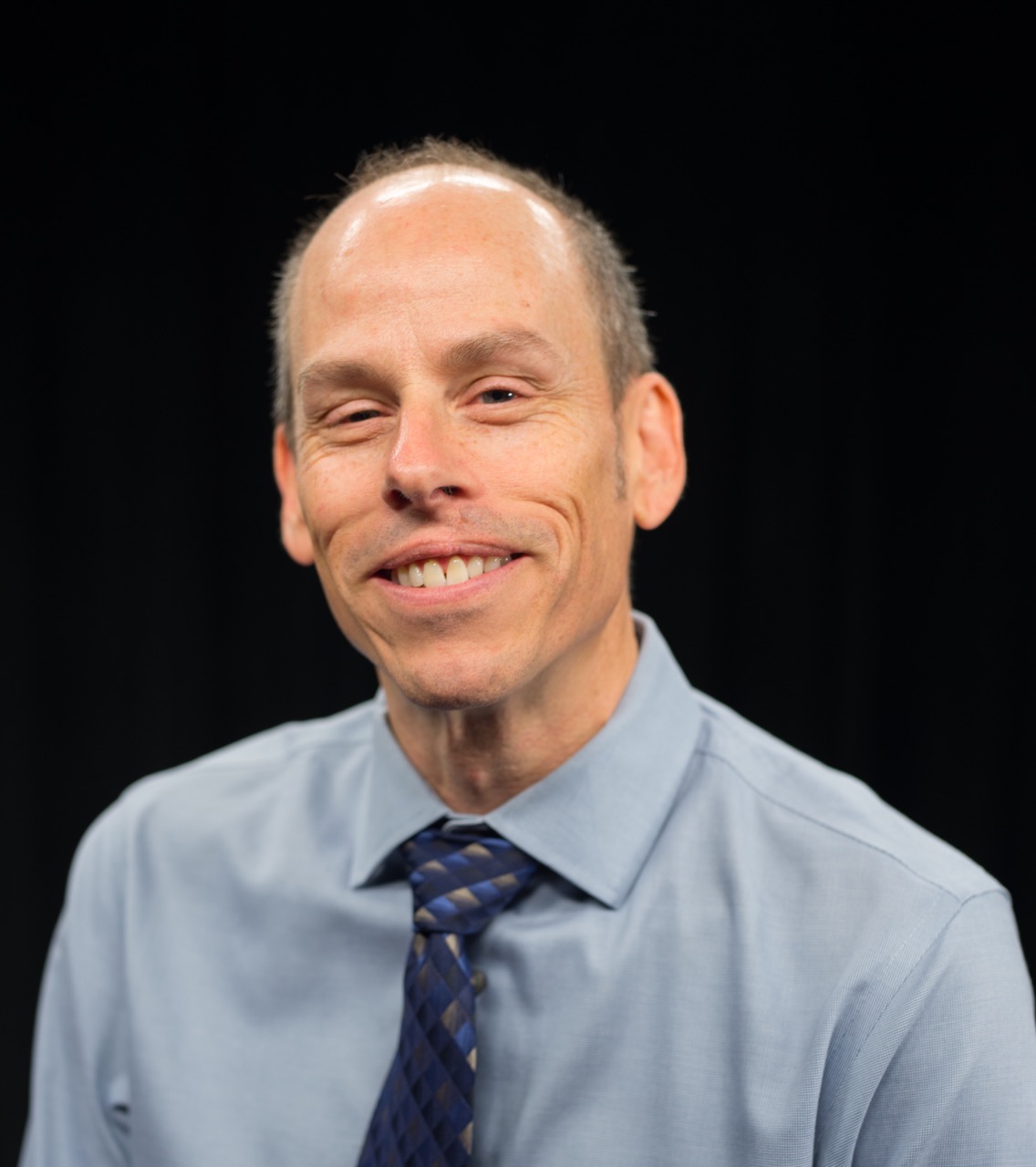
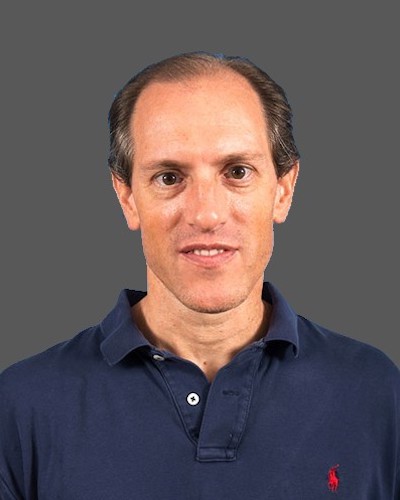
Dr. Robert W. Stackman, Jr. is a Professor in the Department of Psychology and serves as Associate Vice President for the Jupiter Campus at Florida Atlantic University. His research focuses on the cellular and circuit mechanisms underlying long-term memory, with particular emphasis on spatial navigation, hippocampal-cortical interactions, and neurophysiological coding of object memory. Education: Ph.D. from Rutgers, The State University of New Jersey Postdoctoral Fellowship at Dartmouth College His work investigates how the hippocampus integrates object and spatial information to form event memories. Key projects include cortical contributions to memory consolidation, neuronal firing properties in memory circuits, spatial problem-solving mechanisms, and the role of SK-type potassium channels in schizophrenia-like models. Recent research trends highlight hippocampal subregional specialization (e.g., CA1 and perirhinal cortex), serotonin receptor modulation of memory, and dendritic spine dynamics in synaptic plasticity. His lab employs in-vivo neurophysiology and pharmacological models to explore these mechanisms. Dr. Stackman's scholarly activities include a Google Scholar profile and a podcast interview with the UT San Antonio Neuroscience Institute discussing hippocampal roles in recognition and episodic memory.
Mauro Murgia is an Associate Professor at the Department of Life Sciences, University of Trieste, specializing in General Psychology . He actively participates in research and teaching activities, serving as a member of the Department's Board , Boards of Studies , and Doctoral Studies Boards . His research focuses on cognitive psychology and neuroscience , particularly spatial-numerical associations, motor rehabilitation in Parkinson's disease, and perception-action integration. He leads the research project NUMERALS (Prot. 20227N2Y73) funded by the Italian Ministry of University and Research. Murgia's work explores how auditory cues influence motor control in sports, with studies on volleyball serves and penalty kicks. He investigates SNARC-like effects in temporal and emotional contexts, and examines perceptual impairments in Parkinson's patients using visual illusions. Collaborative efforts include partnerships with Carlo Fantoni , Tiziano Agostini , and institutions like Brown University and IIT@UNITN. His research utilizes VR labs , eye movement tracking , and kinematic analysis to study perceptual stability and multisensory integration.
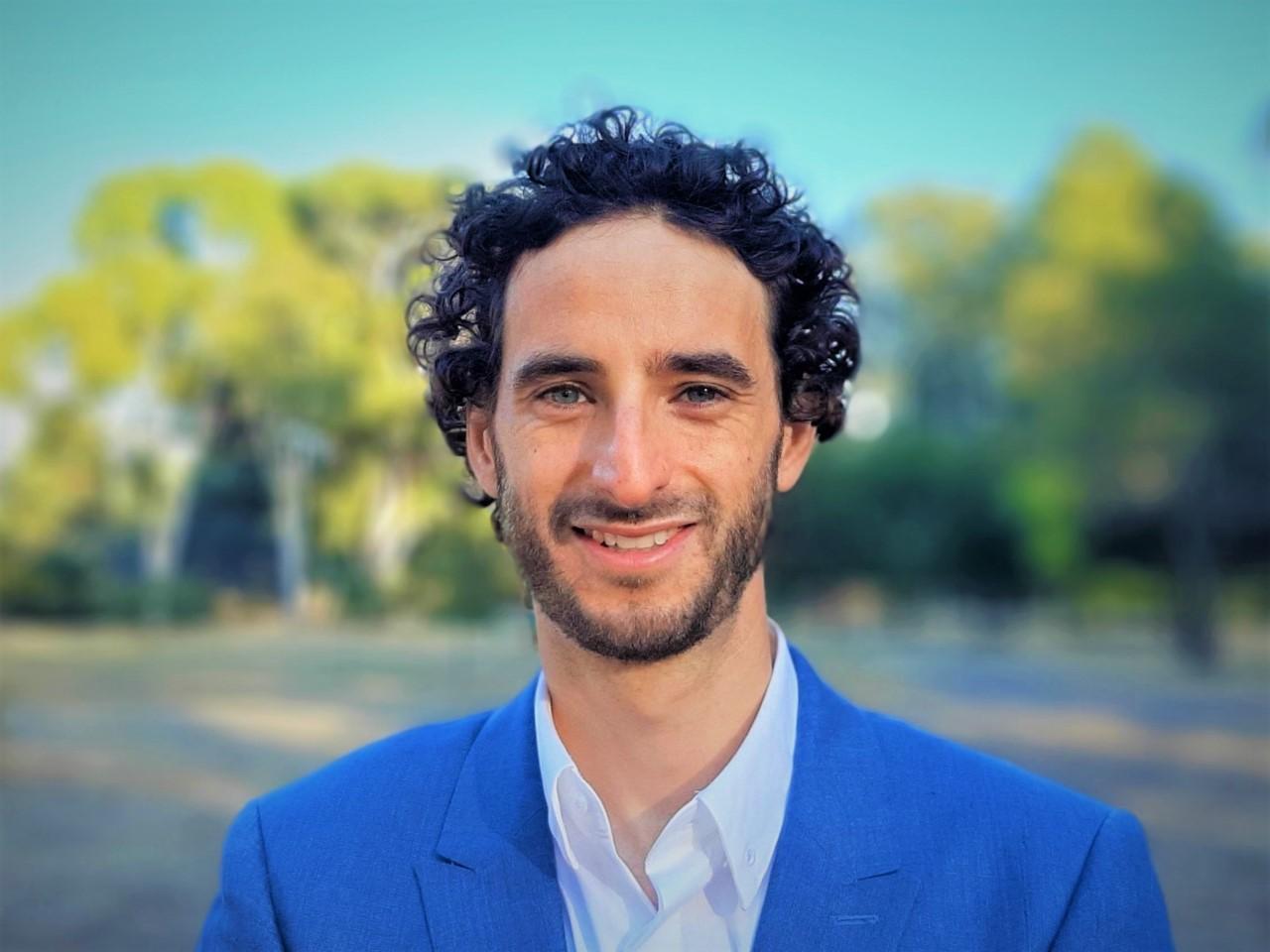
Riccardo Beltramo is an Assistant Professor and University Lecturer in Neurophysiology at the Department of Physiology, Development and Neuroscience, University of Cambridge. As a Sir Henry Dale Fellow, he leads research on neural circuits in visual processing, spatial navigation, and cognitive control. His lab investigates how ancient and modern brain regions like the superior colliculus and visual cortex interact to produce adaptive behaviors. Key techniques include chronic electrophysiology, two-photon imaging, optogenetics, and virtual reality behavioral paradigms, focusing on stress-induced anxiety and sensory processing pathologies. Recent publications highlight studies on tecto-thalamic pathways, somatosensory cortical dynamics, and evolutionary integration of visual systems. His work combines single-cell RNA sequencing, structured illumination, and advanced photonic tools to dissect neural circuitry. Eppendorf & Science Prize (2020) Sir Henry Dale Fellowship Current students include PhD researchers Sally Zeidan and Maja Skretowska. Lab contact: beltramolab@gmail.com
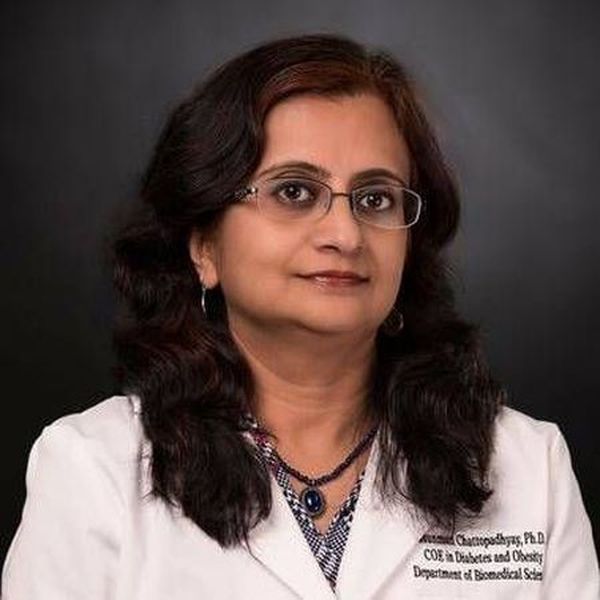
Munmun Chattopadhyay, M.Sc, Ph.D., is an Associate Professor in the Department of Molecular and Translational Medicine at Texas Tech University Health Sciences Center El Paso, where she also chairs the Institutional Animal Care and Use Committee. She earned her MS in Zoology and Ph.D. in Neurosciences from Jiwaji University, Gwalior, India, and completed postdoctoral work at the National Institute of Immunology (New Delhi) and the University of Pittsburgh (Department of Neurology). Her academic career includes junior faculty roles at the University of Michigan (2010) before joining TTUHSC El Paso in 2014. Research Focus: Inflammatory mediators in diabetic complications, epigenetic modulators in neuropathy/cardiac dysfunction/gastroparesis, natural compounds, and exercise interventions. Major Themes: 15 recent articles highlight work on diabetic neuropathy , HMGB1 signaling , epigenetic therapies , 3D bioprinting , neuroinflammation , and novel pain targets (e.g., σ(2)R/TMEM97, Ephrin-B2). Scientific Awards: Faculty Service Award (2020), TTUHSC El Paso Women Worth Watching in STEM (2022) Nominated for 3D Printing Industry Awards (2021) Dr. Chattopadhyay serves as Associate Editor and Grant Review Panelist (NIH, ADA, DoD, NSF, NIHR) and has published >43 articles and 2 book chapters, including work on stem cell delivery systems , space biology , and bioinformatics applications in translational research.
Dr. Martyn Smith serves as Senior Lecturer in Japanese Studies within the Department of East Asian Studies at the University of Sheffield's School of Languages, Arts and Societies. He joined the institution in 2019 after holding academic positions at Newcastle University, Birkbeck, Winchester University, SOAS, and Tokyo University of Foreign Studies (where he was Visiting Assistant Professor in 2018). His educational background includes BA and MA degrees in European Studies and French, followed by a PhD from SOAS (University of London) completed in 2014. After initial teaching experience in France, he spent seven years living in Japan's Kanto region working as an English language teacher before transitioning to academia. BA in European Studies and French MA in European Studies and French PhD from School of Oriental and African Studies (SOAS), University of London (2014) Smith's research centers on interdisciplinary sound studies within Asian contexts, examining how sound perception shapes gender, racial, and national identities through colonial and post-colonial experiences. His work decenters Western perspectives to analyze modernity in Asia through sound culture. Additional long-standing interests include Japanese nationalism, gender construction in media, and consumer society development in postwar Japan. His publication trends reveal a clear evolution from early focus on media and consumerism in Cold War Japan toward contemporary sound studies. The 2022-2023 period shows concentrated output on Asian sound cultures, particularly examining recording technology, aurality, and mobility within postwar contexts. Earlier work (2016-2018) established foundations in gendered consumerism through analyses of men's magazines like Heibon Punch. Smith co-founded the multi-year Asian Sound Culture Studies and Modernity Project with colleagues in Tokyo and the British Library. This collaborative initiative has produced significant outputs including the 2022 edited volume Asian Sound Cultures . His teaching portfolio includes core modules on East Asian studies, Japanese history, and gender identities. Current courses include EAS1000 (Exploring East Asia), EAS1032 (Understanding Japan 2), and EAS21008 (Gender and Identities in East Asia).
Sarah Page Lawson, PhD, is an Assistant Professor in the Department of Biological Sciences at Quinnipiac University, where she has taught since 2019. She holds a BS in Biology from the University of New Mexico and a PhD in Biological Sciences (Ecology and Evolution) from Vanderbilt University. Following doctoral studies, she completed a National Science Foundation Postdoctoral Research Fellowship at the University of New Hampshire. Her research focuses on two primary domains: pollinator ecology (examining nutritional landscapes, floral resource impacts, and physiological responses in native bees) and social evolution (investigating ecological predictors of social behavior transitions in animals). Her work integrates field studies with experimental approaches to address conservation challenges and behavioral mechanisms. Publications demonstrate strong emphasis on native pollinator systems, particularly carpenter bees ( Ceratina calcarata ), with recurring themes in conservation biology, behavioral ecology, and nutritional physiology. Recent work shows expanded focus on neuroethological mechanisms (biogenic amines) and applied conservation (pollinator garden efficacy). Awards: National Science Foundation Postdoctoral Research Fellowship (2014-2018) She mentors multiple students in independent research projects, with advised work presented at regional and national conferences including the Eastern Colleges Science Conference and Entomological Society of America meetings. Current courses include Ecology and Biodiversity, Conservation Biology, Evolution, and Introduction to Environmental Studies. Leads the Lawson Lab specializing in pollinator health and social behavior research, with active field projects including pollinator garden installations and population monitoring initiatives at Quinnipiac.
Oliver Behrend is a Professor at the Department of Biology II within the Faculty of Biology at Ludwig-Maximilians-Universität München, where he serves as Managing Director of the Munich Center for Neurosciences - Brain & Mind . His research focuses on comparative neurobiology and auditory processing mechanisms across vertebrates. Behrend's work examines: 1) Amphibian lateral line systems for surface wave localization, 2) Mammalian sound localization through interaural time difference processing, and 3) Auditory feedback mechanisms in echolocating bats. His studies span neuroethology, auditory neuroscience, and sensory-motor integration. Publications reveal multidisciplinary approaches to sensory neuroscience with keywords: Neuroethology Computational neuroscience Auditory pathways Sensory integration Neural coding Comparative neuroanatomy Contact: o.behrend@lmu.de
Meghanne Barker is a Lecturer at the Institute of Education (IOE) - Education, Practice & Society at University College London. She specializes in cultural and linguistic anthropology with a focus on creative practices in educational contexts across postsocialist regions. Her educational background includes: PhD in Cultural Anthropology with focus on Linguistic Anthropology from University of Michigan (2017) PGCertHE from London School of Economics and Political Science Meghanne Barker's research examines the pedagogical value of creative practices – including children's play and performance, puppet theatre, and filmmaking – to postsocialist institutions of Eastern Europe and Central Asia. Her work sits at the intersection of linguistic anthropology, childhood studies, and media studies, with particular attention to how animation practices create social relations and political order. She has conducted extensive fieldwork in Kazakhstan and the former Yugoslavia, exploring how creative practices function within educational frameworks in postsocialist contexts. Her book project Throw Your Voice: Suspended Animations in Kazakhstani Childhood examines acts of animation as ways of maintaining fragile social relations and political order. Her recent publications demonstrate a consistent focus on animation, childhood, and postsocialist contexts, with a growing emphasis on media education and community building. Her work spans traditional academic journals as well as creative outputs, reflecting her commitment to interdisciplinary approaches that bridge anthropology, education, and media studies. Meghanne Barker leads the modules Radical Education and Children in Society for BA Education Studies. She is accepting doctoral students for co-supervision, particularly interested in projects related to language and childhood or education, ethnographic approaches to education, performance, childhood, or media-making in any context, with special interest in Eastern Europe and Eurasia. She serves as Personal Tutor at University College London and as Inclusion Lead (2023-2026). She is the Convener of ELAN (The EASA Network on Linguistic Anthropology) and maintains a Visiting Fellowship at the London School of Economics and Political Science.
Irina Strigo, Ph.D. is Professor-in-Residence in the Department of Psychiatry at the University of California, San Francisco (UCSF) School of Medicine and Research Biologist at the U.S. Department of Veterans Affairs. She is affiliated with the UCSF Weill Institute for Neurosciences and maintains the ePainLab research group. Her academic journey began with a B.Sc. and Ph.D. in Physiology from McGill University, Montreal, Canada, followed by research training at Columbia University (Radiology), Barrow Neurological Institute (Neurosurgery), and UC San Diego (Psychiatry). Dr. Strigo's research focuses on brain networks that process pain and emotion in individuals with depressive disorders, anxiety disorders, chronic pain, and traumatic brain injury. Her work seeks to understand how individual differences in pain response relate to pain chronification, with particular emphasis on interoception, pain anticipation, and the neural mechanisms underlying pain-emotion interactions. She has pioneered research connecting traumatic experiences with altered pain processing, particularly in veterans with PTSD and traumatic brain injury. Analysis of her recent publications (2023-2025) reveals a strong focus on chronic low back pain mechanisms, interoceptive attention training using digital platforms, and the intersection of pain with mental health conditions. Her work increasingly incorporates machine learning approaches for pain phenotyping and shows a growing emphasis on translational applications of neuroscience to develop novel pain interventions, particularly for veteran populations. The research spans multiple disciplines including neuroscience, psychology, pain medicine, and digital health. Dr. Strigo has secured significant research funding through multiple NIH grants as Principal Investigator, including projects examining mu opioid mediated pain vulnerability in combat mild Traumatic Brain Injury (I01CX001652), neurobehavioral correlates of pain in PTSD (I01CX000816), and neural processes underlying pain perception in depression (R21MH077205). Her work has also been supported by the National Alliance for Research in Schizophrenia and Depression (NARSAD), the U.S. Department of Veterans Affairs, and the Painless Research Foundation. She leads the ePainLab at UCSF, which investigates the neural basis of pain processing and modulation. Her research bridges basic neuroscience with clinical applications, particularly in veteran populations, and has contributed significantly to understanding the relationship between trauma, mental health conditions, and pain processing. Dr. Strigo has established herself as a leading researcher in the field of pain neuroscience with over 150 publications and extensive collaborations across multiple institutions.
Edward Golob is a Professor of Psychology in the College for Health, Community and Policy at the University of Texas at San Antonio (UTSA), where his research bridges cognitive psychology with critical healthcare and military applications. His work focuses on spatial cognition, attention mechanisms, and perceptual processes in both healthy and neurologically impaired populations. His academic foundation includes: Postdoctoral Fellow, University of California, Irvine Ph.D. in Experimental Psychology, Dartmouth College B.A. in Psychology, Capital University Dr. Golob's research program investigates spatial hearing in 360° environments , attentional modulation under sensory constraints , and cognitive mechanisms in medical diagnostics . His recent work demonstrates how hearing protection devices impair military personnel's spatial awareness and how targeted training can mitigate these deficits. In radiology, he pioneers eye-tracking methodologies to quantify expertise and reduce diagnostic errors. His studies on auditory attention reveal fundamental asymmetries between front and back spatial processing, while his work on listening effort identifies distinct fatigue and mood dimensions that impact communication. Analysis of his 2023-2025 publications shows a consistent pattern of translational cognitive science - taking laboratory findings into real-world settings like radiology suites and military operations. His research integrates machine learning with psychophysical methods to develop objective assessment tools, particularly in visual search optimization and spatial hearing rehabilitation. The cross-cutting theme is enhancing human performance through cognitive training and technology-assisted feedback. His professional recognition includes: Psychonomic Society Fellow (2017) While specific grant details and current advisees aren't documented in the source material, his active publication record in high-impact journals like Military Medicine and the Journal of the American College of Radiology indicates ongoing research leadership. His work directly addresses compliance barriers in hearing protection and diagnostic accuracy challenges in medical imaging through empirically validated interventions.
Daniel Adolfo Llano is a Professor at the University of Illinois at Urbana-Champaign with multiple appointments: Professor in the Department of Molecular and Integrative Physiology, Neuroscience Program, and Biomedical and Translational Sciences. He serves as Director of the MD/PhD Medical Scholars Program at Carle Illinois College of Medicine and Theme Lead at the Beckman Institute for Advanced Science and Technology. His office phone is (217) 244-0740. Dr. Llano leads a laboratory investigating auditory processing mechanisms, particularly how complex sounds like speech are decoded by the brain. His research focuses on: Descending cortical projections in auditory processing Neural basis of generative sensory models Aging-related auditory network dysfunction Neurodegenerative disease mechanisms (especially Alzheimer's) Using electrophysiological, optical, and anatomical approaches, his team studies cortical-subcortical interactions in the auditory pathway. His recent publications (2019-2025) demonstrate strong focus on: Advanced neuroimaging techniques (super-resolution ultrasound, two-photon microscopy) Alzheimer's biomarkers (pTau proteins, amyloid detection) Auditory system organization (cortical layers, inferior colliculus) Neurovascular relationships in neurodegeneration Environmental impacts on auditory processing Major Scientific Honors: Presidential Early Career Award for Scientists and Engineers (PECASE, 2019) Helen Corley Petit Scholar (2017) Benjamin Goldberg Professorial Scholar (2017) Advances in Medicine Award, Carle Hospital (2016) Golden Apple Teaching Award (2015) Excellence in Teaching Recognition (2012-2019, 2021) Dr. Llano leads a research team at the Beckman Institute focusing on auditory neuroscience and neurodegenerative diseases. The laboratory employs cutting-edge techniques including in vivo two-photon imaging, ultrasound localization microscopy, and electrophysiology to study auditory processing and neurovascular changes in aging and disease models.
Kimberly McArthur is an Assistant Professor in the Biology Department at Southwestern University, where she investigates neural circuit development and function using larval zebrafish as a model organism. Her research integrates electrophysiology, neuronal tracing, calcium imaging, and behavioral analysis to address fundamental questions about synaptic partner selection, circuit resilience, and functional development. Ph.D. in Neuroscience (2011), Washington University in St. Louis B.A. in Biology (2004), Gustavus Adolphus College Her research focuses on neuroscience and developmental biology , particularly how neurons in the vertebrate hindbrain establish and maintain functional synaptic connections. Recent work in Trends in Neurosciences and the Journal of Comparative Neurology highlights her contributions to understanding dendrite topography and motor neuron input specificity. McArthur’s students have won awards at the Texas Academy of Sciences, including first-place undergraduate presentations on topics like zebrafish axon pathfinding and pipefish male pregnancy anatomy. She is supported by grants such as the Sam Taylor Fellowship and NIH Ruth L. Kirschstein NRSA awards. She teaches courses on developmental biology , neurobiology , and scientific thinking , emphasizing critical analysis of primary literature and experimental design. Her laboratory at Southwestern University explores adaptive self-organization in neural systems and the interplay between development and evolution.
Charles L. Cox is a Professor in the Department of Physiology at Michigan State University and holds concurrent faculty appointments in the Neuroscience Program and Genetics & Genome Sciences Program. He serves as the Research Integrity Officer for the Department of Physiology and maintains his laboratory at 106 Wills House. His research investigates cellular mechanisms of behavioral plasticity through neurophysiological and pharmacological studies of thalamocortical circuits in mammalian central nervous systems. These investigations focus on sensory processing, behavioral arousal, attention, and pathophysiological conditions like epilepsy, addressing four core areas: functional organization of sensory neocortex/thalamus, thalamocortical interaction and modulation, brainstem regulation of neuronal excitability, and integration of thalamocortical/intracortical information. His work establishes how neuronal excitability modifications underlie learning, memory, and sensory/motor processing. Dr. Cox leads the Cox Lab, utilizing electrophysiological approaches to examine how neuromodulation and synaptic plasticity serve as cellular correlates for behavioral activities. His research emphasizes the critical reciprocal relationship between neocortex and thalamus in information integration at both cellular and systems levels.
Betsy Schulman is an Associate Research Scientist in the Department of Neurology at Yale School of Medicine, where she has been conducting research since completing her PhD in 2006. She is affiliated with the Center for Neuroscience and Regeneration Research, focusing on the genetics of neuropathic pain conditions. Dr. Schulman earned her BFA in Ceramics from the University of Michigan (1997), followed by an MS in Basic Medical Science from Wayne State University School of Medicine (1999), and completed her PhD in Molecular, Cellular, and Developmental Biology at Yale University (2007). She also completed post-doctoral training at Yale University School of Medicine in 2010. Her research primarily investigates the genetic basis of neuropathic pain, with particular focus on sodium channel mutations associated with conditions like erythromelalgia and ocular pain disorders. She employs approaches including genomic analysis, electrophysiology, and functional profiling to understand pain mechanisms and identify potential therapeutic targets. Her work bridges basic science with clinical applications, exploring how genetic variants influence pain perception and treatment response. Analysis of Dr. Schulman's recent publications reveals a consistent focus on sodium channelopathies in pain disorders, particularly Nav1.7 and related channels. Her research spans from basic molecular mechanisms to clinical applications, with increasing emphasis on personalized approaches to pain management based on genetic profiling. A notable trend is her investigation of pain resilience mechanisms alongside pain susceptibility. Outside her primary research role, Dr. Schulman serves as Managing Editor of the scientific journal The Neuroscientist , contributing to scientific communication in the neuroscience field. Her collaborative work spans multiple institutions, with frequent co-authorship with prominent researchers including Stephen Waxman, Sulayman Dib-Hajj, and Mark Estacion. Her research is supported through various institutional mechanisms at Yale and the VA Connecticut Healthcare System.
Rachel Seoighe is an Honorary Senior Lecturer at the University of Kent's School of Social Sciences. She is a criminologist whose work focuses on state violence, resistance, memory, and abolition from a decolonial, feminist perspective. Her academic roles include being SSPSSR's Athena SWAN champion and EDI lead, founder and leader of the division's Reflexive Teaching Working Group, and co-chair of the Visual and Sensory Research Cluster. Her research interests span several interconnected areas: State violence and resistance, particularly in the context of Sri Lankan state crime and denial The Tamil justice struggle and memory activism in the diaspora Abolition feminism, women's imprisonment, and the closure of Holloway Prison Border criminologies, "race" and racialization Postcolonial and decolonial thought Social and transformative justice Environmental justice and community responses to issues like sewage pollution Dr. Seoighe's research follows a transdisciplinary approach aligned with scholar-activist and creative methodologies. Her recent work includes the Flow.Walk.Drag. project exploring community responses to sewage and water-borne bacteria in Margate and Liverpool. She is co-founder and director of Hearth Consultancy Ltd and Tend Toward Justice CIC, which provide support for social justice organizations and conduct social research. Her scholarly contributions demonstrate a consistent focus on understanding systems of power, state violence, and community resistance. The trajectory of her work shows an evolution from examining post-war Sri Lanka to broader explorations of carceral systems and abolitionist futures, with a strong commitment to methodological innovation that bridges academic research and activist practice. Dr. Seoighe is actively involved in several organizations beyond her university role: Chair of trustees for Beauty out of Ashes Trustee for Women at WISH Consultant and researcher for Tamil Information Centre As an educator, she teaches a popular module on State Crime and Resistance at the undergraduate level and convenes a course on Prisons and Penal Policy at the postgraduate level. Her teaching is informed by her research and activist commitments, emphasizing critical perspectives on state power and social justice.