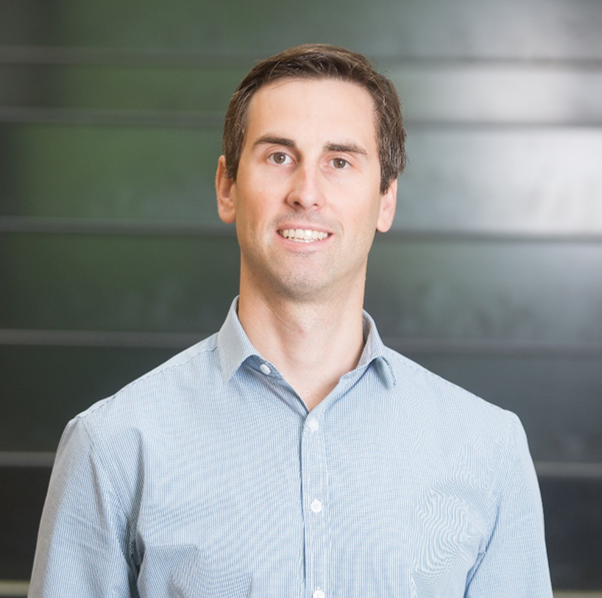
Dr. Flora Song is a Lecturer in Marketing at Hong Kong Polytechnic University, specializing in sensory marketing, product design, and consumer behavior. Her work bridges theoretical frameworks with practical applications in logo design, product packaging, and marketing campaigns, while emphasizing consumer health implications. She teaches modules such as Branding (MKIB202), Design Thinking in Marketing (ULMS887), and Professional and Academic Skills for Marketing (MKIB115). Dr. Song holds a PhD in Marketing from the same institution. Her research focuses on dynamic visual preferences, service marketing, and marketing communication. Notable achievements include the Research Early Career Award (2023) and the Best Session Paper Award at the China Marketing International Conference (2019). Her publications appear in journals like Psychology & Marketing and the Journal of Marketing (invited resubmission). Key research areas include the psychological impacts of brand activism, effort's role in word-of-mouth behavior, and the effects of brand logo colorfulness on consumer judgments. She has also contributed to curriculum design, embedding employability skills through mock assessment centers.
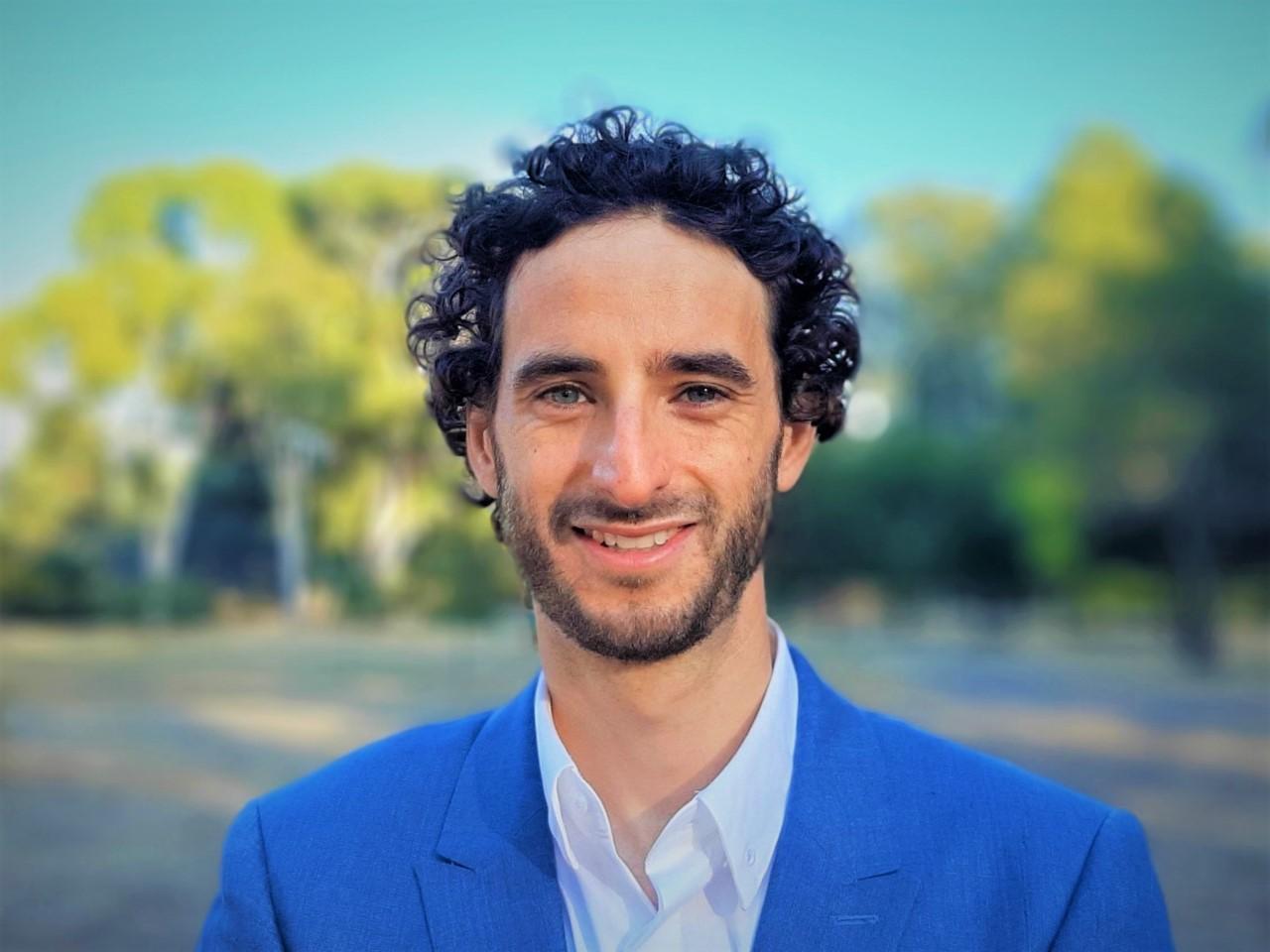
Prof. Dr. sc. nat. Elke van der Meer is a Senior Professor at the Institute of Psychology, Humboldt University of Berlin. With a career spanning over four decades, she has made significant contributions to cognitive psychology, psycholinguistics, and temporal perception research. Her work integrates psychometrics, behavioral experiments, and neuroimaging techniques like fMRI and ERP to explore event knowledge, attention mechanisms, and differential psychological aspects in conditions such as Parkinson's and dyslexia. Education: Diploma in Psychology (1974), Humboldt University of Berlin; Dr. rer. nat. (1979) on analogy recognition; Habilitation (1983) on concept knowledge usage. Research: Focuses on knowledge representation, psychological time processing, and environmental perception. Key methodologies include pupillometry, eye tracking, and neural connectivity studies. Publications: 15 most recent works span pitch discrimination, temporal focus scales, analogical reasoning, and migration-related delinquency studies. Her research bridges cognitive science with urban ecology and educational psychology. Leadership: Served as Managing Director of the Institute (2004-2006), Principal Investigator in multiple graduate programs, and held editorial roles in key psychology journals.
Dr. David Miller is a Senior Lecturer in Biological Chemistry and Director of Postgraduate Taught (PGT) Programmes at the School of Chemistry, Cardiff University. With over two decades of academic experience, he leads research at the intersection of synthetic organic chemistry and biological systems, focusing on enzyme mechanisms and applications in drug discovery. MA in Chemistry with Supplementary Quantum Chemistry, Oriel College Oxford (1989-1993) PhD, Southampton University under Prof. T. D. H. Bugg (1993-1997) Dr. Miller's research centers on applying synthetic organic chemistry to solve biological problems and vice versa. His work explores how small organic molecules can probe the function of biological macromolecules like proteins and DNA. His primary research areas include: Inositol monophosphatase : Studying this enzyme's mechanism as a target for bipolar disorder treatments mu-Calpain research : Developing inhibitors for autoimmune diseases like rheumatoid arthritis and osteoarthritis Terpenoid biosynthesis : Investigating how terpene cyclases generate diverse natural products from common precursors Analysis of Dr. Miller's recent publications reveals a strong focus on enzyme engineering, particularly with terpene synthases. His work combines computational modeling, structural biology, and synthetic chemistry to manipulate enzyme function. A significant trend is the exploration of enzyme plasticity to create novel catalytic activities and non-natural products. His research bridges fundamental enzymology with practical applications in drug discovery and biocatalysis. Dr. Miller is a Member of the Royal Society of Chemistry (MRSC), reflecting his contributions to the field of chemical sciences. As Director of Postgraduate Taught Programmes, Dr. Miller oversees curriculum development and student supervision. He teaches across multiple levels, from foundational organic chemistry to specialized courses in biocatalysis and drug development. His research group receives funding for projects exploring enzyme mechanisms and their applications in therapeutic development. Dr. Miller's laboratory focuses on the structural and mechanistic aspects of enzyme catalysis, with particular emphasis on terpene synthases and calpain proteases. His team combines synthetic organic chemistry, protein engineering, and structural biology approaches to unravel complex biochemical processes.
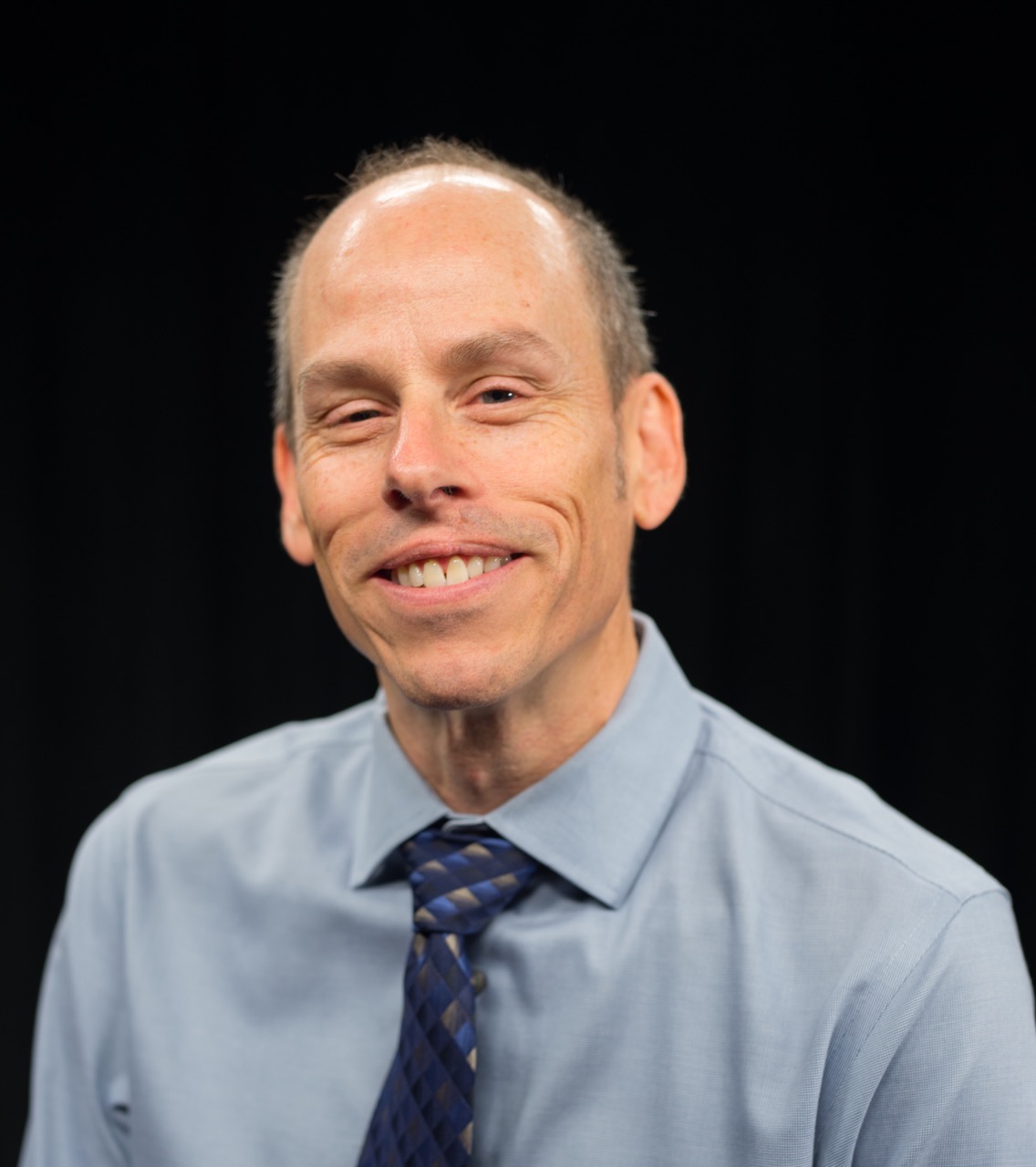
Irina Strigo, Ph.D. is Professor-in-Residence in the Department of Psychiatry at the University of California, San Francisco (UCSF) School of Medicine and Research Biologist at the U.S. Department of Veterans Affairs. She is affiliated with the UCSF Weill Institute for Neurosciences and maintains the ePainLab research group. Her academic journey began with a B.Sc. and Ph.D. in Physiology from McGill University, Montreal, Canada, followed by research training at Columbia University (Radiology), Barrow Neurological Institute (Neurosurgery), and UC San Diego (Psychiatry). Dr. Strigo's research focuses on brain networks that process pain and emotion in individuals with depressive disorders, anxiety disorders, chronic pain, and traumatic brain injury. Her work seeks to understand how individual differences in pain response relate to pain chronification, with particular emphasis on interoception, pain anticipation, and the neural mechanisms underlying pain-emotion interactions. She has pioneered research connecting traumatic experiences with altered pain processing, particularly in veterans with PTSD and traumatic brain injury. Analysis of her recent publications (2023-2025) reveals a strong focus on chronic low back pain mechanisms, interoceptive attention training using digital platforms, and the intersection of pain with mental health conditions. Her work increasingly incorporates machine learning approaches for pain phenotyping and shows a growing emphasis on translational applications of neuroscience to develop novel pain interventions, particularly for veteran populations. The research spans multiple disciplines including neuroscience, psychology, pain medicine, and digital health. Dr. Strigo has secured significant research funding through multiple NIH grants as Principal Investigator, including projects examining mu opioid mediated pain vulnerability in combat mild Traumatic Brain Injury (I01CX001652), neurobehavioral correlates of pain in PTSD (I01CX000816), and neural processes underlying pain perception in depression (R21MH077205). Her work has also been supported by the National Alliance for Research in Schizophrenia and Depression (NARSAD), the U.S. Department of Veterans Affairs, and the Painless Research Foundation. She leads the ePainLab at UCSF, which investigates the neural basis of pain processing and modulation. Her research bridges basic neuroscience with clinical applications, particularly in veteran populations, and has contributed significantly to understanding the relationship between trauma, mental health conditions, and pain processing. Dr. Strigo has established herself as a leading researcher in the field of pain neuroscience with over 150 publications and extensive collaborations across multiple institutions.
Dr. Luke Heales is a Senior Lecturer in Musculoskeletal Physiotherapy and Postgraduate Research Coordinator at Central Queensland University’s School of Health, Medical and Applied Sciences. He holds a PhD from The University of Queensland (Dean’s Award), a Bachelor of Health Science (Valedictorian) from Auckland University of Technology, and a Postgraduate Certificate in Tertiary Education from CQUniversity. Specialises in upper limb injury rehabilitation and persistent tendon pain Active researcher in occupational rehabilitation and beach accessibility for people with disability Recipient of multiple teaching awards including the Australian Awards for University Teaching (2021) Secured over $500,000 in competitive research and teaching grants His recent publications focus on tendinopathy management, biomechanical responses to taping/orthoses, and accessibility studies for inclusive beach environments. He supervises 4 research higher degree students and teaches musculoskeletal physiotherapy at undergraduate and postgraduate levels. Scientific awards and grants include: Deans Award for Outstanding Research Higher Degree (2015) 3 Minute Thesis Competition awards (2015) Summer Research Scholarships (2010-2011) Best Research Project award (2011)
Riccardo Beltramo is an Assistant Professor and University Lecturer in Neurophysiology at the Department of Physiology, Development and Neuroscience, University of Cambridge. As a Sir Henry Dale Fellow, he leads research on neural circuits in visual processing, spatial navigation, and cognitive control. His lab investigates how ancient and modern brain regions like the superior colliculus and visual cortex interact to produce adaptive behaviors. Key techniques include chronic electrophysiology, two-photon imaging, optogenetics, and virtual reality behavioral paradigms, focusing on stress-induced anxiety and sensory processing pathologies. Recent publications highlight studies on tecto-thalamic pathways, somatosensory cortical dynamics, and evolutionary integration of visual systems. His work combines single-cell RNA sequencing, structured illumination, and advanced photonic tools to dissect neural circuitry. Eppendorf & Science Prize (2020) Sir Henry Dale Fellowship Current students include PhD researchers Sally Zeidan and Maja Skretowska. Lab contact: beltramolab@gmail.com
Fiammetta Marini is a Research Fellow at the School of Psychology, University of Aberdeen. She completed her BSc in Psychological Sciences and Techniques (University of Bologna, 2018) and MSc in Neuroscience and Neuropsychological Rehabilitation (University of Padova, 2020), followed by a PhD in Psychology at the University of Aberdeen (2025). Her research focuses on visual perception, particularly serial dependence and negative aftereffects in facial processing. Education: BSc (University of Bologna), MSc (University of Padova), PhD (University of Aberdeen) Affiliation: School of Psychology, University of Aberdeen Marini's research explores how serial effects shape visual perception, with applications to understanding trustworthiness judgments in social contexts. Her work connects to real-world scenarios like the TV show "The Traitors," analyzing how collective visual biases influence decisions about human trustworthiness. She also investigates ensemble perception of facial traits and its neural underpinnings. The most recent publications (2024) examine super-recognizers , serial dependence in object tracking, and emotional modulation of negative aftereffects . Earlier works (2022-2023) established foundational insights about ensemble perception for trustworthiness and its stability in human cognition. These studies span disciplines including psychology, neuroscience, and human-computer interaction. Scientific Awards: Principal’s Excellence Award for Public Engagement with Research (2024), Organisation of Events over 500 Award (ECVP 2024), Impact Award (ECVP 2024) Outreach: Organized "Coded Bias" film screenings (British Science Week 2023), presented illusion demos at ECVP 2024 Illusion Night
Oliver Behrend is a Professor at the Department of Biology II within the Faculty of Biology at Ludwig-Maximilians-Universität München, where he serves as Managing Director of the Munich Center for Neurosciences - Brain & Mind . His research focuses on comparative neurobiology and auditory processing mechanisms across vertebrates. Behrend's work examines: 1) Amphibian lateral line systems for surface wave localization, 2) Mammalian sound localization through interaural time difference processing, and 3) Auditory feedback mechanisms in echolocating bats. His studies span neuroethology, auditory neuroscience, and sensory-motor integration. Publications reveal multidisciplinary approaches to sensory neuroscience with keywords: Neuroethology Computational neuroscience Auditory pathways Sensory integration Neural coding Comparative neuroanatomy Contact: o.behrend@lmu.de
Christopher Benson is a Professor of Internal Medicine-Cardiovascular Medicine and Neuroscience and Pharmacology at the University of Iowa , where he also serves as Clinical Director of the Division of Cardiovascular Medicine. His research focuses on ion channels, particularly Acid-Sensing Ion Channels (ASICs), and their roles in cardiac and sensory physiology. He can be contacted via email at chris-benson@uiowa.edu . Education: MD, University of Minnesota School of Medicine Residency in Internal Medicine, University of Minnesota Fellowship in Cardiovascular Medicine, Oregon Health Sciences University Research interests include: ASICs in cardiac sensory neurons and myocardial ischemia Neural reflexes triggered by cardiac afferent activation Modulation of ASIC function by proteins and signaling pathways Electrophysiology and protein biochemistry methodologies Recent publications highlight his work on: ASICs in cardiovascular homeostasis and disease Ion channel modulation by anions and subunit composition Structural dynamics of epithelial sodium channels Role of PSD-95 in ASIC2 subunit regulation Professional roles and affiliations include: Licenses: Iowa Board of Medicine Certifications: American Board of Internal Medicine (General and Cardiovascular Disease) Affiliations: Medical Scientist Training Program, Neuroscience Center, Cardiovascular Research Center, Fraternal Order of Eagles Diabetes Research Center
Dr. Robert W. Stackman, Jr. is a Professor in the Department of Psychology and serves as Associate Vice President for the Jupiter Campus at Florida Atlantic University. His research focuses on the cellular and circuit mechanisms underlying long-term memory, with particular emphasis on spatial navigation, hippocampal-cortical interactions, and neurophysiological coding of object memory. Education: Ph.D. from Rutgers, The State University of New Jersey Postdoctoral Fellowship at Dartmouth College His work investigates how the hippocampus integrates object and spatial information to form event memories. Key projects include cortical contributions to memory consolidation, neuronal firing properties in memory circuits, spatial problem-solving mechanisms, and the role of SK-type potassium channels in schizophrenia-like models. Recent research trends highlight hippocampal subregional specialization (e.g., CA1 and perirhinal cortex), serotonin receptor modulation of memory, and dendritic spine dynamics in synaptic plasticity. His lab employs in-vivo neurophysiology and pharmacological models to explore these mechanisms. Dr. Stackman's scholarly activities include a Google Scholar profile and a podcast interview with the UT San Antonio Neuroscience Institute discussing hippocampal roles in recognition and episodic memory.
Yanping Gu is an Assistant Professor in the Department of Neurobiology at the University of Texas Medical Branch (UTMB). Her research focuses on understanding the cellular and molecular mechanisms of chronic pain, with a particular emphasis on receptor-mediated signaling pathways and genetic therapeutic strategies. MD, Nanjing Medical University MS in Physiology, Nanjing Medical University Visiting Scientist in Pain Research, UTMB Gu investigates chronic pain mechanisms through inflammation and nerve injury models, studying how second messengers like Ca 2+ , nitric oxide, and protein kinases modulate glutamate and purinergic P2X receptor responses. Her work includes pioneering adeno-associated viral vector-based gene delivery to enhance opioid receptor expression in dorsal root ganglia neurons, improving morphine efficacy for pain relief. Selected research trends from her publications include: Elucidating Epac-PKC signaling in inflammation-induced hyperalgesia Developing viral vector platforms for pain treatment Characterizing receptor channel dynamics via Ca 2+ and kinase interactions
Matthew P. Bernard is an Associate Professor in the Department of Pharmacology & Toxicology at Michigan State University (MSU) and Director of the MSU Flow Cytometry Core Facility. He transitioned to academia from industry after 15+ years at Bristol-Myers Squibb as a Senior Research Investigator in Drug Safety Evaluation. B.S. in Biochemistry, SUNY Geneseo (2004) Ph.D. in Microbiology & Immunology, University of Rochester (2009) Postdoctoral Fellow, La Jolla Institute for Allergy & Immunology (2009-2011) His research focuses on immunotoxicology , inflammation , and flow cytometry applications for pharmacodynamic assessments, receptor occupancy, and intracellular signaling. He specializes in GLP-compliant immunoassay development and validation, with 20+ years of flow cytometry expertise. Recent publications highlight work on: Ruminal immune cell dynamics in dairy cattle MARCO receptor's role in liver injury resolution IL-10's impact on pain remission mechanisms Niacin's anti-inflammatory effects in bovine models Neutrophil-platelet interactions in APAP toxicity The articles reflect his cross-disciplinary work at the intersection of toxicology , immunology , and applied biomedical instrumentation . As Director of the MSU Flow Cytometry Core Facility, he oversees access to cutting-edge instruments like: ThermoFisher Attune CytPix Analyzer Cytek Aurora Spectral Cytometer SONY MA900 & BD FACSAria IIu Cell Sorters Luminex 200 Multiplex System ZetaView fNTA Particle Analyzer
Eric Senning is an Assistant Professor in the Department of Neuroscience at the University of Texas at Austin, where he leads the Senning Lab focused on TRPV1 ion channel mechanisms in nociceptors. His research integrates biophysics, fluorescence imaging, and electrophysiology to investigate pain sensation pathways. Dr. Senning's educational background includes: B.A. in Biochemistry from Colorado College Ph.D. in Chemistry from the University of Oregon (research on mitochondrial transport using Fourier Imaging Correlation Spectroscopy) Postdoctoral fellowship at the University of Washington under Dr. Sharona Gordon studying TRPV1 with single-molecule fluorescence and electrophysiology The Senning Lab investigates TRPV1 regulation through three interconnected frameworks: (1) polymodal activation by capsaicin, heat, acid, and oxidation; (2) inflammatory modulation via calcium and PIP2 signaling; and (3) spatial recruitment mechanisms in pseudo-unipolar nociceptors. The lab employs cutting-edge techniques including tmFRET, single-molecule imaging, and electrophysiology to dissect channel dynamics at molecular resolution. Dr. Senning's publication record (2010-2019) reveals a cohesive trajectory in TRPV1 biophysics, emphasizing phosphoinositide regulation, membrane asymmetry effects, and structural organization. His work consistently bridges molecular mechanisms with physiological pain responses through advanced optical methodologies. Scientific Awards: No individual awards documented in source materials Dr. Senning actively mentors undergraduate researchers like Grace (Dean's Honored Graduate for TRPV1 variant research), graduate students, and postdoctoral fellows. His lab recruits across academic levels for projects spanning ion channel biophysics and pain mechanisms, supported by institutional resources within UT Austin's neuroscience infrastructure. The Senning Lab operates as an interdisciplinary biophysics team utilizing specialized fluorescence microscopy and electrophysiology platforms. Current work focuses on TRPV1 spatial organization in sensory neurons, with implications for developing targeted analgesics through precise channel modulation.
Dr. Jakob Kaiser is a Post-Doctoral Research Fellow at Ludwig Maximilian University of Munich (LMU) within the Department of Psychology: General and Experimental Psychology. He holds a PhD from the University of Sussex, focusing on emotions in decision making. His research investigates self-control mechanisms, the sense of agency's influence on behavior, and the impact of technology on human autonomy. Education: Bachelor’s in Computer Science (University of Greifswald) Master’s in Cognitive Science (University of Osnabrueck) PhD in Psychology (University of Sussex) Research Interests: Self-Control: Investigating how humans regulate impulses, particularly in health-related contexts. Sense of Agency: Exploring how perceived control shapes behavior and social interactions, with implications for mental health. Human-Computer Interactions: Evaluating how AI systems can support or hinder self-regulation and agency in users. Publications: His recent work focuses on neuroscientific mechanisms underlying decision making, the role of subjective control in learning, and the societal implications of AI technologies. Key themes include neural oscillations, interoceptive processing, and the interplay between emotion and action regulation. Grants/Funding: Principal Investigator of a DFG-funded project investigating agency and self-control mechanisms. Labs/Teams: Leads research within LMU’s experimental psychology group, collaborating on interdisciplinary projects at the intersection of neuroscience and technology.
Dr. Dale W. Laird is a Full Professor in the Department of Anatomy & Cell Biology at Western University’s Schulich School of Medicine & Dentistry in London, Ontario. He holds a B.Sc. from the University of Prince Edward Island and M.Sc. and Ph.D. in Biochemistry from the University of British Columbia. After postdoctoral training at Caltech, he joined McGill University as an Assistant Professor before moving to Western University in 1997, where he was promoted to Full Professor in 2002. He currently serves as Assistant Dean, Research Chairs and Awards. His research focuses on connexin and pannexin proteins, particularly their roles in gap junction communication, inherited diseases (e.g., oculodentodigital dysplasia), hearing loss, cancer, and organ development. Key tools include genetically modified mice, patient-derived cells, and advanced imaging technologies like the Zeiss LSM800 confocal microscope. Major awards include the Tier 1 Canada Research Chair (2004–2018) and Fellow of the Canadian Academy of Health Sciences. His lab collaborates with Dr. Donglin Bai on electrophysiology and Dr. Brian Allman on auditory studies. Facilities include specialized equipment for confocal microscopy, cryostat sectioning, and electrophysiology.