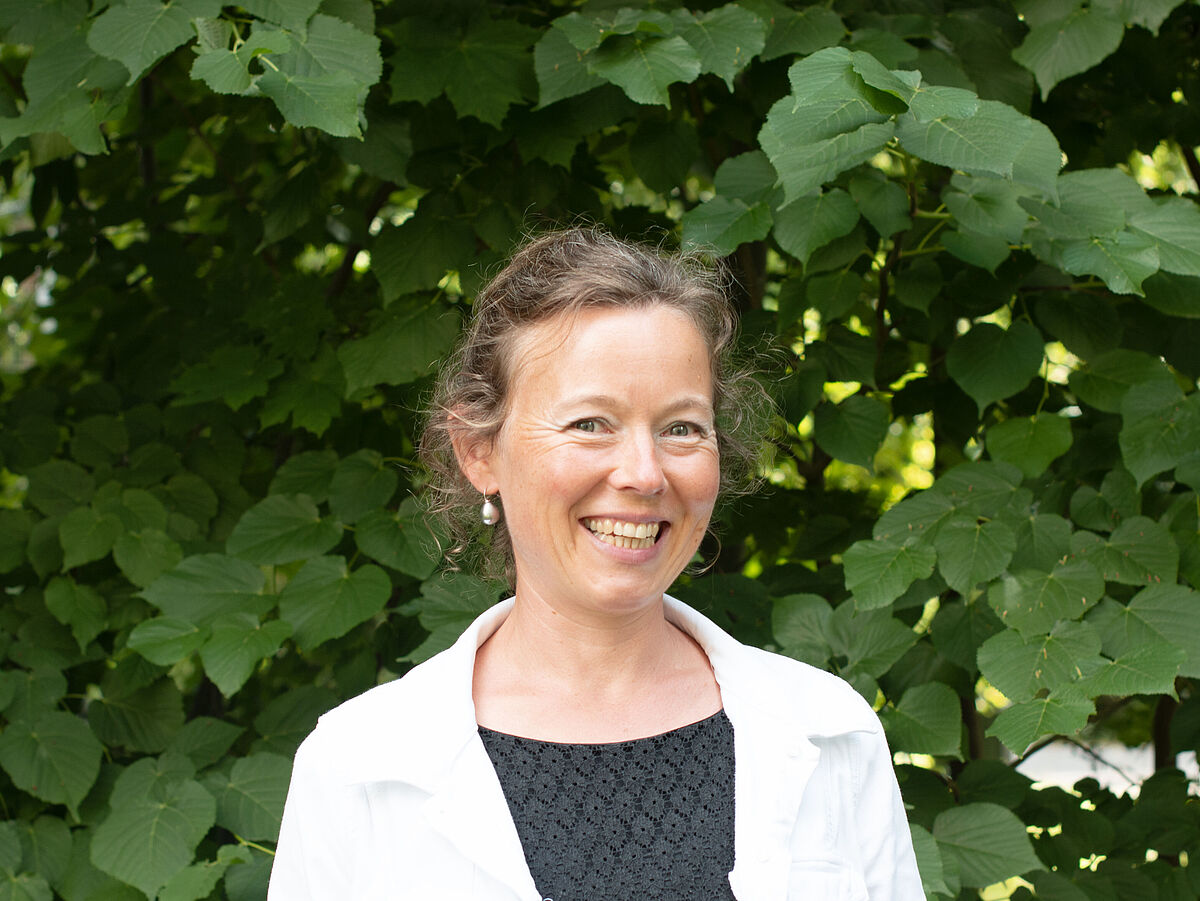
Bart Boets is a Professor at the Faculty of Medicine, KU Leuven , leading the Center for Developmental Psychiatry within the Department of Neuroscience. His research focuses on neurodevelopmental disorders, particularly autism spectrum disorder (ASD), investigating neural mechanisms of social cognition, facial expression processing, and oxytocin-based interventions. He collaborates with institutions like the Leuven Brain Institute (LBI) and Leuven Child & Youth Institute (L-C&Y) . His recent work explores neural sensitivity to faces and voices in preterm children and ASD populations using EEG, eye-tracking, and fMRI. Projects emphasize co-regulation dynamics , biobehavioral synchrony , and stress physiology in family systems. Current studies include oxytocin therapy combined with sensorimotor training for social attunement in autism. Collaborates with Matthijs Moerkerke , Katja Alaerts , and Jean Steyaert Teaches courses like Advances in Neurobiology of Psychiatric Disorders and Hot Topics in Neurobiology of Psychiatric Disorders Involved in clinical trials assessing oxytocin’s effects on neural processing and stress regulation in autistic children His lab integrates multimodal methodologies (EEG, fMRI, eye-tracking) to study self- and co-regulation dynamics in vulnerable populations, with applications in preventive mental health and ecological intervention design .
Kathleen M. Kantak is a Full Professor in the Department of Psychology at Boston University, where she founded and directs the Laboratory of Behavioral Neuroscience. She holds concurrent affiliations with BU's Center for Neuroscience, Interdisciplinary Programs in Neuroscience, Bimolecular Pharmacology Training Program, and Transformative Training Program in Addiction Science. Additionally, she serves as a Lecturer in Psychiatry at Harvard Medical School, collaborating with the New England Primate Research Center. Her research focuses on cognitive mechanisms in addiction , employing translational animal models to study: Drug-seeking behavior regulation by memory systems Neurocognitive impacts of cocaine/ADHD comorbidity Cue-exposure therapy protocols for relapse prevention Pharmacological and environmental interventions (e.g., cognitive enhancers, environmental enrichment) She has maintained continuous NIH/NIDA grant funding since 1987 for addiction therapeutics development. Recent publications (2020-2024) emphasize: Cocaine relapse mechanisms and sex-specific treatment responses ADHD modeling in rodent strains and medication efficacy Translational frameworks integrating data science Neurocognitive consequences of adolescent vs. adult drug exposure Dr. Kantak mentors through BU's neuroscience graduate programs and collaborates extensively with neurobiologists and clinicians to bridge preclinical findings with human addiction treatment.
Dr. Krishnankutty Sathian is Professor and Chair of the Department of Neurology, Professor in the Department of Neuroscience and Experimental Therapeutics, and Professor of Psychology at Pennsylvania State University. He also serves as Director of the Penn State Neuroscience Institute and maintains an active research program with numerous publications and significant grant funding. His educational background includes: MBBS from Christian Medical College (completed 1980) Postdoctoral Training at Christian Medical College Hospital (1980-1983) PhD in Neuroscience from University of Melbourne (1983-1987) Postdoctoral Training at Washington University School of Medicine (1987-1990) Medical Internship at Grant Hospital (1990-1991) Neurology Residency at University of Chicago Medical Center (1991-1994) Dr. Sathian is a distinguished cognitive neurologist and neuroscientist whose research focuses on cognitive and visual neurorehabilitation , multisensory perception , and the interfaces between perception and language . His work has been continuously funded by the NIH for 25 years, with additional support from NSF, VA, and private foundations. He has authored numerous publications and book chapters, serving as co-editor of influential volumes on cognitive plasticity (2015) and multisensory perception (2019). His extensive publication record spanning from 1983 to present demonstrates consistent contributions to neuroscience, with recent work focusing on multisensory integration, neurorehabilitation techniques, and the neural basis of cognitive functions. His research employs advanced neuroimaging techniques and spans from fundamental neuroscience to clinical applications for neurological disorders. Dr. Sathian has received significant recognition for his contributions to the field: Fellow, American Academy of Neurology (FAAN) Fellow, American Neurological Association (FANA) Fellow, American Society of Neurorehabilitation (FASNR) Honorary Fellow, Royal College of Physicians of London (FRCP) The Albert E. Levy Scientific Research Award (2001) As Principal Investigator or Co-PI, Dr. Sathian has led multiple major research initiatives including "Crossmodal Correspondences Between Visual and Auditory Features," "Mentoring Emory Neuroclinician Trainees in Research (MENTIR)," and "Perceptual Plasticity-Based Neurorehabilitation." He has served on numerous NIH, VA, and Department of Defense study sections and maintains editorial board positions with several prominent neuroscience journals including Frontiers in Human Neuroscience, Multisensory Research, Neuroscience Letters, and Psychological Science. As Director of the Penn State Neuroscience Institute, Dr. Sathian oversees a comprehensive neuroscience research enterprise that integrates basic and clinical neuroscience across multiple departments and colleges within the university, fostering interdisciplinary collaborations in neurology, neuroscience, psychology, and related fields.
Mark Frye is a full Professor in the Department of Integrative Biology & Physiology at the University of California, Los Angeles and Director of the interdepartmental Molecular, Cellular & Integrative Physiology (MCIP) Ph.D. program. An elected member of the Brain Research Institute, he explores the neural basis of flexible behavior using Drosophila melanogaster as a model. Education M.S., Neuroscience – Union College, 1992 Ph.D., Zoology – University of Washington, 2000 Research Focus Dr. Frye’s laboratory integrates neurogenetics , in vivo calcium imaging , and closed-loop virtual-reality flight arenas to dissect how visual, olfactory, and mechanosensory signals are fused in the fly brain to generate robust navigation. Key questions include how object-detecting neurons compute figure–ground discriminations, how neuromodulators such as serotonin bias sensory-motor transformations, and how species-specific visual ecologies shape tracking strategies. Parallel to his neuroethology work, Frye co-leads large-scale translational studies on bipolar disorder , lithium pharmacogenomics , and ketamine therapeutics , bridging cellular circuits to clinical outcomes. Publication Trends Recent articles (2020–2024) emphasize inhibitory micro-circuits governing motion vision, comparative visual ecology across Drosophila species, and neuromodulatory re-weighting of sensory pathways. Earlier work established fundamental algorithms for elementary motion detection and multisensory flight control . Scientific Honors & Awards NIH K99/R00 Pathway to Independence Award (mentored to trainee Giovanni) MCIP Best Student Talk Award – Lesly (2023) Advising & Funding Dr. Frye mentors ~8–10 Ph.D. students and post-doctoral fellows at any given time. Current and recent trainees include Jean-Michel Mongeau (now tenure-track at Penn State), Mehmet Keleş , and incoming MCIP student Ava Bignell . Research is supported by multiple active NIH R01 and U01 grants, including consortium projects on bipolar genomics and ketamine biomarkers. Laboratory & Affiliations The Frye Laboratory occupies ~2,000 sq ft on the 2nd floor of the Terasaki Life Sciences Building (TLSB 2014). It houses custom-built magnetic-tether and free-flight arenas, two-photon microscopes, and high-speed videography rigs. Core affiliations include the Brain Research Institute , Neuroscience GPB Home Area , and the BD² Precision Medicine Initiative .
Dr. Raymond Reynolds is an Associate Professor in the School of Sport, Exercise and Rehabilitation Sciences at the University of Birmingham . His research focuses on the Vestibular System , Sensory-Motor Control , and Postural Sway , with significant work on Ankle Stiffness and Physiological Tremor . 2025: Leading a feasibility study on Electrical Vestibular Stimulation in Children (Birmingham Women's Charitable Funds). 2023-2027: Principal Investigator for A novel diagnostic for vestibular dysfunction (Medical Research Council). 2022-2025: Co-Investigator in Mild Traumatic Brain Injury Biomarker Study (Ministry of Defence). His recent publications (2024-2025) explore haptic feedback in balance, bed rest effects on vestibular control, and ankle-calf muscle dynamics . He serves on the Editorial Board of Experimental Physiology since 2017.
Professor Yoshihiro Muraoka at Waseda University's Faculty of Human Sciences, Department of Health Science and Welfare, is a leading researcher in biomedical engineering and rehabilitation science. With academic roots at Keio University (Ph.D. in Engineering), he has developed innovative neurorehabilitation technologies including the IVES system and wearable power-assist locomotors. Keio University (1991-2000): Instrumentation Engineering, Biomedical Engineering Academic career spanning multiple institutions including Fujita Health University and National Hospital Organization Murayama Medical Center His research focuses on medical assistive technologies, particularly neuromodulation and biofeedback systems for neurological rehabilitation. Key areas include: Electromyography-controlled stimulation (IVES) Wearable inertial measurement unit applications Spasticity quantification and treatment Hybrid assistive neuromuscular stimulation (HANDS) Smartphone-integrated medical devices Gait analysis system development Recent publications demonstrate his work's emphasis on: Real-time posture estimation using IMUs Motor point stimulation optimization for spasticity reduction Teacher-learner interaction dynamics in motor skill acquisition Low-cost, portable rehabilitation solutions Cortical perfusion modulation during neurorehabilitation Quantitative assessment of physical activity in wheelchair users His 20+ years of clinical research have produced numerous practical applications including: Commercially available IVES stimulators Wearable Power-Assist Locomotor (WPAL) for paraplegic gait Smartphone-connected EMG biofeedback devices Hybrid neuromuscular stimulation therapy systems
Junchul Kim is an Associate Professor at the University of Toronto with primary appointment in the Psychology Department and cross-appointment in Cell and Systems Biology. His research focuses on elucidating hippocampal circuits and GABA interneuron functions in anxiety, stress, and memory processes using optogenetic and chemogenetic approaches. PhD in Molecular Biology and Biochemistry, Simon Fraser University (2005) Postdoctoral Research Fellow, Harvard Medical School (2005-2010) Kim's laboratory investigates two major areas: (1) Functional specialization of hippocampal pathways in emotional and cognitive control, and (2) Distinct roles of PV- and CCK-GABA interneuron subtypes in neural oscillations and behavioral modulation. His work has produced significant insights into hippocampal-prefrontal connectivity and anxiety-related circuitry. Key methodological contributions include developing recombinase-based genetic tools for noninvasive neuron labeling and silencing. Current research explores how specific neural circuits coordinate defensive responses and maintain memory stability across behavioral contexts. The Kim Lab actively trains graduate students in neuroscience research and offers opportunities for postdoctoral fellows. Current students include Cindy Hong, Kendall Mar, Andrew Cheon, Ruth Tran, Stephanie Shishis, and Charlotte Romain, while lab alumni feature notable researchers like Afif Aqrabawi and Paul Whissell.
Anil Seth is Professor of Cognitive and Computational Neuroscience at the University of Sussex, where he serves as Director of the Sussex Centre for Consciousness Science. He is also Co-Director of the Canadian Institute for Advanced Research (CIFAR) Program on Brain, Mind, and Consciousness. His research bridges psychology, philosophy, computer science, AI, physics, mathematics, psychiatry, and neurology to determine the biological basis of conscious experience. Dr. Seth completed his MA in Natural Sciences at Cambridge University in 1996, followed by an MSc in Knowledge-Based Systems and a DPhil in Computer Science & Artificial Intelligence, both at the University of Sussex. He worked as a postdoctoral researcher at The Neurosciences Institute in San Diego from 2001-2006 before returning to Sussex. Seth's research is guided by two key principles: that consciousness science should account for properties of subjective experience in terms of neural mechanisms, and that basic experiences of conscious selfhood depend on close connections between brain and body. His lab develops mathematical measures of information flow and neuronal complexity as markers of conscious level, investigates how conscious perception depends on neural mechanisms underlying 'predictive processing' in the Bayesian brain, and explores how prediction of bodily signals underlies basic experiences of selfhood using virtual reality and psychophysiology. These insights are translated into new approaches for understanding disturbances of conscious experience in psychiatric disorders. His publications reveal a consistent focus on the neural basis of consciousness, with recent work expanding into consciousness in artificial intelligence, ethics of brain-computer interfaces, and stroboscopically-induced hallucinations. His research spans theoretical frameworks, empirical studies, and practical applications across multiple domains. Clarivate Highly Cited Researcher (2019-2024) Royal Society's Michael Faraday Prize (2023) Prospect Magazine Top 25 Thinkers for 2024 Royal Society Young People's Book Prize (2014) BBC Radio Drama Awards Best Single Drama (2016) 2019 KidSpirit Perspective prize 2023 Segerfalk Prize from the University of Lund Seth has received significant research funding including an EPSRC Leadership Fellowship, an ERC Advanced Investigator Grant, support from the Wellcome Trust, and funding from CIFAR. He was previously a Wellcome Trust Engagement Fellow (2016-2020) and founding Editor-in-Chief of Neuroscience of Consciousness (2014-2024). His book 'Being You: A New Science of Consciousness' (2021) became a Sunday Times Top 10 Bestseller and was named Book of the Year by multiple publications including The Economist and The New Statesman. His 2017 TED Talk has garnered over 15 million views and is among TED's most popular science talks. He leads the Sussex Centre for Consciousness Science and collaborates extensively with international researchers, including through the CIFAR Program on Brain, Mind, and Consciousness. His work increasingly intersects with artists and creators, as evidenced by projects like Dreamachine, an innovative immersive experience combining art, neuroscience, architecture, and music.
Pavan P Ramdya is an Associate Professor at EPFL's School of Life Sciences, affiliated with the Brain Mind Institute and Institute of Bioengineering. He leads the Ramdya Lab, focusing on reverse-engineering Drosophila neural systems to uncover principles of biological intelligence and inform AI/robotics. His interdisciplinary approach combines genetics, computational modeling, and neuroimaging. Education: PhD in Neurobiology from Harvard University (2009) Research spans neuroengineering , motor control , and collective behavior . Key contributions include creating NeuroMechFly (neuromechanical model of Drosophila ), mapping descending/ascending neuron networks , and developing DeepFly3D , LiftPose3D software for behavioral analysis. His work reveals how neural populations in the brain and ventral nerve cord coordinate locomotion and social behaviors. Recent publications focus on hierarchical sensorimotor control (Nature Methods 2024), neural substrates of sociability (bioRxiv 2024), and 3D pose estimation algorithms. The lab secures major grants including Kavli Exploration Awards , SNSF Eccellenza Grants , and HFSP Fellowships . Scientific Awards: Kavli Fellowship, SNSF Eccellenza Grant, HFSP Career Development Award, Wellcome Trust Fellowship, UNIL Young Investigator Award As a PhD program committee member for EDBB and EDNE , he mentors students in computational neuroscience and neuroengineering. His team has trained multiple PhD candidates including Victor Lobato-Rios and Pembe Gizem Ozdil.
Dr. Li-Ann Leow is a Research Fellow at the Centre for Sensorimotor Performance , affiliated with the School of Psychology in the Faculty of Health, Medicine and Behavioural Sciences at the University of Queensland . She holds a PhD in Motor Learning and Parkinson's Disease from the University of Western Australia, and has held postdoctoral positions at the Brain and Mind Institute (Western University) and the University of Queensland. Research Interests : Mechanisms of sensorimotor adaptation Dopamine's role in motor learning Neurostimulation techniques (tDCS) Rhythm perception and movement disorders Implicit vs explicit learning processes Motor rehabilitation in stroke and Parkinson's Article Trends show focus on neural plasticity , auditory-motor integration , and dopaminergic modulation of motor skills. Her 2025 works highlight error-driven memory consolidation and auditory cueing effects . She explores how brain stimulation reliability affects procedural learning and decision-making in both healthy and clinical populations. Scientific Awards : Honorary Fellow, School of Psychology, University of Queensland Advisory Activities : Available for supervision in motor learning and reward-based movement research Completed supervision of projects on stroke rehabilitation and implicit motor learning
Wilson Truccolo is the Pablo J. Salame Goldman Sachs Associate Professor of Computational Neuroscience at Brown University's Carney Institute for Brain Science. His research focuses on understanding how human brain function emerges from collective neural dynamics and how neurological disorders like epilepsy result when these dynamics become pathological. He studies neural activity at multiple scales, from single neurons to large-scale brain networks. Truccolo's research interests center on collective neural dynamics, computational neuroscience, epilepsy, neuroengineering, statistical neuroscience, and theoretical neuroscience. His work integrates advanced computational methods with experimental neuroscience to model and understand brain function and dysfunction. He particularly investigates how neural networks generate normal brain activity and how this activity becomes pathological during epileptic seizures. His recent publications demonstrate a strong focus on seizure dynamics, neural network modeling, and brain-computer interfaces. His research shows consistent emphasis on understanding the computational principles underlying neural activity, with applications to both fundamental neuroscience and clinical problems like epilepsy. His work frequently involves collaboration with clinical researchers to translate computational findings into potential therapeutic approaches. Truccolo has received significant research funding, including an NIH NINDS R01 grant as Principal Investigator. His research has been published in high-impact journals including Nature Scientific Reports, PLoS Computational Biology, The Lancet Neurology, and Nature Communications. He teaches NEUR 2110 - Statistical Neuroscience at Brown University, reflecting his expertise in quantitative approaches to understanding brain function. His research program involves developing sophisticated computational models to analyze neural data across multiple spatial and temporal scales.
Li-Qun Zhang is a Professor in the Department of Physical Therapy and Rehabilitation Science and Department of Orthopaedics at the University of Maryland, Baltimore, and Professor in Bioengineering at the University of Maryland, College Park. His research focuses on rehabilitation robotics and neurorehabilitation for stroke survivors and children with cerebral palsy, with over 150 peer-reviewed publications spanning sensorimotor impairment diagnosis, movement training, and outcome evaluation. Education: B.S. from Tsinghua University, Beijing, China M.S. and Ph.D. in Biomedical Engineering from Vanderbilt University, Nashville, TN, USA Postdoctoral training in rehabilitation at the Rehabilitation Institute of Chicago Research Focus: Professor Zhang's work centers on developing intelligent rehabilitation devices and protocols for movement impairments. His laboratory investigates reflex and non-reflex factors in spasticity across multiple anatomical levels (multi-joint, single-joint, muscle fascicle) and explores musculoskeletal injury mechanisms. Key innovations include wearable ankle robots for acute stroke rehabilitation and real-time biomechanical assessment systems for knee osteoarthritis. Publication Trends: Recent work (2023-2017) demonstrates increasing integration of robotics with clinical rehabilitation, particularly in multi-joint proprioception assessment for stroke, wearable devices for in-bed acute stroke care, and spasticity characterization in cerebral palsy. His research consistently bridges biomechanical analysis with practical clinical translation. Awards: No scientific awards were explicitly mentioned in the source material. Research Leadership: As director of the Neuromechanics Laboratory, Zhang leads translational research efforts that convert laboratory findings into clinical rehabilitation protocols. His mentorship has produced extensive collaborative work with clinicians across orthopaedics and neurology, though specific student names and grant details were not provided in the source text. Laboratory Focus: The Neuromechanics Laboratory specializes in developing intelligent rehabilitation devices, with current emphasis on real-time feedback systems for gait training, ultrasound-based muscle assessment, and medical device innovation for neurological and orthopaedic rehabilitation.
Alexandra Moringen is a postdoctoral researcher at the Institute for Data Science , University of Greifswald. Her work bridges robotics, cognitive science, and machine learning, focusing on modeling complex cognitive behaviors and optimizing human-robot interaction with limited multimodal data. Studied Mathematics and Computer Science at Kiel University PhD in Bayesian and computational statistics at Bielefeld University Research interests include: Development of reinforcement learning (RL)-based models for haptic 3D shape exploration in robots Analysis of human haptic puzzle-solving using multimodal data (marker trajectories, joint angles, tactile sensors) AI applications in artistic creativity and sports training optimization Human-centric systems for medical training, healthy aging, and motor skill acquisition Her article trends highlight interdisciplinary innovation in robotics and education: 2021 arXiv paper on piano practice optimization with generative AI and exoskeletons 2020 PLOS ONE study on tactile sensor array efficiency in shape exploration 2016 IEEE Haptics Symposium work on sensorimotor learning in 3D displays
Ari Rosenberg is an Assistant Professor at the University of Wisconsin–Madison, affiliated with the Biomedical Engineering department under the School of Medicine and Public Health , with additional affiliations in Neuroscience. His research focuses on understanding 3D vision, multisensory integration, and the neuro-computational underpinnings of autism. His work employs computational modeling, neurophysiological studies, and human psychophysical experiments, including innovative methods using Bingham functions to quantify 3D orientation selectivity. Recent studies explored single-trial fMRI decoding of 3D motion and functional localization of the visual motion area FST in humans. Vilas Associate Award recipient (2020) NEI R01 grant (2018) for hierarchical cortical networks in 3D vision The lab supports graduate students and postdocs, with members like Lowell (McPherson Eye Research Award), Lauren Kresser (Best Research Presentation), and Zikang (Yin Fellowship). They also develop the open-source REC-GUI framework for real-time neuroscience experiments.
Dr. Alexander R Jensenius is a researcher at the University of Oslo's Department of Musicology, specializing in Embodied Music Cognition and New Interfaces for Musical Expression (NIME) . With multidisciplinary training in informatics, mathematics, musicology, and music technology, his work bridges music research with motion capture systems, sensor technology, and interactive performance tools. His research intersects with multiple subfields, including: Human movement analysis for musical applications using infrared and inertial sensors Web audio pedagogy through cross-campus team-based learning frameworks Open research practices addressing data handling challenges in musicology Dr. Jensenius has pioneered comparative studies between high-end (Qualisys) and affordable (OptiTrack) motion capture systems, examining their suitability for dance music research and live performance contexts. His technical contributions include synchronization tools for multimodal music data and the Dance Jockey System for full-body interaction with Xsens MVN suits. Recent publications demonstrate his focus on: Optimizing motion data reliability for music performance analysis Developing "good enough" open research practices in empirical musicology Enhancing team-based programming education through web audio technologies He also explores philosophical dimensions of music cognition, including sound-motion similarity theories and embodied memory in telematic performances with migrant communities.