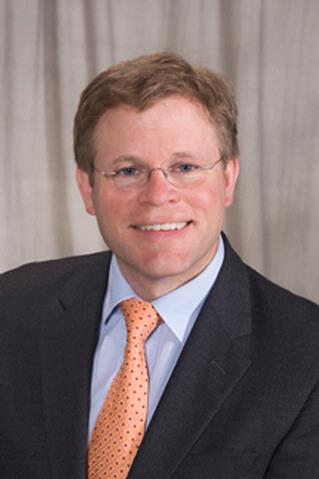
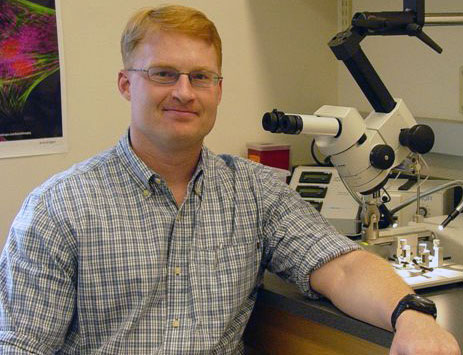
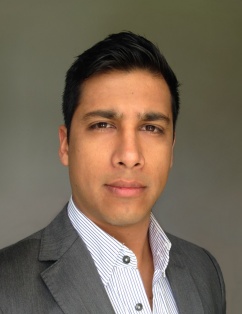
Spencer Sterling Kellis is a Research Professor specializing in brain-computer interfaces and neural decoding techniques. His work focuses on developing neuroprosthetic systems that restore function in patients with paralysis through cortical signal decoding. Research highlights include: Decoding motor and speech signals from sensorimotor cortex High-resolution mapping of somatosensory representations ECoG-based neural interfaces for assistive technology His publications demonstrate consistent focus on translating neural engineering advances to clinical applications, particularly for tetraplegic patients. Research employs intracortical microelectrode arrays and computational neuroscience approaches.
Sara Borgomaneri is an Associate Professor in the Department of Psychology 'Renzo Canestrari' at the University of Bologna. Her research focuses on the neural bases of cognitive and affective processes, with a particular emphasis on neuroplasticity mechanisms explored through behavioral and neurophysiological methods like TMS and EEG. She investigates how emotional stimuli influence motor and cognitive systems in healthy individuals. Education: PhD in Social and Behavioral Sciences (University of Amsterdam), Master’s in Neuropsychology (University of Bologna), and Degree in Psychological Sciences (Vita Salute San Raffaele University). Research interests span embodied cognition, fear memory modulation, and the role of sensorimotor systems in empathy. Her work has been recognized with awards such as the IOP/SIPF Early Career Prize and Brain Sciences 2024 Young Investigator Award. She has secured significant funding, including grants from the Bial Foundation and PRIN programs. Teaching includes a course on TMS applications at the University of La Laguna (Spain). She actively participates in international conferences, delivering invited talks and organizing symposia on topics like brain stimulation and fear conditioning. Labs and collaborations include the Cognitive Neuroscience Study and Research Center in Cesena, where her team explores cutting-edge techniques like paired associative stimulation and open-source neurotechnology solutions.
Jan-Harm Betting is a Researcher at Erasmus MC, where he conducts interdisciplinary research spanning neuroscience and computer science. His primary affiliations center on computational approaches to neural systems and high-performance computing applications. His research integrates Neuroscience and Computer Science, focusing on: Neuroscience: Purkinje cell dynamics, neural oscillations, sensorimotor integration, and rodent behavioral analysis. Computer Science: Deep-learning algorithms, high-performance computing optimization, and computer-vision techniques for biomedical data. Publications from 2020–2023 reveal a consistent focus on developing computational tools for neuroscience, including whisker-tracking algorithms for rodent behavior studies and resource-management systems for cloud HPC. His work frequently combines empirical neural data with advanced computational modeling. He collaborates internationally, as evidenced by multi-institutional research networks and co-authored publications with peers across neuroscience and engineering disciplines.
Christopher Buneo is an Associate Professor in the School of Biological and Health Systems Engineering at Arizona State University. His research focuses on neural mechanisms underlying sensorimotor integration and motor control, particularly in the posterior parietal cortex. He holds a primary appointment in biomedical engineering and has cross-disciplinary interests in neuroscience and neural prosthetics. Research interests include the neural basis of visually guided movements, sensorimotor transformations, and the development of brain-computer interfaces. His work bridges basic neuroscience with translational applications in neural engineering and rehabilitation technology. Key research grants include the NSF CAREER award (2008-2014) for studying state estimation mechanisms in the posterior parietal cortex, and a 2014 grant exploring cooperative manipulative actions in neural systems. He has authored over 20 peer-reviewed publications in top journals such as Nature , Neuron , and Neuroscience . Teaching responsibilities include courses like Clinical Neuroscience (BME 561), Physiology for Engineers (BME 235), and undergraduate research supervision. He has advised multiple honors theses and directed applied engineering projects through BME 593 and BIO 495 programs. Professional service includes peer-review roles for Journal of Neurophysiology (2005-2006) and Neuron (2005). His research group focuses on neural signal decoding and translational neuroengineering solutions.
Benjamin T. Crane, M.D., Ph.D., is a Professor in the Department of Otolaryngology and holds joint appointments in Biomedical Engineering and Neuroscience at the University of Rochester School of Medicine and Dentistry. As a leading expert in otology and neurotology, his research focuses on understanding motion perception and spatial orientation through psychophysical and engineering methodologies. He completed his M.D.-Ph.D. at UCLA, followed by residency and fellowship training at UCLA and Johns Hopkins. His work bridges clinical practice and research, addressing vestibular disorders, cochlear implants, and dizziness management. Dr. Crane has received numerous awards, including the American Neurotology Society’s Fellows Award (2008) and the Clinician Scientist Award (2010). His lab investigates vestibular system pathologies and develops adaptive vestibular rehabilitation techniques. Clinically, he specializes in treating conditions such as acoustic neuroma, otosclerosis, and superior canal dehiscence syndrome. Education: M.D. and Ph.D. from University of California, Los Angeles (2000). Residency in Otolaryngology at UCLA (2001–2006), followed by a neurotology fellowship at Johns Hopkins (2007–2009). Research Interests: Human motion perception, vestibular system disorders, visual-vestibular integration, spatial orientation pathologies, migraine-associated vertigo, and clinical applications of motion perception studies. Current projects include studying heading perception in healthy individuals and patients with vestibular hypofunction or central integration disorders. Grants and Awards: Giannini Family Foundation fellowship, multiple travel awards, and recognition for resident teaching excellence. His research has led to innovations in vestibular rehabilitation and imaging protocols for cochlear implantation. Lab and Clinical Roles: Principal Investigator of the Motion Perception & Spatial Orientation Lab. Collaborates across disciplines to advance understanding of vestibular dysfunction and improve clinical outcomes through translational research. Active in surgical education and resident training, maintaining a busy clinical practice in otology and neurotology.
Professor Graham Kerr is a faculty member in the School of Exercise & Nutrition Sciences at Queensland University of Technology (QUT), part of the Faculty of Health. He holds a PhD from the University of Western Australia and has extensive expertise in motor control, movement disorders, and aging-related mobility challenges. His research focuses on postural stability, gait analysis, and Parkinson's disease, with projects funded by the NHMRC Injury Prevention Partnership. Key areas include the impact of visual deficits on balance, spinal cord injury rehabilitation, and proprioceptive control mechanisms. Recent studies investigate wearable technologies for stress biomarkers, heat sensitivity in Parkinson's patients, and dance interventions for mobility improvement. He has supervised over 15 PhD/Master's students and contributed to 165+ peer-reviewed publications.
Thomas A. Knight is an Associate Professor in the Biology Department at Whitman College. Holding a Ph.D. in Neurobiology and Behavior from the University of Washington (2005), he teaches foundational courses like BIOL 111 (Biological Principles) and BIOL 330 (Human Physiology), while advising senior theses in BIOL 489/490 and BBMB 490. Education: Ph.D. Neurobiology and Behavior, University of Washington (2005) M.S. Biology, Eastern Michigan University B.S. Biology, Alma College His research explores neural mechanisms of motor control and learning, with a focus on eye-head coordination across species. Using electrophysiology, neuroanatomy, and human eye-tracking (EyeSeeCam), he investigates applications for diagnosing neurological conditions like concussion, PTSD, and Parkinson's Disease. Key research trends include: Neural plasticity in learning and disease Cross-species comparisons (mouse to human) Translational neuroscience applications Neurochemical mechanisms in stress response Scientific Awards & Grants: NFL/GE Head Health Challenge, Phase I (2013, $300,000) Murdock College Research Program awards (2010-2012, $66,000; 2013, $39,872) NSF and Howard Hughes Medical Institute funding Dr. Knight actively involves undergraduates in research, with student co-authors on multiple publications. His lab collaborates with institutions like the VA Puget Sound Hospital's MIRECC program, contributing to both basic science and clinical translation.
Hoda Fares is an Assistant Professor in the Department of Electrical and Computer Engineering at Aarhus University, specializing in neuroprosthetics and human-machine interfacing. Her research focuses on developing brain-inspired neural interfaces (BI-BCIs) that integrate neuromorphic hardware and flexible materials to restore sensorimotor function in individuals with disabilities such as stroke or amputation. She works on closed-loop systems combining bioinspired spiking neural networks (SNN) with low-power neuromorphic hardware. Her expertise includes intelligent neuroprosthetics, tactile sensing technologies, and electrotactile stimulation for bionic limbs. Current projects involve wearable neuromorphic interfaces for bidirectional control of prostheses and enhancing rehabilitation systems through artificial sensory-motor restoration. Fares' work bridges artificial intelligence with neuroengineering to create adaptive, miniaturized neural implants. Selected publications highlight advancements in functional electrical stimulation for stroke recovery, electronic skin validation, and multi-channel tactile feedback systems. Her research emphasizes clinical translation of technologies for real-world prosthetic applications, leveraging flexible/stretchable materials and distributed sensing networks. Despite no listed academic awards, her contributions to tactile sensing and prosthetic control systems demonstrate significant innovation in biomedical engineering. Ongoing work includes collaborations on neuromorphic hardware design and validation of virtual prosthetic systems with tactile feedback interfaces.
Carlos R. Hernandez Castillo is an Assistant Professor at Dalhousie University's Faculty of Computer Science and holds a Canada Research Chair Tier 2 position. He also serves as a Scientist at Nova Scotia Health Authority. His work bridges computer science, neuroscience, and clinical medicine with a focus on understanding brain function and developing AI-based diagnostic tools for neurological disorders. Dr. Hernandez Castillo earned his MSc in Artificial Intelligence and PhD in Neuroethology from Universidad Veracruzana in Mexico. During his doctoral studies, he conducted research at the Biomedical Research Imaging Center at University of North Carolina, Chapel Hill. His postdoctoral training spanned multiple institutions including UNAM in Mexico City, Queen's University in Kingston, and Western University in London. His research focuses on two interconnected areas: understanding the human brain with particular emphasis on the cerebellum and its interactions with the neocortex, and applying artificial intelligence algorithms to improve diagnostic tools for clinical assessment, primarily using magnetic resonance imaging. His lab conducts multidisciplinary research spanning neuroimaging, movement disorders, neuroscience, and computer vision, with a special interest in spinocerebellar ataxias and other neurodegenerative conditions. His publication record demonstrates a strong trajectory in cerebellar imaging and neurodegenerative disorders, with numerous high-impact papers in neurology and neuroimaging journals. His work often involves large-scale collaborative efforts through the ENIGMA-Ataxia Working Group, reflecting his leadership in international neuroscience research consortia. Canada Research Chair Tier 2 Dr. Hernandez Castillo actively mentors graduate students and postdocs, with current lab members working on diverse projects including fMRI biomarker discovery, neurodevelopment toolboxes, and brain network modeling. His research is supported by multiple funding agencies, enabling cutting-edge work at the intersection of AI and neuroscience. He collaborates with researchers at UNAM, Western University, Monash University, and UCLA|Cedars Sinai, demonstrating the international scope of his work. His lab, CSBrain, maintains active development of computational tools and resources including GitHub repositories, code tutorials, and educational materials. Dr. Hernandez Castillo teaches courses in Computer Vision and MRI analysis, bridging theoretical knowledge with practical applications in medical imaging.
Dr. Georgios Argyropoulos is a Lecturer in Psychology at the University of Stirling, part of the Faculty of Natural Sciences. He holds a PhD from the University of Edinburgh (2011) and completed postdoctoral research at the University of California, Irvine; Royal Holloway University of London; University College London; and the University of Oxford (2012-2020). His research focuses on cognitive and clinical neuroscience, particularly the role of cortico-cerebellar, cortico-striatal, and cortico-hippocampal circuits in sensorimotor, cognitive, and emotional behaviors. He employs structural/functional MRI, eye-tracking, TMS/tDCS, and behavioral tasks with healthy and brain-injured participants. Key research areas include episodic memory, speech/language processing, and oculomotor control. His work emphasizes translational neuroscience, linking neural mechanisms to clinical disorders such as limbic encephalitis and FOXP2-related speech disorders. He is affiliated with the Cognition in Complex Environments research group and contributes to the Living Well research theme. Recent publications highlight cerebellar contributions to psychiatric disorders, hippocampal network abnormalities, and translational approaches to speech disorders. Dr. Argyropoulos supervises PhD students in neuroscience topics such as memory systems, language disorders, and cerebellar function. His research bridges clinical and experimental neuroscience, aiming to advance therapeutic interventions for neurological and psychiatric conditions.
Basavaraju Sanganahalli is a Research Scientist in Radiology & Biomedical Imaging at Yale School of Medicine, directing the Small Animal MRI Core in the Magnetic Resonance Research Center. His expertise combines neurophysiology with fMRI to study brain function in health and disease. He holds a PhD in Neuroscience (2004) from National Institute of Mental Health and Neurosciences, along with advanced training in Biophysics and Physics. Research focuses on neurovascular coupling, stroke mechanisms, Alzheimer’s disease, spinal cord injury, and preclinical model development. His work integrates advanced imaging techniques like fMRI with electrophysiological and molecular approaches. Key contributions include understanding cerebroprotective therapies, microglial dysfunction in early adversity, and genotype-dependent Alzheimer’s interventions. Publications emphasize translational research in stroke treatment efficacy (e.g., uric acid cerebroprotection), neuroinflammation modulation (VEGF-C studies), and functional connectivity analysis in rodent models. Collaborations span Yale’s Magnetic Resonance Research Center, Bioimaging Sciences, and clinical neurology teams. Current projects include multi-center preclinical stroke trials (SPAN Trial), APOE genotype-dependent therapies, and developing standardized neuroimaging protocols for rodent brain studies. His work bridges basic science with clinical applications in neurology and neurodegenerative diseases.
Charles Bruce, PhD is an Associate Professor of Neuroscience at Yale University's Yale School of Medicine. His research focuses on neurophysiological mechanisms underlying sensorimotor processing, particularly in relation to eye movements. He earned his PhD from the University of North Carolina in 1976. Bruce's work combines electrophysiological recordings, microstimulation, and neuroanatomical tracing to study cortical circuits involved in visual-motor integration. Research Interests: Cerebral cortex organization, neurophysiological basis of eye movement control, sensorimotor integration, and cortical circuitry analysis. His studies investigate how the brain coordinates visual input with motor output for tasks like saccades and smooth pursuit. Key Findings: Contributions include mapping neural pathways between frontal eye fields and posterior cortical areas, identifying deficits in smooth pursuit after frontal lobe lesions, and elucidating oculocentric coding in supplementary eye fields. His research bridges basic neuroscience with clinical insights into disorders like schizophrenia's eye tracking abnormalities. Lab & Collaborations: Directs the Bruce Lab, which uses advanced techniques including intracortical microstimulation and neurochemical injections. Collaborations focus on primate models to understand cortical information processing networks.
Eugene Tunik is a Professor and Associate Dean of Research and Innovation at Northeastern University's Bouvé College of Health Sciences, affiliated with the Department of Physical Therapy, Movement & Rehabilitation Science. He holds an academic appointment in Electrical and Computer Engineering. His research focuses on human motor control, neurorehabilitation neuroscience, brain stimulation, brain imaging, and virtual reality applications in therapy. Research Projects: Optimizing Hand Rehabilitation Post-Stroke Using Interactive Virtual Environments (NIH-funded) Planning and Updating in Frontoparietal Networks for Grasping (NIH-funded) Key Contributions: Developed a patented VR system for experimental design Advanced TMS/EEG methodologies for studying motor neurophysiology Led NIH-funded studies on sensorimotor reorganization post-stroke Labs & Teams: Directs the Movement Neuroscience Laboratory, collaborating with experts in robotics, biomedical engineering, and neuroscience. Current lab members include researchers like Giuseppe, Hide, Piyush, and students like Kyle Lockwood. Grants & Awards: Secured $400K NSF MRI grant for advanced TMS equipment and holds a key patent in VR experimentation. His work bridges clinical needs with cutting-edge neurotechnology.
Dr. Joana Pinto is a Senior Research Associate at the University of Oxford's Department of Biomedical Engineering and a member of St Peter's College. She holds roles as Principal Investigator of the Maternal Brain Project and founder of the Women’s Health Book Club. Previously, she was a Postdoctoral Researcher in Professor Daniel Bulte’s group (2020–2023) and a Junior Research Fellow at Kellogg College (2021–2024). Education: PhD in Biomedical Engineering, University of Lisbon (2019) MSc and BSc (degrees unspecified) Research Interests: Non-invasive neuroimaging techniques for cerebrovascular disease biomarkers Maternal brain dynamics using advanced MRI Integration of cerebral blood flow (CBF) and cerebrovascular reactivity (CVR) metrics Her work bridges clinical MRI applications and women’s health, particularly pregnancy’s neurological impacts. Key Projects: Maternal Brain Project (Funders: ARUK Thames Valley, Wellcome Centre, John Fell Fund) Eye-Brain Project (EPSRC-funded) Awards: Early Career Fellowship (ESMRMB, 2021) Junior Fellowship (ISMRM, 2023) Premio Príncipe da Beira (2023) Grants & Leadership: Lead researcher in multi-funder maternal health initiatives Collaborator on EPSRC neuroimaging projects Lab Affiliations: Biomedical Image Analysis Group Maternal Brain Project team
Dr. Lo Marshall is a Lecturer (Teaching) at The Bartlett School of Architecture, University College London, and holds a Senior Research Fellowship in Equality, Diversity, and Inclusion within the Built Environment. Their work focuses on LGBTQIA+ communities, queer nightlife infrastructures, and spatial equity. They co-founded the Queer Community College and co-organize B.Queer, an LGBTQIA+ staff and student network at UCL. Marshall holds a PhD in Human Geography (2021) and has conducted postdoctoral research on trans students' barriers to belonging in higher education. Their research has been supported by HERA’s Night spaces project and includes collaborations with the Museum of London and Design Museum. Notable awards include UCL’s 2024 Intersectional Impact Award and the 2020 Emerging Voice in Architecture designation. Key research themes include queer spatial practices, EDI in urban design, and participatory methodologies. Marshall’s work bridges architecture, geography, and social justice, advocating for inclusive urban policies and community-driven spaces.