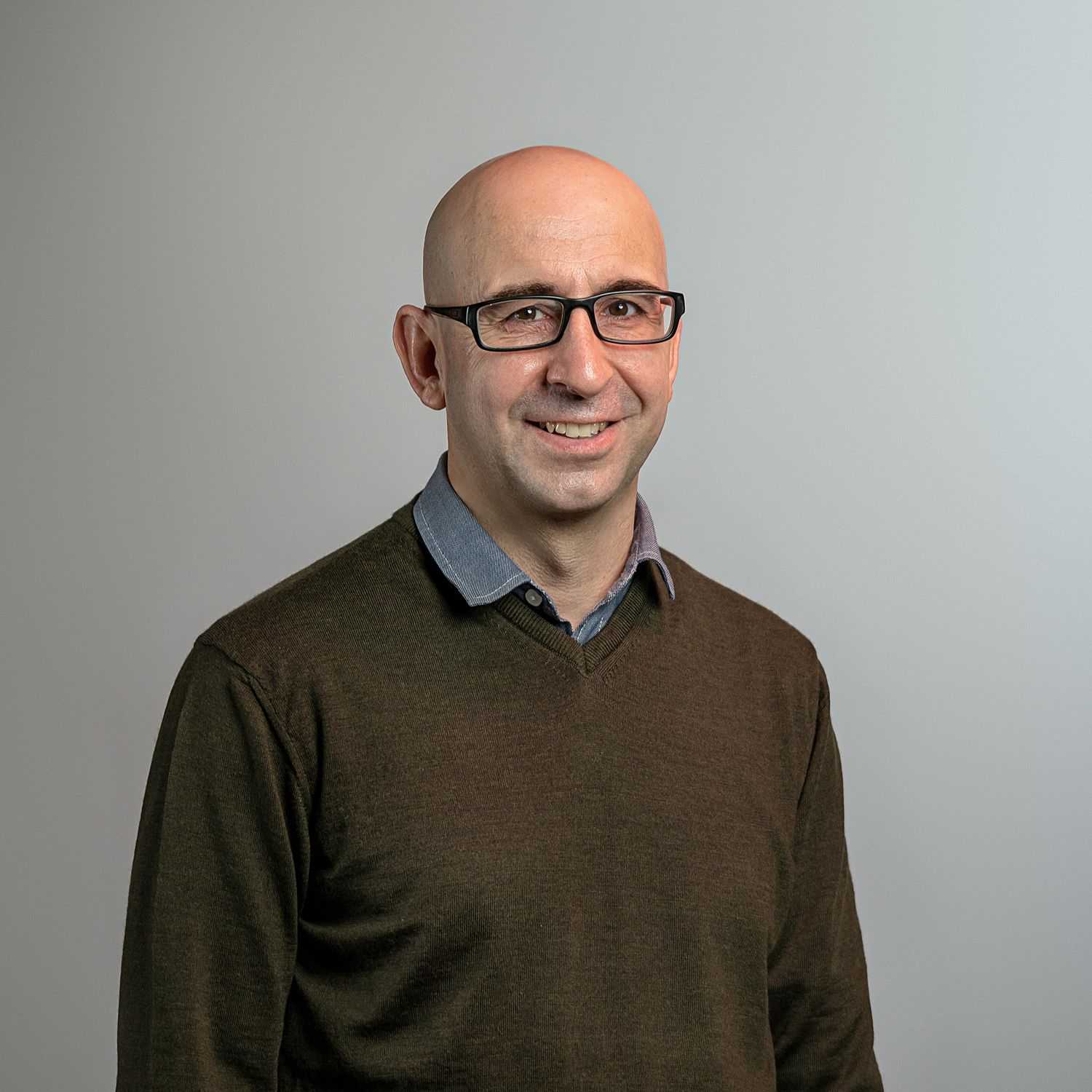
Víctor Manuel Brea Sánchez is an Associate Professor at the Research Center on Intelligent Technologies (CiTIUS) within the University of Santiago de Compostela (Spain). His work focuses on hardware implementations for computer vision and CMOS-3D technologies . Research Areas : Computer Vision, Electronic Design, Low-Power Embedded Systems Projects : AZOR (Search, Location, Rescue), Power Management Unit Chip for Energy Harvesting His recent publications emphasize CMOS-based vision sensors , analog computing-in-memory , and spatio-temporal feature extraction . Trends include deep learning acceleration, event cameras, and hardware for real-time object detection. Scientific contributions include the Best Paper Award at the 2003 European Conference on Circuit Theory and Design. Collaborations with researchers like Manuel Mucientes and Paula López highlight interdisciplinary efforts in AI-driven hardware design.
Professor Cheng Xing is a distinguished faculty member at the Department of Materials Science and Engineering within the College of Engineering at Southern University of Science and Technology (SUSTech). Since 2013 , he has served as a Professor and previously held a Director position at the Analytical Testing Center until 2020 , after which he became the Director of the Laboratory and Equipment Management Department . His academic journey includes a PhD in Electrical Engineering from the University of Michigan (2005), an MS in Geochemistry from Stanford University (1999), and a BS in Geochemistry from the University of Science and Technology of China (1997) Research Interests: Micro/Nanofabrication Techniques Nano-Optics and Photonic Devices Organic Semiconductor Materials Bio-MEMS and Digital Microfluidics Integrated Macroelectronics Publication Trends reflect expertise in Nanoimprint Lithography , High-Performance Semiconductor Devices , and Advanced Bio-MEMS Systems , with recent work focusing on Metasurface Applications , Flexible Electronics , and Cost-Effective Nanofabrication . His 15 Most Recent Articles (2023-2002) span Materials Science , Nanotechnology , and Optical Engineering . Scientific Recognition: 2011: NSF CAREER Award 2011: DARPA Young Faculty Award 2013: Shenzhen Peacock Project B 2014: Shenzhen Government Special Allowance 2018: Shenzhen Pengcheng Scholar Administrative Roles include leadership positions at SUSTech's Analytical Testing Center (2013-2020) and Director of Laboratory and Equipment Management Department (2020-present). His work bridges Academic Research and Industrial Application , with grants supporting innovations in Nanostructured Materials and Smart Sensing Systems .
Dr. Wei Cai is a Research Associate Professor in the Department of Ocean Science and Engineering at the Southern University of Science and Technology (SUSTech). He also serves as Assistant to the President of the Academy of Marine Sciences at SUSTech and Assistant Director of the Shenzhen Branch of the Laboratory of Marine Science and Engineering of Guangdong Province. Additionally, he is the Deputy Director of the Marine Robot & Power System Laboratory and a member of the National Technical Committee for the Standardization of Submersibles. Dr. Cai received his educational background as follows: Doctor of Biomedical Engineering : Zhejiang University, September 2007 - June 2012 Bachelor of Biomedical Engineering : Zhejiang University, October 2002 - June 2007 Dr. Cai has dedicated his career to marine technology research for nearly 15 years, with expertise spanning multiple disciplines of ocean science and engineering. His primary research interests focus on marine sensors , scientific applications of submersibles , and polymetallic sulfide resources in the international seabed area . His work bridges engineering innovation with practical oceanographic applications, particularly in deep-sea exploration technologies. Dr. Cai has extensive field experience, having participated in 12 cruises on China Ocean Voyages, where he served as chief scientist for several important missions including sea trials of the "Qianlong II" AUV in 2016, "Qianlong III" AUV in 2018, and Deep-Sea Drilling Rig in 2021. His January 2019 expedition with the "Deep Sea Warrior" manned submersible reached a depth of 2,773 meters in the Southwest Indian Ocean, demonstrating his hands-on expertise in extreme deep-sea environments. Dr. Cai's research portfolio demonstrates a clear progression from fundamental sensor development to sophisticated deep-sea exploration systems. His early work focused on chemical sensors for water quality monitoring, particularly for heavy metal detection, which laid the foundation for his later specialization in marine applications. Over time, his research evolved toward deep-sea technologies, with increasing emphasis on autonomous underwater vehicles (AUVs), hydrothermal vent systems, and polymetallic sulfide resource exploration. His publications reveal strong interdisciplinary connections between chemical engineering, robotics, marine geology, and environmental science, with practical applications in both resource exploration and environmental protection. Dr. Cai's scientific achievements have been recognized with several prestigious awards: Second Prize of National Science and Technology Progress Award (Team), 2019 Outstanding Contribution Award of China Marine Engineering Consulting Association (Team), 2019 Outstanding Graduate of Zhejiang Province, 2012 2022 Pearl River Talent Plan Young Top Talent 2022 Shenzhen "Pengcheng Peacock Plan" Special Post C As a principal investigator, Dr. Cai has secured significant research funding, including the National Key Research and Development Program of China, projects from the Deep Blue Project Fund by Shanghai Jiao Tong University, and various provincial and national research grants. His leadership extends to serving as deputy chief designer of technical upgrade and scientific application of the "Qianlong II" AUV. Dr. Cai has also contributed to major scientific endeavors as a participant in numerous China Ocean Voyage projects, with funding ranging from millions to tens of millions of RMB per project. Dr. Cai leads the Marine Robot & Power System Laboratory at SUSTech, where his team focuses on developing advanced marine technologies for deep-sea exploration. His laboratory work integrates robotics, sensor development, and data analysis to create comprehensive solutions for underwater research and resource exploration. The lab's current projects include developing high-sensitivity methane sensors for deep-sea environments, systems for detecting heavy metals in hydrothermal plumes, and wireless sensor networks for red tide early warning systems. This multidisciplinary approach positions Dr. Cai's team at the forefront of marine technology innovation in China.
Dr. Roméo Courbis is a University Researcher at the Department of Geosciences and Geography, Institute of Seismology, University of Helsinki. His work focuses on advanced seismic methodologies including ambient noise tomography, distributed acoustic sensing (DAS), and passive seismic monitoring techniques. Previously, he served as a Post-Doctoral Researcher at Université Grenoble-Alpes (2017–2018) and as a geophysicist/research engineer at Sisprobe Inc (2018–2023). Education : Master of Science in Computer Science (Université de Franche-Comté, 2007), Master of Science in Geophysics (Université Grenoble-Alpes, 2017), Doctor of Philosophy in Computer Science (Université de Franche-Comté, 2011) Courbis specializes in Seismology and Geophysics , with technical expertise in Ambient Noise Tomography , DAS Data Processing , Seismic Imaging , and Instrumentation . His recent publications emphasize applications of passive seismic monitoring for subsurface fluid dynamics, structural defect detection, and geological hazard assessment. He manages the FLEX-EPOS mobile Finnish Seismic Instrument Pool , a collaborative infrastructure for seismic data acquisition. Key trends in his research include: Integration of DAS with traditional seismic methods Development of ambient noise-based imaging algorithms Time-lapse monitoring of subsurface processes Applications in geohazard detection and civil engineering Courbis has contributed to 17 total research outputs since 2008 and currently leads a project funded by K.H. Renlunds Stiftelse (2025–2028) titled Toward integration of seismic interferometry .
Dr. Pavlos Kollias is a Professor at Stony Brook University’s School of Marine and Atmospheric Sciences and holds a joint appointment as Atmospheric Scientist in the Environmental Science and Technologies Department at Brookhaven National Laboratory. He also serves as International Faculty at the University of Cologne and Adjunct Professor at McGill University. Education Ph.D. in Meteorology, University of Miami, 2000 M.S. in Atmospheric Science, University of Athens, Greece, 1996 B.S. in Physics, University of Athens, Greece, 1994 Research Interests Kollias’s research integrates radar engineering, signal processing, and smart-sensor development to advance understanding of cloud and precipitation microphysics, boundary-layer turbulence, and satellite remote sensing . His work spans the design of novel phased-array and space-borne radars, fusion of multi-sensor observations, and agile adaptive observing strategies for weather and climate science. Key thrusts include: Development and deployment of ground-based and airborne radar networks Spaceborne cloud-profiling missions (EarthCARE, WIVERN, INCUS) High-resolution observations of marine boundary-layer clouds and polar mixed-phase systems Algorithms for retrieving vertical air motion, liquid water content, and drizzle microphysics Scientific Awards & Recognition AGU Atmospheric Sciences Ascent Award (2020) NASA Group Achievement Awards (2015, 2003) Humboldt Research Fellowship for Experienced Researchers, Germany (2013–2014) Canada Research Chair (Tier I 2012–2017, Tier II 2007–2012) Visiting Scientist Fellowship, CIRES, University of Colorado (2003–2004) Leadership & Service Since 2020 he directs the SBU–BNL Radar Observatory and since 2017 has led the Center for Multiscale Applied Sensing at BNL. Editorial roles include Editor of the AMS Journal of Applied Meteorology and Climatology (2024–present) and Associate Editor of EGU Atmospheric Measurement Techniques (2019–present). He sits on mission advisory groups for ESA EarthCARE and WIVERN, the NASA INCUS and ACCP science teams, and the DFG Collaborative Research Center CRC1502 advisory board.
Andrew V. Oleinikov, Ph.D. , is a full Professor of Biomedical Science at the Charles E. Schmidt College of Medicine, Florida Atlantic University . Since 2013 he has held a continuous academic appointment, receiving tenure in 2017 and promotion to full professor in 2019. Education M.S. (hons) in Biophysics, St. Petersburg Polytechnical University, Russia, 1983 Ph.D. in Biology, Moscow State University, Russia, 1989 Research Focus Oleinikov’s laboratory integrates molecular parasitology with bioengineering to study Plasmodium falciparum . He investigates how parasite surface proteins—especially the PfEMP1/VAR2CSA family—mediate cytoadherence in placental malaria, aiming to develop vaccines and anti-adhesion drugs. Parallel efforts include building placenta-on-a-chip microfluidic devices and high-throughput screening platforms to accelerate discovery. Earlier work elucidated the role of the endocytic receptor megalin and its adaptor Dab2 in signal transduction, providing foundational insights into receptor-mediated endocytosis. Publication Trends Over the past decade his papers cluster around three themes: (1) functional dissection of PfEMP1 domains and their receptors (ICAM-1, CSA, integrins); (2) translational development of vaccines and small-molecule anti-sequestration agents; and (3) technological innovations—microfluidics, biosensors, and ultra-sensitive molecular diagnostics—for malaria research and placental health. Scientific Awards & Honors FAU Researcher of the Year Award (Associate Professor category), 2018 FAU Degree of Difference Award for graduate teaching, 2015 Faculty Research Mentoring Program Award, 2015 & 2016 Grants & Team Mentorship Oleinikov’s research is continuously funded by NIH (multiple R01, R21, R41) and the Bill & Melinda Gates Foundation. He mentors graduate and undergraduate researchers, many of whom have garnered FAU GRIP grants, 1st-place conference awards, and College of Medicine Student Research Awards. Laboratory & Collaborations He directs an active wet-lab/bioengineering group housed in the Biomedical Science department. Ongoing collaborations include co-investigators in the FAU College of Engineering (Drs. Du and Yi) for microfluidic device fabrication and with international consortia on pregnancy malaria vaccines.
Pradeep Kundu serves as an Assistant Professor in the Department of Mechanical Engineering at KU Leuven's Faculty of Engineering Technology (Bruges Campus), where he leads the M-Group Asset Performance Management subdivision. He is an active member of Leuven.AI Institute for Artificial Intelligence and holds governance roles in the Mechanical Engineering Department Council and Faculty Council. His research centers on Industrial Artificial Intelligence integrated with Digital Twin Technology, focusing on three core domains: rotating machinery condition monitoring (fault diagnosis/prognosis), manufacturing quality control (tool wear/surface monitoring), and production process optimization. Key methodological contributions address data scarcity through synthetic data generation (Digital Twin/Generative AI) and enhance model robustness via Physics-Informed Machine Learning, Hybrid Modeling, and advanced Statistical Regression. Analysis of his 15 most recent publications (2024-2025) reveals a dominant focus on predictive maintenance for mechanical systems, utilizing diffusion models for damage imaging, entropy-based domain adaptation for bearing failure prediction, and sensor fusion techniques. His work consistently bridges physics-based modeling with deep learning across rotating machinery, structural health monitoring, and smart manufacturing applications. Dr. Kundu currently leads multiple funded projects including 'Intelligent Prognosis of Rotating Machines in Industry 4.0 using Generative AI' (2024-2025) and 'Digital Twin Framework for Fleet-Level Feed Drive Systems Health Assessment' (2023-2027), addressing critical challenges in data-limited industrial AI deployment. His research directly supports Industry 4.0 transformation through maintenance optimization and quality control innovations. He actively contributes to academic governance as member of the OC Smart Operations and Maintenance in Industry committee and the Mechanical Engineering Department Council, while his research group within the Mecha(tro)nic System Dynamics unit develops practical AI solutions for industrial asset performance management.
Pavel Kejik is a part-time Lecturer at the Swiss Federal Institute of Technology Lausanne (EPFL), affiliated with the School of Engineering. He joined EPFL's Institute of Microelectronics and Microsystems in 1999 and concurrently works at Monolithic Power Systems (formerly Sensima Technology SA) since 2014. His dual industry-academia role focuses on magnetic sensor industrialization. Education: Diploma degree, Czech Technical University in Prague (1994) PhD, Czech Technical University in Prague (1999) Research Interests: Dr. Kejik specializes in integrated magnetic sensor systems, including Hall effect and fluxgate magnetometry. His work emphasizes low-noise circuit design, offset cancellation techniques, CMOS integration, and applications in contactless current measurement, angular sensing, and non-destructive testing (NDT). Key innovations involve micro-Hall probes, orthogonal fluxgate structures, and noise-reduction methodologies for industrial applications. Publication Trends: His recent articles (2007-2014) demonstrate a consistent focus on CMOS-integrated magnetic sensors, particularly Hall effect devices and fluxgate systems. Research themes include miniaturization, power efficiency optimization, angular position detection, and novel compensation architectures for industrial sensing applications. Advising: Supervised one PhD student: Özge Zorlu. No grants or awards mentioned. Industry Collaboration: Active in sensor industrialization through Monolithic Power Systems and contributes to the Europractice course 'Smart Sensor Systems'. Patents cover innovations in Hall arrays, fluxgate structures, and magnetic anomaly detection.
Wooram Lee is an Associate Professor in Electrical Engineering, specializing in millimeter-wave (D-band) and sub-THz communication systems. His research focuses on integrated circuit design, phased arrays, and optical transceivers for next-generation wireless technologies and sensing applications. Lee’s research interests include Phased Array Engineering , D-band Communication , Optical Transceiver Development , and WDM-PON Systems . He explores calibration-free phase control, energy-efficient designs, and heterogeneous integration of arrays for scalable sub-THz communication and radar applications. Recent publications emphasize advancements in D-band amplifier design , frequency doubler efficiency , and 5G phased array transceivers . His work targets high-performance components like beamformers , power amplifiers , and spectrum sensing processors to address bandwidth and efficiency challenges. Lee has received a Predoctoral Fellowship from the Solid-State Circuits Society (SSCS) (2006–2011). His research is supported by multiple National Science Foundation (NSF) grants , including projects on energy-efficient D-band communication modules and heterogeneously integrated arrays. Current grants from the National Science Foundation fund projects such as Heterogeneously Integrated Arrays for Massively Scalable sub-THz Communications and Sensing (2024–2027) and Heterogeneous module, array antenna, and IC co-design for energy-efficient D-band wireless communications and radar (2023–2026). These emphasize scalable architectures and co-design methodologies for wireless systems.
Hassen AZIZA is a senior Associate Professor and Head of the Memory Team (MEM) within the IM2NP research unit at Aix-Marseille University, specializing in microelectronics and emerging memory technologies. His work bridges academic research and industrial applications through collaborations with ST-Microelectronics, CEA-Leti, Thales, and international universities. He earned both his Master of Science in Electrical Engineering (MSEE) and PhD with honors from Aix-Marseille University. His educational background established the foundation for his expertise in semiconductor devices and memory systems. His research centers on Microelectronics , Emerging Memories , and Neuromorphic Computing , with specific focus on RRAM reliability, computation-in-memory architectures, and hardware security. Current projects address critical challenges in RRAM variability, fault tolerance, and energy-efficient neural network implementations using memristive crossbars. His work spans from fundamental device physics to system-level integration for IoT and biomedical applications. Analysis of his 15 most recent publications reveals dominant trends in RRAM reliability engineering (35% of articles), neuromorphic hardware implementation (30%), and sensor system development (20%). Key subfields include fault-tolerant memory design, variability-aware neural networks, and low-power IoT circuit optimization, demonstrating consistent focus on bridging device physics with practical system requirements. Best Paper Award at IEEE ETS (2021) for RRAM fault analysis CoolGames Silver Medal (2019) for high-altitude balloon project Eiffel Scholarship for PhD student (2018) Guillemin-Cauer Best Paper Award (2014) Multiple IEEE conference best paper awards (2013, 2011) SIMagine contest finalist/silver medalist (2010, 2009) He has supervised 10 PhD students (8 graduated via industry-oriented CIFRE theses), including Eiffel scholarship recipient Hussein BAZZI. His research is funded through strategic industry partnerships with ST-Microelectronics, CEA-Leti, and Thales Silicon Security, plus European initiatives like the French Tech LAB grant for the SMILE air quality monitoring startup project. Current grants focus on RRAM commercialization and neuromorphic hardware development. As leader of the Memory Team (MEM) within IM2NP's Department of Analysis and Design of Electronic Systems, he directs research on resistive memories, neuromorphic circuits, and sensor interfaces. The team maintains strong industry links through joint projects with semiconductor manufacturers and participates in international standardization efforts for emerging memory technologies.
Byung Moo Lee is a Professor in the Department of Artificial Intelligence and Robotics at Sejong University, South Korea. He holds a Ph.D. in Electrical Engineering from the University of California, Irvine (2006), an M.S. (2003) in the same field from UC Irvine, and a B.S. (2000) from Hongik University, Seoul. His professional experience spans academia and industry, including roles at Samsung Electronics, Samsung Advanced Institute of Technology (SAIT), and KT Central R&D Center prior to joining Sejong University in 2016.
Dr. Winncy Y Du is a Professor in the Department of Mechanical Engineering at San José State University (SJSU) and directs the Robotics, Sensors, and Machine Intelligence Laboratory . She previously served as an assistant professor at Georgia Southern University and held a visiting professorship at MIT (2014-2015). PhD in Mechanical Engineering, Georgia Institute of Technology (1999) MS in Mechanical Engineering, West Virginia University (1994) MS in Electrical Engineering, Georgia Institute of Technology (1999) BS in Mechanical Engineering, Jilin University (1983) Her research focuses on sensors , robotics , and mechatronics applied to biomedical systems, automation, and control. Key projects include stroke rehabilitation robotics , pipeline leak detection , and spacecraft testbed control . Her publications span sensor technologies, medical robotics, and industrial automation. Notable scientific awards include: Fellow, American Society of Mechanical Engineers (ASME) (2010) ASME Diversity & Outreach Award (2004) Newman Brothers Award for Faculty Excellence (2014) She has led over 23 research grants and 20 industry-sponsored projects, including collaborations with NASA, Boston Scientific, and KWJ Engineering, Inc.
Maria Tenje is a Professor of Microsystems Engineering at the Department of Materials Science , Uppsala University. Since July 2021, she has served as Director of the Department of Medical Technology. She leads the EMBLA research group , focusing on miniaturized systems for life science applications through advanced micro- and nanofabrication methods integrated into microfluidic platforms. Research Interests : Her work centers on biomedical engineering , microfluidics , organ-on-chip technology , and acoustophoresis . Key areas include droplet-based microfluidics, biomaterial evaluation, and developing cell culture systems with enhanced physiological relevance. Recent publications highlight innovations in 3D acoustic mixing , antibiotic resistance detection , and microfluidic platforms for single-cell respiration . Publications Trends : Her 15 most recent articles (2021-2025) span droplet microfluidics, organ-on-chip systems, and acoustic particle manipulation. These studies explore biomaterial biocompatibility , cellular response modeling , and microscale diagnostic tools , often in collaboration with interdisciplinary teams.
Jungkwun Kim is an Associate Professor in the Department of Electrical Engineering at the College of Engineering (CENG) . His research focuses on microfabrication , 3D lithography , and magnetic materials , with significant contributions to power electronics , MEMS , and nanotechnology . Research Interests: 3D Microfabrication: Development of advanced lithography techniques, including UV-LED-based and CNC-controlled systems. Magnetic Materials & Inductors: Design and fabrication of nanolaminated magnetic cores and high-performance microinductors. Biomedical Devices: Smart stents and wireless sensing applications for medical monitoring. Research Trends: His publications demonstrate a consistent trajectory in microscale 3D fabrication , leveraging UV-LED lithography and nanomaterial integration . Key applications include power conversion , wireless communication , and biomedical implants . Scientific Awards: No awards explicitly mentioned in the provided text. Advising & Grants: No student names or grant details were provided in the text. Labs & Teams: While no specific lab names are given, his work aligns with advanced microfabrication facilities specializing in lithography , magnetic materials processing , and biomedical device integration .
Prof. Penny Holliday is Chief Scientific Officer at the UK’s National Oceanography Centre (NOC) and an Honorary Professorial Fellow (Research) at the University of Southampton. With more than 30 years of experience she has led national and international programmes on North Atlantic circulation and climate, including the NERC AtlantiS, OSNAP and CLASS National Capability science programmes, and has served as Chief Scientist on multiple research expeditions. Education: PhD in Oceanography, University of Liverpool, 2002 Research interests centre on understanding the physical processes driving the Atlantic Meridional Overturning Circulation (AMOC), water-mass transformation and variability in the subpolar North Atlantic, and how changes in ocean circulation affect climate and society. Her work integrates sustained ocean observations from moorings, gliders and shipboard measurements with modelling to quantify transports of heat, freshwater, carbon and nutrients. Recent publications demonstrate a focus on: Continuous observational records of the North Atlantic Current and Deep Western Boundary Current transports; Role of the Irminger Gyre and convection in driving overturning variability; Impacts of Arctic freshwater export on North Atlantic circulation and European weather; Biogeochemical fluxes and climate-relevant tracers in the subpolar gyre; Detection and attribution of decadal change and potential tipping points in AMOC. Scientific awards and honours include the prestigious Challenger Medal 2024 from the Challenger Society for Marine Science, the Society for Underwater Technology Oceanography Award 2019 , and appointment as Honorary Professorial Fellow (Research) at the University of Southampton in 2019. She currently holds advisory roles on the OFI Excellence Impact and Engagement Committee , the AWI Scientific Review Panel , and the Instituto Español de Oceanografía Scientific Advisory Board , and has previously chaired or served on numerous international science steering groups including GOOS, AtlantOS, ASOF, GO-SHIP, ICES and EuroGOOS committees. Prof. Holliday leads the ongoing AtlantiS programme (2024-2029) and is NOC Principal Investigator for the Ellett Array time-series west of the UK, while continuing to coordinate UK contributions to the OSNAP and SNAP-DRAGON projects aimed at quantifying and predicting subpolar gyre and overturning variability.