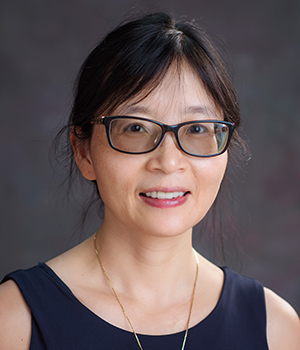
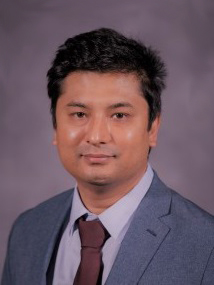
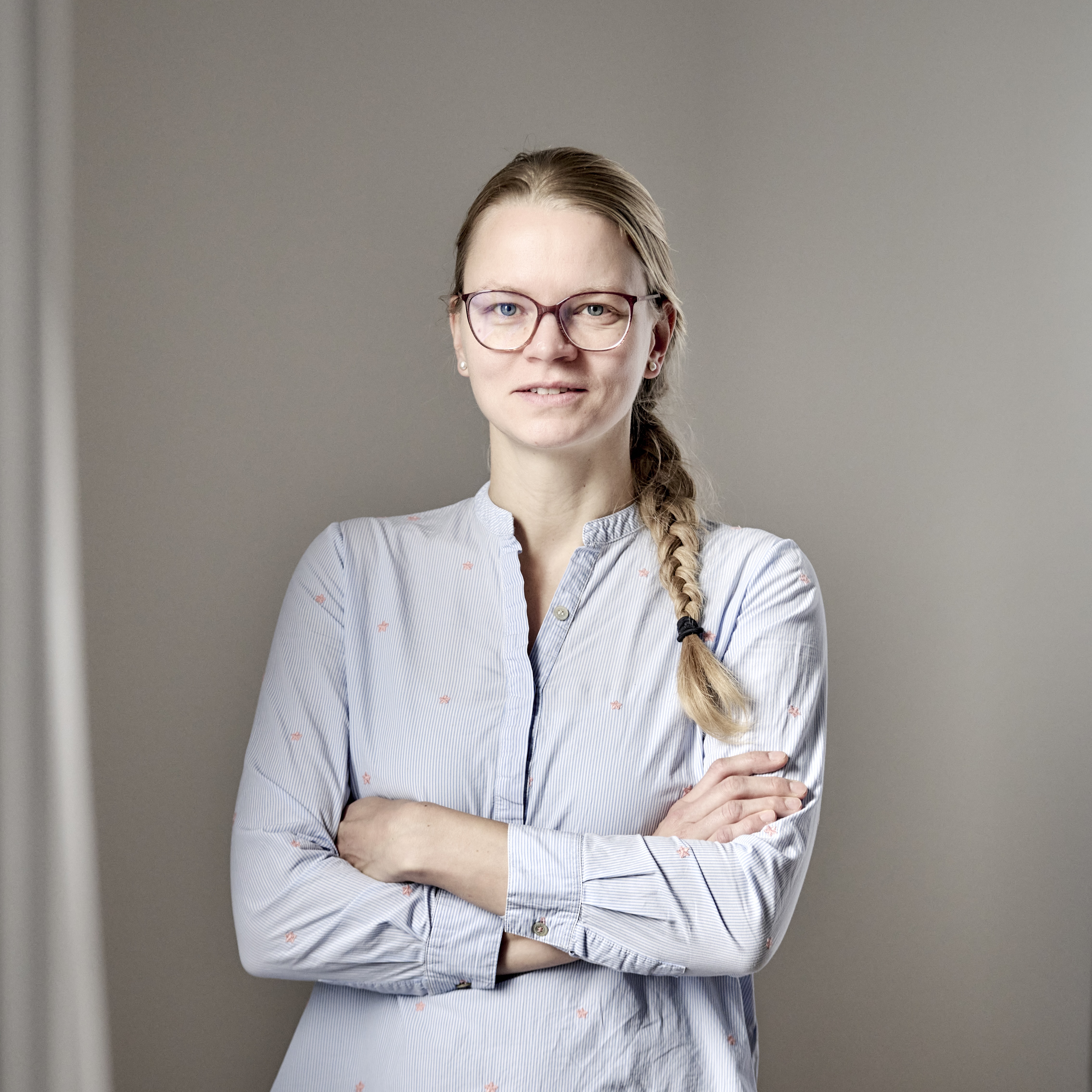
Fanny Yang is an Assistant Professor in the Computer Science Department at ETH Zurich . She previously held postdoctoral positions at Stanford University and a Junior Fellowship at the Institute for Theoretical Studies at ETH Zurich, advised by Nicolai Meinshausen . Her PhD was completed at the EECS Department of UC Berkeley , supervised by Martin Wainwright . Research Interests : Theoretical foundations of machine learning and statistics , particularly focusing on overparameterized models and high-dimensional data . Developing trustworthy ML models with emphasis on distributional robustness , domain generalization , and interpretability . Applications in medical diagnostics and treatment effect analysis , aiming to address reliability issues in real-world domains. Recent Work Trends : 2025 Articles : Theoretical analysis of semi-supervised multi-objective learning , test-time scaling with verifiers, and foundation models for efficient randomized experiments . 2024 Articles : Studies on robust mixture learning , privacy-preserving data synthesis via optimal transport , confounding quantification in causal inference , and semi-private learning frameworks. 2023 Articles : Investigations into active vs. passive learning in high dimensions, inductive bias in noisy interpolation , and semi-supervised novelty detection using model ensembles .
Andrew M. Stuart is a Professor at the California Institute of Technology's Division of Engineering and Applied Science. His research bridges computational mathematics, machine learning, and physical modeling, focusing on inverse problems, partial differential equations, and multiscale systems. He has pioneered methodologies integrating Gaussian processes, Kalman inversion, and neural operators for scientific computing. His recent publications highlight innovations in competitive protein dimerization networks, nonlinear Bayesian inference, and operator learning. Articles span applications in materials science, geophysics, and biochemical signal processing, emphasizing data-driven discovery of differential equations and scalable algorithms for high-dimensional problems. Stuart's work addresses challenges in structural error modeling, uncertainty quantification, and graph-based learning, with implications for climate modeling and dynamical systems. Despite extensive contributions, the scraped data does not specify students, awards, or contact details.
Kathryn Roeder is the UPMC University Professor of Statistics and Life Sciences at Carnegie Mellon University (CMU), affiliated with the Dietrich College of Humanities and Social Sciences and the Departments of Statistics & Data Science and Computational Biology. Her research focuses on developing statistical methods for genetic and genomic data, particularly in identifying autism risk genes and analyzing single-cell multi-omic data. She earned her Ph.D. in Statistics from Penn State University and has been at CMU since 1994, previously serving as Vice Provost for Faculty (2015–2019). Education: Ph.D. in Statistics, Penn State University (1988) B.S. in Wildlife Resources, University of Idaho (1982) Research Interests: Her work integrates modern statistical techniques (high-dimensional statistics, machine learning, networks) to study complex diseases like autism and schizophrenia. Recent efforts include tools for analyzing single-cell RNA-seq and proteomic data, such as UNICORN, DAWN, and SCEPTRE. Key Awards: COPSS Distinguished Achievement Award (2020) National Academy of Sciences Member (2019) COPSS Presidents’ Award (1997) AAAS Fellow (2020) Advising & Grants: She has advised over 20 Ph.D. students, many contributing to landmark studies in autism genetics. Her grants include NIH funding for projects like the Autism Sequencing Consortium. Current research teams focus on computational biology and statistical genetics. Labs & Collaborations: Her lab develops software tools (e.g., TADA, MIND) and collaborates with the Autism Sequencing Consortium and iPSYCH-BROAD Consortium on large-scale genomic studies.
Tianxi Cai, ScD, holds the John Rock Professorship in Population and Translational Data Sciences at the Harvard T.H. Chan School of Public Health and is a Professor of Biomedical Informatics at Harvard Medical School. She directs the Translational Data Science Center for a Learning Health System (CELEHS). Her work bridges clinical and basic science data to advance personalized medicine and disease understanding. Institution: Harvard University Departments: Biostatistics (T.H. Chan School) and Biomedical Informatics (HMS) Key Roles: Faculty member since 2002, NIH-funded researcher, and leader in EHR data analytics Research focuses on biomarker evaluation, predictive modeling, high-dimensional data analysis, and survival analysis. Collaborates with the I2B2 Center to integrate clinical and genomic data. Active in developing semi-supervised learning methods for noisy EHR data and real-world evidence generation. Funding : Recent grants include NIH projects on rheumatoid arthritis treatment response (R01AR080193, R21AR078339) and semi-supervised EHR denoising (R01LM013614). Co-leads initiatives on chronic disease endpoints using multi-source data (U01FD007929). Labs/Teams : Directs CELEHS and leads the Cai Lab, focusing on translational data science and machine learning applications in healthcare.
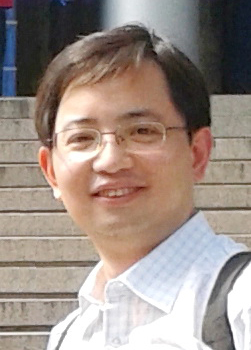
Zhou Zhi-Hua is a Professor at Nanjing University's Department of Computer Science & Technology, serving as Standing Deputy Director of the National Key Lab for Novel Software Technology and Founding Director of LAMDA (Institute of Machine Learning and Data Mining). He holds simultaneous fellowships from ACM, AAAI, AAAS, IEEE, IAPR, IET/IEE, and CCF, reflecting his exceptional contributions to computational intelligence. His educational background includes: B.Sc. in Computer Science from Nanjing University (1996) M.Sc. in Computer Science from Nanjing University (1998) Ph.D. in Computer Science from Nanjing University (2000) Zhou's research pioneers fundamental advances in machine learning theory and applications. His seminal work on ensemble methods established new frameworks for classifier combination, while innovations in multi-label learning and anomaly detection addressed critical challenges in complex data analysis. His research bridges theoretical rigor with practical implementations across diverse domains including biometrics, data mining, and computer vision, resulting in over 150 publications and 18 patents. His textbooks "Ensemble Methods" (2012) and "Machine Learning" (2016) have become standard references in the field. Analysis of his publication trajectory reveals sustained leadership in core machine learning challenges: evolving from neural network ensembles (2002) through semi-supervised learning breakthroughs (2005) to foundational work on multi-instance learning (2012) and theoretical margin analysis (2013). His recent focus demonstrates increasing sophistication in handling complex data structures while maintaining theoretical soundness. His scientific excellence is recognized through: National Natural Science Award of China (2013) PAKDD Distinguished Contribution Award (2016) IEEE ICDM Outstanding Service Award (2016) IEEE CIS Outstanding Early Career Award (2013) Microsoft Professorship Award (2006) Simultaneous fellowships from 7 major international societies Zhou provides extraordinary service to the academic community as Executive Editor-in-Chief of Frontiers of Computer Science and Associate Editor-in-Chief of Science China Information Science. He founded the ACML conference and has chaired premier events including ICDM'16 and PAKDD'14. His leadership extends to serving as General Chair for ICDM'16, Program Chair for IJCAI'15 Machine Learning Track, and Area Chair for multiple top conferences. The available text does not specify student advising details or research grants. He directs LAMDA research group at Nanjing University, which has established itself as a global powerhouse in machine learning research, and contributes significantly to the National Key Lab for Novel Software Technology's mission of developing next-generation intelligent systems.
Habib Ullah is an Associate Professor in Data Science at the Norwegian University of Life Sciences (NMBU), Norway, where he conducts research at the intersection of computer vision and machine learning. He is affiliated with the Institute of Data Science under the Faculty of Science and Technology. He has previously held academic positions at COMSATS University Islamabad, Pakistan, and the University of Ha'il, Saudi Arabia, and served as a postdoctoral researcher at The Arctic University of Norway. Educational Background: PhD in Information and Communication Technology (Computer Vision), University of Trento, Italy (2011–2015) MSc in Electronics and Computer Engineering, Hanyang University, South Korea (2007–2009) BSc in Computer Systems Engineering, NWFP University of Engineering and Technology, Pakistan (2002–2006) Habib Ullah's research is primarily focused on computer vision and machine learning, with applications in aquaculture, agriculture, and human behavior analysis. He investigates underwater fish feeding sounds using audio classification, develops zero-shot learning models for recognizing unseen classes, and applies deep learning to detect stress in salmon via skin dot patterns. He also explores AI-driven controlled environment agriculture, leveraging sensors and automation for optimal crop growth. His work emphasizes practical AI solutions for real-world challenges in environmental and biological domains. The recent publications highlight a strong trend in leveraging deep learning for zero-shot and semi-supervised learning, particularly in computer vision tasks such as sea ice classification, crowd anomaly detection, and agricultural monitoring. His research spans remote sensing, biomedical signal processing, and human activity recognition, demonstrating interdisciplinary versatility. The keywords reflect a focus on robust feature representation, knowledge transfer, and model generalization. Scientific Awards and Funding: Industrial PhD grant 'Advancing Controlled Environment Agriculture AI' from The Research Council of Norway (Project number 354125, 2 million NOK, 2024) Team member (Coordinator-Participant) in the Battery Cell Assembly Twin (BatCAT) project funded by Horizon Europe (7 mEuro, 2023–2027) Development of an AI-Based Image Analysis System for Monitoring Plant Status (Funding: 1.8 mNOK, starting 2025) Habib Ullah actively supervises PhD projects and contributes to academic service through editorial and organizational roles. He has served as an Associate Editor for IEEE Access, Guest Editor for MDPI Remote Sensing, and Editor of the Springer book Machine Learning Techniques and Sensor Applications for Human Emotion, Activity Recognition, and Support (ML-SHEARS) . He has also been a Track Chair and Program Committee Member for several international conferences, reflecting his leadership in the academic community. His research is supported by significant grants and collaborative projects, indicating strong institutional and international engagement. He is involved in multiple research teams and projects, including the BatCAT project on battery manufacturing and AI applications in controlled environment agriculture with RIFT LABS AS. His lab work integrates deep learning, sensor fusion, and data analytics for environmental and biological monitoring systems.
Andrew McCallum is a Distinguished Professor and Director of the Center for Data Science at the University of Massachusetts Amherst. He holds a PhD in Computer Science from the University of Rochester (1995) and a BS from Dartmouth College (1989). His research focuses on machine learning, natural language processing, and information extraction, with applications to scientific literature and knowledge base construction. He has pioneered work on conditional random fields and probabilistic databases, and led the development of systems like Rexa, an advanced research paper search engine. Affiliations: Center for Data Science, Center for Intelligent Information Retrieval, Computational Social Science Institute Key Projects: OpenReview.net, Unified Information Extraction, Automated Knowledge Base Construction His work emphasizes extracting actionable knowledge from unstructured text, with contributions to social network analysis, entity resolution, and semi-supervised learning. McCallum has over 300 publications and has received awards including the NSF ITR Grant, IBM Faculty Partnership Awards, and ACM/AAAI Fellowships. He has advised numerous students and served as ICML General Chair (2012). Recent Research Trends: Probabilistic box embeddings, case-based reasoning for knowledge bases, scalable clustering algorithms, and applications in biomedical informatics.
Prof. Dr. Martin Burger is a leading scientist at DESY and a Full Professor in the Department of Mathematics at Universität Hamburg, where he leads the Computational Imaging Group. His research bridges applied mathematics, imaging sciences, and machine learning, with a focus on inverse problems, mathematical modeling, and partial differential equations. He has held professorial positions at Universität Münster and FAU Erlangen-Nürnberg prior to his current dual appointment. Full Professor, Universität Hamburg (2023–present) Leading Scientist, DESY, Hamburg (2023–present) Full Professor, FAU Erlangen-Nürnberg (2018–2023) Full Professor, Universität Münster (2006–2018) His research interests include inverse problems, variational regularization, optimal transport, kinetic models, and mathematical modeling in biology and social sciences. He has made significant contributions to imaging reconstruction, sparse neural networks, and the analysis of transformer architectures. His work often integrates theoretical analysis with computational methods, influencing both pure and applied mathematics. The most recent articles reflect a strong trend toward interdisciplinary applications, combining deep learning with PDE-based modeling, analyzing social and biological systems via kinetic and mean-field models, and advancing mathematical imaging through graph-based and optimal transport methods. His publications span high-impact venues in applied mathematics and computational science. Calderon Prize, Inverse Problems International Association (IPIA) ERC Consolidator Grant (2014) Invited speaker at ECM (2021), ICM (2022), and ICIAM (2023) Editor-in-Chief, European Journal of Applied Mathematics (since 2017) Prof. Burger has supervised numerous PhD students and postdoctoral researchers, many of whom appear as co-authors in his publications. His research is supported by major grants, including funding from the German Federal Ministry of Education and Research (BMBF). He is actively involved in collaborative projects across mathematics, physics, and engineering disciplines. He leads the Computational Imaging Group at DESY, fostering a collaborative environment for developing novel mathematical tools in imaging science. The group works on both theoretical foundations and practical implementations, contributing to advancements in tomography, machine learning, and data analysis.
Xihong Lin is a Professor of Statistics at Harvard University and a Professor of Biostatistics at the Harvard T.H. Chan School of Public Health. She is a distinguished academic, holding membership in both the National Academy of Sciences and the National Academy of Medicine. Her research focuses on scalable statistical inference for big data, statistical machine learning, causal inference, and integrative data analysis, with applications in genomics, public health, and precision medicine. Lin’s work addresses challenges in analyzing large-scale genomic and multi-ancestry data, including methods for rare variant association testing, ancestry-adjusted sample analysis, and scalable computing frameworks. Her contributions span biobank studies (e.g., UK Biobank, TOPMed) and clinical applications in lung cancer, cardiovascular health, and smoking cessation. Her scientific awards reflect her leadership in statistical genetics and public health. Key research trends include leveraging single-cell sequencing for functional genomics, developing ensemble machine learning methods for health subtyping, and enhancing polygenic risk prediction across diverse populations. Lin’s methodologies prioritize interpretability and scalability, enabling impactful analyses of complex observational and genomic datasets. Awards: Member, National Academy of Sciences; Member, National Academy of Medicine Her grants and advising efforts focus on interdisciplinary collaborations, bridging statistics, AI, and domain sciences. Lin leads initiatives to improve genomic data management and ethical use of federated data (e.g., FADI framework). She is affiliated with labs advancing statistical genetics and cloud-based workflows (e.g., STAAR workflow).
Raymond J. Mooney is a Professor in the Department of Computer Science at the University of Texas at Austin, where he has been a faculty member since 1987. He is the Director of the UT Artificial Intelligence Laboratory and affiliated with multiple research groups including the Machine Learning Research Group, UT Computational Linguistics Lab, and the UT Center for Computational Biology and Bioinformatics. He holds a B.S., M.S., and Ph.D. in Computer Science from the University of Illinois at Urbana-Champaign, where his thesis was supervised by Gerald DeJong. His research spans diverse areas in artificial intelligence, machine learning, and natural language processing: Natural Language Learning Connecting Language and Perception Statistical Relational Learning Information Extraction Transfer and Active Learning Abductive Reasoning Text Mining and Clustering Recommender Systems Knowledge-Base Refinement Recent publications highlight trends in grounded language processing, human-robot interaction, and multimodal reasoning. He has been recognized with prestigious fellowships including ACL (2014), ACM (2010), and AAAI (2005). Scientific awards: Fellow of the Association for Computational Linguistics (2014) Fellow of the Association for Computing Machinery (2010) Fellow of the American Association for Artificial Intelligence (2005) Classic Paper Award (2019) Best Paper Awards (2007, 2004, 1996) He teaches graduate courses like CS 371R: Information Retrieval and Web Search (Fall 2025) and CS 395T: Grounded Natural Language Processing (Spring 2025). His research labs include: UT Artificial Intelligence Laboratory Machine Learning Research Group UT Computational Linguistics Lab UT Center for Computational Biology and Bioinformatics
Dr. Arpan Man Sainju is an Assistant Professor and Internship Coordinator in the Department of Computer Science at Middle Tennessee State University (MTSU). He holds a PhD (2021) and MS (2020) from the University of Alabama, and a B.E. (2011) from Tribhuvan University. His research focuses on spatial big data analytics, spatiotemporal data mining, and GIS applications in environmental modeling, disaster management, and geospatial science. He develops innovative algorithms for Earth imagery segmentation, flood inundation mapping, and physics-aware machine learning models. Education: PhD in Computer Science, University of Alabama (2021) MS in Computer Science, University of Alabama (2020) B.E. in Computer Science, Tribhuvan University (2011) Key research interests include deep learning for geospatial tasks, semi-supervised learning with limited labels, and parallel computing for big spatial data. His work bridges computer science and environmental science, addressing challenges in hydrology, urban safety, and disaster response. He has published extensively in top journals like ACM TIST, IEEE TKDE, and Environmental Modelling & Software, focusing on applications like flood modeling, road safety analysis, and 3D shape analysis. Dr. Sainju collaborates on interdisciplinary projects involving physics-guided models, hidden Markov structures, and GPU-accelerated algorithms. His research has been applied to real-world scenarios such as hurricane flood analysis and malware detection through Windows log analysis.
Johanna Ziegel is a Professor of Statistics at ETH Zurich, Switzerland, since 2024, and a Visiting Scientist at the Heidelberg Institute for Theoretical Studies (HITS). Previously, she held positions at the University of Bern, where she was promoted to Full Professor in 2023. Her research focuses on decision-theoretically sound methods for forecast evaluation, probabilistic forecasting, risk measures in finance, and applications in meteorology, medicine, and climate science. She is actively involved in editorial roles for journals like Bernoulli , JASA: Theory & Methods , and SIAM Journal on Financial Mathematics . Education: PhD in Stereological Analysis of Spatial Structures from ETH Zurich (2010), supervised by Paul Embrechts and Eva B. Vedel Jensen. Postdoctoral research at the University of Melbourne and Heidelberg University. Research Interests: Forecast evaluation, elicitable functionals, risk measures, isotonic regression, statistical calibration, and applications in finance, climate science, and biostatistics. Her work bridges theoretical statistics with practical challenges in uncertainty quantification and decision-making under uncertainty. Advising & Collaborations: Supervised 7 PhD students and mentored several postdocs. Collaborates with the Computational Statistics group at HITS and the Oeschger Centre for Climate Change Research. Her group explores distributional regression under order constraints and novel methods for forecast comparison. Recognition: Credit Suisse Award for Best Teaching (2022), H.I.T. Program for Academic Leadership (2021–2022). Active in professional service, including the Bernoulli Society Council and editorial boards.
Jianhua Zhang is a Professor of Computer Science and founding deputy head of the AI Lab at the Department of Computer Science, OsloMet - Oslo Metropolitan University, Norway. He holds affiliations with the Faculty of Technology, Art and Design. His career includes roles as Scientific Director at Vekia (France), Head of Machine Learning Lab, and Professorships at East China University of Science and Technology and Beijing University of Technology. He has held visiting positions at TU Berlin, TU Dresden, and the University of Catania. Educations: PhD in Electrical Engineering and Information Sciences (Ruhr University Bochum, 2005), Postdoctoral Research at the University of Sheffield (2005-2006). Research focuses on artificial intelligence, computational intelligence, cognitive human-machine systems, neuroergonomics, affective computing, and AI-driven neuroergonomics. Applications span engineering, biomedicine, finance, and business. He has led over 20 large-scale projects and published extensively (4 books, 13 chapters, ~200 papers). Leadership roles include Chair of IFAC Technical Committee on Human-Machine Systems (2017-2023), Vice Chair of IEEE Norway Section, and editorial roles at journals like Frontiers in Neuroscience and Cognitive Neurodynamics . He organized major conferences like IFAC HMS2025 (Beijing) and ICMLT 2024 (Oslo). Awards: Stanford/Elsevier Top 2% Scientists (2023/2024), Senior Research Fellowship (CSC, 2012), Max Planck Fellowship (2011), Shanghai Pujiang Talent (2007), DAAD Scholarship (2002-2004). Grants and advising: PI for 20+ projects, advising PhD students in AI, machine learning, and control systems. Teaching includes courses on computational intelligence, IoT, and fuzzy systems at both undergraduate and graduate levels. Labs/Teams: AI Lab at OsloMet, Machine Learning Lab (Vekia), and collaborations with institutions globally. Current work emphasizes AI ethics, neuroergonomics in smart cities, and adaptive human-machine systems.
Dr. Jingyun Wang is an Assistant Professor in the Department of Computer Science at Durham University. Previously, she held an Assistant Professor position at Kyushu University, Japan. Her primary affiliations include the Centre for Neurodiversity & Development and the Artificial Intelligence and Human Systems Group (AIHS), as well as the Pedagogical Innovation in Computer Science Group (PICS). She is a Fellow of the Higher Education Academy and has led or contributed to research projects funded by JSPS, JST, NICT, Innovate UK, and industry partners. Her research focuses on AI-driven educational technologies, including AI-based feedback systems, computational thinking education, game-based learning, and ontology techniques. She actively contributes to editorial boards (e.g., Computers & Education: Artificial Intelligence ) and serves as a conference chair for AIED, ICCE, and LTLE. Current research includes adaptive learning systems for mathematics education, serious games for cybersecurity training, and visualization tools for e-learning. Her scientific contributions span over 50 peer-reviewed publications, with recent work emphasizing learning analytics, multimodal systems, and digital health interventions. She advises multiple PhD students and mentors in professional recognition pathways. Key projects include developing the BETTER speech training system, the MEMORABLE cybersecurity game framework, and ontology-based language learning platforms.
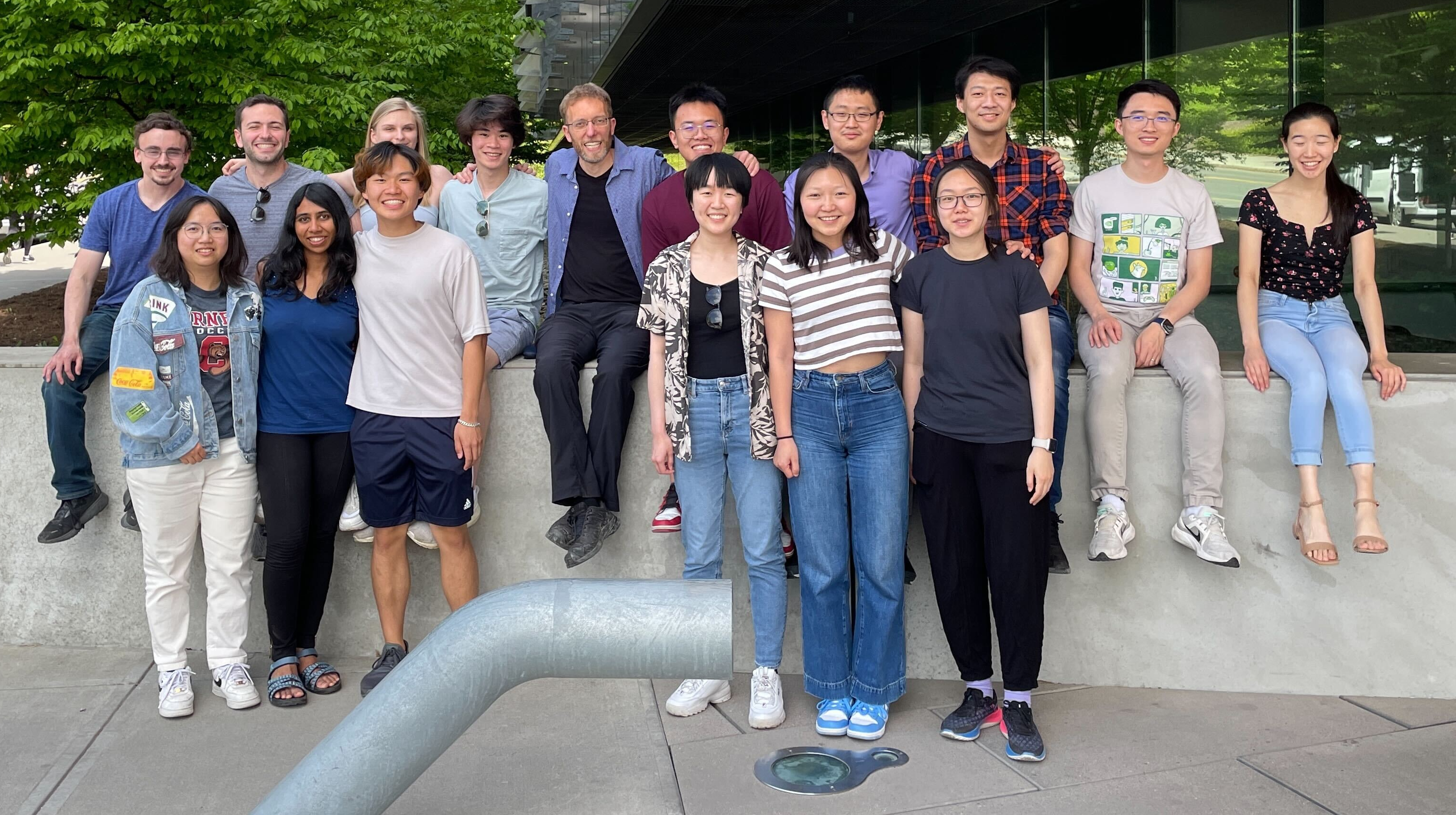
Kilian Q. Weinberger is a Professor of Computer Science at Cornell University's College of Engineering, focusing on Machine Learning, Deep Learning, and AI applications. He has held previous roles as Associate Professor at Washington University in St. Louis and Research Scientist at Yahoo! Research. His research spans metric learning, resource-constrained learning, Gaussian Processes, and advancements in 3D perception for autonomous systems. Education : Ph.D. in Machine Learning (University of Pennsylvania), BA in Mathematics and Computing (University of Oxford) Key Research Areas : AI in Science, Computer Vision, Autonomous Vehicles, and Neural Network Efficiency His recent work emphasizes interpretable machine learning, large language models, and multimodal applications. Awards include NSF CAREER (2012) Daniel M Lazar '29 Teaching Award (2016) Ann S. Bowers Excellence Award (2024) ACM and AAAI Fellow (2024) He teaches advanced courses like CS6784 (Cornell) and has mentored numerous PhD students across institutions. Current affiliations include the Sloan Research Fellowships Selection Committee since 2024.