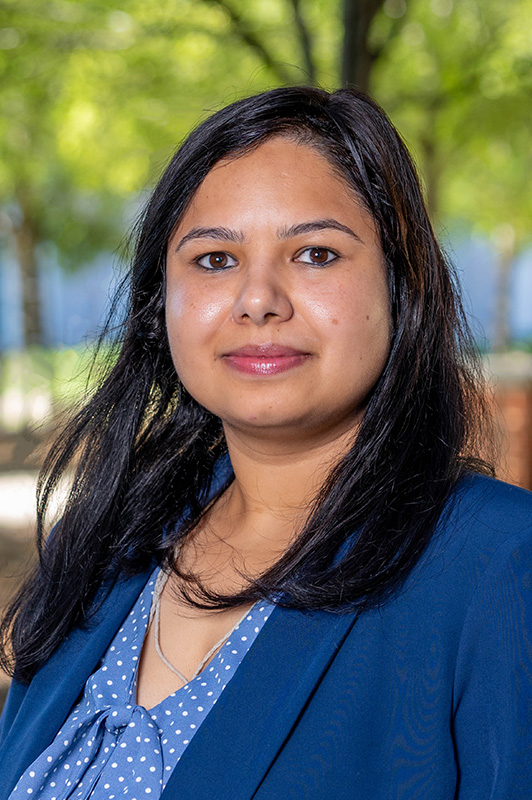
Neha Sharma is an Assistant Professor in the Department of Civil and Environmental Engineering at Auburn University. Her research focuses on nutrient recovery, electrochemical resource recovery, water reuse, trace metal cycling, and pollutant fate and removal.
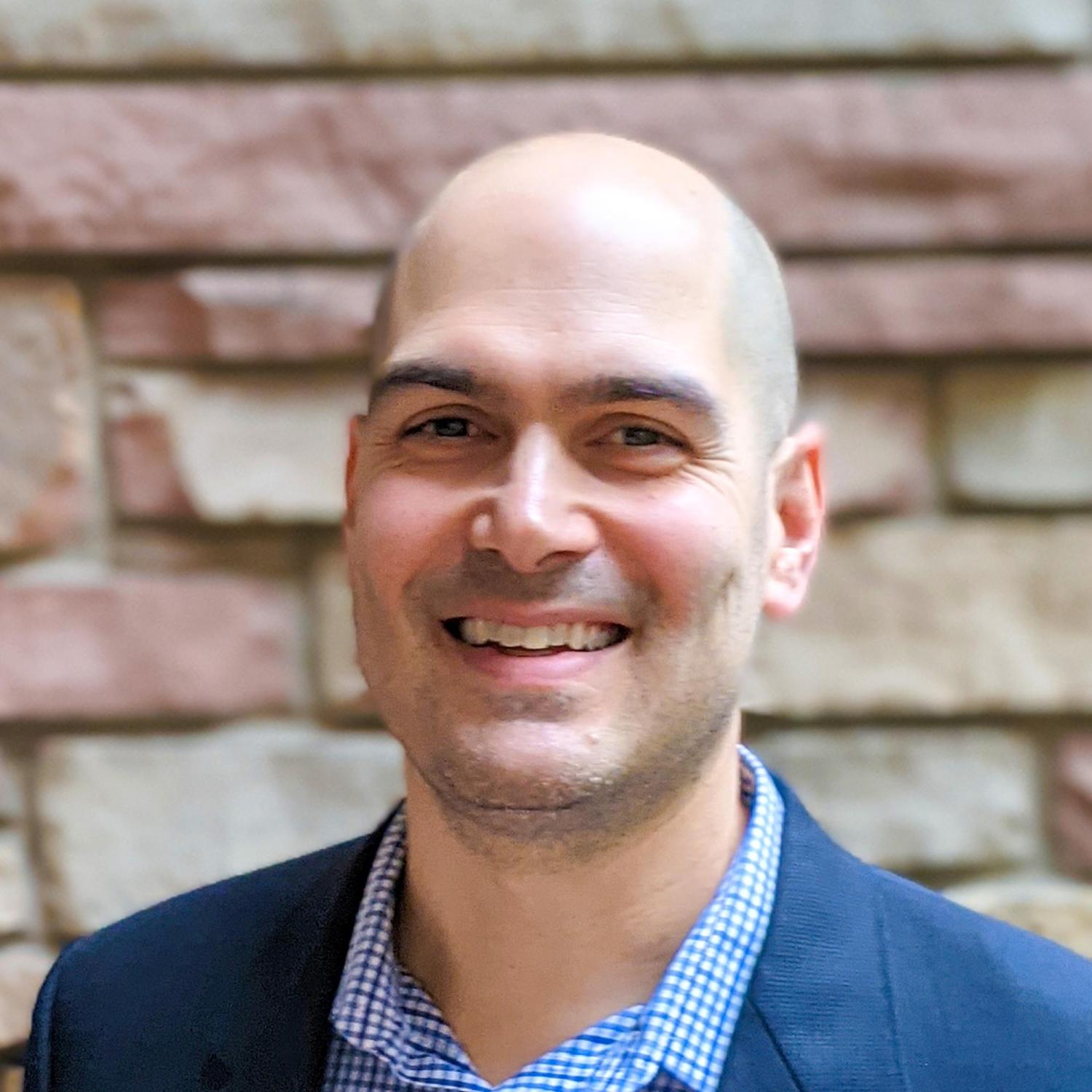
Ben Livneh is an Associate Professor at the University of Colorado Boulder , affiliated with both the Civil, Environmental, and Architectural Engineering Department and the Cooperative Institute for Research in Environmental Sciences (CIRES) . As Director of the Western Water Assessment , he bridges academic research with regional climate resilience initiatives. Ph.D. in Civil Engineering (Hydrology), University of Washington (2012) MESc in Civil Engineering, University of Western Ontario (2006) His research explores hydrologic responses to climate and land-cover changes , focusing on snowpack dynamics, wildfire impacts on water quality, sediment transport, and drought predictability. Key projects include simulations of montane snowpack for wolverine habitat preservation and post-fire landslide susceptibility analysis . Recent publications highlight continental-scale hydraulic geometry datasets , climate-energy nexus challenges , and global lake level reconstructions using satellite data. His work has been recognized by the AGU Hydrologic Sciences Early Career Award (2022) and NASA New Investigator Program (2018) . Scientific Awards AGU Hydrologic Sciences Early Career Award (2022) NASA New Investigator Award (2018) Symposium Scholar, DISCCRS VIII (2013) CIRES Visiting Fellowship (2012) Ben leads interdisciplinary collaborations with institutions like the University of Alaska Southeast and NOAA , addressing climate-water-energy-food nexus challenges through advanced modeling and remote sensing techniques.
Bingzhang Chen is a Senior Lecturer in the Department of Mathematics and Statistics at the University of Strathclyde, Faculty of Science. He previously held positions as a Chancellor’s Fellow at the same institution, a researcher at the Japan Agency of Marine-Earth Science and Technology (JAMSTEC), and was affiliated with Xiamen University and Mount Allison University. His academic journey began with a PhD from the Hong Kong University of Science and Technology. Education: PhD in Trophic interactions within the microbial food web, Hong Kong University of Science and Technology (Awarded 2009) His primary research interests lie at the intersection of biological oceanography and theoretical ecology, with a strong focus on ecosystem modeling. He investigates how biodiversity, particularly of phytoplankton, influences marine ecosystem functioning such as primary production and the biological carbon pump. A central theme in his work is understanding the differential temperature sensitivity between autotrophs and heterotrophs, a question that bridges statistical analysis, metabolic theory, and Earth system science. His recent publications highlight a consistent trend in developing and applying individual-based models (e.g., PIBM 1.0), analyzing large datasets on plankton thermal responses, and studying the impacts of climate change and anthropogenic activities (like nutrient input) on marine microbial communities across diverse regions from the South China Sea to the North Pacific and Scottish coastal waters. His work often combines modeling with observational data to address fundamental ecological questions. Scientific Awards: David Cushing Prize (2015) from the Journal of Plankton Research New Century Excellent Talent (2012) from the Ministry of Education of China Dr. Chen is actively involved in research supervision, currently guiding five PhD students. He has been the Principal Investigator on multiple research projects funded by organizations such as the Leverhulme Trust, FILAMO, and the National Science Foundation. His expertise in programming (R, Fortran, MATLAB) underpins his methodological approach. He also contributes to the scientific community as an Associate Editor for the prestigious journal Limnology and Oceanography . His work is associated with efforts to understand and model invasive species dynamics, such as the spread of Sargassum muticum in Scottish waters, and he is involved with external advisory groups like the MASTS Marine Artificial Intelligence Forum.
John Shaw is the Harry C. Dudley Professor of Structural and Economic Geology and a Professor of Environmental Science and Engineering at Harvard University's School of Engineering and Applied Sciences. He also serves as Vice Provost for Research at Harvard, overseeing institutional research strategy and initiatives. His primary research focuses on structural geology, geophysics, and earthquake hazards, particularly in active fault systems, mountain belt tectonics, and subsurface energy development. Prof. Shaw leads the Structural Geology & Earth Resources Program, an industry-academic consortium that integrates geophysical data (3D seismic surveys, remote sensing) with advanced numerical modeling to address geological and environmental challenges. Education and professional experience: Joined Harvard Faculty in 1997. His research portfolio includes collaborations with the Southern California Earthquake Center (SCEC) and the development of critical infrastructure like the SCEC Unified Community Velocity Model (UCVM). His work emphasizes practical applications such as fault stability assessments and carbon sequestration impact studies. Research interests span: 1) active fault characterization for seismic hazard mitigation, 2) tectonic evolution of mountain belts, 3) numerical modeling of fault dynamics, and 4) geomechanical impacts of subsurface energy projects. His structural modeling innovations have advanced understanding of thrust fault systems and fault-bend folding mechanisms. Professional contributions include leadership roles in interdisciplinary consortia and development of open-source geophysical software frameworks. Administrative duties at Harvard's Office of the Vice Provost for Research (VPR) focus on advancing institutional research capacity and fostering cross-disciplinary collaborations.
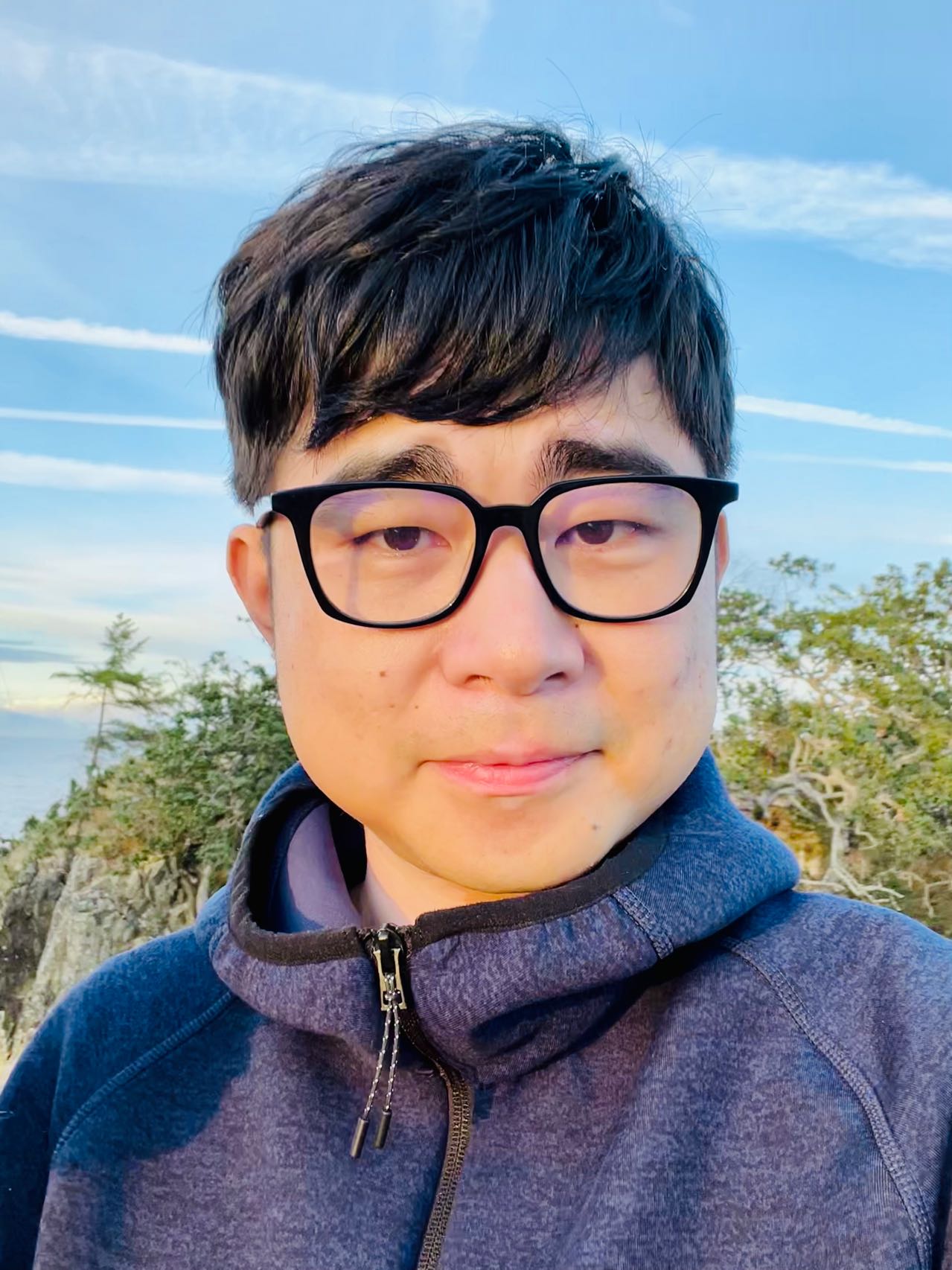
Bo Zhu is an Assistant Professor in the School of Interactive Computing at Georgia Institute of Technology. His research focuses on computational approaches for complex physical systems, including fluid dynamics, topology optimization, and robotics control. He holds a Ph.D. from Stanford University and completed postdoctoral research at MIT CSAIL. He has been recognized with the NSF Career Award (2022) and multiple best paper awards at SIGGRAPH conferences. Education: B.E.-M.S., Software Engineering, Shanghai Jiao Tong University Ph.D., Computer Science, Stanford University Postdoc, EECS, MIT Research Interests: Develops numerical algorithms and machine learning techniques to simulate fluidic systems, soft materials, and multi-scale phenomena. His work emphasizes vorticity preservation, real-time simulation, and physics-based AI integration. Key Contributions: Pioneered Particle Flow Map (PFM) methods for fluid simulation, developed open-source libraries like SimpleX and PFM Hub, and contributed to projects like Genesis physics engine. Over 50 peer-reviewed publications in top venues (SIGGRAPH, NeurIPS, IEEE TVCG). Awards: NSF Career Award (2022) Best Paper Honorable Mention (SIGGRAPH 2025) Best Paper Award (SIGGRAPH Asia 2024) Grants & Projects: Leads NSF-funded research on Physical AI Design, collaborating with Sandia National Labs on real-time CFD solvers. Active in open-source software development for computational physics and graphics.
M.T.O. (Chiel) Jonker is an Assistant Professor at the Faculty of Veterinary Medicine , Utrecht University , affiliated with the Institute for Risk Assessment Sciences (IRAS) and its Toxicology division . He specializes in exposure assessment of hydrophobic organic chemicals (e.g., PFAS , PAHs , PCBs ), focusing on sorption processes , bioaccumulation dynamics , and passive sampling techniques in both in vivo and in vitro settings. His research emphasizes methodological innovation for high-quality chemical analysis (GC-MS, LC-MS) and environmental risk assessment . Recent work includes PFAS degradation , sediment toxicity testing , and temperature/salinity effects on contaminant partitioning. His 2018-2024 publications highlight passive sampling calibration , mechanistic toxicity models , and bioavailability prediction using polyoxymethylene and silicone rubber samplers .
Dr. Rebecca Rooney is an Associate Professor in the Faculty of Science at the University of Waterloo, specializing in wetland ecology and environmental toxicology. She contributes to graduate studies as Interim Associate Chair and leads the Rooney Lab , which focuses on wetland conservation, invasive species impacts, and contaminant dynamics in aquatic ecosystems. University of Waterloo Ecology and Evolution Research Group Her research spans several critical areas: Wetland hydrology and groundwater interactions Ecological impacts of microplastics and stormwater contaminants Invasive species management (particularly Phragmites australis ) Climate change effects on wetland biodiversity Environmental monitoring techniques The 15 most recent publications reveal consistent research themes in urban stormwater contamination, wetland connectivity, and microplastic pollution. These works employ field experiments, isotope tracing, and multi-metric monitoring frameworks to address ecological risks and inform conservation strategies. She actively investigates pesticide bioconcentration in biofilms, wetland reclamation in oil sands regions, and the ecological consequences of hydrological changes. Her lab integrates field-based methodologies with policy considerations to advance wetland science.
Dr. Nicola Allison is a Reader at the University of St Andrews, School of Earth & Environmental Sciences, where she leads research on biomineralisation. Her work focuses on how marine organisms form calcium carbonate structures, the impact of environmental changes on these processes, and the role of these biominerals in reconstructing past climates. Her research integrates experimental studies using controlled aquaria systems to culture corals and other organisms, alongside geochemical analyses of fossil carbonates. Key areas include the effects of ocean acidification, rising temperatures, and organic matrices on biomineral formation. She collaborates internationally, including through the International Ocean Discovery Program (IODP). Publications highlight advancements in understanding coral skeletal chemistry, aragonite precipitation mechanisms, and the development of climate proxies. She holds grants from NERC, MASTS, and the Leverhulme Trust, supporting projects on coral calcification, biomolecule influences, and climate change impacts. Dr. Allison actively engages in public outreach through workshops and conferences, contributing to climate science communication and policy-relevant research on marine ecosystems.
Prof. Dr. Rudolf Amann serves as Managing Director at the Max Planck Institute for Marine Microbiology in Bremen, Germany, and leads the Department of Molecular Ecology. His work pioneers molecular methods for studying marine microorganisms, with a focus on fluorescence in situ hybridization (FISH) to identify and quantify microbial cells. Managing Director, Max Planck Institute for Marine Microbiology (since 2018) Department Head, Molecular Ecology Research Center, Bremen, Germany Research Interests: Marine microbial diversity and ecology Carbon cycle dynamics in coastal and deep-sea environments Phytoplankton-bacterioplankton interactions Microbial taxonomy and phylogenetics Single-cell identification techniques (FISH, CARD-FISH) Integration of metagenomics and proteomics Publication Trends: Recent work focuses on microbial interactions in extreme environments (hydrothermal vents, Arctic waters), carbohydrate cycling in oceanic systems, and ecological differentiation of bacterial populations through advanced imaging and omics technologies. Contact: ramann@mpi-bremen.de
Michael Bode is a Professor in the School of Mathematical Sciences at Queensland University of Technology (QUT). His research focuses on applying mathematical and computational methods to ecological and conservation challenges, particularly in marine ecosystems and coral reef management. He holds a PhD in Applied Mathematics from the University of Queensland. Research Interests: Professor Bode specializes in larval dispersal modeling, conservation prioritization, and the application of ecosystem models to real-world management scenarios. His work integrates disciplines like applied mathematics, statistics, and ecology to address issues such as coral reef resilience, invasive species control, and climate change impacts. Grants & Projects: Securing Antarctica's Environmental Future (2020) Conserving Coral Reef Fish and Sustaining Fisheries in the Anthropocene (2019) Tackling Pests Using Game Theory (2019) New Methods for Conserving Dispersing Species on Coral Reefs (2017) Awards: 2020 Fenner Medal (Australian Academy of Science) Eureka Prize finalist (2020) Australian Research Council Future Fellowship (2017) Labs & Teams: He leads the QUT Applied Mathematical Ecology Group (QUTAMEG), which develops quantitative tools for ecological and conservation problems. His work is published in journals like Conservation Biology , Nature Sustainability , and PLoS Biology .
Ian C. Bourg is an Associate Professor at Princeton University with dual appointments in the Department of Civil and Environmental Engineering and High Meadows Environmental Institute . He directs undergraduate studies in CEE and leads the Interfacial Water Group , focusing on atomistic-level simulations and macroscopic modeling of environmental systems. His concurrent affiliations include the Princeton Institute for the Science and Technology of Materials and Chemical and Biological Engineering department. Education Ph.D. in Civil and Environmental Engineering, University of California-Berkeley (2004) MSc in Chemical Engineering, INSA Toulouse (1999) B.Eng. in Chemical Engineering, INSA Toulouse (1999) Research Interests span clay mineral surface geochemistry, geologic CO 2 sequestration, kinetic isotope effects, water behavior at interfaces, and coupling geochemistry with geomechanics in porous media. His work integrates molecular simulations with experimental validation to study environmental phenomena like contaminant transport, soil carbon storage, and water dynamics in clays. Publications from 2023-2025 reveal expertise in molecular dynamics of clay-water systems, organic contaminant partitioning, cement hydration, and isotope fractionation. Key themes include Environmental Nanoscience , Geochemical Modeling , and Soft Matter Physics applications to environmental systems. Scientific Recognition NSF CAREER Awardee (2018) Advising includes mentoring 12 current and former PhD/postdoc researchers, with notable alumni at institutions like Cornell, University of Poitiers, and Oak Ridge National Laboratory. His group has produced 20+ undergraduate advisees now in academia and industry. Laboratory develops multiscale simulation tools like HybridBiotInterFoam and HybridPorousInterFoam, with active collaborations in nuclear waste management, soil remediation, and sustainable construction materials.
Daniel J. Bain is an Associate Professor in the Department of Geology & Environmental Science at the University of Pittsburgh, where he also serves as Deputy Director of the Pittsburgh Water Collaboratory. He holds a B.A. in Chemistry and Geography from Macalester College, an M.S. and Ph.D. in Geography & Environmental Engineering from Johns Hopkins University, and completed a National Research Council Postdoctoral Fellowship at the U.S. Geological Survey's Water Resources Division. His research integrates hydrology, geomorphology, biogeochemistry, ecology, and spatial analysis to assess human impacts on environmental systems over centuries. Focus areas include: Fluvial (stream) system dynamics and sediment chemistry Urban critical zone processes and land-use impacts Water quality monitoring in anthropogenic landscapes Green infrastructure performance and stormwater management Environmental justice implications of urbanization Recent publications (2024-2025) demonstrate strong emphasis on urban hydrology, metal contamination pathways, climate-health interactions in vulnerable communities, and novel assessment methods for environmental systems. Research spans Pittsburgh's urban watersheds to international sites like China and El Salvador, employing field measurements, laboratory analysis, and geospatial approaches. Dr. Bain leads the Bain Lab at Pitt's Space Research Coordination Center, focusing on environmental chemistry and sustainable water systems. He collaborates extensively with community partners, including the Pittsburgh Center for Healthy Environments and Equity Research, and co-organizes symposia on urban environmental challenges.
Dr. Mary E. Power is a Professor of the Graduate School at the University of California, Berkeley. She specializes in river ecology, focusing on algal-based food webs and their interactions with hydroclimatic regimes. Her research integrates field experiments and long-term monitoring in the South Fork Eel River, examining how flow variations and environmental conditions drive ecosystem state transitions. Primary Research Site: Angelo Coast Range Reserve (Mendocino Co., CA) Key Methodologies: In situ incubations, stable isotope probing, nanoSIMS analysis Current Focus: 2024- study of three alternative algal food web states during summer low flows Her work reveals critical thresholds where reduced summer flows and warming pools shift nutritious algal ecosystems toward toxic cyanobacterial dominance, impacting salmon and cross-ecosystem linkages. Selected Research Trends: Hydrological control of food web structure Cyanotoxin dynamics in river networks Climate change impacts on freshwater ecosystems Long-term ecological reconstructions via sediment cores Top-down and bottom-up regulation of river communities Her lab employs cutting-edge techniques to analyze microbiome elemental exchanges and successional patterns in Cladophora glomerata, a dominant green macroalga in the Eel River system.
David S. Corti is the Interim Jay and Cynthia Ihlenfeld Head of the Davidson School of Chemical Engineering at Purdue University, where he also serves as a Professor of Chemical Engineering and Director of Undergraduate Studies. His research focuses on thermophysical and kinetic properties of soft condensed-phase systems, including metastable liquids and colloidal dispersions. He employs theoretical and simulation techniques to study phenomena such as bubble nucleation and entropic force fields in colloidal systems. Corti holds a B.S. from the University of Pennsylvania (1991), an M.A. from Princeton University (1993), and a Ph.D. from Princeton (1997). His scientific contributions include advancements in understanding metastable liquid behavior, colloidal stability, and Hamaker constant estimation via atomic force microscopy. Notable honors include the NSF CAREER Award (2002), the 'Teaching for Tomorrow' Award (2002-2003), and University Faculty Scholar designation (2011-2016). Corti collaborates extensively, notably with Prof. Elias I. Franses on dispersion stability projects. His advising includes graduate student Betty Yung-Jih Yang. Research themes span bubble nucleation mechanisms, entropic control of colloids, and surfactant effects on nanoparticle stability. Corti's work bridges fundamental theory with industrial applications, addressing challenges in materials science and chemical engineering.
Mohamed Farhat is a Senior Scientist at EPFL's School of Engineering, Department of Mechanical Engineering, where he leads the Research Group on Cavitation and Interface Phenomena. He serves as PhD Director, Lecturer, and Member of EPFL Doctoral Committee (Mechanics), while also representing EPFL at CLUSER association and coordinating activities at the Société Hydrotechnique de France (SHF). His research expertise spans Cavitation & Multiphase flows, Flow Induced Noise & Vibration, Fluid-Structure Interaction, Flow control, Flow instabilities in hydro turbines and pumps, Condition monitoring of Hydraulic Machines, Hemodynamics, and Advanced Instrumentation in Fluid Dynamics. Farhat's work uniquely bridges fundamental fluid mechanics with practical applications across hydropower, marine propulsion, healthcare, and water management sectors. Analysis of his recent publications reveals strong focus on cavitation bubble dynamics, with particular emphasis on measurement techniques for collapsing bubbles, vortex shedding control, hydrodynamic monitoring of hydraulic machinery, and biomedical applications of cavitation phenomena. His work increasingly integrates advanced imaging techniques with computational modeling to understand complex multiphase flow phenomena. 2021: Life Sciences Book Award of the International Academy of Astronautics 2019: 1st Prize Winner of Scientific Image Contest (Swiss National Science Foundation) 2020: EPFL-Rhyming Prize (Best PhD thesis in Fluid Mechanics) 2018: EPFL-EDME Prize (Best PhD thesis in Mechanics) 2015: Edmund Optics Educational Award 2014: APS-DFD Gallery of Fluid Motion Award Farhat has successfully supervised numerous PhD students including Ali Amini, Philippe Ausoni, and Outi Supponen, with research spanning from fundamental bubble dynamics to practical hydraulic machinery applications. His Cavitation Research Group maintains strong collaborations with industry partners in hydropower and medical device sectors. Current research directions include advanced instrumentation for cavitation monitoring, condition-based maintenance of hydraulic machinery, and biomedical applications of cavitation phenomena in therapeutic ultrasound and drug delivery.