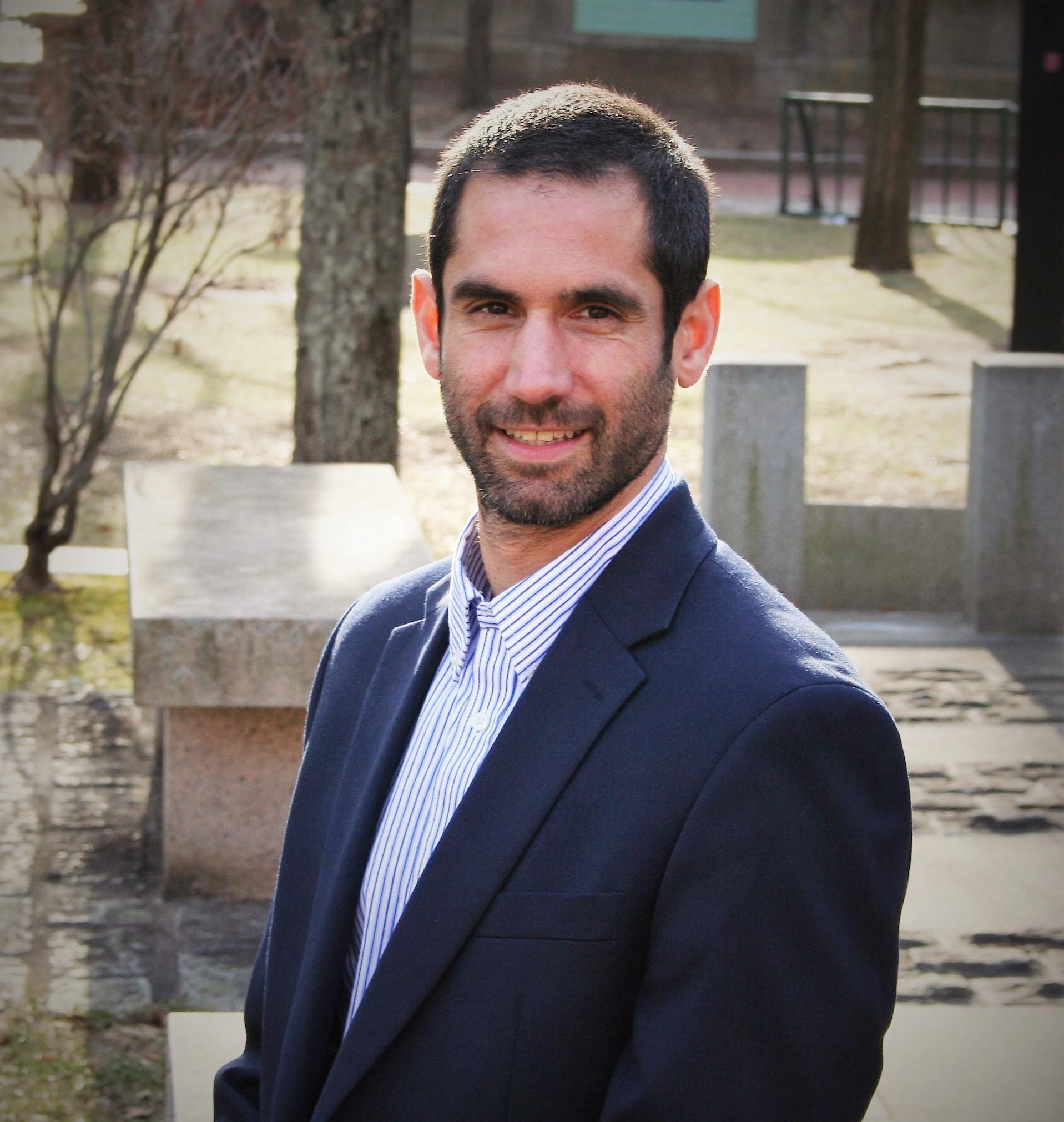
David M Williams is a Professor of Behavioral and Social Sciences and Psychiatry and Human Behavior at Brown University's School of Public Health , where he also serves as Associate Dean . His work bridges affective science and health behavior, focusing on exercise promotion and smoking cessation.
Dr. Kelley Gabriel is a Professor and Associate Dean in the School of Public Health at the University of Alabama at Birmingham (UAB), with a primary appointment in the Department of Epidemiology. She holds additional roles as a Senior Scientist in multiple UAB research centers, including the Nutrition Obesity Research Center (NORC) and the Integrative Center for Aging Research. Her research focuses on optimizing physical activity and sedentary behavior measurement in large epidemiological studies, with a particular emphasis on cardiorespiratory fitness, chronic disease prevention, and life-course health trajectories. Dr. Gabriel earned her PhD in Public Health (Epidemiology) from the University of Pittsburgh, an MS in Exercise Physiology from Northeastern University, and a BS in Athletic Training and Sports Medicine from Ithaca College. Her research interests include developing methodological strategies for precise physical activity measurement, examining the timing of physical fitness and disease risk, and leveraging cohort studies like CARDIA and SWAN. She has secured grants from NIH, NHLBI, and other agencies to support studies on the 24-hour movement paradigm, cognitive health, and cardiovascular outcomes. Key collaborations involve large-scale epidemiological cohorts such as the Coronary Artery Risk Development in Young Adults (CARDIA) and the Multi-Ethnic Study of Atherosclerosis (MESA). Her over 200 peer-reviewed publications and four book chapters reflect expertise in physical activity epidemiology and translational research. Grants include NIH-funded projects on cognitive resilience to Alzheimer’s disease, cardiovascular health trajectories, and the role of activity patterns in aging populations. Her work emphasizes translational strategies to improve public health through evidence-based lifestyle interventions. Dr. Gabriel leads multidisciplinary teams at UAB, contributing to initiatives like the Osteoporosis in Men (MrOS) Study and the Cooper Center Longitudinal Study. Her research integrates wearable technologies, biomarker analysis, and advanced statistical methods to address global health challenges related to physical activity and chronic disease.
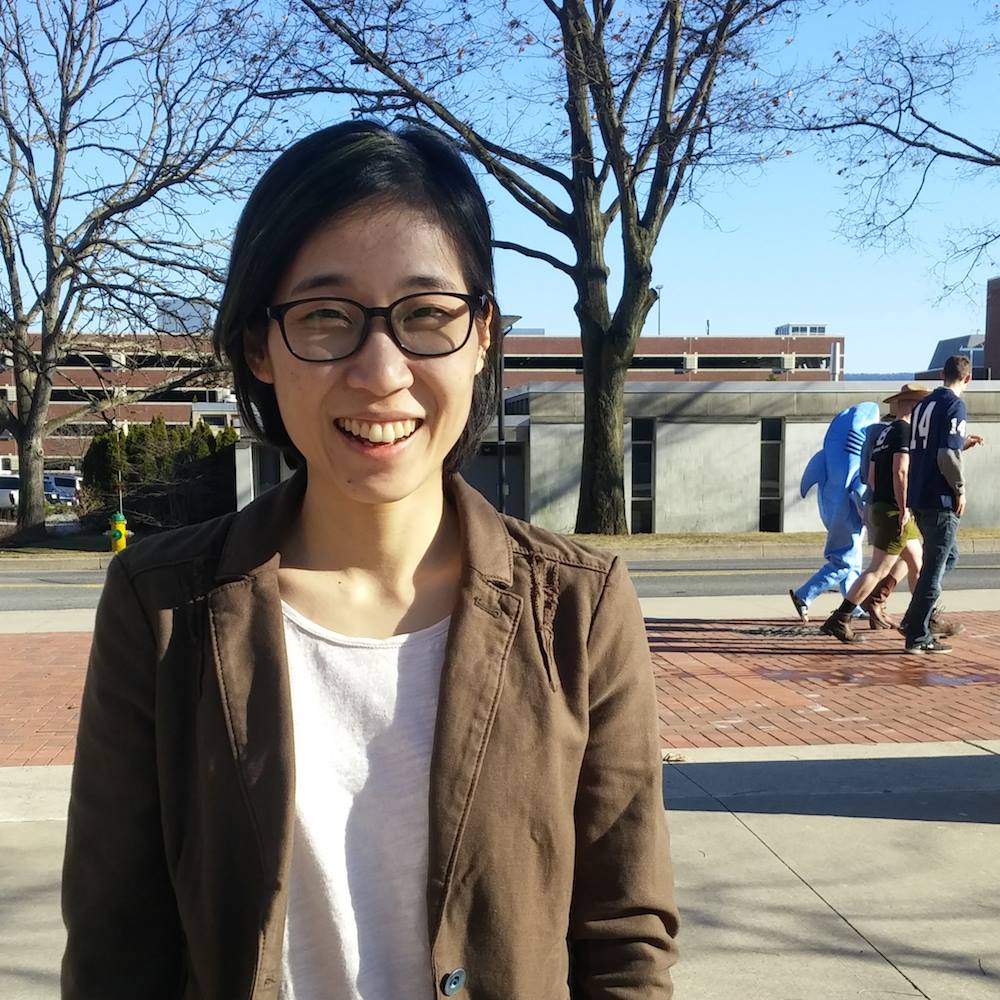
Eun Kyoung Choe is an Associate Professor in the College of Information at the University of Maryland, College Park. She returned to UMD in Fall 2024 after a year-long sabbatical at Seoul National University’s Computer Science Department. Her research bridges Human-Computer Interaction (HCI), Health Informatics, and Ubiquitous Computing, with a focus on designing inclusive and accessible health technologies for marginalized populations such as blind and low-vision individuals, older adults, and stroke survivors. She earned her BS from KAIST, MIMS from the University of California, Berkeley, and PhD in Information Science from the University of Washington, where she received the Distinguished Alumni Award in 2024. Her research focuses on creating technologies that empower individuals to manage their health through personalized and accessible systems. Key areas include personal informatics, semi-automated tracking, teachable interfaces, and mobile data visualization. She investigates how people reflect on personal data and how visualizations can support insight generation, particularly on mobile devices. Her work emphasizes inclusive design, addressing health disparities through accessible technologies. The trends in her recent publications reveal a strong focus on health equity, aging, and rehabilitation. Her research spans activity tracking for older adults, stroke recovery systems, and inclusive health technologies for people with disabilities. She leverages mixed-methods approaches, co-design, and user-centered development to build systems that are both technically sound and socially impactful. Distinguished Alumni Award, University of Washington, 2024 Dr. Choe has advised several students and researchers, including Young-Ho Kim, Diana Chou, and Sabahat Fatima, and leads interdisciplinary teams on projects funded by NSF, NIH, and Microsoft Research. Her major projects include MyMove (personalized activity tracking for older adults), mHealth platforms for stroke survivors, and OmniTrack (flexible self-tracking tools). She has served on editorial boards of PACM IMWUT and Foundations and Trends in HCI and co-chaired the Health Subcommittee for CHI (2021–2023). Her work continues to advance the frontiers of accessible and human-centered health technologies. She leads the Inclusive and Accessible Health Tracking Lab, where her team develops technologies in collaboration with users from marginalized communities. The lab emphasizes participatory design, real-world deployment, and ethical considerations in health technology development.
Patrick C. Shih is an Associate Professor of Informatics in the Luddy School of Informatics, Computing, and Engineering at Indiana University Bloomington, where he also serves as the Director of Graduate Studies for Data Science and Co-Director of the Animal Informatics MS and PhD track. He directs the Societal Computing Lab (SoCo Lab) and is a core faculty member of the Health Informatics PhD track. Dr. Shih's research focuses on how to better support health and wellbeing, specifically that of underserved and vulnerable populations, through the design, development, and evaluation of sociotechnical systems and community-based mechanisms. His work also designs technologies to amplify human and animal capabilities in animal-assisted interventions, improve animal welfare, and cultivate empathy for others. His research spans human-computer interaction, social media, collective intelligence, crowdsourcing, and online and geographic communities, with a particular emphasis on leveraging awareness of individual and community activities embedded in social media for civic engagement platforms. His recent publications reveal a strong trend toward health equity research, particularly focused on African American/Black communities, Alzheimer's disease and related dementias, breast cancer survivorship, and autism spectrum disorder. His work increasingly integrates generative AI, mobile health applications, and community-based participatory design approaches to address health disparities in vulnerable populations. ACM Senior Member (2020) NSF CAREER Award recipient Indiana University Trustees Teaching Award (2018-19) IU Groups Scholars Program STEM Mentor of the Year (2018-19) Multiple best paper awards at top-tier conferences Dr. Shih has successfully secured significant funding for his research, including a $3.7 million award to investigate inequities in environmental stressors and cognitive decline in urban and rural older adults. He serves on numerous editorial boards and program committees for leading HCI and computing conferences. His teaching portfolio includes courses on usable AI, mobile and pervasive design, and social computing. He leads the Societal Computing Lab, which focuses on developing technologies that address societal challenges through community engagement and participatory design.
Professor Ester Cerin is a leading academic at the Mary Mackillop Institute for Health Research, Australian Catholic University (ACU), where she leads the Behaviour, Environment and Cognition Research Program. She holds an adjunct professorship in Statistics at the Department of Community Medicine, UiT The Arctic University of Norway, and is an Honorary Professorial Fellow at both the Baker Heart & Diabetes Institute and the School of Public Health, University of Hong Kong. Her international career includes academic roles in Australia, the USA, and Hong Kong. Her research centers on the environmental and psychosocial determinants of lifestyle behaviors and health, with a focus on physical activity, cognitive health, and sustainable environments. She employs advanced statistical methods to study how urban design and neighborhood characteristics influence health across the lifespan. Her work bridges public health, urban planning, and behavioral science. The recent publications highlight a consistent focus on built environment impacts on physical activity and cognitive health across age groups and continents. Her studies frequently employ multi-country designs (e.g., IPEN, iMAP) and advanced methodologies including meta-analyses, cohort studies, and objective environmental assessments. Key themes include walkability, urban densification, aging, and mental health. Top 1% of scholars, University of Hong Kong, 2015 Clarivate Highly Cited Researcher, 2019 Professor Cerin has secured over $24 million in research funding from prestigious bodies including NHMRC, ARC, NIH, and World Cancer Research Fund. She has led 12 major grants as Lead Investigator and serves as Principal Investigator for the iMAP and EPOCH studies. She supervises HDR students and mentors early-career researchers. Her leadership extends to editorial roles as Deputy Editor-in-Chief of the International Journal of Behavioral Nutrition and Physical Activity and Associate Editor of Health & Place . She co-founded the International Cognitive Health and the Environment Network (ICHEN) to promote research and advocacy for environments that support cognitive health. Her work is embedded in large international collaborations, including multi-country cohort studies and systematic reviews under the IPEN and CEPA working groups.
Kyle Chapman serves as Associate Professor and Department Chair of Humanities and Social Sciences at Oregon Institute of Technology, where he has strengthened the Population Health Management program since joining in 2016. His work bridges sociological theory with practical healthcare applications through teaching and community-engaged research. His educational background includes a Doctor of Philosophy in Sociology with specializations in Medical Sociology and Gerontology from the University of Kansas (2016), a Master of Arts in Sociology from Texas Tech University (2011), and dual Bachelor of Arts degrees in Sociology and Mass Communication from Texas Tech University (2008). Dr. Chapman's research investigates social determinants of health with emphasis on aging, chronic disease, and health disparities. His work examines how socioeconomic factors shape physical and mental health outcomes across community and population levels, particularly focusing on rural healthcare challenges in Oregon. Recent projects analyze wildfire smoke impacts on hospital capacity, mental health among first responders, and barriers to healthcare access for vulnerable populations. His publication record reveals a consistent trajectory from foundational sociological studies toward applied public health research, with increasing focus on environmental health crises since 2020. The 2023-2025 articles demonstrate sophisticated integration of case-crossover methodologies with state health data to address Oregon's unique wildfire-related health challenges, while maintaining core interests in health behaviors and chronic disease management. As an educator, Dr. Chapman teaches medical sociology, research methods, and social inequality courses. His curriculum development work, including the 'Integrated Sociology Programs' framework, reflects commitment to preparing students for health sector careers through the Population Health Management program. Outside academic duties, he explores Pacific Northwest natural attractions with his family.
Dr. Claire Fitzsimons is a part-time Lecturer in Physical Activity for Health at the University of Edinburgh’s Moray House School of Education and Sport, affiliated with the Institute for Sport, Physical Education & Health Sciences (ISPEHS). She holds a PhD in Exercise Physiology (2006) and a Physiology degree (2001), both from the University of Edinburgh. Her research focuses on reducing sedentary behavior in older adults, workplace interventions for hybrid/homeworkers, physical activity during menopause, and improving muscle strength and balance in adults. Education: BSc Physiology, University of Edinburgh (2001) PhD in Exercise Physiology in Older Adults, University of Edinburgh (2006) Research Interests: Interventions to break sedentary behavior in desk-based workers and stroke survivors Physical activity strategies during menopause Technological solutions for promoting movement (e.g., smartphone apps) Grants & Collaborations: Co-investigator on a £3M NIHR grant to reduce sedentary behavior in stroke patients (2017–2024) Principal Investigator for a study on sedentary behavior in stroke survivors (2015–2019) Partner with SAMH on menopause and workplace interventions Advising & Teaching: Supervises PhD students on topics like yoga in aging and urban environmental impacts on activity Teaches Exercise Prescription for Rehabilitation and MSc Physical Activity for Health Her work bridges research and practice, emphasizing real-world applications of exercise science to improve public health outcomes.
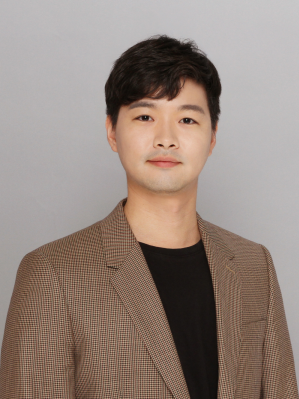
Lawrence Kim is an Assistant Professor at the School of Computing Science, Simon Fraser University. His research focuses on Human-Computer Interaction, Tangible User Interfaces, and Human-Robot Interaction, with teaching interests in Physical Computing and Human-Centered Computing. Education: PhD in Mechanical Engineering (Stanford University, 2020), MS in Mechanical Engineering (Stanford, 2015), and BS in Mechanical Engineering (University of Illinois at Urbana-Champaign, 2013). Research interests emphasize tangible interaction design, swarm robotics, and assistive technologies for special needs populations. His work includes developing interfaces like Woogu for child education and DiminishAR for cognitive enhancement. He directs the Tangent Lab (https://tangent.cs.sfu.ca/), exploring embodied and robotic interaction. Teaching includes courses such as CMPT 263 (Introduction to Human-Centered Computing) and CMPT 415/416 (Special Research Projects). His recent articles address topics like head posture correction in VR, programmable fidgeting with swarm robots, and stress prediction via mouse movements.
Patrick C. Shih is an Associate Professor of Informatics at Indiana University Bloomington's Luddy School of Informatics, Computing, and Engineering, where he directs the Societal Computing Lab (SoCo Lab). He holds leadership roles as Director of Graduate Studies for Data Science and Co-Director of the Animal Informatics MS/PhD track. His affiliations include core faculty positions in Health Informatics and Animal-Computer Interaction programs. Education: Ph.D. in Information and Computer Science (UC Irvine), M.S. in Information Networking (Carnegie Mellon University), B.S. in Computer Science and Engineering (UCLA). Previously held research positions at Microsoft Research and IBM Research. Research Focus: Develops sociotechnical systems to support health/wellbeing in underserved populations, including older adults, autistic individuals, and communities affected by health disparities. Designs technologies for animal-assisted interventions, animal welfare enhancement, and empathy cultivation. Major projects include mobile health interventions for stress management, Alzheimer's disease tools for African American communities, and physical activity promotion for autistic adults. Publication Trends: Recent work (2023-2025) emphasizes AI-driven health tools for vulnerable groups, including generative AI for Alzheimer's education, mobile apps for chronic disease management, and culturally tailored interventions. Research spans HCI, health informatics, and community-based participatory design, with strong focus on real-world applicability and health equity. Awards & Honors: ACM Senior Member (2020) NSF CAREER Award (2022) Multiple Indiana University teaching/mentoring awards (2016-2019) Euroinvent Silver Medal Award Best Paper Awards at ACM CSCW, ISCRAM Grants & Projects: $3.7M NIH grant for studying environmental stressors and cognitive decline in older adults (2024) NSF-funded mobile stress measurement app for midlife adults (2023) Mobile 'just-in-time' stress intervention for breast cancer survivors (2022) Labs & Teams: Leads the Societal Computing Lab (SoCo Lab) focusing on community-centered technology design. Collaborates with healthcare institutions, zoos, and community organizations. Develops interdisciplinary research teams for projects in health informatics, animal-computer interaction, and crisis response technologies.
Jennifer Jakobi is a Professor at the School of Health and Exercise Sciences , Faculty of Health and Social Development, UBC Okanagan. She serves as Director of the Institute for Healthy Living and Chronic Disease Prevention and holds the NSERC Chair for Women in Science and Engineering . Her work bridges neuromuscular physiology and STEM diversity initiatives . Research Themes : Frailty, aging in place, sex-differential muscle function, and motor unit modulation. Labs : Leads the Healthy Exercise and Aging Lab (HEAL) and coordinates the iSTAND diversity program. Publications focus on aging biomechanics, cannabis impacts in elderly populations, social VR interventions, and pandemic-era health behaviors. Her NSERC-funded basic research examines cortical-spinal pathways, while UBCO grants support applied studies on vibration therapy and assistive technologies. Scientific Contributions : Identified sex-specific force steadiness mechanisms Developed prehabilitation frameworks for functional independence Advocated for gender-inclusive STEM education Outreach includes youth STEM camps, equity workshops, and community partnerships on aging-in-place policies. Current research explores VR-based social engagement and cannabis safety protocols for seniors.
Ruohui Chen, PhD, is an Assistant Professor in the Department of Preventive Medicine (Biostatistics and Informatics) at Northwestern University's Feinberg School of Medicine, where he develops advanced biostatistical methodologies and leads collaborative research in oncology and chronic disease. His educational background includes: PhD from University of California San Diego (2023) Dr. Chen specializes in large-scale healthcare data analysis, functional/longitudinal data methods, predictive modeling, and causal inference. His collaborative work addresses cancer treatment disparities, Alzheimer's disease mechanisms, kidney disease progression, and activity pattern impacts on health outcomes through rigorous statistical frameworks. His 2025 publications demonstrate cross-disciplinary applications: analyzing socioeconomic factors in bone cancer prognosis, testing physical activity interventions for cardiovascular health in postmenopausal women, evaluating novel lymphoma immunotherapies, and optimizing aspirin dosing for colorectal cancer prevention. These studies consistently bridge methodological innovation with clinical oncology and public health challenges. No major scientific awards are documented in the current profile. Professional activities include editorial board service for Taylor & Francis (2024-present) and American Statistical Association membership (2016-present), with prior leadership as UC San Diego chapter president (2020-2023). Research grant details and student mentorship information are not provided. Dr. Chen operates within collaborative oncology research networks at Feinberg, though specific laboratory structures are not detailed in available materials.
Dr. rer. nat. Christopher M. Jones is a Senior Scientist in the Department of Cardiovascular and Metabolic Disease Prevention at the Medical Faculty Mannheim of Heidelberg University . Holding a PhD in Clinical Psychology from the University of Bremen, his work bridges behavioral science, digital health, and social determinants of health behavior. Current focus areas include intensive longitudinal methodology for real-time behavioral analysis. Investigates social and contextual factors influencing intention-behavior translation. Examines socioeconomic drivers of health disparities and misinformation dissemination on social media. Recently expanded into climate and health research, particularly air pollution protective behaviors. His methodological expertise spans experimental designs and smartphone-based ecological momentary assessments. Publications include studies on: COVID-19 nonpharmaceutical adherence dynamics. Smoking behavior regulation over time. Misinformation sharing in digital health contexts. Behavioral determinants of antibiotic prescribing patterns. Contact: christopher.jones@medma.uni-heidelberg.de | Phone: +49 621 383-71792
Jason Au is an Assistant Professor at the University of Waterloo, specializing in vascular physiology and exercise-related cardiovascular dynamics. His research focuses on understanding complex blood flow patterns, arterial stiffness, and the impact of exercise on vascular health. He leads the Vascular Observations through Research on Technology and Exercise (VORTEX) Lab, integrating advanced imaging techniques like high-frame-rate ultrasound. Dr. Au holds a BSc and PhD in Kinesiology from McMaster University and a Postdoctoral Fellowship in Electrical & Computer Engineering at the University of Waterloo. His research interests include three main areas: 1) Complex blood flow and wall motion in arteries/veins, 2) Sedentary behavior/exercise exposure on vascular risk, and 3) Novel biomarkers of vascular disease progression. His work combines experimental models with computational approaches to study vascular health comprehensively. Key publications highlight innovations in ultrasound imaging (e.g., vector projectile imaging) and physiological mechanisms like arterial wall motion regulation. Dr. Au’s lab offers graduate supervision across MSc, PhD, and postdoctoral levels, with active projects exploring exercise countermeasures to vascular disease and technological advancements in medical imaging. Laboratory activities emphasize translational research, bridging basic science and clinical applications to improve cardiovascular health outcomes. Collaborations span engineering, physiology, and clinical domains to address unresolved questions in vascular biology.
Jingjing Zou is an Assistant Professor in Residence at the Herbert Wertheim School of Public Health & Human Longevity Science, University of California San Diego. Her research focuses on integrating statistical methodologies with medical imaging and public health challenges, particularly in cancer prevention, physical activity analysis, and radiomics. Education: PhD in Statistics, Columbia University MA in Statistics, Columbia University BS in Statistics, Peking University Research Interests: Dr. Zou's work emphasizes functional data analysis, accelerometer-based physical activity monitoring, and MRI techniques for cancer treatment evaluation. She develops statistical models to analyze longitudinal health data, with applications in cardiovascular disease prevention and oncology. Her studies often bridge clinical outcomes with advanced imaging biomarkers. Grants: NIH/NHLBI (Principal Investigator): Examining Longitudinal Changes in Accelerometer-Measured Physical Activity in Preventing Cardiovascular Disease (2024-2028) NIH R37CA249659 (Co-Investigator): Advanced diffusion MRI for cervical cancer treatment evaluation (2021-2026) NIH R01CA255780 (Co-Investigator): Whole-body radiomics for gynecologic cancers (2020-2024) Labs/Teams: Collaborates with interdisciplinary teams in radiology, oncology, and biostatistics, including co-authors like Loki Natarajan (UCSD) and Loren Mell (UCSD).
Line Brotnow Decker is a Lecturer in the Child Study Center at Yale School of Medicine. She holds a BS in Psychology from Université de Paris (2011) and an MSc in Developmental Neuroscience and Psychopathology from University College London (2013). Her research focuses on intensive home-based treatments for youth with psychiatric conditions, family systems therapy, maternal mental health, and behavioral motivation measurement. Dr. Decker co-developed the CRAVE Scale for assessing motivation states related to physical activity and has published extensively on interventions targeting high-risk youth, parent-clinician collaboration, and prenatal stress impacts. Key Research Areas: Mentalization-based interventions, family therapy, school absenteeism interventions, and maternal-child health dynamics Notable Contributions: Evaluation of IICAPS home-based program, development of CRAVE Scale, studies on parent-clinician disagreement impacts Her work emphasizes practical clinical strategies for improving family mental health treatment outcomes through enhanced clinician-parent collaboration and tailored behavioral interventions. Dr. Decker collaborates with institutions like the Stephen & Denise Adams Center for Parkinson’s Disease Research on translational child psychiatry initiatives.