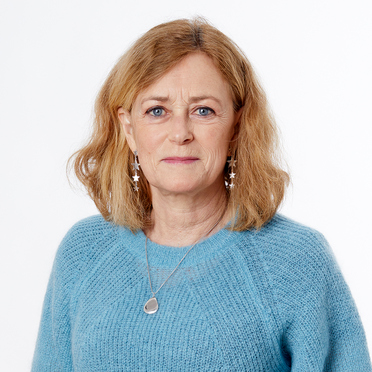
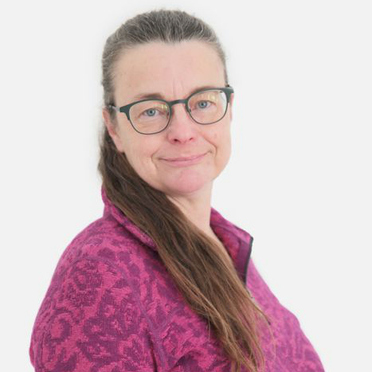
Patricia Cativo Viegas is a Researcher affiliated with Design I&D - Centro de Investigação em Design e Arte at the School of Communication, Arts and Information. Her work focuses on interdisciplinary collaborations in health-related research. Current project: Home-COMBO (2024-2026) - online home-based combined exercise intervention for women with breast cancer undergoing chemotherapy Key research areas: Healthy aging, sedentary behavior reduction, and quality of life improvements Research trends since 2021 emphasize: Randomized controlled trials (RCTs) targeting workplace health Interventions promoting active lifestyles Interdisciplinary approaches bridging design, health outcomes, and social factors
António José Videira da Silva is a researcher at the Faculty of Physical Education and Sport (FEFD), Lusofona University, Lisbon, affiliated with CIDEFES – a research group focused on Sports Behavior, Physical Education, and Exercise and Health Sciences. Research highlights include: Investigating motivational drivers for physical activity in adolescents with obesity , linking intrinsic/extrinsic motivation to body composition . Developing remote high-intensity interval training protocols for obesity treatment. Methodological reviews of 24-hour movement behavior assessment via accelerometry. Assessing quality of medical care from adolescent and physician perspectives. Key collaborations include projects like Home-COMBO (2024-2026), an online home-based exercise intervention for breast cancer patients. His work spans adolescent health , obesity prevention , and behavioral interventions , with outputs in journals such as Obesity Pillars and Sports Medicine - Open .
Patrícia Cativo holds a PhD in Design from the School of Architecture of the University of Lisbon and a degree in Communication Design – Graphic Art from the School of Fine Arts of the University of Porto. She serves as an Assistant Professor in the Communication Design course at Lusofóna University, Lisbon, and is a member of DESIGN ID, focusing on Graphic Design History in Portugal and Spain during the democratic transition (1974–1998). She coordinates the research project Visions of the Future – Iberian visual culture after democracy – 1974-1998 and works independently as a graphic designer.
VLADIMIR ESSAU MARTINEZ BELLO is a Professor at the Faculty of Teacher Training , Universitat de València , specializing in Didactics of Body Expression . He is affiliated with two research groups: COS Body, Movement, Music and Curricular Practices and AFIPS Physical Activity and Health Promotion Group . Education: Doctorate in Muscle and Hematological Effects of rHuEpo (2011), supervised by Drs. José Viña Ribes, M. Carmen Gómez Cabrera, and Federico V. Pallardó Calatayud Doctorate in Human Rights Education in Early Childhood Materials (2019), supervised by Dr. José Roberto Pérez Salom Research Interests focus on physical activity promotion in early childhood , movement-music integration , gender and cultural representation in educational materials , and inclusive curriculum design . His recent work explores structured movement programs, sedentary behavior correlates, and interdisciplinary training for educators. Key Trends in Publications include: Systematic reviews on activity patterns in toddlers Development of evidence-based movement-music programs Analysis of gender stereotypes in textbooks and media Collaborative projects on child protection (e.g., EDUCAP, MoviMusi) Labs & Teams: He actively contributes to the COS and AFIPS research groups, focusing on curricular innovation, health promotion, and multidisciplinary teacher training initiatives.
Lisa Chasan-Taber is a Professor at the University of Massachusetts Amherst, affiliated with the School of Public Health and Health Sciences. Her work focuses on maternal health, physical activity during pregnancy, gestational diabetes, and health disparities among Hispanic women. Research Trends: Recent articles examine lifestyle interventions for postpartum weight retention, physical activity questionnaires, and cardiometabolic risks in Hispanic populations. Clinical Focus: Key sub-fields include maternal exercise physiology, acculturation effects on prenatal health, and glucose tolerance in pregnancy. Collaborations: Frequent co-authors include Braun, Rosal, and Pekow, with studies published in journals like Med Sci Sports Exerc and Am J Epidemiol .
Ann E Maloney, MD, is an Assistant Professor at UMass Chan Medical School with dual appointments in the Department of Psychiatry and Behavioral Sciences and the Department of Pediatrics. She practices at Child, Adolescent and Adult Psychiatry in West Boylston, Massachusetts. Education: BSN in Nursing from University of Wisconsin, Madison MD from University of Vermont College of Medicine Her research focuses on innovative interventions for child and adolescent health, particularly exergaming (active video games) for physical activity promotion and psychopharmacological treatments for psychiatric conditions. She investigates technology-based solutions including Dance Dance Revolution for obesity prevention and digital tools for cognitive development in youth with neurodevelopmental disorders. Her publications demonstrate strong emphasis on pediatric mental health interventions, with recurring themes in schizophrenia treatment, autism spectrum disorders, and physical activity research using game-based methodologies. Clinical trials and school-based interventions constitute major research approaches.
Zoe Dawson is a Lecturer in Sports and Exercise Therapy at the School of Science, Technology and Health, York St John University. She holds an MSc in Strength and Conditioning from Leeds Beckett University (2019) and is a qualified Graduate Sports Therapist from the University of Gloucestershire. Her professional experience spans NHS musculoskeletal rehabilitation, private clinics, and team sports roles in rugby league/union. Teaching focuses on the BSc Sports and Exercise Therapy programme, covering injury assessment, rehabilitation, and evidence-based practice across modules like Peripheral Joint Treatment, Vertebral Joint Management, and Contemporary Practice. She emphasizes person-centred care and interdisciplinary collaboration. Research is concentrated through two groups: PAtCH (exploring osteoarthritis activity/sedentary behavior links to cardiovascular health via a PhD) and InSPIRe (biobanding's impact on female athlete development, injury risk, and performance). Current projects include co-producing osteoarthritis interventions with healthcare professionals and qualitative studies on sedentary behavior attitudes. Publications span journals like Journal of Strength and Conditioning Research and Journal of Physical Activity and Health , addressing youth athlete performance metrics, osteoarthritis activity patterns, and tendon rupture outcomes. She actively bridges clinical practice with academic research to improve patient outcomes and athlete development strategies.
Maria Fernström is an Associate Professor of Sports Science with specialization in Applied Physiology at the Swedish School of Sport and Health Sciences (GIH). She serves as Deputy Head of the Health Sciences Section, Director of Studies for the Health Doctorate Program, and Senior Lecturer in the Department of Physical Activity and Health. Her roles emphasize both academic leadership and teaching responsibilities in health promotion programs. She holds an ORCID identifier and is affiliated with the E-PABS Center of Excellence in Physical Activity, Healthy Brain Functions, and Sustainability. Her research focuses on the interplay between physical activity, lifestyle factors (diet/sleep), and cardiovascular health in young adults. Key findings include identifying early risk markers for cardiovascular disease through vessel health studies. Teaching priorities include instilling knowledge about physical performance, nutrition, and sleep hygiene to combat sedentary lifestyles. Recent publications (2023-2024) concentrate on cognitive benefits of physical activity breaks and nutritional interventions. Collaboration highlights include work with the Physical Activity and Brain Health group. No specific scientific awards are listed, though her active research portfolio suggests potential unrecognized contributions. Advising responsibilities aren't detailed, but her leadership roles imply mentorship of research teams in preventive health initiatives.
Lena Kallings is an Associate Professor at The Swedish School of Sport and Health Sciences, Stockholm, Sweden, and an Associate Researcher at Uppsala University's Department of Public Health and Caring Sciences. She specializes in physical activity, sedentary behavior, and cardiovascular health, with extensive research on lifestyle interventions in occupational settings and post-cardiac care. Department of Physical Activity and Health, Section of Health Sciences Researcher ID: B-3712-2013 Scopus Author ID: 23985231900 Her research focuses on: Lifestyle behavior clustering in middle-aged adults Workplace health assessment trends Post-myocardial infarction activity monitoring Dog-owner exercise program interventions Osteoarthritis rehabilitation strategies Recent publications address: Accelerometer reliability in older adults Occupational sickness absence patterns 24-hour movement behavior analysis Cardiorespiratory fitness forecasting Covid-19 risk factors Her work frequently involves large-scale epidemiological studies (n>40,000) and randomized controlled trials targeting health behavior change in office workers and clinical populations.
Fawzi Kadi is a Professor of Sports Physiology at Örebro University, Sweden, affiliated with the School of Health Sciences and Department of Health Sciences. His research focuses on chronic disease prevention through lifestyle interventions (physical activity and nutrition) and mechanisms of chronic diseases, metabolic disturbances, and systemic inflammation linked to sarcopenia and adiposity. He has developed Sweden's first master's program in exercise physiology and medicine, the 'Neurology and Orthopedics' theme in medical education, and a bachelor's program in sports sciences. Key research areas include primary care-based lifestyle interventions for aging populations, molecular links between inflammation and muscle health, and exercise therapy for neuromuscular disorders like facioscapulohumeral dystrophy. Active projects include the Eurodiet initiative promoting healthy habits in elderly and the TWH 65-70 trial assessing training/diet interventions. Publications highlight exercise-induced muscle adaptations, dietary strategies for sarcopenia prevention, and inflammation-muscle health relationships. His work spans over 150 peer-reviewed articles in journals like *Journal of Physiology*, *Nutrients*, and *GeroScience*. Kadi leads the 'Disease Prevention, Physical Activity & Diet' research group. His work integrates clinical, molecular, and epidemiological approaches to address aging-related health challenges.
Avloniti Alexandra is an Associate Professor at the Department of Exercise Science and Sports, Faculty of Physical Education and Sports Sciences, Democritus University of Thrace. Her research focuses on developmental exercise physiology, pediatric sports medicine, immune responses to exercise, and resistance training methodologies. She holds a Doctorate in Physical Education (2006) and has conducted extensive research on exercise-induced oxidative stress in children, bone health in athletes, and the effects of physical activity on metabolic and inflammatory markers. Dr. Avloniti has contributed to numerous funded projects investigating exercise interventions for obesity management, bone metabolism in preadolescents, and the physiological impacts of sports training regimens. Teaching: Resistance exercise pedagogy, athletic performance laboratory techniques, and resistance training design Research Experience: Member of the Hellenic Society of Exercise Biochemistry, presenter at health and exercise symposiums, and collaborator on EU-funded research programs Key Projects: Investigated cardiometabolic benefits of HIIT in obese adults, bone density adaptations in rhythmic gymnasts, and recovery kinetics in team sports athletes Her work bridges exercise physiology with clinical applications, emphasizing interventions for youth populations and chronic disease prevention. Recent studies explore the role of protein supplementation in recovery processes and the biomechanical impacts of small-sided games in soccer.
Bénédicte Noury-Desvaux is a Professor at the University Catholique de l'Ouest (UCO), serving as Vice-Dean of Research in the Faculty of Sciences. She leads the STAPS (Sciences et Techniques des Activités Physiques et Sportives) Master's program and coordinates the APCoSS research team. She holds an HDR (2009) and PhD (1996) from the University of Angers. Roles: Academic and Research Manager at IFEPSA-UCO, Head of STAPS Master's program Education: HDR in 2009, PhD in Life and Health Sciences (1996) Research Focus: Arterial damage assessment, physical activity methodologies, pathophysiological responses in vascular diseases, GPS applications in health She organizes national/international events like the 22nd Sports History Crossroads conference (2022) and the 2013 colloquium on walking assessment. Her APCoSS team explores physical activity adaptation in medical contexts, including COPD, obesity, and cancer patients. She supervises PhD students and collaborates on projects like ACTI-GPS and V-COMPRIMO.
Naiman A Khan is an Associate Professor at the University of Illinois at Urbana-Champaign, holding joint appointments in Kinesiology and Community Health, Nutritional Sciences, Neuroscience Program, and the Beckman Institute. As Associate Head for Research in Kinesiology and Community Health, he leads interdisciplinary initiatives at the intersection of nutrition, physical activity, and cognitive health. His work is affiliated with the Carl R. Woese Institute for Genomic Biology and the Personalized Nutrition Initiative. Key research areas include cognitive function, obesity, metabolic health, and child development, with a focus on how dietary patterns, physical activity, and gut microbiota influence neurocognitive outcomes. He has pioneered studies on the MIND Diet, fecal microbiota biomarkers, and interventions targeting sedentary behavior in aging populations. Recent work highlights include protocol development for the HIIT2SITLess trial (combining HIIT with reduced sitting), caregiver nutrition training services integration into Medicare, and machine learning models predicting cognitive outcomes. His research has been featured in high-impact journals like BMJ Open and the Journal of Nutrition, with over 146 peer-reviewed publications and media coverage in outlets like ScienceDaily and Healthline. Collaborations span multiple disciplines, including clinical nutrition, neurophysiology, and bioinformatics. His lab emphasizes translational research, with current projects funded by NIH and industry partners. Khan also advocates for culturally inclusive healthcare practices, particularly in dietary interventions for diverse populations.
Dr. Chris Kite is a Senior Lecturer in Public Health and Health Studies at the University of Wolverhampton , affiliated with the School of Public Health Studies under the Faculty of Education, Health & Wellbeing. He holds an honorary research posts at University Hospitals Coventry and Warwickshire NHS Trust, Coventry University, and Chester Medical School. Education: PhD in Life and Health Sciences, Aston University (2021) PGCE in Post-Compulsory Education, University of Wolverhampton (2016) MRes in Sport (Distinction), University of Wolverhampton (2015) BSc (First Class) in Sport and Exercise Science, University of Wolverhampton (2014) Dr. Kite’s research focuses on Women's Health (particularly PCOS), Metabolic Health (NAFLD, T2DM, obesity), and Behavior Change through physical activity interventions. His work includes systematic reviews on exercise therapy for PCOS, pandemic-induced lifestyle changes, and remote rehabilitation technologies. Recent publications analyze biomarkers in liver disease, IoT applications for PCOS management, and multidisciplinary approaches to NAFLD. His scientific awards include the Human Kinetics Student Poster Presentation Award (2018) and Fellowship of the Higher Education Academy . Key Collaborations: James Brown's Lab University Hospitals Coventry and Warwickshire NHS Trust
António João Labisa Da Silva Palmeira is an Associate Professor at Universidade Lusófona de Humanidades e Tecnologias, with a 20-year track record in physical activity research and obesity management. His career spans executive roles as Director of the International Society for Behavioral Nutrition and Physical Activity, and coordination of graduate programs in exercise science. Título de Agregado in Physical Education (2021) PhD in Health and Physical Fitness (2009) MSc in Sports Psychology (1999) As a leader in behavioral nutrition and physical activity interventions, his work bridges public health , exercise psychology , and digital health solutions through projects like the EU-funded NoHoW Trial and YoPA . His 116 peer-reviewed articles focus on weight maintenance, body image, and motivational frameworks. Research trends demonstrate expertise in 24-hour movement analysis , digital intervention design , and cross-cultural health behavior studies . He has mentored 5 PhD candidates and numerous Master's students, while collaborating with 417 co-authors across diverse settings from school interventions to bariatric surgery follow-up studies.


/prod01/yorksjacuk/media/content-assets/staff-profile-images/zoe_dawson-16.jpg)