Professor Tillman U. Gerngross is a faculty member at the Thayer School of Engineering at Dartmouth College, where he holds the rank of Professor of Engineering. His research focuses on protein engineering, glycoprotein engineering, and metabolic engineering, with significant contributions to yeast-based production systems for therapeutic proteins. He has pioneered technologies for humanizing glycosylation pathways in yeast, enabling the production of complex glycoproteins for biomedical applications. Education: BS/MS in Chemical Engineering (1989) and PhD in Molecular Biology (1991), both from the Technical University of Vienna, Austria. Research Interests: Professor Gerngross’s work bridges biotechnology and engineering, emphasizing scalable production methods for biologics. His lab has developed novel fermentation and protein expression systems, with applications in antibody engineering and metabolic pathway optimization. Awards: Member of the National Academy of Engineering (2017), 2013 National Academy of Inventors Fellow, and recipient of the 2020 Dartmouth Entrepreneurs Forum Technology Innovation Award. Entrepreneurial Ventures: Co-founder of multiple biotech companies, including GlycoFi (acquired by Merck for $400M), Adimab, Alector, Avitide (acquired by Repligen), and Adagio Therapeutics. These ventures focus on antibody discovery, cancer therapeutics, and pandemic response technologies. Grants & Funding: His startups have secured substantial funding through venture capital and strategic partnerships, reflecting their commercial viability and scientific impact. Notable milestones include Avitide’s $150M acquisition and Alector’s $2.2B valuation post-IPO. Labs & Teams: Leads a multidisciplinary research group at Thayer, collaborating with industry partners to translate academic discoveries into industrial applications. His companies employ advanced R&D teams to develop therapies and biomanufacturing solutions.
Thomas Michael Sattich is an Associate Professor at the University of Stavanger , affiliated with the Faculty of Social Sciences and Department of Media and Social Studies . His research focuses on geopolitical implications of sustainability transitions, particularly energy policy interdependence and EU-China relations. PhD in Political Science and Economics Expertise in qualitative methods, mixed methods (cluster analysis), and data visualization Lead researcher on EU-funded digital climate negotiation simulation projects His recent publications examine renewable energy geopolitics, industrial policy competition, and sustainability education frameworks. Methodologically, he specializes in Qualitative Comparative Analysis (QCA) and network analysis, contributing to debates on energy security and regional cooperation.
Miguel Mujica Mota is a Senior Lecturer at the Faculty of Technology, National Autonomous University of Mexico (UNAM), and a member of the Centre of Applied Research Technology. His research focuses on airport operations, multimodal transport systems, and simulation modeling. He has expertise in analyzing capacity challenges in multi-airport systems, particularly in Mexico City, and developing decision support systems for airport security and resource allocation. His work integrates sustainability and efficiency, addressing topics like environmental reporting in airlines and post-pandemic airport recovery strategies. Research Contributions: Dr. Mujica Mota has published extensively on airport capacity optimization, multimodal transport integration, and simulation-based methodologies. Key projects include the X-TEAM D2D initiative for door-to-door travel and the IMHOTEP project for smart passenger flow management. His work often involves collaboration with institutions like Schiphol Airport and the H2020 EU framework. Research Interests: Airport terminal design, air traffic management, simulation modeling, multimodal logistics, and sustainable aviation. Awards: A-BOOST Research Fund (2020) Beste paper award EMM2018 X-TEAM D2D Project Recognition (2020) Activities: Organized conferences like the 2023 EUROSIM Simulation Seminar and served on committees for events such as the 2024 Multilog Conference. Grants & Projects: Involved in EU-funded initiatives like H2020, focusing on multimodal integration and sustainable transport solutions. His research also explores climate change impacts on infrastructure and simulation-based validation approaches.
Bruce Grohsgal serves as the Helen S. Balick Professor in Business Bankruptcy Law at Widener University Delaware Law School, where he joined the faculty in July 2014 after over 30 years of legal practice. His primary academic affiliation is with Widener University's Law School, where he teaches Bankruptcy, Contracts I and II, Secured Transactions, International Bankruptcy, and Financial Regulation. Prior to academia, he practiced at Pachulski Stang Ziehl & Jones, LLP in Wilmington, Delaware, representing major entities in high-profile bankruptcy cases including Solyndra, Global Home Products, and Trans World Airlines. Professor Grohsgal's research focuses on bankruptcy law with particular expertise in business restructuring, student loan dischargeability, and financial institution insolvency. His work critically examines the absolute priority rule, structured dismissals, and the legislative history behind student loan nondischargeability. He has extensively analyzed how bankruptcy courts handle debtor-creditor agreements, lease rejections, and the recharacterization of debt claims as equity. His scholarship consistently bridges theoretical legal analysis with practical restructuring challenges faced by practitioners. As Editor-in-Chief of the Norton Journal of Bankruptcy Law and Practice and the Norton Annual Survey of Bankruptcy Law, Grohsgal significantly influences bankruptcy scholarship. His recent publications (2020-2023) demonstrate a concentrated focus on student loan bankruptcy discharge mechanisms, evolving interpretations of the absolute priority rule, and procedural innovations in Chapter 11 cases. The articles reveal growing scholarly attention to consumer bankruptcy issues within traditionally corporate-focused bankruptcy scholarship. Professor Grohsgal actively engages with policy development through congressional testimony, including written submissions for H.R. 1667 (Financial Institution Bankruptcy Act of 2017). He directs the Institute of Delaware Corporate and Business Law and previously chaired the Delaware State Bar Association's Bankruptcy Section. His practical experience informs his academic work, particularly regarding first-day motions, asset sales in bankruptcy, and derivatives treatment in insolvency proceedings.
Dillon Newton is a Research Fellow at the School of Human and Health Sciences , University of Huddersfield, and a member of the Centre for Applied Research in Health . His work focuses on interdisciplinary research in social policy, addressing contemporary societal challenges through policy and practice responses. Joined University of Huddersfield in 2020 PhD from University of Salford's Sustainable Housing & Urban Studies Unit Active in research commissioned by UK government, local authorities, and NGOs Research Interests include: Migration : Integration of international nurses, pandemic impacts on healthcare workforce Housing : Housing quality, homelessness, pandemic-related mental health effects Social Inequalities : Devolution, community health outcomes in Northern England Regional Food Systems : Food security and policy intersections Article Trends highlight interdisciplinary work across Public Health , Social Policy , and Migration Studies , with a focus on acculturation , pandemic effects , and structural equation modelling . Scientific Metrics : Scopus h-index: 125 Google Scholar h-index: 6 (from 69 citations) Advising : Accepting PhD students in areas related to migration, housing, and social policy. Collaborates with institutions like University of Salford and University of Huddersfield on grants from UK government departments and charities. Labs & Teams : Collaborates with the Centre for Applied Research in Health and Sustainable Housing & Urban Studies Unit. External collaborations span countries including Nepal, New Zealand, and England.
Eduard Arzt is a Distinguished Visiting Professor in the Department of Material Science and Engineering at the University of California, San Diego. He is internationally recognized for his pioneering work in materials science, with a focus on functional microstructures, bioinspired adhesives, and sustainable materials solutions. His current research explores innovative applications in biomedical engineering and space technology. His research interests center on the micropatterning of elastomeric surfaces to control mechanical interactions sustainably. Key areas include gecko-inspired adhesives for biomedical use and novel microstructures for space applications such as satellite debris retrieval. He also promotes biodiscovery as a strategy for developing materials for extreme environments. His interdisciplinary approach bridges materials physics, biology, and engineering. The trends in his recent work emphasize sustainability, bioinspiration, and the application of advanced materials in both medical and extraterrestrial contexts. His research integrates principles from nanotechnology, soft matter physics, and robotics to create next-generation functional materials. Notable scientific honors include: 2023 William D. Nix Award (TMS) Elected member of the Leopoldina German Academy of Sciences Elected member of the Austrian Academy of Sciences Elected member of the US National Academy of Engineering Prof. Arzt has held leadership roles in major research institutions and actively mentors researchers through his labs and collaborative networks. He is Editor-in-Chief of Progress in Materials Science and co-founded a deep-tech robotics startup, reflecting his commitment to translating scientific innovation into real-world applications. He has secured significant research funding through national and international grants, though specific grants are not detailed here. His research is conducted in collaboration with interdisciplinary teams and leverages advanced fabrication and characterization facilities. He fosters strong international partnerships, particularly between European and American research institutions, and promotes sustainable innovation through bioinspired design principles.
Bonnie Berger is the Simons Professor of Mathematics at the Massachusetts Institute of Technology and head of the Computation and Biology group at MIT's Computer Science and AI Lab. She holds additional appointments as an Associate Member of the Broad Institute, Faculty member of Harvard/MIT Health Science & Technology, and Affiliated Faculty of Harvard Medical School. Her career has been dedicated to pioneering computational approaches in molecular biology, where she has been instrumental in defining the field. Professor Berger's research focuses on designing algorithms to extract biological insights from large-scale data sets. Her work spans Compressive Genomics, Network Inference, Structural Bioinformatics, Genomic Privacy, and Medical Genomics. She actively collaborates with experimental biologists to maximize the power of computation for biological discovery, developing methods that address the challenges of modern high-throughput biological data. Her recent publications demonstrate a strong trend toward integrating machine learning with structural biology and genomic privacy. The articles show increasing sophistication in using deep learning for protein structure prediction, developing privacy-preserving techniques for genomic data sharing, and creating efficient algorithms for massive biological data sets. Her work bridges theoretical computer science with practical biological applications. Professor Berger's scientific recognition includes: Election to the National Academy of Sciences (2021) ISCB Accomplishments by a Senior Scientist Award SIAM Sonya Kovalevsky Lecture Prize Fellowships in ACM, ISCB, AMS, and other prestigious societies Multiple RECOMB Test of Time Awards NIH Margaret Pittman Director's Award She has mentored numerous students who have gone on to make significant contributions in computational biology, including Ellen Zhong, Yun William Yu, and Hyunghoon Cho. Her lab receives substantial research funding supporting projects in genomic privacy, structural bioinformatics, and compressive algorithms for biological data. Professor Berger serves on the Executive Editorial Board of the Journal of Computational Biology and multiple other editorial boards. The Computation and Biology group at MIT CSAIL, which she leads, is at the forefront of developing computational methods for biological discovery. The group combines expertise in algorithms, machine learning, and biology to tackle fundamental challenges in genomics and structural biology. They are currently organizing the Machine Learning in Structural Biology workshop at NeurIPS 2025, highlighting their leadership in this rapidly evolving interdisciplinary field.
Martin Nilsson Jacobi serves as President and CEO of Chalmers University of Technology, holding the position of the institution's fourteenth President since September 2023. He simultaneously maintains his academic standing as Professor of Complex Systems at the university, demonstrating his dual commitment to academic leadership and scholarly work. Professor Nilsson Jacobi's research portfolio spans theoretical physics, complex systems theory, and ecological applications. His work bridges multiple disciplines, creating innovative approaches to understanding natural systems through mathematical and computational frameworks. His research trajectory shows an evolution from theoretical physics to complex ecological systems, with particular emphasis on spatial patterns, ecosystem stability, and marine conservation strategies. His scholarly output demonstrates consistent productivity across multiple domains. The most recent publications (2020-2022) focus on complex ecological communities, spatial coherence in heterogeneous landscapes, and species-area relationships, while earlier work (2010-2015) explored self-assembly systems, hierarchical dynamics, and theoretical approaches to complex systems. This progression reflects his ability to apply fundamental theoretical concepts to increasingly complex real-world ecological challenges. Lifetime member of the Swedish Royal Academy of Engineering Sciences (IVA) Professor Nilsson Jacobi has held significant leadership roles beyond his current presidency, including serving as chairman of the Faculty Senate and Head of Department at Chalmers. His international research experience includes collaborations with Los Alamos National Laboratory and the Nordic Institute for Theoretical Physics (NORDITA), highlighting his global scientific engagement. He has successfully secured research funding through multiple projects supported by the Swedish Research Council and the European Commission, demonstrating his ability to lead substantial research initiatives.
Professor Roland J. Pieters is a distinguished academic at Utrecht University's Faculty of Science, where he serves as a full Professor in the Department of Chemical Biology and Drug Discovery. With over two decades of experience at the institution, he has progressed from Assistant Professor (1998) to Associate Professor (2005) and ultimately to Full Professor (2010-present). His research group is internationally recognized for groundbreaking work at the intersection of carbohydrate chemistry, chemical biology, and drug discovery, with particular emphasis on developing novel therapeutic approaches against bacterial infections and pathogenic mechanisms. Full Professor, Utrecht University (2010-present) Associate Professor, Utrecht University (2005-2010) Assistant Professor, Utrecht University (1998-2005) NWO Talent Post-doctoral Fellow, ETH-Zürich (1995-1996) Postdoctoral Researcher, University of Groningen (1996-1998) Professor Pieters earned his M.Sc. in Organic Chemistry from the University of Groningen in 1990, where he worked with Professor Ben Feringa, and completed his Ph.D. at MIT in 1995 under the supervision of Professor Julius Rebek Jr. His doctoral research focused on molecular recognition and template effects in bisubstrate systems, establishing the foundation for his lifelong interest in molecular interactions. Professor Pieters' research primarily centers on glycodrugs and the strategic interference with protein-carbohydrate interactions using multivalent systems of varying architectures. His laboratory has made significant contributions to understanding how rigid spacers in multivalent ligands can dramatically enhance binding affinity to target proteins, with applications against viral and bacterial adhesion proteins, toxins, galectins, and glycosidases. A particular focus has been on developing inhibitors for Pseudomonas aeruginosa lectin LecA, cholera toxin, influenza virus hemagglutinin, and more recently, SARS-CoV-2 spike protein interactions with host cell receptors. His group also pioneered the use of glyco- and peptide-microarrays for high-throughput screening of carbohydrate-protein interactions and drug discovery, particularly in the area of O-GlcNAcylation research. The publication record of Professor Pieters demonstrates consistent innovation in the field of multivalent carbohydrate-based therapeutics. His recent work (2020-2024) shows a strategic expansion into viral pathogenesis (particularly influenza and SARS-CoV-2), immune modulation through glycan recognition, and novel approaches to vaccine development. A notable trend is the increasing sophistication of multivalent architectures, moving from simple divalent systems to tetra- and hexavalent ligands with precisely engineered spatial arrangements. His research bridges fundamental chemical principles with practical therapeutic applications, maintaining strong connections to pharmaceutical development while advancing basic science understanding of carbohydrate-mediated biological processes. Professor Pieters' scientific achievements have been recognized with prestigious awards including a Fellowship from the Royal Netherlands Academy of Arts and Sciences (KNAW) in 1999 and a VICI personal grant from the Netherlands Organisation for Scientific Research (NWO) in 2008. These competitive awards reflect the significance and innovation of his research program. He has also served on editorial advisory boards, notably as Section Editor-in-Chief for Chemical Biology in the journal Molecules (2018-2022), contributing to the scholarly community through peer review and academic leadership. Fellowship of Royal Netherlands Academy of Sciences (KNAW), 1999 VICI, personal grant, NWO, 2008 Section Editor-in-Chief Chemical Biology for Molecules (2018-2022) Throughout his career, Professor Pieters has coordinated significant research projects including the EU project POLYCARB and secured competitive funding that has sustained his innovative research program. His laboratory has fostered numerous collaborations across Europe and internationally, creating a vibrant research environment that has trained many scientists now working in academia and industry. His research on multivalent carbohydrate systems represents a sustained intellectual contribution to chemical biology with direct relevance to developing new anti-infective strategies and therapeutic approaches. Professor Pieters leads an active research group within Utrecht University's Department of Chemical Biology and Drug Discovery, situated in the David de Wied Building. His laboratory maintains strong connections with other research groups both within Utrecht University and internationally, particularly in the fields of glycobiology, infectious diseases, and drug discovery. The research environment he has cultivated emphasizes interdisciplinary approaches, combining synthetic chemistry, biophysical analysis, and biological testing to address fundamental questions in carbohydrate-mediated biological processes with therapeutic applications.
David Betz is Professor of War in the Modern World within the Department of War Studies at King's College London. His academic profile centers on strategic analysis of contemporary warfare, civil-military relations, and defense reform with regional expertise in Eastern Europe and Asia-Pacific. With 57 research outputs and 344 citations, he maintains an active scholarly presence in military strategy and information-age conflict studies. His research spans military strategy, contemporary warfare paradigms, civil-military dynamics, and defense institutional reform, with particular emphasis on counter-insurgency, small wars, and the impact of information technology on modern conflict. The research fingerprint reveals deep engagement with 21st-century warfare concepts, information society dynamics, and strategic imperatives across multiple conflict domains including urbicide and asymmetric threats. Recent publications (2024-2025) demonstrate thematic continuity in examining fortification evolution, urban destruction in warfare, and strategic realities in active conflicts like Ukraine. These works collectively analyze how industrial limitations challenge Western military assumptions while exploring historical strategic aesthetics and emerging warfare patterns in the information age. No scientific awards were specified in the source material. Betz has supervised 22 research students and led five major externally funded projects including AHRC research on Rwandan genocide military strategies and interdisciplinary studies on borderlands, fortification history, and networked social movements. His professional activities include organizing the 'Reviewing UK Army COIN Doctrine' workshop and delivering keynotes at the UK Defence Academy and Ministry of Defence courses. He actively contributes to the KCL Insurgency Research Group and maintains collaborative networks through conference participation and strategic analysis workshops focused on asymmetric conflict and terrorism.
Jiyun Kang serves as an Associate Professor at Purdue University's White Lodging-J.W. Marriott, Jr. School of Hospitality and Tourism Management within the College of Health and Human Sciences. Her research examines consumer behavior, well-being, and sustainable practices across fashion, luxury, and retail sectors, with emphasis on artificial intelligence applications, crisis management, and corporate social responsibility initiatives. Her academic credentials include: PhD in Human Ecology from Louisiana State University (2010) MS in Business/Marketing from Seoul National University (2005) BA in English Language and Literature from Korea University (2002) Dr. Kang's research spans consumer psychology, sustainable consumption, and digital innovation in retail. She investigates decision fatigue in luxury contexts, AI-driven mitigation of purchase hesitation, and psychological ownership in fashion subscription models. Her work consistently employs quantitative methods including machine learning and causal modeling to analyze brand-consumer dynamics during ethical crises and sustainability transitions. Analysis of her 2022-2025 publications reveals three dominant trends: (1) blockchain/NFT applications for luxury authentication, (2) AI ethics in retail crisis management, and (3) intersectional approaches to sustainable fashion through psychological ownership frameworks. Methodologically, she increasingly integrates natural language processing with traditional consumer behavior models to examine corporate social responsibility perceptions. Scientific awards: No awards are documented in the provided materials. Advising and grants: The source text contains no information regarding graduate student mentorship or externally funded research projects.
Lieselotte Ahnert serves as a Visiting Professor for Developmental Psychology at the Free University of Berlin's Department of Education and Psychology, specifically within the Department of Developmental Science and Applied Developmental Psychology. Her academic journey began at Humboldt University in East Berlin, where she studied psychology during a period of significant political change in the GDR. After completing her doctorate in 1982, she held various research positions including director of the Interdisciplinary Center for Applied Socialization Research (IZAS e.V.) from 1991-1996 and a visiting scientist position at the National Institutes of Health in Washington from 1996-1999. Prior to her current position at FU Berlin (since 2019), she was a Professor of Developmental Psychology at the University of Vienna from 2008-2019. Professor Ahnert's research focuses on early childhood development, attachment theory, and the specific contributions of fathers to child development. Her work examines how children develop within various caregiving contexts, including the transition from home to childcare settings, the effects of socioeconomic disadvantage on attachment security, and the unique role fathers play in children's language development and emotional regulation. She has conducted extensive research on stress responses in infants during childcare transitions and how care providers influence these responses. Her interdisciplinary approach draws from behavioral biology, genetics, neuroscience, pediatrics, and education to understand the complex interplay between genetic and environmental influences in early development. Ahnert's publication record demonstrates significant contributions to understanding father-child relationships, with recent work exploring how fathers' attachment security and education contribute to early child language skills beyond mothers' influence. Her research has also examined the 'terrible twos' phase, investigating how children cope with frustration and tantrums and how parents support them through these developmental challenges. She has published extensively in high-impact journals including Child Development, Developmental Psychobiology, and Attachment and Human Development. Professor Ahnert has received recognition for her expertise, including being commissioned to provide expertise for the Federal Chancellery of Austria in 2021. Her work has practical applications in early childhood education and intervention programs, particularly in understanding how public childcare can compensate for developmental risks in socioeconomically disadvantaged children. In addition to her research, Ahnert has made significant contributions to academic training and supervision. Her book publications, including 'It's the fathers who matter' (2023) and 'How much mother does a child need?' (2020), bridge the gap between academic research and public understanding of child development. Her work continues to influence both academic discourse and practical approaches to early childhood care and education.
William W. Burke-White is Professor of Law at the University of Pennsylvania Carey Law School , where he is a leading scholar at the intersection of international law and international relations. He also serves as Non-Resident Senior Fellow at the Brookings Institution and Senior Advisor to White & Case LLP , bridging academic research with policy and legal practice. He previously held leadership roles as Inaugural Director of Perry World House (2014–2019) and Deputy Dean of Penn Law (2011–2014). Harvard University – A.B., J.D. University of Cambridge – Ph.D. in International Relations (Fulbright Scholar) Burke-White’s research focuses on global governance, multilateral institutions, U.S. foreign policy, human rights, and international economic law . His work examines how shifting power dynamics affect international legal structures and how sub-state actors influence global norms. He has significant regional expertise in Russia, Eastern Europe, and Latin America . His current book project explores the new geography of global governance . His recent scholarly output reveals a consistent trend toward analyzing institutional reform, legal pluralism, and the interplay between domestic and international law . He frequently publishes in top journals on topics such as investor-state arbitration, complementarity in international criminal law, and the legitimacy of global legal regimes. His work often combines doctrinal legal analysis with political science theory. A. Leo Levin Award (2008) Robert A. Gorman Award for Excellence in Teaching (2007) Burke-White has advised governments, law firms, and investment funds on sanctions, sovereign debt, and international litigation. He has served as an expert witness in international arbitrations and currently advises sovereign states on cases before the International Court of Justice . He is also active in media commentary, contributing to The Hill, CNN, The Atlantic , and others. He has taught as a visiting professor at institutions including Harvard Law, Hebrew University, and Moscow State Institute of International Relations .
Luisa Sotomayor is an Associate Professor in the Faculty of Environmental and Urban Change at York University, where she also serves as the Director of the City Institute. Her academic work bridges urban planning, governance, and socio-spatial justice, with a strong focus on inequality, housing, informality, and participatory planning. She is actively engaged in research across Latin America and Canada, contributing to critical debates on urban policy and citizenship. Education: PhD in Planning, University of Toronto MSc in Planning, University of Toronto BA in Sociology, National University of Colombia Her research interests center on urban inequality, housing precarity, socio-legal exclusions, and the formation of informal urban peripheries. She critically examines how state and non-state actors, community activism, and legal frameworks shape urban planning agendas. Her work questions the capacity of planning to address socio-spatial injustices and foster more equitable, democratic cities. The recent publications reflect a strong engagement with judicialization of urban planning in Bogotá, student housing precarity in Toronto, sanctuary city policies, and the impacts of social urbanism in Medellín. Collectively, her scholarship reveals a transnational, interdisciplinary approach that connects urban theory with grassroots realities, emphasizing legal mobilization, policy mobility, and the lived experiences of marginalized populations. Scientific Awards and Recognitions: MITACS Accelerate (2023-2024) EUC Dean’s Service Award (2021-2022) York University Academic Innovation Fund Award (2020-2021, 2021-2022) SSHRC Insight Grant (2022-2025) MITACS Global Link (2019) MITACS Accelerate (2021, 2022) SSHRC Partnership Engage Grant (2020-2021) SSHRC Connections Grant (2018-2019) SSHRC Doctoral Award (2011-2015) International Development Research Centre, Doctoral Award (2011) Luisa Sotomayor supervises graduate students in Environmental Studies, Geography, and Planning programs. She has led major funded research projects including SSHRC Insight and Partnership Engage Grants, focusing on issues such as vertical peripheries in Colombia, policy mobility in Latin American cities, legal mobilizations in urban planning, and student housing affordability in Toronto. Her collaborative work with institutions across Canada and Latin America underscores her commitment to engaged, interdisciplinary scholarship. She is involved in research labs and teams through the City Institute at York University and leads multi-institutional collaborations such as StudentDwellTO, which brings together faculty and students from OCAD University, Toronto Metropolitan University, University of Toronto, and York University to address student housing challenges. Her work continues to influence urban planning theory and practice in both the Global North and South.
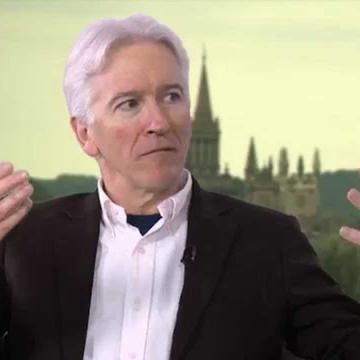
Eugene Rogan is Professor of Modern Middle Eastern History at the University of Oxford and a Fellow of St Antony's College, where he also serves as Director of the Middle East Centre. He is affiliated with the Faculty of Asian and Middle Eastern Studies, a leading center for area studies in the UK. His research focuses on the modern history of the Arab world, particularly during the 18th to 20th centuries. Key areas include the Arab provinces of the Ottoman Empire, the First World War in the Middle East, and the 1948 Palestine War. His current project re-examines the 1860 massacres in Damascus as a case of sectarian conflict and state reconstruction. Rogan’s publications have significantly shaped the historiography of the modern Middle East. His recent books, such as The Arabs: A History and The Fall of the Ottomans , reflect a consistent engagement with themes of empire, resistance, and national identity. The articles and books listed demonstrate a strong emphasis on military, political, and social transformations in the region, with recurring attention to colonialism, state formation, and collective memory. Fellow of the British Academy (2017) He teaches undergraduate and postgraduate courses, including The Middle East in the Age of Empire, 1830–1971 and The History of the Middle East, 1860–1970 . While no students or grants are explicitly listed, his leadership of the Middle East Centre indicates active mentorship and research direction. He is involved in public-facing scholarship, regularly participating in lectures and media engagements. Rogan leads the Middle East Centre at St Antony's College, a hub for interdisciplinary research, conferences, and publications on the region. The center fosters collaboration among scholars, policymakers, and public intellectuals, amplifying the impact of his academic work.