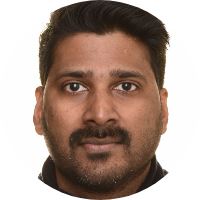
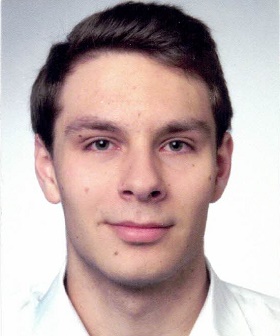
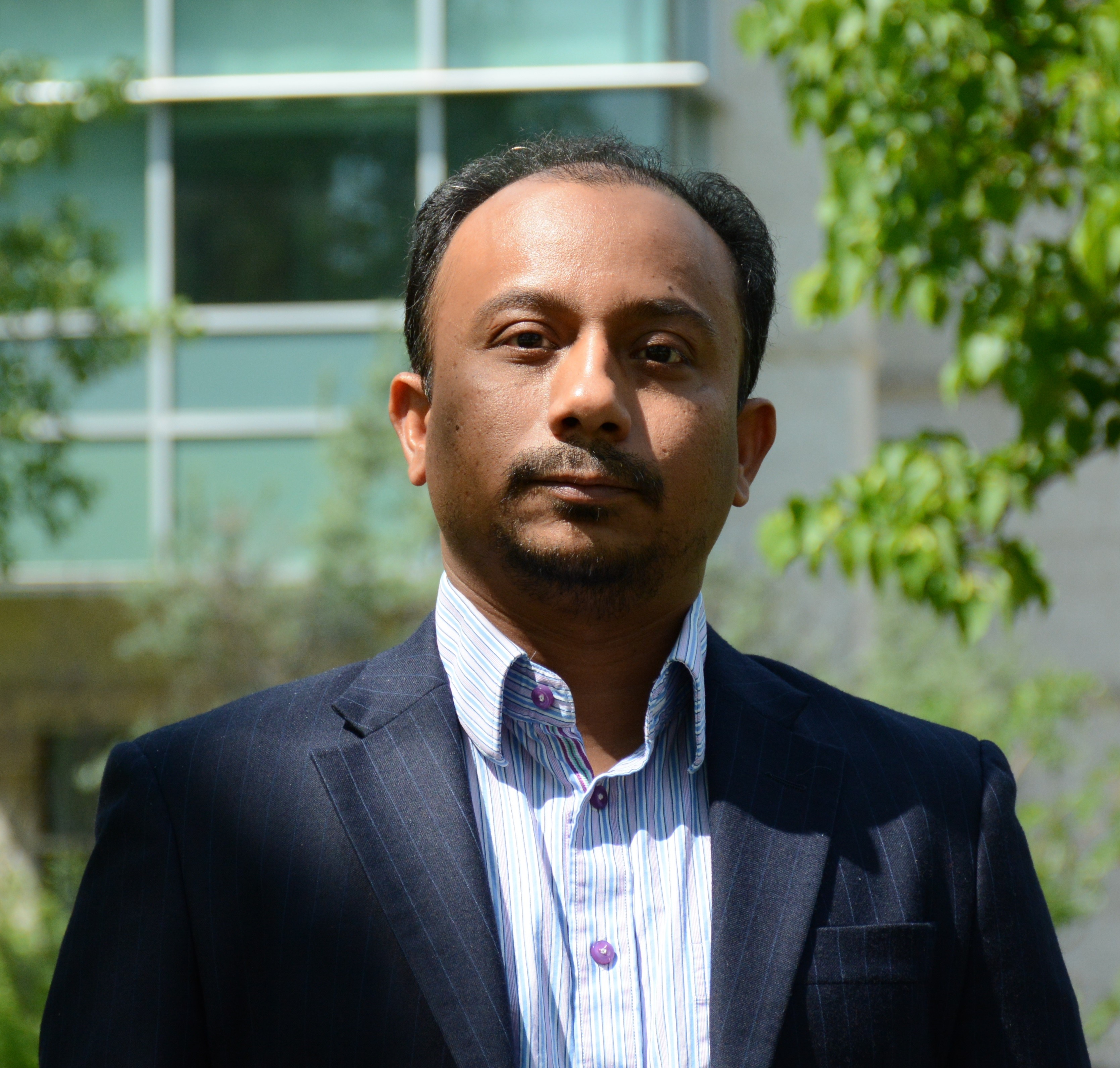
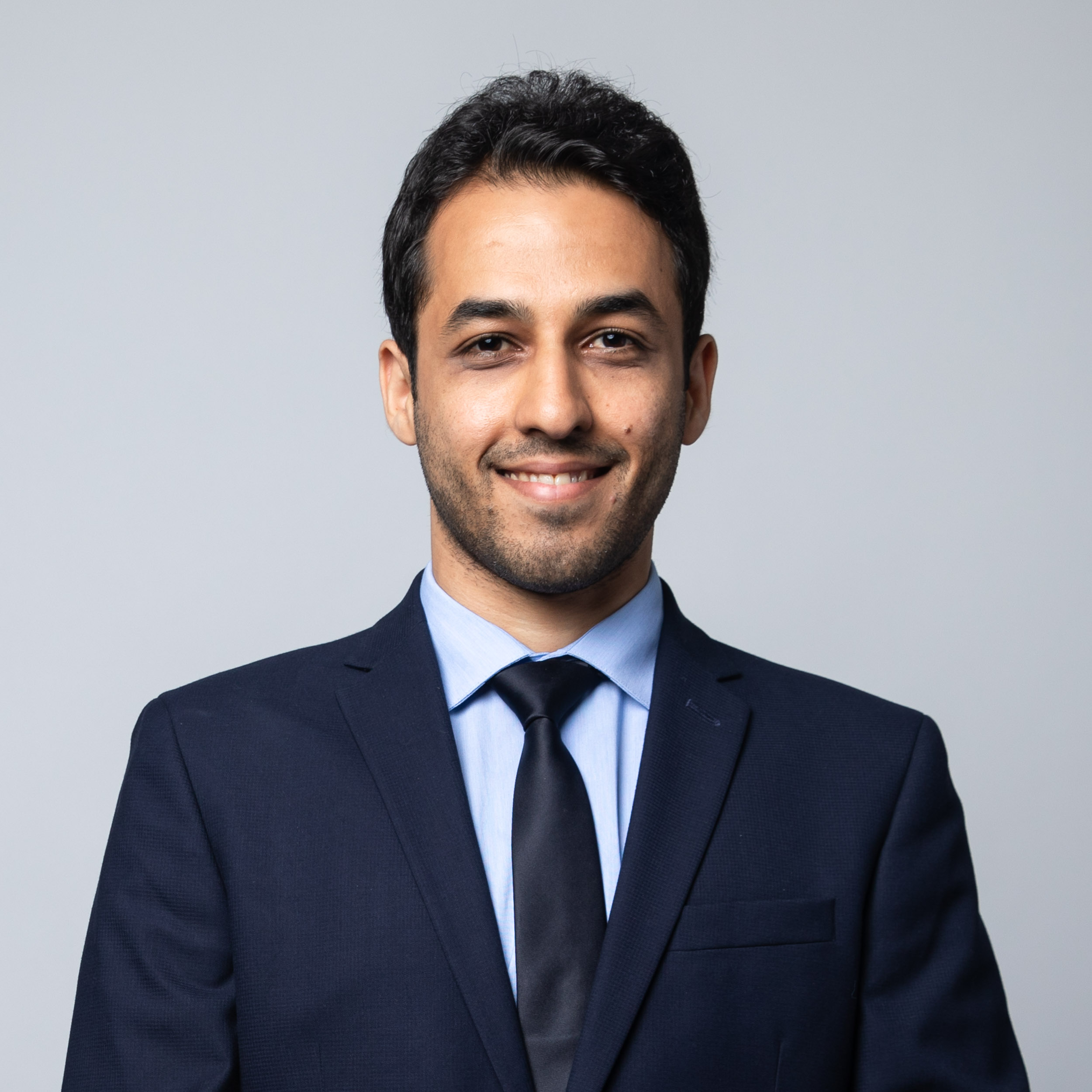
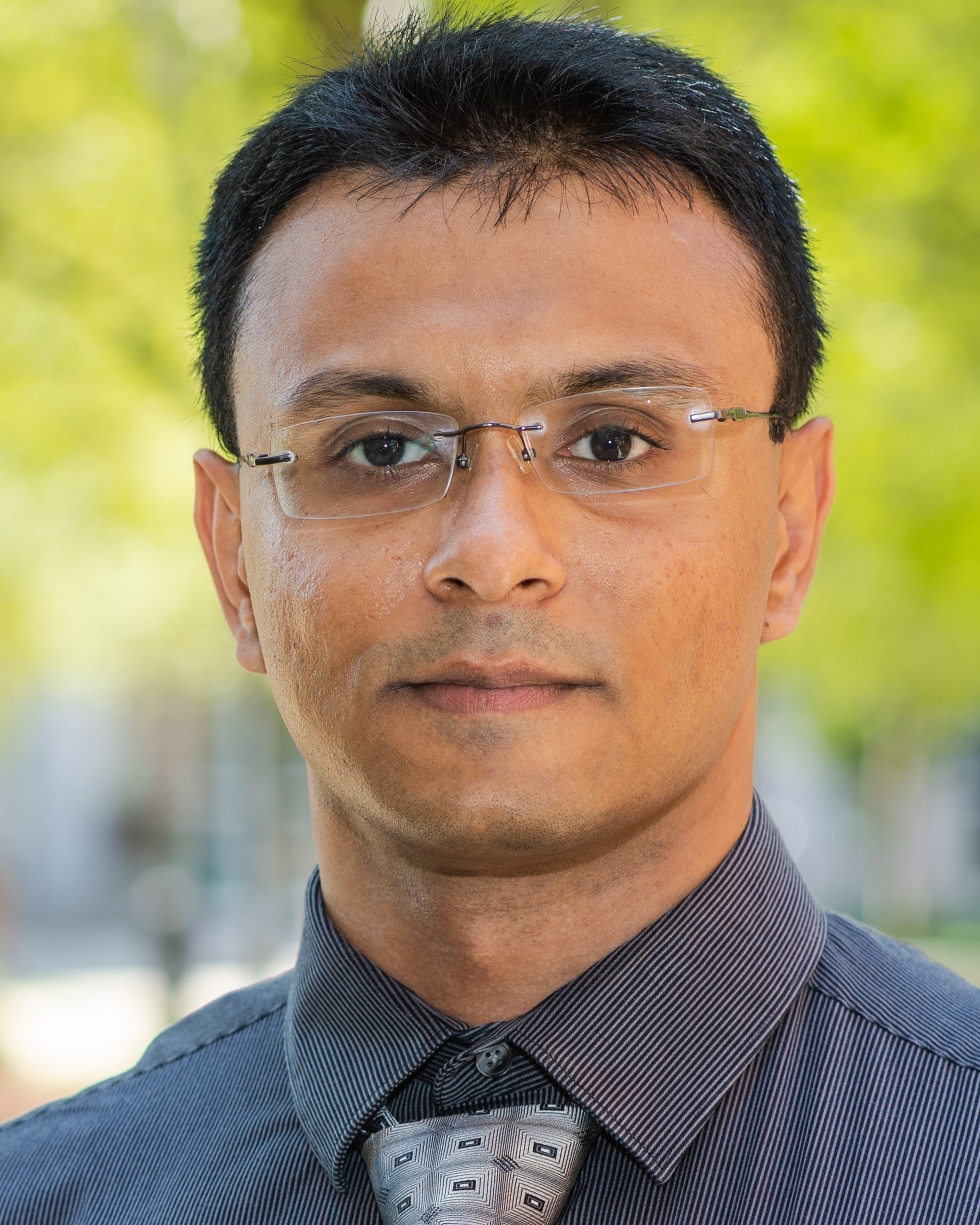
Prof. Dr. Haris Gačanin is a faculty member at RWTH Aachen University, affiliated with the Institute for Distributed Signal Processing under the College of Electrical Engineering. His research focuses on integrating machine learning with wireless communication systems, particularly in industrial IoT, edge computing, and network optimization. Current academic rank: Professor Contact: harisg@dsp.rwth-aachen.de Research Interests: Wireless systems, machine learning, signal processing, and network optimization. Key contributions include: Adaptive resource allocation in IIoT and vehicular networks AI-driven channel estimation and feedback mechanisms Security-oriented emitter identification via metric learning Federated/transfer learning for edge environments Hardware-efficient deep learning models for mmWave and THz communications Methodological Focus: Combines reinforcement learning, attention mechanisms, and robust neural architectures with practical implementations on FPGA and vehicular systems.
Dr. Arish Sateesan serves as Professor and Chair of the Institute for Networked Systems at RWTH Aachen University's Faculty of Electrical Engineering and Information Technology, located at Kackertstrasse 9 in Aachen, Germany. His research group operates from House C (Room C046) with direct contact via asa@inets.rwth-aachen.de. His primary research domains center on hardware-accelerated network security solutions, specializing in FPGA implementations for high-speed networking. Key focus areas include: Real-time network monitoring and intrusion detection systems Hardware-optimized cryptographic and non-cryptographic algorithms Machine learning integration for wireless beamforming and LiDAR processing Ultra-high-speed flow measurement architectures His work bridges theoretical computer science with practical hardware constraints, emphasizing throughput optimization for security-critical applications. Analysis of his 15 most recent publications (2021-2025) reveals a pronounced shift toward hardware-software co-design for next-generation networks. The research trajectory shows increasing integration of quantized neural networks with traditional security primitives, particularly for mm-Wave and 5G/6G applications. A consistent theme across all publications is the prioritization of hardware friendliness through algorithmic simplification and architectural innovation. As Institute Chair, he leads a research ecosystem focused on developing deployable security solutions for modern network infrastructures, with current projects targeting autonomous vehicle communication systems and infrastructure protection against distributed denial-of-service attacks.
Haining Wang is a Professor in the Bradley Department of Electrical and Computer Engineering at Virginia Tech. His research focuses on cybersecurity, networking systems, cloud computing, and cyber-physical systems. He holds a Ph.D. from the University of Michigan (2003). His work addresses critical challenges in network security, IoT device fingerprinting, drone navigation security, and 5G/6G infrastructure vulnerabilities. Notable contributions include developing frameworks for detecting deceptive reviews, securing industrial IoT devices, and enhancing geofencing systems with 6G technologies. Wang's IEEE Fellow award (2020) recognizes his contributions to network and cloud security. His research also explores cloud gaming security, data center thermal vulnerabilities, and DNS privacy risks. He actively publishes on topics like container registry typosquatting, acoustic indoor localization, and encrypted DNS censorship analysis. Education: Ph.D., University of Michigan, 2003 Awards: IEEE Fellow (2020) Key Research Areas: Cybersecurity, Network Measurement, IoT Security, 5G/6G Systems Wang's recent work emphasizes securing emerging technologies like drone navigation systems and optimizing sensor placements in indoor environments. His projects often bridge theoretical frameworks with practical implementations in real-world networks and cloud infrastructures.
Ingrid Moerman is a part-time Professor at Ghent University and a staff member at the Internet Technology and Data Science Lab (IDLab), a core research group of imec embedded within Ghent University and the University of Antwerp. She coordinates mobile and wireless networking research and leads a team of over 30 researchers at Ghent University, with extensive involvement in European and national funding initiatives. She received her Electrical Engineering degree (1987) and Ph.D. (1992) from Ghent University. Her research spans collaborative networks, cognitive radio, software-defined radio, IoT, LPWAN, and high-density wireless access, emphasizing experimentally-supported development of next-generation wireless systems with practical implementations in spectrum management and real-time control. Recent publications (2024-2025) reveal a strong pivot toward AI-integrated wireless networking, featuring OFDMA scheduling innovations, Wi-Fi 6/7 interference mitigation, and time-sensitive networking for industrial applications. Key trends include 5G/6G convergence, vehicular communication enhancements, and digital twin frameworks for network observability, reflecting her focus on mission-critical industrial use cases. Her accolades include: 9 Best Paper Awards 2 FWO Prizes (Research Foundation - Flanders) IMEC Prize of Excellence 2001 MSc Thesis Award (as promoter) Best Demo/Exhibit Award at ICT 2013 DARPA Spectrum Collaboration Challenge Prize ($750,000) She has coordinated major EU projects (FP7/H2020: CREW, WiSHFUL, eWINE, ORCA) with industry partners, securing substantial funding for experimental wireless research. Her grant portfolio emphasizes collaborative innovation in spectrum sharing and neutral-host architectures for multi-operator environments. At IDLab, she directs advanced wireless testbeds supporting real-world validation of technologies like openwifi and White Rabbit, with active experimentation in time-sensitive networking and spectrum collaboration for industrial IoT deployments.
Dr. José Garcia-Bravo is an Associate Professor at the Purdue Polytechnic Institute, Department of Mechanical Engineering Technology, specializing in fluid power systems, additive manufacturing, and smart manufacturing using Industrial Internet of Things (IIoT) technologies. His work bridges applied research with educational innovation, including the development of a miniature electro-hydraulic excavator arm and the Fluid Power Student Club. Education: Ph.D. in Engineering (Fluid Power), Purdue University, 2011 M.Sc. in Engineering, Purdue University, 2006 M.A. in Teaching of Spanish, Purdue University, 2004 B.Sc. in Mechanical Engineering, Universidad de Los Andes, 2002 His research interests span fluid power & motion control, digital twins, reverse osmosis systems, and mixed reality applications in manufacturing. He focuses on optimizing hydraulic systems for heavy-duty vehicles, embedding sensors in 3D-printed components, and advancing water purification technologies. Recent publications highlight innovations in digital hydraulics, bio-based packaging materials, and reverse osmosis efficiency. He has secured patents for 3D-printed lens gratings and processes for additive manufacturing. Scientific Awards: Purdue Polytechnic Outstanding Faculty in Learning Award (2019) Purdue Polytechnic Outstanding Faculty in Engagement Award (2022) Dr. Garcia-Bravo actively engages in globalizing fluid power education, facilitating student exchanges with Latin American countries and contributing to international standards for hydraulic components through ISO committees.
Franz Fuchs is a Research Fellow at the Department of Computer Science and Technology (University of Cambridge), working on cutting-edge topics in computer architecture and security. His research focuses on hardware security mechanisms, processor architecture design, and formal verification of microarchitectures. He is affiliated with the Computer Architecture Group and contributes to projects such as the Toooba out-of-order CHERI-RISC-V microprocessor. Fuchs collaborates on developing novel approaches to mitigate transient-execution attacks and improve CPU testing methodologies. His work bridges theoretical computer science principles with practical hardware implementations. He holds a position in the University’s William Gates Building and can be reached at franz.fuchs@cl.cam.ac.uk . His research aligns with the department’s initiatives in secure computing and advanced microprocessor design.
Dr. Suranga Seneviratne is a Senior Lecturer in Security at the School of Computer Science, University of Sydney. He holds a PhD from the University of New South Wales (2015) and a Bachelor's degree from the University of Moratuwa, Sri Lanka (2005). Before academia, he worked in telecommunications for six years. His research focuses on cybersecurity, particularly privacy and security in mobile systems, AI applications in security, and behavioral biometrics. He has developed tools like an app security rating system and intrusion-free authentication methods. Key awards include the ACM Mobicom 2015 Gold Prize, NASSCOM Technical Innovation Award, and IESL NSW Engineering Excellence Award (all 2015). Current research students include Pasindu Marasinghe (Multi-Objective Optimization in Flat Glass Cutting Production), Braylon SHU (Efficient Parameter Tuning for Large Language Models), and Gaurav VERMA (Threats and Defenses in IoT Wireless Protocols). Grants include funding from the Australian Research Council, NSW Network for Cyber Security, and Google Research. His work spans collaborations with the NSW Smart Sensing Network and the University of Technology Sydney. Labs/Teams: Collaborates with the Centre for Distributed and High-Performance Computing and the NSW Smart Sensing Network (NSSN).
Nashid Shahriar is an Assistant Professor in the Department of Computer Science at the University of Regina, Faculty of Science. His research addresses resource allocation challenges in next-generation networks including 5G, elastic optical networks, cloud infrastructures, and IoT systems. He holds a Ph.D. in Computer Science from the University of Waterloo, an M.Sc. from Bangladesh University of Engineering and Technology (BUET), and a B.Sc. from BUET. His work leverages optimization, machine learning, and AI for network management. Recent publications focus on 5G network slicing, intrusion detection, and NFV security. Research emphasizes practical AI-driven solutions for telecommunications and cloud systems.
Dr. Hossein Sayadi is an Assistant Professor and Associate Chair in the Department of Computer Engineering and Computer Science at California State University, Long Beach (CSULB). He holds a Ph.D. in Electrical and Computer Engineering from George Mason University, an M.S. from Sharif University of Technology, and a B.S. from K. N. Toosi University of Technology. His research focuses on hardware security , AI/ML applications , cybersecurity , and computer architecture . He leads the iSEC Lab , exploring topics like hardware trust, malware detection, and edge computing security. His work is supported by NSF grants and CSU awards, including the 2024-25 CSU STEM-NET Faculty Fellowship. Education: Ph.D., Electrical and Computer Engineering (George Mason University) M.S., Computer Engineering (Sharif University of Technology) B.S., Computer Engineering (K. N. Toosi University of Technology) His publications span conferences like IEEE ISQED, ISCAS, and DATE. He serves as Technical Program Committee Chair for IEEE ISQED (2024–2025). Awards include NSF ERI grants ($195,305) and the 2023 Multidisciplinary Research Grant. Research opportunities are available for students in machine learning , hardware security , and cybersecurity education .
Aftab Ahmad is a Professor in the Department of Computer Science at the City University of New York (CUNY), specializing in cybersecurity and machine learning applications. He holds a Doctor of Science from George Washington University. His research focuses on developing machine learning algorithms for cyber threat intelligence (CTI) and public health prediction, along with designing secure generative deep learning models resistant to reverse-engineering. Key research areas include: Cybersecurity frameworks and privacy-preserving architectures Generative adversarial networks (GANs) with embedded security features Biomedical signal analysis and human body channel modeling Secure wireless protocols for critical infrastructure His publication trends emphasize: Privacy metrics and data protection mechanisms Smart grid and IoT security Neuroscience-inspired machine learning models Wireless network vulnerability assessments No scientific awards or grants were explicitly mentioned in the provided texts. He teaches advanced courses in computer security and network forensics at undergraduate and graduate levels. No advising relationships or lab affiliations were detailed in the available information.
Robert Peharz is an Assistant Professor at Graz University of Technology, where he leads research at the Institute of Machine Learning and Neural Computation. His work focuses on probabilistic machine learning, with particular emphasis on tractable probabilistic models, causality, and neurosymbolic AI. Education and Career PhD from TU Graz (Austria) in 2015 Postdoc at Medical University of Graz Postdoc and Marie-Curie Individual Fellow at University of Cambridge (2017-2019) Assistant Professor at Eindhoven University of Technology (2019-2021) Current: Assistant Professor at Graz University of Technology Research Interests Peharz's research spans multiple areas of artificial intelligence with a focus on making probabilistic reasoning both theoretically sound and practically efficient. His work addresses fundamental challenges in tractable probabilistic inference and learning, probabilistic circuits as a unified framework for deep generative models, Bayesian causal inference, and neurosymbolic AI combining sub-symbolic and symbolic approaches. His research has applications in cybersecurity, healthcare, and energy systems. Research Projects VENTUS (2024-present): Physics-informed, probabilistic and causal machine learning for wind energy systems NEO DNA (2023-present): DNA-based data storage systems using computer vision and probabilistic ML VanillaFlow (2023-present): AI-guided development of novel vanillin-based molecules for redox flow batteries Bilateral AI : Cluster of Excellence focused on Broad AI combining sub-symbolic and symbolic AI approaches Awards and Recognition Finalist for TUG's Excellent Teaching Award (2023) for all 3 of his courses Marie-Curie Individual Fellow at University of Cambridge Academic Service Peharz is actively involved in the academic community through conference organization and reviewing: Area Chair: UAI (2022), ECML/PKDD (2022) Senior Committee Member: UAI (2021), IJCAI (2019, 2020) Reviewer for major conferences including ICML, NeurIPS, AAAI, IJCAI-ECAI Teaching and Mentorship Peharz supervises multiple PhD students working on diverse projects at the intersection of machine learning, causality, and neurosymbolic AI. His current advisees include Sepideh Adamiat, Irina Dobrianski, Johannes Exenberger, Giacomo Di Gobbi, Tim d'Hondt, Christian Toth, and Thomas Wedenig. Previous students include Alvaro Correia, Martin Trapp, and David Montalvan.
Mehdi Sadi is an Assistant Professor of Electrical and Computer Engineering at Auburn University's College of Engineering. He holds a Ph.D. from the University of Florida, an M.S. from the University of California-Riverside, and a B.S. from Bangladesh University of Engineering and Technology. His research focuses on secure and reliable system-on-chip design, AI/ML-driven VLSI CAD/EDA, neuromorphic hardware, and emerging post-CMOS computing technologies. Notable achievements include earning the NSF CAREER Award for chiplet-based design optimization and a $175k NSF grant for magnetic RAM research. His work integrates machine learning with hardware co-design to enhance AI accelerators' performance, energy efficiency, and security. Recent projects include adversarial attack mitigation on AI hardware and reliability analysis of neuromorphic systems. Dr. Sadi's contributions span chiplet architecture, memory systems (e.g., STT-MRAM/SOT-MRAM), and fault-tolerant computing. He actively publishes on topics like skyrmion logic gates and TRNG implementations using MRAM. His work bridges theoretical machine learning advancements with practical hardware implementations, addressing critical challenges in next-generation computing systems.
Antonio Kung is a Lecturer with 30 years of experience in embedded systems. He co-founded Trialog in 1987 and currently serves as its Chief Technology Officer (CTO), leading product development and collaborative projects in embedded systems, privacy for Intelligent Transportation Systems (ITS), ICT for aging populations, and smart grids. He holds a Master's degree from Harvard University and an Engineering degree from École Centrale Paris. His research focuses on privacy-preserving technologies in transportation systems, ambient assisted living (AAL) platforms, and real-time embedded systems. Key areas include securing vehicular communication networks, designing flexible distributed systems (Flex-eWare), and creating interoperable solutions for aging-in-place technologies. He has contributed to projects like the Sevecom initiative for secure vehicle networks and the TEAHA framework for open home networks. Dr. Kung has presented at major conferences such as the Transport Research Arena 2008, ACM Computers, Freedom, and Privacy (CFP) 2010, and the European Innovation Partnership on Active and Healthy Ageing. His work bridges industry and academia, emphasizing practical implementations of privacy-by-design principles in embedded and smart systems. He has been actively involved in interdisciplinary initiatives, including the European Commission’s AAL Interoperability Days, where he addressed complexities in managing AAL systems. His publications span topics from Ada run-time libraries (1980s) to modern challenges in IoT and aging technologies, reflecting a career-long commitment to advancing embedded systems security and usability.
Maria Y. Rodriguez is a Principal Research Scientist in the Department of Computer Science and Engineering at the University at Buffalo's School of Engineering and Applied Sciences, with affiliate appointments at the Gender Institute and Digital Scholarship Studio and Network. Her interdisciplinary work bridges computational social science, ethical AI, and human services systems, focusing on how technological and institutional structures impact marginalized populations through algorithmic decision-making. Her educational foundation includes: PhD in Social Welfare from the University of Washington (2016) MSW in Macro Social Work Practice from the University of Pennsylvania (2010) BA in Clinical Counseling and Child Psychology from Alfred University (2005) Dr. Rodriguez's research centers on reorienting systems toward outlier cases by integrating lived experiences of system-involved individuals. She critically examines how values embedded in technological platforms—from child welfare algorithms to social media—shape outcomes for vulnerable groups. Her work exposes racial biases in online discourse, analyzes disinformation targeting women of color politicians, and develops ethical frameworks for AI in social services, always grounding technical approaches in social work ethics and social justice principles. Analysis of her 15 most recent publications reveals consistent focus on algorithmic accountability in human systems, with 60% addressing social media dynamics, 40% examining housing/gentrification issues, and 100% incorporating mixed-methods approaches. Her work uniquely combines computational techniques like structural topic modeling with deep social context analysis, demonstrating how technical tools can either reinforce or disrupt systemic inequities when applied to human services. Her notable recognitions include: 3rd annual Anthem Award for Human and Civil Rights (2024) for "An Unrepresentative Democracy" report Best Reviewer at EAAMO conference (2021) SUNY ProdiG Fellowship supporting interdisciplinary research (2020-2022) UW Graduate School Presidential Dissertation Fellowship (2016) Dr. Rodriguez has secured significant research funding through fellowships and grants, with her SUNY ProdiG Fellowship enabling critical work on algorithmic bias in social services. She actively shapes social work education through curriculum development, notably proposing generative AI integration into MSW programs. Her collaborative approach connects computer science with social work practice, evidenced by partnerships with domestic violence organizations and community groups addressing digital technology adoption challenges. Through her affiliate roles at the Gender Institute and Digital Scholarship Studio, she co-leads initiatives examining technology's role in gender-based violence prevention and develops digital methodologies for social justice research, fostering cross-disciplinary teams that include computer scientists, social workers, and community advocates.
John Harrison Kurunathan is an Integrated PhD Researcher affiliated with the CISTER Research Centre at the University of Porto, Portugal. He holds a PhD in Electrical and Computer Engineering (2021), a Master's in Very Large-Scale Integration (2014), and a Bachelor's in Electronics and Communication (2012). Education: PhD (2021) - University of Porto, Portugal MSc (2014) - SSN College of Engineering, Anna University BSc (2012) - SRM University His research focuses on Wireless Sensor Networks (WSNs) , Cyber-Physical Systems (CPS) , and Automotive Networks , with an emphasis on Quality-of-Service (QoS) optimization, secure communication, and vehicular platooning. Notable projects include SafeCOP for safety-related CO-CPS and work on IEEE 802.15.4e DSME networks. Recent publications (2023-2025) span areas like Visible Light Communication , Vehicular Security , and Machine Learning in UAV Operations , reflecting his interdisciplinary work bridging embedded systems and transportation technologies. Scientific Awards: Best oral communication Award (in ex aequo) at DCE 2019 Reviewing Roles: Conference: ICCPS, EWSN, MSN, RTN Journal: IEEE ACCESS, IEEE Transactions on Vehicular Technology, ACM Sigbed Harrison is actively involved in workshops and conferences, including chairing roles at WIN-WIN-4S 2024 and technical demonstrations at WoWMoM 2023. His work appears in venues like IEEE Transactions on ITS, IEEE COMST, and PDP 2025.