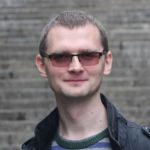
Bo Wang is a Research Assistant Professor at Vanderbilt University's School of Engineering. His research focuses on leveraging systems and synthetic biology tools to engineer intracellular metabolism for optimizing biomanufacturing of renewable resources, particularly through metabolic engineering of cyanobacteria and microalgae to convert CO₂ and light into biofuels and commodity chemicals. Education: PhD in Biochemical Engineering from Arizona State University, MS and BS in Chemical Engineering from Tsinghua University. His work spans metabolic regulation in photosynthetic microorganisms, circadian rhythm engineering, and CO₂ utilization strategies. Research interests include cyanobacterial metabolism plasticity, biofuel production pathways, and development of synthetic biology tools for metabolic engineering. His articles highlight advancements in fluxomic analysis, genetic tools for cyanobacteria, and CO₂ valorization strategies for sustainable biofuel production. No scientific awards or grants/advising roles are explicitly mentioned. His contributions emphasize foundational research in microbial systems biology and applied biotechnology solutions for environmental sustainability.
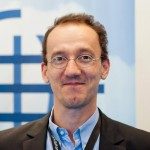
Mag. Dr. Philipp Homar is a Researcher at the University for Continuing Education Krems, affiliated with the Center for Intellectual Property, Media and Innovation Law. His work focuses on legal aspects of intellectual property, media law, and digital governance. He contributes to projects like the Data Market Austria initiative (2016–2019) and has authored/co-authored numerous publications on copyright law, trade secrets, and regulatory frameworks. Education: Holds academic titles 'Magister' (equivalent to MA) and 'Dr.' (PhD), though specific degree details are not explicitly listed in the text. Research Interests: Philipp Homar specializes in Austrian and European copyright law interpretation, digital rights management, data governance, and competition law. His recent work examines legal challenges in smart farming, algorithmic enforcement of intellectual property rights, and cloud-based private copying exceptions. Lectures & Events: He presents regularly on topics like copyright litigation, AI-driven IP enforcement, and platform economy regulation at events such as the Österreichischer IT-Rechtstag and Copyright in the Age of Disruption conferences. Grants & Projects: Contributed to the FFG-funded Data Market Austria project focused on innovation ecosystems. Current work involves advising on legal frameworks for emerging technologies. Lab/Team: Active within the Center for Intellectual Property, Media and Innovation Law, collaborating on interdisciplinary research projects at the intersection of law and digital transformation.
Elisabeth Grohmann is a Professor of Microbiology at the Berlin University of Technology (Department of Life Sciences and Technology) and holds concurrent roles as a Professor and Group Leader in the Department of Infectious Diseases at the University Hospital Freiburg. Her career includes positions such as Visiting Researcher at the University of the Basque Country (Spain) and postdoctoral fellowships in Spain and Austria. She specializes in microbial genetics, conjugative plasmids, antibiotic resistance, and environmental microbiology. Her research focuses on mechanisms of horizontal gene transfer, biofilm formation, and the impact of wastewater irrigation on microbial communities. Education: PhD in Molecular Biology (Graz University of Technology, 1994), Habilitation in Molecular Biology (Technical University of Berlin, 2003). Research Interests: Conjugative plasmid transfer in Gram-positive bacteria, antibiotic resistance dissemination, microbial biofilms, environmental microbiology, and pathogen adaptation in extreme environments such as space habitats. She leads the AG Grohmann lab, which investigates antimicrobial resistance mechanisms and develops novel antimicrobial surface coatings. Publications: Over 100 peer-reviewed articles, including studies on type IV secretion systems, AGXX antimicrobial coatings, and the role of wastewater irrigation in ARG spread. Key contributions include identifying TraG/TraM proteins in Enterococcus conjugation and demonstrating the efficacy of AGXX coatings against multi-resistant pathogens. Lab Members: PhD students (e.g., Michelle Bölcke, Florian Martin), postdocs (Leila Soufi, Daniela Wischer), and collaborations with institutions like the University of Freiburg and the ISS space mission teams.
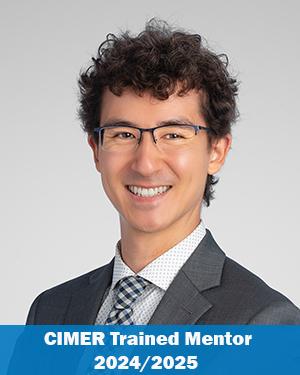
Apollo Stacy, PhD, is an Assistant Professor of Molecular Medicine at the Cleveland Clinic Lerner College of Medicine and Assistant Staff in the Cardiovascular & Metabolic Sciences Department at the Cleveland Clinic Lerner Research Institute. He is also a Member of the Center for Microbiome & Human Health at Cleveland Clinic since 2022. Dr. Stacy leads the APOLLO (Analysis of POLymicrobial-host Language in the Oral cavity) Lab, which focuses on deciphering microbiota-host metabolic communication in the oral cavity, particularly in the context of gum disease and its comorbidities. Washington University in St. Louis (B.A. Biology and Earth & Planetary Sciences, 2006-2010) The University of Texas at Austin (Ph.D. Microbiology, 2010-2017) National Institute of Allergy & Infectious Diseases (Postdoctoral Fellowship, 2017-2022) Dr. Stacy's research centers on the metabolic dialogue between host and microbiota, investigating how host-derived metabolites shape the ecological balance between commensal and pathogenic bacteria in the oral cavity. His work specifically examines periodontitis, one of the most prevalent inflammatory diseases worldwide, and its systemic connections to conditions like diabetes and oral cancer. Current projects fall under two main themes: Training Commensals (exploring how inflammation-induced metabolites like nitrate can nourish commensal bacteria to mitigate periodontitis) and Targeting Pathogens (investigating how pathogens exploit metabolites like formate under inflammatory conditions and whether selenium depletion can target pathogen metabolism). Analysis of Dr. Stacy's publication record reveals a strong focus on host-microbe metabolic interactions, particularly how host-derived metabolites influence microbial community composition and function. His work spans from fundamental mechanisms of bacterial metabolism to translational applications in inflammatory diseases. A notable trend is the progression from studying basic microbial interactions to understanding how these interactions translate to human health outcomes, with increasing emphasis on therapeutic applications. Finalist for NOSTER Science Microbiome Prize (2022) CIMER Trained Mentor (completed mentorship training curriculum) Dr. Stacy actively mentors postdoctoral fellows and graduate students, welcoming individuals interested in polymicrobial-host interactions, bacterial metabolism, genomics, and barrier immunity. His lab accepts students from Case Western Reserve University, Cleveland State University, and Kent State University. The APOLLO Lab's research has implications for developing microbiota-directed therapies that could mitigate periodontitis and its systemic complications without the broad-spectrum effects of traditional antibiotics. The APOLLO Lab employs an interdisciplinary approach combining bacterial genetics, genomics, animal models, immune profiling, and human samples to characterize polymicrobial-host interactions within the oral cavity. The lab's work bridges basic science with clinical applications, aiming to translate discoveries about host-derived metabolites into novel therapeutic strategies for microbiota-driven diseases.
Michael Reese is a Professor in the Department of Pharmacology at UT Southwestern Medical Center, where he has been since joining in 2013. He holds a B.S. in Molecular Biophysics & Biochemistry from Yale University (1998) and a Ph.D. in Biophysics from UCSF (2006), with postdoctoral training at Stanford University under John Boothroyd. His research focuses on understanding how the parasite Toxoplasma gondii manipulates host cell signaling networks, employing techniques from genetics, cell biology, biophysics, and structural biology. Key areas include pseudokinase function, host-pathogen interactions, and parasite virulence mechanisms. Education: B.S., Molecular Biophysics & Biochemistry, Yale University, 1998 Ph.D., Biophysics, University of California, San Francisco, 2006 Research Interests: Dr. Reese's lab investigates Toxoplasma gondii's strategies to hijack host cellular machinery, particularly focusing on pseudokinases, membrane dynamics, and immune evasion. Recent work highlights the role of MAPK pathways and protein kinase signaling in parasite survival and pathogenesis. His studies integrate structural biology with functional genomics to uncover novel antiparasitic targets. Labs/Teams: Reese Lab at UT Southwestern focuses on cutting-edge research into parasitic mechanisms, with active projects on Toxoplasma's molecular biology and host interactions. The lab maintains a website dedicated to their research findings and resources.
Evgenii Fadeev is an Assistant Professor in the Strategy Area at Duke University's Fuqua School of Business. He holds a Ph.D. in Economics from Harvard University (2022) and previously served as a Postdoctoral Fellow at Harvard Business School. His research focuses on economics of innovation, organizational economics, and international trade, with particular emphasis on knowledge sharing mechanisms and intellectual property protection strategies. Education: Ph.D. in Economics (Harvard University, 2022); Postdoctoral Fellowship (Harvard Business School, Entrepreneurial Management Unit). Research Interests: Explores how firms protect intellectual assets via patents, trade secrets, and organizational structures. Investigates knowledge transfer dynamics within and between organizations, analyzing how these processes influence innovation ecosystems and global business strategies. Key areas include multinational enterprise dynamics, global sourcing strategies, and the interplay between trade policies and innovation. Grants & Advising: No explicit grants listed, but collaborates on projects involving multinational activity and global sourcing. No advisees listed in provided materials. Labs/Teams: No specific lab affiliations mentioned, but collaborates with researchers like Pol Antràs, Teresa Fort, and Felix Tintelnot on multinational enterprise studies.
Soledad Colombe is an infectious disease epidemiologist with a veterinary medicine background, bridging academic and public health sectors. She holds a PhD in Epidemiology and Parasitology from Leiden University Medical Center (2020), a DVM from VetagroSup, National Veterinary School of Lyon, France (2016), and an MPH in Infectious Disease Epidemiology from Yale School of Public Health (2016). Her research focuses on interdisciplinary approaches to outbreak investigation and integrated surveillance, with emphasis on zoonotic diseases (e.g., mpox, Rift Valley fever) and HIV/schistosomiasis co-infections. Current projects include: Scabies1: Analyzing scabies resurgence in Flanders FA5 RD CONGO: Strengthening DRC's capacity to combat Human African Trypanosomiasis COVID-MPX2: Supporting WHO's mpox surveillance and analytics Key research areas include viral zoonoses, global health emergencies, and One Health strategies. Recent work highlights mpox outbreak dynamics, Rift Valley fever response mechanisms, and cholera epidemiology in Cameroon. Colombe's contributions are widely cited in global health policy and clinical guidelines. Her grants include funding from the Flemish Government, WHO, and EU development agencies. She collaborates internationally on outbreak investigations and co-authored over 29 peer-reviewed articles since 2016.
Yi-Wei Chang is an Assistant Professor in the Department of Biochemistry and Biophysics at the Perelman School of Medicine, University of Pennsylvania. He also serves as Associate Director of the Institute of Structural Biology and leads the Beckman Center for CryoEM and CryoET. His research focuses on visualizing macromolecular machines in their native cellular environments using cryo-electron tomography (cryo-ET). Education: B.S. in Mechanical Engineering, Chung Hua University, Taiwan (2004) Ph.D. in Structural Biology, Academia Sinica & National Tsing Hua University, Taiwan (2010) Certification in Research Mentor Training: Effective Communication and Aligning Expectations, University of Pennsylvania (2022) Certification in Research Mentor Training: Fostering Independence, University of Pennsylvania (2025) Dr. Chang's research lies at the intersection of structural biology, microbiology, and bioengineering. His lab specializes in cryo-electron tomography (cryo-ET) to study the 3D architecture of macromolecular complexes within intact cells. His work spans structural parasitology , host-pathogen interactions , mammalian cell biology , and microbial systems . A key focus is understanding the molecular mechanisms of apicomplexan parasites such as Plasmodium and Toxoplasma , particularly their secretory systems and gliding motility. He also develops advanced methodologies including correlative light-electron microscopy and cryo-plasma FIB milling for thick tissue samples. His recent publications in high-impact journals such as Science , Cell , Nature Communications , and Nature Microbiology demonstrate a strong trend toward in situ structural biology , revealing native conformations of macromolecular machines involved in viral replication, parasite invasion, chromatin organization, and cellular motility. These studies increasingly integrate cutting-edge sample preparation and multimodal imaging techniques. Scientific Awards: Packard Fellowship in Science and Engineering (2019) ASPIRE Award, The Mark Foundation for Cancer Research (2019) Catalysts Fellow, The EMBO Journal (2022) FIB-Milling Sample Preparation for Cellular CryoET Award, The Arnold and Mabel Beckman Foundation (2022) Investigators in the Pathogenesis of Infectious Disease, The Burroughs Wellcome Fund (2023) Dr. Chang leads an active research group supported by major grants from foundations including Packard, Beckman, Burroughs Wellcome, and the Mark Foundation. He mentors trainees in interdisciplinary research combining biology, engineering, and imaging. His lab is part of the Beckman Center for CryoEM and CryoET, where he plays a leadership role in advancing cryo-ET infrastructure and applications. Future work will continue to push the boundaries of in situ structural biology , particularly in complex tissues and infectious disease models. Laboratory and Team: The Chang Lab at the University of Pennsylvania is dedicated to pioneering cryo-ET applications in cellular and microbial systems. The team collaborates widely with experts in parasitology, cell biology, and bioengineering to uncover structural mechanisms underlying fundamental biological processes.
Elizabeth Godke Koonce is an Associate Professor of Instruction in the Department of English at Ohio University's College of Arts and Sciences, where she teaches a wide range of undergraduate courses in literature, writing, and women's studies. Her academic work bridges literary analysis with critical gender and cultural studies. Educational Background: Ph.D., English, Ohio University, 2006 M.A., Comparative Literature, Louisiana State University, 1992 B.A., English, Louisiana State University, 1990 B.A., French, Louisiana State University, 1990 Her research focuses on 19th-century British fiction, particularly the works of women writers, Gothic and sensation novels, and the intersection of gender, law, and empire. She also explores contemporary Middle Eastern women writers, reflecting a transnational literary perspective. Her teaching portfolio includes courses such as ENG 314 (English Literature 1800–1900), ENG 325 (Women and Literature), ENG 445 (The Female Gothic Tradition), and WGS 100 (Introduction to Women's Studies), demonstrating her interdisciplinary engagement. Her scholarly publications and conference presentations reveal a consistent focus on Victorian-era narratives, especially how female authors and characters negotiate public and legal spheres. Themes of deviance, divorce, reading practices, and authorship recur in her work, often centered on figures like Margaret Oliphant, Mary Braddon, and George Eliot. She has presented her research at numerous academic conferences across the U.S. and internationally, including events at Indiana University, the University of Kentucky, and Mohamed I University in Morocco, indicating active participation in the scholarly community. Notable Presentations and Scholarly Engagements: "Taking a Grand Tour: Revising the Womanly Ideal and Annotating Empire in Michael Field’s Picture Poetry" (2007) "Blackwood’s Edinburgh Magazine, Margaret Oliphant, and her 'Sensational' Publishing Enterprise" (2006) "The Revolution from Within: Domestic Deviance in Mary Braddon’s Lady Audley’s Secret" (2005) "Victorian Divorce Practices and Women’s Rights in Anne Bronte’s Tenant of Wildfell Hall" (2000) "The Victorian Gothic Novel: The Skeleton is Out of the Closet of Victorian Respectability" (1998) While no formal advising list or scientific awards are mentioned, her extensive course instruction and presentation record suggest a strong mentorship and educational impact. She has also participated in pedagogical discussions on composition and linked learning courses, reflecting a commitment to innovative teaching practices.
Dr. Pao Theen See is a Research Fellow at Curtin University's School of Molecular and Life Sciences within the Faculty of Science and Engineering. His research focuses on fungal plant pathogens, particularly Pyrenophora tritici-repentis (causal agent of wheat tan spot), with expertise in molecular genetics, genomics, and pathogen-host interactions. He collaborates with the Centre for Crop Disease Management (CCDM) to advance crop disease management strategies. Dr. See's work integrates genomic, biochemical, and field-based approaches to investigate pathogen virulence mechanisms, effector proteins, and toxin production. Key contributions include genome sequencing studies (using PacBio and Oxford Nanopore), secretome profiling, and molecular characterization of effector genes like ToxA and ToxB. His research also supports breeding programs by identifying novel genetic resistance sources in wheat. Notable research trends include: 1) dissecting fungal effector biology and their roles in pathogenicity, 2) exploring genomic plasticity and horizontal gene transfer in pathogens, and 3) developing molecular tools for pathogen detection and disease resistance assessment. His work spans both fundamental molecular studies and applied agricultural solutions. Labs/Teams: Active member of the Centre for Crop Disease Management (CCDM), collaborating with national and international institutions in plant pathology research.
Farinaz Koushanfar is a Professor in the Electrical Engineering and Computer Science department at the University of Michigan's College of Engineering. With an impressive h-index of 65 and over 27,000 citations, she has established herself as a leading researcher in hardware security and privacy-preserving computing. Her research interests span hardware security, integrated circuit protection, physical unclonable functions, hardware trojans, logic locking, and privacy-preserving machine learning. Koushanfar's work addresses critical security challenges throughout the semiconductor supply chain, developing innovative solutions for IP protection, anti-counterfeiting, and secure hardware design. Analysis of her recent publications reveals a strong focus on the intersection of hardware security and machine learning, particularly in federated learning security and privacy-preserving deep neural network inference. Her research shows a clear trajectory from foundational hardware security mechanisms toward more complex systems-level security challenges in emerging computing paradigms. Throughout her career, Koushanfar has made significant contributions to both theoretical frameworks and practical implementations in hardware security, with numerous highly influential publications that have shaped the field.
Michael Hensel is a Professor in the Department of Microbiology at Osnabrück University, where he leads a research group focused on the molecular mechanisms of bacterial virulence. His work primarily centers on Salmonella enterica , investigating how pathogens interact with and manipulate host cells during infection. Research Interests: His group explores bacterial protein secretion systems, host cell invasion mechanisms, adhesion factors, and the intracellular lifestyle of Salmonella . Using advanced techniques like single-cell analysis, live-cell imaging, and proteomics, the lab studies dynamic interactions between pathogens and host cells at high resolution. Model systems include polarized epithelial cells and intestinal organoids, enhancing physiological relevance. The recent publications indicate a strong trend in understanding how different Salmonella serovars adapt intracellularly, how effector proteins are translocated via type III secretion, and how the pathogen reorganizes host endosomal systems for nutrient access. These studies contribute to developing novel therapeutic strategies against infectious diseases. Scientific Awards: No awards mentioned in the provided text. Advising and Grants: While specific students or grant funding are not listed, Prof. Hensel leads an active research group conducting doctoral studies and collaborative research. His work likely involves external funding given the technical sophistication of the methodologies employed. Labs and Teams: He heads the Microbiology research group at Osnabrück University, which includes collaborators and staff working on bacterial pathogenesis. The team utilizes cutting-edge technologies such as correlative light and electron microscopy and advanced bacterial genetics.
Jo Van Bulck is an Assistant Professor in the Department of Computer Science at KU Leuven's Faculty of Engineering Science, where he leads research in the Distributed and Secure Software (DistriNet) lab. His work focuses on security at the hardware-software boundary, particularly examining trusted execution environments and microarchitectural side-channel vulnerabilities. Dr. Van Bulck completed his Master's thesis on 'Secure Resource Sharing for Embedded Protected Module Architectures' at KU Leuven in 2015, receiving both the VASCO and BELCLIV thesis awards. He earned his PhD in 2020 with the dissertation 'Microarchitectural Side-Channel Attacks for Privileged Software Adversaries,' which received multiple prestigious awards including the ACM SIGSAC Doctoral Dissertation Award, ERCIM STM PhD Award, and FWO/IBM Innovation Award. His research primarily investigates vulnerabilities in trusted execution environments like Intel SGX, with seminal work on attacks such as Foreshadow, LVI, and ZombieLoad. His publications consistently appear in top security venues including IEEE S&P, USENIX Security, and ACM CCS. His research group has made significant contributions to understanding memory isolation failures, interrupt handling vulnerabilities, and developing principled approaches to validate enclave security properties. Dr. Van Bulck's work has profoundly impacted both academia and industry, with multiple CVE assignments for discovered vulnerabilities and direct influence on hardware and software security practices. His recent research focuses on extending security principles to low-end microcontrollers and developing automated validation frameworks for trusted execution environments. ACM SIGSAC Doctoral Dissertation Award (2021) FWO/IBM Innovation Award (2021) ERCIM WG STM Best Ph.D. Thesis Award (2021) Best Paper with Artifacts Award (SysTEX 2025) Distinguished Paper Award (EuroS&P 2025) Cybersecurity Artifacts Competition and Impact Award (ACSAC 2023) Dr. Van Bulck advises multiple PhD students including Márton Bognár (completed 2025) and Fritz Alder (completed 2023), and regularly supervises numerous master's theses. He leads several major research projects including 'Cross-Layer Systems Security for Trusted Execution Environments' (2025-2029) and 'Trustworthy Execution Environments for Secure Computing' (2024-2029). His research has been supported by competitive funding from KU Leuven and collaborative industry partnerships. As a member of the Council of the Faculty of Engineering Science, Dr. Van Bulck actively contributes to academic governance. He maintains the DistriNet research group's focus on practical security research with real-world impact, evidenced by numerous open-source contributions including the influential SGX-Step framework. His work bridges theoretical security principles with practical implementation challenges in modern computing systems.
Mart Krupovic is a researcher at the Institut Pasteur in Paris, France, where he leads projects in the Department of Cell Biology and Virology of Archaea. He serves as Principal Investigator (PI) for multiple research initiatives, including the ANR-ENVIRA and Emergence(s) MEMREMA projects, focusing on archaeal membrane remodeling and virus egress mechanisms. His research interests include archaeal virology, extracellular vesicles, membrane dynamics, structural biology, and viral evolution . His work leverages advanced techniques such as cryo-electron microscopy (cryo-EM), genomics, and biophysical analysis to study extremophilic archaea and their viruses. Recent publications highlight discoveries in viral capsid malleability, DNA-carrying extracellular vesicles, and the structural evolution of archaeal motility appendages. The trends in his recent publications (2022–2025) reflect a strong emphasis on structural characterization of archaeal systems , particularly viral and surface appendage architectures. His work often bridges evolutionary biology and molecular mechanics, revealing deep homologies between archaeal and bacterial systems, and uncovering novel mechanisms in DNA transfer, membrane remodeling, and virus-host coevolution. Scientific Awards: No awards mentioned in the provided text. Advising and Grants: Dr. Krupovic has supervised or collaborated with several PhD students and postdoctoral researchers, including Emmanuelle Quemin, Sofia Medvedeva, and Miguel Gomez-Raya-Vilanova. He leads externally funded projects such as ANR-ENVIRA, ANR-FunVesi, and the Emergence(s) MEMREMA project, indicating active grant support for his research. Labs and Teams: He is a key member of the 'Evolution & Ecology Moléculaire Microbienne' research group at the Institut Pasteur, specifically within the 'Cell Biology and Virology of Archaea' team. His lab employs interdisciplinary approaches combining virology, structural biology, and microbial genomics to study archaeal systems.
Jean-Yves Tinevez is the Head of the Image Analysis Hub (IAH) at the Institut Pasteur in Paris, France. He serves as a Principal Investigator for key image analysis software projects and is a central figure in the institute's bioimage analysis community. His research is fundamentally centered on bioimage analysis and open-source software development . His primary interests include single-particle tracking , machine and deep learning for image segmentation , the creation of custom analysis pipelines , and the development of extensible software platforms like TrackMate, MaMuT, and JDLL. His work bridges the gap between complex biological imaging data and quantitative scientific discovery. The recent publications he is associated with highlight a strong trend in methodological innovation for bioimage analysis. The focus is on creating powerful, accessible software tools (e.g., SAMJ, CellTracksColab, JDLL, GeNePy3D) and enhancing existing ones (e.g., TrackMate 7) to leverage state-of-the-art AI and computational techniques. While his core expertise is in developing the tools, these tools are applied to diverse biological problems, such as host-pathogen interactions , single-cell analysis in microfluidics , and cellular and tissue morphometrics . Head of Facility, Image Analysis Hub, Institut Pasteur (Current) Principal Investigator, TrackMate, Institut Pasteur (Completed) Principal Investigator, MaMuT, Institut Pasteur (Completed) Member, Advanced Light Microscopy initiative, Institut Pasteur Member, Artificial Intelligence at the Institut Pasteur initiative Steering Committee Member, NEUBIAS Tinevez plays a vital role in training and knowledge dissemination . He is a regular instructor for the Institut Pasteur's PhD training programs and has led numerous workshops on Fiji/ImageJ, Python for image analysis, and advanced bioimage analysis. The IAH, under his leadership, operates as a collaborative core facility with a strong commitment to open science and quality management (ISO-9001:2015 certified). He fosters extensive collaborations with research units across the Institut Pasteur and beyond. The facility provides infrastructure, walk-in support, and develops custom tools to empower researchers, effectively acting as a grant-funded service that enables a vast amount of research across the campus. The Image Analysis Hub, led by Tinevez, is a core technological facility within the Institut Pasteur's Center for Technological Resources and Research (C2RT) and the Research and Resource Centre for Scientific Informatics (C2RI). It operates a dedicated analysis room with specialized workstations and offers remote access via virtual machines. The hub is involved in several transversal projects, including the Advanced Light Microscopy initiative and the application of Artificial Intelligence in biomedical research at the institute.