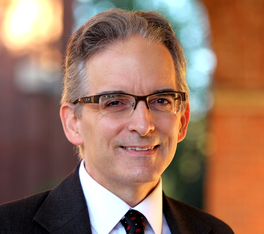
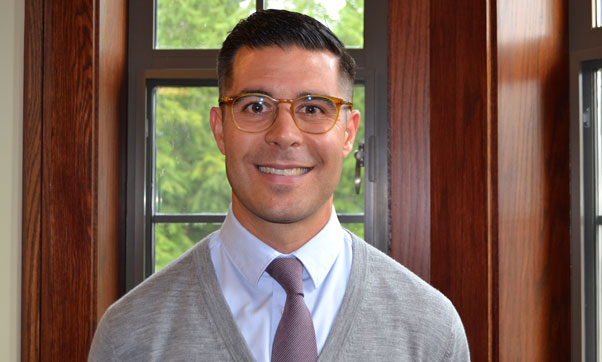
Dr. David Williams serves as Vice Provost for Academic Affairs and Dean of Faculty in Theology at Belmont Abbey College. He holds dual Ph.D.s in Political Science and Theology from Boston College, complemented by a B.A. from Georgetown University. His research focuses on American and Medieval Political Thought, History of Christian Exegesis, Monasticism, Natural Law, and New Testament Political Philosophy. He actively engages in academic presentations and publications across theological disciplines. Dr. Williams teaches courses such as 'Jesus and Salvation,' 'Paul and his Letters,' and 'World Religions.' His scholarly contributions include works on Thomas Aquinas, biblical hermeneutics, and Suarezian natural law theory. Though no formal awards are listed, his academic leadership roles reflect institutional recognition. He maintains involvement with monastic communities and the Abbey Players outside the classroom.
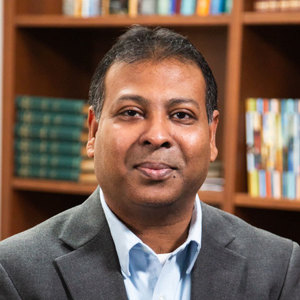
Ashish Naidu is a Professor of Theology at the Talbot School of Theology, Biola University. He specializes in historical theology and patristics, focusing on the theological contributions of figures like John Chrysostom and Cyril of Alexandria. His research bridges early Christian thought with practical theological application, emphasizing Christology, soteriology, and biblical authority in the early church. Naidu holds a Ph.D. from the University of Aberdeen and an M.A. from Oral Roberts University. His publications include Transformed in Christ: Christology and the Christian Life in John Chrysostom and multiple articles on patristic exegesis, early church aesthetics, and intercultural theology. He has served in pastoral roles across Asia, North America, and Europe, advocating for cross-cultural theological engagement. His work explores how patristic insights inform contemporary Christian life, particularly through liturgical practices, moral transformation, and intercultural mission. Naidu is an ordained minister and active in evangelism-discipleship ministries, reflecting his commitment to integrating doctrinal depth with practical Christian living.
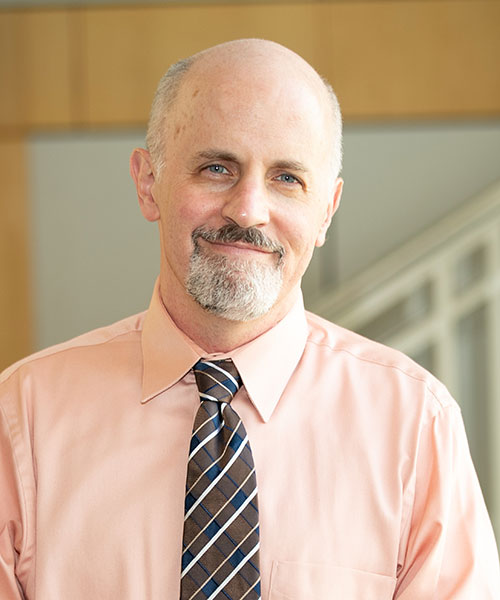
Dr. Stephen C. Berkwitz is a Professor and Department Head of Religious Studies at Missouri State University , affiliated with the Reynolds College of Arts, Social Sciences and Humanities. A leading scholar in South Asian religions, he has published extensively on Buddhism , Theravāda traditions , and religion-colonialism intersections since 1999. Education : PhD (1999), MA (1994) in Religious Studies from UC Santa Barbara; BA (1991) in Religion from University of Vermont. His research focuses on Sinhala and Pali literature , Buddhist kingship , and post-colonial religious identity . Recent publications analyze Buddhist relic veneration, colonial-era texts, and interfaith dynamics. He co-edited the Routledge Handbook of Theravāda Buddhism (2022) and translated the Sinhala Thupavamsa . Scientific Awards : Fulbright Senior Scholar Award (2005) Luso-American Foundation Scholarship (2009) Multiple Ruhr-Universität Bochum fellowships (2011, 2017) Wabash Center grants for religious pedagogy (2010, 2015-2017) University Teaching Award (2004) As series editor for Routledge Critical Studies in Buddhism and editorial board member of three journals, Berkwitz actively shapes global Buddhist scholarship. He has conducted fieldwork in Sri Lanka , Germany , and Portugal , with expertise in South Asian manuscript cultures and Buddhist nationalism .
Fr. Prof. Stefan Szymik is a theologian and biblical scholar at the Faculty of Theology of the John Paul II Catholic University of Lublin, where he has served since 1995. Specializing in biblical hermeneutics and exegesis, his work focuses on New Testament studies, Christology, and biblical anthropology. He holds the rank of Professor of Theological Sciences since 2017. His research explores themes such as anti-Epicurean polemics in the New Testament, the role of the Bible in Christian life, and the historical context of biblical texts. Education includes theological and philosophical studies at the Major Seminary of the Missionaries of the Holy Family in Kazimierz Biskupi, followed by advanced biblical studies at the Catholic University of Lublin and the Pontificio Istituto Biblico in Rome. His academic roles include editorships of journals like Roczniki Teologiczne and the Biblical Annals , as well as leadership in the Institute of Biblical Studies. Research interests span biblical methodology, theological anthropology, and the application of biblical texts to contemporary Christian practice. He has authored numerous books and articles, including Anti-Epicurean Polemics in the New Testament (2023) and Ziemia Przymierza (2022). His academic contributions are recognized through awards like the Silver Cross of Merit (2001) and the Gold Cross of Merit (2018). Prof. Szymik’s work bridges biblical scholarship with pastoral theology, emphasizing the Bible’s role in liturgy and faith formation. He has been a member of prestigious organizations such as the Lublin Scientific Society and the Polish Biblical Society, contributing to interdisciplinary dialogue on biblical interpretation.
C. Kavin Rowe is the George Washington Ivey Distinguished Professor of New Testament and Vice Dean for Faculty at Duke Divinity School, Duke University. His academic career includes roles as Assistant Professor (2006–2011), Associate Professor (2011–2016), and Professor (2016–present). He holds a B.A. from Wake Forest University, M.Div. from Princeton Theological Seminary, and Ph.D. from Duke University. Rowe’s research focuses on New Testament studies, particularly Luke-Acts, Pauline epistles, and the intersection of Stoic philosophy with early Christian ethics. His notable works include World Upside Down (2009), One True Life (2016), and Christianity's Surprise (2020). Recent volumes Method, Context, and Meaning in New Testament Studies (2024) and Studies in Luke, Acts, and Paul (2024) highlight his ongoing contributions. Awarded the John Templeton Prize for Theological Promise and a Lilly Faculty Fellowship, he has contributed to numerous peer-reviewed journals and serves on editorial boards. His teaching spans New Testament theology, moral philosophy, and the 'Good Life' interdisciplinary course series.
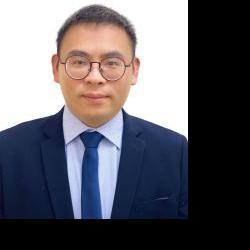
Dr. Ximian Simeon Xu (徐西面), currently a Senior Research Associate at the University of Cambridge's Faculty of Divinity, is a leading scholar in Christian theology, Dutch Neo-Calvinism, and the intersection of theology with artificial intelligence. He holds a PhD in systematic theology from the University of Edinburgh (2020) and has held postdoctoral roles as Kenneth and Isabel Morrison Post-doctoral Research Fellow at Edinburgh Futures Institute (2021) and Duncan Forrester Fellow at the Institute for Advanced Studies in the Humanities (2024). Xu co-directs the Cambridge Centre for Chinese Theology with Professor David Fergusson. BEng, LLM, MDiv (1st Class Hons.) MTh (Dist.), PhD Xu’s research bridges Herman Bavinck’s theology with contemporary issues, focusing on AI ethics, surveillance, and Confucian moral philosophy. His work explores theology as a scientific discipline and its role in modern universities. He is authoring A Moral Theology of Artificial Intelligence , integrating Christian and Confucian ethics for global AI frameworks. Xu’s publications include monographs on the imago Dei, AI-liturgy-ethics intersections, and Bavinck’s systematic theology. His recent peer-reviewed articles address technomoral futures, AI’s theological implications, and cross-cultural theology. Xu serves as Associate and Managing Editor of the Brill Journal of Chinese Theology and contributes to global academic networks like the Global Network for Digital Theology. He has won the AI100 Early Career Essay Competition and frequently engages in public theology through lectures and media interviews. Winner, AI100 Early Career Essay Competition (2023)
Christopher B. Ansberry is an Associate Professor of Biblical & Theological Studies at Geneva College , where he also serves as Chair of the department. His research and teaching focus on Old Testament wisdom literature, biblical theology, and ethical interpretation. Ph.D., Old Testament, Wheaton College M.A., Biblical Exegesis, Wheaton College His research explores the interplay between biblical texts and theology , philosophy , and ethics , with a particular emphasis on canonical and phenomenological approaches. Recent publications analyze Proverbs, the Trinity in the Old Testament, and cross-disciplinary connections between biblical and classical thought. Teaching areas include Old Testament courses, biblical interpretation, and core humanities classes. He emphasizes self-knowledge , humility , and receptivity as foundational to wisdom and character development in his pedagogy.
Bartosz Adamczewski is a Professor at the Faculty of Theology, Cardinal Stefan Wyszyński University in Warsaw. His consultation hours are Wednesdays 13:00-14:30 (Room 42). Research Focus: His work centers on biblical studies, including: Exegesis of New/Old Testaments Dead Sea Scrolls analysis Hypertextuality in biblical texts Intertextual relationships in scripture Keyword analysis highlights: Israel, Genesis, Deuteronomy, Pentateuch, Gospel of Luke, Acts of the Apostles, Judaism, and Hebrew Bible rhetoric. Publications: He has authored 32 publications with a Scopus h-index of 3 and ministerial score of 2.225. Works predominantly explore theological hermeneutics and ancient Near Eastern contexts.
Prof. Bruce FUDGE is a Full Professor at the University of Geneva within the Department of Mediterranean, Slavic and Oriental Languages and Literatures . His academic work bridges Qur'anic studies and Arabic literature , with a particular focus on the Arabian Nights tradition. He has made significant contributions to understanding scriptural hermeneutics, Islamic identity formation, and cultural symbolism through works like Qur'anic Hermeneutics: al-Tabrisi and the Craft of Commentary (2011) and A Hundred and One Nights (2016). Research Focus : Qur'anic exegesis, medieval Islamic storytelling, and sociocultural symbolism in Middle Eastern traditions Key Publications : The Turban and the Hat (2022) Non Sola Scriptura: Essays on the Qur'an and Islam (2022) Barbe et barbus (2019) His 2025 BSOAS article critiques Stephen J. Shoemaker's historical-critical approach to Quranic origins, while his 2022 Routledge publication explores mimetic representation theories. FUDGE's analysis of beard symbolism (2019) connects ancient Mesopotamian practices to modern ISIS propaganda. He has extensively reviewed works on Islamic civilization, including Robert Irwin's Ibn Khaldun biography (2018) and Shahab Ahmed's Before Orthodoxy (2017). Recent 2023 MLA publication examines teaching methodologies for the Thousand and One Nights , and his 2018 Die Welt des Islams article compares Qur'anic theocentrism with Western tragic traditions. FUDGE's 2008 Brill publication deconstructs al-Rummānī's taḍmīn concept, influencing modern Arabic literary theory.
David Lincicum is an Associate Professor of Theology at the University of Notre Dame and serves as Director of the Master of Theological Studies Program. He is also a Fellow of the Medieval Institute. Lincicum earned his D.Phil. from the University of Oxford and specializes in the intersection of early Jewish, early Christian, and New Testament studies. His primary research focuses on early Christian and Jewish biblical interpretation, Pauline literature, and the history of interpretation. He has made significant contributions to the study of Second Temple Judaism, the relationship between the Old and New Testaments, and the reception of ancient texts. His current major project involves producing an edition, translation, introduction, and commentary for the Epistle of Barnabas. Lincicum's recent scholarly output reveals a strong emphasis on the reception history of Philo of Alexandria, with his most recent work being The Reception of Philo of Alexandria (2025). His publications span biblical studies, early Christianity, Jewish studies, and the history of theology, with particular attention to textual criticism, manuscript studies, and the intellectual history of biblical interpretation from antiquity through the modern period. Lincicum's work demonstrates interdisciplinary engagement across theology, history, philology, and religious studies, with consistent focus on how ancient texts were interpreted and transformed across different historical periods. His scholarship bridges the gap between historical-critical analysis and theological interpretation, particularly in examining how early Christian writers engaged with Jewish scripture.
Ruth Ebach is a full professor of historical-philological studies of the Hebrew Bible at the Université de Lausanne's Faculty of Theology and Religious Studies since August 2021. Previously, she worked as a research assistant at Eberhard Karls Universität Tübingen (2013-2021) and received a prestigious fellowship from Käte-Hamburger-Kolleg in 2019-2020. Specializes in Old Testament/Hebrew Bible exegesis Chair of the SBL-Steering Committee "The Book of the Twelve Prophets" Chief Editor of the journal Hebrew Bible and Ancient Israel (HeBAI) Active in multiple editorial committees and academic societies Research Focus: Combines rigorous historical-philological analysis with interdisciplinary approaches to explore identity construction in biblical texts, prophetic literature, Deuteronomy/Pentateuch studies, and ancient Near Eastern divination practices. Her habilitation thesis addressed handling false/unfulfilled prophecy in the Old Testament. Notable Publications: Includes monographs on Deuteronomic identity construction (BZAW 471, 2014) and prophetic uncertainty (FAT 165, 2023). Current research examines the Book of the Twelve Prophets and intercultural biblical interpretation. Scientific Recognition: Käte-Hamburger-Kolleg fellowship Vice-Director of Schweizer Theologische Gesellschaft Section 4 delegate in Swiss Academy of Humanities and Social Sciences Academic Leadership: Serves as chief editor for HeBAI journal and participates in editorial committees for major biblical studies publications including Wissenschaftliches Bibellexikon im Internet and Vetus Testamentum.
Dr. Abdullah Sahin serves as Reader in Islamic Education at the University of Warwick's Department of Education Studies within the Faculty of Social Sciences. He is a core member of the Warwick Religions and Education Research Unit (WRERU) and holds a Visiting Professorship at UIN State Islamic University in Jakarta, Indonesia. Previously, he has held academic positions at the University of Birmingham, University of Aberdeen, Gulf University for Science and Technology (Kuwait), and Markfield Institute of Higher Education where he served as Head of Research and Senior Lecturer. He was also a visiting professor at the Institut d'Etudes de l'Islam et des Sociétés du Monde Musulman at the Ecole des Hautes Etudes en Sciences Sociales in Paris during the 2009/10 academic year. Dr. Sahin's research establishes Islamic Education Studies as an interdisciplinary field of scholarly inquiry with particular focus on traditions of education in Islam and their theological, philosophical, spiritual and pedagogic foundations; Islamic Empirical and Practical Theology; Educational Hermeneutics in Muslim core sources; and Education and Identity formation among British Muslim youth. His work extends to Teacher Training and Faith-based schooling within British Muslim communities, Muslim Seminaries and the training of faith leaders in contemporary Europe, and Modern Islamic pedagogies in intercultural and interreligious education contexts. He has developed the first recognized Masters' level degree programme on Islamic education within the UK higher education system. His extensive publication record reveals a consistent scholarly trajectory examining the intersection of Islamic educational traditions with contemporary challenges. The most recent works demonstrate growing attention to Muslim minority contexts in Europe, critical analysis of Islamic and Western educational values, and practical applications of Islamic educational theory to contemporary social issues including identity formation, intercultural dialogue, and addressing extremism. His research increasingly incorporates empirical methodologies while maintaining strong theoretical grounding in Islamic educational heritage. Dr. Sahin has secured significant research support including the establishment of the Readership in Islamic Education at Warwick University through a generous donation by the Randeree Charitable Trust. This initiative represents a model collaboration between community and university aimed at educational capacity building within Muslim communities in the UK, Europe and globally. He has contributed to national level discussions on educational policy development regarding religious extremism and community cohesion, including commentary in The Guardian. As an active member of the International Seminar on Religious Education and Values (ISREV), Dr. Sahin participates in global scholarly networks advancing religious and intercultural education. His current projects include editing a special issue for the journal Religions entitled 'Islamic Education in Contemporary World: Traditions, Rearticulations & Transformation' and working on two book projects: 'Critical Issues in Islamic Education' (Routledge) and 'Islamic Education: international perspectives' (Brill).
Dr. Jeremy Otten is a Guest Assistant Professor of New Testament at ETF Leuven and Senior Researcher in New Testament Studies. He holds a Ph.D. in Biblical and Theological Studies (New Testament) from Wheaton College Graduate School (2016), an M.Div. in Pastoral Care from Trinity Evangelical Divinity School (2010), and a BA in English Writing and Biblical Literature from Taylor University (2004). His academic roles also include adjunct professorships at Wheaton College (2012–2017) and guest lectureships in Japan and the U.S. Dr. Otten’s research focuses on New Testament exegesis, particularly exploring themes like social identity, remnant theology, and intertextual connections between biblical narratives. His work often intersects with Lukan theology, Elijah motifs, and early Christian hermeneutics. Key projects include analyzing Luke’s use of Old Testament patterns in Acts and the Synoptic Gospels, studying Markan narratives through socio-rhetorical lenses, and examining Christological developments in Luke-Acts. His publications include monographs like I Alone Am Left: Elijah and the Remnant in Luke-Acts (2021) and edited volumes such as Let God Be True: Perspectives on Romans 3 (2023). He regularly presents at major conferences including the Evangelical Theological Society and Society of Biblical Literature, focusing on topics like Lukan Christology, Markan demonology, and pedagogical strategies for diverse student populations. Dr. Otten is a member of the Society of Biblical Literature and Evangelical Theological Society. His teaching emphasizes interdisciplinary engagement, biblical languages, and formative theological education for pastoral leaders. Current research continues exploring Elijah typology in the New Testament and reception history of patristic exegesis.
Dr. Michael Naylor is a Professor of New Testament at Columbia International University’s College of Arts and Sciences, serving since 2012. He holds a PhD from the University of Edinburgh, alongside degrees from Trinity Evangelical Divinity School and Moody Bible Institute. His research focuses on early Christian contexts, intertextuality between Old and New Testaments, and the development of early Christian theology. He currently serves as NT Book Review Editor for the Journal of the Evangelical Theological Society and is active in academic societies like the Society of Biblical Literature. Teaching emphases include Koiné Greek and exegesis of New Testament books, particularly Revelation. His publications explore Revelation’s portrayal of Jesus, early Christian theology, and biblical ethics. Prior to academia, he served in pastoral roles including youth ministry and worship leadership. Family life includes his wife Trudy and three children. Publications span topics like Revelation’s social critique, missiological readings of Hebrews, and debates on early Christian theology. His work bridges scholarly rigor with practical application for biblical preaching and teaching.
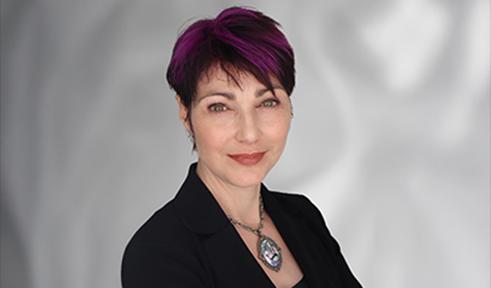
Beth Quitslund is Professor of English and Chair in the Department of English at Ohio University’s College of Arts and Sciences, where she teaches courses in early modern literature, poetry, and religious texts. She holds a Ph.D. in English from the University of California, Berkeley, and an A.B. in History & Literature from Harvard College. Ph.D. in English, University of California, Berkeley, 1997 A.B. in History & Literature, Harvard College, 1991 Her research focuses on early modern British literature, particularly devotional texts such as the Book of Common Prayer, the King James Bible, and metrical psalms. She has published extensively on Milton, Spenser, and the cultural and musical dimensions of religious poetry. Her work bridges literary studies, theology, and book history, emphasizing how early modern communities engaged with sacred texts through print, performance, and personal devotion. Her recent publications reflect a sustained inquiry into the intersections of liturgy, biblical interpretation, and poetic form. Themes include sacred violence, devotional subjectivity, and the reception of the King James Version across centuries. Her scholarship often appears in interdisciplinary forums, highlighting the enduring cultural resonance of Reformation-era texts. Selected awards and fellowships include: Konneker Fund for Learning and Discovery Grant (co-investigator, 2020–22) Mid-Atlantic Conference Academic Leadership Development Program Fellowship (2017–18) Ohio University Chapman/Clapp Outstanding Advisor Award (2015) Calvin Center for Christian Scholarship Grant (2012–13) Folger Shakespeare Library Short-term Fellowship (2010) Beth Quitslund has been actively involved in academic leadership and curriculum development, notably as co-investigator on a major grant to reimagine general education at Ohio University. She advises students at all levels and has been recognized for her excellence in advising. Her teaching spans introductory courses like Introduction to Poetry and Drama to advanced seminars on Paradise Lost and capstone literature projects. She co-edits major scholarly editions, including The Whole Book of Psalms , and contributes to critical editions and essay collections that shape the field of early modern studies. Her current projects include editing the King James Bible for the Oxford University Study Bible series and new work on sermons and the Book of Common Prayer from 1540 to 1660.