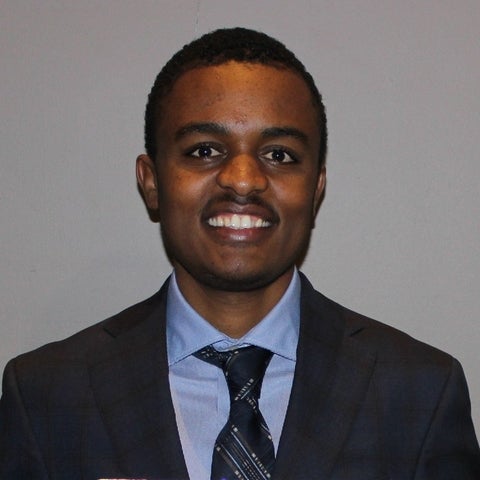
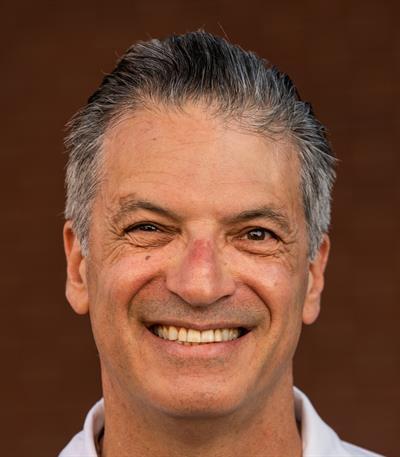
Zelalem Negeri is an Assistant Professor in the Department of Statistics and Actuarial Science at the University of Waterloo, affiliated with the Faculty of Mathematics. His work focuses on statistical methods for diagnostic test accuracy, depression screening tools, and meta-analytic techniques. He collaborates with groups like DEPRESSD (Depression Screening Data) to improve mental health assessment methodologies. Research interests include robust meta-analysis models for accommodating outliers, optimal cutoff determination for screening tools (e.g., PHQ-9, EPDS), and evaluating diagnostic accuracy across diverse populations. His studies often use individual participant data (IPD) to enhance precision in estimating depression prevalence and screening tool performance. Recent work emphasizes validating shortened screening tools (e.g., EPDS-Dep-5) and comparing depression assessment methods across modes (e.g., self-administered vs. clinician-administered). He also investigates pandemic-related mental health impacts in populations with systemic sclerosis and explores statistical methods to mitigate biases in data-driven cutoff selection. No scientific awards are explicitly mentioned. His contributions span collaborations with interdisciplinary teams, including the Scleroderma Patient-centered Intervention Network (SPIN), and involve developing robust statistical frameworks to address variability in diagnostic studies.
Joanne Sahhar is an Adjunct Clinical Associate Professor in the Faculty of Medicine at Monash University and a practicing rheumatologist at Monash Health. She serves as Head of the Scleroderma Clinic within the Centre for Inflammatory Disease, where she leads clinical and research initiatives focused on systemic sclerosis and related autoimmune conditions. Her research interests center on systemic sclerosis , interstitial lung disease , pulmonary hypertension , biomarkers , and Raynaud phenomenon . She investigates the epidemiology, clinical outcomes, and environmental influences on scleroderma, with a strong emphasis on improving early diagnosis and treatment strategies. Her recent publications demonstrate a consistent focus on clinical outcomes in scleroderma, including the impact of the COVID-19 pandemic on care access, risk assessment for pulmonary hypertension, and outcomes of stem cell transplantation. These works reflect a multidisciplinary approach integrating rheumatology, cardiology, and environmental health. ARA President’s Prize for Excellence in Collaborative Research (2018) Paper selected for Best of ICB/CTI Workshop at 2019 ASI Annual Scientific Meeting Dr. Sahhar actively supervises PhD students and collaborates widely across national and international research networks. She holds leadership roles as Chair of the Australian Working Group for Autologous Stem Cell Transplantation in Scleroderma and as a member of the executive and scientific committees of the Australian Scleroderma Interest Group. She also serves as a reviewer for journals including Arthritis and Rheumatology , J Rheumatology , and Rheumatology International . She is actively involved in clinical research and mentoring, contributing significantly to the advancement of knowledge in scleroderma and autoimmune rheumatic diseases.
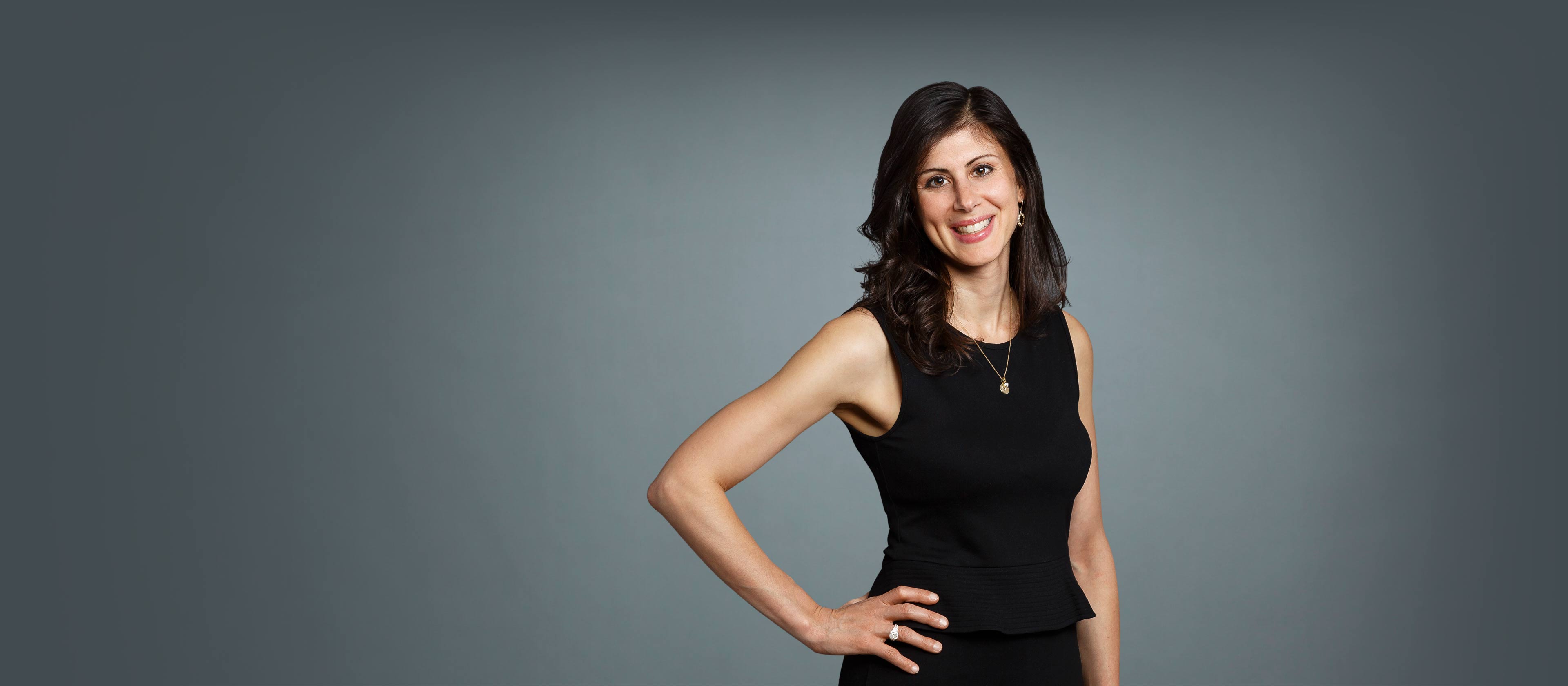
Alisa N. Femia, MD is an Associate Professor in the Ronald O. Perelman Department of Dermatology at NYU Grossman School of Medicine. She serves as Director of Faculty Development and Director of Inpatient Dermatology at NYU Langone. Her clinical expertise focuses on autoimmune cutaneous conditions, including dermatomyositis, cutaneous lupus, and systemic sclerosis. Dr. Femia completed a dermatology-rheumatology fellowship at Brigham and Women’s Hospital (Harvard Medical School), enhancing her capacity to manage complex multisystem autoimmune diseases. She is actively involved in medical education, having received multiple teaching awards, and participates in national medical societies. Her research investigates autoimmune skin disorders, with publications in high-impact journals like Lancet and JAMA Dermatology . She leads clinical trials exploring novel therapies for inflammatory myopathies and has contributed to over 110 publications. Dr. Femia provides care at NYU Langone Dermatologic Associates, emphasizing holistic patient care that integrates medical and dermatologic expertise.
Mary Beth Scholand, MD is an Associate Professor in the Department of Internal Medicine at the University of Utah School of Medicine, specializing in Pulmonary Medicine. She serves as Director of the Interstitial Lung Disease Clinic at University of Utah Hospital and provides clinical care across multiple University of Utah Health locations including Farmington, South Jordan, Sugar House, and University Hospital. Her educational background includes: B.S. from Northwestern University M.D. from Washington University Internal Medicine Internship and Residency at Barnes Hospital Pulmonary Medicine Fellowship at University of Utah School of Medicine Dr. Scholand's research centers on interstitial lung diseases, with primary focus on idiopathic pulmonary fibrosis (IPF), sarcoidosis, and autoimmune lung diseases. She investigates genetic and phenotypic factors in chronic obstructive pulmonary disease (COPD) and interstitial lung diseases (ILD), while leading clinical trials targeting IPF cures and novel monitoring programs. Her work bridges pulmonary medicine, rheumatology, and oncology through translational research. Analysis of her 15 most recent publications reveals dominant themes in ILD therapeutics, clinical guideline development, and international registry studies. Key trends include antifibrotic drug trials (bexotegrast, pirfenidone), multidisciplinary management frameworks for autoimmune-related ILD, and pandemic-era adaptations in sarcoidosis care. Her research consistently addresses diagnostic challenges, therapeutic innovations, and patient-centered outcomes across pulmonary subspecialties. As Director of the Interstitial Lung Disease Clinic, Dr. Scholand leads a multidisciplinary team managing complex cases through integrated diagnostics and personalized treatment plans. Her clinical trials portfolio demonstrates active grant funding for therapeutic innovations in IPF and ILD, while her guideline contributions to ACR/CHEST and ATS reflect leadership in standardizing global care practices. Patient testimonials consistently highlight her expertise, thoroughness, and compassionate bedside manner, with a 4.9/5 rating from over 457 reviews.
Yvonne C Lee, MD, MMSc is the Helen Myers McLoraine Professor of Rheumatology in the Department of Medicine at Northwestern University Feinberg School of Medicine. She holds multiple institutional affiliations including the Center for Circadian and Sleep Medicine, Center for Human Immunobiology, Institute for Public Health and Medicine (IPHAM), and Northwestern University Clinical and Translational Sciences Institute (NUCATS). Her clinical practice is based at Northwestern Memorial Hospital and Shirley Ryan AbilityLab. Dr. Lee's research focuses on understanding pain mechanisms in rheumatoid arthritis and other systemic rheumatic conditions, with emphasis on pain centralization and non-inflammatory pain pathways. Her work integrates clinical trials, quantitative sensory testing, neuroimaging, and patient-reported outcomes to develop effective pain management strategies. She leads multiple active clinical trials including CPIRA-2, IMPACT-Pain-RA, PROMOTER, and CATCH-US investigating pain centralization biomarkers and treatment responses in rheumatoid arthritis. Analysis of Dr. Lee's recent publications reveals a consistent research trajectory centered on pain centralization in rheumatic diseases, particularly examining the relationship between sleep disturbance, quantitative sensory testing abnormalities, and patient-reported pain outcomes. Her work increasingly incorporates multi-modal pain assessment and biomarker discovery to address unmet needs in chronic pain management for rheumatoid arthritis patients. Department of Medicine Teaching Award, Northwestern University Feinberg School of Medicine (2020) Department of Medicine Teaching Award, Northwestern University Feinberg School of Medicine (2019) Innovation Discovery, Partners Healthcare (2016) Chair's Research Award, Brigham & Women's Hospital (2014) Dr. Lee serves as Associate Editor for Arthritis and Rheumatology and has held editorial positions at Arthritis Care & Research and Pain Medicine. She leads multiple NIH-funded clinical trials with significant grant support, focusing on pain mechanisms in rheumatoid arthritis. Her mentorship extends through her role in the American College of Rheumatology Research and Publications Subcommittee and Early Career Investigator Subcommittee. Dr. Lee directs research initiatives within the Center for Circadian and Sleep Medicine and Center for Human Immunobiology, collaborating with interdisciplinary teams to investigate the intersection of immune dysregulation, sleep disturbances, and pain processing in rheumatic diseases. Her laboratory work integrates clinical phenotyping with quantitative sensory testing and neuroimaging to characterize pain pathways.
Benjamin Korman, M.D. is an Associate Professor in the Department of Medicine, Allergy/Immunology and Rheumatology at the University of Rochester School of Medicine and Dentistry. He is a practicing rheumatologist specializing in scleroderma and related autoimmune connective tissue diseases, providing interdisciplinary care for patients with complex manifestations including skin fibrosis, vascular disease, and organ involvement. Dr. Korman's clinical expertise focuses on: Diagnosis and management of scleroderma (systemic sclerosis) Autoimmune connective tissue diseases Interdisciplinary care for skin fibrosis and thickening Vascular disease including Raynaud's phenomenon Gastrointestinal issues related to autoimmune conditions Lung disease including interstitial lung disease and pulmonary hypertension His research program, the Korman Lab, investigates the cellular and molecular mechanisms underlying fibrosis and vascular disease in scleroderma. The lab utilizes experimental models, patient samples, and translational approaches to understand the relationship between adipose cells, blood vessels, and fibroblasts. Current research focuses on: Pulmonary hypertension in scleroderma Skin fibrosis mechanisms The role of TNF signaling in vascular pathology Biomarker discovery for disease severity and progression Novel therapeutic approaches targeting fibrosis pathways Dr. Korman has published extensively on scleroderma, with recent work focusing on TNF-mediated pulmonary hypertension, complement factors as biomarkers, and the role of adipokines in fibrosis. His research has contributed significantly to understanding disease heterogeneity and developing personalized treatment approaches for patients with scleroderma. His scientific contributions include: Development of novel mouse models of scleroderma-associated pulmonary hypertension Identification of biomarkers for scleroderma disease severity Studies on the role of adipose tissue in fibrosis development Investigations into the cellular mechanisms of vascular remodeling Dr. Korman is actively involved in mentoring and training the next generation of rheumatology researchers and clinicians. He leads a multidisciplinary research team investigating the pathogenesis of scleroderma and related conditions, with a focus on translating basic science discoveries into clinical applications for improved patient care.
Alexander Ghincea is a Pulmonary, Critical Care & Sleep Medicine Instructor at Yale School of Medicine. He holds primary affiliation with the Department of Pulmonary, Critical Care & Sleep Medicine and is also part of the Internal Medicine department. Previously, he earned his B.S. in Molecular and Cellular Biology from Regis University, completed medical school at the University of Colorado, and served as Chief Resident in Internal Medicine there. His research focuses on pulmonary fibrosis mechanisms, translational models for interstitial lung diseases, mitochondrial DNA-sensing pathways in systemic sclerosis, adrenoreceptor pharmacology, and comorbidities influencing asthma outcomes. Key collaborators include Wonnie Ryu, Erica Herzog, Huanxing Sun, and Maor Sauler. His work spans experimental mouse models to clinical patient studies, with a recent emphasis on mitigating fibrotic responses through pharmacological interventions (e.g., α1 adrenoreceptor antagonism) and investigating vaccine-related risks in pulmonary diseases. He has published extensively on topics such as CGAS antagonism, NLRP3 inflammasome targeting, and GERD-asthma interactions in obese populations. Though no scientific awards are explicitly listed, his contributions reflect active engagement in high-impact translational research. Advising roles and formal grants are not detailed in the provided texts, but his involvement in collaborative projects suggests active mentorship within research teams. His academic trajectory aligns with the Yale School of Medicine’s emphasis on integrating clinical and basic science research.
Héloïse Cardinal is an Associate Clinical Professor in the Department of Medicine at Université de Montréal, specializing in nephrology and transplantation. She holds the Shire Chair in Nephrology and Renal Transplantation and Regeneration. Education includes medical training at Université de Sherbrooke, nephrology specialization at Université de Montréal, and a PhD in Epidemiology and Biostatistics from McGill University. Research focuses on: Vascular injury biomarkers in transplantation Immune mechanisms of graft rejection Anti-LG3 antibodies in transplant outcomes Her research program characterizes novel biomarkers for predicting renal transplant complications and investigates vascular pathology in graft rejection. Recent work defines scleromyositis as a distinct clinical entity (2023) and establishes autoantibody-based subclassification of scleroderma-related myopathy (2022). Research support includes funding from: Fonds de recherche du Québec – santé Kidney Foundation of Canada CHUM Research Centre
Richard Flavell is a Sterling Professor of Immunobiology at Yale School of Medicine and an Investigator at the Howard Hughes Medical Institute. His research focuses on innate and adaptive immunity, T cell regulation, apoptosis, and autoimmune disease mechanisms using transgenic and gene-targeted mice. Education: B.Sc. (Honors) in Biochemistry, University of Hull (1967) Ph.D. in Biochemistry, University of Hull (1970) Postdoctoral Fellow, University of Amsterdam (1972) and University of Zurich (1973) His work explores Toll-like receptors, NOD-like receptors, TGF-beta signaling, and inflammasomes in autoimmunity, infection, and cancer. He has developed humanized mouse models to study immune responses in diseases like melanoma and scleroderma. Recent publications highlight his contributions to understanding cross-chromosomal gene regulation, metabolic immune switches, and adjuvant mechanisms. His lab's research bridges immunology, microbiome studies, and computational biology. Scientific Honors: Vilcek Prize in Biomedical Science (2013) William B. Coley Award (2012) Fellow of the Royal Society Member, National Academy of Sciences Member, National Academy of Medicine Flavell's team has secured grants including a $575,000 PolyBio Research Foundation award for Long COVID studies. The Flavell Lab at Yale investigates immune system integration with environmental and microbial factors.
Kathleen Cook Suozzi, MD, serves as Associate Professor on Term in the Department of Dermatology at Yale School of Medicine, with a secondary appointment in Plastic & Reconstructive Surgery. She is the Director of Aesthetic Dermatology and specializes in dermatologic surgery, particularly Mohs surgery for skin cancer treatment. Dr. Suozzi is affiliated with multiple clinical programs including the Autoimmune Skin Disease Program, Cutaneous Oncology Program, Dermatologic Laser Surgery Program, and Scleroderma Program. Yale School of Medicine, Department of Dermatology Plastic & Reconstructive Surgery (secondary) Autoimmune Skin Disease Program Cutaneous Oncology Program Dermatologic Laser Surgery Program Scleroderma Program Skin & Kidney Cancer Program Dr. Suozzi's research and clinical work focus on the prevention and reversal of sun damage, which she describes as a passion. Her expertise spans skin cancer treatment with Mohs surgery, photodynamic therapy, laser treatments, and medications for UV-induced skin damage. She is widely published in dermatology journals and has presented her research at major national conferences including the American Academy of Dermatology, American Society of Dermatologic Surgery, Society of Investigative Dermatology, and American College of Mohs Surgery. Her work bridges clinical dermatology with aesthetic medicine, particularly in treating systemic sclerosis patients with cosmetic procedures and advancing training in cosmetic dermatology. Analysis of Dr. Suozzi's 15 most recent publications (2022-2024) reveals a strong focus on cosmetic and laser dermatology, with significant contributions to understanding treatments for systemic sclerosis patients, Mohs surgery techniques, and educational standards in dermatology residencies. Her research spans clinical trials, systematic reviews, and molecular studies connecting skin cancer mechanisms with therapeutic approaches. The publications demonstrate her leadership in both clinical dermatology and aesthetic medicine, with particular emphasis on laser technologies and their applications across diverse skin conditions and patient populations. Rising Star Award from Academic Cosmetic Dermatologists (AACD) (2022) Dr. Suozzi actively collaborates with researchers across Yale and national institutions, with frequent collaborators including Madisen Swallow, Sa Rang Kim, Tianchi Xin, Valentina Greco, and David J. Leffell. Her work has influenced clinical guidelines and educational standards in dermatology, particularly through her involvement with the Association of Academic Cosmetic Dermatology. She has contributed to evidence-based clinical practice guidelines and position statements addressing critical gaps in cosmetic dermatology education and patient care. Her research grants likely support her work in skin cancer prevention, laser technologies, and aesthetic procedures for complex dermatological conditions. Dr. Suozzi directs the Dermatologic Laser Surgery Program at Yale and is deeply involved with the Cutaneous Oncology Program and Scleroderma Program. Her clinical and research teams focus on advancing techniques for skin cancer removal while preserving healthy tissue, developing innovative approaches to reverse sun damage, and improving cosmetic outcomes for patients with autoimmune skin conditions. The collaborative environment she works within connects dermatology with rheumatology, oncology, and reconstructive surgery to provide comprehensive care for complex dermatological cases.
Sa Rang Kim, MD is an Assistant Professor in the Department of Dermatology at Yale School of Medicine, specializing in complex dermatological conditions with a focus on cutaneous lymphoma, autoimmune skin disorders, and dermatologic surgery. Her clinical practice integrates advanced diagnostic techniques with innovative therapeutic approaches for challenging cases. Dr. Kim completed her medical training at Yale School of Medicine (MD, 2019), followed by an internship at Yale New Haven Hospital (2020) and residency at Yale New Haven Hospital (2023). She holds board certification in Dermatology from the American Board of Dermatology (2023) and earned her BS (Hon) in Cell and Molecular Biology and Human Biology from the University of Toronto (2014). Her research program centers on improving diagnostic accuracy and therapeutic outcomes for patients with cutaneous T-cell lymphoma, systemic sclerosis-related skin manifestations, and challenging inflammatory dermatoses. She has pioneered work in differentiating palmoplantar psoriasis from eczema using molecular markers and developed novel treatment protocols for microstomia in scleroderma patients. Current investigations include optimizing laser therapies for ethnic skin types and advancing diagnostic criteria for rare nail disorders. Dr. Kim's collaborative research network includes prominent Yale dermatologists Michael Girardi, Kathleen Cook Suozzi, and Amanda Zubek, with whom she has published extensively on cutaneous lymphoma diagnostics, scleroderma management, and inflammatory skin disease differentiation. Her work demonstrates consistent translational impact, moving from basic histopathological observations to clinical applications. Cum laude, Yale School of Medicine (2019) As a clinician-scientist, Dr. Kim maintains active involvement in resident education and clinical trial development. Her laboratory work combines advanced molecular techniques with clinical observation to develop more precise diagnostic criteria for challenging dermatological conditions. She is currently developing predictive models for treatment response in cutaneous lymphoma and investigating novel applications of existing therapies for scleroderma-related facial complications.
Professor Tony Kenna is an immunologist at Queensland University of Technology (QUT), leading research in autoimmune diseases like ankylosing spondylitis (AS) and scleroderma. He holds a PhD in Pharmacology from University College Dublin and is based in the School of Biomedical Sciences within QUT's Faculty of Health . His work integrates genomics, microbiome studies, and cellular immunology to identify therapeutic targets for immune-mediated diseases. He collaborates with the Centre for Immunology and Infection Control and Centre for Microbiome Research at QUT. Teaching focuses on undergraduate immunology, emphasizing problem-based learning. His editorial roles include journals like Clinical and Translational Immunology and Discovery Immunology . Professional memberships include the Australia and New Zealand Society for Immunology and the Australian Society for Medical Research. Research interests span genetic drivers of AS/scleroderma, microbiome-immune interactions, and translational therapies. Recent work highlights T-cell dysregulation in autoimmune conditions and biomarkers for disease progression. His lab explores therapeutic strategies like CAR-T cells and TCR-engineered regulatory T-cells for autoimmune diseases. Publications emphasize genomics-driven discoveries (e.g., HLA-B27 interactions, Runx3 deficiency in SKG mice), microbiome roles in AS pathogenesis, and long-term post-COVID-19 immunopathology. Collaborations bridge clinical and basic science to advance understanding of immune system dysregulation.
Professor Ariane Herrick is a Professor of Rheumatology at the University of Manchester, based in the Division of Musculoskeletal & Dermatological Sciences. She also serves as an Honorary Consultant Rheumatologist at Salford Royal NHS Foundation Trust. Her career spans over three decades with key appointments since 1993 (Consultant) and 2011 (Professor). Education: She earned her medical degree from the University of Aberdeen, followed by general medical training at Western Infirmary in Glasgow and specialized rheumatology training in Salford. Her professional memberships include the British Society for Rheumatology and the British Microcirculation Society. Research Interests: Her work focuses on systemic sclerosis-spectrum disorders and Raynaud’s phenomenon. She investigates vascular abnormalities using imaging techniques like nailfold capillaroscopy and explores novel treatments such as chelation therapies and low-level light therapy for calcinosis and digital ulcers. She leads clinical trials and collaborates with international groups like the SCTC and EUSTAR to advance diagnostic and therapeutic standards. Scientific Awards: A notable honor is her Fellowship of the Royal Society of Medicine (FRSM). Advising & Grants: As Principal Investigator, she oversees trials evaluating drug efficacy and imaging biomarkers. She has supervised 3 academic works, though specific student names are not disclosed. Her grants support innovations in microvascular assessment and patient-centered outcome measures. Labs/Teams: She collaborates with the UK Systemic Sclerosis Study Group, the Scleroderma Clinical Trials Consortium (SCTC), and the European Scleroderma Trials and Research Group (EUSTAR), contributing to large-scale observational studies like the European Scleroderma Observational Study (ESOS). Her research integrates clinical, imaging, and molecular approaches to address unmet needs in SSc management.
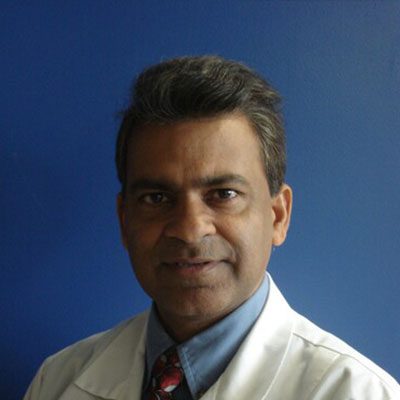
Ram Raj Singh is a Professor of Medicine and Pathology and Laboratory Medicine at the University of California Los Angeles (UCLA), where he maintains a dual appointment in the School of Medicine. His research spans multiple areas of immunology and autoimmune diseases, with particular focus on systemic sclerosis and lupus. Dr. Singh's research interests center on the immunological mechanisms underlying autoimmune diseases, particularly focusing on T-cell and B-cell biology in systemic sclerosis and lupus. His work explores the pathogenesis of autoimmune disorders, examining how innate and adaptive immune responses contribute to tissue damage and disease progression. His research has significant implications for understanding mortality patterns in autoimmune diseases and developing targeted therapies. Analysis of Dr. Singh's publication record reveals a strong focus on autoimmune disease epidemiology, particularly examining mortality trends in systemic sclerosis and lupus across different demographic groups. His research demonstrates expertise in both clinical and basic immunology, with publications spanning molecular mechanisms of disease to population-level health outcomes. A consistent theme throughout his work is the examination of how immune cell subsets (particularly T cells, B cells, and dendritic cells) contribute to autoimmune pathology. Dr. Singh has served as Principal Investigator on multiple NIH-funded research projects, including R01, R21, and T32 grants focused on autoimmune diseases. His research portfolio includes investigations into the pathogenesis of lupus dermatitis, gender bias in lupus, and the role of innate B1 B cells in lung hemorrhage. He has contributed significantly to understanding the immunological basis of autoimmune diseases and their clinical manifestations.
David Leader is an Adjunct Associate Professor in the Department of Comprehensive Care at Tufts University School of Dental Medicine, with a secondary appointment in the School of Medicine's Public Health and Community Medicine department. He serves as the director of the dental emergency clinic and is a member of the Medical and Scientific Advisory Board for international scleroderma organizations. Master of Public Health, Tufts University School of Medicine, 2013 Doctorate of Dental Medicine, Tufts University School of Dental Medicine, 1985 Bachelor of Arts in History of Art, Emory University, 1981 His research focuses on evidence-based dentistry, oral health during pregnancy, and scleroderma-related oral health. Recent work explores systemic sclerosis interventions and chronic disease management through dental practice scope expansion. 2025: Oral health in systemic sclerosis scoping review 2021: Non-pharmacological interventions in systemic sclerosis 2019: Evidence-based dental practice improvement 2018: Dental roles in managing physician shortages Scientific honors include the 2017 Health Policy Fellowship, 2017 Tufts Provost's Teaching and Service Award, and the 2013 Delta Omega Poster Award. He chairs the Massachusetts Dental Society's Dental Education Committee. At Tufts, he teaches emergency dentistry and public health integration courses. He co-developed the 2016 Massachusetts Oral Health Guidelines for Pregnancy and Early Childhood and directs the DMD/MPH Dual Degree Program.