University of California , Santa Barbara (UCSB)United States
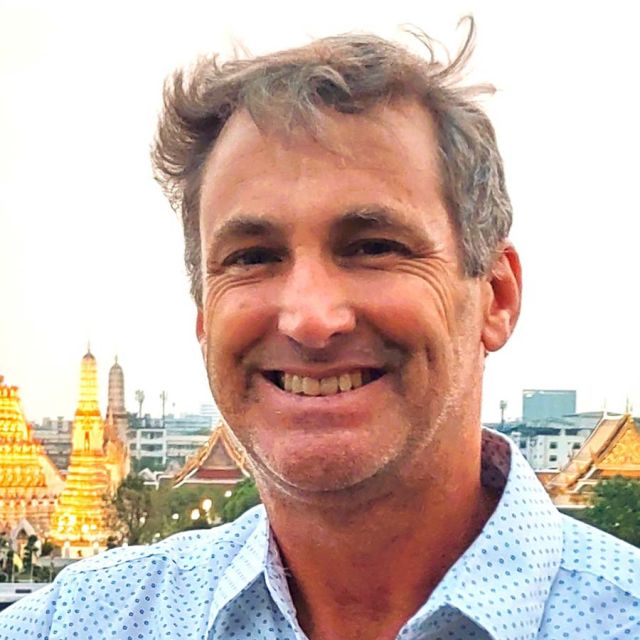
David López-Carr is a Professor of Geography at the University of California, Santa Barbara (UCSB), where he directs the Human-Environment Dynamics Lab (HED) and serves as Associate Dean of the University of California Education Abroad Program (UCEAP). He holds a PhD from the University of North Carolina (2002) and completed an NIH postdoctoral fellowship in Biostatistics. His research focuses on the interplay between population dynamics, health, rural livelihoods, and environmental conservation, with fieldwork in over 70 countries. He speaks five languages and has authored over 230 publications, supported by $10M+ in grants from NASA, NSF, NIH, and others. Education: PhD in Geography (UNC, 2002); Postdoc in Biostatistics (UNC School of Public Health). Research interests include climate change adaptation, schistosomiasis control via ecological interventions, and land degradation monitoring for UNCCD. He has pioneered studies linking dams to schistosomiasis outbreaks and developed frameworks for planetary health innovation in Africa. Awards include the 2024 ESA Sustainability Science Award, AAAS Fellowship (2014), and multiple mentoring/teaching accolades. His grants fund projects in Guatemala’s Maya Biosphere Reserve, sub-Saharan Africa, and California’s Central Valley. He advises graduate students Lívia Machado Costa and Nusrat Zahan Jarin. Labs/teams: Human-Environment Dynamics Lab (HED), leading interdisciplinary research on socio-ecological systems.
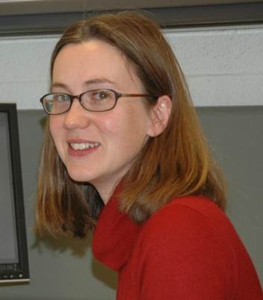
Dr. Kunle Kassim is a Professor and Chair of the Department of Microbiology in the College of Medicine at Howard University, Washington, D.C. His academic roles include teaching and research in microbial pathogenesis, drug discovery, and global health. He holds a PhD and MPH from the University of Minnesota and Johns Hopkins University, respectively. Education: PhD in Microbiology, University of Minnesota, 1975 MPH in Epidemiology, Johns Hopkins School of Public Health, 1980 Research Focus: Dr. Kassim’s work spans microbial pathogenesis, antimicrobial drug development, and epidemiology. He has conducted field and laboratory research on malaria, schistosomiasis, and maternal breast milk immunology, often collaborating with institutions like Obafemi Awolowo University (Nigeria) and Howard University’s Pharmacology Department. His research has been supported by NIH, WHO, and USAID grants. Awards: Two Kaiser Permanente Excellence in Teaching Awards Multiple Teacher of the Year Awards from Howard’s College of Medicine Student Council Mentoring Awards from the American Heart Association and NIH Summer Research Programs Advising & Grants: Trained numerous PhD students and contributed to Howard’s global health curriculum. Co-founded the Howard University summer training program in tropical disease research across Africa. Developed a Global Health course addressing disease outbreak control, water sanitation, and vaccine distribution strategies. Labs & Collaborations: Collaborations include projects with Nigerian universities and Howard’s Pharmacology Department. Research has focused on diagnostics for urinary schistosomiasis, malaria’s impact on pregnancy, and bioactive plant extracts against cancer and malaria.
Helen J. Wearing is a Professor in the Department of Biology at the University of New Mexico. She specializes in mathematical biology, focusing on disease ecology and theoretical frameworks to understand host-parasite interactions. Her research integrates mathematical and statistical methods with empirical data to address questions in population dynamics and public health. Dr. Wearing holds a Ph.D. in Mathematics from Heriot-Watt University (2002). Her work emphasizes interdisciplinary collaboration, particularly in virology and public health, to bridge theoretical insights with real-world applications. Key research areas include modeling dengue, schistosomiasis, and hantavirus transmission, with a focus on vector competence, climate impacts, and control strategies. Her publications span topics like mosquito biting behavior, schistosomiasis snail dynamics, and the role of non-model biorepositories in emerging pathogens. These studies highlight the importance of age-structured models and environmental stochasticity in disease systems. While no scientific awards are explicitly listed, her contributions reflect significant academic impact in epidemiological modeling. Her advising and grants focus on training students in mathematical approaches to ecology and epidemiology, though specific grant details are not provided. Dr. Wearing’s lab operates at the interface of mathematics, ecology, and epidemiology, emphasizing practical solutions for public health challenges through rigorous quantitative methods.
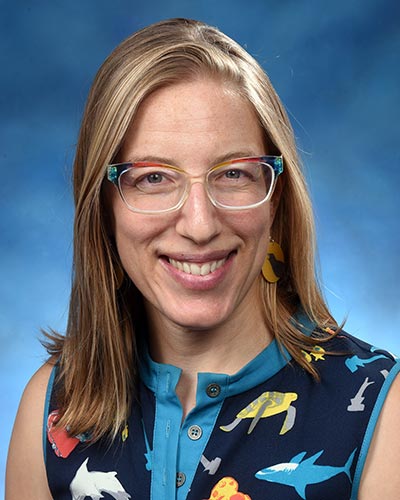
Jonathan David Kurtis is the Stanley M. Aronson Professor of Pathology and Laboratory Medicine at Brown University, where he also serves as Chair of Pathology and Laboratory Medicine and Executive Director of the MD-PhD Program. He directs the Lifespan Center for International Health Research and has dedicated his career to malaria and schistosomiasis vaccine development, with fieldwork spanning Kenya, the Philippines, China, and Brazil. MD and PhD from Brown University Postdoctoral training in malaria immuno-epidemiology at Walter Reed Army Institute of Research, Kenya Clinical pathology residency at Hospital of the University of Pennsylvania Dr. Kurtis applies molecular biology, immunology, and population biology to identify protective immune responses in endemic populations. His research focuses on: Malaria vaccine candidates like PfSEA-1 and PfsEGXP Schistosomiasis vaccine development targeting paramyosin Interactions between nutrition, development, and immunity Maternal-fetal transmission dynamics of parasitic infections His recent publications highlight: Immuno-epidemiologic studies of malaria and schistosomiasis Novel vaccine targets in Science and The Lancet Mechanistic insights into anemia, fibrosis, and placental inflammation Dr. Kurtis leads NIH/NIAID-funded projects to: Detect molecular mechanisms of malaria morbidity Develop vaccines for schistosomiasis and pediatric malaria
University of California, San FranciscoUnited States
Dr. Ari Molofsky is an Associate Professor in the Department of Laboratory Medicine at the University of California, San Francisco (UCSF) School of Medicine. Trained as an MD/PhD with clinical specialization in hematopathology, he leads a basic research laboratory focused on the intersection of immunology and tissue homeostasis. Dr. Molofsky is also an affiliate member of multiple UCSF programs including Microbiology and Immunology, ImmunoX Program, Liver Center, Pulmonary Research Group, NeuroImmunology Center for Excellence, and the UCSF Diabetes Center. Education: BS in Molecular Biology, University of Texas, Austin (1999) PhD in Immunology & Microbiology, University of Michigan, Ann Arbor (2007) MD, University of Michigan, Ann Arbor (2007) Residency/Fellowship in Clinical Pathology / Hematopathology, UCSF (2011) Dr. Molofsky's research focuses on stromal-immune niches across multiple organ systems including brain, lung, liver, adipose tissue, skin, and intestine. His work centers on type 2 immunity, innate lymphoid cells, regulatory T cells, and cytokine signaling (particularly Interleukin-33 and Interleukin-5). His laboratory investigates how immune cells interact with tissue microenvironments to maintain homeostasis and how dysregulation contributes to diseases like obesity, type 2 diabetes, and inflammatory conditions. Using foundation models, his team studies organ development, remodeling, and the role of fibroblasts and tissue-resident lymphocytes in health and disease. Dr. Molofsky's recent publications demonstrate a strong focus on neuroimmunology, particularly the role of immune cells in brain development and function, alongside ongoing work in pulmonary immunology, liver fibrosis, and adipose tissue immunometabolism. His research increasingly explores the intersection between the nervous and immune systems, with several high-impact publications on how immune cells shape neural circuits and behavior. Scientific Awards: Clarivate 2022 Most Highly Cited Researchers (top 1%) UCSF 2021 Medical School Foundations Curriculum Teaching Award AAI 2019 American Association of Immunology Travel Award UCSF 2019 Nina Ireland Program for Lung Health Award Multiple early-career awards including NIH K08 and Hillblom Foundation Young Investigator Award As a mentor, Dr. Molofsky has guided graduate students, post-doctoral fellows, and junior faculty, emphasizing the balance between clinical and research work. His laboratory is supported by multiple NIH R01 grants including projects on meningeal type 2 immunity in brain development, macrophage-fibroblast interactions in lung fibrosis, and the IL-33/ILC2 axis in various tissue contexts. He also holds funding from the California TRDRP and the Larry L. Hillblom Foundation. Dr. Molofsky's laboratory maintains active collaborations across UCSF, particularly with the NeuroImmunology Center for Excellence and the Pulmonary Research Group. His team utilizes advanced techniques including flow cytometry, tissue clearing, and imaging to study immune-stromal interactions in diverse tissue contexts.
Professor Peter Diggle is an EPSRC Senior Fellow at the University of Lancaster , where he leads a research program in Spatial and Longitudinal Data Analysis . He also holds an Adjunct Professor position in the Biostatistics Department at the Yale School of Public Health . Education : PhD from Newcastle University (1977), MSc from Oxford College (1973). Research Interests : Biostatistics, spatial epidemiology, longitudinal data analysis, public health modeling, and implementation science. Scientific Awards : EPSRC Senior Fellowship Recent Article Trends : His work spans geostatistical modeling for disease surveillance, wastewater-based COVID-19 monitoring, zoonotic spillover dynamics, and helminth control program optimization. Professional Roles : Founding co-editor of Biostatistics journal and trustee of the Biometrika Trust . Collaborations : Frequent collaborations with Federico Costa, Albert Ko, Jamie Childs, and Mitermayer Reis on tropical disease research.
Dr. Andrea G. Buchwald is an Assistant Professor in Pediatrics at the University of Maryland School of Medicine. She specializes in infectious disease epidemiology with a focus on climate change impacts, maternal-child health, and immunological data-driven intervention design. Her work emphasizes observational research in low-resource settings and mathematical modeling for public health policy. Education: BA in Mathematics and Biology, The Colorado College (2004–2008) PhD in Epidemiology, University of Maryland School of Medicine (2013–2018) Postdoctoral Fellow at Colorado School of Public Health (2018–2020) Research Interests: Climate change effects on infectious disease transmission Immunological predictors of infant health outcomes In utero exposure impacts on child development Epidemiological modeling of SARS-CoV-2 and other pathogens Large-scale data integration for public health decision-making Key Research Trends: Recent work highlights development of real-time policy evaluation tools for pandemic control, analysis of maternal antibody transfer dynamics, and climate-resilient health strategies in malaria-endemic regions. Grants & Funding: 2024 Burroughs Wellcome Fund Climate and Health Award NIMH K01 Grant: Prenatal HIV exposure and child development Labs & Collaborations: Active collaborations with global health institutions on vector-borne disease surveillance and pediatric immune system studies.
Ronald E. Blanton is a Professor and Chair of the Department of Tropical Medicine at Tulane University's School of Public Health & Tropical Medicine, holding the William Henderson Chair in the Prevention of Tropical Diseases. He also serves as an Adjunct Professor at Case Western Reserve University's Departments of Pathology and Biostatistics, and previously held roles at Cleveland State University. His academic background includes a B.A. in English from Harvard University (1974), an M.D. from Case Western Reserve University (1979), and an M.S. in Genetic Epidemiology (2003). Dr. Blanton's research focuses on integrating molecular biology and epidemiology to study parasitic diseases like schistosomiasis and flaviviruses (dengue, hepatitis C). He specializes in population genetics, identifying human genetic determinants of disease susceptibility and tracing pathogen/vector distributions. His 40-year career in Brazil and other regions emphasizes applying genetic insights to public health strategies and evaluating disease control measures' efficacy. He holds expertise in Portuguese and Spanish, with extensive fieldwork in Brazil, Peru, Côte d'Ivoire, Senegal, Kenya, and Egypt. His accolades include Brazil's Special Visiting Professorship (2014) and a Fulbright Scholarship (2014). His work bridges laboratory science, global health, and policy, advocating for genetics-driven public health interventions.
University of Nebraska Medical CenterUnited States
Jonathan L Vennerstrom, PhD is a Professor in the Department of Pharmaceutical Sciences at the University of Nebraska Medical Center (UNMC) College of Pharmacy. His academic career spans over two decades with continuous research activity documented from 2002 through 2025. Dr. Vennerstrom's research focuses on antiparasitic drug discovery with particular emphasis on antimalarial drug design and synthesis and the investigation of heme as a mechanistic intersection for antimalarial drugs. His laboratory currently pursues drug discovery for schistosomiasis , cytomegalovirus , and tuberculosis . Recent publications demonstrate significant contributions to medium-ring keto lactams, diaryl ureas, and tetrahydro-γ-carboline sulfonamides as promising antiparasitic chemotypes. His publication record shows consistent output with over 100 publications since 2002, including high-impact articles in journals like ACS Infectious Diseases and Journal of Medicinal Chemistry. The research demonstrates strong focus on antischistosomal compounds antimalarial mechanisms novel heterocyclic synthesis parasite-specific drug targeting At UNMC, Dr. Vennerstrom serves as course coordinator for Medicinal Chemistry I and II in the professional pharmacy curriculum and teaches Advanced Medicinal Chemistry at the graduate level. His teaching directly supports the educational mission of the College of Pharmacy through integration of cutting-edge research into classroom instruction.
Stephen T. McGarvey is a Professor of Epidemiology and Anthropology at Brown University , affiliated with the School of Public Health and the Population Studies and Training Center (PSTC). His work spans four decades, focusing on the human biology and population health consequences of modernization among Samoans . He leads studies on genetic, physiological, and behavioral factors influencing cardiometabolic disease risk in Samoa, American Samoa, South Africa, and Kenya, including behavioral interventions for type 2 diabetes and genome-wide analyses of adiposity and metabolic phenotypes . McGarvey earned a PhD in Anthropology (1980) from Pennsylvania State University and an MPH in Epidemiology from Yale University. His research integrates genetic epidemiology with social and environmental determinants , particularly examining gene-diet interactions and the impact of urbanization and migration on health outcomes. He collaborates with PSTC researchers like Michael White on studies linking HIV and cardiometabolic conditions in African nations. His scientific awards include the 2025 Franz Boas Distinguished Achievement Award from the Human Biology Association and fellowship in the American Association for the Advancement of Science. Recent publications highlight his expertise in genetic variants (e.g., CREBRF), non-communicable disease prevention , and health systems implications of dual HIV and chronic disease burdens. McGarvey's work also addresses perinatal health , schistosomiasis , and cultural translation of interventions in American Samoa.
University of California, San FranciscoUnited States
Dr. Michael Lee is an Assistant Professor of Medicine in the School of Medicine at the University of California, San Francisco (UCSF), specializing in pulmonary vascular diseases with a particular focus on pulmonary hypertension related to schistosomiasis and connective tissue disorders. His research integrates metabolomics, immunology, and vascular biology to uncover disease mechanisms and identify novel therapeutic targets. Dr. Lee completed his medical training at New York University, earning his MD in 2013, followed by Internal Medicine Residency (2016) and service as Chief Resident (2017). He further specialized through a Pulmonary Sciences and Critical Care Medicine Fellowship at the University of Colorado, completed in 2020. His research program centers on the metabolic underpinnings of pulmonary hypertension, with significant contributions to understanding the roles of macrophages, T cells, and metabolic dysregulation in disease pathogenesis. Dr. Lee's work has established important connections between parasitic infections, autoimmune disorders, and pulmonary vascular pathology, with increasing emphasis on metabolomics approaches to study transpulmonary gradients and cellular metabolism. Analysis of Dr. Lee's publication record reveals a sophisticated research trajectory focused on the intersection of pulmonary hypertension with infectious diseases (particularly schistosomiasis), connective tissue disorders, and metabolic pathways. His recent work demonstrates methodological sophistication through metabolomics integration and has expanded into exercise physiology applications and novel therapeutic approaches for pulmonary hypertension. Fulbright U.S. Scholar (2022-2023) NIH K08 Career Development Award recipient (2023-2028) U.S. Department of Defense grant recipient (2022-2025) CHEST Foundation Research Grant recipient (2021-2022) Dr. Lee serves as Principal Investigator on multiple significant research projects totaling millions in funding. His NIH K08 award investigates hypoxia inducible factor-1-dependent glycolysis in lung interstitial macrophages related to schistosomiasis-induced pulmonary hypertension. He also leads a Fulbright U.S. Scholar project on transpulmonary metabolomics in systemic sclerosis-associated pulmonary arterial hypertension and a Department of Defense project examining dysregulated pulmonary vascular metabolism. His research has established important connections between parasitic infections, autoimmune disorders, and pulmonary vascular disease. Dr. Lee collaborates extensively with the Graham laboratory at UCSF and maintains international research partnerships in Ethiopia and Zambia studying schistosomiasis-associated pulmonary hypertension. His work involves multidisciplinary teams including immunologists, metabolomics specialists, and clinicians specializing in pulmonary vascular diseases. He is actively involved in the Division of Pulmonary and Critical Care Medicine at UCSF, contributing to both clinical care and research initiatives focused on rare pulmonary vascular disorders.
Dr. Delphis F. Levia is a Professor at the University of Delaware with primary appointments in the Department of Geography & Spatial Sciences and joint affiliations in the Departments of Plant & Soil Sciences and Civil, Construction, and Environmental Engineering. He has served as Past Chair of Geography & Spatial Sciences and Founding Director of the GIScience and Environmental Data Analytics Program. His research focuses on ecohydrology, stemflow dynamics, biosphere-atmosphere interactions, and emerging work on water-disease linkages, supported by international collaborations across Japan, Germany, Panama, Spain, and the UK. Ph.D., Geography, Clark University (2000) M.S., Geography, University of Massachusetts (1996) B.A., Geography, Clark University (1994) His work bridges hydrology and biogeochemistry, emphasizing precipitation partitioning by trees and the application of field methods, microscopy, and bioimaging. Recent research explores how hydrological extremes influence disease ecology, particularly schistosomiasis. He leads global studies and contributes to ecohydrological synthesis through Springer's Ecological Studies Series and as Associate Editor for Hydrological Processes. Scientific accolades include: Humboldt Fellow JSPS Invitational Fellow Distinguished Visiting Fellowship, University of Birmingham His publications reveal interdisciplinary trends merging hydrology, biogeochemistry, and climate systems, with a focus on stemflow dynamics, forest water cycling, and water-resource sustainability. He actively mentors through editorial roles and international collaborations, emphasizing long-term ecological research and resilience in environmental science.
Phil Newmark is the Burnell R. Roberts Chair in Regenerative Biology, an Investigator at the Morgridge Institute for Research , and Professor in the Department of Zoology at the University of Wisconsin–Madison . He is also an Investigator of the Howard Hughes Medical Institute (HHMI). Education: BA, Biology – Boston University PhD, Molecular, Cellular, and Developmental Biology – University of Colorado at Boulder Research Interests: Phil Newmark’s laboratory uses planarian flatworms and parasitic flatworms (schistosomes and tapeworms) to uncover the cellular and molecular basis of regeneration , stem cell regulation , and germ cell development . By understanding how stem cells are instructed to replace missing tissues and organs, the lab aims to inform regenerative medicine. In parallel, insights gained from planarian biology are leveraged to devise new strategies against schistosomiasis and other neglected tropical diseases affecting hundreds of millions of people. Awards & Honors: Investigator, Howard Hughes Medical Institute NSF CAREER Award Damon Runyon Scholar, Damon Runyon Cancer Research Foundation University Scholar, University of Illinois at Urbana-Champaign Fellow, American Association for the Advancement of Science Advising & Training: Over the past two decades, the Newmark/Issigonis laboratory has trained a vibrant community of early-career scientists including 10 PhD students, 11 postdocs, numerous technicians, and undergraduates. Alumni now hold faculty positions and leadership roles in academia and industry, reflecting the lab’s commitment to mentorship. Laboratory Resources: The Newmark/Issigonis Lab houses cutting-edge facilities for molecular cell biology, functional genomics, and high-throughput screening. The team maintains extensive planarian and parasite cultures and has generated comprehensive genetic and genomic resources now shared worldwide through repositories such as Addgene .
Jeffrey Bethony, PhD is a Professor of Microbiology, Immunology, and Tropical Medicine at The George Washington University School of Medicine and Health Sciences , with a secondary appointment in Epidemiology. His research focuses on pre-clinical and clinical vaccine development, biomarker discovery for cancers like nasopharyngeal carcinoma (NPC) and intrahepatic cholangiocarcinoma (ICC), and understanding the immunology of neglected tropical diseases. Education : PhD (State University of New York, Buffalo, 2000), MS (SUNY Buffalo, 1997), BA (SUNY Binghamton, 1985). Research Highlights : Biomarker development using microRNAs (miRNAs) for early cancer detection, particularly in resource-poor regions. Collaboration with Khon Kaen University (Thailand) on liver fluke-induced cancers. Leadership in vaccine initiatives (e.g., Hookworm, Schistosomiasis) under Good Laboratory Practices (GLP). Methodologies involving proteomic biomarkers, next-generation sequencing, and potency assay design. Labs & Collaborations : The Bethony Laboratory partners with institutions like Sabin Vaccine Institute and AIDS and Cancer Specimen Resource (ACSR), emphasizing translational research and global health disparities.
Thomas Raffel serves as an Associate Professor in the Department of Biological Sciences at Oakland University, where he maintains laboratory facilities in Dodge Hall Rooms 355-357 and teaches courses including Medical Parasitology (BIO 4320/4321/5320) and Ecological Problem Solving (BIO 4380/4381/5900). Dr. Raffel's research program focuses on the ecology and evolution of parasite-host interactions , with particular emphasis on amphibian systems and their global conservation implications. His laboratory investigates how parasites influence host ecology and evolution, and how environmental factors affect parasite dynamics. Key research areas include: Thermal Biology of Parasitism - examining how temperature variability affects parasitism in ectothermic hosts Host Life History Evolution - studying parasite effects on host reproductive strategies Aquatic Ecotoxicology - analyzing how pollutants alter snail-borne parasite dynamics Acquired Resistance - investigating vertebrate immune responses to repeated parasite exposure Host Resistance vs. Tolerance - comparing different defense mechanisms against parasites Analysis of Dr. Raffel's recent publications reveals a strong focus on disease ecology spanning multiple host systems (amphibians, insects, and humans), with particular attention to environmental drivers of disease dynamics. His work frequently examines temperature effects on host-parasite interactions across diverse systems, from amphibians facing chytrid fungus to bumblebees combating gut parasites. Several publications demonstrate collaborative research addressing public health concerns related to waterborne parasites like schistosomiasis. Dr. Raffel actively mentors undergraduate and graduate students, as evidenced by Oakland University student co-authors (marked with asterisks) on multiple publications. His laboratory maintains an active presence through the Raffel Lab Disease Ecology website and merchandise store, with proceeds supporting children's hospitals in the Detroit area.