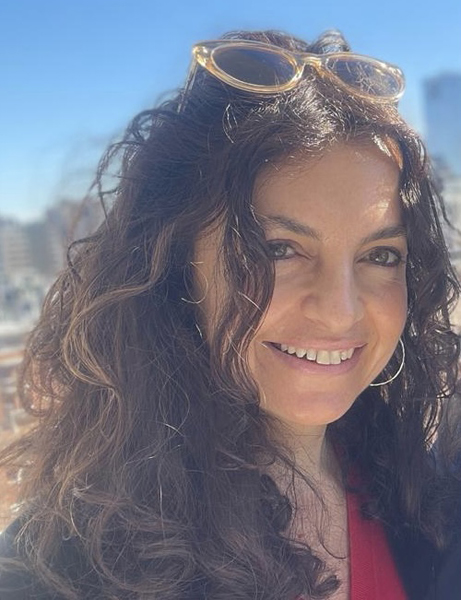
Regina Ragan is a Professor in the Department of Materials Science and Engineering at the Samueli School of Engineering, University of California, Irvine. Her research focuses on nanomaterials, self-assembly, and surface-enhanced Raman scattering (SERS) for applications in optical communication, energy systems, and biomedical diagnostics. Education: Ph.D. in Applied Physics, California Institute of Technology, 2002 M.S. in Applied Physics, California Institute of Technology, 1998 B.S. in Materials Science and Engineering, University of California, Los Angeles, 1996 Her work integrates scanning probe microscopy and first-principles calculations to study thermodynamic driving forces in self-assembly and structure-function relationships. Recent publications highlight applications in antimicrobial susceptibility testing, environmental monitoring, and plasmonic device fabrication. The Ragan group develops low-cost diagnostic tools using SERS for telemedicine applications. Current lab members include graduate students and postdoctoral researchers working on nanoscale systems from atomic to mesoscale. Scientific Awards: NSF CAREER Award for fundamental studies of biological/inorganic interfaces Research Trends: Recent articles show a focus on SERS-based diagnostics, plasmonic nanoantennas, machine learning-assisted spectral analysis, and scalable synthesis of 3D graphene architectures. Subfields span quantum plasmonics, stress-activated materials, and biofilm monitoring.
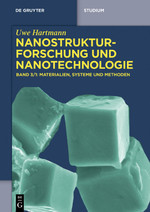
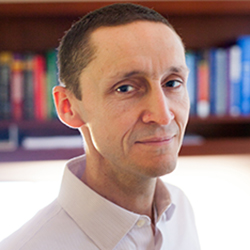
Prof. Dr. Uwe Hartmann is a faculty member and Chair Holder at Saarland University, affiliated with the Institute of Experimental Physics within the Faculty of Natural Sciences and Technology. His research group specializes in nanostructure research and nanotechnology, with a strong focus on instrumentation, nanofabrication, and quantum systems. He is based in Building C6.3, Saarbrücken, Germany. His research interests lie at the intersection of physics and engineering, particularly in nanotechnology , scanning probe microscopy , quantum device characterization , and nanofabrication . His work spans fundamental investigations of nanostructures to applied developments in microsystem technology and industrial nanomanufacturing. He has contributed significantly to cleanroom technologies, surface physics, and the transition from micro- to nanoscale systems. The recent publications highlight a strong thematic focus on enabling technologies for nanoscale science, including instrumentation (e.g., atomic force microscopy), fabrication methods, and analysis of quantum and metallic nanostructures. The research demonstrates a consistent trajectory toward understanding and manipulating matter at the nanoscale for both scientific and industrial applications. Scientific Awards: No awards explicitly mentioned in the provided text. Prof. Hartmann actively supervises doctoral and diploma students, indicating a strong commitment to academic mentoring. His group includes PhD students and scientific staff, suggesting ongoing research projects and potential grant funding, although specific grants are not listed. He has led a long-standing research group with technical staff supporting experimental work, indicating a well-established laboratory infrastructure focused on experimental physics and nanotechnology development. Laboratory and Team: The working group includes scientific staff (e.g., Dr. Haibin Gao), PhD and diploma students, and technical staff (electronics engineers, mechanics, workshop heads), forming a multidisciplinary team capable of both theoretical and hands-on experimental research in nanotechnology. The presence of a dedicated workshop and technical personnel underscores the practical, device-oriented nature of the research.
Cesare Franchini is a full Professor at the University of Vienna's Faculty of Physics, leading the Computational Materials Physics research group. His work focuses on theoretical understanding and computational modeling of quantum materials using first principles methods, particularly VASP. He maintains an active research program with numerous postdocs, PhD students, and collaborations across multiple institutions including the University of Bologna. Professor Franchini's research centers on quantum materials with many interacting degrees of freedom (lattice, spin, and electron orbital) that enable novel electronic and magnetic phases. His specific interests include metal-insulator transitions, polaron physics (electron-phonon interactions), non-collinear spin orderings, topological Dirac/Weyl phases, multiferroism, and superconductivity. He has increasingly incorporated machine learning data-driven tools and diagrammatic Monte Carlo techniques into his computational approaches. Analysis of his recent publications (2024-2025) reveals a strong focus on polaron physics across multiple material systems, with significant work on hematite, titanium dioxide, and quantum paraelectrics like KTaO3. His research increasingly integrates machine learning with traditional first-principles methods, particularly for studying hydrogen diffusion, surface science phenomena, and electronic structure calculations. There's also substantial work on single-atom catalysis and the application of advanced computational techniques to understand fundamental charge transport mechanisms in energy materials. Professor Franchini actively supervises numerous PhD students and postdocs, including Andrea Angeletti, Viktor Birschitzky, Lorenzo Celiberti, and several others working on diverse aspects of computational materials physics. He leads or participates in major research projects including TACO (Taming Complexity in Materials Modeling), DCAFM (Doctoral College Advanced Functional Materials), and the recently launched Spin-orbit entangled anharmonic polarons project. His group maintains strong collaborations with experimentalists at Charles University, Technical University of Vienna, and other international institutions.
François Peeters is a Full Professor of Physics at the University of Antwerp, Belgium, holding the position since 2000 (with Dutch title 'gewoon hoogleraar' since 2003). He previously served as Research Director (FWO-VI) at the University of Antwerp (1996-1999), Research Leader (NFWO) (1992-1996), and Senior Research Assistant (NFWO) (1988-1992), establishing a distinguished academic career spanning over three decades. His educational background includes a Ph.D. in Physics from the University of Antwerp (1982), followed by a Habilitation (Hoger aggregaat) from the same institution (1987), and a postdoctoral fellowship at Bell Laboratories in Murray Hill, New Jersey (1982-1983). His academic journey also featured research periods at prestigious institutions including the High Magnetic Field Laboratory in Grenoble, University of California Berkeley, Oxford University, and several Brazilian and Australian universities. Peeters' research focuses on theoretical condensed matter physics , specializing in the electronic, optical, and magnetic properties of nanostructured systems. His work encompasses semiconductors , superconductors , graphene , and hybrid quantum systems , with particular emphasis on strong correlations in both classical (colloids, dusty plasma) and quantum (quantum dots) environments. His theoretical frameworks bridge fundamental quantum mechanics with practical nanotechnology applications, driving innovations in spintronics and quantum device design. Analysis of his publication record reveals a clear evolution from foundational work on polaron physics and quantum Hall systems in the 1980s-1990s toward contemporary research on graphene, topological materials, and programmable quantum nanodevices. His most cited works demonstrate consistent leadership in mesoscopic physics, with recent publications showing increased focus on spin-dependent transport phenomena and two-dimensional material systems. His scientific recognition includes: Fellowship in the American Physical Society (2005) APS Outstanding Referee award (2008) Doctor Honoris Causa from University of Szeged, Hungary (2009) Peeters has supervised 26 completed PhD theses and currently leads the Condensed Matter Theory research group comprising 3 ZAP researchers, 16 PhD students, and 8 postdocs. His grant portfolio includes coordination of an EU Marie Curie Training site on 'Electrons on helium', participation in multiple EU projects, COST actions, and ESF networks, demonstrating sustained success in securing competitive international funding. The Condensed Matter Theory group maintains extensive international collaborations, evidenced by Peeters' research visits to over 10 institutions worldwide and regular hosting of 3-4 international visitors at postdoc or professorial levels. The group's output of over 770 refereed publications with 12,000+ citations reflects its position at the forefront of theoretical condensed matter physics research.
John Heron is an Associate Professor in the Department of Materials Science and Engineering at the University of Michigan. His research focuses on epitaxial growth of complex oxide thin films and heterostructures to engineer new electronic phenomena for next-generation devices. B.S. in Physics, University of California, Santa Barbara (2007) M.S. in Materials Science and Engineering, University of California, Berkeley (2011) Ph.D. in Materials Science and Engineering, University of California, Berkeley (2013) His work explores ferroic materials like (anti)ferromagnets and (anti)ferroelectrics, utilizing techniques such as X-ray diffraction, scanning probe microscopy, and magnetotransport measurements. The Ferroelectronics Lab (http://ferroelectronicslab.com) employs in-situ transfer systems for high-quality oxide and metal growth. Recent publications emphasize magnetoelectric switching, entropy-stabilized oxides, and spintronic devices. Current teaching includes MSE500 Materials Physics and Chemistry. No explicit scientific awards or students are listed in the provided texts.
Daniel Vanmaekelbergh is a Professor in the Department of Chemistry at Utrecht University, where he leads research in the Condensed Matter and Interfaces group within the Debye Institute for Nanomaterials Science. His academic career spans over two decades with continuous contributions to nanomaterials science and semiconductor physics. Professor Vanmaekelbergh's research focuses on the fundamental properties of semiconductor nanocrystals, quantum dots, and artificial electronic lattices. His work bridges theoretical and experimental approaches to investigate electron transport, quantum confinement effects, and the optical properties of nanoscale materials. He has made significant contributions to understanding the formation mechanisms of nanocrystal superlattices, the electronic structure of artificial honeycomb lattices, and the dynamics of excitons in confined systems. His research group, known as the Vanmaekelbergh Lab, employs advanced techniques including scanning tunneling spectroscopy, electron microscopy, and optical spectroscopy to probe nanoscale phenomena. Analysis of his recent publications reveals a strong emphasis on the physics of quantum-confined systems, particularly in lead chalcogenide and cadmium selenide nanocrystals. His work explores the relationship between nanocrystal structure and electronic properties, with applications in optoelectronics and quantum technologies. Recent research has focused on oriented attachment processes, artificial quantum systems with fractal geometries, and the fundamental limits of light-matter interactions in nanoscale materials. Professor Vanmaekelbergh has established a productive research program with numerous collaborations across the Netherlands and internationally. His work has been published consistently in high-impact journals including Nature Physics, Nano Letters, and ACS Nano, demonstrating the significance of his contributions to the field of nanomaterials science.
Keith A. Brown is an Associate Professor in Mechanical Engineering at Boston University's College of Engineering with additional appointments in Materials Science & Engineering and Physics. He serves as Associate Chair for Graduate Programs in ME and leads the interdisciplinary KABLab research group. Education: PhD, Harvard University Dr. Brown's research centers on hierarchical soft matter systems including polymers and smart fluids. His group develops innovative approaches to accelerate materials research through nanocombinatorics , autonomous experimentation , and scanning probe lithography . Key focus areas include connecting nanoparticle properties to bulk smart fluid behavior, designing 3D-printed structures with programmed mechanics, and creating self-driving laboratories for materials discovery. His recent publications (2024-2025) demonstrate a strong emphasis on autonomous experimentation systems integrating machine learning with physical research. This work spans energy-absorbing foam design, nanoscale fluid manipulation, and physics-informed modeling for mechanical systems, establishing new paradigms in accelerated materials development. Scientific Awards: The Early Career Research Excellence Award, College of Engineering, 2021 Professor of the Year, Mechanical Engineering, 2020 Frontiers of Materials Award, The Minerals Metals and Materials Society (TMS), 2020 Dean’s Catalyst Award (2018) Dean’s Catalyst Award (2020) Moorman-Simon Interdisciplinary Career Development Professor, 2016 Dr. Brown teaches undergraduate courses including Fluid Mechanics (ME 303), Introduction to Materials (ME 306), and Nanomanufacturing (ME/MS 576). His research is supported by: Federal Grants : AFOSR MURI, NSF Nanomanufacturing, ACS Petroleum Research Fund Foundations : Gordon and Betty Moore Foundation Industry : Google Faculty Research Award University : BU Dean's Catalyst Award, Nanotechnology Innovation Center The KABLab employs interdisciplinary teams to develop novel instrumentation for hierarchical soft matter research, with particular expertise in autonomous experimentation platforms that combine scanning probe techniques with machine learning for accelerated materials discovery.
Lincoln J. Lauhon is a Professor of Materials Science and Engineering at Northwestern University. His research focuses on nanoscale structure-property relationships in low-dimensional materials, emphasizing synthesis, characterization, and device applications. He leads the Lauhon Research Group, which explores nanowires, 2D semiconductors, and heterostructures for quantum computing, high-power electronics, and energy conversion. Lauhon holds significant recognition including the Camille Dreyfus Teacher-Scholar Award (2008) and National Science Foundation CAREER Award (2005). His work bridges fundamental materials science with practical technologies through advanced microscopy and modeling techniques. Education: Postdoc in Chemistry at Harvard University, Ph.D. in Physics from Cornell University, and B.S. in Physics (Honors) from the University of Michigan. Research interests span nanowire synthesis, 3D nanotomography, scanning probe microscopy, and computational modeling. Current projects include III-As-Sb nanowire networks for quantum computing, GaN diodes for power electronics, and ferroelectric 2D materials. Lauhon's lab emphasizes collaboration across disciplines, with contributions to high-impact journals like Science Advances and Nano Letters . Awards highlight his dual excellence in teaching and research, including the Teacher of the Year award (2006). Professional service includes leadership roles in the Materials Research Society and organizing conferences on electronic materials. His team's innovations include novel nanomaterial synthesis methods and device architectures, with applications in computing, energy, and optoelectronics. The group actively engages in graduate and undergraduate training, fostering future leaders in nanotechnology.
Rupert Huber is a Professor at the Department of Experimental and Applied Physics, University of Regensburg, where he has held a chair since 2010. His research focuses on ultrafast quantum phenomena, terahertz science, and lightwave electronics, with a strong emphasis on nanoscale imaging and quantum materials. He leads the Huber group, which has launched the ERC project 'Orbital Cinema' and produced numerous high-impact publications in journals like Nature and Nano Letters . Chair for Experimental and Applied Physics, University of Regensburg (2010–present) Emmy Noether Group Leader, University of Konstanz (2007–2010) Alexander von Humboldt Fellow, UC Berkeley/Lawrence Berkeley National Lab (2004–2006) His research explores terahertz spectroscopy , quantum materials , and ultrafast nanoscopy , often combining experimental innovation with theoretical insights. Recent work includes groundbreaking studies on exciton dynamics in van der Waals magnets and subcycle imaging of electron wave motion. The group’s publications frequently appear as coverstories in Nature Photonics and Nano Letters . Huber has received prestigious awards such as the Gottfried Wilhelm Leibniz Prize (2019) , ERC Starting Grant (2012) , and OSA Fellowship (2018) . He has supervised numerous Ph.D. and Master’s students, including recent awardees like Joshua Mornhinweg (faculty dissertation prize, 2024) and Josef Riepl (best tutor award, 2024).
Dr. Sanfeng Wu is Assistant Professor of Physics at Princeton University, where he leads a research group investigating quantum phenomena in two-dimensional materials. His laboratory explores topological materials, superconductivity, and quantum information processes in atomically thin systems. He is an associated faculty of the Princeton Materials Institute and Princeton Quantum Initiative. Research focuses on: Quantum transport in topological materials Superconductivity in two-dimensional systems Moiré engineering of quantum phases Ultralow-temperature spectroscopy techniques Excitonic insulators and correlated states Publication analysis reveals predominant themes: Topological quantum materials (40%) Two-dimensional superconductivity (30%) Quantum transport phenomena (20%) Advanced characterization methods (10%) with recent work advancing understanding of unconventional superconductivity. Honors include: Sloan Research Fellowship (2023) AFOSR Young Investigator Award (2023) Moore Foundation EPiQS Award (2023) He advises doctoral students Haosen Guan, Yanyu Jia, and Yue Tang. His laboratory develops novel cryogenic and nanofabrication techniques for probing quantum phenomena in 2D materials.
Cameron L. Bentley is a Senior Lecturer in the School of Chemistry at Monash University, Australia. He holds a PhD in Chemistry from Monash University (2015), focusing on electroanalysis in ionic liquids. After completing his doctorate, he worked at the University of Warwick (UK) through prestigious fellowships including Endeavour, Marie Skłodowska-Curie, and Ramsay Memorial. In November 2020, he returned to Monash to lead an independent research group funded by a DECRA Fellowship. Affiliations: School of Chemistry (Monash University), Warwick Electrochemistry and Interfaces Group (former) Research Focus: Nanoscale electrochemistry, electrocatalyst design for renewable energy (water splitting, CO₂ reduction), and single nanoparticle electrochemistry. Bentley’s research innovatively combines scanning electrochemical cell microscopy (SECCM) with correlative microscopy/spectroscopy to study structure-activity relationships in electrochemical materials. Key projects include nanoscale imaging of water-splitting electrodes and developing platforms to probe individual nanoparticles for battery materials. Research Outputs: Over 77 publications since 2013, with recent focus on SECCM advancements, electrocatalyst optimization, and nanoscale reaction imaging. His work addresses pressing challenges in renewable energy storage and nanomaterials. Awards: A.M. Bond Medal (2023), Early Career Analytical Electrochemistry Prize (ISE Division 1, 2020) Grants: ARC DECRA Fellowship, CSIRO collaboration (2023–2027) He supervises PhD students in nanoscale reaction imaging and single nanoparticle electrochemistry, requiring competitive scholarships for international candidates.
Robert C. Dunn is a Professor in the Department of Chemistry at the University of Kansas, where he leads an active research group focused on developing novel optical and spectroscopic techniques for chemical and biological analysis. His laboratory specializes in single-molecule detection methods, high-resolution microscopy, and advanced capillary electrophoresis systems. Professor Dunn's research interests span analytical chemistry, biophysics, and nanotechnology. His group develops instrumentation including backscatter interferometry, near-field scanning optical microscopy, and scanning resonator microscopy to study biological systems at the nanoscale. Key research areas include membrane biophysics (investigating lipid domains and protein dynamics), nuclear pore complex function, and the development of ultrasensitive detection methods for clinical diagnostics and biochemical analysis. His recent publications demonstrate strong focus on miniaturized separation and detection platforms, particularly high-speed capillary electrophoresis systems integrated with novel optical detection schemes. Research trends show advancement towards point-of-care diagnostic tools, with innovations in refractive index sensing, femtoliter-volume detection, and label-free biosensing applications. Professor Dunn mentors graduate and undergraduate researchers in his group, with current students including Prabhavie Opallage (graduate student), Stanslaus M Kariuki (undergraduate), and Mei Ling Upp (undergraduate). His laboratory is developing new chemical analysis approaches using optical techniques including whispering gallery mode sensing, scanning resonator microscopy, and single-molecule fluorescence imaging.
Nabil Bassim is an Associate Professor in the Department of Materials Science and Engineering at McMaster University and serves as Scientific Director of the Canadian Centre for Electron Microscopy (CCEM). His research focuses on advanced electron microscopy techniques, ion microscopy, nanofabrication, and beam-sample interactions, applied to nanomaterials, 2D materials, and structural materials like concrete and alloys. He holds a B.S. in Mechanical Engineering from the University of South Florida, and M.Sc. and Ph.D. degrees from the University of Florida. Research interests include: Development of novel electron/ion microscopy techniques Nanomaterial synthesis and characterization Beam-induced damage and doping mechanisms Structural materials analysis Machine learning optimization for microscale processes Recent publications demonstrate strong focus on semiconductor characterization, nanomaterials synthesis, and advanced microscopy techniques. Article trends highlight innovative approaches to nanoscale analysis, materials for energy applications, and correlative microscopy methods. As Faculty Lead for McMaster Engineering's Aerospace and Defense Initiative, Dr. Bassim coordinates interdisciplinary research. He co-founded the FIB-SEM User Meeting and teaches graduate courses in electron/ion microscopy characterization techniques.
Elisa Riedo is a tenured Professor of Chemical and Biomolecular Engineering at New York University (NYU) Tandon School of Engineering, with joint appointments as Professor of Physics in NYU’s College of Arts and Science and as affiliated Professor of Mechanical Engineering at Tandon. She serves as Director of Faculty Development at NYU Tandon and has held prior tenured positions at Georgia Tech (2003–2015) and CUNY ASRC (2015–2018). Her academic career spans over two decades, with a Ph.D. in Physics from the University of Milano (2000) and postdoctoral work at EPFL. Her research focuses on nanotechnology , graphene and 2D materials , and thermal scanning probe lithography (tSPL) , with applications in biomedical diagnostics quantum electronics electromagnetic interference shielding mechanical reinforcement of materials She pioneered tSPL for sustainable nanofabrication and discovered diamene—a single-layer diamond structure from graphene under pressure. Her recent work involves transparent infrared electrodes using silver nanowires (2025) and self-organized graphene stacking domains for quantum technologies (2024). She has secured major grants from National Science Foundation , Department of Defense , and Army Research Office . Scientific honors include: 2023 NYU Tandon Excellence in Research Award 2013 American Physical Society Fellow 2005 CREA Innovation Award Membership in the Academy of Europe (2023) She contributes to editorial boards for journals like 2D Materials and Applications and advises companies such as Mirimus Inc. and SwissLitho AG .
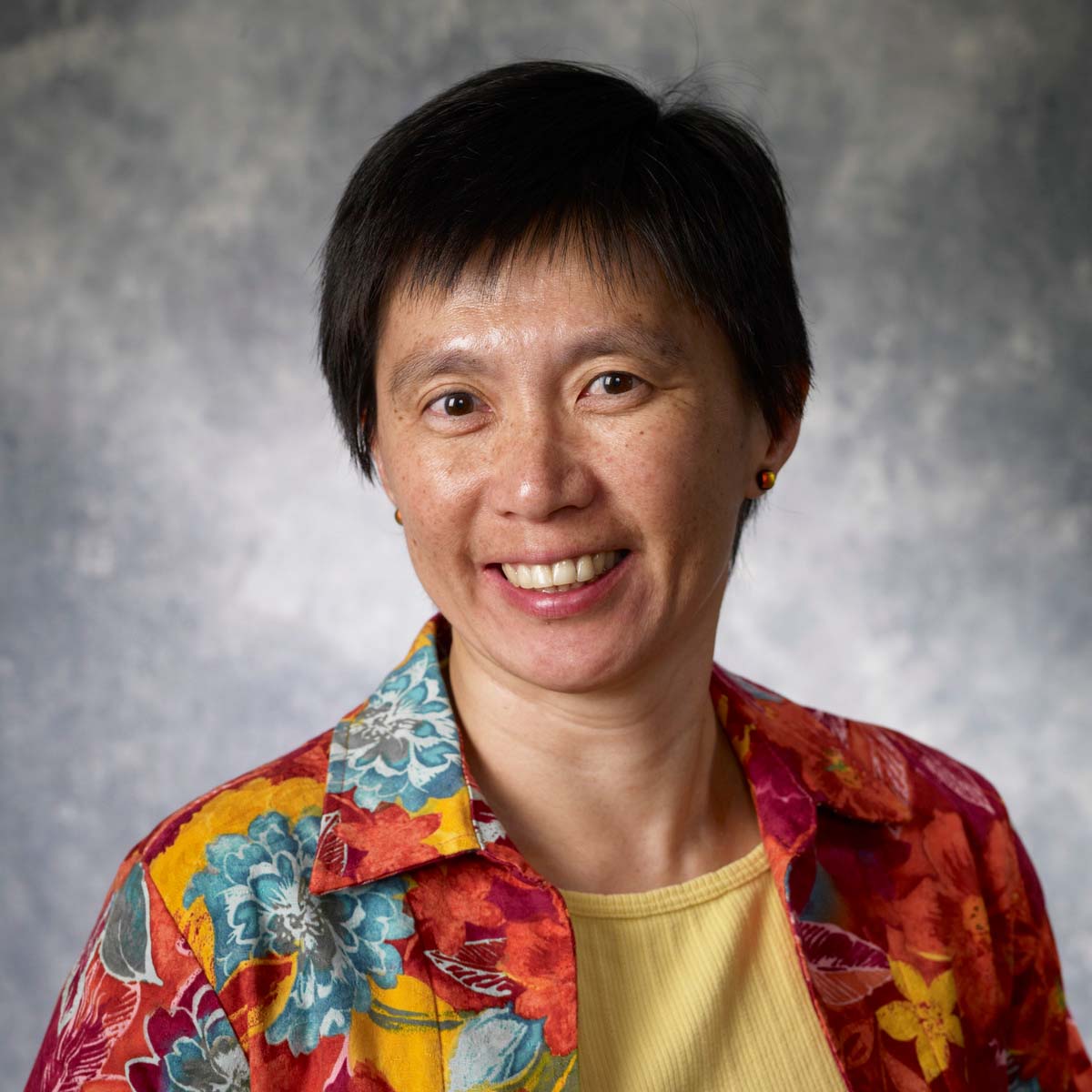
Dr. Julia W. P. Hsu serves as Professor of Materials Science and Engineering and holds the Texas Instruments Distinguished Chair in Nanoelectronics at The University of Texas at Dallas within the Erik Jonsson School of Engineering and Computer Science. Appointed in 2010, her research is supported by the Southwest Academy of Nanoelectronics (SWAN) initiative. Her educational background includes a bachelor's degree in chemical engineering from Princeton University (1985) and master's/doctorate degrees in physics from Stanford University (1987, 1991). Dr. Hsu specializes in nanoscale materials physics , focusing on characterization of electronic and photonic materials through scanning probe techniques. Her work investigates chemical, structural, and electrical properties at dissimilar material interfaces—such as metal-organic junctions—and addresses interfacial challenges in organic/hybrid solar cells for lightweight mobile power applications. She emphasizes that advancing interface knowledge requires new theoretical models with significant implications for next-generation electronic and optical devices. American Physical Society Apker Award National Science Foundation Young Investigator Award Sloan Foundation Research Fellowship Fellow of American Physical Society (2001) Fellow of AAAS (2007) Fellow of MRS (2011) Her research leverages UT Dallas' Cleanroom Research Laboratory and Natural Science and Engineering Research Laboratory facilities. She actively mentors students—including those balancing full-time work with advanced degrees—and has held leadership roles in the Electronic Materials Conference, APS Division of Materials Physics Executive Committee (2004-2007), and MRS Board of Directors (2005-2007). The Texas Instruments Distinguished Chair (established 2007) supports her SWAN-aligned research in nanoelectronics. Dr. Hsu previously worked at Sandia National Labs' Center for Integrated Nanotechnologies and served on the editorial board of Solid State Communications.