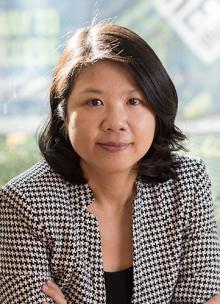
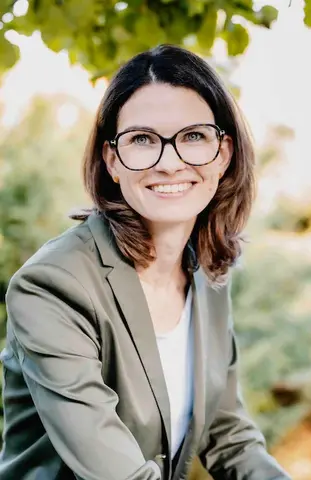
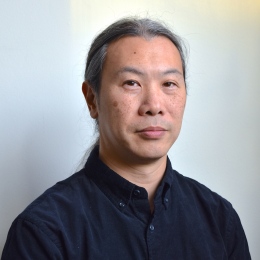
Ying-Yi Chih is a Professor of Project Management at the Research School of Management, Australian National University (ANU) , and serves as the Associate Dean (Students and Industry Experience) for the College of Business and Economics. Her research focuses on project management, public-private partnerships (PPPs), value co-creation in projects, and employee well-being in project-based environments like the construction industry. She has published extensively in journals such as International Journal of Project Management and Journal of Construction Engineering and Management , with funding from government and industry sources. Education: PhD in Project Management Research Interests include: Infrastructure Project Planning and Management Public-Private Partnerships (PPPs) Value Co-Creation in Professional Services Employee Psychological Well-being and Performance Management Recent Publications highlight trends in green innovation, crisis resilience, leadership dynamics, and technology adoption in construction and project management. Her work bridges theoretical frameworks with practical applications in the AEC (Architecture, Engineering, Construction) industry and public sector projects. Editorial Roles: Associate Editor for Journal of Management in Engineering and Editorial Board member for Journal of Vocational Behavior . Research Projects have explored value co-creation, international development projects, and performance management in multi-project environments, with collaborations across Australia, Taiwan, Vietnam, and the Philippines.
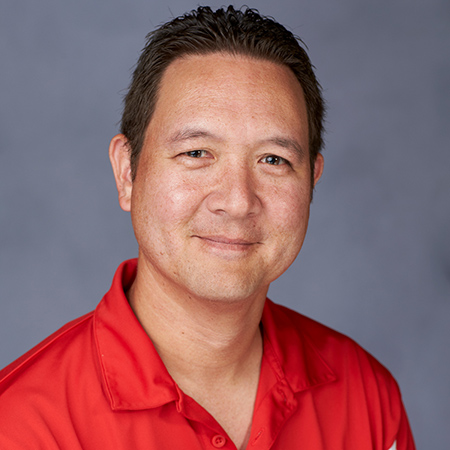
Dr. Joshua Brinkerhoff is an Associate Professor in Mechanical Engineering at the University of British Columbia Okanagan Campus. He serves as the Associate Director for Research & Industrial Partnerships in the School of Engineering and leads the UBC-Okanagan Computational Fluid Dynamics Laboratory. His research spans computational fluid dynamics, turbomachinery, multiphase flows, hydrogen safety, wind energy, and biofluid mechanics. He teaches courses in mechanics of materials, alternative energy systems, turbulence, computational fluid dynamics, and aircraft design. PhD, Aerospace Engineering (Carleton University, Ottawa, ON) BEng, Aerospace Engineering (Carleton University) Dr. Brinkerhoff’s research interests include: Computational Fluid Dynamics (CFD) for laminar-to-turbulent transition and instability analysis Wind energy systems and turbine aerodynamics Hydrogen storage and safety protocols for transportation Biofluid mechanics for respiratory diseases and aneurysm modeling Multiphase flows in industrial and environmental contexts His publications focus on CFD simulations for: Aerosol dispersion and mitigation in indoor environments Wind farm interactions and atmospheric gravity waves Cavitation and phase transitions in cryogenic and LNG systems Heat transfer optimization in industrial and thermal systems Instability dynamics in buoyancy-driven and swept flows Turbulent structures in fluidized beds and reactors Dr. Brinkerhoff has no listed scientific awards in the provided data but has extensive contributions to renewable energy, hydrogen safety, and medical fluid dynamics. His laboratory develops open-source tools like TOSCA for large-eddy simulations and investigates practical applications in urban air quality, dental aerosol control, and turbine wake modeling.
Dr. Louise Willingale is an Associate Professor in the Department of Electrical Engineering and Computer Science at the University of Michigan. Specializing in high-intensity laser-plasma interactions, she leads experimental research at facilities including the ZEUS laser system and OMEGA EP. Her work combines experimental diagnostics with numerical modeling to advance understanding of relativistic plasma physics and ion acceleration mechanisms. Education: PhD in Physics from Imperial College London (2007) Research Focus: Investigates relativistic laser-plasma interactions through ion acceleration, magnetic field generation, and direct laser acceleration of electrons. Her work spans underdense/near-critical density plasmas, shock formation physics, and extreme electromagnetic field generation in laboratory astrophysics contexts. Recent Publication Trends: 2024-2025 studies emphasize ZEUS laser facility development, optimization of acceleration mechanisms (direct laser acceleration, wakefield acceleration), and magnetic field dynamics in multi-PW laser-solid interactions. Common subfields include collisionless shocks, radiation-driven plasma instabilities, and advanced diagnostics for relativistic charge particles. Labs & Collaborations: Affiliated with the Center for Ultrafast Optical Science (CUOS) and the Center for High-Energy-Density Laboratory Astrophysics Research (CHEDAR), working closely with the ZEUS laser facility team.
Professor Gideon James Grogan is a distinguished academic at the University of York, holding a position in the Department of Chemistry within the Faculty of Sciences. With expertise spanning structural and applied enzymology, he leads research at the intersection of chemistry and biology, developing novel biocatalysts for sustainable chemical synthesis and pharmaceutical applications. Professor Grogan's research focuses on the identification, characterization, and application of enzymes with biotechnological potential. His work encompasses: Oxygenases including P450s, flavoprotein monooxygenases, and peroxygenases Reductases such as ketoreductases (KREDs), imine reductases (IREDs), and reductive aminases (RedAms) Lyases catalyzing asymmetric hydration of alkenes Ligases for amide bond formation His multidisciplinary approach integrates synthetic chemistry, microbiology, molecular biology, and X-ray crystallography to engineer enzymes using in vitro evolution techniques. Recent research has yielded significant advances in biocatalytic pathways for chiral pharmaceutical precursors and renewable material processing. Professor Grogan's publication record demonstrates consistent innovation in biocatalysis, with recent work focusing on peroxygenase applications, reductive amination technologies, and enzyme engineering for improved catalytic properties. His research shows strong trends in developing sustainable enzymatic routes for pharmaceutical synthesis, with particular emphasis on stereoselective transformations and cascade reactions. Professor Grogan has received significant research funding through major grants from: BBSRC (Biotechnology and Biological Sciences Research Council) EPSRC (Engineering and Physical Sciences Research Council) He actively supervises PhD students and collaborates extensively both within the University of York and internationally. His work bridges the Departments of Chemistry and the York Structural Biology Laboratory (YSBL), leveraging state-of-the-art facilities for organic synthesis, protein expression, and structural analysis. Professor Grogan maintains strong industry connections, translating fundamental research into practical applications for pharmaceutical and chemical manufacturing. His current projects include sustainable production of menthol enantiomers, development of native amine dehydrogenases for chiral amine synthesis, and discovery of securinine alkaloid biosynthesis pathways.
Christopher Lawson is an Assistant Professor in the Department of Chemical Engineering and Applied Chemistry at the University of Toronto, affiliated with the Faculty of Applied Science and Engineering. He serves as Principal Investigator of the Microbiome Engineering Lab and is part of BioZone – the Centre for Applied Bioscience and Bioengineering. His research focuses on engineering anaerobic microbiomes for resource recovery from waste streams using systems biology, synthetic biology, and machine learning approaches. B.A.Sc., M.A.Sc. (University of British Columbia) Ph.D. (University of Wisconsin-Madison) Postdoctoral Training (Berkeley Lab) Lawson's work addresses the challenge of controlling complex microbial interactions in engineered systems to enable scalable biotechnologies for renewable energy, chemicals, and materials. His lab develops high-throughput methods integrating automation and computational tools to optimize microbiome assembly and metabolic fluxes. Recent publications highlight advancements in metabolic modeling , isotope tracing , and systems-level analysis of anaerobic microbiomes, with applications in wastewater treatment , anammox granules , and bioenergy production . His research bridges fundamental microbiology with industrial-scale bioprocess engineering. Scientific Awards ISME/IWA BioCluster Rising Star Award (2022) Jacobs Engineering Group/AEESP Outstanding Doctoral Dissertation Award (2020) Wesley Eckenfelder Graduate Research Award (2019) WEF Canham Graduate Studies Scholarship (2018) NSERC Post-Graduate Scholarship – Doctoral (2014) Lawson actively mentors students and postdocs, emphasizing technical rigor, communication skills, and independence. His lab collaborates within BioZone and with industry partners to advance "team science" principles. Current projects focus on creating engineered microbiomes for commercial-scale waste valorization.
Dr. James W. Navalta is an Associate Professor in the Department of Kinesiology and Nutrition Sciences at the University of Nevada, Las Vegas. His research focuses on physiological responses to outdoor exercise (hiking, trail running) and the validity/reliability of wearable technology. He earned his B.S. in Physical Education and Biology from Brigham Young University–Hawaii, M.S. in Kinesiology from UNLV, and Ph.D. in Exercise Physiology from Purdue University. Education: B.S. - Physical Education & Biology, Brigham Young University–Hawaii M.S. - Kinesiology, University of Nevada, Las Vegas Ph.D. - Exercise Physiology, Purdue University His research portfolio includes: Wearable technology validation for physiological measurements Comparative studies of indoor vs outdoor exercise environments Impact of gender-inclusive approaches on sports science Metabolic and cardiovascular responses to unconventional workouts Psychological benefits of nature immersion Recent publications demonstrate expertise in: Wearable device accuracy testing VO2max and lactate threshold validation Environmental influence on exercise physiology Methodological improvements in data collection Gender-inclusive research design Outdoor activity impact assessment As co-founder and executive editor of the International Journal of Exercise Science, he contributes significantly to academic discourse. He also serves on editorial boards for journals related to digital health and exercise technology.
Roberto Navigli serves as an Associate Professor in the Department of Computer Science at Sapienza University of Rome, conducting pioneering research in Natural Language Processing. He holds editorial leadership positions including Associate Editor of the Artificial Intelligence Journal and membership on the Journal of Natural Language Engineering editorial board. His research program centers on multilingual semantic technologies, with foundational contributions to word sense disambiguation, ontology learning from unstructured text, and large-scale knowledge acquisition systems. Navigli's work bridges theoretical linguistics with practical applications in relation extraction and open information extraction, emphasizing cross-lingual capabilities and resource scalability. Publication analysis reveals a sustained focus on semantic resource development, evolving from early WordNet extensions (2003) to contemporary open knowledge extraction frameworks (2015). This trajectory demonstrates consistent innovation in transforming unstructured text into structured knowledge representations for multilingual applications. Major scientific recognition includes: Marco Cadoli 2007 AI*IA Prize for best doctoral thesis in AI Marco Somalvico 2013 AI*IA Prize for best young AI researcher ERC Starting Grant (2011-2016) for multilingual word sense disambiguation Google Focused Research Award on Natural Language Understanding Navigli directs significant research initiatives funded by competitive grants, including his ERC project and Google collaboration, while providing academic leadership through area chair roles at ACL, WWW, and *SEM conferences. His service as senior program committee member for IJCAI and editorial board positions underscores substantial community impact.
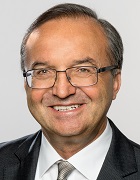
Prof. Dr.-Ing. Gerhard Müller is a Full Professor at the Chair of Structural Mechanics within the TUM School of Engineering and Design at Technical University of Munich (TUM). Since 2004, he has held this distinguished position, and since 2014, he has served as Executive Vice President for Academic and Student Affairs at TUM. His research focuses on structural dynamics and vibroacoustics, with specific expertise in dynamic soil-structure interaction, sound radiation analysis, and seismic risk assessment. Professorship: Structural Mechanics University: Technical University of Munich School: TUM School of Engineering and Design Department: Chair of Structural Mechanics in Civil Engineering Prof. Müller's research spans multiple domains, including: Structural Dynamics : Examining building and vehicle vibrations, seismic soil-structure interaction, and advanced model order reduction techniques Vibroacoustics : Investigating sound radiation from vibrating structures and developing acoustic metamaterials for noise control Computational Methods : Pioneering hybrid deterministic-statistical approaches, Wave Based Methods (WBM) for saturated elastodynamic structures, and parametric model order reduction His recent publications demonstrate expertise in: Wave propagation analysis in poroelastic media Bayesian parameter updating for structural models Acoustic metamaterials for vibration control Advanced numerical methods for seismic risk assessment Hybrid ITM-FEM approaches for soil-structure interaction Energy flow analysis in timber structures Awarded the Spindler Prize in 1984 , Prof. Müller also holds significant academic leadership roles: President of European Association for Structural Dynamics (EASD) Chairman of Bavarian-French University Center (BayFrance) Active member of ASIIN accreditation agency and Bavarian Chamber of Engineers Previously served as Dean of Civil Engineering and Surveying at TUM (2010-2014) He leads the Structural Dynamic Lab (formerly Vibroacoustics Lab) and has developed interactive web apps for engineering education. His work bridges theoretical advancements with practical applications in construction acoustics, transportation noise control, and geothermal energy infrastructure analysis.
Prof. Dr. Holger Kantz serves as Head of the research unit "Nonlinear Dynamics and Time Series analysis" at the Max Planck Institute for the Physics of Complex Systems in Dresden, Germany. He also holds an Adjunct Professorship (Honorprofessor) in Statistical Physics at the Institute of Theoretical Physics within the Department of Physics at the Technical University Dresden. Dr. Kantz's research spans multiple disciplines within nonlinear dynamics and statistical physics. His work focuses on time series analysis, nonlinear dynamics, stochastic processes, and complex systems. He has made significant contributions to understanding anomalous diffusion, extreme events prediction, and the statistical properties of chaotic systems. His research has applications in atmospheric science, climate modeling, power grid dynamics, and biological systems. Analysis of Dr. Kantz's recent publications reveals a strong interdisciplinary approach connecting statistical physics with climate science, energy systems, and scientometrics. His work demonstrates sophisticated applications of stochastic modeling to real-world complex systems, with particular attention to anomalous diffusion processes, extreme events, and predictability limits in chaotic systems. The publications show increasing methodological sophistication in handling nonstationary time series and developing predictive models for rare events. Dr. Kantz leads a research group focused on nonlinear dynamics and time series analysis at the Max Planck Institute. His work has significant implications for understanding and predicting complex phenomena across multiple scientific domains, from climate dynamics to power grid stability, with practical applications in risk assessment and system reliability.
Cornelia Betsch serves as Director of the Institute for Planetary Health Behaviour (IPB) at the University of Erfurt, where she holds a professorship in Health Communication within the Faculty of Philosophy. She is responsible for the Master's program in Health Communication through the Department of Media and Communication Studies and leads the Health Communication Working Group at the Bernhard Nocht Institute for Tropical Medicine in Hamburg as an external position. Her interdisciplinary work bridges behavioral science, psychology, and public health to address critical global challenges. Habilitation (2006), University of Erfurt: 'The role of risk perception and risk communication in prevention decisions – the example of vaccination decisions' PhD (Dr. phil., summa cum laude, 2006), University of Heidelberg: 'Preference for intuition and deliberation– measurement and consequences of affect- and cognition based decision making' Diplom in Psychology (2002), University of Heidelberg Betsch's research focuses on understanding health and planetary health behaviors, particularly examining vaccination behavior, prudent antibiotic use, and climate-friendly actions. Her work extends globally, with investigations in various African countries on vaccination and antibiotic practices. She pioneered the influential COVID-19 Snapshot Monitoring (COSMO) and subsequently developed the Planetary Health Action Survey (PACE), large-scale studies that regularly track public knowledge, risk perception, protective behaviors, and trust during crises. Her research emphasizes applying behavioral and cultural insights to design effective policy frameworks and explanatory communication that promotes positive health behaviors. The 15 most recent articles showcase Betsch's research evolution toward integrating behavioral science with planetary health, climate action, and vaccine communication. Her work increasingly examines the psychological foundations of climate behavior while maintaining her established expertise in vaccine hesitancy and antimicrobial resistance. Recent publications demonstrate methodological diversity, including systematic reviews, meta-analyses, survey experiments, and large-scale monitoring datasets that bridge academic research with practical policy applications. German Psychology Prize (2021) Thuringian Research Prize (2022) Betsch has secured research funding from independent research organizations, ministries, and foundations to support her work on health communication and planetary health behavior. She serves as a scientific advisor to multiple organizations including the WHO Technical Advisory Group on Behavioral and Cultural Insights, Science Media Center Germany, and Museum für Naturkunde Berlin. At the Bernhard Nocht Institute for Tropical Medicine, she established the WHO Collaborating Center for Behavioral Research in Global Health, demonstrating her commitment to translating research into global health practice. Her engagement extends to policy advising, having served on the Corona Expert Council of the Federal Chancellery during the pandemic. As Director of the Institute for Planetary Health Behaviour, Betsch leads an interdisciplinary team applying social and behavioral science perspectives to planetary health and the climate crisis. The institute serves as a hub for research, education, and science communication at the intersection of human health and environmental sustainability. Her work through the IPB emphasizes Open Science principles and aims to understand the comprehensive factors influencing climate-friendly behavior to identify effective intervention points for policy development.
Dr. Donald Addington serves as a Clinical Professor in the Department of Psychiatry at the University of Calgary's Cumming School of Medicine, with full memberships at the Hotchkiss Brain Institute and Mathison Centre for Mental Health Research and Education. His academic career spans over 50 years, focusing on transforming mental health service delivery for schizophrenia and early psychosis through evidence-based tools and standards. His educational credentials include: MBBS in Medicine, University of London (1972) MRCPsych in Psychiatry, Royal College of Psychiatrists (1976) FRCPC in Psychiatry, Royal College of Physicians and Surgeons of Canada (1982) Dr. Addington's research integrates clinical psychiatry with health services evaluation to develop practical measurement systems. He pioneered internationally adopted instruments including depression assessment scales for schizophrenia and fidelity metrics for psychosis services, creating bridges between clinical practice, policy development, and funding mechanisms. His work establishes standardized approaches for evaluating mental health service accessibility, quality, and outcomes across diverse healthcare systems. His publication trajectory reveals consistent innovation in measurement science, evolving from the foundational Calgary Depression Scale (1990) to contemporary fidelity scales for early psychosis intervention (FEPS-FS/CHRP-FS). These works establish global benchmarks for service quality assessment, with applications spanning clinical practice guidelines, performance measurement, and cross-system outcome comparison through initiatives like the ICHOM Psychotic Disorders standard set. Dr. Addington's scientific recognition includes: Excellence in Clinical Teaching, PAIRA (1996) Leadership Award, Canadian Alliance on Mental Illness and Mental Health (2000) Gold Medal, Canadian College of Neuropsychopharmacology (2004) Michael Smith Award for Schizophrenia (2006) C.A. Roberts Award for Clinical Leadership (2011) Angelo Cocchi Award for Fidelity Implementation (2016) President’s Commendation, Canadian Psychiatric Association (2022) Dr. John M. Cleghorn Memorial Award (2024) He has secured major research funding from the National Institutes of Health, Canadian Institutes of Health Research, and Alberta Heritage Foundation for Medical Research. His leadership extends through 11 years as Department Chair of Psychiatry and two terms as Canadian Psychiatric Association Board Chair, mentoring generations of clinicians while developing tools implemented across Canadian provinces, US states, and European nations. Dr. Addington leads cross-institutional teams including the ICHOM Psychotic Disorders working group and large-scale implementation projects in Ontario, 32 US states, Czechia, and Italy. His current initiatives expand the FEPS-FS framework to clinical high-risk populations and bipolar disorder services while advancing patient-reported outcome measures for international service comparison.
Joe Pitt-Francis is Associate Professor of Computer Science and Tutorial Fellow in Computer Science at St Edmund Hall, University of Oxford . Since 1999 he has tutored Oxford computer-science students and formally became a Tutorial Fellow of St Edmund Hall in 2024. His research lies at the intersection of computational biology and mathematical biology . Using sophisticated numerical techniques he constructs and analyses models of the heart , cancer and blood flow . A central strand of his work is software development for biological simulation; he is an active contributor to Chaste ( Cancer, Heart and Soft-Tissue Environment ), a large-scale C++ library that supports multiscale computational models in physiology and medicine. Across more than 60 peer-reviewed publications since 1998, his work has progressively advanced from foundational software-engineering papers describing Chaste’s architecture to highly-cited studies on cardiac electrophysiology , tumour-induced angiogenesis , microvascular haemodynamics and cell-cycle dynamics under hypoxia . The 2024-2025 corpus shows strong emphasis on multiscale frameworks , open benchmarking , and radiotherapy-induced vascular remodelling , positioning his group at the forefront of translational in-silico oncology. Contact: Email: Joe.Pitt-Francis@seh.ox.ac.uk
Cheuk Wai Tai is a Senior Staff Researcher at Stockholm University's Department of Environmental and Materials Chemistry since 2009. He manages the transmission electron microscopes and sample preparation equipment at the Electron Microscopy Center and serves as Section Editor for the Journal of Electronic Materials. His work focuses on quantitative structure characterization in functional materials research, particularly within nanoscience and nanotechnology contexts. Education: Ph.D. in Applied Physics, The Hong Kong Polytechnic University, 2004 M.Phil. in Applied Physics, The Hong Kong Polytechnic University, 2001 M.Sc. in Physics, The Chinese University of Hong Kong, 1998 B.Sc. (Hons) in Engineering Physics, The Hong Kong Polytechnic University, 1997 Dip. in Mechanical Engineering (Computer Aided Engineering), Institute of Vocational Education (formerly Haking Wong Technical Institute), Hong Kong, 1992 His research centers on structure-property relationships in functional materials through advanced electron microscopy techniques. Current specializations include Pair Distribution Function (ePDF) & Diffuse Scattering, Energy Materials characterization, and EM sample preparation methodology development. The group maintains strong focus on translating structural data into functional performance metrics for nanomaterials. Recent publications (2013-2019) demonstrate consistent emphasis on electron microscopy applications for energy storage materials (batteries, photocatalysts) and functional ceramics. Key trends include structural disorder analysis in piezoelectrics, development of quantitative TEM methods like SUePDF, and nanoscale characterization of electrocatalyst surface phases. His work bridges materials chemistry with advanced imaging techniques. Scientific recognition includes: Fellow of The Royal Microscopical Society (U.K.) Senior Member of IEEE Marie Curie Fellowship (2007-2009) from European Commission Sir Edward Youde Memorial Fellowship (2003/2004) from Hong Kong S.A.R. Government He teaches Solid State Chemistry (KZ7003) and leads Introduction to Analytical Electron Microscopy (KZ8009), having previously taught Advanced Transmission Electron Microscopy (KZ8010) before 2011. Major grants supporting his work include: "Quantitative structural characterisation using 3D electron-based pair distribution function" (Swedish Research Council) "A Multidimensional Toolkit for Modern Electron Microscopy" (Swedish Foundation for Strategic Research) "Mitigating Ni-rich Li-ion cathode side-reactions" (Swedish Energy Agency, Co-applicant) He leads the Cheuk-Wai Tai group within Stockholm University's chemistry department and oversees operations at the Electron Microscopy Center, where his team develops and applies advanced characterization techniques for functional materials research.
Christian Enz is a Full Professor at École Polytechnique Fédérale de Lausanne (EPFL), where he serves as Director of the Institute of Microengineering and Head of the Integrated Circuits Laboratory. With M.S. and Ph.D. degrees in electrical engineering from EPFL (1984 and 1989), he has established himself as a leading researcher in low-power analog circuit design and semiconductor device modeling. His research interests focus on very low-power analog and RF IC design , semiconductor device modeling , and increasingly on cryogenic electronics for quantum computing applications . Professor Enz is particularly known for his work on FDSOI MOSFET behavior at cryogenic temperatures, developing comprehensive models that address challenges in subthreshold swing saturation, threshold voltage shifts, and self-heating effects. As a Life Fellow of IEEE with 282 publications and over 7,400 citations, Professor Enz has made significant contributions to the field. His recent work demonstrates how the $G_{m}/I_{D}$ design methodology remains effective in advanced technology nodes and can be extended to cryogenic temperature operation. His research bridges fundamental semiconductor physics with practical circuit design considerations for quantum computing interfaces. Life Fellow, IEEE Director of the Institute of Microengineering, EPFL Head of the Integrated Circuits Laboratory 282 publications with 7,400+ citations Specialist in cryogenic CMOS for quantum computing Professor Enz's work on cryogenic electronics addresses critical challenges for quantum computing scalability. By developing accurate models for transistor behavior at temperatures as low as 3.3K, his research enables the design of specialized control electronics that can operate inside dilution refrigerators, potentially solving major wiring constraints that currently limit quantum computer scaling. His laboratory continues to advance the understanding of semiconductor device physics at cryogenic temperatures while developing practical circuit design methodologies for this emerging application domain.
Dr. Philipp Porada is a Junior Professor of Ecological Modeling at the University of Hamburg, affiliated with the Department of Biology within the Faculty of Mathematics, Computer Science and Natural Sciences. He works at the Institute of Plant Sciences and Microbiology, specifically in the Applied Plant Ecology group, based at the Otto Warburg House. His research integrates process-based modeling with ecological field studies to investigate non-vascular vegetation, biogeochemical cycles, and climate-vegetation interactions across multiple temporal and spatial scales. Porada's research focuses primarily on non-vascular vegetation (bryophytes, lichens, and biocrusts), examining their role in global biogeochemical cycles, biodiversity-ecosystem functioning relationships, and paleoclimate dynamics. His work spans from contemporary ecosystem processes to geological time scales, with particular emphasis on the impacts of climate change on non-vascular communities. He has developed several process-based models including LiBry for lichen and bryophyte communities, LiDELS for soil-vegetation interactions, and LYCOm for early vascular plants. His research demonstrates how non-vascular vegetation influences carbon sequestration, water cycling, and soil processes across diverse ecosystems from urban forests to polar regions. Analysis of Porada's publication record reveals a strong interdisciplinary approach combining ecological theory, biogeochemistry, and computational modeling. His work spans multiple ecosystems including peatlands, drylands, urban forests, and coastal blue carbon systems. A consistent theme across his research is understanding how non-vascular vegetation mediates the relationship between environmental conditions and ecosystem functions. His most recent work increasingly focuses on climate change impacts and potential mitigation strategies through vegetation management. Porada leads two major research projects funded by the German Research Foundation (DFG): 'Effects of nutrient limitation on non-vascular vegetation under climate change' and 'The role of early plants for palaeoclimate dynamics'. These projects reflect his dual interest in contemporary environmental challenges and deep-time ecological processes. His collaborative work, evident in his extensive publication record with international researchers, demonstrates strong interdisciplinary connections across ecology, biogeochemistry, and climate science. Dr. Porada maintains an active research laboratory focused on ecological modeling, with particular expertise in non-vascular vegetation dynamics. His team develops and applies process-based models to address questions ranging from micro-scale lichen water relations to global biogeochemical cycles. The research group collaborates extensively with field ecologists, climate scientists, and biogeochemists to ground-truth model predictions and explore new ecological phenomena.