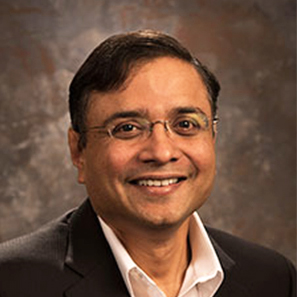
Sreejayan Nair is an Adjunct Professor at the School of Pharmacy , University of Wyoming. His research focuses on type-2 diabetes , insulin resistance , and cardiovascular complications associated with metabolic disorders. PhD in Pharmaceutical Sciences, Mangalore University (1991-1996) Post-doctoral training: Ludwig-Maximillians University (1997-1999), University of Tennessee Health Sciences Center (2000-02) His research investigates molecular mechanisms of insulin resistance using techniques like tissue culture, Western blotting, and adenoviral vectors. Key subfields include obesity , cathepsin K , endothelin-receptor-A , and AMPK-dependent autophagy . Recent studies highlight protease-mediated cardiometabolic dysfunctions and PTP1B inhibition as a therapeutic strategy . His scientific awards include: Fellow of the American Heart Association (FAHA) Fellow of the American College of Nutrition (FACN) AACP Academic Research Fellow Dr. Nair is Director of the Biomedical Sciences Graduate Program and has received grants from the NIH , American Diabetes Association , and American Heart Association .
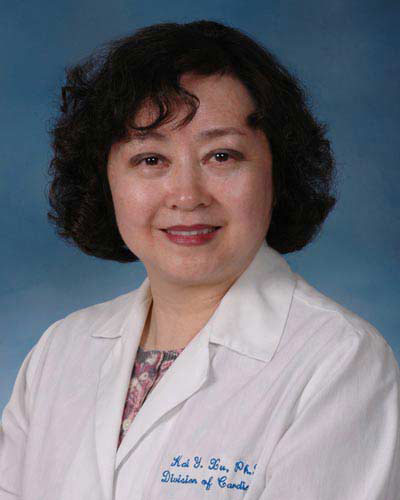
Kai Y. Xu serves as an Associate Professor in the Department of Surgery at the University of Maryland School of Medicine, with laboratory space at MSTF 434E. His translational research program bridges basic science and clinical applications, focusing on novel immunotherapeutic approaches for critical conditions. Dr. Xu's educational foundation includes: PhD in Biochemistry from University of California, San Diego (1988) Postdoctoral Researcher in Protein Chemistry at Harvard Medical School/Massachusetts General Hospital (1988) Postdoctoral Researcher in Molecular Biology at Yale University School of Medicine (1990) Instructor in Cardiology Biomedical Research at Johns Hopkins University School of Medicine (1992) His research centers on enzyme activator-based immunotherapy targeting heart failure, kidney failure, thrombosis, and diabetes. Dr. Xu's laboratory has pioneered innovative technologies to overcome clinical barriers through fundamental mechanistic studies of ion transport systems, particularly Na + ,K + -ATPase and calcium signaling pathways. This work integrates molecular cardiology, metabolic regulation, and therapeutic development to enhance human health outcomes. Analysis of his 20+ year publication record reveals consistent focus on Na + ,K + -ATPase function across cardiac, neuronal, and metabolic systems. His research evolved from foundational studies on calcium transport (1990s) to breakthrough enzyme activation mechanisms (2000s) and systemic energy regulation (2010s), demonstrating interdisciplinary integration of biochemistry, cardiology, and endocrinology. No scientific awards were mentioned in the provided text. The available documentation does not specify student mentorship activities or research grant funding details. Dr. Xu's laboratory operations appear centered on translational immunotherapy development, though specific team composition and collaborative structures remain undocumented in the source material. Dr. Xu leads an active research laboratory dedicated to discovering enzyme activator-based immunotherapies. His team investigates fundamental mechanisms of Na + ,K + -ATPase signaling to develop novel interventions for cardiovascular and metabolic diseases, with particular emphasis on improving clinical outcomes in heart failure, kidney failure, and thrombosis through rigorous therapeutic development.
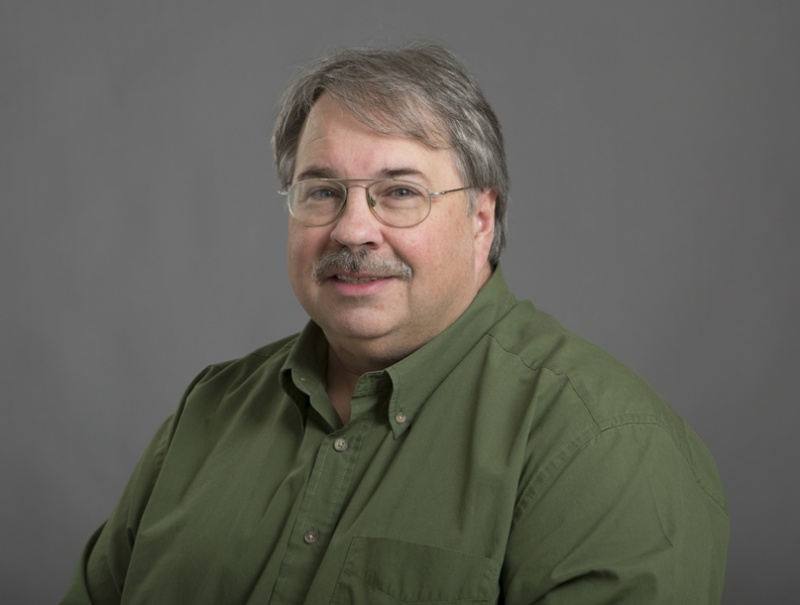
Michael Fill, PhD, is the Francis N. and Catherine O. Bard Professor of Physiology and Chairperson of the Department of Physiology & Biophysics at Rush Medical College, Rush University Medical Center. He holds an endowed chair position and leads internationally recognized research on ryanodine receptor (RyR) calcium release channels in excitable cells. His laboratory investigates fundamental mechanisms of calcium signaling with clinical applications for arrhythmias, neurodegenerative diseases, and therapeutic development. Dr. Fill received his BS, MS, and PhD degrees from the University of Illinois at Urbana-Champaign. His research focuses on RyR channel function in health and disease, including structure-function relationships, regulatory proteins, post-translational modifications, and pharmacological targeting of hyperactive RyR signaling in pathological conditions. Analysis of Dr. Fill's recent publications reveals consistent focus on cardiac and neuronal calcium signaling mechanisms, with emphasis on: (1) RyR channel gating kinetics and regulation, (2) Calcium-mediated arrhythmogenesis in genetic and acquired disorders, (3) Cross-disciplinary approaches integrating molecular biophysics, computational modeling, and translational applications, (4) Novel therapeutic strategies targeting calcium dysregulation in Alzheimer's disease and cardiac conditions. Significant scientific honors include: The Francis & Catherine Bard Endowed Chair of Physiology (2015) Chair of NIH MOSS-V02 Study Section (2016) NIH Director's Early Independence Award Panel member (2014) Journal of General Physiology Editorial Board (2009) NIH Study Section reviewer (2008, 2014) Dr. Fill directs an active research laboratory ( Laboratory Link ) investigating RyR channel function using single-channel electrophysiology, fluorescence imaging, and computational approaches. The lab collaborates extensively with cardiac electrophysiologists, structural biologists, and computational modelers to advance understanding of calcium signaling paradigms.
Roman Chrast is a Lecturer at the School of Life Sciences, EPFL, and serves as Head of Research Core Facilities under the Deanship SV. His roles include overseeing research infrastructure and teaching life sciences engineering courses. He holds a PhD in Life Sciences from the University of Geneva and a CAS in Management of Medtech, Biotech, and Pharma Ventures from EPFL. Research interests focus on metabolic interactions in myelinating Schwann cells, genetic neuropathies (e.g., Charcot-Marie-Tooth), and mitochondrial dysfunction in neurological diseases. His work bridges basic science and translational medicine, exploring molecular mechanisms underlying axonal degeneration and glial cell biology. Publications highlight contributions to understanding Schwann cell metabolism, mitochondrial dynamics, and gene therapy approaches for neuropathies. His administrative roles involve coordinating core facilities to support interdisciplinary research in life sciences.
George Gerald Rodney Jr., Ph.D., is an Associate Professor in the Department of Molecular Physiology and Biophysics at Baylor College of Medicine. His research focuses on skeletal muscle physiology, calcium signaling, and redox mechanisms underlying muscle function and pathology. Education: Post-Doctoral Fellowship, University of Maryland at Baltimore (2004) PhD, Baylor College of Medicine, Houston, TX (2001) MS, University of Texas Health Science Center, San Antonio, TX (1996) Research Interests: Dr. Rodney’s work integrates real-time imaging of reactive oxygen species (ROS) and calcium dynamics to study skeletal muscle physiology under physiological and pathophysiological conditions. Key areas include: Regulation of ryanodine receptors (RyR) and excitation-contraction coupling Role of ROS in muscle dystrophies (e.g., Duchenne muscular dystrophy) Development of ROS inhibitors for therapeutic applications Lab Techniques: The Rodney Lab employs advanced methodologies such as confocal microscopy, fluorescent ROS detection, patch clamping, and in vivo electroporation to investigate muscle function at the molecular and cellular levels. Clinical Implications: His research identifies redox signaling pathways as potential therapeutic targets for muscle-wasting disorders, diabetes, and chronic heart failure.
Dr. David Miller is an Honorary Research Fellow at the University of Glasgow's School of Cardiovascular & Metabolic Health. His work focuses on cardiac physiology, calcium signaling in heart function, and the role of reactive oxygen species in cardiac dysfunction. He has extensively explored historical contributions to physiology, including analyses of pioneers like Sydney Ringer and Otto Hutter. Miller has collaborated with notable researchers such as Niall MacFarlane and Denis Noble, producing influential studies on heart failure mechanisms and muscle research. His research spans experimental and historical domains, with notable contributions to understanding sarcoplasmic reticulum function, calcium-sodium interactions, and the impact of oxidative stress on cardiac cells. Miller has authored a book, A Solution for the Heart (2020), and frequently contributes to Physiology News , emphasizing historical scientific advancements. Publications highlight his work on heart failure models in rabbits, calcium dynamics, and the legacy of 20th-century physiologists. Though no formal advising or grant details are provided, his prolific publication record reflects sustained engagement in cardiovascular research and educational assessment methodologies.
Dr. Katharine Dibb is Senior Lecturer in Cardiovascular Sciences at the University of Manchester, where she leads research on atrial cellular structure and function. Her work focuses on transverse (t)-tubule networks in cardiac atria and their role in health and disease. Research examines: T-tubule plasticity in heart failure and recovery Calcium handling mechanisms in aging atria Cellular substrates for atrial fibrillation Dysferlin's role in striated muscle function Her group demonstrated t-tubule loss in heart failure and subsequent disordered restoration, with functional implications for calcium signaling. Current projects investigate how t-tubule architecture influences arrhythmia susceptibility in aging and disease. Methodological expertise includes patch-clamp electrophysiology, confocal/super-resolution imaging, and intracellular ion measurement. She serves on editorial boards for Journal of Molecular and Cellular Cardiology and Physiological Reports, and reviews for British Heart Foundation grants.
Dr. Dan Tong is an Assistant Professor in the Department of Internal Medicine at UT Southwestern Medical Center, specializing in cardiovascular diseases linked to metabolic disorders. She leads the Tong Research Lab, which focuses on molecular mechanisms underlying heart failure with preserved ejection fraction (HFpEF) and atrial fibrillation (AF). Her work bridges clinical practice and translational research, emphasizing metabolic-cardiac interactions. Education: MD from Tongji Medical College (China), PhD from University of Western Ontario (Canada). Completed residencies at University of Iowa and fellowships at UT Southwestern. Certified in Cardiovascular Medicine by the American Board of Internal Medicine. Research interests include nitrosative stress mechanisms, AMPK signaling pathways, and metabolic imaging in cardio-oncology. Her lab explores therapeutic strategies like NAD+ repletion and lipid regulation. Over 26 peer-reviewed publications and one book chapter demonstrate her contributions to understanding HFpEF pathophysiology. Active professional memberships include American Heart Association and American College of Cardiology. Current research involves sex-based disparities in HFpEF and developing diagnostic tools for cardiovascular-metabolic comorbidities.
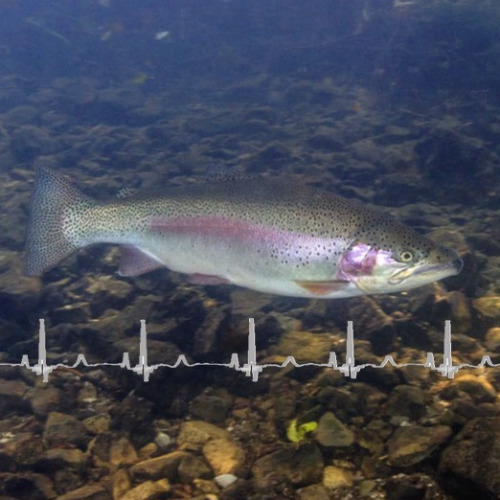
Vesa Paajanen is a University Lecturer at the University of Eastern Finland's Faculty of Science, Forestry and Technology, specializing in the Department of Environmental and Biological Sciences. His teaching emphasizes learner-centered blended-learning (flipped classroom) and work-related methodologies to prepare students for careers in education and biological laboratories. He has led multiple university-supported pedagogical development projects and received the 2018 Good Teacher Award (Biology Student Union) and Excellent Teacher in Practice Award (University of Eastern Finland) for innovation in online education. His research bridges two domains: Animal Physiology (cardiac electrophysiology in fish, ion channels, thermal adaptation) and Educational Innovation (flipped classrooms, learning analytics). He actively collaborates with the Animal Physiology research group and develops tools like the Digiopettajan starttipaketti (Digital Teacher Starter Package). Publication trends reveal a shift: earlier work (2002–2009) focused on molecular cardiology and environmental adaptation in fish , while recent outputs (2022–2024) prioritize pedagogical analytics, peer-supported online teaching, and LMS efficiency . His articles consistently address core themes of adaptation—whether biological (thermal stress, anoxia) or educational (digital transition, collaborative learning). Awards & Recognition: Good Teacher Award (2018) Excellent Teacher in Practice Award (2018) He contributes to faculty development through peer-support frameworks and learning analytics initiatives , enhancing institutional pedagogy. No advising relationships or grants are detailed in available sources.
Robert Rosenberg, PhD, is a Professor of Pharmacology & Physiology at Drexel University College of Medicine (West Reading, PA). He serves as thread director for physiology and nutrition threads in the Foundations and Frontiers curriculum for first-year medical students. Previously, he held professorial roles at Earlham College (2009–2021) and the University of North Carolina School of Medicine (1988–2009). His research focuses on cellular/molecular neurophysiology, ion channel structures and functions, and active-learning strategies in medical education. Education: PhD in Physiology, Yale University (1985) Research Interests: Dr. Rosenberg explores voltage-gated calcium channels, nicotinic acetylcholine receptors, spinal cord regeneration, and computational modeling of sodium channels. He has pioneered the use of team-based learning (TBL) and simulation systems in medical education. His work on the ERIN portal supports neuroscience education resources for undergraduates. Awards: 2023 Golden Apple Award for Excellence in Teaching (Drexel University) 2013 Charles Evans and Gerald Fischbach Awards (Marine Biological Laboratory) 2007 Teacher-Mentor Award (Society for Neuroscience) Advising & Grants: While his current role is teaching-focused, his prior research was supported by grants such as the American Heart Association’s Established Investigator award (1990–1995). He mentors through curriculum development and educational innovation in medical training. Labs/Teams: Collaborates with interdisciplinary teams on educational technology and neurophysiological research, including contributions to the ERIN portal and TBL implementation in medical curricula.
Gina Galli is a Senior Lecturer in the Division of Cardiovascular Sciences at the University of Manchester. Her research focuses on developmental programming of cardiac health, particularly the long-term effects of prenatal hypoxia. She investigates cellular mechanisms in mammals and comparative models like turtles to develop therapeutic strategies for heart disease. Her work combines advanced techniques such as electrophysiology, microscopy, and mitochondrial analysis. Education: PhD in Comparative Physiology (2006, University of Birmingham), BSc Biological Sciences (2001, University of Birmingham). Prior roles include postdoctoral positions at Stanford University and the University of British Columbia. Research interests emphasize hypoxia tolerance in vertebrates, mitochondrial function, and environmental stressors' impact on cardiovascular systems. Her lab explores species like freshwater turtles to uncover adaptive mechanisms for clinical applications. Collaborations span institutions globally, focusing on sustainable development goals related to health and environmental science. She contributes to projects on maternal melatonin therapy and climate change effects on cardiovascular systems.
Dr. Maura Porta is an Assistant Professor of Physiology at Midwestern University, holding appointments across multiple colleges including the College of Graduate Studies - Illinois, Chicago College of Osteopathic Medicine, and College of Pharmacy. She earned her Ph.D. in Cell and Molecular Physiology from Loyola University Chicago (2006) and completed postdoctoral training at Midwestern University. Her research focuses on epigenetic changes in uterine smooth muscle post-pregnancy and calcium signaling mechanisms in muscle tissues. She teaches courses in Endocrinology, Reproductive Physiology, and Human Physiology across dental, medical, and biomedical science programs. Education: Ph.D. in Cell and Molecular Physiology, Loyola University Chicago, 2006 Laurea Degree (B.A./M.A. equivalent) in Pharmaceutical Chemistry, University of Genova, Italy, 2000 Research Interests: Dr. Porta’s primary work investigates how pregnancy induces lasting epigenetic modifications in uterine myometrium, affecting contractility and hormonal responses. Her lab combines motility studies, molecular biology, and epigenetic analyses on rat models. A suspended project on ryanodine receptors’ role in cardiac muscle contraction may resume. This research bridges reproductive physiology and translational medicine, aiming to improve pregnancy-related healthcare. Teaching & Advising: She directs courses in endocrine systems, physiology, and teaching electives for osteopathic, dental, and biomedical students. She actively advises students interested in her research program, fostering biomedical science engagement. Affiliations: Her primary department is Physiology, contributing to education across osteopathic medicine, pharmacy, physical therapy, and biomedical science programs.
Xiaohong Wu is a Researcher in the Department of Internal Medicine at Yale School of Medicine. Her work focuses on metabolic signaling pathways and their roles in cardiac function, particularly in conditions like heart failure and atrial fibrillation. She collaborates frequently with investigators such as Fadi Akar, Lawrence Young, and Gerald Shulman. Her research explores mechanisms linking AMPK pathway dysfunction to cardiac arrhythmias and metabolic remodeling, with recent studies on SGLT2 inhibitors' effects on heart failure and mitochondrial function. Publications highlight contributions to understanding post-ischemic recovery, pulmonary vein arrhythmogenesis, and diet-induced cardiac electrophysiological changes. Key collaborators include Fadi Akar (AMPK studies), Dongyan Zhang (heart failure models), and Jiasheng Zhang (cardiac imaging). Her studies utilize mouse and rat models to dissect metabolic-cardiac interactions, with findings published in journals like Journal of Clinical Investigation and Heart Rhythm .
Dr. Mark Bannister is a Senior Lecturer in Biomedical Sciences at Swansea University Medical School, part of the Faculty of Medicine, Health and Life Science. He holds a PhD from the University of Leeds and has held postdoctoral positions at Imperial College, Boston Biomedical Research Institute, and Cardiff University. His research focuses on pharmacological regulation of the ryanodine receptor, calcium signaling, and ion channel mechanisms. Dr. Bannister is also the Radiation Protection Supervisor for the School of Medicine and leads the Molecular Cardiology research group. Education: PhD in Chemistry from the University of Leeds Research Interests: Dr. Bannister's work explores calcium signaling pathways and ion channel regulation, with a focus on the ryanodine receptor's role in cardiovascular diseases and muscle physiology. His studies include drug mechanisms (e.g., flecainide and dantrolene), malignant hyperthermia mutations, and ER stress in heart failure. His research combines biochemical, biophysical, and genetic approaches to understand disease pathophysiology and therapeutic targets. Teaching: PM-130 Fundamental Research Skills PM-154 Human Physiology PM-266 Cardiovascular System PM-340 Being a Medical Scientist PM-344 Capstone Project Labs/Teams: He leads the Molecular Cardiology group and collaborates with the Swansea University Medical School's research teams. His lab focuses on ion channel dysfunction in cardiovascular and neuromuscular disorders.
Professor Christopher George is Professor of Molecular Cardiology in the Biomedical Sciences department at Swansea University Medical School, Faculty of Medicine, Health and Life Science. His research group employs molecular and cellular tools combined with network theory to investigate calcium signaling, cellular behavior, and the early events leading to cardiac arrhythmias. George's research expertise spans molecular cardiology, calcium signaling, cardiac arrhythmias, stem cells, molecular biology, cell biology, systems biology, and drug screening technologies. His primary focus is on using experimental and clinical data to predict how heart cells respond to genetic mutations and drugs, with the goal of improving therapeutic approaches for genetic and acquired heart disease. His work integrates network theory with cellular approaches to understand cardiac electrophysiology at multiple scales. Analysis of Professor George's recent publications reveals a consistent focus on cardiac calcium signaling mechanisms, particularly involving the ryanodine receptor (RyR2), with increasing interdisciplinary work spanning computational biology, toxicology, and pharmacological methodology. His research shows progression from fundamental molecular mechanisms toward translational applications, with recent work examining single-cell segmentation techniques, sex differences in pharmacological responses, and innovative approaches to cardiac modeling. Senior Editor at the British Journal of Pharmacology (cardiovascular portfolio) Member of editorial boards for Cardiovascular Research, Frontiers in Physiology, and Artery Research Board member of the National Centre for Replacement, Refinement and Reduction of Animals in Research (NC3Rs) Chair of NC3Rs Grant Assessment Panel Chair of the National Cardiovascular Network for Wales (NCN) Active participant in developing international research guidelines (ARRIVE 2.0, sex as experimental variable) Professor George's research is generously funded by major organizations including the British Heart Foundation, BBSRC, Wellcome Trust, MRC, Health and Care Research Wales, and the European Union. His collaborative approach is evident in numerous multi-institutional projects addressing cardiovascular disease mechanisms and therapeutic development. His leadership in the National Cardiovascular Network for Wales demonstrates his commitment to translating research findings into clinical practice within the Welsh healthcare system. While specific lab details aren't provided in the source material, his extensive publication record suggests an active research group focused on cardiac electrophysiology and molecular mechanisms of arrhythmia.