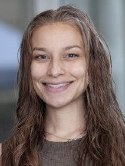
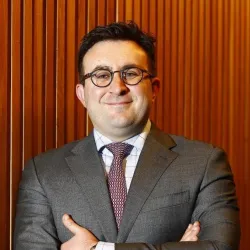
Cristina R. Antonescu, MD is the Director of Soft Tissue and Bone Pathology at Memorial Sloan Kettering Cancer Center , affiliated with the Gerstner Sloan Kettering Graduate School of Biomedical Sciences. Her research focuses on the genomic investigation of pediatric and young adult mesenchymal tumors , particularly Novel gene fusion discovery Translocation-associated sarcoma pathogenesis CRISPR-Cas9 engineered models Molecular characterization of kinase fusions Her publications from 2018-2020 highlight breakthroughs in undifferentiated sarcomas , epithelioid hemangioendothelioma , and lipofibromatosis-like neural tumors , revealing key relationships between genetic drivers and clinical outcomes. Research grants include SPORE in Soft Tissue Sarcoma (2018-2023) and Cycle for Survival funding (2018-2021). Contact: antonesc@mskcc.org | Office: 212-639-5721
Dr. Premdass Ramdas is a Senior Lecturer at Monash University Malaysia, affiliated with the Jeffrey Cheah School of Medicine and Health Sciences. He joined in October 2023 with over 13 years of experience in medical biotechnology and health sciences, focusing on cancer research and bioactive natural compounds. PhD in Cancer Proteomics and Genomics, University of Malaya MSc in Medical Sciences (Cancer Genomics and Natural Products), International Medical University BSc with First-Class Honors His research focuses on the anticancer mechanisms of tocotrienols, utilizing proteomics, genomics, bioinformatics, and mouse models. He explores epigenetics, nutrigenomics, RNA/microRNA analysis, exosome biology, and AI-driven big data in cancer. His work contributes to UN Sustainable Development Goals in health and well-being. Recent publications show a strong trend in systematic reviews and mechanistic studies on vitamin E analogues in cancer, particularly colorectal and breast cancers. His research integrates molecular biology with computational approaches, including molecular docking and data mining. First-class honors for BSc Malaysian Palm Oil Board Scholarship for MSc MyBrain15 Scholarship for PhD Dr. Ramdas has secured research grants such as FRGS and actively supervises research projects. He is currently accepting PhD students and has co-supervised non-HDR reviews, indicating active mentorship. He has no known labs or teams explicitly mentioned, but collaborates extensively, particularly with Prof. Radhakrishnan A.K.
Kenneth B. Roberts, MD , is a Professor of Therapeutic Radiology at Yale School of Medicine and a practicing academic physician specializing in pediatric cancers, lymphomas, leukemias, sarcomas, and colo-anal cancers. He serves as Chief of the Cardiac Brachytherapy, Lymphoma/Sarcoma Radiotherapy, and Pediatrics Radiotherapy Programs at Yale and is Associate Chief of Radiation Oncology at Yale-New Haven Hospital. Education : BS in Chemistry and Biology from Massachusetts Institute of Technology (1979) MD from Duke University (1984) Residency in Radiation Oncology at Duke University Medical Center (1992), Internal Medicine at Ohio State University Hospitals (1987) Fellowship in Hematology-Oncology at Duke (1989) MS in Legal Studies from Duke University School of Law (1994) Research Interests center on brachytherapy , combined modality therapy , and the long-term effects of radiation therapy (e.g., secondary malignancies). He investigates dose optimization in Hodgkin’s disease, radiation economics, and late toxicity in pediatric patients. Recent Publications focus on pediatric Hodgkin lymphoma , prognostic scoring in lymphomas, brachytherapy applications , and late cardiac toxicity in survivors. His work also addresses economic drivers in radiotherapy adoption and subsequent cancer risks . Scientific Awards Elected Fellow of ASTRO (2024) America’s Top Doctors in New York Metro Area (since 2005) America’s Top Doctors for Cancer (since 2006) 1998 Travel Award to European Society of Therapeutic Radiology and Oncology Clinical Trials include sub-investigator roles in studies on pediatric gliomas , stereotactic body radiotherapy for lung cancer, Inotuzumab Ozogamicin for leukemia, and germ cell tumors .
Andrew Godwin is a Professor at the University of Kansas Medical Center , where he serves as the Chancellor’s Distinguished Chair in Biomedical Sciences and Director of Molecular Oncology in the Department of Pathology and Laboratory Medicine. He is also the Deputy Director of the NCI-designated University of Kansas Cancer Center and the Founding Director of the Kansas Institute for Precision Medicine and Biospecimen Shared Resource . Dr. Godwin is a leader in translational research and precision medicine , with a focus on molecular oncology , biomarker discovery , and genomic diagnostics . His work bridges basic and clinical science to improve cancer patient care, particularly in ovarian cancer , Ewing sarcoma , and breast cancer . He has contributed over 230 ovarian cancer-related publications and pioneered studies linking the PI3K/AKT pathway to cancer treatment targets. His research program encompasses liquid biopsies using extracellular vesicles , molecular therapeutics , companion diagnostics , and clinical trial validation . He leads the Biomarker Discovery Laboratory and has secured over $250M in extramural funding , including a $11.4M NIH grant for precision medicine initiatives. His team has developed CELLSEARCH® , the first FDA-cleared test for circulating tumor cells. Notable awards include the Dolph C. Simons, Sr. Higuchi Award (2020), Outstanding Mentorship in Pathology Award (2024), and multiple mentoring accolades from KU. He has mentored over 150 trainees across career stages and leads a multidisciplinary lab with expertise in genomics , proteomics , and bioengineering . Academic Roles: Chancellor’s Distinguished Chair in Biomedical Sciences Director, Molecular Oncology, Pathology and Laboratory Medicine Deputy Director, KU Cancer Center Founding Director, Kansas Institute for Precision Medicine Adjunct Professor, Bioengineering Program, University of Kansas Scientific Awards: KUMC Achievement Award for mentoring postdocs (2014) Chancellor’s Club Award for Research (2018) Dolph C. Simons, Sr. Higuchi Award (2020) KU Excellence in Mentoring Award (2021) Outstanding Mentorship in Pathology (2024) Key Research Themes: Extracellular vesicles as liquid biopsy tools Molecular mechanisms of sarcoma and breast cancer Genomic diagnostics and precision oncology Clinical trial biomarker validation Biospecimen repository leadership
Dr. Richard H. Wiggins serves as Professor of Radiology and Imaging Sciences at the University of Utah School of Medicine, where he also holds the position of Associate Dean of Continuing Medical Education. He maintains adjunct professorships in Otolaryngology, Head and Neck Surgery, and Biomedical Informatics. His educational background includes a BA in Biochemistry from the University of Texas at Austin and an MD from the University of Texas at Houston Health Sciences Center, followed by specialized training at the University of Florida and University of Utah. Dr. Wiggins's research spans neuroradiology, biomedical informatics, and medical education innovation. His work explores advanced imaging techniques for head and neck pathologies, PET-CT applications in oncology, and the development of novel educational platforms like the RadDiscord community. He maintains particular expertise in temporal bone imaging, paragangliomas, and thyroid nodule classification systems. Analysis of his recent publications shows strong emphasis on: (1) optimizing oncologic imaging protocols, especially PET-CT applications across cancer types; (2) advancing head and neck radiology through volumetric analysis and radiomics; and (3) transforming radiology education via gamification and digital communities. His scientific honors include: Distinguished Teaching Award (Otolaryngology, University of Utah) Honored Educator Award (Radiological Society of North America) Inaugural Fellow, Academy of Health Science Educators 25th Fellow of the Society of Imaging Informatics in Medicine Fellow of the American College of Radiology He leads the Utah Head and Neck Imaging Center of Excellence, which includes an educational YouTube channel (@UHNICE). While specific grants aren't detailed, his extensive lecture record (600+ presentations) and leadership roles in professional societies like SIIM (Program Chair 2014-2020), ASHNR (Past President), and WNRS (Past President) demonstrate significant academic influence.
Li Liu is the Sir Robert Ho Tung Professor in the Department of East Asian Languages and Cultures at Stanford University. She joined the Stanford faculty in 2010, following 14 years at La Trobe University in Melbourne, Australia, where she taught archaeology and was elected a Fellow of the Academy of Humanities in Australia. Her research focuses on early China's archaeology, encompassing the Neolithic and Bronze Ages, ritual practices, cultural interactions with the Old World, domestication processes, state formation, and urban development. She holds a B.A. in Archaeology from Northwestern University (Xi'an), an M.A. in Anthropology from Temple University (Philadelphia), and a Ph.D. in Anthropology from Harvard University (1994). Dr. Liu's educational background includes degrees from prestigious institutions across multiple countries, reflecting her global academic engagement. Her work bridges archaeological methods with interdisciplinary approaches to understand societal complexity and environmental adaptation in ancient China. Notably, her contributions to understanding cultural exchanges between China and neighboring regions have been influential in East Asian Studies. Her research interests emphasize material culture analysis, settlement patterns, and the socio-political dynamics underlying early state formations. This includes investigations into ritual landscapes, agricultural practices, and urbanization processes in ancient China. Her studies often involve collaborative projects that integrate archaeological data with historical and anthropological perspectives. Dr. Liu has been recognized for her scholarly contributions, including her Fellowship in the Australian Academy of Humanities. Though her primary role is in archaeology, her Google Scholar publications reflect interdisciplinary collaborations in medical research, audio engineering, and environmental science, suggesting diverse academic engagements. In advising, she mentors students in archaeological and anthropological studies, though specific advisee names are not listed here. Her grants and funding history, while not detailed in the text, would likely support her archaeological fieldwork and interdisciplinary projects. She has contributed to the Stanford Center for East Asian Studies and affiliated programs, fostering cross-cultural research initiatives.
G. Petur Nielsen, MD is a Professor of Pathology at Harvard Medical School and serves as Subspecialty Head, Bone and Soft Tissue Pathology at Massachusetts General Hospital . With a clinical focus on bone and soft tissue tumors, his expertise spans diagnostic pathology, molecular genetics of neoplasms, and ancillary testing applications. Research interests center on Pathology and biology of bone/soft tissue tumors Molecular genetics of bone and soft tissue neoplasms Chordoma and sarcoma research Epithelioid vascular tumor differentiation Mesenchymal tumors of the female genital tract His work includes landmark studies on tumor misdiagnosis rates, immunohistochemical profiling, and genomic analysis of chordomas. Scientific contributions appear in leading journals like Nature and American Journal of Surgical Pathology , with major emphasis on Molecular tumor classification Mutational signature analysis Translational oncology Diagnostic accuracy improvement Genomic instability mechanisms
Dr. Megan Anderson is Associate Professor of Orthopedic Surgery at Harvard Medical School and Director of the Orthopedic Oncology Program at Boston Children's Hospital. She completed her MD at University of Florida College of Medicine (1998), residency at Cleveland Clinic Foundation, and fellowship at Harvard-affiliated hospitals (2004). Her clinical practice focuses on bone tumors and sarcomas in pediatric and young adult populations. Research examines surgical outcomes in bone cancer treatment, particularly limb-salvage techniques and reconstruction complications. Recent publications analyze cost-effectiveness of preventive interventions in metastatic bone disease. Leads multidisciplinary collaborations through the Bone and Soft Tissue Tumors Program. Active in Musculoskeletal Tumor Society and Children's Oncology Group.
Noël J-M Raynal is a Professor in the Department of Pharmacology and Physiology at the Université de Montréal and a researcher at the CHU Sainte-Justine Research Center. His expertise lies in epigenetic pharmacology of cancer and drug discovery, particularly using 3D cell culture models to study pediatric and adult cancers. He has held senior research awards from the FRQS and has led multiple projects funded by CIHR, CRSNG, and others. His work focuses on developing novel therapies targeting epigenetic modifications in cancers like neuroblastoma, sarcomas, lung cancer, and triple-negative breast cancer. Education: Ph.D. in Biology (INRS-IAF, 2008), Postdoctoral training at MD Anderson Cancer Center and Temple University. Teaching roles include courses in pharmacology and physiology. Research affiliations: GRUM (University Research Group on Medicine), Azrieli Research Center at CHU Sainte-Justine Awards: Senior FRQS Scholar (2024–2028), Junior FRQS Awards (2016–2024) Supervised 15+ students in M.Sc. and Ph.D. programs, focusing on epigenetic drug discovery and 3D tumor modeling Active in grants: Over 20 projects funded by CIHR, FRQS, and industry partnerships Research highlights include repurposing drugs like disulfiram for neuroblastoma and developing CDK9 inhibitors. His lab innovates in 3D co-culture models to better mimic tumor environments and improve drug screening accuracy.
Elliot A. Asare, MD, MS, CMQ, FACS serves as Assistant Professor in the Section of Surgical Oncology within the Division of General Surgery at the University of Utah. He specializes in cutaneous malignancies and sarcomas of the retroperitoneum and soft tissues, practicing clinically at both Huntsman Cancer Institute and Intermountain Healthcare Center in Murray. His educational trajectory includes: Phi Beta Kappa graduate with B.S. in Biology and Chemistry (double major) from Randolph-Macon College M.D. from Howard University College of Medicine (Alpha Omega Alpha inductee) General Surgery residency at Medical College of Wisconsin Affiliated Hospitals M.S. in Health Services and Outcomes Research from Northwestern University Complex General Surgical Oncology fellowship at University of Texas MD Anderson Cancer Center Dr. Asare's research program centers on cancer staging methodology, data quality enhancement, prognostication frameworks, and outcomes research with emphasis on health disparities. His work integrates large-scale database analyses (SEER, National Cancer Data Base) to refine AJCC staging systems while addressing inequities in melanoma and sarcoma care across elderly, minority, and rural populations. Recent investigations explore sentinel lymph node biopsy efficacy in aging patients and viral infection impacts on melanoma mortality. His 2023-2025 publications reveal three dominant themes: (1) AJCC Version 9 implementation across multiple cancer types (anal, appendiceal, neuroendocrine), (2) persistent disparities in skin cancer outcomes linked to demographic and geographic factors, and (3) telehealth applications for expanding surgical oncology access. These studies consistently leverage national datasets to validate staging systems while identifying structural barriers to equitable care. Professional recognition includes: Phi Beta Kappa honor society membership Alpha Omega Alpha Medical Honor Society induction Fellowship in the American College of Surgeons (FACS) Dr. Asare actively contributes to surgical oncology education through The SCORE Portal as item writer for soft tissue neoplasm assessments and via publications on medical education frameworks. His institutional affiliations with Huntsman Cancer Institute and Intermountain Healthcare provide platforms for multidisciplinary sarcoma and melanoma management, where he integrates evidence-based staging protocols with patient-centered surgical approaches as evidenced by consistently high patient satisfaction scores (4.9/5 from 166 reviews).
Emmanuel M. Gabriel, M.D., Ph.D., serves as Associate Professor of Surgery and Consultant in the Department of Surgery at Mayo Clinic in Jacksonville, Florida. He directs clinical and research activities within the Mayo Clinic Comprehensive Cancer Center, specializing in surgical oncology for breast cancer, melanoma, sarcoma, and gastrointestinal malignancies requiring advanced regional therapies like HIPEC. His dual MD/PhD training uniquely positions him at the intersection of immunology research and complex cancer surgery. Dr. Gabriel's educational trajectory includes: MD/PhD in Immunology, Robert Wood Johnson Medical School (2009), thesis on regulatory T cells and cancer vaccines BA in Biology/Economics with Chemistry/Mathematics minors, Drew University (2002), Summa Cum Laude Residency and Administrative Chief Residency, UT Health San Antonio Department of Surgery Fellowship in Complex General Surgical Oncology, Roswell Park Cancer Institute His research program integrates two critical cancer domains: pioneering tumor imaging techniques to visualize immune-tumor interactions during surgery, and identifying systemic barriers in cancer care delivery through health disparities research. These efforts aim to personalize immunotherapy selection and develop equitable care pathways for underserved populations. Dr. Gabriel's scientific contributions are recognized through: Faculty Teacher of the Year awards from Mayo Clinic Department of Surgery (2022) Multiple Young Surgeon Research Awards from American College of Surgeons (2016) E. Douglas Holyoke Award as Outstanding Surgical Oncology Fellow (2016) Ongoing service as grant reviewer for national cancer organizations As an educator, he mentors surgical trainees through Mayo's integrated residency programs while leading translational research in the David F. and Margaret T. Grohne Cancer Immunology Program. His clinical practice directly informs research priorities, maintaining a continuous bench-to-bedside-to-community feedback loop. Dr. Gabriel's laboratory operates within Mayo Clinic's NCI-designated cancer center infrastructure, utilizing advanced imaging core facilities and population health resources to advance both immunotherapy development and health equity initiatives.
Dr. Amarjeet Bassi is a Professor of Chemical and Biochemical Engineering in the Faculty of Engineering at Western University. He holds a Ph.D. and is a Professional Engineer (P.Eng). His research group has made significant contributions to environmental engineering, particularly in developing the world's first circulating fluidized bed ion exchange chromatography system. Dr. Bassi has established strong industry partnerships, including with Renix Inc. for commercializing his UIX technology and with Stanton Farms for phycoremediation research. Dr. Bassi's research interests focus on innovative environmental and bio-separation technologies. His work spans micro-algal applications for clean water and value recovery, integrated technologies for water refining and nutrient and energy recovery using biological systems, bio-separations, and biosensors. His research group pioneered the circulating fluidized bed ion exchange chromatography system (UIX), which is now being commercialized by Renix Inc. He has also developed significant expertise in phycoremediation, particularly for treating wastewater from dairy farms and greenhouse industries. Dr. Bassi's publication record demonstrates a strong focus on sustainable water treatment technologies, bioenergy production, and biodegradation of plastics. His recent work shows increasing attention to microplastic pollution, hydrothermal liquefaction of microalgae for bio-crude oil production, and innovative approaches to wastewater treatment using microbial systems and phycoremediation. Distinguished Speaker Award from IChE (2007) Engineering Science Prize for Outstanding Teaching at Western University (2000) SPIE Optics East Best Paper Award (2006) Dr. Bassi has graduated over 45 highly qualified personnel (PhDs, M.E.Sc and PDFs/Research Associates) and supervised more than 50 undergraduate research students. His research has been supported by significant grants from Canada Foundation for Innovation, NSERC Strategic Project grants, OMAFRA New Directions, and other funding agencies. He has served in leadership roles including President of the Canadian Society for Chemical Engineering (2014-2015) and as Associate Editor for the Canadian Journal of Chemical Engineering. Dr. Bassi leads an active research group focusing on innovative environmental technologies. His lab has developed the world's first circulating fluidized bed ion exchange chromatography system and has established successful industry partnerships, particularly with Renix Inc. for commercializing the UIX technology. His research group maintains strong collaborations with Stanton Farms for phycoremediation research and works with various industry partners on wastewater treatment and bioenergy projects.
Lauren Baker Banks is a Clinical Assistant Professor in the Department of Medicine at Memorial Sloan Kettering Cancer Center (MSK). She is affiliated with the Hematology-Oncology Fellows and Graduate Medical Education (GME) programs, and her research focuses on sarcoma biology and immune checkpoint blockade (ICB) therapies. Affiliations: Hematology-Oncology Fellows, Graduate Medical Education (GME), Department of Medicine, Solid Tumor Oncology Division, Division of Hematologic Malignancies Co-authors: Sandra D'Angelo, Ciara Kelly, Evan Rosenbaum, Jason Chan, Mark Dickson, Mary Keohan Her work spans clinical trials in leiomyosarcoma, dedifferentiated liposarcoma, and other sarcomas, with a focus on combination therapies involving PARP inhibitors, PD-1 inhibitors, and STING agonists. Recent studies analyze biomarkers like T cell phenotype and tumor microenvironment subtypes to predict ICB outcomes. Lauren's publications include contributions to Journal for ImmunoTherapy of Cancer , Annals of Oncology , and Journal of Clinical Oncology , with a strong emphasis on translational research linking immunology to sarcoma treatment. She has collaborated with key researchers in oncology and immunotherapy, including Evan Rosenbaum and Ciara Kelly. Her research activities align with histology-specific clinical trials and multidisciplinary approaches for extremity soft tissue sarcomas, highlighting the integration of targeted therapy, immunotherapy, and genomic profiling in advancing sarcoma care.
Yong Zeng is an Associate Professor in the Department of Chemistry at the University of Florida. He leads the Zeng Group, focusing on precision medicine through innovative micro/nanoscale technologies. His research bridges chemistry, materials science, bioengineering, and medicine to develop tools for non-invasive cancer and Alzheimer’s disease diagnosis. Key projects include lab-on-a-chip systems, exosome-based liquid biopsy platforms, and CRISPR-driven diagnostic assays. Education: Ph.D., Chemistry, University of Alberta (2007) Postdoctoral Research, University of California, Berkeley (2008-2012) Research Interests: Dr. Zeng’s work centers on creating transformative technologies for precision diagnostics, including nano-engineered microfluidic devices, smart bioanalyzers with AI integration, and exosome-based biomarker analysis. His group has pioneered methods for detecting extracellular vesicles, proteins, nucleic acids, and glycans in blood samples. Awards: 2013 Bioanalysis Young Investigator Award Grants & Collaborations: Supported by NIH grants, his lab collaborates with clinicians and biologists to translate technologies into clinical tools. Notable collaborations include exosome research for precision immunotherapy and liquid biopsy-based cancer diagnosis. Labs/Teams: The Zeng Group operates at the interface of engineering and medicine, emphasizing translational research to bridge laboratory innovations with clinical applications.
Professor Mark Polizzotto is Professor of Medicine in the College of Science and Medicine at the Australian National University (ANU), Group Leader in Cancer and Genome Science at the John Curtin School of Medical Research, and leads the Clinical Hub for Interventional Research (CHOIR). Previously, he served as a Senior Staff Haematologist at The Canberra Region Cancer Centre, Canberra Hospital. His research interests focus on the intersection of immunity, infection and cancer, with particular emphasis on developing new therapies to prevent and treat malignancy, especially infection-related cancers. His work spans Cancer Immunotherapy , Cancer Target Therapies , Infectious Disease Immunotherapy , HIV/HIV-related malignancies , and Global Oncology , with specific expertise in Human Herpesvirus-8 , Epstein Barr Virus , and Human Papillomavirus . His clinical specialties include Haematology , Infectious Diseases , and Tumour Immunology . His recent publications demonstrate a strong focus on clonal hematopoiesis in HIV patients, lymphoma outcomes in immunocompromised individuals, and therapeutic approaches for viral infections including SARS-CoV-2. His work frequently addresses the intersection of chronic viral infections and cancer development, with particular attention to global health applications. The Tony Ayers Award (2022) Professor Polizzotto has led multiple international clinical trials, including work on viral and HIV-associated cancers that has influenced global guidelines. He co-led the development of an oral immunomodulator for Kaposi sarcoma which led to the first new drug approval for KS in over 20 years. During the SARS-CoV-2 pandemic, he led international randomized trials of immunotherapies for COVID-19 at the invitation of the U.S. National Institutes of Health. He has a strong commitment to diversity and inclusion in clinical trials and to clinical research capacity development in resource-limited settings, having led trial capacity building efforts in West Africa and Indonesia for the U.S. National Institutes of Health.