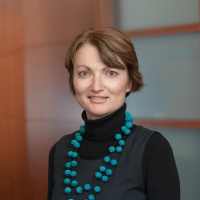
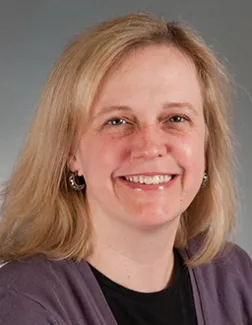
Shasha Chong is an Assistant Professor of Chemistry at the California Institute of Technology and a Ronald and JoAnne Willens Scholar. She earned her B.S. from the University of Science & Technology of China (2008) and Ph.D. from Harvard University (2014). Her research bridges chemistry, physics, and biology to investigate the molecular mechanisms of cellular processes, focusing on intrinsically disordered regions (IDRs) in transcription proteins. Research Focus: IDRs in transcriptional regulation, cancer biology, liquid-liquid phase separation, and single-molecule imaging techniques. Grants & Awards: CCE Innovation Award (2024), ALSF Innovation Grant, Mallinckrodt Research Grant, Margaret E. Early Medical Research Trust Grant. Collaborations: Caltech-City of Hope Biomedical Research Initiative Grant (2025). Teaching: Co-instructor for courses like Biochemistry Laboratory (Ch 11) and Advanced Topics in Biochemistry (BMB/Bi/Ch 174). Labs & Teams: Leads the Chong Laboratory at Caltech, focusing on interdisciplinary approaches combining single-molecule imaging, genome editing, and bioinformatics.
Pedro A Hermida de Viveiros, MD serves as an Assistant Professor in the Department of Medicine, Division of Hematology and Oncology at Northwestern University's Feinberg School of Medicine. His clinical practice focuses on solid tumor oncology with specialized expertise in sarcomas and precision medicine approaches. His research interests center on clinical development of novel therapeutic strategies for sarcomas and gastrointestinal stromal tumors (GIST), emphasizing biomarker-driven treatments and molecularly targeted therapies. Key areas include IDH1-mutant chondrosarcoma management, neoadjuvant response assessment in sarcomas, and immunotherapy-radiotherapy combinations for metastatic disease. Analysis of his recent publications reveals a consistent focus on translating molecular targets into clinical applications, particularly through phase 1-3 trials of targeted agents like ivosidenib and IDRX-42. His work bridges radiological assessment, pathological response, and precision oncology frameworks for rare solid tumors. Professional engagements include active membership in major oncology societies: American Society of Clinical Oncology (ASCO) Connective Tissue Oncology Society (CTOS) Sociedade Brasileira de Oncologia Clínica (SBOC) European Society for Medical Oncology (ESMO) He currently leads four active clinical trials through the Robert H. Lurie Comprehensive Cancer Center, including the CHONQUER phase 3 study of ivosidenib for IDH1-mutant chondrosarcoma and first-in-human trials of novel agents for advanced solid tumors and GIST. His work integrates translational research with clinical trial design to advance personalized treatment paradigms.
Lieuwke Kranenburg is an Assistant Professor at the Faculty of Veterinary Medicine , Utrecht University , specializing in Equine Internal Medicine . She provides patient care at the University Equine Clinic and teaches Master's courses in equine digestion , infectious diseases , and skin problems . Research Focus: Equine internal medicine, digestive diseases, infectious pathogens, metabolic disorders Professional Certifications: EBVS® European Veterinary Specialist in Equine Internal Medicine International Collaboration: Trained Chinese veterinarians at Heilan Equestrian Centre Publications highlight her work on equine gastric disease management, diagnostic imaging, infectious disease epidemiology, and metabolic research. She contributes to equine clinical research through peer-reviewed journals and conference abstracts. Professional Involvement: Former board member of the Equine Medicine Group and current GGP representative for FEEVA, maintaining professional networks and advancing equine veterinary practice.
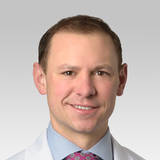
Andrew T Arndt, MD is a Clinical Assistant Professor in the Department of Surgery specializing in Thoracic Surgery at Northwestern University's Feinberg School of Medicine. Board certified by the American Board of Thoracic Surgery, he maintains clinical practice at Northwestern Medicine Central DuPage Hospital and holds active memberships in the Society of Thoracic Surgeons (2023-present) and American Board of Thoracic Surgery (2022-present). His research concentrates on advancing thoracic surgical oncology through investigations into lung cancer resection outcomes, chest wall tumor management, minimally invasive techniques, and pneumothorax recurrence factors. Current work emphasizes evidence-based risk stratification and surgical innovation to improve patient outcomes in complex thoracic pathologies. Recent publications demonstrate consistent focus on surgical registry analysis (2021), consensus development for thoracoscopic training (2021), systematic reviews of rare chest wall malignancies (2023), and identification of lifestyle-related recurrence risks (2021). This trajectory highlights growing contributions to thoracic surgical guidelines and evidence-based practice standards. Dr. Arndt serves as a consultant for Intuitive Surgical, Inc. (2024 disclosures) while maintaining active clinical and academic roles. No formal advisees or research grants are listed in current profile materials. Within Northwestern's Department of Surgery, he contributes to the Thoracic Surgery division's clinical and research missions, particularly in advancing minimally invasive approaches and multidisciplinary management of complex thoracic conditions through collaborative registry studies and consensus initiatives.
Alexander Nikitin is a Professor of Pathology at Cornell University's College of Veterinary Medicine, Department of Biomedical Sciences. His research focuses on molecular mechanisms linking tissue homeostasis to cancer development using autochthonous mouse models. Key Affiliation: Cornell University, Ithaca, NY Research Niche: Cancer-prone stem cell niches in female reproductive tract and prostate Research Interests Dr. Nikitin investigates how aberrations in p53/miR-34/MET and Rb networks drive malignant transformation of adult stem cells. His work includes: Identification of ovarian surface epithelium stem cell niche Technology-oriented cross-disciplinary collaborations Characterization of cancer initiation mechanisms in reproductive tissues Article Trends His publications span 2003–2025, emphasizing: Mouse models for epithelial cancers Role of tumor suppressor genes (p53, Rb) in cancer miR-34 family's tumor suppression functions Stem cell niche mapping in reproductive tract cancers Genetic drivers of high-grade serous carcinomas Translational research applications Lab Members Current lab personnel include: Andrea Flesken-Nikitin (Assistant Research Professor) Christopher Ashe (Research Support Specialist) Technicians and student researchers
Prim. Clin. Assoc. Prof. PD Dr. Dietmar Dammerer, MSc PhD is the head of the Clinical Department of Orthopaedics and Traumatology at Krems University Hospital, affiliated with Karl Landsteiner Private University of Health Sciences. He has been in this role since February 2022, leading the merger of orthopedics and traumatology into a unified clinical department. A dual-trained specialist, he is recognized for his expertise in endoprosthetics and tumor orthopedics, and actively promotes interdisciplinary collaboration and team-based medicine. His educational background includes a PhD in Musculoskeletal Sciences (2015), an MSc in Advanced Orthopaedics and Traumatology (2017), and board certification in both orthopedics and traumatology (2017, 2018), culminating in habilitation in 2019. He has received prestigious Traveling Fellowships from the European Hip Society and European Musculo-Skeletal Oncology Society. Dietmar Dammerer’s research focuses on orthopedic oncology, joint reconstruction, biomechanics, and minimally invasive surgery. His work emphasizes the integration of clinical inquiry with research to improve patient outcomes. Recent publications analyze pelvic sarcoma reconstruction, spinal metastases, cartilage repair techniques, and health disparities in sarcoma care. His 15 most recent articles reflect a strong trend in musculoskeletal oncology, surgical biomechanics, and evidence-based orthopedic practice, with frequent use of systematic reviews, retrospective studies, and multicenter collaborations. Topics include implant performance, surgical safety, and global access to specialized care. Scientific awards include: Traveling Fellow Stipendium from the European Hip Society (2018) Traveling Fellow Stipendium from the European Musculo-Skeletal Oncology Society (2020) He is deeply committed to mentoring and team development, emphasizing that medical success is measured by the success of one’s colleagues. He leads a research-active department that hosts international observers, conducts training courses for physicians across Europe, the Middle East, and Africa, and maintains a high rate of peer-reviewed publication. The department collaborates closely with the Departments of Biomechanics and Anatomy and Developmental Biology, reflecting a multidisciplinary research approach.
Professor Martin Peifer is a computational cancer genomics researcher at the University of Cologne, where he leads the Department of Translational Genomics. He serves as Principal Investigator of the Peifer Lab, which focuses on developing computational methods to analyze cancer genome sequencing data. His work is deeply integrated with the Center for Data and Simulation Science and he is an active member of the International Cancer Genome Consortium and the Pan-Cancer Analysis of Whole Genomes project. Peifer's research interests center on computational approaches to understanding cancer biology, with particular emphasis on tumor evolution and genome instability mechanisms. His lab develops methods to analyze somatic genome alterations including point mutations, copy number changes, and rearrangements. They also create computational tools for integrative genome analyses, tumor evolution reconstruction, and single-cell sequencing data analysis (both RNA and DNA). His interdisciplinary team applies high-performance computing and machine learning to interpret complex cancer sequencing data, aiming to better understand tumorigenesis, clonal evolution, and therapy resistance. Analysis of Peifer's extensive publication record reveals a strong focus on neuroblastoma and lung cancer genomics, with particular attention to tumor evolution patterns and genomic instability mechanisms. His work spans multiple cancer types but maintains consistent themes of computational methodology development and application to understand cancer progression and treatment resistance. The publications demonstrate increasing sophistication in analyzing intra-tumor heterogeneity and clonal dynamics over time. Peifer leads an active research group including postdoctoral fellows (Joel Kaufmann, Dr. Stephanie Pabel, Agnieszka Rumińska) and PhD students (Magdalena Seiffert, Justinas Valiulis). His lab is involved in the Collaborative Research Center 1399 focused on Mechanisms of Drug Sensitivity and Resistance in Small Cell Lung Cancer, indicating significant grant funding and collaborative research efforts. The Peifer Lab operates at the intersection of computational biology and cancer research, maintaining an interdisciplinary approach that combines bioinformatics, machine learning, and high-performance computing to address complex questions in cancer genomics. Their work has significant implications for understanding cancer evolution and developing more effective treatment strategies.
Cristina R. Antonescu, MD is the Director of Soft Tissue and Bone Pathology at Memorial Sloan Kettering Cancer Center , affiliated with the Gerstner Sloan Kettering Graduate School of Biomedical Sciences. Her research focuses on the genomic investigation of pediatric and young adult mesenchymal tumors , particularly Novel gene fusion discovery Translocation-associated sarcoma pathogenesis CRISPR-Cas9 engineered models Molecular characterization of kinase fusions Her publications from 2018-2020 highlight breakthroughs in undifferentiated sarcomas , epithelioid hemangioendothelioma , and lipofibromatosis-like neural tumors , revealing key relationships between genetic drivers and clinical outcomes. Research grants include SPORE in Soft Tissue Sarcoma (2018-2023) and Cycle for Survival funding (2018-2021). Contact: antonesc@mskcc.org | Office: 212-639-5721
Andrew Godwin is a Professor at the University of Kansas Medical Center , where he serves as the Chancellor’s Distinguished Chair in Biomedical Sciences and Director of Molecular Oncology in the Department of Pathology and Laboratory Medicine. He is also the Deputy Director of the NCI-designated University of Kansas Cancer Center and the Founding Director of the Kansas Institute for Precision Medicine and Biospecimen Shared Resource . Dr. Godwin is a leader in translational research and precision medicine , with a focus on molecular oncology , biomarker discovery , and genomic diagnostics . His work bridges basic and clinical science to improve cancer patient care, particularly in ovarian cancer , Ewing sarcoma , and breast cancer . He has contributed over 230 ovarian cancer-related publications and pioneered studies linking the PI3K/AKT pathway to cancer treatment targets. His research program encompasses liquid biopsies using extracellular vesicles , molecular therapeutics , companion diagnostics , and clinical trial validation . He leads the Biomarker Discovery Laboratory and has secured over $250M in extramural funding , including a $11.4M NIH grant for precision medicine initiatives. His team has developed CELLSEARCH® , the first FDA-cleared test for circulating tumor cells. Notable awards include the Dolph C. Simons, Sr. Higuchi Award (2020), Outstanding Mentorship in Pathology Award (2024), and multiple mentoring accolades from KU. He has mentored over 150 trainees across career stages and leads a multidisciplinary lab with expertise in genomics , proteomics , and bioengineering . Academic Roles: Chancellor’s Distinguished Chair in Biomedical Sciences Director, Molecular Oncology, Pathology and Laboratory Medicine Deputy Director, KU Cancer Center Founding Director, Kansas Institute for Precision Medicine Adjunct Professor, Bioengineering Program, University of Kansas Scientific Awards: KUMC Achievement Award for mentoring postdocs (2014) Chancellor’s Club Award for Research (2018) Dolph C. Simons, Sr. Higuchi Award (2020) KU Excellence in Mentoring Award (2021) Outstanding Mentorship in Pathology (2024) Key Research Themes: Extracellular vesicles as liquid biopsy tools Molecular mechanisms of sarcoma and breast cancer Genomic diagnostics and precision oncology Clinical trial biomarker validation Biospecimen repository leadership
Dr. Richard H. Wiggins serves as Professor of Radiology and Imaging Sciences at the University of Utah School of Medicine, where he also holds the position of Associate Dean of Continuing Medical Education. He maintains adjunct professorships in Otolaryngology, Head and Neck Surgery, and Biomedical Informatics. His educational background includes a BA in Biochemistry from the University of Texas at Austin and an MD from the University of Texas at Houston Health Sciences Center, followed by specialized training at the University of Florida and University of Utah. Dr. Wiggins's research spans neuroradiology, biomedical informatics, and medical education innovation. His work explores advanced imaging techniques for head and neck pathologies, PET-CT applications in oncology, and the development of novel educational platforms like the RadDiscord community. He maintains particular expertise in temporal bone imaging, paragangliomas, and thyroid nodule classification systems. Analysis of his recent publications shows strong emphasis on: (1) optimizing oncologic imaging protocols, especially PET-CT applications across cancer types; (2) advancing head and neck radiology through volumetric analysis and radiomics; and (3) transforming radiology education via gamification and digital communities. His scientific honors include: Distinguished Teaching Award (Otolaryngology, University of Utah) Honored Educator Award (Radiological Society of North America) Inaugural Fellow, Academy of Health Science Educators 25th Fellow of the Society of Imaging Informatics in Medicine Fellow of the American College of Radiology He leads the Utah Head and Neck Imaging Center of Excellence, which includes an educational YouTube channel (@UHNICE). While specific grants aren't detailed, his extensive lecture record (600+ presentations) and leadership roles in professional societies like SIIM (Program Chair 2014-2020), ASHNR (Past President), and WNRS (Past President) demonstrate significant academic influence.
G. Petur Nielsen, MD is a Professor of Pathology at Harvard Medical School and serves as Subspecialty Head, Bone and Soft Tissue Pathology at Massachusetts General Hospital . With a clinical focus on bone and soft tissue tumors, his expertise spans diagnostic pathology, molecular genetics of neoplasms, and ancillary testing applications. Research interests center on Pathology and biology of bone/soft tissue tumors Molecular genetics of bone and soft tissue neoplasms Chordoma and sarcoma research Epithelioid vascular tumor differentiation Mesenchymal tumors of the female genital tract His work includes landmark studies on tumor misdiagnosis rates, immunohistochemical profiling, and genomic analysis of chordomas. Scientific contributions appear in leading journals like Nature and American Journal of Surgical Pathology , with major emphasis on Molecular tumor classification Mutational signature analysis Translational oncology Diagnostic accuracy improvement Genomic instability mechanisms
Dr. Megan Anderson is Associate Professor of Orthopedic Surgery at Harvard Medical School and Director of the Orthopedic Oncology Program at Boston Children's Hospital. She completed her MD at University of Florida College of Medicine (1998), residency at Cleveland Clinic Foundation, and fellowship at Harvard-affiliated hospitals (2004). Her clinical practice focuses on bone tumors and sarcomas in pediatric and young adult populations. Research examines surgical outcomes in bone cancer treatment, particularly limb-salvage techniques and reconstruction complications. Recent publications analyze cost-effectiveness of preventive interventions in metastatic bone disease. Leads multidisciplinary collaborations through the Bone and Soft Tissue Tumors Program. Active in Musculoskeletal Tumor Society and Children's Oncology Group.
Professor Torsten Nielsen is a clinician-scientist at the University of British Columbia 's Department of Pathology & Laboratory Medicine (Faculty of Medicine), based at Vancouver General Hospital and BC Cancer . He directs UBC's MD/PhD Program , contributes to cancer clinical trials with the Canadian Cancer Trials Group , and chairs the international Connective Tissue Oncology Society 's Research Committee. Key affiliations: UBC, Vancouver General Hospital, BC Cancer, Molecular and Advanced Pathology Core Academic focus: Translational research in sarcomas and breast cancer His research prioritizes translating genomic discoveries into clinical diagnostics and treatments, particularly for synovial sarcoma , breast cancer subtypes , and tenosynovial giant cell tumors . He develops FDA-cleared molecular assays like the PAM50 (Prosigna) test and leads pan-Canadian precision oncology initiatives . Collaborative efforts include work with Stanford, Leiden, and DKFZ Heidelberg. Recent publications highlight advancements in epigenetic therapies , immune biomarker validation , and synovial sarcoma pathogenesis . His lab's work on CSF1/CSF1R signaling inspired new treatment strategies for joint-destructive tumors. Scientific Awards: Fellow, Canadian Academy of Health Sciences Fellow, Royal Society of Canada As director of UBC's MD/PhD Program, he trains future clinician-scientists. His lab team includes experts in epigenomics , proteomics , and mouse modeling . Current projects focus on precision oncology for sarcomas and Ki67 standardization in breast cancer.
Bradley E. Bernstein is a Professor of Pathology and Cell Biology at Harvard Medical School, Chair of the Department of Cancer Biology at Dana-Farber Cancer Institute, and an institute member at the Broad Institute. His research focuses on epigenetics, particularly chromatin modifications in stem cells and cancer. He also co-directs the Broad’s Epigenomics Program and collaborates with multiple research teams. Education: B.S. in Physics from Yale University M.D. and Ph.D. from the University of Washington School of Medicine Research interests: Dr. Bernstein investigates epigenetic mechanisms in mammalian development, gene regulation via chromatin structure, and epigenetic dysregulation in human cancers such as glioblastoma, leukemia, and Ewing sarcoma. His work also includes technology development for single-cell epigenomic profiling and large-scale perturbation studies. Scientific awards and honors: Howard Hughes Postdoctoral Research Fellowship for Physicians Burroughs Wellcome Fund Career Award in the Biomedical Sciences Culpeper Foundation junior faculty award Election into the American Society for Clinical Investigation Howard Hughes Medical Institute Early Career Scientist award Labs and teams: The Bernstein Lab develops sequencing-based technologies to profile and perturb chromatin states and epigenetic landscapes. His group collaborates extensively with computational scientists and disease researchers at the Broad Institute and partner hospitals, and oversees a production center for the NHGRI-sponsored ENCODE project.
Dr. Taran Rai is a Researcher at the University of Surrey, affiliated with the Centre for Vision, Speech and Signal Processing (CVSSP) and the School of Veterinary Medicine. His work focuses on computational pathology, deep learning for medical imaging, and applying AI to veterinary medicine. Rai holds a PhD and has contributed to advancements in necrosis and mitosis detection in canine tumors, leveraging CNNs and digital pathology. His research interests include AI-driven diagnostic tools, social media listening for health insights, and optimizing neural networks for medical applications. He has published extensively on topics like synthetic histopathology data evaluation, diffusion models, and adaptive thresholding methods in pathology. Rai's recent work explores the integration of large language models with medical imaging (e.g., the IPATH dataset) and addresses challenges in veterinary healthcare through social media data. His studies often bridge computational methods with real-world clinical needs, aiming to improve diagnostic accuracy and patient care.