California Institute of Technology (Caltech)United States
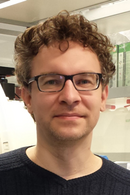
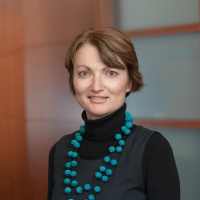
Shasha Chong is an Assistant Professor of Chemistry at the California Institute of Technology and a Ronald and JoAnne Willens Scholar. She earned her B.S. from the University of Science & Technology of China (2008) and Ph.D. from Harvard University (2014). Her research bridges chemistry, physics, and biology to investigate the molecular mechanisms of cellular processes, focusing on intrinsically disordered regions (IDRs) in transcription proteins. Research Focus: IDRs in transcriptional regulation, cancer biology, liquid-liquid phase separation, and single-molecule imaging techniques. Grants & Awards: CCE Innovation Award (2024), ALSF Innovation Grant, Mallinckrodt Research Grant, Margaret E. Early Medical Research Trust Grant. Collaborations: Caltech-City of Hope Biomedical Research Initiative Grant (2025). Teaching: Co-instructor for courses like Biochemistry Laboratory (Ch 11) and Advanced Topics in Biochemistry (BMB/Bi/Ch 174). Labs & Teams: Leads the Chong Laboratory at Caltech, focusing on interdisciplinary approaches combining single-molecule imaging, genome editing, and bioinformatics.
Prof. Dr. Urs F. Greber is an Ordinary Professor of Molecular Cell Biology at the Department of Molecular Life Sciences, Faculty of Mathematics and Natural Sciences, University of Zurich. His research focuses on understanding how viruses interact with host cells, particularly adenoviruses and rhinoviruses that cause human respiratory diseases. He leads the Greber Lab, which investigates viral entry mechanisms, replication processes, and the cellular responses to infection. Greber's research interests span virology, molecular cell biology, and infection mechanisms. His lab explores how viruses take control over membrane and lipid functions, cytoplasmic transport processes, and cellular metabolism to support their gene expression and progeny formation. They employ system-wide profiling, molecular cell biology approaches, light microscopy, and machine learning for image analysis to map the cell state underlying viral infections of cultured and primary human cells, including lung organoids and iPSC-derived macrophages. A key focus is understanding cell-to-cell variability in infection phenotypes and the mode-of-action of antiviral compounds. The Greber Lab has published extensively on adenovirus biology, including viral entry, uncoating, nuclear import, and assembly mechanisms. Their recent work has identified broad-spectrum antiviral compounds, elucidated alternative virus entry pathways, and developed innovative imaging and AI-based approaches for quantifying virus infectivity. Their research contributes to understanding how viruses break down host defense barriers and has implications for antiviral therapy development. Greber has supervised numerous PhD and Master's students including Cornelia Bircher, Alessandro Savi, Franziska Tomas, Alfonso Gomez-Gonzalez, Anthony Petkidis, and Dominik Olszewski. His lab has received funding from the Swiss National Science Foundation, including a grant for coronavirus research during the pandemic. The lab actively collaborates with other research groups at University of Zurich, ETH Zurich, and international institutions. Current projects include exploring how viral DNA interactions contribute to infection outcome variability, investigating adenovirus egress mechanisms, and developing high-throughput screening methods for antiviral compounds.
Professor Ananya Choudhury serves as Chair and Honorary Consultant in Clinical Oncology at the University of Manchester, where she is also Co-Group Leader of the Translational Radiobiology Group within the Division of Cancer Sciences. She joined The Christie NHS Foundation Trust in 2008, specializing in urology and sarcoma, and has since focused on radiotherapy-related research in prostate and bladder cancers. Professor Choudhury is clinical lead for advanced radiotherapy, including the groundbreaking MRLinac project, and plays a key role in national radiotherapy research initiatives. Professor Choudhury earned her BA (Hons) in 1993, MB. BChir (Cantab) in 1995, and MA (Cantab) in 1997 from Trinity College, Cambridge. She completed her Clinical Oncology training at the Yorkshire Deanery from 2000-2008, during which she earned her MRCP in 2000 and F.R.C.R in 2004. She completed her PhD in 2008 through the University of Leeds and Princess Margaret Hospital in Toronto, Canada, where she studied the molecular epidemiology of DNA double strand break repair in bladder cancer. Professor Choudhury's research program focuses on optimizing and personalizing radiotherapy using advanced imaging technology to deliver high doses while minimizing side effects. Her work centers on prostate and bladder cancers, with particular interest in predictive biomarkers, hypoxia, and the integration of magnetic resonance imaging to improve treatment precision. She has pioneered research in radiotherapy dose optimization, biomarker development, and the identification of patients who would benefit most from different treatment approaches. Her extensive publication record demonstrates a strong focus on radiation therapy, particularly in genitourinary cancers. Recent work explores MRI-guided radiotherapy, hypoxia biomarkers, and personalized treatment approaches across multiple cancer types. She has made significant contributions to understanding how imaging technology can improve radiotherapy precision and effectiveness while reducing side effects, with several publications appearing in top journals through 2025. Professor Choudhury has received multiple prestigious awards recognizing her contributions to the field: Cancer Research-UK/Royal College of Radiologists Clinical Training Fellowship (2005) Fellowship for the 10th ECCO-AACR-ASCO Workshop on Methods in Clinical Cancer Research (2007) Outstanding Contribution, Greater Manchester Clinical Research Awards (2017) RCR Research Fellowship (2005) Research Fellowship, Princess Margaret Hospital, Toronto (2004) Professor Choudhury has supervised numerous doctoral and master's students across multiple cancer types, with current students expected to complete through 2024. She is Principal Investigator on multiple research grants, including 'Measuring tumour radioresistance to improve radiotherapy outcomes' and the 'MAESTRO Programme' as part of CRUK RadNet. Her research program is supported by significant funding from NIHR Manchester Biomedical Research Centre and other major funding bodies. As Co-Group Leader of the Translational Radiobiology Group, Professor Choudhury collaborates extensively with leading researchers including Peter Hoskin, Catharine West, Corinne Faivre-Finn, and Marcel van Herk. Her team is at the forefront of integrating advanced imaging with radiotherapy to improve cancer treatment outcomes, with active projects spanning from basic radiobiology to clinical implementation of novel radiotherapy techniques.
University of North Carolina at Chapel HillUnited States
Xiaodong Wang is a Professor at the Center for Integrative Chemical Biology and Drug Discovery within the Eshelman School of Pharmacy at the University of North Carolina at Chapel Hill. His research program focuses on developing innovative drug leads and candidates targeting novel protein kinases and other molecular targets identified by UNC faculty and external investigators. Dr. Wang's research interests center on structure- and ligand-based drug design approaches for developing therapeutic compounds, particularly kinase inhibitors targeting the TAM family (TYRO3, AXL, MERTK). His laboratory has successfully applied these methodologies to deliver compounds to clinical trials, including MerTK inhibitors and IDH1 inhibitors developed in collaboration with NCATS. Current research continues to focus on structure-based drug design for novel targets, with particular emphasis on cancer therapeutics and molecular imaging agents. Analysis of Dr. Wang's recent publications (2023-2025) reveals a strong focus on developing selective kinase inhibitors, particularly targeting the TAM receptor family (TYRO3, AXL, MERTK) for various cancer types including leukemia, Ewing sarcoma, and melanoma. His work spans multiple disciplines including medicinal chemistry, cancer biology, immunology, and molecular imaging, with recent publications appearing in high-impact journals such as Journal of Medicinal Chemistry, Nature Communications, and Leukemia. Dr. Wang maintains active collaborations across UNC-Chapel Hill and with external institutions, working with researchers in pharmacology, oncology, immunology, and structural biology. His laboratory develops both small molecule inhibitors and imaging agents, with several compounds progressing toward clinical applications. Contact information: xiaodonw@email.unc.edu | Wang Lab website
Bertrand Jean-Claude serves as a Senior Scientist at the Research Institute of the McGill University Health Centre (RI-MUHC) at the Glen site and holds a Professorship in the Department of Medicine within McGill University's Faculty of Medicine and Health Sciences. His primary affiliation lies with the Metabolic Disorders and Complications Program under the Centre for Translational Biology. His research centers on innovative anticancer drug development, specifically focusing on the design and synthesis of multitargeted drug candidates engineered to simultaneously block multiple pathways in tumor cells. Key methodologies include kinase inhibitor development , molecular modeling , and pharmacokinetic analysis of combi-drugs—hybrid molecules designed for dual mechanisms of action such as EGFR receptor inhibition coupled with DNA damage. His publication history reveals consistent contributions to molecular oncology, with recent work emphasizing EGFR and DNA repair pathway dual targeting Fluorescence-based drug distribution tracking Overcoming P-glycoprotein-mediated drug resistance Stable combi-molecule fragmentation mechanisms His work bridges medicinal chemistry and translational cancer research, aiming to develop more effective tumor-selective therapies. Jean-Claude maintains active laboratory operations within the RI-MUHC's Centre for Translational Biology, where his team investigates combi-targeting strategies for oncology applications. His research program receives support through institutional frameworks of McGill University and the RI-MUHC, with emphasis on translating molecular discoveries into preclinical therapeutic candidates.
Brane Grambozov is a Clinical Professor in the Department of Radiotherapy and Radiation Oncology at the Medical University of Vienna. His research focuses on oncology, radiation therapy, and immunotherapy, particularly in lung cancer treatment and molecular mechanisms of non-small cell lung cancer (NSCLC). He has contributed to studies on Durvalumab's impact on survival outcomes and radiation dose escalation strategies in NSCLC Stage III patients through the Austrian Radio-Oncological Lung Cancer Study Association Registry (ALLSTAR). Education: Not explicitly stated. Research interests include immunotherapy efficacy, radiation dosimetry, and biomarkers in oncology. His work emphasizes clinical trials and real-world data analysis to improve treatment outcomes and reduce toxicities like pneumonitis. He has collaborated with teams like the ALLSTAR Group and contributed to interdisciplinary studies involving radiotherapy planning and molecular biology. Key awards include the 2022 Platz Research Prize from the Austrian Society for Radiation Oncology. His advising/grant activities are not detailed but reflect contributions to lung cancer research through institutional and collaborative efforts. Labs/teams: Collaborations with the ALLSTAR Group and involvement in multidisciplinary oncology research networks.
Alexander Nikitin is a Professor of Pathology at Cornell University's College of Veterinary Medicine, Department of Biomedical Sciences. His research focuses on molecular mechanisms linking tissue homeostasis to cancer development using autochthonous mouse models. Key Affiliation: Cornell University, Ithaca, NY Research Niche: Cancer-prone stem cell niches in female reproductive tract and prostate Research Interests Dr. Nikitin investigates how aberrations in p53/miR-34/MET and Rb networks drive malignant transformation of adult stem cells. His work includes: Identification of ovarian surface epithelium stem cell niche Technology-oriented cross-disciplinary collaborations Characterization of cancer initiation mechanisms in reproductive tissues Article Trends His publications span 2003–2025, emphasizing: Mouse models for epithelial cancers Role of tumor suppressor genes (p53, Rb) in cancer miR-34 family's tumor suppression functions Stem cell niche mapping in reproductive tract cancers Genetic drivers of high-grade serous carcinomas Translational research applications Lab Members Current lab personnel include: Andrea Flesken-Nikitin (Assistant Research Professor) Christopher Ashe (Research Support Specialist) Technicians and student researchers
Prim. Clin. Assoc. Prof. PD Dr. Dietmar Dammerer, MSc PhD is the head of the Clinical Department of Orthopaedics and Traumatology at Krems University Hospital, affiliated with Karl Landsteiner Private University of Health Sciences. He has been in this role since February 2022, leading the merger of orthopedics and traumatology into a unified clinical department. A dual-trained specialist, he is recognized for his expertise in endoprosthetics and tumor orthopedics, and actively promotes interdisciplinary collaboration and team-based medicine. His educational background includes a PhD in Musculoskeletal Sciences (2015), an MSc in Advanced Orthopaedics and Traumatology (2017), and board certification in both orthopedics and traumatology (2017, 2018), culminating in habilitation in 2019. He has received prestigious Traveling Fellowships from the European Hip Society and European Musculo-Skeletal Oncology Society. Dietmar Dammerer’s research focuses on orthopedic oncology, joint reconstruction, biomechanics, and minimally invasive surgery. His work emphasizes the integration of clinical inquiry with research to improve patient outcomes. Recent publications analyze pelvic sarcoma reconstruction, spinal metastases, cartilage repair techniques, and health disparities in sarcoma care. His 15 most recent articles reflect a strong trend in musculoskeletal oncology, surgical biomechanics, and evidence-based orthopedic practice, with frequent use of systematic reviews, retrospective studies, and multicenter collaborations. Topics include implant performance, surgical safety, and global access to specialized care. Scientific awards include: Traveling Fellow Stipendium from the European Hip Society (2018) Traveling Fellow Stipendium from the European Musculo-Skeletal Oncology Society (2020) He is deeply committed to mentoring and team development, emphasizing that medical success is measured by the success of one’s colleagues. He leads a research-active department that hosts international observers, conducts training courses for physicians across Europe, the Middle East, and Africa, and maintains a high rate of peer-reviewed publication. The department collaborates closely with the Departments of Biomechanics and Anatomy and Developmental Biology, reflecting a multidisciplinary research approach.
Professor Martin Peifer is a computational cancer genomics researcher at the University of Cologne, where he leads the Department of Translational Genomics. He serves as Principal Investigator of the Peifer Lab, which focuses on developing computational methods to analyze cancer genome sequencing data. His work is deeply integrated with the Center for Data and Simulation Science and he is an active member of the International Cancer Genome Consortium and the Pan-Cancer Analysis of Whole Genomes project. Peifer's research interests center on computational approaches to understanding cancer biology, with particular emphasis on tumor evolution and genome instability mechanisms. His lab develops methods to analyze somatic genome alterations including point mutations, copy number changes, and rearrangements. They also create computational tools for integrative genome analyses, tumor evolution reconstruction, and single-cell sequencing data analysis (both RNA and DNA). His interdisciplinary team applies high-performance computing and machine learning to interpret complex cancer sequencing data, aiming to better understand tumorigenesis, clonal evolution, and therapy resistance. Analysis of Peifer's extensive publication record reveals a strong focus on neuroblastoma and lung cancer genomics, with particular attention to tumor evolution patterns and genomic instability mechanisms. His work spans multiple cancer types but maintains consistent themes of computational methodology development and application to understand cancer progression and treatment resistance. The publications demonstrate increasing sophistication in analyzing intra-tumor heterogeneity and clonal dynamics over time. Peifer leads an active research group including postdoctoral fellows (Joel Kaufmann, Dr. Stephanie Pabel, Agnieszka Rumińska) and PhD students (Magdalena Seiffert, Justinas Valiulis). His lab is involved in the Collaborative Research Center 1399 focused on Mechanisms of Drug Sensitivity and Resistance in Small Cell Lung Cancer, indicating significant grant funding and collaborative research efforts. The Peifer Lab operates at the intersection of computational biology and cancer research, maintaining an interdisciplinary approach that combines bioinformatics, machine learning, and high-performance computing to address complex questions in cancer genomics. Their work has significant implications for understanding cancer evolution and developing more effective treatment strategies.
Memorial Sloan Kettering Cancer CenterUnited States
Cristina R. Antonescu, MD is the Director of Soft Tissue and Bone Pathology at Memorial Sloan Kettering Cancer Center , affiliated with the Gerstner Sloan Kettering Graduate School of Biomedical Sciences. Her research focuses on the genomic investigation of pediatric and young adult mesenchymal tumors , particularly Novel gene fusion discovery Translocation-associated sarcoma pathogenesis CRISPR-Cas9 engineered models Molecular characterization of kinase fusions Her publications from 2018-2020 highlight breakthroughs in undifferentiated sarcomas , epithelioid hemangioendothelioma , and lipofibromatosis-like neural tumors , revealing key relationships between genetic drivers and clinical outcomes. Research grants include SPORE in Soft Tissue Sarcoma (2018-2023) and Cycle for Survival funding (2018-2021). Contact: antonesc@mskcc.org | Office: 212-639-5721
Li Liu is the Sir Robert Ho Tung Professor in the Department of East Asian Languages and Cultures at Stanford University. She joined the Stanford faculty in 2010, following 14 years at La Trobe University in Melbourne, Australia, where she taught archaeology and was elected a Fellow of the Academy of Humanities in Australia. Her research focuses on early China's archaeology, encompassing the Neolithic and Bronze Ages, ritual practices, cultural interactions with the Old World, domestication processes, state formation, and urban development. She holds a B.A. in Archaeology from Northwestern University (Xi'an), an M.A. in Anthropology from Temple University (Philadelphia), and a Ph.D. in Anthropology from Harvard University (1994). Dr. Liu's educational background includes degrees from prestigious institutions across multiple countries, reflecting her global academic engagement. Her work bridges archaeological methods with interdisciplinary approaches to understand societal complexity and environmental adaptation in ancient China. Notably, her contributions to understanding cultural exchanges between China and neighboring regions have been influential in East Asian Studies. Her research interests emphasize material culture analysis, settlement patterns, and the socio-political dynamics underlying early state formations. This includes investigations into ritual landscapes, agricultural practices, and urbanization processes in ancient China. Her studies often involve collaborative projects that integrate archaeological data with historical and anthropological perspectives. Dr. Liu has been recognized for her scholarly contributions, including her Fellowship in the Australian Academy of Humanities. Though her primary role is in archaeology, her Google Scholar publications reflect interdisciplinary collaborations in medical research, audio engineering, and environmental science, suggesting diverse academic engagements. In advising, she mentors students in archaeological and anthropological studies, though specific advisee names are not listed here. Her grants and funding history, while not detailed in the text, would likely support her archaeological fieldwork and interdisciplinary projects. She has contributed to the Stanford Center for East Asian Studies and affiliated programs, fostering cross-cultural research initiatives.
G. Petur Nielsen, MD is a Professor of Pathology at Harvard Medical School and serves as Subspecialty Head, Bone and Soft Tissue Pathology at Massachusetts General Hospital . With a clinical focus on bone and soft tissue tumors, his expertise spans diagnostic pathology, molecular genetics of neoplasms, and ancillary testing applications. Research interests center on Pathology and biology of bone/soft tissue tumors Molecular genetics of bone and soft tissue neoplasms Chordoma and sarcoma research Epithelioid vascular tumor differentiation Mesenchymal tumors of the female genital tract His work includes landmark studies on tumor misdiagnosis rates, immunohistochemical profiling, and genomic analysis of chordomas. Scientific contributions appear in leading journals like Nature and American Journal of Surgical Pathology , with major emphasis on Molecular tumor classification Mutational signature analysis Translational oncology Diagnostic accuracy improvement Genomic instability mechanisms
Noël J-M Raynal is a Professor in the Department of Pharmacology and Physiology at the Université de Montréal and a researcher at the CHU Sainte-Justine Research Center. His expertise lies in epigenetic pharmacology of cancer and drug discovery, particularly using 3D cell culture models to study pediatric and adult cancers. He has held senior research awards from the FRQS and has led multiple projects funded by CIHR, CRSNG, and others. His work focuses on developing novel therapies targeting epigenetic modifications in cancers like neuroblastoma, sarcomas, lung cancer, and triple-negative breast cancer. Education: Ph.D. in Biology (INRS-IAF, 2008), Postdoctoral training at MD Anderson Cancer Center and Temple University. Teaching roles include courses in pharmacology and physiology. Research affiliations: GRUM (University Research Group on Medicine), Azrieli Research Center at CHU Sainte-Justine Awards: Senior FRQS Scholar (2024–2028), Junior FRQS Awards (2016–2024) Supervised 15+ students in M.Sc. and Ph.D. programs, focusing on epigenetic drug discovery and 3D tumor modeling Active in grants: Over 20 projects funded by CIHR, FRQS, and industry partnerships Research highlights include repurposing drugs like disulfiram for neuroblastoma and developing CDK9 inhibitors. His lab innovates in 3D co-culture models to better mimic tumor environments and improve drug screening accuracy.
Andrew Godwin is a Professor at the University of Kansas Medical Center , where he serves as the Chancellor’s Distinguished Chair in Biomedical Sciences and Director of Molecular Oncology in the Department of Pathology and Laboratory Medicine. He is also the Deputy Director of the NCI-designated University of Kansas Cancer Center and the Founding Director of the Kansas Institute for Precision Medicine and Biospecimen Shared Resource . Dr. Godwin is a leader in translational research and precision medicine , with a focus on molecular oncology , biomarker discovery , and genomic diagnostics . His work bridges basic and clinical science to improve cancer patient care, particularly in ovarian cancer , Ewing sarcoma , and breast cancer . He has contributed over 230 ovarian cancer-related publications and pioneered studies linking the PI3K/AKT pathway to cancer treatment targets. His research program encompasses liquid biopsies using extracellular vesicles , molecular therapeutics , companion diagnostics , and clinical trial validation . He leads the Biomarker Discovery Laboratory and has secured over $250M in extramural funding , including a $11.4M NIH grant for precision medicine initiatives. His team has developed CELLSEARCH® , the first FDA-cleared test for circulating tumor cells. Notable awards include the Dolph C. Simons, Sr. Higuchi Award (2020), Outstanding Mentorship in Pathology Award (2024), and multiple mentoring accolades from KU. He has mentored over 150 trainees across career stages and leads a multidisciplinary lab with expertise in genomics , proteomics , and bioengineering . Academic Roles: Chancellor’s Distinguished Chair in Biomedical Sciences Director, Molecular Oncology, Pathology and Laboratory Medicine Deputy Director, KU Cancer Center Founding Director, Kansas Institute for Precision Medicine Adjunct Professor, Bioengineering Program, University of Kansas Scientific Awards: KUMC Achievement Award for mentoring postdocs (2014) Chancellor’s Club Award for Research (2018) Dolph C. Simons, Sr. Higuchi Award (2020) KU Excellence in Mentoring Award (2021) Outstanding Mentorship in Pathology (2024) Key Research Themes: Extracellular vesicles as liquid biopsy tools Molecular mechanisms of sarcoma and breast cancer Genomic diagnostics and precision oncology Clinical trial biomarker validation Biospecimen repository leadership
Mayo Clinic College of Medicine and ScienceUnited States
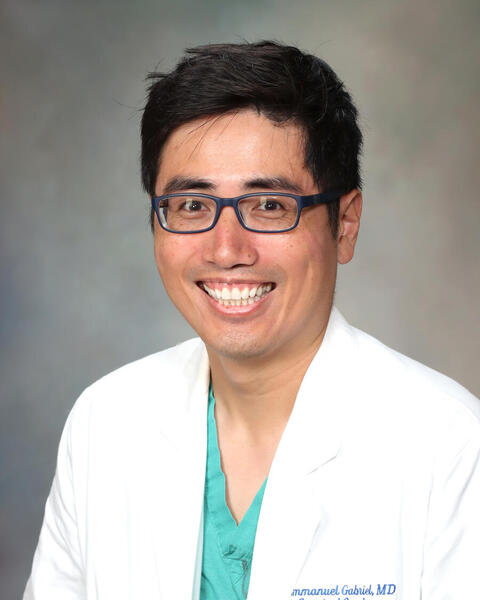
Emmanuel M. Gabriel, M.D., Ph.D., serves as Associate Professor of Surgery and Consultant in the Department of Surgery at Mayo Clinic in Jacksonville, Florida. He directs clinical and research activities within the Mayo Clinic Comprehensive Cancer Center, specializing in surgical oncology for breast cancer, melanoma, sarcoma, and gastrointestinal malignancies requiring advanced regional therapies like HIPEC. His dual MD/PhD training uniquely positions him at the intersection of immunology research and complex cancer surgery. Dr. Gabriel's educational trajectory includes: MD/PhD in Immunology, Robert Wood Johnson Medical School (2009), thesis on regulatory T cells and cancer vaccines BA in Biology/Economics with Chemistry/Mathematics minors, Drew University (2002), Summa Cum Laude Residency and Administrative Chief Residency, UT Health San Antonio Department of Surgery Fellowship in Complex General Surgical Oncology, Roswell Park Cancer Institute His research program integrates two critical cancer domains: pioneering tumor imaging techniques to visualize immune-tumor interactions during surgery, and identifying systemic barriers in cancer care delivery through health disparities research. These efforts aim to personalize immunotherapy selection and develop equitable care pathways for underserved populations. Dr. Gabriel's scientific contributions are recognized through: Faculty Teacher of the Year awards from Mayo Clinic Department of Surgery (2022) Multiple Young Surgeon Research Awards from American College of Surgeons (2016) E. Douglas Holyoke Award as Outstanding Surgical Oncology Fellow (2016) Ongoing service as grant reviewer for national cancer organizations As an educator, he mentors surgical trainees through Mayo's integrated residency programs while leading translational research in the David F. and Margaret T. Grohne Cancer Immunology Program. His clinical practice directly informs research priorities, maintaining a continuous bench-to-bedside-to-community feedback loop. Dr. Gabriel's laboratory operates within Mayo Clinic's NCI-designated cancer center infrastructure, utilizing advanced imaging core facilities and population health resources to advance both immunotherapy development and health equity initiatives.