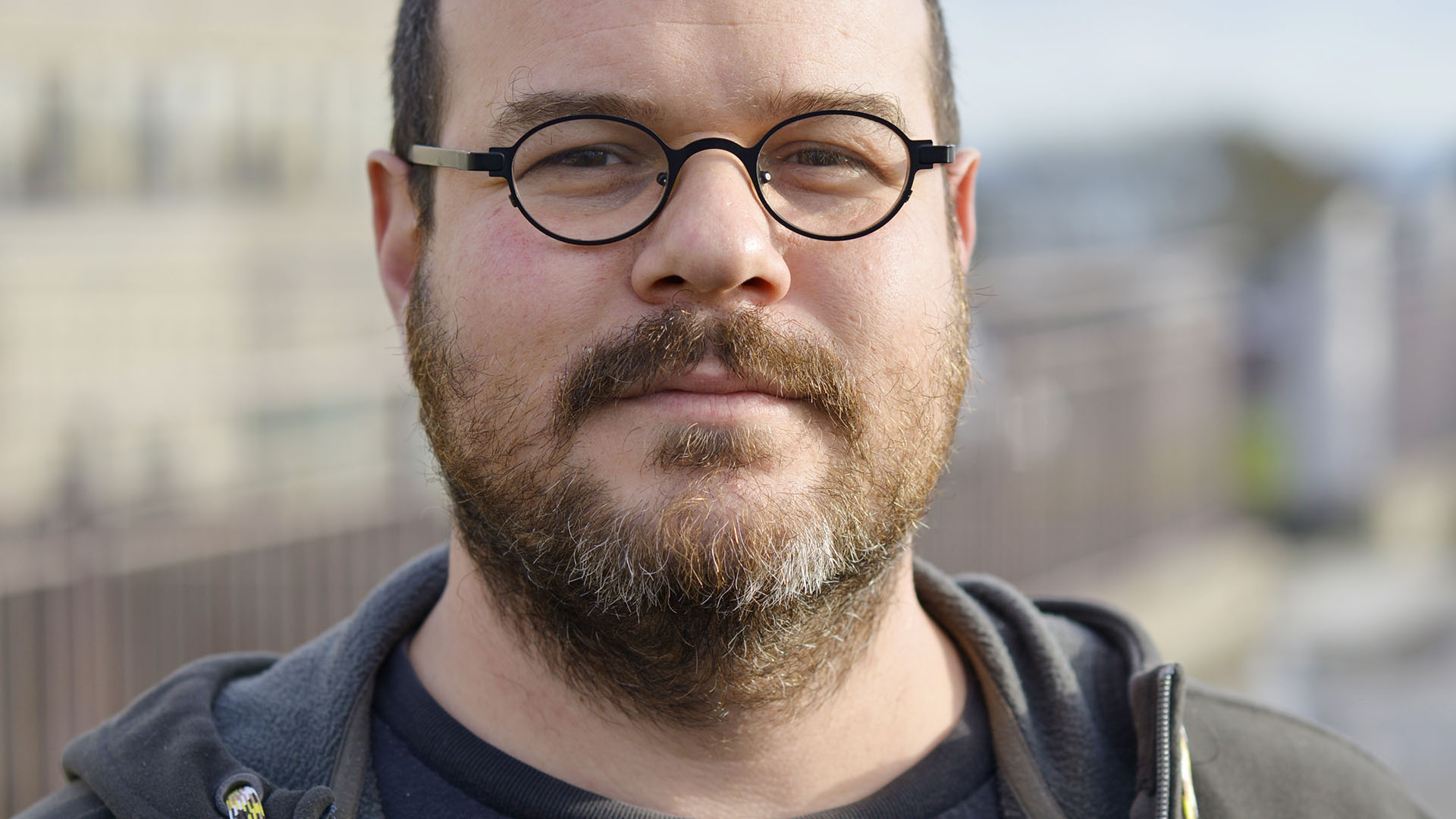
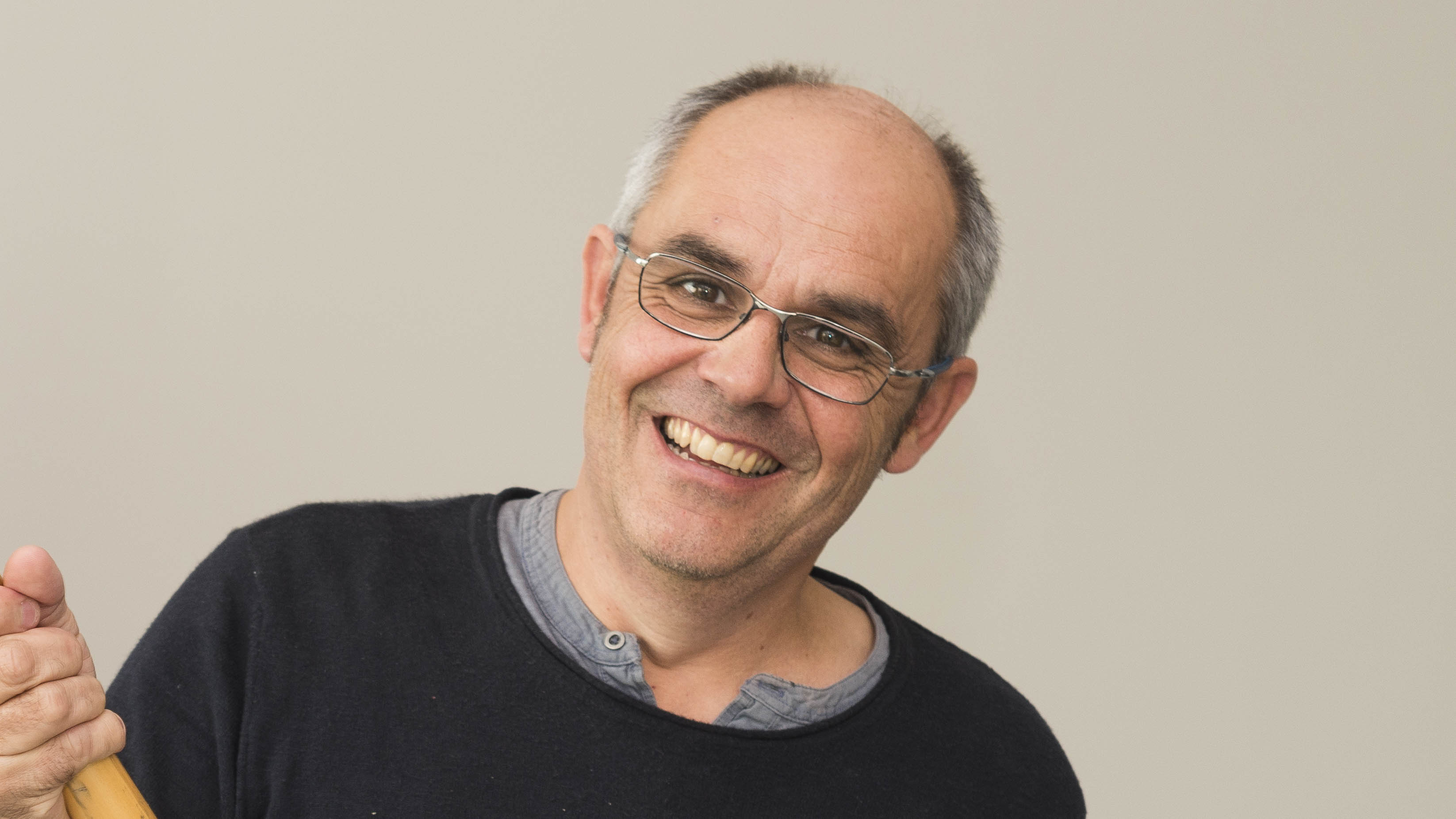
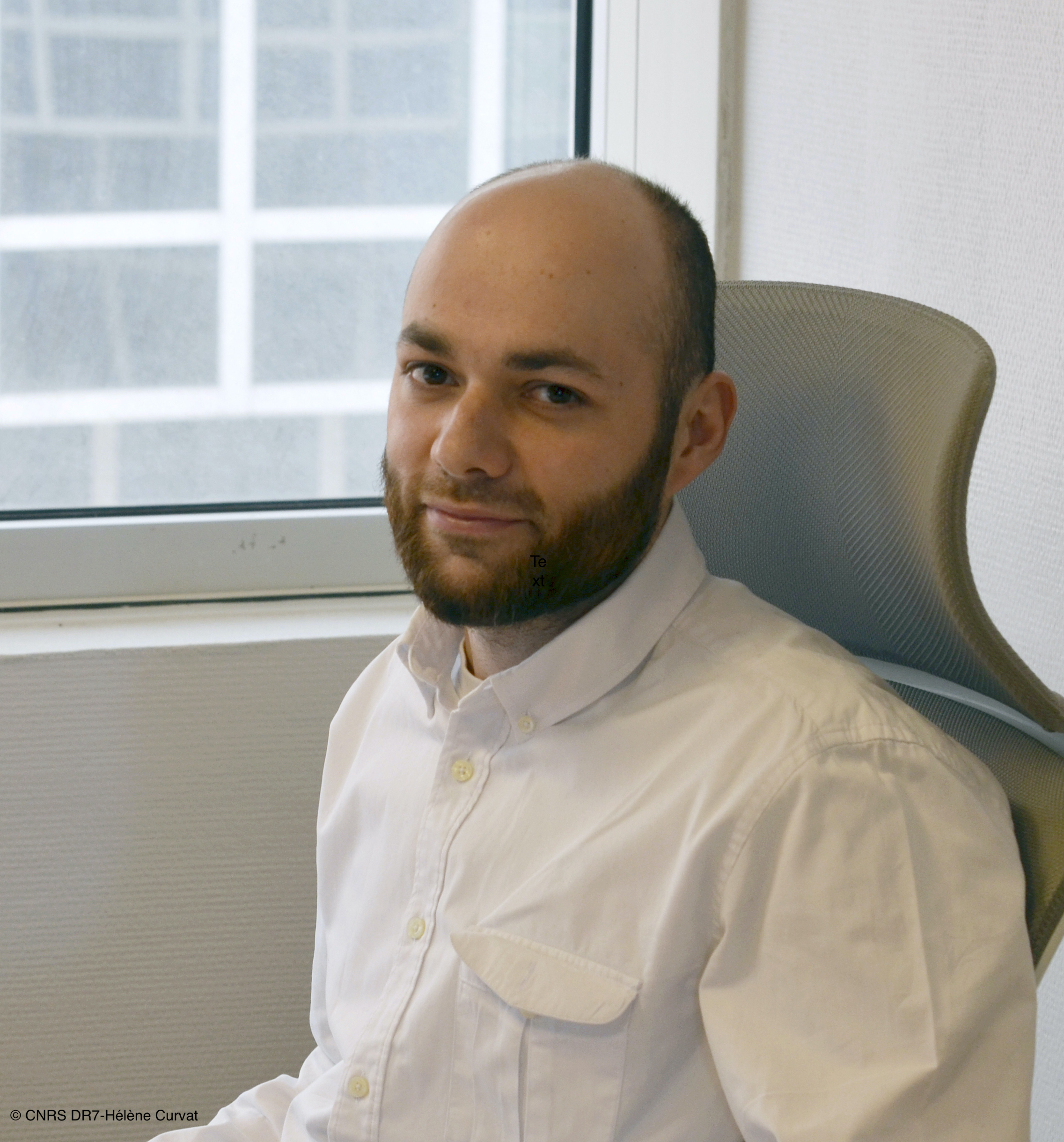
Olivier Gauthier is a Lecturer at the University of Western Brittany, affiliated with the LEMAR Laboratory. His primary research focuses on digital ecology and benthic ecology, particularly investigating coastal and marine ecosystems through long-term ecological monitoring and community trajectory analysis. He specializes in understanding the impacts of environmental and anthropogenic drivers on benthic macrofauna, macroalgal communities, and mercury bioaccumulation in marine species. Education includes a Master's in Marine and Coastal Sciences and an International Master of Science in Marine Biological Resources. His work integrates functional trait-based approaches, ecological modeling frameworks (e.g., Joint Species Distribution Models), and innovative statistical methods to assess ecological quality and biodiversity trends. Recent research highlights include analyzing mercury levels in tuna populations over decades, evaluating the effectiveness of the Minamata Convention, and studying maerl habitat complexity in the Northeast Atlantic. He also explores mangrove-infauna interactions in French Guiana and the phenotypic responses of seagrass under intertidal stressors. His articles emphasize long-term ecological dynamics, habitat-specific resilience, and the application of trait-based methodologies across marine and freshwater systems. While no formal awards are listed, his contributions to marine conservation frameworks and policy-relevant research are significant. Gauthier collaborates on projects like APPEAL, CORRIENTE, and MANGROVES, focusing on coastal ecosystem sustainability. His work bridges ecological theory with applied management strategies, particularly in assessing human impacts and developing adaptive monitoring tools.
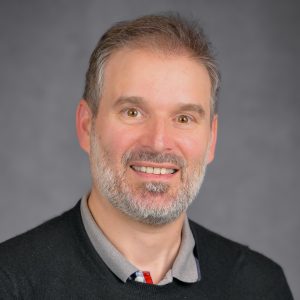
Olivier RAGUENEAU is a Research Director 1st class at CNRS, affiliated with the Laboratoire LEMAR (Laboratoire des Sciences de l'Environnement Maritime et Tropicale) at Université de Brest. His work bridges marine biogeochemistry with political sociology of science and sustainability studies. Key research focuses include silica cycling dynamics, coastal ecosystem governance, and interdisciplinary approaches to environmental policy. Major contributions include studies on the Congo deep-sea fan's biogeochemical processes, long-term ecological research frameworks, and socio-scientific interfaces in marine management. He co-leads projects like BRIDGES-IMPACT and IROCWA, addressing sustainability challenges in coastal zones. Core Expertise : Marine biogeochemistry, political ecology of science, silica cycle modeling Key Projects : Congolobe deep-sea fan study, ILTER network contributions, Bay of Brest ecosystem analysis Themes : Human-environment interactions, climate change adaptation, transdisciplinary research Publications highlight rapid silica transport mechanisms, policy-science collaboration challenges, and the socio-political dimensions of marine environmental assessments. His work integrates field observations, experimental data, and computational models to address global and regional environmental issues.
Christophe Thomazo is a Professor at the University of Burgundy (Université Bourgogne Franche-Comté), specializing in geochemistry and biogeosciences. He leads research on microbialite formation, early Earth geochemistry, and isotope geochemistry. His work integrates field studies, laboratory analyses, and theoretical modeling to explore environmental transitions, redox dynamics, and biogeochemical cycles in ancient and modern systems. Key research focuses include: Microbialite mineralization mechanisms in alkaline lakes Isotope geochemistry of carbonates and sulfides Environmental proxies for ancient oceans and atmospheres Instrument development for in situ isotopic analysis Interdisciplinary studies linking geology, biology, and chemistry Publications emphasize Paleoproterozoic to Archean environmental changes, with recent work on ferruginous lake systems, Neoarchean weathering patterns, and oxygenation history. He collaborates globally on projects like the 3.5 Ga Middle Marker Horizon and the Great Oxidation Event. Teaching responsibilities include undergraduate and graduate courses in geochemistry, field methods, and biogeosciences.
Professor Gabriel Stoltz is a faculty member at École des Ponts ParisTech, affiliated with the Mathematical and Computer Engineering department. His research focuses on mathematical and numerical analysis of models in molecular simulation, with an emphasis on computational statistical physics. He holds a joint position as a senior researcher at CERMICS (Centre d'Enseignement et de Recherche en Mathématiques et Calcul Scientifique). His work integrates techniques from probability theory, stochastic processes, functional analysis, and numerical analysis. He has contributed extensively to free energy computation methods, variance reduction techniques, and the development of machine learning approaches for enhanced sampling in molecular dynamics. Notable collaborations include projects with Tony Lelièvre and Mathias Rousset on free energy calculations and with institutions like Institut Henri Poincaré. Teaching responsibilities include courses on computational statistical physics, machine learning, and scientific computing. His pedagogical approach emphasizes flipped classrooms, supported by publications detailing innovative teaching methods. Key research themes include: Statistical mechanics and stochastic processes Numerical methods for partial differential equations Machine learning applications in molecular dynamics Quantum chemistry and electronic structure calculations His contributions span over 100 peer-reviewed articles, including seminal works on Langevin dynamics, hypocoercivity, and adaptive biasing algorithms. He has served as an editor for Springer Proceedings and co-authored influential textbooks such as Free Energy Computations .
Fabrice DETREZ is an Associate Professor of Engineering Science at University Gustave Eiffel, affiliated with the MSME Lab (Modélisation et Simulation Multi-Echelle). His research focuses on multiscale modeling of polymers and composites, addressing mechanical behavior optimization for sustainable materials. He teaches Materials Science and Engineering Mechanics at both undergraduate and graduate levels. Research Areas: Multiscale modeling, bio-sourced composites, numerical homogenization, atomistic simulations, and structure-property relationships. Key Projects: Includes WAIP (upcycling plastic blends), BIO ART (bio-based epoxy resins), ISCCAP (CO2-based foaming), and BI-STRECH (PET deformation analysis). His recent publications emphasize polymer crystallization mechanics, graphene-polymer nanocomposites, and material sustainability. Collaborations span academia and industry, with a focus on advancing eco-friendly materials through computational and experimental methods.
Marc-Antoine Weisser is a researcher with a focus on network optimization, algorithm design, and graph theory. His work spans telecommunications, electrical networks, and computational complexity. He has contributed to studies on inter-domain network hierarchies, optical network optimization, and combinatorial problems such as Steiner trees and bin packing. Weisser's research often involves developing polynomial and approximation algorithms for real-world network challenges. Key research areas: Network topology analysis, algorithmic design for resource allocation, and optimization in electrical/optical networks His publications highlight contributions to congestion avoidance mechanisms, optical ring networks, and inter-domain routing architectures. Weisser collaborates frequently with institutions like the University of ... [university name missing in source text].
Gabriel Peyré is a CNRS Research Professor at the Department of Mathematics and Applications (DMA) of École normale supérieure (ENS) in Paris, France. A specialist in data science and artificial intelligence, he is renowned for his work on optimal transportation theory and its applications to imaging, machine learning, and neural network training. His research bridges mathematical theory with computational algorithm design, earning him the CNRS Silver Medal (2021) and multiple European Research Council (ERC) grants, including the 2024 Advanced Grant. Research interests include: Optimal Transport Machine Learning AI Theory Image Processing Computational Mathematics Neural Network Training His recent publications focus on advancing optimal transport methods in AI, with applications in neural network learning, spatial transcriptomics, and unsupervised data analysis. He has developed algorithms for large-scale optimal transport computations and contributed to theoretical understanding of transformer models and residual networks. Scientific awards: CNRS Silver Medal (2021) ERC Advanced Grant (2024) ERC Consolidator Grant (2016) ERC Starting Grant (2011) Blaise-Pascal Prize from the Academy of Sciences (2017) He supervises PhD students and postdoctoral researchers, including Raphaël Barboni, Valérie Castin, and Geert-Jan Huizing. His work involves collaborations with institutions like INRIA, MIT, and Heriot-Watt University. Peyré's affiliations include the Center for Data Sciences at ENS, where he contributes to interdisciplinary projects in biology and physics.
Zhaodong (Alan) Qiu is an Assistant Professor in the People and Organisations department at NEOMA Business School. He holds a Ph.D. in Management from Tsinghua University and was a visiting scholar at the Stephen M. Ross School of Business, University of Michigan. Research Interests: Workplace Proactivity Workday Design Voice Behavior Individual Agency in Organizational Systems Publications Trends: His research focuses on workday structure, employee energy dynamics, and organizational behavior, with recent contributions in Personnel Psychology and the Journal of Applied Psychology . Methodologically, he employs experience sampling, field experiments, and longitudinal surveys.
Omar Fawzi is a Research Director (Directeur de Recherche) at Inria, heading the QInfo team at École Normale Supérieure de Lyon. His primary roles include leading research in quantum information theory and theoretical computer science, with a focus on quantum algorithms, error-correcting codes, and quantum cryptography. He has held academic positions since 2011, including teaching at McGill University and ENS Lyon. His research interests span quantum information theory, theoretical computer science, and their applications. He has contributed to foundational work on quantum channel capacities, entropy accumulation theorems, and quantum error correction codes like quantum expander codes. His work bridges theoretical insights with practical implementations, including fault-tolerant quantum computing and device-independent cryptography. Fawzi has advised numerous PhD students and postdoctoral researchers, with students such as Aadil Oufkir (now at RWTH Aachen) and Antoine Grospellier (teaching in France). He has led major grants including the ERC Starting Grant AlgoQIP and the ANR-18-CE47-0011 ACOM project. His research team focuses on advancing quantum communication protocols, quantum algorithms, and the mathematical foundations of quantum mechanics. Key contributions include the entropy accumulation theorem, variational bounds on quantum divergences, and efficient simulation methods for quantum systems. His work emphasizes interdisciplinary approaches, combining tools from computer science, mathematics, and physics to tackle fundamental quantum information challenges.
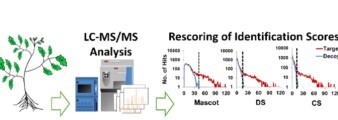
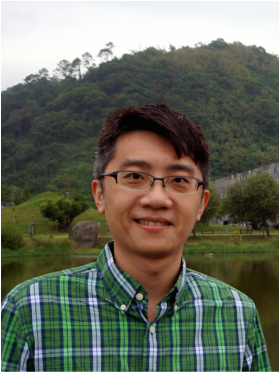
Chen Yiran is a Researcher at the Agricultural Biotechnology Research Center, Academia Sinica , where he has contributed to mass spectrometry , proteomics , and plant immunity . He serves as Chairman of the Taiwan Mass Spectrometry Society and holds Professor positions at National Chung Hsing University (Center for Biotechnology Development), National Taiwan University (Institute of Biotechnology/Systems Biology Program), and National Taiwan Ocean University (Department of Life Science and Biotechnology). His work spans peptidomics , DNA adductomics , and plant-microbe interactions . Chen's research integrates mass spectrometry with bioinformatics to study environmental health risks, plant immune signaling, and disease mechanisms. His team has developed tools like the FeatureHunter software for adduct detection and UniQua signal processor for proteomics. Current projects include CAPE9 peptide characterization for plant immunity and oxidative stress analysis in metabolic disorders. 2025: Outstanding Talent Development Foundation Leap Lecture 2024: Taiwan Mass Spectrometry Society Outstanding Scholar Award 2016: Academia Sinica Young Scholars Research Book Award 2015: Yang Xiangfa Agricultural Sciences Young Scholar Award Laboratory members include doctoral students Ying Guangting , Anciotti , and Jiefan . The lab operates at Academia Sinica's Agricultural Science Building A523 , with equipment for advanced chromatography-mass spectrometry and proteome analysis . Collaborations span National Taiwan University , Stanford , and UC Davis alumni networks.
Chu-An Liu is a Research Fellow at the Institute of Economics, Academia Sinica (Taipei, Taiwan). He received a PhD in Economics from the University of Wisconsin-Madison in 2012. His teaching experience includes graduate-level and PhD econometrics courses at National Chengchi University (Spring 2022-present) and National University of Singapore (2013-2015). Research Interests: His work focuses on econometrics , model averaging , and forecast combination , with significant contributions to nonparametric methods, causal inference, and statistical modeling for high-dimensional economic data. Key areas include bounds estimation for continuous treatments, spectral analysis in time series, and model uncertainty frameworks. Publications: He has published extensively in top journals like Journal of Econometrics , Econometric Theory , and Journal of Business & Economic Statistics . Recent trends emphasize kernel regressions, autoregressive models, and integration of machine learning with traditional econometric techniques. Academic Collaborations: He has collaborated with scholars such as Xinyu Zhang, Ying-Ying Lee, and Biing-Shen Kuo on topics spanning model selection, causal inference, and nonstationary data analysis.
Emmanuelle Gilot-Fromont is a Professor and teacher-researcher at VetAgro Sup's Veterinary Campus, affiliated with the Livestock and Veterinary Public Health department and the UMR Laboratory of Biometry and Evolutionary Biology. She leads the Center of veterinary and agronomic expertise for 'wild animals' and serves as Head of Clinical Epidemiology (S11) and Wildlife and Ecohealth EP. Her research focuses on wildlife disease ecology, particularly studying brucellosis transmission in Alpine ibex and ecoimmunology in wild ungulates. Her work spans epidemiology, preventive medicine, population biology, and statistics, with special attention to the wildlife-livestock interface and zoonotic disease transmission. She employs both field studies and mathematical modeling approaches to understand disease dynamics in wild populations. Analysis of her recent publications reveals a strong research trajectory centered on brucellosis in Alpine ibex (appearing in 5 of her 12 most recent papers), ecoimmunology of roe deer, and wildlife-livestock interfaces. Her work integrates field ecology with advanced statistical modeling, often collaborating with interdisciplinary teams across multiple institutions. Dr. Gilot-Fromont has contributed significantly to wildlife disease management through expert work including participation in the Tuberculosis working group for badgers (Anses 2018) and serving as a member of the CES SABA of Anses (2018-2021). Her most notable research projects include Ecoimmunology of wild ungulates, Epidemiology and sanitary management of brucellosis in ibex, and Epidemiology and sanitary management of pestivirus in isards. She teaches epidemiology, preventive medicine, population biology, and statistics, contributing to both veterinary and wildlife health education. Her research involves collaborations with numerous institutions across Europe and Africa, particularly in studies of disease transmission at the wildlife-livestock-human interface.
Jean-Baptiste Woillard is a Professor of Medical Pharmacology at the Faculty of Medicine in Limoges and serves as the head of the "Pharmacometrics and Artificial Intelligence" functional unit within the Department of Pharmacology, Toxicology, and Pharmacovigilance at the University Hospital of Limoges. He also functions as deputy director at Inserm U1248 "Pharmacology & Transplantation" and is actively involved with the International Association of Therapeutic Drug Monitoring and Clinical Toxicology (IATDMCT), where he previously served as president of the Pharmacometrics Committee. His professional affiliations include membership in the European Association for Clinical Pharmacology and Therapeutics (EACPT) and the French Society of Pharmacology and Therapeutics (SFPT). Dr. Woillard obtained his PharmD from the University of Toulouse in 2004, followed by a Master's degree in Pharmacology in 2007, and completed his Ph.D. in Pharmacogenetics and Pharmacokinetics in 2011. His academic progression includes positions as Assistant Professor (2010-2014), Associate Professor (2014-2023), and Professor (since 2023) within the Pharmacology, Toxicology Department at the University Hospital of Limoges/INSERM U1248. His research focuses on pharmacometrics modeling, artificial intelligence applications in personalized medicine, and pharmacogenetics. Dr. Woillard's work centers on the personalization of treatments, particularly concerning immunosuppressants in organ transplantation. His research encompasses pharmacogenetic and pharmacodynamic studies, development of pharmacokinetic models, statistical modeling, and the application of machine learning methods to therapeutic drug monitoring. Since 2019, his research has increasingly incorporated AI methodologies to optimize drug dosing and treatment outcomes. Analysis of Dr. Woillard's recent publications reveals a strong emphasis on applying machine learning to pharmacokinetic modeling and therapeutic drug monitoring across various medications including immunosuppressants, antibiotics, and antivirals. His work demonstrates a consistent trajectory toward developing sophisticated algorithms for dose individualization, with particular focus on mycophenolate, tacrolimus, ganciclovir, and daptomycin. The research shows increasing integration of AI techniques with traditional pharmacometric approaches to create more precise dosing strategies. IFCC-Gérard Siest Young Scientist Award (2020) for Distinguished Contributions in Pharmacogenetics Recipient of 1.8 million euros funding through the French PEPR framework for developing multi-scale pharmacological digital twins Dr. Woillard has published over 130 articles in peer-reviewed international scientific journals, delivered more than 30 presentations at national and international conferences, and has been invited to give over 40 academic and industry talks. He leads a significant research consortium focused on developing multi-scale pharmacological digital twins, demonstrating his leadership in securing substantial research funding. His work bridges clinical practice with advanced computational methodologies to improve patient outcomes through personalized medicine approaches. As head of the "Pharmacometrics and Artificial Intelligence" functional unit at the Department of Pharmacology, Toxicology, and Pharmacovigilance (CHU of Limoges), Dr. Woillard directs research efforts focused on treatment personalization, particularly for immunosuppressants in organ transplantation. His team collaborates extensively within the Inserm U1248 unit "Pharmacology & Transplantation," working on both fundamental pharmacological research and clinical applications of their findings. The research group maintains active collaborations with international organizations including the IATDMCT and EACPT.
Christel VRAIN is a full-time University Professor affiliated with the University of Orleans, specializing in Machine Learning and Constraint Programming. Her research focuses on constrained clustering, knowledge integration, and hybrid AI systems, with applications in image classification, time series analysis, and geospatial data. She collaborates extensively with researchers like Thi-Bich-Hanh DIEP-DAO and Samir LOUDNI. University Professor at University of Orleans Affiliated with Laboratoire d'Informatique Fondamentale d'Orléans (LIFO) Her work bridges declarative programming with machine learning, emphasizing explainability and optimization. Recent publications explore continual learning, graph models, and constraint-based clustering frameworks. She contributes to interdisciplinary research through the Kay R. Amel group, investigating synergies between reasoning, knowledge representation, and data mining. Her methodological innovations include memory-efficient algorithms for large-scale datasets and shapelet transforms for time series.
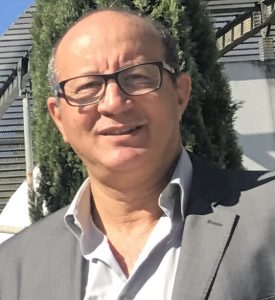
Professor at Aix Marseille University's Faculty of Sciences , Mustapha Ouladsine leads cutting-edge research in diagnostic and prognostic methods for complex systems . As Vice-President for Research Infrastructure and AI since 2020, he oversees LIS Computer Science and Systems Laboratory. Directed LIS UMR 7020 (2018–present) Former Director of LSIS UMR 7296 (2008–2018) Scientific manager for €1.2M+ projects with STMicroelectronics Research Focus : Developed innovative approaches for: Equipment health index modeling in semiconductor manufacturing Dynamic sampling techniques for High-Mix Low-Volume systems Fault-tolerant control systems for drones and autonomous robots AI-based cardiac arrhythmia detection with Timone Hospital Scientific Leadership : Founded Aix-Marseille Research Federation in Computer Science Active associate editor for IEEE journals and conferences Coordinated 17+ recruitment committees at Aix Marseille University