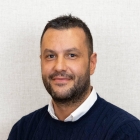
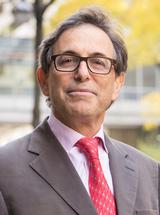
Carlo Corona, Ph.D., is an Instructor at Burke Neurological Institute, affiliated with Cornell University’s medical programs. His research focuses on neural redox biology, homeostatic transcription, and mechanisms underlying stroke recovery and Alzheimer’s resilience. He is a core member of the Ratan Lab, collaborating on projects exploring cellular stress pathways and neuroprotective therapies. Research interests include ER stress signaling, neuroplasticity modulation, and translational strategies for neurological disorders. His work bridges basic science and clinical applications, emphasizing adaptive cellular responses to injury and disease. Recent articles highlight breakthroughs in 2-deoxyglucose’s role in stroke recovery and Alzheimer’s therapy, as well as microglial mechanisms governing cognitive resilience. These studies underscore his expertise in cellular stress pathways and neurodegenerative disease modeling. Dr. Corona is associated with the Ratan Lab and collaborates across multiple labs at Burke Neurological Institute. No scientific awards are explicitly mentioned in the provided text.
Jeffrey Rathmell, Ph.D., is the Cornelius Vanderbilt Professor of Immunobiology and Director of the Vanderbilt Center for Immunobiology at Vanderbilt University School of Medicine. His work focuses on immunometabolism, cancer immunotherapy, and the metabolic regulation of immune cell function. He leads a research program investigating how metabolic pathways influence T cell behavior in cancer, sepsis, and autoimmune diseases. Key areas of interest include tumor microenvironment dynamics, immunotherapy resistance mechanisms, and the obesity-cancer connection. Education details are not explicitly listed in the provided text, but his role as a professor and researcher at Vanderbilt indicates advanced training in immunology and biochemistry. His lab has pioneered studies on how cellular metabolism shapes immune responses, particularly in CD4+ and CD8+ T cells. Research interests emphasize metabolic rewiring in T cells during critical illness, the role of metabolic checkpoints in cancer, and the development of therapies targeting immunometabolic pathways. Recent work highlights STING agonist delivery strategies, kynurenine-driven immunosuppression, and PD-1 regulation in tumor-associated macrophages. Publications span 2022–2025, with a focus on immunometabolic mechanisms in cancer, sepsis, and autoimmune conditions. Key themes include tumor escape mechanisms, metabolic dependencies of immune cells, and drug development targeting metabolic vulnerabilities. Labs/Teams: Vanderbilt Center for Immunobiology Grants/Support: Not explicitly listed but inferred through publication topics
Dr. Dominic De Nardo is a Research Fellow leading the Innate Immune Signalling Group within the Department of Biochemistry & Molecular Biology at Monash University's Biomedicine Discovery Institute. His research program focuses on understanding the molecular mechanisms controlling innate immune responses, with particular emphasis on the cytosolic DNA sensing pathway and cGAS-STING signaling. Dr. De Nardo received his PhD in 2009 from the University of Melbourne, where he investigated macrophage activation through Toll-like receptors. His academic journey continued with a postdoctoral position at the Institute of Innate Immunity in Bonn, Germany, working with Professor Eicke Latz. During this period, he identified the molecular mechanism underlying HDL's ability to reduce inflammation, published in Nature Immunology. He returned to Australia in late 2014 to work at the Walter and Eliza Hall Institute of Medical Research before joining Monash University in 2019. His research spans multiple areas of innate immunity including Toll-like receptors (TLRs), Inflammasomes, and cytosolic nucleic acid sensing receptors (cGAS-STING). Dr. De Nardo has published extensively in top journals such as Nature Immunology, Cell, Immunity, and Nature Communications, with over 50 research outputs documented. His recent work has focused on STING pathway regulation, TBK1/IKKε signaling, and the interplay between innate immunity and various disease states including viral infections and metabolic disorders. Analysis of his 15 most recent publications reveals a strong focus on STING pathway mechanics, kinase regulation in immune responses, and translational applications for inflammatory diseases. His scientific achievements have been recognized with multiple prestigious awards: Inaugural Prof. Graham Brown Student Publication Prize (2009) Seymour and Vivian Milstein Young Investigator Award (2014) Milstein Travel Award – International Cytokine and Interferon Society (ICIS) (2018) Australian and New Zealand Society for Immunology (ASI) Breakthrough Immunology Award (2023) Senior Postdoctoral Fellowship, FMNHS, Monash University (2020) Dr. De Nardo is actively engaged in academic service, serving as Associate Editor for the International Journal of Molecular Sciences, Co-Chair of the ASI Innate Immunity Special Interest Group, and as a member of the ASI Awards Judging Panel. He has held positions on the Monash BDI Mid-Career Researcher committee and serves as an external grant reviewer for the UK Medical Research Council. His research group contributes to UN Sustainable Development Goals through work on health and well-being. Dr. De Nardo leads the Innate Immune Signalling Group, which comprises researchers investigating molecular mechanisms of innate immune activation. His group's work has received significant media attention, including coverage of their research on STING signaling mechanisms that was picked up by multiple news outlets and shared widely on social media platforms.
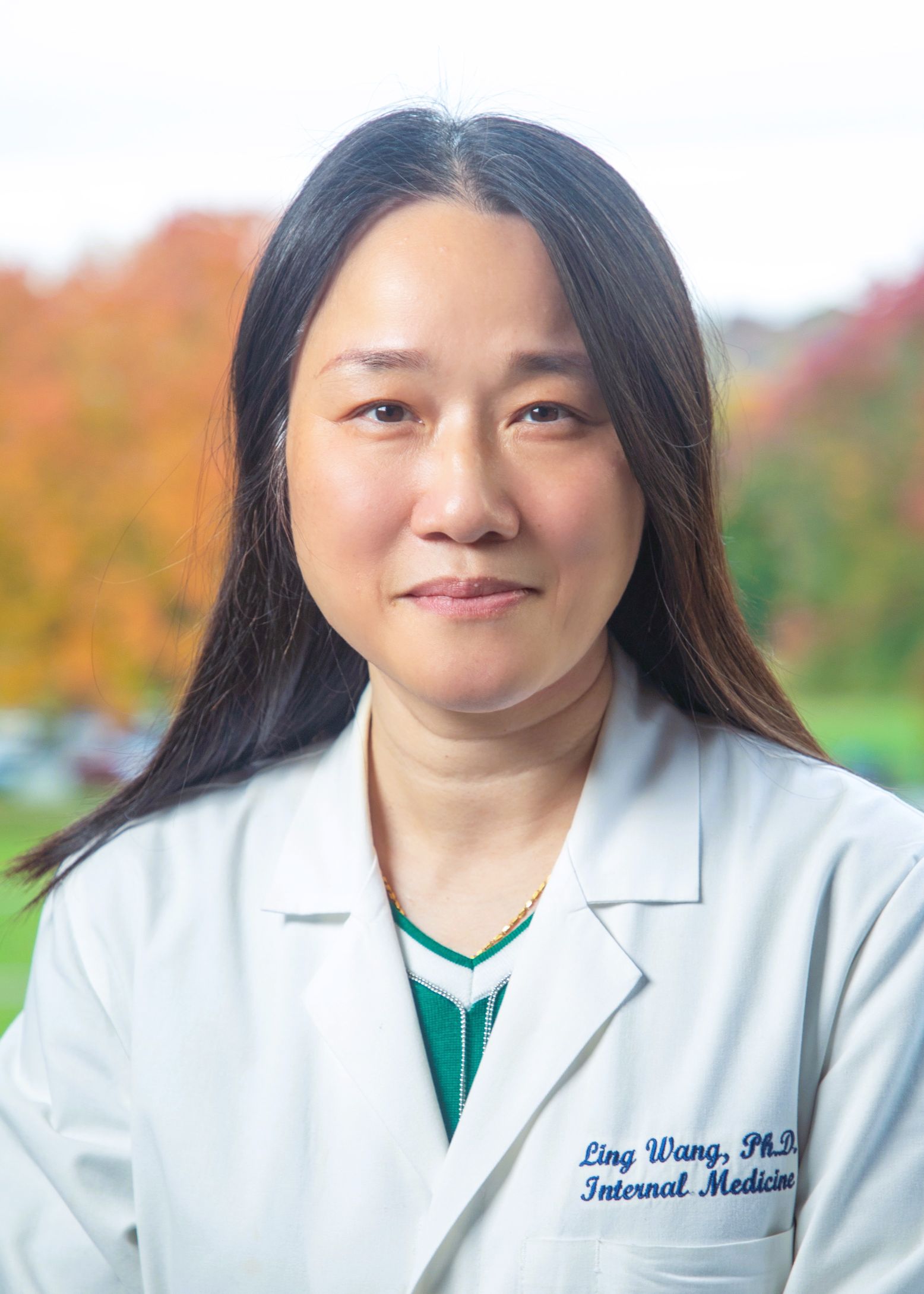
Ling Wang is an Associate Professor in the Infectious, Inflammatory and Immunologic Disease Department of Internal Medicine at East Tennessee State University. She holds a PhD in Molecular Biology from Wuhan University (2002) and a BS in Genetics (1995). Her postdoctoral training at UNC Chapel Hill (2002-2009) focused on tumor virology and immunology, followed by roles as a Research Scientist at the University of Miami (2010-2014) before joining ETSU. Her research explores chronic viral infections (HIV, HCV, KSHV, EBV), innate immune dysfunction, and their oncogenic pathways. Key areas include KSHV's K1 protein in tumor formation, EBV's manipulation of innate immunity via IRF7/4, and HCV/HIV-driven immune exhaustion. She investigates mechanisms linking viral infections to cancers and chronic diseases worldwide. Recent work focuses on viral epitope identification using convalescent plasma, p62's role in oncogenesis, and SARS-CoV-2 spike protein inhibition. Her research bridges virology, immunology, and cancer biology, with implications for antiviral therapies and cancer treatment strategies. Major findings include K1's role in VEGF/MMP-9-driven angiogenesis, cGAS-STING pathway modulation in EBV latency, and HCV-induced MDSC-driven T-cell suppression. Her team collaborates internationally to advance understanding of virus-host interactions.
Katia Reda serves as a Contract Professor at the Department of Law, Economics and Sociology (DiGES) of the Università della Calabria (UniCZ). Her research focuses on innovative cancer therapies, particularly targeting hematologic malignancies and solid tumors through molecular mechanisms involving non-coding RNAs, immunotherapy, and targeted drug delivery systems. She has pioneered studies on bispecific T-cell engagers, G-quadruplex stabilization, and CRISPR-based approaches to identify novel therapeutic targets. Her work integrates bioinformatics, preclinical models, and clinical trial analysis to advance precision oncology. Key contributions include identifying MALAT1 triplex inhibitors and exploiting the cGAS/STING pathway in immunogenic cell death mechanisms. Katia's interdisciplinary approach bridges molecular biology, pharmacology, and immunology to address challenges in cancer treatment efficacy and resistance. Notably, her research has explored the role of miR-221/222 in cancer progression and the application of resveratrol in epigenetic modulation. She has also contributed to understanding genetic anomalies in rare cases of SRY-positive females through non-invasive prenatal testing insights. Despite her affiliation with the DiGES department, her research activities are primarily aligned with medical and life sciences disciplines, reflecting a transdisciplinary academic profile.
Dr. Magdalena Sroka is a Lecturer affiliated with the Intercollegiate Faculty of Biotechnology of the University of Gdańsk and Medical University of Gdańsk, and a member of the Department of Structural Biology at the Institute of Biotechnology, University of Gdańsk. Her research focuses on immunology, molecular biology, and structural biology with applications in autoimmune disorders and microbiology. Her work explores mechanisms underlying autoimmune diseases like Sjögren’s syndrome and lupus, protein structure-function relationships, and bacterial pathogenesis. She also investigates innovative delivery systems for biomolecules using peptide vectors and enzymatic mechanisms. Recent studies include STING signaling pathways, periodontal bacteria- autoimmune disease interactions, and yeast strain physiology. Dr. Sroka’s publications demonstrate expertise in interdisciplinary approaches combining structural biology with immunology to address clinical challenges. No academic awards or grants are explicitly listed in her profile, though her active publication record indicates sustained research engagement.
Jacqueline James is a Clinical Professor and Consultant Pathologist at Queen's University Belfast's School of Medicine, Dentistry and Biomedical Sciences, based at the Patrick G Johnston Centre for Cancer Research. She specializes in Molecular Diagnostics and leads Northern Ireland's first cancer-focused biobank (Northern Ireland Biobank), securing over £3.5 million in funding. Her work supports translational research across cancer, neurodegenerative, respiratory, and infectious diseases. She co-directs the Precision Medicine Centre of Excellence (PMC), focusing on genomics, digital pathology, and big data analytics. James co-leads Queen’s contribution to the UK’s PathLAKE consortium and previously managed a Cancer Research UK Accelerator Programme in Molecular Digital Pathology. Education: Not explicitly listed in the text, but her roles and research suggest advanced qualifications in Pathology and Molecular Biology. Research Interests: Biomarker discovery, tumor microenvironment analysis, digital pathology, multiplex immunofluorescence, and early disease detection. Utilizes tools like QuPath for image analysis. Grants & Funding: Secured £3.5 million for NIB; leveraged over £20 million in competitive grants through NIB. PMC and PathLAKE projects highlight her role in large-scale initiatives. Awards: Includes Excellence in Teaching (2022), Innovation in Teaching Fund (2022), Irish Endocrine Society Award (2022), and the Primary Fellowship Medal (1996). Labs/Teams: Co-leads PMC’s tissue hybridization division and NHS Regional Molecular Diagnostic Service. Active in PathLAKE and Cancer Research UK initiatives. Future Work: Expanding digital pathology applications, AI-driven diagnostics, and precision medicine strategies.
Professor Martin W. Goldberg holds a position as Professor in the Department of Biosciences at Durham University, where he has served as Head of Electron Microscopy since 2022. His career includes roles at the Paterson Institute for Cancer Research (1995–2002) and Durham University, where he advanced from Lecturer (2002–2010) to Senior Lecturer/Associate Professor (2010–2022). His research focuses on nuclear envelope structure/function, microscopy techniques (electron and scanning), and ultra-high-resolution imaging. Education: BSc in Genetics from Leeds University (1985) PhD in Biophysics from Liverpool Polytechnic and University of California, Davis (1989) Research interests emphasize nuclear pore complexes, lamina dynamics, and advanced microscopy applications in cell biology. He pioneered methods like immunogold labeling for SEM and developed agitation modules for freeze substitution. His work bridges structural biology and disease mechanisms, including cancer cell invasiveness and progeria. Esteem indicators include invited talks at SEB and Royal Microscopical Society events, organizing conferences, and contributions to book chapters. He advises PhD students Andrea Meza-Leon, Ranjit Rai, and MSc student James Stevenson. His lab focuses on nuclear-cytoskeletal interactions and employs cutting-edge electron microscopy techniques to visualize subcellular architecture. Publications span microscopy protocols, nuclear envelope biology, and cancer research. Key work includes studies on LINC complexes in breast cancer and tardigrade heat shock proteins. His contributions advance understanding of nuclear dynamics and their roles in health and disease.
John Teijaro, PhD is a Professor in the Department of Immunology and Microbiology at The Scripps Research Institute. His research focuses on persistent viral infections (LCMV) and acute influenza pathogenesis, with emphasis on type 1 interferon's role in immunity and cytokine-driven pathology. He holds a B.S. in Molecular & Cell Biology (Millersville University, 2004) and a Ph.D. in Microbiology & Immunology (University of Maryland, 2009). Research interests include viral immunology, innate immune responses, cytokine amplification mechanisms, and tissue-resident memory T cells. His work has demonstrated that endothelial cells drive cytokine storms during influenza and that blocking IFN-I signaling enhances LCMV clearance via CD4 T cell activation. Notable awards include the 2014 Baxter Foundation Faculty Scholar award and multiple travel/abstract awards. His recent studies explore SARS-CoV-2 antivirals, therapeutic antibodies, and immunomodulatory drug candidates targeting JAK/STAT pathways and glycan checkpoints. Key collaborations include work on SLC15A4 inhibitors (Nature Chemical Biology 2024), CD28-sialic acid interactions (ACS Central Science 2021), and STING pathway modulation (Science 2020). Current projects aim to dissect pulmonary immune cell networks and develop novel therapies for viral infections and cancer.
Marta Gaglia is an Associate Professor in the Department of Medical Microbiology and Immunology at the University of Wisconsin–Madison, School of Medicine and Public Health, and a member of the Institute for Molecular Virology and the Carbone Cancer Center. She leads an active research laboratory focused on virus-host interactions, particularly in influenza A virus and Kaposi’s sarcoma-associated herpesvirus (KSHV). Her lab relocated from Tufts University to UW–Madison in fall 2022, where she continues to mentor graduate students, postdoctoral researchers, and undergraduates. Her research centers on how viruses manipulate host innate immune responses, such as the cGAS/STING and interferon pathways, and how viral proteins like PA-X and ORF42 induce host shutoff and immune evasion. By studying both RNA and DNA viruses, her lab identifies conserved and unique mechanisms of viral subversion. The recent publications from her lab demonstrate a strong focus on molecular mechanisms of viral gene regulation, RNA degradation, and immune modulation. Her work combines biochemical, transcriptomic, and virological approaches to link molecular events to disease outcomes. Her scientific achievements have been recognized with awards such as the Ann Palmenberg Junior Faculty Award (2019) . Marta Gaglia mentors a diverse team of trainees and is a trainer in the Microbiology Doctoral Training Program (MDTP) and the Cell and Molecular Biology (CMB) program. Her lab has secured competitive grants, including an R01, supporting ongoing research. She fosters a collaborative and supportive lab culture, emphasizing mentorship and scientific excellence. The Gaglia Lab is actively involved in scientific outreach and community engagement, including participation in events during the pandemic and professional conferences. They also maintain a strong lab identity through team-building activities and celebrations of scientific milestones.
Prof. Dr. Carlos A. Guzmán is a leading figure in vaccinology and applied microbiology, serving as Head of the Department of Vaccinology and Applied Microbiology at the Helmholtz Centre for Infection Research (HZI) and holding an APL professorship at Hannover Medical School. With over 260 publications and numerous patents, his research spans mucosal immunology, adjuvant development, and vaccine delivery systems, particularly focusing on Salmonella vectors and RNA-based vaccines. Education: Medicine (National University of Rosario, Argentina); specialization in Medical Bacteriology (Argentina); doctorates in Medicine/Surgery and Microbiological Sciences Research Pillars: Adjuvant discovery, DNA vaccines, mucosal delivery systems, and vaccine candidates against infectious diseases His work includes foundational studies on cyclic dinucleotides as adjuvants, self-replicating RNA vaccines, and translational projects like HeberNasvac for hepatitis B. Recent studies address aging-related vaccine responsiveness, pediatric respiratory infections in the LoewenKIDS cohort, and molecular insights into influenza and HCV immunogenicity. Scientific Contributions: Co-inventor of numerous international patents Key role in TRANSVAC infrastructure development Editorial board member for Vaccine , Frontiers in Mucosal Immunology , and others Current projects utilize the Helmholtz Centre's resources and collaborate with institutions across Europe, integrating systems immunology and nanotechnology for next-generation vaccines. The HZI's 60-year legacy and BRICS networks further amplify his impact.
Roger Stupp is the Chief of Neuro-oncology in the Department of Neurology and holds the Paul C. Bucy Professorship of Neurological Surgery at Northwestern University's Feinberg School of Medicine. He is also a Professor in Neurological Surgery, Medicine (Hematology and Oncology), and Neurology (Neuro-oncology). His research focuses on advancing treatments for brain tumors, particularly glioblastoma, through clinical trials and translational research. Dr. Stupp leads multiple active clinical trials evaluating novel therapies such as Debio 0123, L19TNF, and AZD9574 in combination with existing treatments like temozolomide and radiation therapy. His work integrates immunotherapy, targeted drug delivery across the blood-brain barrier, and innovative ultrasound technologies to improve outcomes for patients with malignant brain tumors. He is a key contributor to the Robert H. Lurie Comprehensive Cancer Center’s Brain Tumor SPORE, a prestigious NCI-funded program advancing translational research in brain cancer. His research has led to breakthroughs in understanding the blood-brain barrier’s role in neurological diseases and discovering therapeutic targets like the STING pathway and TIM3 protein. Dr. Stupp’s clinical and scientific contributions have been featured in high-impact journals such as Nature Medicine and the Journal of Clinical Investigation. Key grants include a $10.8 million NCI SPORE award renewal to expand translational brain tumor research. His team collaborates on cutting-edge trials at Northwestern Medicine, with locations across Chicago. Dr. Stupp’s work bridges laboratory discoveries with clinical practice, aiming to transform glioblastoma treatment paradigms through multidisciplinary approaches.
Ping Zhang is a Professor of Pediatric Dentistry at the University of Alabama at Birmingham (UAB) School of Dentistry since 2004, with additional appointments as Senior Scientist in UAB's School of Medicine departments including Neurodegeneration and Experimental Therapeutics, and Center for Clinical and Translational Science. Their research bridges dental science and systemic health through immunological mechanisms, focusing on osteoclast biology , periodontal disease , and innovative vaccine adjuvants . Zhang holds concurrent roles in the Civitan International Research Center and Comprehensive Arthritis Center. Ph.D. in Oral Biology (1997) and DDS (1992) from Hubei University of Medicine Board-certified pediatric dentist with NIH-funded research Research highlights include: Defining RANK/IVVY motif's role in Porphyromonas gingivalis -induced bone loss Developing structurally-defined saponin adjuvants from Momordica cochinchinensis Elucidating age-related immunological changes in bone metabolism Discovering oral-gut translocation of periodontal pathogens in metabolic disorders Recent publications emphasize calcium silicate cements for pulp therapy, chromatin regulation in osteoclasts, and microRNA-based therapies for dental inflammation. Ping Zhang serves on multiple graduate committees and teaches courses on oral microbiology and pediatric dentistry research . They have received extramural funding from NIH (NIDCR, NIAID, NIGMS) and industry partners for vaccine adjuvant development and periodontal disease mechanisms.
Desislava Doycheva, PhD, is a Research Professor at Loma Linda University School of Medicine with dual appointments in the Cardiology and Physiology divisions. Her research bridges neuroscience and cardiovascular medicine, focusing on molecular mechanisms of neuroprotection in conditions like neonatal hypoxic-ischemic injury, stroke models, and myocardial infarction pathways. Primary research domains include: Neuroinflammation modulation via AMPK/Nrf2 signaling pathways Neonatal brain injury recovery mechanisms SGLT2 inhibitor impacts on cardiovascular outcomes Microglia polarization in hemorrhage recovery Novel neuroprotective agents (chemerin, adiponectin) Her 54+ publications demonstrate consistent focus on translational pathways from animal models to clinical applications, with recent expansion into cardiovascular-neurological intersections. Teaching includes physiology coursework emphasizing experimental approaches.
Mari L. Shinohara is Professor of Integrative Immunobiology at Duke University School of Medicine , where she also holds professorships in Cell Biology , Neurobiology , and Molecular Genetics & Microbiology . She serves as Director of Graduate Studies in the Department of Immunology and is a member of the Duke Institute for Brain Sciences and the Duke Cancer Institute . Education & Training: While specific degrees are not detailed in the provided text, Dr. Shinohara’s extensive publication record and senior faculty status indicate advanced training in immunology and molecular biology. Research Overview: The Shinohara Lab investigates the cellular and molecular mechanisms that balance protective immunity against pathogens with the prevention of autoimmunity. Using cutting-edge mouse models of multiple sclerosis (EAE) , fungal infections , and graft-versus-host disease , the lab focuses on: Pattern Recognition Receptors (PRRs) in macrophages and dendritic cells Osteopontin (OPN) isoforms in immune regulation Neuro-immune interactions in the CNS during infection and autoimmunity Alveolar macrophage heterogeneity and lung immunity Inflammasome biology in astrocytes and microglia Scientific Awards & Honors: While no personal awards are listed, her trainees have received prestigious recognitions such as the NSF Graduate Research Fellowship . Advising & Grants: Dr. Shinohara has mentored numerous PhD students to successful defense, including Jeremy Ratiu , William Barclay , and Elizabeth Deerhake . Her lab is supported by active federal and foundation grants, though specific grant numbers are not disclosed here. Laboratory & Resources: The Shinohara Lab is located in the Jones Building on Duke’s Research Drive, with access to core facilities through the School of Medicine and the Office of Biomedical Graduate Education.