- Psychosocial and behavioral factors in cancer
- Cancer prevention and survivorship
- Biobehavioral mechanisms in cancer
- +۷ مورد دیگر
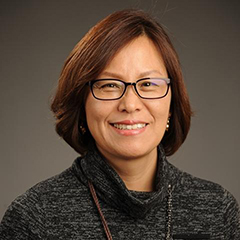
Carolyn Y. Fang, PhD, is a Professor and Associate Director for Population Science in the Cancer Prevention and Control (CPC) program at Fox Chase Cancer Center. Her research focuses on the interplay between psychosocial, behavioral, and biological factors in cancer risk and outcomes, particularly among racial/ethnic minority and underserved populations. She leads a dynamic research lab conducting studies in biobehavioral mechanisms, cancer health disparities in Asian Americans, and immigrant health determinants. Research Interests: Biobehavioral mechanisms in cancer, including stress-immune interactions Community-based interventions to reduce cancer disparities Neighborhood and acculturation effects on health HPV and cervical cancer screening in minority populations Palliative care and patient-caregiver support systems Her recent publications (2023–2025) reflect a strong focus on cancer disparities, social determinants of health, and community-engaged research, particularly among Asian American and Latino populations. Themes include neighborhood effects on cancer risk, HPV self-sampling interventions, caregiving strain during the pandemic, and geospatial analysis of prostate cancer aggressiveness. Scientific Awards and Honors: Fellow, Society of Behavioral Medicine (2020) Fellow, Academy of Behavioral Medicine Research (2020) Cancer Control Award, American Cancer Society (2013) APA Leadership Institute for Women (2011) NCI Preventive Oncology Career Development Award (1999–2004) Dr. Fang has been actively involved in mentoring and training the next generation of cancer researchers through programs like the Undergraduate Summer Research Fellowship. She leads a multidisciplinary team focused on developing and evaluating interventions to improve cancer screening, survivorship, and quality of life. Her work integrates psychological assessments with biomarker and geospatial data to understand health disparities holistically.