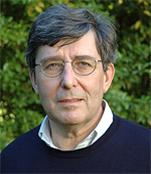
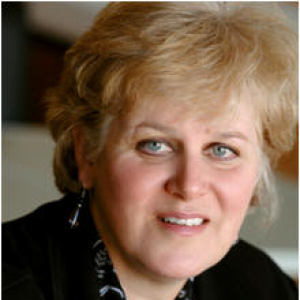
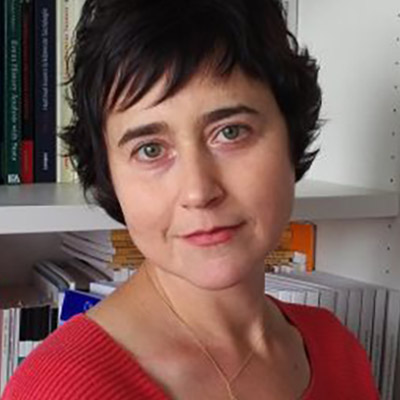
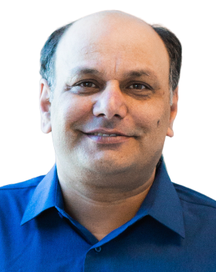
Corey Eide serves as a DRLA Senior Fellow and Adjunct Instructor at Tulane University's School of Social Work, specializing in disaster resilience education and program development. Concurrently, he works as a Practice Leader at BDO, advising government and nonprofit clients on strategic growth and Federal funding compliance. His expertise stems from over a decade at the American Red Cross modernizing disaster recovery systems and leadership roles at Team Rubicon. Education: Master of Science in International Development, Tulane University Bachelor of Arts in Communications and Global Studies, California Baptist University Eide's research integrates practical disaster response with academic theory, focusing on cash transfer systems, case management, and community-based resilience building. His international fieldwork across Haiti, Chile, Thailand, Panama, and India informs immersive courses like Disaster Operations and Policy. He emphasizes experiential learning through Tulane's Summer Institutes, addressing emerging global crisis challenges. Professional Engagement: Advisor, Footprint Project (renewable energy in disaster zones) Advisor, University of California Disaster Resilience Network
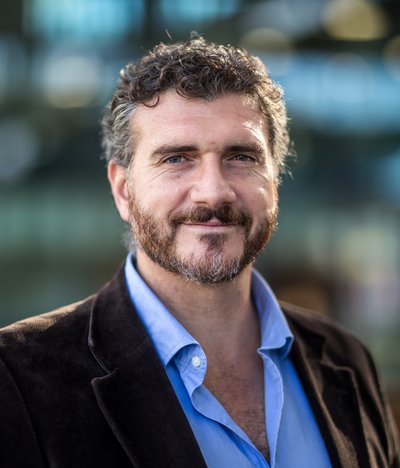
Dr. Marco Conti is the Fred Gellert Endowed Professor at the University of California San Francisco (UCSF) School of Medicine, where he serves in the Department of Obstetrics, Gynecology and Reproductive Sciences. He previously directed the Center for Reproductive Sciences at UCSF, a leading institution in reproductive biology research. Dr. Conti received his M.D. from the University of Rome School of Medicine in 1974, followed by postdoctoral training in Reproductive Biology at the same institution (1974-75) and Endocrinology at the National Institutes of Health in Bethesda, MD (1975-77). His research career spans over four decades with significant contributions to understanding oocyte development and reproductive biology. Dr. Conti's research program focuses on signal transduction pathways required for germ cell development, particularly those controlling oocyte meiotic maturation and developmental competence. His lab has identified critical signals arising in somatic cells during ovulation that establish oocyte developmental competence. The research examines how disruption of these pathways affects maternal mRNA translation patterns into proteins critical for nuclear reprogramming and early embryo development. This work has significant implications for stem cell research, understanding mechanisms controlling cell replication during preimplantation development, and developing embryonic stem cells into artificial gametes. Additional research interests include fertility preservation for cancer patients. Analysis of Dr. Conti's publication record reveals a consistent focus on reproductive biology with particular emphasis on cAMP signaling pathways, phosphodiesterases, mRNA translation regulation, and oocyte maturation. His work shows progression from foundational studies on cAMP-specific phosphodiesterases in the 1990s to more recent sophisticated analyses of maternal mRNA translation programs using single-cell approaches and multi-omics techniques. The research demonstrates increasing complexity in methodology while maintaining focus on fundamental questions of oocyte developmental competence. International Fogarty Fellow (1975-77) Phi Beta Kappa Teaching Excellence Award (2000) Sandler Foundation Senior Investigator Award (2001) Society for the Study of Reproduction Research Award (2003) Board of Directors Society for the Study of Reproduction (2006) Dr. Conti has mentored numerous researchers in reproductive biology and has been instrumental in establishing genetic models to study oocyte developmental competence. His laboratory work has significant translational potential for improving assisted reproductive technologies and understanding age-related declines in fertility. The Center for Reproductive Sciences at UCSF, which he previously directed, serves as a hub for interdisciplinary research connecting basic science discoveries with clinical applications in reproductive medicine.
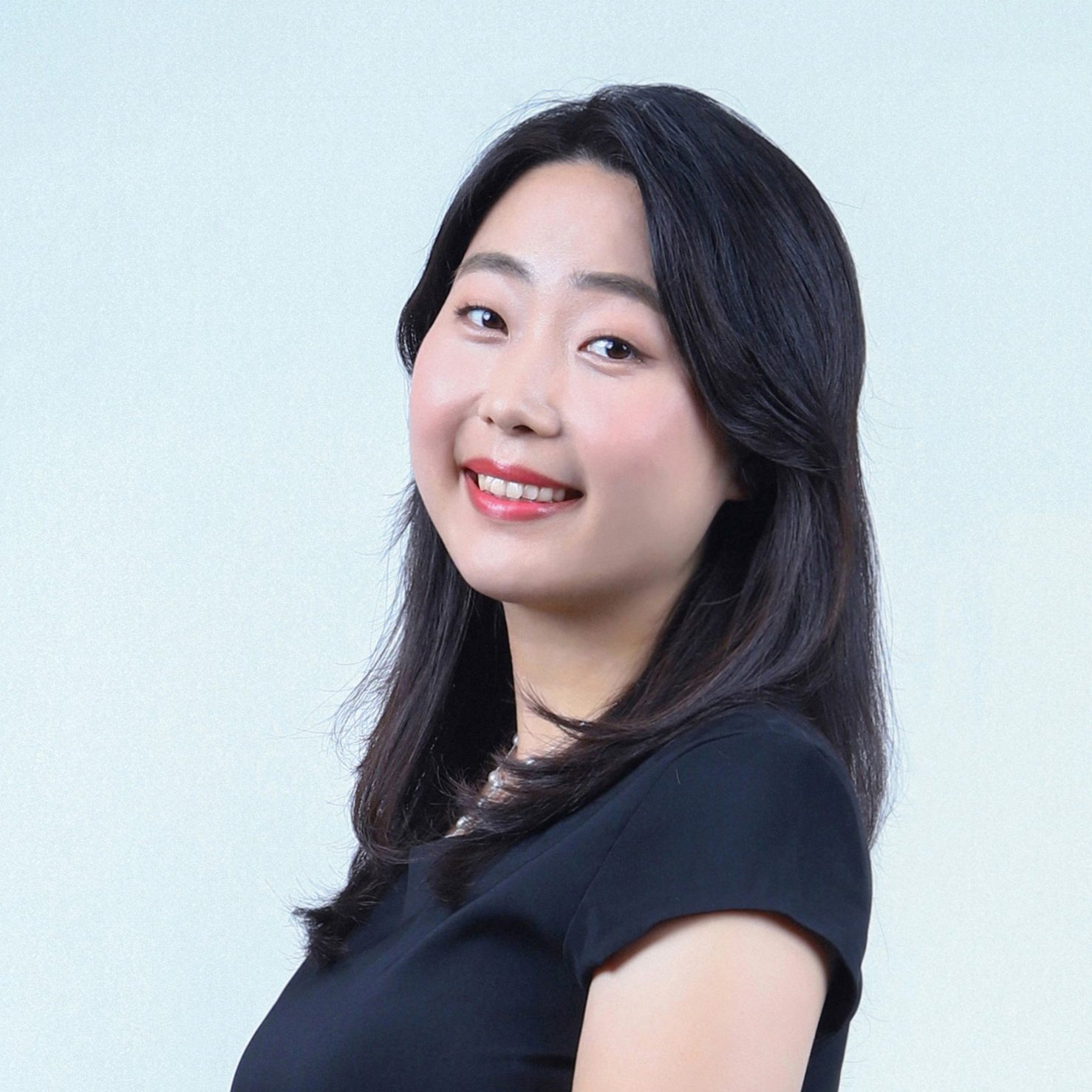
CJ Park is an Assistant Professor in the Department of Educational and Counseling Psychology, and Special Education at the University of British Columbia (UBC), Faculty of Education. A licensed psychologist with international experience, she previously served as Assistant Professor at New Mexico State University and maintains an active clinical and research practice from her Scarfe Library Block 280 office. Her academic credentials include: Bachelor of Psychology from the University of Hong Kong Master of Counseling Psychology from Ewha Womans University (South Korea) PhD in Counseling Psychology from the University of Missouri-Columbia (2021) Dr. Park's research integrates vocational and positive psychology with critical social justice frameworks, examining career development through lenses of diversity, critical consciousness, and cross-cultural identity. Her clinical work employs Interpersonal Psychotherapy and Multicultural-Feminist Therapy to address systemic barriers in educational and career settings. Analysis of her 15 recent publications reveals dominant themes in career psychology (particularly STEM pathways for women of color), microaggression dynamics, and health behavior intersections with sleep/alcohol use. Her work consistently centers marginalized populations while advancing measurement tools like the Career Futures Inventory. Currently accepting graduate students for 2026-27, Dr. Park maintains active research collaborations across counseling psychology, education, and health sciences, with recent publications demonstrating interdisciplinary grant-funded work on social determinants of health and career development.
Daniel P. Schrag is the Sturgis Hooper Professor of Geology and Professor of Environmental Science and Engineering at Harvard University, serving as Director of the Harvard University Center for the Environment. He also co-directs the Program on Science, Technology, and Public Policy at Harvard’s Kennedy School Belfer Center for Science and International Affairs. His academic foundation includes a B.S. in geology and geophysics and political science from Yale University, followed by a Ph.D. in geology from the University of California, Berkeley in 1993. After teaching at Princeton University, he joined Harvard in 1997. Schrag’s research spans Earth’s entire climate history, specializing in extracting insights from geological records to forecast anthropogenic climate change. His work integrates geochemical oceanography, paleoclimatology, and stable isotope geochemistry with energy technology and policy analysis. Key investigations focus on carbon capture, low-carbon fuels, and the geochemical signatures of ancient climate shifts. His recent publications reveal an intensifying focus on climate policy mechanisms, particularly border carbon adjustments and climate finance frameworks that bridge international equity gaps. His scholarly contributions are recognized through prestigious awards including the MacArthur Fellowship (2000), the American Geophysical Union’s James B. Macelwane Medal, membership in the American Academy of Arts and Sciences, and designation as a Technology Review Young Innovator (1999). MacArthur Fellowship (2000) James B. Macelwane Medal (American Geophysical Union) American Academy of Arts and Sciences Member AAAS Fellow Technology Review 100 Young Innovators (1999) Schrag significantly influenced national policy through eight years on President Obama’s Council of Advisors on Science and Technology (PCAST), shaping reports on energy, climate, and STEM education. He co-founded the Potential Energy Coalition to deploy marketing expertise in climate risk communication and leads the Harvard-based Schrag Group, which explores interdisciplinary solutions at the climate-energy nexus through fieldwork, modeling, and policy analysis.
Wolfgang Windl is a Professor in the Department of Materials Science and Engineering at The Ohio State University with a joint appointment in Physics. He co-founded Goniotech LLC and previously worked at Motorola as a Principal Staff Scientist. He holds a doctoral degree in physics from the University of Regensburg and completed postdoctoral research at Los Alamos National Laboratory and Arizona State University. His research specializes in computational materials science, focusing on: Atomistic simulations and density-functional theory Machine learning applications in materials design Semiconductor transport and layered materials (e.g., Dirac semimetals) Atom probe tomography and characterization techniques Analysis of his 15 most recent publications (2023-2025) reveals dominant themes: advanced simulations of field evaporation, topological quantum materials (PtTe 2 , PdTe 2 ), and computational frameworks for materials characterization. His work frequently integrates spectroscopy, tomography, and Bayesian methods to study alloys, 2D materials, and additive manufacturing defects. Awards and Honors Fraunhofer-Bessel Research Award (2006) Four Lumley Research Awards Boyer Award for Teaching Excellence (2015) Faculty Diversity Excellence Award (2020) Two Mars Fontana Best Teacher Awards (2006, 2015) ASEE Best Paper & Diversity Awards (2019) He advises 11+ graduate students (7 alumni, 5 current) and leads the Windl Group research team focused on computational materials modeling. His group develops simulation tools for atomic-scale characterization and collaborates with national laboratories.
Ramiro Serra is an Associate Professor at the Department of Electrical Engineering at Eindhoven University of Technology (TU/e) in the Netherlands. He is affiliated with the Electrical Energy Systems group and the High Tech Systems Center , focusing on Power Conversion and Electromagnetics . Research Interests include Electromagnetic Compatibility (EMC) , Statistical Electromagnetics , Wireless Coexistence , and Interference Studies . His expertise spans the design, modeling, and operation of Electromagnetic Mode-Stirred Reverberation Chambers , noise propagation in IC substrates, and EMC aspects in large infrastructures. Notable Contributions involve novel methods for EMI Reduction in mixed electrical class modules, VNA-Based TRP Measurements , and quantifying Loading Effects in reverberation chambers. His work impacts domains like Consumer Electronics , Automotive , and Medical Devices . Academic Leadership includes roles in international committees such as the International Steering Committee of EMC Europe , Chair of URSI Commission E , and Secretary of the General National URSI Committee . He also contributes to standardization efforts via IEC 61000-4-21 and CIRED/CIGRE joint working groups.
Dr. Greg Huey is a Professor in the School of Earth & Atmospheric Sciences at the Georgia Institute of Technology, where he leads research in atmospheric chemistry with expertise in trace gas measurement and aerosol processes. His work bridges laboratory studies, aircraft campaigns, and global modeling to address air quality and climate challenges. His educational background includes a Ph.D. in Physical Chemistry from the University of Wisconsin-Madison (1992) and a B.S. in Chemistry from the University of Virginia (1986). Dr. Huey's research centers on chemical kinetics of ionic and neutral species, heterogeneous chemistry , and aircraft-based sampling of condensable gases. He specializes in chemical ionization mass spectrometry for trace gas analysis, with applications to wildfire smoke, urban pollution, and stratospheric-tropospheric exchange. Key themes include aerosol formation mechanisms, ozone production pathways, and halogen chemistry impacts on oxidation capacity. Analysis of his 2021-2025 publications reveals dominant research threads in Asian pollution transport , wildfire smoke chemistry , and urban ozone formation . His work frequently integrates NASA field campaigns (KORUS-AQ, FIREX-AQ, ATom) with satellite validation and modeling to quantify pollution impacts across scales. His scientific recognition includes: Outstanding Teaching Award, Georgia Tech (2007) Dr. Huey directs major field campaigns and instrumentation development for atmospheric trace gas measurements. His research is supported by NASA and NSF grants focused on aircraft-based studies of wildfire emissions, monsoon-driven transport, and urban air quality. He actively mentors students through Georgia Tech's atmospheric science programs and a multi-institution REU site. He contributes to international efforts like the Asian Monsoon Chemical and Climate Impact Project (ACCLIP), developing advanced chemical ionization mass spectrometers for deployment on NASA aircraft to study global atmospheric composition.
Liz Chesworth is a Senior Lecturer in Early Childhood Education at the School of Education, University of Sheffield . A Senior Fellow of the Higher Education Academy (SFHEA), her work bridges research, teaching, and professional practice. BA (Hons), PGCE, PhD Her research focuses on contemporary play cultures , dynamic curriculum approaches , and children’s participation in research . She explores power dynamics in peer cultures and digital play’s impact on well-being, with funded projects like the Lego Foundation's Responsible Innovation in Technology for Children and EU Horizon 2020’s MakEY makerspace initiative. Her work has received international recognition through keynotes and consultancy. Recent publications emphasize participatory methods, cross-cultural family engagement, and technology integration in early years. She co-edits journals and serves on editorial boards, while leading the full-time Masters in Early Childhood Education and teaching in the White Rose Doctoral Training Programme . Senior Fellow of the Higher Education Academy (SFHEA) Liz collaborates with institutions such as The Froebel Trust and contributes to policy debates on inclusive practices.
Lisa A. Cassis serves as Vice President of Research and Professor of Pharmacology and Nutritional Sciences at the University of Kentucky. She holds multiple leadership positions including Co-Director of the Division of Nutritional Sciences and Graduate Faculty in Nutritional Sciences. Dr. Cassis is affiliated with several research centers including the Saha Cardiovascular Research Center, Saha Aortic Center, and serves as an MD/PhD Program Mentor. Dr. Cassis's research program has focused for over three decades on the renin-angiotensin system (RAS) in metabolic and cardiovascular diseases. Her laboratory made the seminal discovery in 1988 that adipocytes express high levels of angiotensinogen, establishing the concept of an adipocyte RAS. In 1999, in collaboration with Dr. Alan Daugherty, her team demonstrated that infusion of angiotensin II to hyperlipidemic mice increases atherosclerosis and causes abdominal aortic aneurysms (AAAs), with their 2000 publication in The Journal of Clinical Investigation becoming highly influential (over 500 citations). Current research emphasizes mechanisms for sex differences in AAA formation and PCB-induced diabetes, particularly examining adipocyte aryl hydrocarbon receptors as mediators of inflammation and insulin resistance. Her work has been continuously NIH-funded since 1988. Analysis of Dr. Cassis's recent publications reveals a strong focus on sex differences in vascular pathologies, particularly abdominal aortic aneurysms. Her research integrates molecular mechanisms with physiological outcomes, emphasizing adipose tissue's role in cardiovascular disease. Recent work explores novel therapeutic targets including serotonin receptors and mitochondrial dynamics in aortic disease progression. The publications demonstrate a progression from foundational mechanistic work to translational applications, with increasing use of advanced techniques like single-cell transcriptomics. 1986 National Research Service Award Postdoctoral Fellowship 1991 IBM Supercomputer Competition, First Place 1992 Research Career Development Award, NIHLBI 2012 Women's Mentor of the Year, Council on Arteriosclerosis, Thrombosis, and Vascular Biology, American Heart Association 2012 Mentor of the year, Center for Clinical and Translational Sciences, University of Kentucky 2012 Council for High Blood Pressure Research Harriett Dustan Award for Excellence in Hypertension Research Dr. Cassis has extensive experience administering major research programs including Director of a multidisciplinary graduate center focused on nutritional scientists, Chair of the Department of Nutritional Sciences, Chair of the Department of Molecular and Biomedical Pharmacology, Director of an NIH T32 on Nutrition and Oxidative Stress, and Director of the Phase II NIH Center of Biomedical Research Excellence on Obesity and Cardiovascular Diseases (COCVD). She has served in numerous leadership roles including as Project Director of a University of Kentucky Superfund Basic Science Research Program focused on polychlorinated biphenyls (PCBs). Dr. Cassis leads the Saha Cardiovascular Research Center and Saha Aortic Center at the University of Kentucky, where her laboratory investigates the intersection of metabolic and cardiovascular diseases. Her team combines molecular, cellular, and physiological approaches to study sex differences in vascular pathologies, with particular emphasis on abdominal aortic aneurysms and the role of adipose tissue in cardiovascular disease.
Daniele Turchetti is an Assistant Professor in the Department of Mathematical Sciences at Durham University, where he teaches advanced mathematics and data science courses. His academic journey includes a PhD from Paris-Saclay University (2014) and postdoctoral positions at Leiden University, Max-Planck Institute for Mathematics, Caen University, Dalhousie University, and Warwick University. His educational background includes: PhD in Mathematics from University of Paris-Saclay (2011-2014) Turchetti's research spans pure mathematics and educational applications. His primary interests focus on the intersection of algebraic geometry and number theory, particularly non-Archimedean analytic geometry, Galois theory, and their applications to problems in positive characteristic. He also explores connections to toric varieties, logarithmic structures, dynamical systems, and modular forms. In addition, he has developed significant interests in mathematics education, including e-assessment, student engagement, and the application of statistical learning to advance pure mathematics. His publication record demonstrates a consistent focus on Berkovich geometry and related topics in non-Archimedean geometry, with recent expansion into applications of algebraic geometry to other scientific fields and machine learning techniques in mathematical research. His work often involves collaborations with researchers across Europe and North America. Turchetti is actively involved in mathematical outreach, serving as chair of the mathematical science outreach committee at Durham University. He has collaborated with numerous organizations including Images des Mathématiques, Fête de la Science, and various STEM outreach initiatives in Atlantic Canada and the UK, focusing on demonstrating that 'mathematics is useful, empowering, and beautiful' to diverse audiences. As an educator, he teaches courses including 'Data Exploration, Visualization, and Unsupervised Learning' and 'Multilevel Modelling,' and supervises undergraduate research projects on algebraic geometry topics. His teaching philosophy emphasizes effective assimilation of mathematical concepts and communicating the beauty of mathematics to students.
Edouard Hannezo is a Professor at the Institute of Science and Technology Austria (ISTA) since 2022, focusing on the application of theoretical physics to elucidate design principles of self-organization in biological systems. His research spans multiple scales, from cytoskeletal dynamics to tissue architecture, with key collaborations in developmental and cell biology. The Hannezo Group integrates solid/fluid mechanics, statistical physics, and soft materials engineering to address fundamental questions in morphogenesis. Current Research: Investigates stochastic branching in mammalian organs, active fluids in cytoskeletal organization, and fate selection during development. Key Contributions: Developed biophysical frameworks for intestinal organoid morphogenesis, branching morphogenesis, and mechanochemical feedback loops. Scientific Awards: EMBO Young Investigator Award (2019) ERC Starting Grant (2019) Wellcome Trust Fellowship (2015) Bettencourt-Schuller Young Researcher Prize (2014) Team: Leads a multidisciplinary team including PhD students (Zuzana Dunajova, Andreas Ehrmann, Kasumi Kishi) and postdocs (Oliver Drozdowski, Yuting Li), with technical support from image analyst Suyash Naik.
Navid Faraji, MD is an Assistant Professor in both the Department of Radiology and Department of Anatomy at Case Western Reserve University School of Medicine. He also serves as Associate Program Director for the Diagnostic Radiology Residency at UH Cleveland Medical Center, where he actively mentors medical students and residents in radiology research initiatives. University: Case Western Reserve University School: School of Medicine Departments: Radiology, Anatomy Academic Rank: Assistant Professor Email: navid.faraji@uhhospitals.org His research spans two primary domains: Radiology Education and Musculoskeletal Imaging . Recent publications demonstrate expertise in: Educational technology integration (e.g., Anki flashcards) Emergency fracture detection tool validation Bone marrow edema patterns in athletes/military trainees Gender equity initiatives in radiology pipeline AI-human collaboration in diagnostic imaging Cross-modality image registration techniques Scientific accolades include the Wei-Shen Chin Award for Medical Student Teaching (2022) . His 2023-2025 publications focus on optimizing radiology workflows, ballet dancer injuries, and incidental lesion analysis, with emerging themes in synthetic imaging and psychological safety frameworks.
Professor Irena Kogan holds the Chair of Sociology and Comparative Societies at the University of Mannheim, School of Social Sciences, since October 2009. She is a member of the European Academy of Sociology and serves as associate editor of the European Sociological Review. Research Interests: Her work focuses on social inequality, migration, and labor market sociology, emphasizing comparative frameworks and quantitative methodologies. Key areas include immigrant integration, ethnic stratification, and transitions from education to employment. Current Projects: She is co-lead of the German component of the Children of Immigrants Longitudinal Survey in Four European Countries , leads the ERC-funded project PARFORM (Partnership Formation in the Context of Refugee Migration), and the Fritz Thyssen Foundation-funded STEMobile (STEM Competences and Ethnic Minority Mobility). Additionally, she contributes to the EU Horizon2020 project PIONEERED (Pioneering Policies Tackling Educational Inequalities in Europe). Contact: Office hours: Tuesday 2–3 p.m. Email: irena.kogan@uni-mannheim.de
Michele Cooke is an Associate Professor at the University of Massachusetts Amherst , affiliated with the School of Earth and Sustainability. Her research focuses on mechanical modeling of fault systems, particularly in Southern California, and she leads initiatives for disability equity in geosciences. Contact: cooke@umass.edu | (413) 577-3142 | Morrill 3 230, 611 N Pleasant St, Amherst, MA Research Interests: Active faulting and work minimization in fault evolution Integration of analog experiments (sandbox/claybox) with numerical models Disability equity in geosciences (e.g., The Mind Hears mentoring forum) Subduction zone hazards and energy budgets Earthquake early warning accessibility for deaf communities Education: Ph.D., Stanford University
Muhammad Asghar is an Assistant Professor at the Department of Engineering and Computer Education, University of Cincinnati. His research focuses on the intersection of engineering education and student mental health, with expertise in physiology-based behavior analysis, wellbeing frameworks, and curriculum innovation. Ph.D. in Engineering Education, Utah State University (2023) Master's in Educational Psychology and Clinical Psychology, IIUI Islamabad (2015-2019) B.Sc. in Computer Information Systems Engineering, UET Peshawar (2004) Current research trends include systematic literature reviews on student wellbeing, eye-tracking studies for design task analysis, and curriculum redesign for mental health integration. He contributes to NSF-funded initiatives like First-Year Engineering 2.0 and develops wellbeing assessment tools for engineering pedagogy. His work spans collaborations with researchers like Sheryl Sorby, Angela Minichiello, and Oenardi Lawanto, with publications in Journal of Engineering Education , ASEE Conference Proceedings , and International Journal of Environmental Research and Public Health .