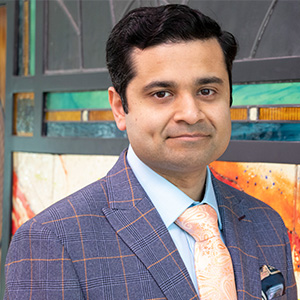
Dr. Joseph Allencherril is an Assistant Professor in the Department of Cardiovascular Medicine at the University of Texas Medical Branch . He holds an MD from Baylor College of Medicine - Houston, TX (completed 2016). His research focuses on acute cardiac care, including ST-segment elevation myocardial infarction (STEMI) management, gender-specific cardiovascular disease impacts, and contrast-induced kidney injury. He has contributed to over 29 peer-reviewed publications, with recent works emphasizing clinical decision-making, prognostication via lung ultrasound, and tailored interventions for atrial fibrillation patients. Key research interests include advancing STEMI classification systems, leveraging imaging technologies for better patient outcomes, and addressing public health gaps in smoking-related cardiovascular risks. Dr. Allencherril has collaborated on international studies and is affiliated with UTMB's strategic health communities research initiatives. No formal scientific awards are listed, but his work has garnered significant readership (e.g., 22+ readers on Mendeley for his 2024 smoking review). His grants and lab affiliations remain unspecified in available texts.
Assoc. Prof. Dr. Erdoğan Sökmen serves as a full-time academician at Kırşehir Ahi Evran University Faculty of Medicine within the Department of Internal Medical Sciences . His clinical and research activities focus on cardiology, particularly coronary artery disease and electrophysiological assessments. His educational background includes a Medical Degree from Istanbul University Cerrahpasa Faculty of Medicine (2007) and Medical Specialization in Internal Medical Sciences from Health Sciences University (2012). He maintains professional certifications in Good Clinical Practices and holds advanced English proficiency (YDS 93). Dr. Sökmen's research centers on cardiovascular pathophysiology with emphasis on: Electrocardiographic parameters in myocardial infarction Inflammatory biomarkers in hypertension Coronary artery anomalies and reperfusion phenomena Metabolic interactions in cardiovascular disease His publication analysis reveals consistent contributions to understanding no-reflow phenomenon, ventricular repolarization abnormalities, and novel biomarkers like nesfatin-1 and omentin-1. He actively participates in academic service as a member of both the Turkish Cardiology Association and European Society of Cardiology since 2012. His mentorship includes supervising Samet Altunbaş's thesis on myocardial infarction biomarkers. With an h-index of 11 (UNIS) and 10 (WoS), his work demonstrates significant scholarly impact in cardiovascular medicine.
Dr. Stuart Hood is an Honorary Senior Lecturer at the University of Glasgow, affiliated with the School of Cardiovascular & Metabolic Health and the Cardiology Department at the Royal Alexandra Hospital. His expertise focuses on coronary microvascular dysfunction, myocardial infarction pathophysiology, and interventional cardiology. He has contributed to numerous studies on fractional flow reserve (FFR), stent optimization, and coronary artery disease management. Research interests include the interplay between coronary microvascular function and atherosclerosis, as well as outcomes in patients with non-obstructive coronary arteries. His work integrates clinical trials (e.g., CorMicA, TARGET-FFR) and imaging techniques (e.g., MRI, cardiac CT) to improve diagnostic accuracy and patient care. Key themes in his publications address post-percutaneous coronary intervention (PCI) outcomes, risk stratification in acute myocardial infarction, and the role of systemic microvascular dysfunction in angina. His articles highlight advancements in PCI optimization, prognostic biomarkers for myocardial infarction, and the impact of diabetes on coronary thrombus formation. Dr. Hood collaborates with institutions like the British Cardiovascular Intervention Society and has presented at major conferences such as ACC.18 and the British Society of Cardiovascular Magnetic Resonance. No scientific awards or grants are explicitly listed in the provided materials. His academic contributions are centered on clinical research and translational cardiology, with a focus on improving therapeutic strategies for coronary artery disease and post-infarction care.
Professor Andrew Boyle is a distinguished cardiologist and researcher at the University of Newcastle's School of Medicine and Public Health, where he serves as Professor of Cardiovascular Medicine and Head of Discipline. His career spans prestigious institutions including Monash University, St Vincent's Hospital Melbourne, Johns Hopkins University, and the University of California San Francisco, where he was Associate Professor of Medicine. Currently based at the Hunter Medical Research Institute (HMRI) and John Hunter Hospital, he leads significant cardiovascular research initiatives while providing clinical care. Boyle obtained his medical degree from Monash University, completed cardiology advanced training at St Vincent's Hospital Melbourne, earned a PhD in Medicine from the University of Melbourne, and completed fellowship training at Johns Hopkins University. His academic journey includes seven years as faculty at the University of California San Francisco, where his NIH-funded laboratory focused on aging and left ventricular remodeling. Professor Boyle's research focuses on left ventricular remodeling following heart attacks and with aging, with particular emphasis on molecular and cellular mechanisms of fibrosis, cardiac stem cell function, and cardiac regeneration. His laboratory at HMRI employs multiple preclinical models to investigate apoptosis, stem cell behavior, and fibrosis pathways. His translational research bridges laboratory findings with clinical applications, while his clinical research examines systems of care and novel therapies for optimizing cardiovascular outcomes after heart attacks and transcatheter aortic valve implantation. An analysis of his recent publications reveals a strong focus on clinical cardiology research, particularly examining STEMI care disparities between rural and metropolitan regions, innovative interventional techniques, biomarkers for cardiovascular risk prediction, and sex-based differences in heart disease. His work increasingly addresses healthcare system challenges, including rural access to cardiac care and patient-centered approaches to cardiac procedures. Fellow - Society for Cardiac Angiography and Intervention Fellow - American Heart Association Fellow - American College of Cardiology Professor Boyle actively supervises research higher degree students in his laboratory and teaches medical and biomedical science students at all levels. He serves as Clinical Dean of the Hunter Clinical School for the Joint Medical Program of the Universities of Newcastle and New England. His administrative leadership includes roles as Co-Director of the Heart and Stroke Research Program at HMRI, Chair of the Clinical Trials Subcommittee of the Hunter New England HREC, and Chair of the Executive Committee of the NSW Cardiovascular Research Network. His extensive collaborations span Oxford University, multiple Australian universities, the Medical University of Graz, and institutions in China. His research laboratory at HMRI brings together basic scientists, translational researchers, and clinicians to investigate cardiac remodeling mechanisms. The team maintains ongoing collaborations with international institutions and participates in the Regional Rural and Remote Clinical Trial Enabling Program, focusing on improving cardiovascular care delivery in underserved regions.
Maria Cristina Acconcia serves as an Associate Professor at Sapienza University of Rome within the Department of Clinical, Internal, Anesthesiological and Cardiovascular Sciences. Her academic career focuses on advancing cardiovascular medicine through clinical research and evidence-based practice, with particular expertise in interventional cardiology and acute cardiac care. Her research portfolio spans critical areas including anticoagulation strategies for atrial fibrillation, Takotsubo syndrome pathophysiology, transcatheter aortic valve interventions, and innovative approaches to cardiogenic shock management. She frequently employs meta-analytic methodologies to evaluate treatment efficacy across diverse patient populations, with emphasis on real-world clinical outcomes and procedural safety. Analysis of her 15 most recent publications (2016-2023) reveals consistent thematic focus on interventional cardiology techniques, mechanical circulatory support systems, and pharmacological interventions for acute coronary syndromes. Key trends include comparative effectiveness research between transcatheter and surgical valve replacement, investigation of novel therapies like glutathione infusion and ivabradine, and exploration of environmental triggers in cardiac events such as earthquake-related stress responses. No scientific awards or honors are documented in the available institutional information. While her publication record demonstrates active research leadership, no details regarding student mentorship, grant funding, or laboratory affiliations are provided in the current institutional profile. Her professional activities appear centered on clinical research publication and departmental academic responsibilities.
Felix Zijlstra is a Professor in the Department of Cardiology at Erasmus MC, Erasmus University Rotterdam, Faculty of Medicine. He is an active researcher in interventional cardiology, with a strong focus on percutaneous coronary interventions, acute myocardial infarction, and advanced cardiac imaging techniques. His research interests include: Interventional Cardiology Percutaneous Coronary Intervention (PCI) ST-Segment Elevation Myocardial Infarction (STEMI) Intravascular Ultrasound Fractional Flow Reserve Cardiac Imaging and Patient Outcomes His recent publications highlight a consistent focus on optimizing treatment strategies in acute coronary syndromes, improving diagnostic accuracy in obese patients, and refining interventional techniques using advanced imaging. His work often involves large clinical trials and collaborative studies across international centers. He has supervised over 43 research projects, indicating a significant role in mentoring the next generation of cardiovascular researchers. His research is frequently published in high-impact cardiology journals such as EuroIntervention , Journal of Clinical Medicine , and Catheterization and Cardiovascular Interventions . Dr. Zijlstra is actively involved in clinical research networks and has collaborated extensively across Europe. His work contributes to evidence-based guidelines in interventional cardiology and acute cardiac care.
Jeffrey Lefkovits is an Associate Professor (Research) at Monash University, affiliated with the Chronic Disease & Ageing research domain. His work focuses on cardiovascular outcomes, particularly in the areas of acute coronary syndromes, percutaneous coronary intervention (PCI), heart failure, and registry-based clinical research. He is actively involved in major national and state-level cardiac registries and leads significant research initiatives in Australia. His research interests span cardiovascular medicine, interventional cardiology, clinical outcomes research, epidemiology, and public health. He investigates conditions such as acute myocardial infarction, heart failure, and the cardiovascular implications of renal transplantation. His work also examines healthcare delivery, including disparities in treatment, access site utilization in PCI, and the impact of public health emergencies like the COVID-19 pandemic on cardiac care. His recent publications (2022–2025) reflect a strong emphasis on real-world data from large registries, particularly the Melbourne Interventional Group (MIG) and Victorian Cardiac Outcomes Registry (VCOR). These studies explore risk stratification (e.g., GRACE score), procedural techniques (e.g., radial access, intracoronary imaging), patient subgroups (e.g., elderly, diabetic, ESRD), and outcomes in complex scenarios like chronic total occlusions and multivessel disease. His work consistently contributes to evidence-based cardiology and health policy. Jeffrey Lefkovits has been a Principal or Chief Investigator on multiple funded research projects, including the National Cardiac Registry and studies analyzing Victorian emergency and admitted patient datasets linked to cardiac outcomes. These projects highlight his leadership in health services and outcomes research. He collaborates extensively with leading Australian cardiologists and researchers, including Dr. Danny Liew, Prof. Christopher Reid, Dr. David Duffy, and Dr. Andrew Ajani. His research is supported by national collaborations and contributes to UN Sustainable Development Goals related to good health and well-being.
Jeremy R. Burt, MD is a Professor in the Department of Radiology & Imaging Sciences with dual board certification from the American Board of Internal Medicine (Internal Medicine) and the American Board of Radiology (Radiology). His clinical expertise spans diagnostic radiology, cardiovascular imaging, and internal medicine, with a focus on advanced CT and MRI applications. Dr. Burt's educational background includes: M.D. from George Washington University School of Medicine and Health Sciences B.S. in Zoology and Asian Studies/Chinese from Brigham Young University Residency in Diagnostic Radiology at Johns Hopkins University School of Medicine Residency and Internship in Internal Medicine at Stanford University School of Medicine Fellowship in Body Magnetic Resonance Imaging (cardiothoracic emphasis) at Johns Hopkins University School of Medicine His research centers on cardiovascular imaging innovation , particularly AI-driven diagnostic tools for cardiac conditions. Key interests include quantitative myocardial tissue characterization, coronary artery disease assessment via non-contrast CT/MRI, and prognostic modeling for transcatheter aortic valve replacement (TAVR) outcomes. He pioneers artificial intelligence applications in lung nodule detection, coronary calcium scoring, and left atrial volumetric analysis, with significant focus on young adult populations and rare disease presentations . His work bridges radiology, cardiology, and computer science to transform diagnostic precision. Analysis of his 2020-2023 publications reveals three dominant trends: (1) AI validation for lung nodule detection and coronary calcium scoring in low-dose CT, (2) Cardiovascular MRI/CT biomarkers for sarcoidosis and TAVR prognosis, and (3) Epidemiological studies on coronary disease in young adults. His collaborative network includes Schoepf, Chamberlin, and Kocher, producing high-impact work in Acta Radiologica , International Journal of Cardiovascular Imaging , and European Journal of Radiology . Dr. Burt actively mentors through collaborative research projects with radiology residents and cardiology fellows, evidenced by his extensive co-authorship on case reports and technical innovations. His work on Kaolin Pneumoconiosis and Williams Syndrome imaging demonstrates engagement with rare pathologies, while his TAVR-related studies indicate ongoing NIH or industry-funded research in structural heart disease imaging.
Professor Stefan James is a prominent cardiologist at Uppsala University, holding dual appointments at the Department of Medical Sciences (Cardiology) and the UCR-Uppsala Clinical Research Center. Based at Akademiska sjukhuset (Uppsala University Hospital), he contributes significantly to clinical care, research, and academic leadership in cardiovascular medicine. His research spans multiple critical domains within cardiology, with particular emphasis on myocardial infarction management, cardiometabolic risk assessment, transcatheter aortic valve interventions, and coronary artery disease pathophysiology. Professor James leverages the SWEDEHEART registry extensively in his work, contributing to evidence-based cardiology practice through large-scale observational studies and clinical trials. His recent research focuses on vulnerable plaque characteristics (PROSPECT II study), novel pharmacotherapies like SGLT2 inhibitors, and registry-based investigations of transcatheter valve procedures. Professor James maintains an active publication record in leading cardiology journals including the Journal of the American College of Cardiology, Circulation, and European Heart Journal. His work demonstrates consistent productivity with numerous high-impact articles published across 2023-2025. He frequently collaborates with international researchers and serves as principal investigator for major clinical trials including DAPA-MI and PROSPECT II. Principal Investigator: DAPA-MI trial (Dapagliflozin in Myocardial Infarction) Key Contributor: PROSPECT II study (vulnerable coronary plaques) Member: ESC Scientific Documents Committee Collaborator: SWEDEHEART registry research As a mentor, Professor James contributes to training the next generation of cardiovascular specialists. His work with national and international registries has established him as a key figure in cardiovascular outcomes research, influencing clinical practice and healthcare policy both in Sweden and globally. His research consistently aims to translate scientific findings into improved patient outcomes and evidence-based clinical practice.
Krishnaraj Rathod is a Clinical Senior Lecturer at Queen Mary University of London's William Harvey Research Institute and a Consultant Interventional Cardiologist at Barts Heart Centre. His academic role combines clinical practice with translational cardiovascular research, focusing on nitrate therapy, reperfusion injury, and interventional cardiology outcomes. He holds a prestigious NIHR Doctoral Research Fellowship and leads the NITRATE-OCT clinical trial investigating dietary nitrate's effects in stable angina patients. Education: MBBS with distinctions from Barts School of Medicine, including an intercalated BMedSci (1st Class Hons) in Molecular Therapeutics. Completed an MSc in Clinical Trials and is actively supervising 4 PhD/MD students. Research Interests: Translational clinical trials, nitric oxide biochemistry, sex differences in cardiovascular disease, and cost-effectiveness of therapies. He has published over 110 peer-reviewed articles and 200 abstracts, with a focus on coronary artery disease, revascularization strategies, and post-PCI outcomes. Awards: Over 100 awards, including the British Cardiology Society 'Best of the Best' Abstract (2023), HSJ Innovation Award (2022), and BPS Vogt Prize (2019). Recognized for contributions to acute myocardial infarction pathway optimization and nitrate research. Teaching: Leads cardiology education at Queen Mary, supervises medical students, and co-directs interventional cardiology training programs. Actively involved in postgraduate research supervision and clinical mentorship. Labs/Teams: Principal investigator in the Vascular Pharmacology Group and Barts Interventional Cardiology Research Department, collaborating with Professors Ahluwalia, Mathur, and Baumbach on projects ranging from nitrate mechanisms to regenerative medicine.
Rune Wiseth is a Professor affiliated with the Norwegian University of Science and Technology (NTNU). His research focuses on cardiovascular disease mechanisms, particularly coronary artery disease, myocardial infarction, and inflammatory pathways. He has led and contributed to multiple international clinical trials, including the PROSPECT II and ASSAIL-MI studies, investigating vulnerable plaque identification and interleukin-6 inhibition therapies. Key contributions include advancing near-infrared spectroscopy for plaque characterization, evaluating pharmacological agents like tocilizumab, and optimizing interventional cardiology practices. He has authored over 50 peer-reviewed articles in journals such as The Lancet , Circulation , and Journal of the American College of Cardiology , with a focus on translational research bridging basic science and clinical practice. Wiseth collaborates extensively with institutions globally, contributing to guidelines on STEMI management and perioperative cardiac risk assessment. His work integrates imaging innovations, biomarker discovery, and interventional strategies to improve cardiovascular outcomes.
Christian Hassager is an Adjunct Professor at the Department of Clinical Research, University of Southern Denmark, with affiliations to Odense University Hospital (OUH) and the Research Unit of Plastic Surgery (Odense). He is also associated with Karolinska Institutet (KI), indicating a strong collaborative and academic presence in Scandinavian medical research. His work is primarily focused on cardiovascular critical care, especially cardiogenic shock and out-of-hospital cardiac arrest. His research interests center on cardiogenic shock , acute myocardial infarction , hemodynamic support , and resuscitation science . He investigates clinical outcomes, biomarkers, and risk stratification in critically ill cardiac patients, often involving mechanical circulatory support devices like microaxial flow pumps. His recent work explores the obesity paradox in heart failure and barriers to pediatric resuscitation. The trends in his recent publications (2025) show a consistent focus on high-acuity cardiovascular conditions, particularly using large cohort studies and clinical trials to develop risk scores and evaluate interventions. His research spans critical care cardiology , biomarker analysis , and clinical decision-making tools , published in top-tier journals such as the European Heart Journal and Journal of the American College of Cardiology . Christian Hassager has contributed to 235 research outputs, including journal articles, editorials, and book chapters. He has supervised at least one research project, though specific student names are not listed. There are no explicitly mentioned scientific awards or fellowships in the provided text. He is actively involved in public discourse, having contributed to 7 media appearances on topics such as near-death experiences, healthcare inequality, and leadership in the Danish Heart Association, where he served as chairman. His research network includes national and international collaborations, particularly in cardiovascular trials like the DanGer Shock Investigators group.
Dae Yong Park is a Clinical Fellow at Yale School of Medicine , affiliated with the Department of Internal Medicine . He holds a MD from Seoul National University, College of Medicine (2017) and an MSc from Northwestern University, Feinberg School of Medicine (2024). His research focuses on interventional cardiology and geriatric cardiovascular care , analyzing outcomes of percutaneous coronary interventions (PCI) in atrial fibrillation and myocardial infarction patients. Recent work explores sex-based differences in anticoagulation therapy, frailty assessments in acute MI, and LDL cholesterol trends in aging populations. Key trends in his 9 peer-reviewed publications include health equity , guideline representation for older adults, and seasonal patterns in cardiovascular admissions. Scientific awards include Institutional Research Day Awards (2022, 2023) and Medal of Exemplary Conduct (2017). Collaborating frequently with researchers like Michael Nanna and Jennifer Frampton , his work bridges clinical practice , outcomes research , and interdisciplinary team science at Yale.
Associate Professor Austin Ng is a Clinical Associate Professor of Medicine at the University of Sydney, affiliated with the Concord Clinical School under the Faculty of Medicine and Health. He serves as a Staff Specialist and Director of the Population Research (CHC-PORSH) unit at Concord Hospital's Cardiology Department. His academic credentials include MBBS, BSc(Med), MMed(USyd), and Fellowships with the Royal Australasian College of Physicians (FRACP) and Cardiac Society of Australia and New Zealand (FCSANZ). Ng’s research focuses on cardiovascular outcomes, thromboembolism, chronic heart failure, pulmonary hypertension, and cardiac imaging. Notable projects include establishing Australia’s largest pulmonary embolism cohort database and investigating long-term impacts of thromboembolic events. He has contributed to studies on iron deficiency in heart failure patients, device-related complications, and demographic-specific outcomes like tricuspid valve surgery in older populations. His teaching roles include coordinating the Cardiovascular Integrated Clinical Attachment Program and Cardiology Enhancement Program for medical students. He has directed physician education (2010–2015) and currently oversees graduate and post-graduate student co-supervision. Ng holds awards such as the 2015 Teaching Award from Concord Clinical School and was a finalist for the 2009 Ralph Reader Prize. He also received a Pfizer grant in 2009. Ng’s work integrates epidemiology and clinical practice, with ongoing collaborations in cardiovascular imaging and population health studies. His research emphasizes risk factors like obesity, diabetes, and age-related comorbidities. He participates in the ANZAC Research Institute’s Vascular Biology Laboratory and co-leads projects on heart failure and valve surgery outcomes. He actively engages in clinical education initiatives and community health awareness programs.
Adrian Banning is a Professor of Interventional Cardiology at the University of Oxford's Radcliffe Department of Medicine. His research focuses on mechanisms of myocardial injury during percutaneous coronary intervention (PCI), reperfusion in ST-elevation myocardial infarction (STEMI), and the clinical application of drug-eluting stents (DES) and intravascular ultrasound (IVUS). He has led landmark clinical trials such as the SYNTAX trial (comparing DES with coronary artery bypass grafting) and the HORIZONS trial (primary PCI in acute myocardial infarction). His work has influenced international guidelines for revascularization strategies and biochemical definitions of cardiac injury. Key contributions include advancing day-case PCI protocols, paramedic-delivered clopidogrel for AMI patients, and Oxford's region-wide Primary PCI service. He co-authored national guidelines for valvular heart disease management and leads projects on transcatheter aortic valve implantation (TAVI). Banning has an h-index of 43 and over 200 peer-reviewed publications, with recent work exploring cerebral embolic protection in TAVI and photon-counting CT angiography for coronary assessment. His clinical leadership roles include Principal Investigator for multiple international trials (e.g., TAXUS, SYNTAX) and recruitment success in pivotal studies like Excel (left main coronary disease trial). He has trained numerous interventional cardiologists and maintains active collaborations with industry and NHS services to improve cardiac care delivery and outcomes.