Dylan Phillips is a Lecturer in the Department of Life Sciences at Aberystwyth University, affiliated with the Institute of Biological, Environmental, and Rural Sciences (IBERS). With over 10 years of teaching experience, he coordinates the Genetics degree programs (C400 & C401) and supervises PhD students. He is a Fellow of the Higher Education Academy and the Institute of Biomedical Science, and serves as an Associate Editor for the journal Genome .
Prof Benjamin Schwessinger is a Professor at the Australian National University (ANU), affiliated with the Division of Plant Sciences. His research focuses on plant pathogens, fungal genomics, and the evolutionary dynamics of pathogen adaptation. Key areas include understanding rust fungi biology, host-pathogen interactions, and structural genomic variations in plants like Eucalyptus. He has pioneered methodologies for high-throughput protein secretion optimization in yeast and developed diagnostic tools for invasive pathogens such as Austropuccinia psidii (myrtle rust). Research Interests: Plant-microbe interactions and immunity Fungal genomics and sexual recombination mechanisms Evolving pathogen populations in agricultural systems Genomic tools for disease surveillance and biosecurity His recent work explores the genomic basis of pathogen adaptation, including studies on wheat stripe rust and myrtle rust. Collaborations span fungal pathogenomics, eucalyptus structural genomics, and yeast biotechnology. He leads multiple projects funded by ANU and ARC, including the Plant Biosecurity Training Centre. His lab emphasizes reproducible research practices and early career researcher development. Key projects include: Digital yeast bioprospecting for non-alcoholic beer production Surveillance of airborne pathogens in Australian Botanic Gardens Genome evolution of cereal rust fungi Labs/Teams: Core member of ANU's Plant Biosecurity Group and collaborator in the ARC Training Centre in Plant Biosecurity.
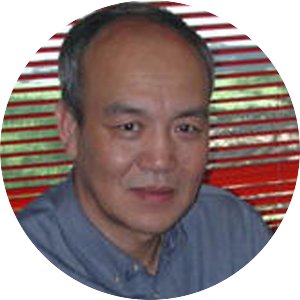
Yue Jin is an Adjunct Professor in the Department of Plant Pathology at the University of Minnesota and a USDA-ARS Research Plant Pathologist at the Cereal Disease Lab. His work focuses on cereal rust fungi biology, population genetics, and host resistance in wheat and barley. He leads nationwide surveys of stem rust pathogens and investigates genetic resistance mechanisms in crops. PhD in Plant Pathology, North Dakota State University (1990) MS in Applied Statistics and Plant Pathology, North Dakota State University (1990, 1988) BS in Plant Protection, Inner-Mongolia College of Agriculture (1982) Yue Jin’s research spans invasive species like Puccinia coronata and virulence dynamics in Puccinia hordei , contributing to UN Sustainable Development Goals (SDGs) 2 (Zero Hunger) and 15 (Life on Land). Recent projects include global initiatives like Accelerating Genetic Gains in Maize and Wheat (2020–2024) and Identifying Resistance to Ug99 in Wheat and Barley (2008–2011). His 15 most recent publications (2023–2024) highlight trends in crown rust detection, invasive species, and virulence evolution in barley leaf rust. Collaborators include institutions like CIMMYT, USDA-ARS, and international researchers. Yue Jin contributes to datasets on wheat stem rust genomics and is affiliated with the Minnesota Invasive Terrestrial Plants and Pests Center. His work addresses challenges in crop resilience and pathogen monitoring through peer-reviewed articles and field surveys.
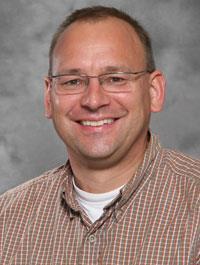
Jochum Wiersma serves as an Extension Professor at the University of Minnesota within the College of Food, Agricultural and Natural Resource Sciences, affiliated with the Northwest Research and Outreach Center (NWROC). His work bridges academic research and practical agricultural extension, focusing on crop science and agronomy for Minnesota's farming community. Dr. Wiersma's research spans crop science, agronomy, plant breeding, and sustainable agriculture with emphasis on small grains. He investigates critical agronomic parameters including planting date optimization, nitrogen management strategies, and disease resistance mechanisms in wheat, rye, and barley systems. His work addresses real-world challenges such as lodging prevention, Fusarium head blight control, and climate adaptation in Upper Midwest agricultural environments. Through field trials and variety development, he translates scientific findings into actionable practices for grain producers. Analysis of his recent publications (2022-2025) reveals consistent focus on management-intensity impacts across diverse small grain systems. Key trends include hybrid rye adaptation across US regions, genomic approaches to oat improvement, and dual-purpose (grain/forage) crop optimization. His research demonstrates particular expertise in spring wheat production systems, with significant contributions to variety registration and nitrogen-use efficiency studies across Minnesota and Canadian Prairies. Dr. Wiersma maintains active engagement with the Northwest Research and Outreach Center (NWROC), where he conducts field-based research and extension activities. His work involves direct collaboration with farmers, commodity groups, and industry partners to address regional agricultural challenges through scientifically rigorous yet practically applicable solutions.
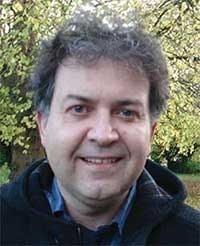
Professor Donal O'Sullivan is a leading researcher in plant genetics and genomics at the University of Reading, affiliated with the School of Agriculture, Policy and Development and the Department of Crop Genetics. His research focuses on the genetic improvement of key crops such as wheat, barley, and faba bean, with an emphasis on disease resistance, seed quality, and genomic tools for breeding. His research interests span plant genetics , genomics , molecular breeding , legume improvement , and crop disease resistance . He has made significant contributions to understanding the genetic basis of traits such as rust resistance in wheat, vicine-convicine biosynthesis in faba bean, and flowering time in cereals. His work integrates high-throughput genomics, GWAS, QTL mapping, and functional characterization to advance sustainable crop improvement. His recent publications reveal a strong trend in legume genomics , particularly in faba bean, including the landmark sequencing of its large diploid genome and efforts to eliminate anti-nutritional factors. He also contributes to cereal genomics, with work on wheat and barley disease resistance and genetic mapping. His interdisciplinary approach bridges plant science, biochemistry, and agricultural sustainability. While no formal scientific awards are listed in the provided text, his work has been published in top-tier journals such as Nature , Nature Plants , and Theoretical and Applied Genetics , reflecting high scientific impact. Professor O'Sullivan actively collaborates with international breeding programs and research teams across Europe and beyond. He has contributed to major collaborative projects on genetic mapping, DUS testing, and climate-resilient crops. Although no direct mention of student supervision or grant leadership is present, his role as a senior co-author on numerous studies suggests mentorship and research leadership. His work supports the development of improved crop varieties through modern genomic tools, with implications for food security, nutrition, and sustainable agriculture.
Nik Cunniffe is a Professor in the Department of Plant Sciences at the University of Cambridge, specializing in epidemiological modeling of plant pests and pathogens. His research focuses on developing theoretical and applied models to inform policy decisions regarding disease detection, control, and evolutionary dynamics. Key Research Areas: Theoretical epidemiology (deterministic, stochastic, and spatial models) Applied plant disease management (Phytophthora ramorum, ash dieback) Computational simulation techniques at large spatial scales Projects: Approximate models for complex disease management Stakeholder behavior impact on control efficacy Optimal fungicide resistance strategies Trap/repellent companion plants for virus control Collaborations: Cambridge NERC Doctoral Training Partnership (C-CLEAR DTP) NERC-funded CREATES program Email: njc1001@cam.ac.uk
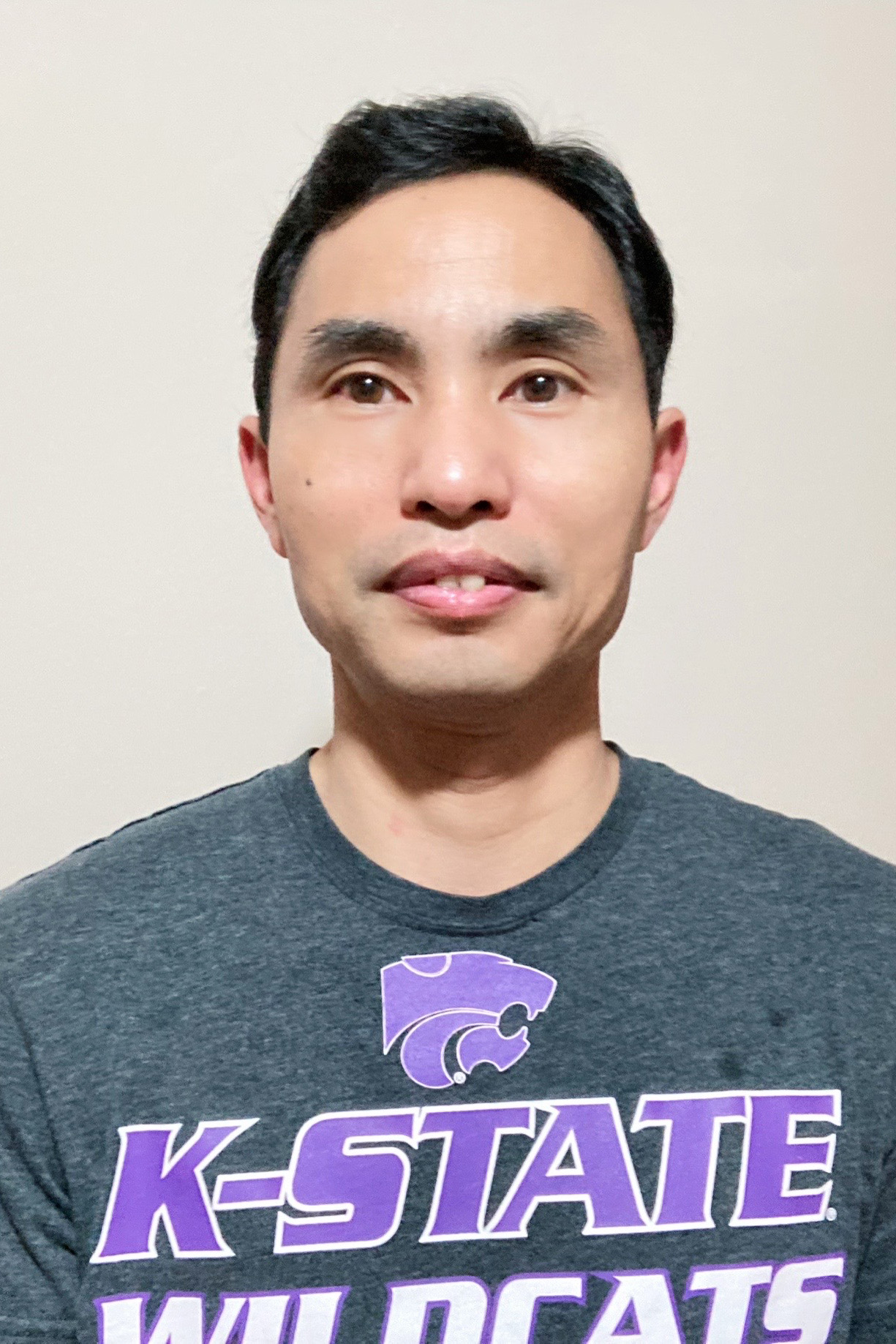
Hui Chen, PhD is a Research Assistant Professor at the Department of Agronomy at Kansas State University, affiliated with the USDA Central Small Grain Genotyping Lab in Kansas. His research focuses on understanding the molecular and genetic mechanisms of wheat resistance to Fusarium head blight (FHB), Leaf rust (Lr), Pre-harvest sprouting (PHS) and other diseases, as well as exploring novel genetic transformation and genome editing strategies in wheat. Dr. Chen received his B.S. in Tropical Agriculture and M.S. in Crop Genetics and Breeding at Hainan University (former South China University of Tropical Agriculture) in China. He then pursued his M.S. and Ph.D. in Plant Molecular Biology and Virology at Ehime University, Japan. Following his doctoral studies, he held a research position at Agriculture and Agri-Food Canada (AAFC) before joining Kansas State University in 2016. Dr. Chen's research program centers on wheat disease resistance mechanisms, particularly focusing on Fusarium head blight, a devastating disease affecting wheat production worldwide. His work integrates molecular biology, genetics, and advanced genome editing techniques to identify and characterize resistance genes and pathways. He has developed innovative approaches using Barley stripe mosaic virus-mediated gene editing systems and nanoparticle delivery for improving FHB resistance in wheat. His research on the TaHRC gene has revealed critical insights into how wheat susceptibility to FHB is regulated through calcium-mediated immune responses. Additionally, Dr. Chen has made significant contributions to understanding wheat resistance to leaf rust and pre-harvest sprouting. Analysis of Dr. Chen's recent publications (2020-2024) reveals a strong focus on applying cutting-edge genome editing technologies, particularly CRISPR/Cas systems, to enhance disease resistance in wheat. His work spans multiple approaches including transgene-free editing, virus-mediated delivery systems, and nanoparticle-based technologies. The research consistently targets Fusarium head blight resistance mechanisms while also addressing other important wheat diseases like leaf rust. A significant portion of his work involves characterizing specific genes and pathways (such as TaHRC and FHB1) that control disease susceptibility and resistance in wheat. Dr. Chen maintains an active research program focused on bridging fundamental molecular discoveries with practical applications for wheat breeding and disease management. His collaborative work with the USDA Central Small Grain Genotyping Lab provides critical resources for developing wheat varieties with improved resistance to major diseases affecting U.S. wheat production.
Robert Zemetra is a Professor in the Department of Crop and Soil Science at Oregon State University, specializing in plant breeding and genetics, particularly wheat and hemp. He holds the W.E. Kronstad Endowed Chair of Wheat Research (2011) and received the James and Mildred Oldfield/E.R. Jackman Team Award (2022). His research focuses on crop improvement, disease resistance, and genetic analysis, with notable contributions to wheat breeding and QTL mapping. He has mentored 9 graduate students, including Kali Brandt and Susanne Trittinger, and developed 10 wheat varieties. Additionally, he contributes to the Global Hemp Innovation Center, exploring hemp’s potential for fiber, CBD, and medical applications. Professional Accomplishments include over 24 peer-reviewed publications and leadership roles in organizations like the National Wheat Improvement Committee. His work spans plant genetics, biofuel development, and sustainable agriculture, addressing challenges like herbicide resistance and fungal pathogens. Recent research highlights QTL analysis for stripe rust resistance and CRISPR-based wheat transformation methods.
Prof. Beat Keller is a Professor and Head of Molecular Plant Biology and Phytopathology at the University of Zurich's Department of Plant and Microbial Biology (Faculty of Science). His research focuses on molecular mechanisms of disease resistance in wheat against fungal pathogens like Blumeria graminis (powdery mildew) and leaf rust. Key areas include NLR immune receptors, effector proteins, and translational breeding for durable resistance. His group integrates genomics, genetics, and evolutionary biology to identify resistance genes in wheat landraces and wild relatives, leveraging genebanks for crop improvement. Recent work includes the AGENT project exploring Swiss wheat landraces for mildew resistance via k-mer-based GWAS, cloning non-canonical resistance genes like Pm4 and WTK4, and analyzing pathogen co-evolution. He teaches courses like 'Form und Funktion der Pflanzen' and supervises numerous PhD students. His work is funded by EU Horizon 2020 and other grants, emphasizing practical applications in agriculture.
Dr. Dilantha Fernando is a Professor and Dean of Studies at St. Paul's College, University of Manitoba . He holds adjunct professorships at the Centre for Crop Health, University of Southern Queensland and the National Institute of Fundamental Studies, Sri Lanka . His career spans over 25 years in plant pathology research, with a focus on host-pathogen interactions in canola and wheat diseases. Education : PhD in Plant Pathology (Oregon State University), MSc in Microbiology (University of Kelaniya, Sri Lanka), BSc (Hons) in Botany (University of Peradeniya, Sri Lanka) Dr. Fernando is renowned for his work on blackleg disease in canola , developing 38 cultivars with improved resistance. His research integrates molecular approaches with conventional methods for sustainable disease management. Key areas include fungal pathogenesis , phytomicrobiome dynamics , and fungicide resistance in crops. His recent publications emphasize Verticillium wilt , Fusarium head blight , and genetic resistance mechanisms . By 2024, he had over 165 peer-reviewed papers and 14 book chapters, with a h-index of 53 and citations exceeding 9,878. Professional Recognition : 2024 Fellow – Canadian Phytopathological Society 2024 Lifetime International Research Achievement in Agriculture Award, Taiwan 2023 Lifetime Achievement Award for Agricultural and Environmental Sustainability 2022 Fellow – Asian PGPR Society Dr. Fernando has mentored over 75 graduate students and postdocs , including the 2019 PhD student Rasanie Padmathileke . He has secured over $47 million in research funding, including the largest NSERC-CRD grant in Canadian agriculture. As Editor-in-Chief of Plant Pathology (2023–present), he shapes global research discourse. His laboratory in Manitoba leads studies on plant immunity , fungal epidemiology , and genomic-based disease forecasting .
Prof. Thomas Wicker is a Professor at the University of Zurich's Department of Plant and Microbial Biology, affiliated with the Mathematisch-naturwissenschaftliche Fakultät (Faculty of Mathematics and Natural Sciences). His research focuses on molecular plant biology, phytopathology, and genome evolution with an emphasis on transposable elements (TEs) and their role in genomic dynamics. Wicker leads the Molecular Plant Biology/Phytopathology group, developing computational tools for genome analysis and contributing to projects like the TREP database for transposable elements. His work integrates comparative genomics and bioinformatics to study plant-pathogen interactions, particularly in wheat and its fungal pathogens like powdery mildew. He also explores metagenomics of lichens and contributes to crop improvement through genomic studies. Education details are not explicitly stated in the provided texts, but his academic career includes positions as a Privatdozent (2011) and Titularprofessor (2021). His research has led to over 100 publications, including landmark studies on pathogen genome evolution and wheat resistance mechanisms. Collaborations include projects on einkorn wheat genomics and international efforts to map disease resistance genes. Wicker's lab develops publicly available bioinformatics software for genomic analysis, underscoring his commitment to open science. His work bridges fundamental research and applied agriculture, addressing challenges in crop resilience and genetic diversity. Wicker's scientific contributions include identifying mechanisms of TE-driven genome evolution, analyzing effector genes in pathogens, and tracing the global spread of plant diseases linked to historical human activity. His team's studies on wheat powdery mildew revealed hybridization events influencing pathogen adaptation, while metagenomics work on lichens explores symbiotic complexity. Teaching responsibilities include courses on plant biology and research internships, reflecting his engagement in training the next generation of scientists.
Dr. Manuel Ramos is a Lecturer in Visual Cultures at Goldsmiths, University of London, specializing in film theory, media studies, and political aesthetics. He holds a PhD in Visual Cultures from Goldsmiths (2013), an MA in Contemporary Art Theory from the same institution, and a BA in Art History from the Universidad Complutense de Madrid. His research examines the interplay between political discourse and audiovisual media, particularly focusing on radical cinema practices and emancipatory spectatorship. Current roles: Teaching modules on modernities, art history, and emancipatory media practices; convening dissertation modules for BA History of Art students. Educations: PhD in Visual Cultures, Goldsmiths (2014) MA in Contemporary Art Theory, Goldsmiths (2006) BA in Art History, Universidad Complutense de Madrid (2003) Ramos’s research interests include queer/trans reimaginings of film, autonomous film clubs, and militant cinema traditions. His work interrogates how cinematic forms can challenge hegemonic structures, with notable studies on Straub-Huillet, Peter Watkins, and Lino Brocka. He has curated film programs and contributed to academic journals like Third Text and Camera Obscura . Key publications explore topics such as cinematic realism, political documentary ethics, and the role of titles in film ontology. His work frequently engages with Jacques Rancière’s theories of emancipation and Alain Badiou’s cinema critiques. Awards: 2010 PhD Fee Waiver, 2007-2009 Mutua Madrid Foundation Doctoral Grant Grants: 2002-2003 Erasmus Grant Ramos has supervised numerous PhD candidates and examined theses at institutions including the University of South Wales and Universitat Autònoma de Barcelona. His academic activities include invited talks on Peter Nestler’s cinema international and the politics of documentary rust in Wang Bing’s work.
Dr. Bronson P. Bullock is a Professor at the University of Georgia's Warnell School of Forestry and Natural Resources and Director of the Plantation Management Research Cooperative (PMRC). He previously held positions at North Carolina State University. His research focuses on forest biometrics, silviculture, and quantitative timber management, with expertise in growth and yield modeling, spatial tree relationships, and Bayesian statistical methods. Education: PhD (2002), MS Biometrics (1998), MS Statistics (2000), and BS (1996) from Virginia Tech and Rutgers. His work bridges biometrics and practical forest management, emphasizing precision forestry and carbon dynamics. Research Interests: Volume equations, statistical sampling, silvicultural impacts, spatial matrix correlations, genetic homogeneity effects, diameter distributions, and carbon stock dynamics. He has published extensively in Forest Science , Forest Ecology and Management , and others. Labs/Centers: Harley Langdale Jr. Center for Forest Business and PMRC. Notable collaborations include studies on hurricane impacts and carbon sequestration in southern pine plantations.
Associate Professor David Lee is an academic at the University of the Sunshine Coast (UniSC), specializing in plant genetics and forest research. He leads genetic improvement programs for tree species like Acacia, Corymbia, Eucalyptus, and Santalum, focusing on disease resistance, biomass assessment, and carbon sequestration. His work has influenced hardwood plantation development in Australia, South Africa, and Brazil. He holds a PhD in Plant Genetics from James Cook University and a BAgricSc(Hons) from the University of Melbourne. Lee’s research integrates molecular technologies (e.g., resistograph, NIR spectroscopy) to enhance tree breeding efficiency. He manages over $9 million in grants from bodies like ACIAR, FWPA, and MLA. His projects include Myrtle rust resistance screening, sandalwood domestication for Indigenous communities, and carbon sequestration modeling in tropical forests. He has supervised 10+ PhD students, contributing to studies on Corymbia hybrids, pest-pathogen interactions, and forest biomass estimation. Current projects emphasize ginger disease resistance and bioenergy potential from sandalwood residues. Lee collaborates with institutions like DAF, CSIRO, and international partners, advancing sustainable forestry practices globally. His expertise spans forest genetics, agroforestry, and environmental adaptation, with over 30 peer-reviewed papers and book chapters. He is affiliated with UniSC’s Forest Industries Research Centre and Tropical Forests and People Research Centre, driving interdisciplinary research to address climate change and biodiversity challenges.
Prof. Dr. Eva Stukenbrock leads the Max Planck Fellow Group Environmental Genomics at the Max Planck Institute for Evolutionary Biology in Plön, Germany. Her research focuses on the genomic evolution of plant-pathogenic fungi, particularly Zymoseptoria tritici , using population genomics and comparative approaches to unravel mechanisms of host specialization, virulence, and genome plasticity. Key Research Areas: Fungal plant pathogens, evolutionary genomics, population genetics, host-pathogen interactions, and microbiome dynamics Academic Leadership: Supervised 15+ PhD, Master’s, and Bachelor’s students in fungal pathogenesis and genomics Technical Innovation: Developed confocal microscopy pipelines for plant-fungal interaction analysis Her recent work reveals how domestication history shaped pathogen emergence, with studies on barley net blotch and oat crown rust in 2024. She has also uncovered roles of horizontal chromosome transfer in asexual pathogens and accessory chromosome loss leading to endophytic lifestyle shifts. Current projects include AI-assisted infection dynamics and tRNA composition analyses in fungal adaptation. Selected scientific trends from her 15 most recent articles include: Host specialization linked to vernalization requirements Segmental duplications driving accessory genome evolution Hybrid incompatibilities as speciation drivers Seed microbiome differences between wild and domesticated wheat Her lab collaborates with institutions like Christian-Albrechts-Universität zu Kiel and CRC Press , focusing on fungal effector biology , chromatin regulation , and agricultural disease management .