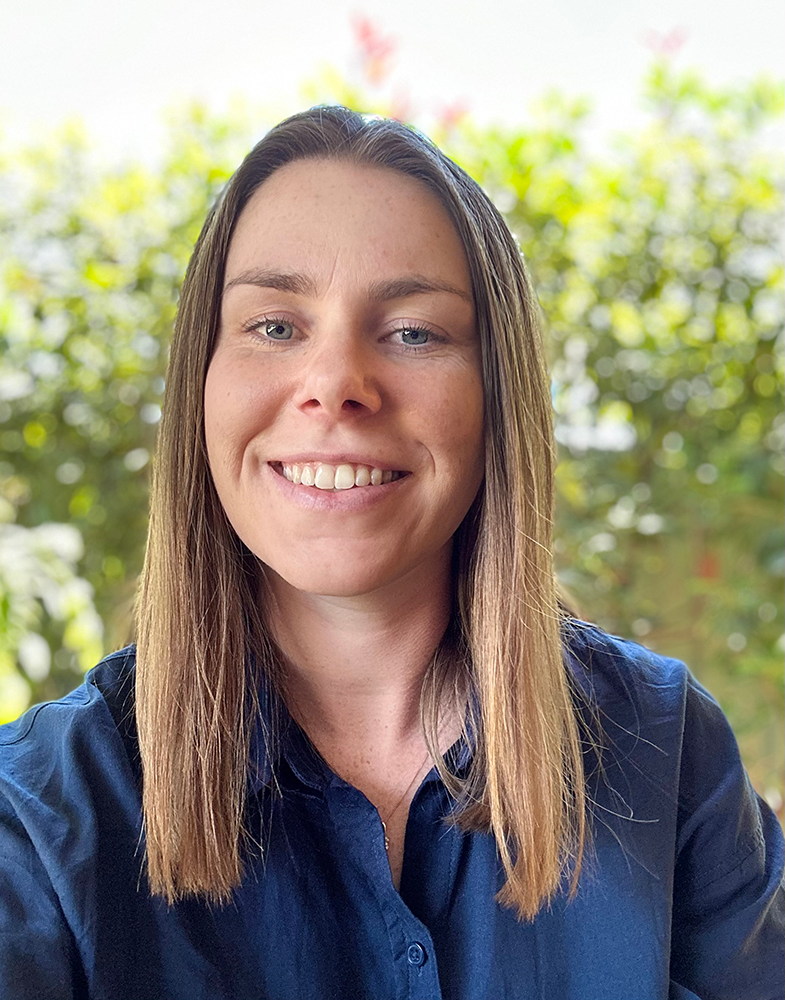
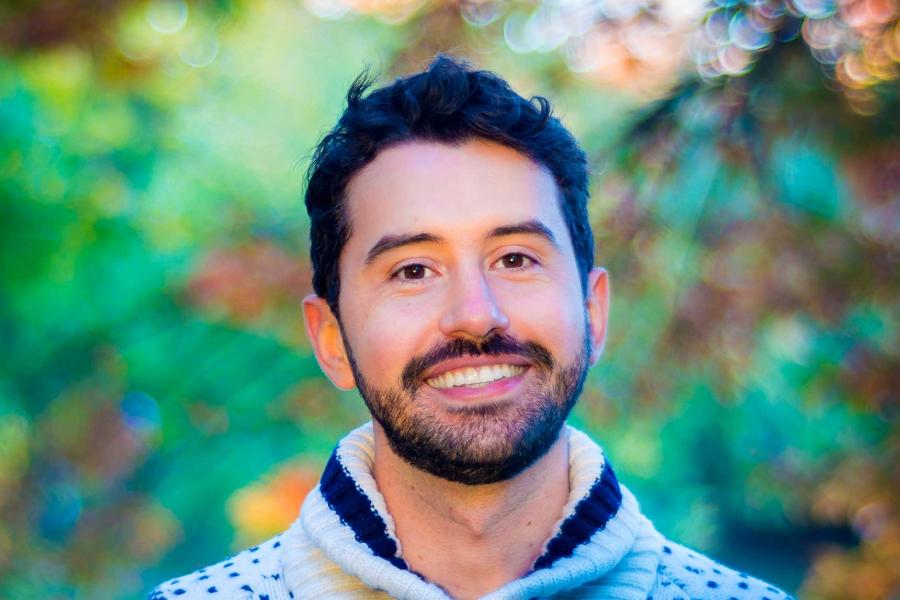
Prof. Dr. habil. Katrin Giller leads the Department of Molecular Nutrition Science (140a) at the University of Hohenheim, Garbenstraße 30, Bio Building I, Room 151, Stuttgart. Her research focuses on livestock nutrition, with specific interests in methane mitigation, antioxidant mechanisms, and metabolic syndrome in agricultural animals. Department: Molecular Nutrition Science (140a) Contact: katrin.giller@uni-hohenheim.de Office Hours: By appointment Her work spans nutritional biochemistry , ruminal fermentation , and sustainable livestock systems , often examining interactions between dietary compounds (e.g., spirulina, polyphenols, n-3 fatty acids) and animal physiology. Recent studies investigate antioxidant gene expression , transgenerational metabolic impacts , and feed efficiency . Current advisees include B.Sc. Viola Gauly, Fernando Giugno, Jana Kornherr, Mira Kühn, Daniel Obermüller, and Helen Pötzsch. The department's website details research projects, teaching events, and publications.
Dr. Emma Lynch is a Lecturer in Ruminant Production at the School of Environmental and Rural Science , University of New England. Her research focuses on evaluating novel feedstuffs and their impacts on ruminant production, meat quality, and sensory attributes. Education PhD in Ruminant Nutrition, Charles Sturt University Bachelor of Animal Science (Hons), Charles Sturt University Research Interests encompass meat science , ruminant nutrition , protein supplementation , and alternative feed sources . Her work investigates how feed composition affects animal performance, nutrient digestibility, and meat quality, with a notable emphasis on canola meal and hemp biomass in ruminant diets. Recent publications highlight trends in feedstuff evaluation , rumen physiology , and meat quality assessment . She employs comparative methodologies (in vivo, in sacco, in vitro) to study digestibility and uses sensory panels to evaluate consumer preferences. Scientific Memberships NSW Branch Secretary, Australian Association of Animal Sciences (AAAS) Australian Intercollegiate Meat Judging Association Contact : elynch20@une.edu.au
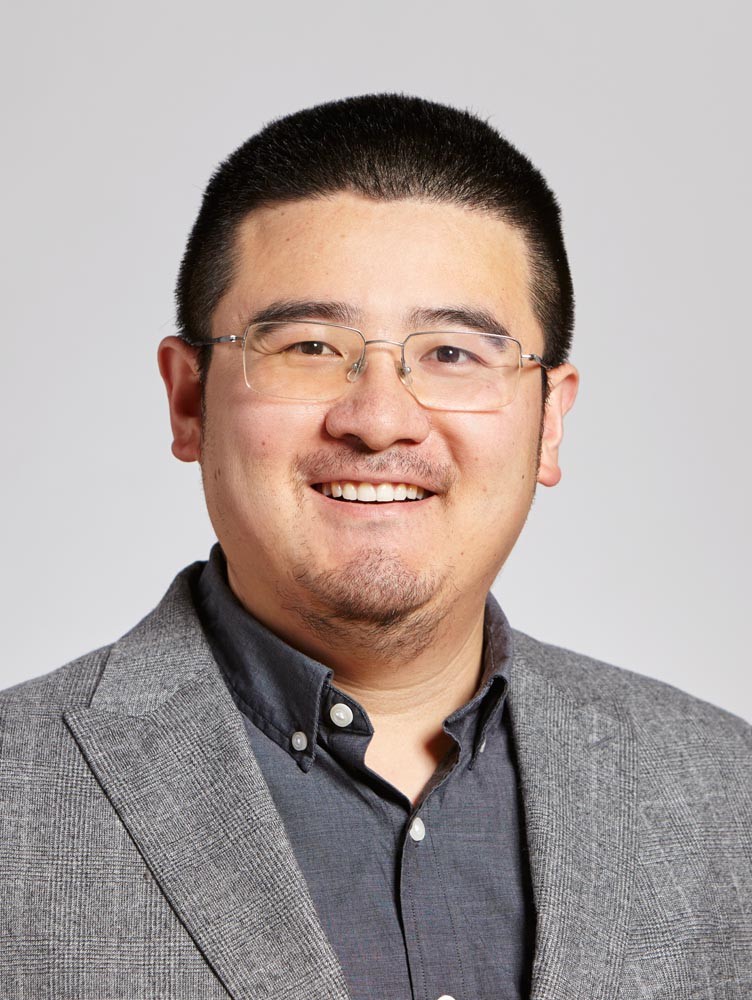
Kevin Kohl is an Associate Professor in the Department of Biological Sciences at the University of Pittsburgh, where he joined in 2017 after completing his Ph.D. at the University of Utah and postdoctoral research at Universidad Nacional de San Luis (Argentina) and Vanderbilt University. His work bridges microbial ecology, physiological adaptation, and evolutionary biology with a focus on vertebrate digestive systems. Education: Ph.D., University of Utah, 2015 (Advisor: Dr. Denise Dearing) Postdoctoral Research, Universidad Nacional de San Luis, Argentina (with Dr. Enrique Caviedes-Vidal) Postdoctoral Research, Vanderbilt University (with Dr. Seth Bordenstein) Dr. Kohl's research centers on how host ecology and evolutionary history shape digestive physiology and gut microbial communities, particularly in herbivorous mammals and lizards coping with low-protein, high-fiber, and toxin-rich diets. The Kohl Lab employs comparative, experimental, and computational approaches across fish, amphibians, reptiles, birds, and mammals to uncover functional implications and mechanistic bases of host-microbe relationships. Key research themes include phylosymbiosis, thermal physiology, nutritional ecology, and microbial dynamics in conservation contexts. His recent publications (2023-2025) reveal consistent exploration of diet-microbiome-physiology interactions, with emerging emphasis on methodological innovation (e.g., cryopreservation techniques, museum specimen analysis), climate change impacts on ectotherms, and accessibility in field research. Work spans fundamental mechanisms like gastric lysozyme evolution to applied conservation hologenomics initiatives. Dr. Kohl advises graduate students in biological sciences and leads the Kohl Lab, which maintains active international collaborations. The lab emphasizes rigorous experimental design while addressing real-world challenges like wildlife conservation microbiome applications and inclusive fieldwork practices. The Kohl Lab operates as a multidisciplinary hub investigating host-microbe interactions through projects including Integrative Nutritional Physiology, Landscape Variation in Pond Microbiomes, and Microbial Ecology of Animals Under Human Care. Current work increasingly integrates hologenomic perspectives to address conservation biology challenges and methodological limitations in microbiome research.
Jan Dijkstra is an Associate Professor at the Animal Nutrition Group of Wageningen University & Research , with an Adjunct Professor appointment at the University of Guelph since 2009. His work focuses on modeling digestive and metabolic processes in dairy cattle to enhance health, reduce environmental impact, and improve profitability. He has led major projects integrating dynamic mechanistic models with experimental research and secured over €10 million in grants. Research Themes : Methane emission reduction, rumen fermentation, nutritional physiology, seaweed-based feed additives (e.g., Asparagopsis taxiformis ), and protein/energy metabolism. Key Methods : Mathematical and computational modeling, in vivo and in vitro trials, bromoform analysis via GCxGC-TOFMS, and histological evaluations of rumen health. Scientific Leadership : Chair, MODNUT (International Workshop on Modeling Nutrient Utilization in Farm Animals, 2018–present) Co-chair, Feed and Nutrition Network (Global Research Alliance, 2012–2019) Member, International Symposium on Nutrition of Herbivores (2003–2014) Grants and Projects : Over €10 million in funding (past 5 years), involving 10 PhD students and 2 postdocs. Projects include assessing the safety of Asparagopsis taxiformis in dairy diets and developing antimethanogenic feed strategies.
Mutian Niu serves as an Assistant Professor at the Department of Environmental Systems Science, ETH Zurich, where he leads the Professorship for Animal Nutrition. His research addresses critical sustainability challenges in livestock production through innovative approaches to methane mitigation and precision animal nutrition. His primary research domains include Animal Nutrition , Dairy Science , and Methane Mitigation , with specific expertise in feed additives (3-nitrooxypropanol, microalgae), rumen fermentation dynamics, and physiological responses in dairy cattle. He integrates computational methods including machine learning for respiratory monitoring and video-based behavioral analysis, bridging animal science with environmental sustainability. Analysis of his recent publications reveals a strong interdisciplinary trajectory focused on practical methane reduction solutions. Key trends include methodological advancements in methane measurement validation, meta-analyses of feed additive efficacy, and emerging applications of computer vision for non-invasive health monitoring in dairy operations. His work consistently emphasizes environmental impact reduction while maintaining production efficiency in ruminant systems.
Marilia Chiavegato is an Assistant Professor at The Ohio State University, holding a split appointment in the Department of Animal Sciences and the Department of Horticulture and Crop Science. She specializes in agroecosystem sustainability, focusing on crop-livestock integration, grazing systems, and environmental impact assessment. Her work emphasizes climate change adaptation through multi-year analysis of large-scale datasets. Education: Ph.D. in Animal Sciences, Michigan State University (2014) M.S. in Applied Chemistry to Agriculture and the Environment, University of São Paulo (2010) B. Eng. in Agronomic Engineering, University of São Paulo (2008) Research Interests: Resilience of agroecosystems under climate change Greenhouse gas emissions monitoring Grazing management strategies Integrated crop-livestock systems Soil carbon sequestration Recent Work Trends: Dr. Chiavegato’s research bridges field-scale analysis with environmental pressures, focusing on mitigating emissions while enhancing productivity. Recent studies include grazing management’s impact on methane/nitrogen dynamics and biochar’s role in sustainable agriculture. Advising & Grants:** Advises students in Animal Sciences and Horticulture/Crop Science. Research funding sources include USDA grants and collaborative initiatives on sustainable farming. Labs/Teams:** Collaborates with Ohio State’s Agricultural Research and Development Center and Extension programs to translate research into practical farm solutions.
Andre Bannink is a senior researcher at Wageningen University's Animal Nutrition department, specializing in sustainable dairy farming systems. His work focuses on reducing greenhouse gas emissions and optimizing nutrient efficiency in livestock, particularly through methane mitigation strategies and nitrogen/phosphorus balance studies. Key research areas: Methane Emissions, Rumen Microbiology, Greenhouse Gas Mitigation Active projects: Milk urea for nitrogen efficiency, Methane-reducing feed additives, Grassland methane reduction Recent research explores dietary interventions for methane mitigation, including 3-nitrooxypropanol , and evaluates the impacts of low-phosphorus diets on dairy cow health. His publications emphasize process-based modeling of emissions and practical feed additive guidelines. Andre collaborates extensively on international projects and supervises PhD candidates. He contributes to climate policy discussions, with media appearances on topics like grassland methane reduction and sustainable livestock innovations .
Juan Solomon serves as an Associate Professor in the Department of Agriculture, Veterinary and Rangeland Sciences at the University of Nevada, Reno. His research lab operates from Building FA, Room 226d (Mail Stop 202), with direct contact via (775) 784-6888 or juansolomon@unr.edu. Education: B.S. in Agriculture, University of Guyana (2000) Graduate Diploma in Education-Science, University of Guyana (2005) M.S. in Agriculture, Mississippi State University (2010) Ph.D. in Agriculture, Mississippi State University (2013) Research Focus: Dr. Solomon's work centers on grassland ecology and sustainable pastoral systems for ruminant livestock, with emphasis on grazing management, forage quality evaluation, and drought-tolerant crop development. His research program investigates water use efficiency in semiarid forage systems, nutrient cycling dynamics, and climate-resilient crop screening—particularly for native and improved forages in arid western environments. Field studies often integrate ecosystem service valuation with practical livestock production metrics. Publication Trends: Recent work (2023-2025) demonstrates concentrated expertise in alternative forage systems, with 15 high-impact studies examining teff double-cropping, industrial hemp varietals, and cover crop nutrient cycling in Nevada's semiarid landscapes. Key methodological approaches include deficit irrigation analysis, nitrogen optimization trials, and biomass decomposition modeling—all targeting resource-efficient agricultural solutions for water-limited regions.
Professor Alex Vieira Chaves is a Professor of Animal Nutrition at the University of Sydney's School of Life and Environmental Sciences. He holds memberships in the Sydney Institute of Agriculture and Charles Perkins Centre. His research focuses on sustainable ruminant production systems, greenhouse gas mitigation, and feed resource efficiency. He has supervised 32 graduate/postgraduate students since 2013 and has a notable international collaboration network. Education: BSc(Eng), MSc (Plant Science), PhD (Animal Science). His work bridges animal nutrition with environmental sustainability, addressing global challenges in livestock production. Notable grants include the 2023 ARC Linkage Project on Pongamia trees for beef value-chain decarbonization and the 2018 Industry Seed Fund for probiotic assessments. Research Themes: Sustainable agriculture, greenhouse gas reduction, feed optimization. Awards: Fellowship Prize for research excellence. His recent studies explore biochar applications, microalgae in livestock diets, and ration particle size effects on dairy cows. Collaborations span global institutions, enhancing the practical impact of his findings.
Dr. Derek Brake is an Assistant Professor in the Division of Animal Sciences within the College of Agriculture, Food and Natural Resources at the University of Missouri. He holds a Ph.D. and M.S. in Ruminant Nutrition from Kansas State University. Dr. Brake teaches courses in Ruminant Nutrition (AnSci 4332/7332) and Beef Production (AnSci 4975/4975W/7975). His research program focuses on fundamental and applied aspects of ruminant nutrition with particular emphasis on: Nutrient utilization efficiency in beef and dairy cattle Small intestinal starch digestion mechanisms Application of computer vision and AI for precision livestock management Metabolic adaptations to different feed sources Sustainable forage and crop utilization systems Analysis of his recent publications reveals strong research focus on: Innovative feed evaluation methods Metabolic interventions for improving cattle productivity Sustainable grazing and forage management systems Advanced technologies for livestock monitoring Mycotoxin mitigation strategies Dr. Brake maintains active collaborations with the beef and dairy industries with research aimed at simultaneously improving livestock productivity, economic returns for producers, and environmental sustainability of cattle production systems.
Prof. Dr. Aleksa Božičković serves as Full Professor at the Department of Nutrition, Physiology and Anatomy of Domestic and Farmed Animals within the Faculty of Agriculture at the University of Belgrade. With extensive experience in animal nutrition science, he teaches numerous courses including Ruminant Nutrition, Applied Nutrition of Domestic and Farmed Animals, and Modern Concepts of Nutrition of Domestic and Farmed Animals. His academic position is supported by a robust publication record spanning over a decade. Professor Božičković's research focuses on critical aspects of animal nutrition with particular emphasis on: Ruminant nutrition systems and their impact on dairy production Forage quality assessment and management strategies Silage technology and preservation methods Feed particle size and physical effectiveness in ruminant diets Nutritional management during critical physiological periods Protein degradability in various forage systems His scholarly work demonstrates a consistent trajectory toward improving precision feeding techniques and understanding the relationship between feed physical structure and animal performance. Recent publications highlight innovative methodologies for assessing forage maturity and nutritional value, particularly in alfalfa and pasture systems. Professor Božičković has made significant contributions to understanding how different feeding strategies affect animal metabolism, chewing activity, and production parameters. Professor Božičković actively contributes to the academic community through teaching, research supervision, and scholarly publications. His work bridges theoretical knowledge with practical applications in animal husbandry, benefiting both students and industry professionals.
Dr. Lawton Stewart serves as a Professor and Extension Coordinator in the Department of Animal and Dairy Science at the University of Georgia's College of Agricultural & Environmental Sciences. With over 15 years of experience at UGA, Dr. Stewart leads statewide extension and applied research initiatives focused on beef cattle production systems in Georgia, building a synergistic program that leverages knowledge, collaboration, communication, and technology to improve the livelihood of Georgia's beef cattle producers. Dr. Stewart's educational background includes: B.S. in Animal Science from the University of Georgia M.S. in Agronomy with emphasis in Forage Management from the University of Florida Ph.D. in Animal Science with emphasis in Ruminant Nutrition and Forage Utilization from Virginia Tech Post-Doctoral Research Fellowship at the University of Kentucky investigating nitrogen metabolism in ruminants Dr. Stewart's research and extension program focuses on beef cattle nutrition, management, and forage systems, with particular emphasis on improving production efficiency in Georgia's diverse beef operations. His work integrates fundamental animal science research with practical extension programming to address challenges specific to southeastern US agriculture. Key areas include optimizing beef-forage systems, evaluating preconditioning and backgrounding strategies, developing sustainable parasite control methods, and investigating the impacts of nutrition on reproductive performance. He actively explores opportunities in beef cattle production such as stockering and retained ownership to enhance producer profitability. Analysis of Dr. Stewart's recent scholarly output reveals a strong thematic focus on integrated beef-forage systems, with particular attention to alfalfa-bermudagrass mixtures, nutritional impacts on reproductive physiology, and innovative management strategies for southeastern production environments. His publications bridge fundamental research with practical applications, addressing challenges like cotton byproduct utilization, baleage production, and sustainable grazing systems while maintaining scientific rigor through collaborations across multiple institutions. Dr. Stewart has received recognition for his contributions to student development: Student Career Success Influencer Award (2023) As an active researcher, Dr. Stewart manages a substantial portfolio of funded projects totaling significant grant support, primarily through the Georgia Commodities Commission for Beef, Cotton Incorporated, Merck & Co., and the Georgia Farm Bureau Federation. His research program includes studies on parasite control, forage improvement, cotton byproduct utilization, and sustainable beef production systems. He coordinates the UGA Beef Team, providing travel and educational support for student competitions including the Elite Stockman Short Course and Top Hand Stockmanship and Stewardship Contest, demonstrating his commitment to developing the next generation of agricultural leaders. Dr. Stewart participates in multiple interdisciplinary research teams focused on beef-forage systems across the southeastern United States, collaborating with agronomists, animal scientists, and extension specialists to address complex challenges in beef production. His program maintains strong industry partnerships that ensure research addresses practical on-farm challenges while advancing scientific understanding of beef cattle production systems in the southeastern agricultural environment.
Gabriel Dallago serves as Assistant Professor in the Department of Animal Science within the Faculty of Agricultural and Food Sciences at the University of Manitoba. His research integrates advanced data analytics with livestock production systems to enhance animal welfare and farm decision-making processes. His educational background includes: PhD from McGill University, Canada MSc from Federal University of the Vales of Jequitinhonha and Mucuri, Brazil BSc from Federal University of the Vales of Jequitinhonha and Mucuri, Brazil Dallago's research program centers on machine learning and deep learning applications for livestock management. Key initiatives include developing predictive models for animal bio-responses, integrating multimodal data streams to analyze complex farm systems, and optimizing dairy cow longevity through data-driven interventions. His work bridges computational science with practical agricultural challenges, focusing on tangible improvements in production efficiency and animal well-being. Precision monitoring of dairy cow behavior and welfare Early-life management impacts on herd productivity Computer vision applications for livestock assessment Economic modeling of livestock production systems Analysis of his 15 most recent publications (2022-2025) reveals strong thematic concentration in dairy science (47%), swine production (20%), and animal nutrition (20%), with consistent application of computational methods. Notable trends include increasing use of machine learning for welfare assessment (evident in 60% of recent works), growing emphasis on economic sustainability metrics, and innovative sensor integration for real-time livestock monitoring. Dallago teaches ANSC 7500 (Methodology in Agricultural and Food Sciences) and AGRI 4100 (Current Issues in Agricultural Systems), though specific advising relationships and grant details remain unreported in available materials. His research appears to operate through interdisciplinary collaborations leveraging computational tools and on-farm data collection systems, though dedicated laboratory descriptions are absent from current documentation.
John Newbold is a Professor of Dairy Nutrition at Scotland's Rural College (SRUC), specializing in dairy nutrition science with a focus on connecting scientific research to practical applications. His research interests include mammary physiology, rumen metabolism, methane and manure management, feedstuff analysis, and calf development. He leads projects on optimizing amino acid nutrition in dairy cows and exploring novel feed additives to reduce methane emissions. Newbold holds a PhD in Dairy Science from the University of Nottingham. Education: PhD in Dairy Science (University of Nottingham, 1987), BSc in Agricultural Biochemistry and Nutrition (University of Newcastle-upon-Tyne, 1981). Research Interests: Mammary Physiology: Milk component synthesis rates Rumen Physiology: Cell wall digestion and protein synthesis Methane Mitigation: Feed additives and rumen management Feedstuff Evaluation: Nutrient composition analysis Calf Development: Growth and health optimization Grants & Projects: Over £2.5M in competitive funding, including DEFRA and EU projects on greenhouse gas mitigation, rumen microbiology, and sustainable livestock systems. Recent initiatives include the Daffodil-enabled Climate-Friendly Ruminant Production project and Re-Livestock for resilient farming systems. Labs & Teams: Collaborates with interdisciplinary teams on rumen microbiology, biorefinery applications, and methane reduction technologies. Active in industry partnerships for feed additive development and climate-smart agriculture.
Dr. Craig Evans is a Senior Lecturer in Environmental Science and Management at the University of Newcastle , affiliated with the College of Engineering, Science and Environment . With over 15 years of academic experience, his career spans teaching, research, and postgraduate supervision in biological and environmental sciences. Education: BSc (Biochemistry, University of New England), PhD (Science, University of Newcastle) Research Expertise: Chromatography & mass spectrometry for contaminant detection, molecular microbiology for pathogen tracking, and metabolic profiling for physiological studies Teaching Portfolio: Water quality science, emerging contaminants, freshwater systems, and advanced analytical techniques His research portfolio includes world-first studies on biostability in water distribution networks, aquatic Streptomyces activity, rainwater micro-ecology, and wind pattern impacts on microbial composition. Recent publications focus on antibiotic resistance in water systems, probiotic applications, and cyanobacterial dynamics. Key Research Areas: Aquatic ecology and pollution Faecal source tracking methodologies Microbial indicators in water quality Human and equine metabolic disturbances Emerging contaminants in water recycling Biostability in drinking water networks Dr. Evans has secured $724,141 in grants across 24 projects, including studies on: Soil health in viticulture Biocontrol of aquatic weeds Climate change water quality impacts Real-time cyanobacterial monitoring He has supervised 6 completed PhD projects and 2 ongoing investigations, with focus areas in: Invasive aquatic plant control Probiotic dairy applications Microbial water quality assessment