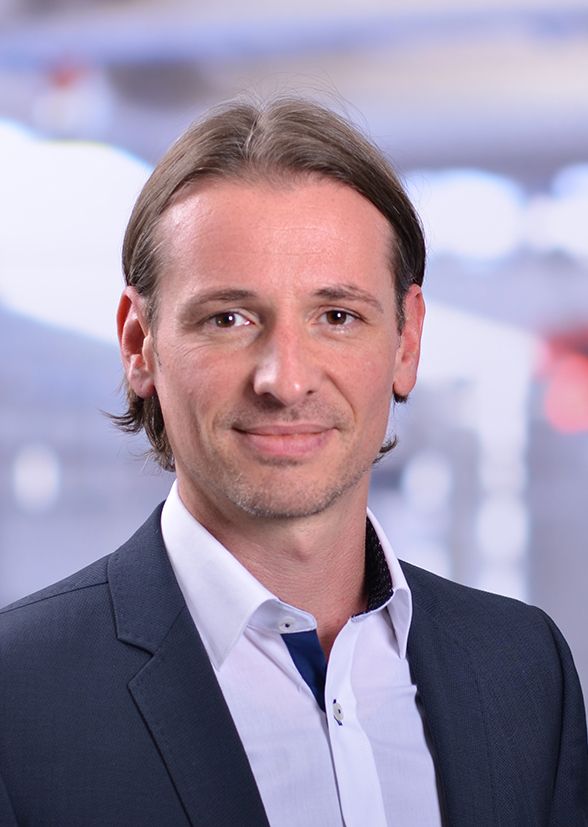
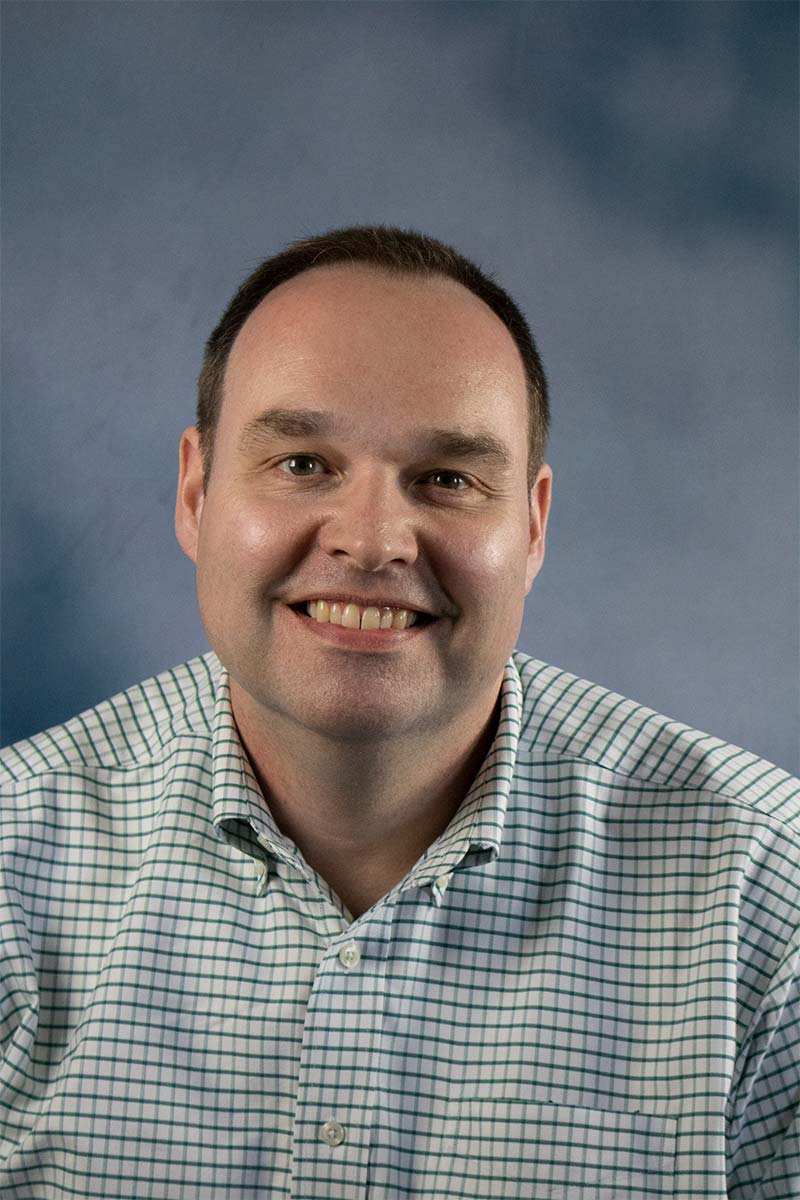
Luca Carlone is the Boeing Career Development Associate Professor in the Department of Aeronautics and Astronautics at MIT and a Principal Investigator at the Laboratory for Information & Decision Systems (LIDS) . He leads the SPARK Lab , focusing on developing certifiable perception algorithms for autonomous systems. PhD in Mechatronics (Polytechnic University of Turin, 2012) Research spans robotics, computer vision, and optimization Research Interests : Certifiable Perception algorithms for high-integrity systems High-level Perception (geometric, semantic, physical understanding) Efficient Perception methods for resource-constrained robots Scientific Contributions include: 2024 Outstanding Systems Paper Award (RSS) 2023 IEEE Transactions on Robotics King-Sun Fu Award 2021 NSF CAREER Award 2020 AIAA Advising Award 2019 Amazon Research Award Advising : Teaches graduate courses like Visual Navigation for Autonomous Vehicles and Robotics: Science and Systems . Collaborates with institutions including JPL, Caltech, and KAIST through the DARPA SubT Challenge.
Dr. phil. Stefan Ladwig is a researcher at the Institute for Automotive Engineering (Institut für Kraftfahrzeuge) at RWTH Aachen University, specializing in traffic psychology, user acceptance, and human-machine interaction for automated driving systems. His work addresses psychological and ergonomic aspects of emerging mobility technologies, including seating ergonomics, trust-building mechanisms, and communication strategies for autonomous delivery robots. Research Focus: Automated driving, interior design psychology, driver/passenger behavior, and safety requirements. Projects: Lead roles in UrbANT (autonomous delivery robot) and SteeringBow (dynamic driving experience). Collaborations: Affiliated with Aldenhoven Testing Center, Future Mobility Partnership e.V., and innocam.NRW. Ladwig’s recent publications examine rotated seating positions, visual dominance in speed adaptation, and trust-relevant driving scenarios, reflecting his interdisciplinary approach to optimizing human-vehicle interactions. His work spans ergonomics, energy management, and behavioral interventions to enhance safety and usability in next-generation mobility solutions.
Gabi Laske is a Professor at the Institute of Geophysics and Planetary Physics (IGPP), Scripps Institution of Oceanography (SIO), University of California, San Diego (UCSD). She is a leading researcher in seismology and geophysics, with a focus on Earth's internal structure, crustal and mantle modeling, and ocean-bottom seismology. Her work has significantly advanced global crustal models, including CRUST5.1, CRUST2.0, and CRUST1.0. Her research interests include seismology, geophysics, Earth's internal structure, surface wave tomography, normal mode analysis, crustal and lithospheric modeling, ocean bottom seismology, mantle plumes, inner core rotation, ambient noise seismology, and earthquake signal processing. She has led major projects such as the Hawaiian PLUME and SWELL experiments, utilizing ocean-bottom seismometers to study mantle dynamics and lithospheric rejuvenation. Her work on inner core differential rotation, particularly with Guy Masters, has been published in top journals like Nature and Science . The 15 most recent publications reflect a strong trend in ocean-bottom seismology, ambient noise analysis, instrument calibration, seismic signal quality, and imaging of crustal and mantle structure. Her work combines observational seismology with advanced signal processing and modeling techniques, often in collaboration with students and international teams. She has made significant contributions to understanding seismic anisotropy, normal modes, and the structure of volcanic and tectonic regions. Funded by NSF (OCE, EAR, CSEDI, MG&G) Collaborative projects with USGS, international institutions Advisor to PhD students, including Adrian Doran Lead developer of DLOPy for OBS orientation Contributor to global reference models (CRUST1.0, LITHO1.0) Gabi Laske has made enduring contributions to geophysics through her development of global crustal models, leadership in major seismic experiments, and mentorship of the next generation of seismologists. Her work continues to shape our understanding of Earth's deep interior and surface processes.
Laura Alvarez is a Junior Chair (Tenure Track) at the University of Bordeaux since 2022, conducting research at the Paul Pascal Research Center (CRPP), a joint CNRS-University of Bordeaux unit. Her office is located at B-224, 115 Avenue du Dr Albert Schweitzer, 33600 Pessac, France, with contact via (+33) 05 56 84 30 27 or laura.alvarez-frances@u-bordeaux.fr. She leads the BIO 2.0 team's research on active matter and colloidal systems. Her educational trajectory includes: PhD at University of Bordeaux and KU Leuven (2013-2016) under Prof. MP Lettinga and Dr. Eric Grelet Postdoctoral research at ETH Zurich (2017-2021) with Prof. Lucio Isa SNSF Spark postdoctoral fellowship (2020-2021) Her research centers on Active Matter , Chemical Communication , and Bio-inspired microsystems , investigating active liposome design, colloidal-lipid membrane interactions, and collective colloidal behavior. Key methodologies include optical tweezers and microfluidics for studying enzymatic particle navigation and colloidal lattice assembly. Her publication record (2017-2023) reveals a strong focus on programmable active colloids and microfluidic applications , with significant contributions to artificial microswimmers and reconfigurable systems appearing in Nature Communications, PNAS, and Physical Review Letters. Emerging trends show increasing emphasis on biomedical applications of active matter. Key recognitions include: Spark postdoctoral grant (SNSF, 2020) IdEx PhD fellowship (2013) She secured major grants including ANR JCJ Project MYMESYS (2023) and France-Berkeley Fund (2023), while her mentoring role involves graduate student supervision through University of Bordeaux's tenure-track framework. As BIO 2.0 team lead at CRPP, she directs experimental work on active colloidal particles using microfluidic platforms and optical manipulation, maintaining active collaborations with ETH Zurich, University of Bordeaux, and international partners across Europe.
Vinod Kumarappan is a Professor in the Department of Physics at Kansas State University specializing in laser-induced molecular alignment/orientation for ultrafast molecular-frame studies. His group combines experimental gas-phase measurements with computational modeling of rotational dynamics. Education: Ph.D. Physics, Tata Institute of Fundamental Research, Mumbai (2002) M.S. Physics, Indian Institute of Technology Madras (1996) B.S. Physics, University of Calicut (1994) Research Focus: Atomic, Molecular and Optical Physics utilizing femtosecond lasers to restrict molecular orientations. His work enables orientation-specific measurements of strong-field ionization, fragmentation, and harmonic generation. Current projects include molecular-frame photoelectron spectroscopy and ultrafast electron diffraction. Publication Trends: Recent work (2017-2021) examines strong-field interactions in O2, CO2, and methanol using rotational wave packets, bridging experimental ultrafast physics with computational quantum dynamics simulations for asymmetric molecules. Grants & Advising: Funded by the U.S. Department of Energy. Advises PhD students including Tomthin Wangjam. Research Group: Operates experimental laser facilities and develops parallel computational codes (OpenMP) for 3D rotational dynamics of asymmetric tops.
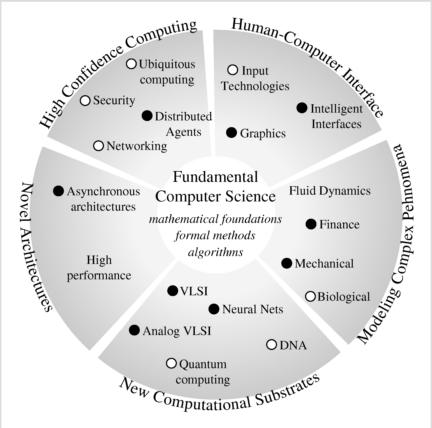
Alan H. Barr is a Professor of Computer Science at the California Institute of Technology (Caltech), affiliated with the Division of Engineering and Applied Science and the Computation & Neural Systems (CNS) department. He is a founding member of the Caltech Computer Graphics Group and a leader in developing mathematically rigorous methods for computer graphics and predictive modeling. His research focuses on enhancing computational modeling accuracy through approaches like interval analysis and constraint-based systems. Notable contributions include deformable models, quaternion interpolation, and cellular simulation frameworks. He has advised over 20 graduate students, many of whom became industry leaders at Pixar, Microsoft Research, and academic institutions like NYU and Brown University. Awards include the ACM SIGGRAPH Achievement Award (1988) and ACM Fellow (1995). Research Interests: Predictive modeling with error bounds Scientific visualization and MRI data analysis Biophysical systems simulation (e.g., cellular organelles) Self-assembling robotic structures for space colonization Mathematically robust computer graphics techniques Key Collaborations: Caltech Biological Imaging Center (Beckman Institute) JPL (Jet Propulsion Laboratory) New computational substrates research (quantum/DNA computing) Recent Work: Expanding into computational biology, medical imaging optimization, and high-confidence systems for managing complex computational interactions. Active in interdisciplinary projects across Caltech divisions.
Adrien Depeursinge is a Professor at HES-SO Valais-Wallis - Haute Ecole de Gestion, affiliated with the School of Economics and Services and the Management Information Systems department. His research focuses on radiomics, personalized medicine via image-based analysis, and clinical workflow optimization. He leads the development of the QuantImage platform, a physician-centered web-based tool for radiomics research, and contributes to radiomics standardization efforts through initiatives like the Image Biomarker Standardization Initiative (IBSI). His work emphasizes machine learning applications in healthcare, including tumor segmentation, biomarker extraction, and improving diagnostic accuracy through computational models. Key research themes include: 1) Radiomics – developing quantitative imaging features for cancer diagnosis/prognosis; 2) Medical Imaging Analysis – advancing texture-based models, multi-modal fusion, and automated lesion detection; 3) Physician-AI Collaboration – designing user-centric tools for clinical integration. His contributions span neuro-oncology (brain metastases), head-and-neck cancer, and multiple sclerosis imaging. Publications emphasize methodological advancements (e.g., kernel optimization in CNNs, steerable detectors) and clinical validation (e.g., reproducibility of radiomics features across imaging protocols). He collaborates with institutions like the University Hospital of Lausanne (CHUV) and international teams on projects like the HECKTOR challenge for PET/CT tumor segmentation. His work bridges technical innovation with clinical impact, aiming to translate radiomics into actionable clinical tools. QuantImage v2, his flagship tool, enables no-code development of machine learning models using clinical imaging data. Research also includes phantom-based validation of radiomics features and addressing challenges in feature stability across imaging modalities. Current projects explore improving contour quality for radiomics studies and optimizing AI explainability in medical decision-making.
Prof. Jürgen Müller is a Full Professor at the Institute of Geodesy, Leibniz University Hannover, leading research in physical geodesy, satellite gravimetry, and relativistic geodesy. He holds positions as Executive Director of the Institute and contributes to global geodetic initiatives like the Global Geodetic Observing System (GGOS). His work focuses on advancing quantum technologies for Earth observation, including cold atom interferometry and optical clocks, to enhance gravity field measurements and test fundamental physics principles. Research Interests: Müller's expertise spans gravimetric Earth observation, lunar laser ranging (LLR), relativistic geodesy, and the application of quantum sensors in space missions. His team explores novel sensor concepts for future satellite gravimetry, such as hybrid accelerometers and gravity gradiometry systems, addressing challenges in climate monitoring and Earth system dynamics. Publications Overview: His recent work emphasizes quantum accelerometers for satellite missions, deployable solar panels for GRACE-like satellites, and LLR-based tests of general relativity. Key contributions include improving Earth rotation parameter estimation and exploring optical clock networks for height system unification. Grants & Collaborations: Müller collaborates on international projects like the CARIOQA quantum pathfinder mission and the GENESIS space observatory. He leads teams in simulating quantum sensor performance and analyzing LLR data for lunar and Earth dynamics studies. Labs/Teams: As head of the Institute of Geodesy, he oversees research groups working on quantum gravimetry, space geodesy, and geodetic reference systems, leveraging facilities like the 10-meter atom interferometer at Hannover.
David E. Breen is a Professor in the Department of Computer Science within the College of Computing & Informatics (CCI) at Drexel University. He leads the Geometric Biomedical Computing Group and is affiliated with the Metadata Research Center and the Center for Biological Discovery from Big Data. His research spans interdisciplinary domains including biomedical image informatics, geometric modeling, textile modeling, and bio-inspired self-organization algorithms. Education: PhD, Computer and Systems Engineering, Rensselaer Polytechnic Institute MS, Computer and Systems Engineering, Rensselaer Polytechnic Institute BA, Physics, Colgate University His research interests focus on computational methods for biomedical applications, including shape and image analysis for cancer diagnosis, 3D reconstruction of biological tissues, and video analysis of animal behavior. He also investigates geometric modeling techniques for textiles and self-organizing systems. His work integrates computer science with biology, medicine, and engineering to solve complex problems in biomedical computing. The recent publications highlight a strong trend in computational modeling of textiles, biomedical image informatics, and AI-driven data analysis. Key themes include geometric modeling of knitted fabrics, deep learning for medical image classification, agent-based modeling of cancer metastasis, and metadata generation for biological image collections. His work bridges fundamental geometric algorithms with practical applications in healthcare and digital archives. Scientific Awards: No specific awards mentioned in the provided text. Breen has advised numerous students and collaborators across multiple domains, particularly in biomedical computing and textile modeling. His research has been supported through affiliations with major centers and collaborations with institutions such as Johns Hopkins University and the Max Planck Institute. He has been involved in projects related to NSF Center for Visual & Decision Informatics and has contributed to over 100 technical publications. He leads the Geometric Biomedical Computing Group , which conducts research at the intersection of biology, medicine, engineering, and computer science. The group develops algorithms and software for geometry-related computing problems in biomedical applications. Collaborations include the Drexel Integrated Laboratory for Cellular Tissue Engineering, Dr. Dan Marenda's Lab, and Dr. Aleister Saunder's Lab in Drexel's Biology Department.
Brian E. McCabe is an Associate Professor and Director of Practicum Training in Counseling Psychology within the Department of Special Education, Rehabilitation, and Counseling at Auburn University's College of Education. He directs the Eco-developmental Prevention, Intervention, and Consultation (EPIC) Lab and serves on the editorial board of The Counseling Psychologist since 2020. A licensed psychologist in Alabama (License #2215), he holds a PhD in Counseling Psychology from the University of Miami and completed his VA Ann Arbor/University of Michigan Psychology Internship with primary rotations in Substance Use and PTSD clinics. Dr. McCabe's research employs eco-developmental theory to investigate prevention and intervention strategies addressing the interplay between risk and protective processes. His work focuses on syndemic conditions among Latino immigrant populations, acculturation stress, substance use prevention, intimate partner violence, and mental health service utilization. He examines how biological stress markers interact with psychosocial factors across diverse life stages and community contexts. His publication trends reveal a strong emphasis on Latino immigrant health disparities, with recurring themes of acculturation stress, syndemic conditions (co-occurring substance abuse, intimate partner violence, HIV risk, and depression), and physiological stress measurement. Recent work increasingly incorporates longitudinal biomarker analysis and culturally adapted interventions targeting family systems and community health workers. Editorial Board Member, The Counseling Psychologist (2020-present) Dr. McCabe mentors numerous doctoral students in the Counseling Psychology program and serves as PI or co-investigator on multiple NIH-funded projects including SER Familia (NIH/NIMHD R01MD018920) and SER-Hispano (NIH/NINR R01MD012249). His grant portfolio spans prevention science, intervention development, and health disparities research with Latino immigrant families, Black Caribbean immigrants, and college student populations. Current projects include Tiger Talk (alcohol communication with parents), Caring for Black Mothers, and Tridimensional Acculturation studies. As director of the EPIC Lab, he oversees research on eco-developmental prevention strategies, intervention refinement across therapeutic orientations (family systems, humanistic, CBT), and consultation services for research design and behavioral measurement. The lab collaborates with community health workers and clinicians to develop culturally responsive interventions for diverse populations.
Dr. Pierrot Attidekou is a researcher affiliated with Newcastle University in the College of Engineering. His work focuses on lithium-ion battery technology, particularly aging mechanisms, second-life applications, and electrochemical processes. Collaborated on studies about automotive Li-ion pouch cells (2023) Investigated battery reuse strategies and orientation effects (2022) Explored ozone generation for wastewater treatment (2022) His research spans electrochemistry , materials science , and automotive engineering , with a recent emphasis on battery degradation analysis , non-destructive testing , and environmental impacts of industrial battery abuse.
Sander G. Huisman is an Associate Professor in the Department of Physics of Fluids at the University of Twente. His research focuses on turbulence, multiphase flows, and thermal dynamics, with a particular emphasis on bubble dynamics, drag reduction mechanisms, and melting processes in various fluid environments. He has contributed extensively to experimental and theoretical studies in Taylor-Couette turbulence, thermal mixing optimization, and the effects of salinity on fluid systems. His work spans across fluid mechanics, heat transfer, and materials science. His research interests include exploring the interplay between turbulence and multiphase phenomena, such as bubbly drag reduction in rotating systems and the dynamics of melting ice in saline and fresh water. Recent studies have also delved into particle dynamics in turbulent flows, including anisotropic particles and chiral orientations. Notable contributions include advancements in thermal mixing enhancement via bubble manipulation and the development of experimental methods for tracking particle orientation in complex flows. His work often utilizes state-of-the-art facilities like the Twente Turbulent Taylor-Couette (T³C) system and employs cutting-edge data analysis techniques for multiphase flow characterization. Supervised 10 research works, contributing to datasets on topics such as solvent exchange in jets, bubble coalescence inhibition, and melting dynamics. Collaborations span international institutions, reflecting his global impact in fluid dynamics research.
Harald E. Möller is a Professor and Head of the Nuclear Magnetic Resonance Research and Development Unit at the Max Planck Institute for Human Cognitive and Brain Sciences in Leipzig. With a career spanning over four decades, he has held academic positions including Honorary Professor at the University of Leipzig and leadership roles in institutions like Duke University Medical Center and the University of Münster. His research focuses on advancing MRI methodologies, biophysical imaging principles, and their applications in neurology and neuroscience. Education: 1979-1985: Chemistry & Physics studies at Universities of Dortmund and Münster 1985: M.Sc. (Diploma) in Chemistry 1988: PhD in Physical Chemistry (summa cum laude) 2000: Habilitation in Physical Chemistry 2002: Habilitation in Biophysical Chemistry Research Interests: Development of novel MRI methods Quantitative tissue characterization Myelin sheath imaging Cerebral blood flow dynamics High-field MRI hardware
Keith Cuthbertson is a Special Lecturer at Bayes Business School, City, University of London. He holds a BSc in Physics and Mathematics from the University of Sussex and an MA in Economics from the University of Manchester. His professional experience includes roles at H.M. Treasury, Bank of England, National Institute of Economic and Social Research (NIESR), Imperial College London, and visiting positions at the Federal Reserve Bank (Washington), Freie University (Berlin), and University of Bordeaux. His research focuses on investment fund performance, behavioral finance, and risk management. Key areas include: (1) Measurement and persistence of mutual fund performance, (2) Statistical methods to distinguish skill from luck in fund management, (3) Factor models for portfolio optimization, and (4) Market timing strategies in equity and bond funds. His work emphasizes practical applications for investors and regulators. Recent publications (2016–2023) demonstrate a consistent focus on fund performance analytics, with evolving emphasis on factor models, portfolio size effects, nonparametric methods, and sustainability-linked finance. His research frequently combines academic rigor with practitioner-oriented insights. PhD Supervision: Elisa Pazaj (2015–present): Topics in Financial Markets Niall O'Sullivan (2006–2009): Performance of Mutual Funds Consultancy: Extensive work with Centrica, Towers Perrin, RBS, Department of Energy and Climate Change (DECC), and other financial/government institutions. Focuses on applied finance, derivatives, and risk management solutions.
Petra Lindfors is a Professor of Psychology, specializing in work and organizational psychology, at the Department of Psychology, Stockholm University. She has held this position since December 2013 and is actively involved in multiple research projects focusing on stress, health, and well-being across various contexts including workplaces, educational settings, and home environments. Her academic journey began with her thesis defense in 2002, which focused on stress, health, and well-being among teleworking women and men as part of the Boundless Work project. She was accepted as an associate professor in psychology at the Faculty of Social Sciences, Stockholm University, in September 2006, and was hired as a lecturer at the Department of Psychology in July 2007. Throughout her career, she has maintained active research collaborations at both the Department of Psychology and the Centre for Health Equity Studies (CHESS) at Stockholm University/Karolinska Institutet. Lindfors' research interests span multiple dimensions of work and organizational psychology. Her primary focus is on self-reported and objective aspects of stress, health, and well-being among adults and young people across various contexts. She has developed significant expertise in workplace interventions related to harmful substance use, work-life balance, gender differences in work environments, and mental health promotion. Her work often examines how organizational structures and policies affect individual health outcomes, with particular attention to vulnerable populations and gender differences. Analysis of her recent publications reveals strong thematic consistency centered on occupational health psychology. Her research employs both variable-oriented and person-oriented approaches to examine job insecurity, work-home interference, stress responses, and health outcomes. A notable trend is her increasing focus on methodological innovation, particularly in studying workplace interventions and mental health among young adults. Her work bridges theoretical organizational psychology with practical workplace applications, often resulting in concrete recommendations for employers and policymakers. Two-year post-doc scholarship from the Anna Ahlström and Ellen Terserus Foundation (2005) Associate editor for the Nordic Journal of Working Life Studies (since 2021) Member of the Quality Council for the Swedish Work Environment Authority (2019-2022) As an academic supervisor, Lindfors has mentored an impressive number of doctoral students, with completions spanning from 2008 to the projected 2025 graduation of Anna S Tanimoto. She has served as main supervisor for numerous successful academics who have gone on to professorial positions, including Ulrica von Thiele Schwarz at Mälardalen University College. Her supervisory approach appears comprehensive, extending beyond thesis completion to postdoctoral mentorship and career development. Regarding research funding, she has secured significant grants from AFA Försäkring for projects examining organizational interventions for health-promoting work, and has been involved with Stockholm Stress Center, a FORTE-financed interdisciplinary research center. Her work demonstrates sustained success in attracting competitive research funding across multiple domains of occupational health. Lindfors leads the research group 'Harmful use in the workplace – prevention and intervention,' which addresses critical issues related to alcohol, drug, and gambling problems in professional settings. She has also been instrumental in shaping the Department of Psychology's strategic direction, serving as chairman of the board of the Stockholm University Department of Psychology (SUPK) from 2016-2024 and currently as a regular member of the Department's board for 2024-2026. Her collaborative approach is evident in her involvement with multiple interdisciplinary projects, including those examining natural environments, cognitive abilities in military contexts, and school environments' impact on youth mental health.