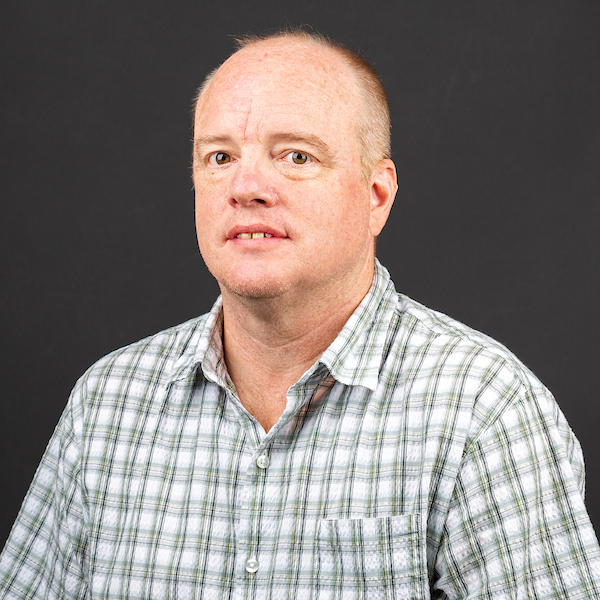
Dorota Kawa is an Assistant Professor at the Faculty of Science, Utrecht University , specializing in Plant Stress Resilience and Experimental and Computational Plant Development . Her research focuses on plant-microbiome interactions, root development under stress, and bioinformatics approaches to enhance crop sustainability. Education : PhD in Plant Physiology and Cell Biology (2017, University of Amsterdam) MSc in Plant Biotechnology (2011, Warsaw University of Life Sciences) BSc in Biotechnology (2010, Warsaw University of Life Sciences) Research Interests span plant adaptation to abiotic stresses, microbiome-driven root cell modifications, and computational modeling of development. She investigates how microbial communities and genetic pathways regulate root metabolomes and cellular traits, particularly under salt and drought stress. Publication Trends show her work centers on Striga resistance in cereal crops, stress-induced root architecture changes , and microbiome-root interactions . She explores auxin-independent signaling and mRNA decay mechanisms to improve multi-stress resilience. Teaching includes courses on plant development and research design at Utrecht University. Her work contributes to Pathways to Sustainability and Future Food initiatives.
Claudia Gunsch is the Muriel Theodorsen Williams E'46 Distinguished Professor of Civil and Environmental Engineering at Duke University, with secondary appointments in the Nicholas School of the Environment and Department of Biomedical Engineering. She directs the NSF Engineering Research Center for Precision Microbiome Engineering (PreMiEr) and serves as Associate Director for the Duke Microbiome Center. PhD (2004): University of Texas at Austin MS (2000): Clemson University BS (1998): Purdue University Her research focuses on environmental molecular biotechnology , particularly: investigating ecological impacts of emerging contaminants on microbiomes; developing microbiome engineering approaches for bioremediation; studying microbial evolution from contaminant exposure; and creating innovative water treatment technologies. Current projects apply advanced molecular methods to probe environmental microbial processes in bioremediation, contaminant impact assessment, and environmental microbiome modeling. She has been recognized with numerous awards including: NSF Faculty Early Career Development Award (2009), ASCE Huber Prize (2016), and NAE Frontiers of Engineering Fellowship (2011). Her lab has mentored 28 graduate students, 34 undergraduates, and 8 postdoctoral associates. She leads research initiatives funded by NSF, EPA, NIEHS, and industry partners. Editor-in-Chief, Biodegradation journal Member, npj Clean Water and Industrial Biotechnology editorial boards Active in AEESP and ASCE leadership roles
Ruth Reef is an Associate Professor at the School of Earth Atmosphere and Environment, Monash University. She leads the Coastal Research Group, focusing on coastal dynamics, climate change impacts, and environmental DNA applications. Her research emphasizes mangrove and coral reef ecosystems' resilience to sea level rise and human activity. She coordinates courses such as EAE3311 (Oceans and Coasts) and teaches EAE1022 (Earth, Atmosphere and Environment 2). Expertise: Coastal processes, sediment transport, climate adaptation, and ecosystem management. Projects: Includes studies on mangrove restoration in Vietnam, coastal wetland carbon fluxes, and bathymetry innovations via CoastBAT. Her work addresses UN Sustainable Development Goals related to climate action and sustainable ecosystems. Notably, she received the 2021 Award for Exceptional Educational Service to the Faculty of Science.
Shirley Micallef is Professor in the Department of Plant Science & Landscape Architecture at University of Maryland's College of Agriculture and Natural Resources. Her research addresses microbiological safety of fresh produce, focusing on enteric pathogen-plant interactions, irrigation water quality, and sustainable management practices. Current projects examine Salmonella/E. coli dynamics on leafy greens under variable environmental conditions. Research pillars: 1) Preharvest factors affecting pathogen persistence; 2) Metabolomic basis of plant-pathogen interactions; 3) Validation of sanitation technologies; 4) Irrigation water safety. Recent work (2020-2025) emphasizes molecular mechanisms of bacterial colonization and climate impacts on food safety risks. Article trends: 75% focus on pathogen-plant interactions, 60% on leafy greens, 40% on irrigation water/sanitation. Methodological strengths include transcriptomics, metabolomics, and advanced detection platforms.
Martti Vasar is a Research Fellow in Ecoinformatics at the Institute of Ecology and Earth Sciences, University of Tartu. He holds a Doctor's Degree (2020) and Master's Degree (2012) from the University of Tartu, specializing in ecology and computer science. His research focuses on arbuscular mycorrhizal fungi, soil biodiversity, and bioinformatics, with a strong emphasis on understanding microbial interactions and their ecological implications in agricultural and natural systems. Education: PhD (2014–2020): Institute of Ecology and Earth Sciences, University of Tartu Master's (2010–2012): Infotechnology, Faculty of Mathematics and Computer Science, University of Tartu Bachelor's (2006–2010): Infotechnology, Faculty of Mathematics and Computer Science, University of Tartu Research interests include plant-microbe symbiosis, soil microbial communities, and the application of bioinformatics tools for analyzing fungal diversity. His work spans global soil microbiomes, agricultural land use impacts, and ecological restoration strategies. Vasar co-supervises students like Roland Lehemets in projects related to regenerative agriculture and soil biota. Key projects include Agroecology and new crops in future climates (2024–2030) and Plant-microbial mutualisms in dynamic ecosystems (2021–2025). Over 40 publications reflect his contributions to understanding mycorrhizal networks, soil health, and biodiversity.
Dr. Marion Schrumpf is a Group Leader in the Soil Biogeochemistry research group at the Max Planck Institute for Biogeochemistry, affiliated with the Department of Biogeochemical Processes. Her work focuses on soil carbon dynamics, mineral-organic matter interactions, and climate change impacts on soil systems. Research areas: Soil biogeochemistry, carbon cycling, mineral-soil interactions, nutrient stoichiometry, microbial ecology, and climate modeling. Email: mschrumpf@... Phone: +49 3641 57-6182 Office: B2.015 Her recent publications address themes like mineral control over soil carbon stabilization, drought effects on soil processes, microbial stoichiometric adaptation, and the Jena Soil Model's role in simulating carbon-nutrient interactions. She leads efforts to disentangle the complex relationships between land use, mineralogy, and soil organic matter turnover across diverse ecosystems.
Lea Atanasova is a Senior Researcher and Principal Investigator at the Institute of Food Technology, Department of Biotechnology and Food Science, University of Natural Resources and Life Sciences Vienna (BOKU). She holds a PhD (Dr. rer. nat.) and a Master’s degree (Mag. rer. nat.) and has extensive postdoctoral experience in fungal molecular biology and genomics. Her research is centered on mycoparasitic fungi such as Trichoderma and Clonostachys , with a focus on carbohydrate-active enzymes, signal transduction, gene expression, and ecological genomics. Her research interests span molecular biology, genetics, genomics, microbiology, mycology, and enzyme technology. She investigates the functional roles of genes and proteins in fungal biocontrol, nutrient acquisition, and host interactions. Her work integrates comparative genomics, transcriptomics, and functional proteomics to understand fungal evolution and ecological niches. The most recent publications highlight a strong trend in understanding fungal signaling pathways (e.g., TOR and MAPK), enzyme diversification (e.g., CDHs, pectate lyases), and the molecular mechanisms of mycoparasitism. Her work also extends to fungal secondary metabolites, host-microbe interactions, and advanced imaging techniques for protein localization. Scientific Awards: Carl Trygger scholarship for research at SLU (Uppsala, Sweden) GSA fungal meeting award, Genetics Society of America (Asilomar, CA, United States) FEMS Young Scientist Meeting Grant, Federation of European Microbiological Societies (Sant Feliu de Guíxols, Spain) Price Award for best Master-/Diploma research, Ecological Society of Germany, Austria and Switzerland (GFÖ) (Bayreuth, Germany) Austria National Park Research Award, Austrian Federal Ministry of Agriculture, Forestry, Environment and Water Management (Vienna, Austria) Ad Futura Special Achievements Fellowship for studies abroad, Slovene human resources development and scholarship fund (Ljubljana, Slovenia) Lea Atanasova has supervised several Master’s and Diploma theses on topics related to fungal biotechnology and enzymology. She leads an Austrian Science Fund (FWF)-funded project on GMC oxidoreductases in Clonostachys rosea . She is actively engaged in the scientific community, serving on editorial boards and as a guest editor. She has organized and chaired sessions at major conferences, including ECFG, and frequently presents her research internationally. She is a key member of the research community at BOKU, contributing to knowledge transfer through student supervision, editorial roles, and conference participation. Her work bridges fundamental fungal biology with applications in agriculture and biotechnology.
Jeff Dangl is the John N. Couch Professor and an HHMI Investigator at the University of North Carolina at Chapel Hill, where he leads research in the Department of Biology. He has been studying plant-microbe interactions since 1989, focusing on two main areas: the plant immune system and the root microbiome. His laboratory is located in the Genome Sciences Building on UNC's historic campus, which is part of the Research Triangle Park area, a leading hub for biotechnology research. Dr. Dangl's research interests span several interconnected areas of plant-microbe interactions. His work examines how plants recognize pathogens through their two-tiered immune system consisting of extracellular pattern recognition receptors and intracellular NLR receptors. He also investigates how the plant immune system shapes the composition and function of the root microbiome. His lab uses Arabidopsis thaliana as a model system to study these interactions at multiple biological scales, from molecular and structural levels to small mesocosms. The research trends in Dr. Dangl's recent publications indicate a strong focus on understanding the molecular mechanisms of plant immune receptors, particularly NLR proteins and their activation pathways. His work increasingly integrates microbiome research with plant immunology, exploring how commensal microbes interact with and potentially modulate the plant immune system. There's also significant emphasis on the structural and functional aspects of immune receptor complexes, as well as the evolutionary dynamics of plant-pathogen interactions. HHMI Investigator John N. Couch Professor Dr. Dangl leads a diverse research group with members from several countries, emphasizing small team approaches to tackle complex problems in plant-microbe interactions. His students and postdocs benefit from access to multiple inputs about their work through this collaborative environment. His laboratory has developed expertise in genomics, ecological modeling, metabolic modeling, and both forward and reverse genetics to address questions about microbiome assembly and function. The Dangl lab maintains strong connections with the broader scientific community through collaborations and participation in major research initiatives. They work within the rich research environment of the Research Triangle Park, which includes UNC, Duke University, North Carolina State University, the North Carolina Biotechnology Center, and numerous life-science companies.
Saumik Basu is an Assistant Professor in the Department of Entomology at the University of Georgia (UGA), based at the Tifton Campus within the College of Agricultural & Environmental Sciences. His research focuses on developing sustainable integrated pest management (IPM) strategies for vegetable crops in South Georgia. He leads the Vegetable Entomology Lab, which investigates pest complexes like whiteflies, diamondback moths, and pepper weevils, along with their interactions with plant pathogens. His work emphasizes molecular ecology, plant defense mechanisms, and the role of abiotic factors (e.g., climate, soil microbiota) in pest management. Education: B.S. in Human Physiology, University of Calcutta M.S. in Biotechnology, Visva-Bharati University Ph.D. in Molecular Plant Virology, Jawaharlal Nehru University Postdoctoral Research: University of Nebraska-Lincoln (UNL) and Washington State University (WSU) Research Interests: Molecular mechanisms of plant-insect interactions Sustainable IPM for vegetable pests Plant defense signaling and phytohormonal crosstalk Impact of soil microbiota on pest-pathogen dynamics Climate change effects on agroecosystems Lab & Collaborations: The lab collaborates with county extension agents, growers, and other research groups to translate findings into practical solutions. Current projects address pest attack order effects on plant defenses and the role of biopesticides like Metarhizium fungus. Graduate students and postdocs work on topics such as soil amendments for pest resistance and vector-borne disease transmission. Advising & Grants: Advises Ph.D. candidate Sourav Pal and M.S. student Rajesh Udavant. Technical staff includes Charles Laney Gruver, an expert in field trials and insect rearing. Undergraduate Alexis Crossgrove supports lab activities. Labs/Teams: Vegetable Entomology Lab (UGA), previously affiliated with Molecular Plant Sciences at WSU.
Dr. Peter Zilm is an Associate Professor in the Adelaide Dental School at the University of Adelaide, part of the Faculty of Health and Medical Sciences. His research focuses on bacterial biofilm dynamics, particularly in oral pathogens linked to caries and periodontal disease, and their systemic implications. Key projects include developing oral microbiome transplantation therapies and pH-responsive 'intelligent particles' as antimicrobial agents. Collaborations with chemical engineers and industry aim to advance nano-technological solutions for dental applications. Research interests span biofilm inhibition mechanisms, the gut microbiome's role in gastrointestinal inflammation triggered by periodontitis, and the development of novel antimicrobial coatings for medical devices. His work integrates advanced technologies like cellular impedance (exCELLigence) and next-generation sequencing. He has secured NHMRC funding (2020-25) for oral microbiome transplantation research. Projects are based at the Helen Mayo South Building and involve collaborations with institutions in Spain, the UK, and elsewhere. Dr. Zilm supervises Honours, Masters, and PhD students across multiple translational projects, including anti-biofilm agents, oral microbiome transplantation efficacy, and the relationship between oral bacteria and systemic diseases like cardiovascular issues and cancer. His recent publications highlight innovations in nano-technology, biofilm disruption, and probiotic interventions for periodontal disease.
Dr. Maureen Dolan is an Associate Professor of Molecular Biology and Director of the Biotechnology Program at Arkansas State University's Beck College of Sciences & Mathematics, Department of Molecular Biosciences. She holds a PhD in Biochemistry and Molecular Biology from the University of Florida. Research Focus: Dr. Dolan develops plant-based bioproduction systems for therapeutic proteins targeting immune health in aquaculture. Her work includes optimizing RNA extraction protocols, engineering glycopeptide tags for protein stability, and creating molecular diagnostics for agricultural and food industries. Publication Trends: Recent articles focus on rhizosphere metatranscriptomics, hydroxyproline-O-glycosylation techniques, and plant-based cytokine production for aquatic and poultry health. Her work spans plant molecular biology, biotechnology, and cross-species therapeutic applications. Contact: Office located at Arkansas Biosciences Institute, Room 311 and Lab Science East, Room 202. Email: mdolan@AState.edu.
Kirsty Owen is a Senior Lecturer in Crop Nematology at the School of Agriculture and Environmental Science and a Senior Research Fellow at the Centre for Crop Health, University of Southern Queensland. Her expertise focuses on managing root-lesion nematodes in grain crops, with a research emphasis on biotic constraints in farming systems, interactions between soil-borne pathogens, and arbuscular mycorrhizal fungi. She holds a BScAg (1994), MScAg (1996), and PhD (1999), all from Sydney. Education: BScAg, University of Sydney, 1994 MScAg, University of Sydney, 1996 PhD, University of Sydney, 1999 Her research explores interactions between nematodes, soil-borne diseases, and beneficial fungi, aiming to enhance crop resilience. Teaching includes plant physiology, biology, food security, and emerging agricultural technologies. She has supervised over a dozen graduate students, including key projects on root-lesion nematode resistance in wheat and mung bean, and soil legacy effects of invasive species. Current projects address smoke taint mitigation in wine regions and genetic resistance in crops. Publications span nematode management strategies, crop rotation impacts, and advanced detection technologies. Notable contributions include optimizing NDVI for wheat tolerance assessment and systematic reviews of mycorrhizal-nematode interactions. Professional affiliations include the Australasian Plant Pathology Society and the Australasian Association of Nematologists.
Håvard Kauserud is a Professor at the Department of Genetics and Evolutionary Biology, University of Oslo. His research spans molecular ecology, evolutionary biology, and fungal genetics with a focus on mycorrhizal and endophytic fungi, climate change impacts, and habitat fragmentation effects. Section of Genetics and Evolutionary Biology Teaches advanced courses in fungal evolution and bioinformatics Research projects include: Molecular ecology of mycorrhizal fungi Speciation mechanisms in forest fungi Climate change effects on mushroom phenology Comparative genomics of Serpulaceae Endophytic fungi in boreal mosses Recent work explores fungal community dynamics across boreal forests, indoor mycobiomes, and genome expansion patterns in Mycena . Collaborative studies investigate arthropod dispersal of fungal spores, climate adaptation signatures, and trait-based fungal ecology databases.
Dr. Gajender Aleti serves as an Assistant Professor in the Department of Agricultural and Environmental Sciences within the College of Agriculture at Tennessee State University (TSU), having joined the institution in August 2022. His academic appointment bridges agricultural sciences, environmental health, and biomedical research through interdisciplinary microbiome studies. His educational credentials include a PhD in Microbial Ecology from the Austrian Institute of Technology & The University of Natural Resources and Life Sciences, Vienna; an MSc in Bioinformatics from the University of Abertay Dundee; an MSc in Biotechnology from Osmania University, India; and a BSc in Botany, Zoology, and Chemistry from Osmania University. Dr. Aleti's research program investigates critical interactions between diet, the gut microbiome, and host health, with three core pillars: Understanding diet-microbiome-gut health interactions Characterizing bioactive small molecules produced by gut microbiota Elucidating gut microbiome-nervous system communication (Gut-Brain Axis) Analysis of his 15 recent publications (2016-2022) reveals a strong translational focus spanning human health contexts (salivary/gut microbiomes in depression, obesity, OCD, and oral cancer) and agricultural applications (rhizosphere microbiomes, bioremediation). His work predominantly employs mass spectrometry-based metabolomics and genomic data mining within large collaborative frameworks, demonstrating methodological innovation in multi-omics integration. While no specific scientific awards are documented in the provided materials, his publication record in journals like Nature Communications , Nature Methods , and BMC Microbiology reflects significant scholarly impact. His research is supported by active grants enabling investigations into microbiome-host dynamics across diverse physiological systems. Dr. Aleti actively mentors graduate researchers within TSU's Department of Agricultural and Environmental Sciences, contributing to the university's research infrastructure through laboratory-based investigations of microbial community dynamics and molecular mechanisms in health and disease contexts.
Scott Mangan is an Associate Professor of Ecology in the Biological Sciences department at Arkansas State University's Beck College of Sciences & Mathematics. His research program investigates the mechanisms driving biological community organization through the lens of plant-microbial interactions, spanning tropical and temperate ecosystems. Education: PhD in Ecology, Indiana University – Bloomington (2006) MS in Ecology, University of Wisconsin – Oshkosh (1999) BS in Botany, University of Wisconsin – Oshkosh (1996) Dr. Mangan's work fundamentally re-evaluates classic plant ecology theories by incorporating microbial interactions, demonstrating their critical role in species coexistence, abundance patterns, and ecosystem functioning. His research integrates field experiments in tropical forests and temperate woodlands with greenhouse studies, molecular techniques, and analytical modeling. Key focus areas include plant-soil feedbacks, conspecific density dependence, and the conservation implications of microbial symbioses for endangered species. The Mangan Lab actively explores how anthropogenic disturbances like land-use change alter plant-microbe dynamics and community assembly processes. Recent publications reveal a dominant research trajectory centered on plant-soil-microbial feedback loops across diverse ecosystems, with significant emphasis on conservation applications for endangered legumes and tropical tree communities. His work consistently bridges theoretical ecology with practical restoration challenges, particularly examining how microbial communities mediate responses to habitat fragmentation and land-use history. Scientific Awards: No awards specified in source materials. Dr. Mangan mentors undergraduate and graduate students through the Biological Sciences program, welcoming energetic researchers to join his lab. His collaborative projects include NSF-funded research on genetic diversity and pathogen-mediated density dependence in tropical tree dynamics, reflecting his commitment to large-scale ecological questions requiring interdisciplinary approaches. The Mangan Lab operates from Lab Science West (Room 330-B) at Arkansas State University, maintaining active field sites in tropical forests and temperate ecosystems. The lab's research philosophy, captured by their motto 'Nothing in Ecology makes sense except in the light of microbial interactions,' drives investigations into how microscopic processes scale to ecosystem-level patterns.