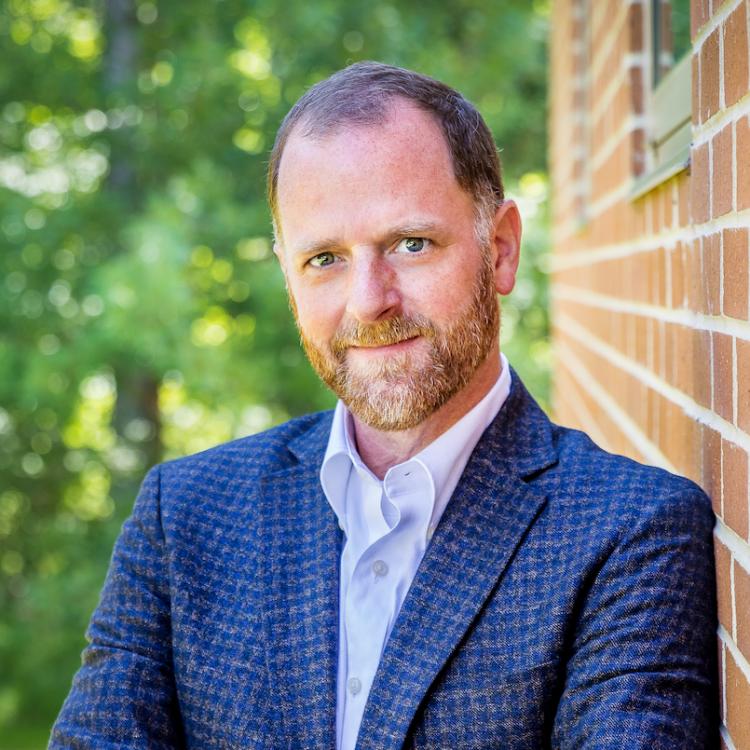
Liv Elin Torheim is a Professor in the Department of Nursing and Health Promotion at the Faculty of Health Sciences, Oslo Metropolitan University (OsloMet). Her academic work is deeply rooted in public health nutrition, with a focus on food security, sustainable diets, nutrition policy, and food environments. She serves as Head of Studies in her department and is actively engaged in both national and international research collaborations, particularly with the Norwegian Institute of Public Health. Her research interests include: Public Health Nutrition Nutritional Epidemiology Global Health and Food Security Infant and Complementary Feeding Sustainable and Climate-Friendly Diets Food Environment Policies (e.g., Food-EPI) Human Rights in Nutrition Growth and Development Her recent publications span high-impact journals such as The Lancet , Nutrients , and Food & Nutrition Research , reflecting a strong trend toward policy-relevant research on food insecurity, dietary guidelines, and the evaluation of public health interventions. She has contributed significantly to the Nordic Nutrition Recommendations 2023 and led projects assessing food environments in universities and municipalities in Norway. Her scientific contributions include policy evaluations, scoping reviews, and large-scale epidemiological analyses. She has no listed scientific awards in the provided text, but her work is widely disseminated through research reports for governmental bodies and public health institutions. Liv Elin Torheim advises on public health nutrition policy and has been involved in projects funded by national and international research initiatives. While no formal list of students is provided, her leadership in research projects suggests active mentorship. She is part of the Public Health Nutrition research group and collaborates extensively on interdisciplinary projects related to food systems and health equity. Her ongoing work focuses on strengthening food environments, monitoring youth nutrition, and advancing sustainable dietary practices in Norway and beyond.
Eric G. Flett is a Professor of Theology and Culture in the Theology Department at Eastern University's College of Arts and Humanities. His work bridges theological inquiry with cultural analysis, rooted in Trinitarian theology and interdisciplinary approaches. Education: Doctoral work conducted at the University of London Dr. Flett explores theology through cross-cultural lenses, drawing from fieldwork in Germany, Canada, India, Tunisia, England, Brazil, Jamaica, and Trinidad and Tobago. His research emphasizes contextual theology, theological anthropology, and the intersection of faith with societal structures like poverty and hospitality. His publications span interdisciplinary theological reflection, with a focus on Caribbean and Latin American contexts. Key themes include the Trinity as a framework for cultural analysis, ethical engagement with religious diversity, and the role of the Holy Spirit in fostering inclusivity. Dr. Flett contributes to Eastern University's academic community through teaching in the M.A. in Theological and Cultural Anthropology program, funded by The John Templeton Foundation, and courses like Theology of Poverty for development-focused graduate programs.
Min-Yao Jhu is a Postdoctoral Research Associate at the Crop Science Centre , affiliated with the University of Cambridge and the Department of Plant Sciences . Her research focuses on plant-microbe interactions, parasitic plant biology, and nitrogen fixation mechanisms. University: University of Cambridge Department: Department of Plant Sciences Academic Rank: Researcher Key Research Areas: Parasitic Plants, Host-Parasite Interactions, Nitrogen Fixation, Plant Genetics Jhu's work explores the genetic and molecular regulation of symbiotic and parasitic plant interactions. Her recent publications highlight advancements in nitrogen fixation biology, parasitic plant resistance mechanisms, and spatial transcriptomics techniques for studying plant development. Her research has significant implications for sustainable agriculture, particularly in reducing reliance on chemical fertilizers and enhancing crop resilience against parasitic plants like Cuscuta campestris .
Agostino Tomasello is an Associate Professor in the Department of Earth and Marine Sciences at the University of Palermo. His academic position (BIOS-01/C classification) reflects his specialization in marine biological systems, with particular focus on Mediterranean seagrass ecosystems. He maintains regular office hours both at the main campus (Viale delle Scienze building 16) and at the Trapani teaching center for Biotechnology students. Dr. Tomasello's research interests center on marine ecology, particularly the biology and conservation of Posidonia oceanica seagrass meadows. His work spans environmental monitoring, coastal management, and the impacts of human activities on marine ecosystems. He has extensively studied seagrass transplantation, habitat mapping using acoustic technologies, and the effects of environmental stressors including climate change and ocean acidification. His publication record demonstrates expertise in both field research and advanced statistical modeling of marine ecological data. The 15 most recent articles show consistent focus on Posidonia oceanica ecosystems, with methodologies ranging from morphological analysis to geospatial modeling. His research has important implications for marine conservation and management of Mediterranean coastal environments. Dr. Tomasello actively supervises graduate students, with recent theses focused on marine biology topics including seagrass mapping, environmental monitoring, and restoration ecology. His work with students demonstrates practical application of research to real-world conservation challenges.
Melissa Manners, Ph.D., serves as Assistant Professor in the Department of Biological & Biomedical Sciences at Rowan University's College of Science & Mathematics, with additional teaching appointments at St. Joseph's University in Neuroscience graduate programs. Education: BA in Biology (Minor in Psychology), Rutgers University (2007) PhD in Pharmacology and Physiology, Drexel University College of Medicine (2016) Postdoctoral Fellowship, University of Pennsylvania (2016-2019) Research Focus: Dr. Manners investigates molecular mechanisms underlying chronic stress behavioral effects through neuroscience , molecular biology , and bioinformatics approaches. Her work examines gene expression alterations in disease states, drug treatment responses, and stress-induced neuroinflammation, with emphasis on sex differences and transgenerational effects. Key areas include: Stress neurobiology and resilience mechanisms Neuropharmacology of depression and opioids Molecular pathways in neurological disorders Epigenetic regulation in pain and stress Publication Trends: Recent work (2022-2025) reveals strong focus on sex-specific stress responses, gut microbiome-opioid interactions, and neuroinflammatory mechanisms using rodent models. Her research bridges molecular neuroscience with translational applications for depression and addiction treatment. Scientific Awards: No awards or fellowships were documented in source materials. Mentorship: Dr. Manners actively trains undergraduate and graduate students, evidenced by co-authorships with Elias, A.Y. Zhang, A.G. White, M.J.Pyle, J.K. Brynildsen, M. Schechter, X Liu, D.Eacret, and N.L. Yohn. She teaches core neuroscience courses including Cellular & Molecular Neuroscience, Neurobiology of Stress, and Brain Behavior and Disease across both institutions. Research Infrastructure: Source materials did not specify laboratory facilities or research team compositions.
Prof. Dr. Karsten Niehaus serves as Head of the Proteome and Metabolome Research Group at the Center for Biotechnology (CeBiTec) and Faculty of Biology, University of Bielefeld. His research focuses on proteomics and metabolomics applications in plant-microbe interactions, bacterial stress responses, and disease model systems. His laboratory employs advanced mass spectrometry imaging and cell phenotyping technologies to investigate molecular responses in crops like sugar beet and grapevines under abiotic stress conditions, as well as in cancer models where differentiation therapy impacts tumor malignancy. The group also explores microbial biotechnology through Xanthomonas campestris studies on xanthan production and stress adaptation. Selected publications highlight innovations in 3D microfluidics for biomarker detection and bioinformatics platforms like MetHoS for metabolomics data analysis. His work appears in journals covering Frontiers in Plant Science , Scientific Reports , and Journal of Experimental Botany . Contact: kniehaus@cebitec.uni-bielefeld.de | Office: UHG W7-117
Jasmine Alvarado serves as an Assistant Professor of Education Studies at Brandeis University, where she specializes in family engagement, bilingual education, and educational policy. Her research sits at the critical intersection of societal inequities, educational policies, and family experiences in K-8 schools, employing ethnographic, narrative, and participatory methodologies informed by critical race theory, intersectional feminism, and sociolinguistic perspectives. Educational Background: Ph.D. in Education from Boston College M.Ed. from CUNY Hunter College B.A. from Harvard University Jasmine's extensive teaching experience spans over a decade, encompassing university-level instruction, teacher candidate supervision, conference workshops for educational leaders, elementary bilingual youth education, and adult language development classes. Her personal background as a member of an Ecuadorian family with Quechua roots, combined with her experiences as a student, teacher, administrator, and after-school program director in NYC and Greater Boston Public Schools, deeply informs her commitment to collective learning and educational equity. Research Focus: Her work particularly emphasizes urban education contexts, examining how race, ethnicity, and language intersect with educational policies and practices. Through critical ethnographic approaches, she explores how families navigate and negotiate educational systems, especially in bilingual and dual-language program contexts. Scientific Awards: Outstanding Reviewer for AERA/Review of Educational Research Journal (2024-2025) Bilingual Research Issues Outstanding Dissertation Award-Second Place (2024-2025) AERA Latino/a/x Outstanding Dissertation Award (2023) Spencer Foundation Research Development Award (2020) Multiple fellowships from AERA, Ford Foundation, and Spencer Foundation Research Impact: Her publications demonstrate a consistent focus on bilingual education policy, family engagement in diverse communities, and the racialized experiences of families in educational settings. Recent work particularly examines the impacts of COVID-19 on bilingual programs and family-school relationships, while earlier work traces the historical evolution of bilingual education in Massachusetts.
Francisco Dini-Andreote serves as Associate Professor of Plant Science at Penn State University's College of Agricultural Sciences and holds the endowed Huck Early Career Chair in Microbial Community Ecology. His research integrates microbiome science, plant-microbe interactions, and ecological theory to advance sustainable agriculture. Affiliations include the Huck Institutes' Microbiome Center, Center for Root and Rhizosphere Biology, and Center for Infectious Disease Dynamics. Research focuses on: Microbiome assembly in response to environmental gradients (e.g., urbanization, climate change) Engineering rhizosphere communities for crop resilience against drought and pathogens Soil health restoration via anaerobic disinfestation techniques Recent publications (2024-2025) reveal strong emphasis on: Ecological processes governing microbial coalescence and food web dynamics Molecular mechanisms of plant-microbe signaling under stress Cross-kingdom synthetic communities for agricultural applications Awards include the Dorothy Foehr Huck and J. Lloyd Huck Early Career Chair (2024). Grant leadership encompasses USDA-funded projects ($1M+) optimizing organic farming through microbiome manipulation. Actively advises graduate students and leads the Dini-Andreote Lab, which collaborates with international teams to study soil-plant-microbe interfaces.
Dr. Georg Lorenz serves as Assistant Professor in the Department of Sociology at Utrecht University's Faculty of Social and Behavioural Sciences. His academic profile centers on the intersection of social networks, migration, diversity, and educational inequality within contemporary societies. His research expertise encompasses several critical areas: Social Cohesion in Suburbs and Neighborhoods Social Network Analysis and Dynamics Interethnic Attitudes and Relations Social Inequality and Educational Equity Children and Adolescents Development in Diverse Contexts School Segregation and Integration Processes Rooted in Analytical Sociology, Dr. Lorenz's work systematically examines three interconnected research strands: the societal consequences of social network structures, integration processes in contexts shaped by migration and diversity, and the conditions necessary for educational equity among adolescents. His methodological approach is notably diverse, incorporating social network analysis, computer simulations, videography, and rigorous evaluation of research methods. Dr. Lorenz's publication record demonstrates consistent scholarly output with numerous articles in top-tier journals across sociology, education, and social psychology. His research frequently investigates the subtle mechanisms through which discrimination operates in educational settings, particularly focusing on teacher expectations, peer influences, and institutional factors that shape educational outcomes for ethnic minority youth. His scientific contributions include significant work on how ethnic diversity affects social integration in schools, with particular attention to refugee students, as well as investigations into how residential environments intersect with school contexts to shape educational outcomes. Dr. Lorenz actively contributes to teaching at Utrecht University through courses including Introduction to Sociology, Policy Research and Advice, and Social Networks in Theory and Empirical Research. His research is connected to key university initiatives including Dynamics of Youth (DoY) and In-Equality Migration and Societal Change (IOS).
Anthony Zukoff serves as an Instructor of Entomology at the Southwest Research and Extension Center (SWREC), part of Kansas State University's Research and Extension system. Based in Garden City, Kansas, his primary responsibility is extension outreach in entomology, with a focus on addressing current and emerging insect pest issues affecting crop production in Western Kansas. He actively communicates through social media, particularly on X (Twitter) as @WestKSBugs, to disseminate timely information to stakeholders. His research and extension interests are deeply rooted in agricultural entomology, specifically the management of insect pests in major field crops of the region. These include alfalfa, corn, sorghum, soybeans, sunflower, wheat, and cotton. Additionally, he has shown interest in pollinator conservation, as demonstrated by his work on monarch butterfly and pollinator habitat development. His approach emphasizes practical, integrated pest management (IPM) strategies that are critical for sustainable agriculture in the challenging environments of Western Kansas. Dr. Zukoff's recent scholarly output includes the 2025 crop-specific insect pest management guides, which collectively cover the major field crops grown in Kansas. These publications represent a systematic effort to provide up-to-date, research-based recommendations for pest control, reflecting the dynamic nature of pest pressures and the need for adaptive management solutions. His work bridges the gap between entomological research and on-farm application, ensuring that producers have access to the latest strategies for protecting their crops. Scientific awards and honors are not mentioned in the available information. Regarding academic advising and research funding, the provided materials do not indicate any graduate students supervised by Dr. Zukoff nor any details about grants he may have secured. His role appears to be primarily focused on extension and outreach rather than graduate mentoring or large-scale research projects requiring external funding. Anthony Zukoff is embedded within the Southwest Research and Extension Center, a key component of Kansas State University's network of research and extension centers across the state. The SWREC conducts applied research and delivers extension programs tailored to the agricultural and natural resource needs of Western Kansas, and Dr. Zukoff's entomology expertise is a vital part of this mission.
Stefan Schick serves as a Lecturer for Special Assignments in Philosophy at the University of Leipzig's Institute of Philosophy within the Humanities Center, and holds an Adjunct Professor position at the University of Regensburg since November 2023. His academic career spans multiple prestigious institutions including the University of Illinois at Chicago and Northwestern University as a Feodor Lynen Research Fellow. University of Leipzig: Lecturer for Special Assignments (April 2021–present) University of Regensburg: Adjunct Professor (November 2023–present), former Academic Councillor (2011–2021), Acting Professor (2020–2021) Alexander von Humboldt Foundation: Feodor Lynen Research Fellow (2014–2016) Dr. Schick's research centers on Enlightenment philosophy and German Idealism, with particular focus on Kant and Jacobi's conceptions of reason, ethics, and religion. He argues against equating Enlightenment with Western chauvinism, positioning it as a global cosmopolitan project requiring reciprocal recognition of cultural differences. His work extends to medieval Latin and Arabic philosophical traditions to demonstrate Enlightenment's non-European philosophical roots. His teaching methodology emphasizes critical engagement with classical texts from the Middle Ages to present to cultivate autonomous and cosmopolitan thinking among students. His publication trends reveal consistent focus on Enlightenment philosophy across multiple historical contexts, with recent work bridging classical German philosophy with medieval Islamic and Christian thought. Key thematic clusters include normative foundations of self-determination, historical development of reason, and cross-cultural philosophical dialogue. Feodor Lynen Scholarship from Alexander von Humboldt Foundation (2014) Academic Research Sabbatical Program from University of Regensburg (2017) DAAD Research Scholarship (2010) Dr. Schick has secured significant research funding through Humboldt Foundation fellowships and DAAD grants, supporting international collaborative research at institutions including University of Toronto, Pontifical Institute of Mediaeval Studies, and Wittgenstein Archive Bergen. His academic mentorship extends to supervising doctoral candidates and guiding students through complex philosophical texts across historical periods. His current research integrates classical German philosophy with medieval Islamic scholarship to develop a globally inclusive understanding of Enlightenment principles. His work operates within the Institute of Philosophy's research framework, engaging with colleagues specializing in history of philosophy and contributing to the Humanities Center's interdisciplinary initiatives. Current projects examine the relationship between medieval philosophical traditions and modern conceptions of reason, with particular attention to cross-cultural philosophical dialogue.
Sigrun Kahl is an Assistant Professor in the Department of Political Science and Sociology at Yale University, based at 115 Prospect St, New Haven, CT 06511. She serves as co-director of the MacMillan Center Initiative on Religion, Politics, and Society and co-organizes the Yale Political Science Department's Comparative Politics Workshop. Her research investigates how long-term historical and religious factors shape modern social institutions, with core expertise in welfare state development, moral economies of poverty, and church-state boundaries in public service provision. Current book projects include Just Deserts: The Moral Economy of Welfare in Europe and the United States , which analyzes cross-national welfare systems through the lens of deservingness, and Poverty and Eternity: How Religion Shapes Assistance to the Poor , tracing how Catholic, Calvinist, and Lutheran traditions influence contemporary poverty policies. A third project examines historical roots of nonprofit sector variations in education and healthcare. Professor Kahl teaches specialized courses including Welfare States Across Nations, Religion and Politics, and Historical and Archival Methods, integrating her fieldwork across Denmark, France, Germany, Italy, Sweden, the UK, and US.
Albert Tan serves as an Adjunct Professor in the Dental School at The University of Western Australia, based at the Oral Health Centre of WA (OHCWA) in Perth. His academic role centers on periodontics and oral health research, contributing to advancements in dental care and education within the university's dental programs. Dr. Tan's research expertise lies in periodontics, with a focus on chronic periodontitis management, antibiotic therapies, and the relationship between genetic factors and periodontal disease. His work extends to dental implantology and craniofacial anomalies, particularly cleft palate treatment. These areas align with the UN Sustainable Development Goals for good health and well-being. Analysis of his publications from 1998 to 2016 shows a progression from foundational studies on periodontal maintenance and cleft palate to more recent investigations of antibiotic efficacy in periodontal therapy. His research consistently addresses clinical challenges in periodontics, emphasizing evidence-based approaches to improve patient outcomes in dental care.
Martina Tomasella is a Researcher in Plant Physiology (BIO/04) at the Department of Life Sciences (DSV) of the Università degli Studi di Trieste. She obtained her PhD in Natural Sciences at the Technische Universität München (Germany) and specializes in drought stress responses in plants, with particular focus on xylem vulnerability to embolism, post-stress hydraulic recovery, and the role of non-structural carbohydrates in drought resilience. Currently involved in research projects such as 'Sopravvivenza e accrescimento della vegetazione su verde pensile sottile' and 'Assegnazione di Ateneo microgrants 2023/2024', Dr. Tomasella applies plant ecophysiological principles to optimize green roof irrigation management and improve Mediterranean urban vegetation sustainability . Her research contributes to understanding plant water relations through advanced techniques like synchrotron-based X-ray microtomography, combining fundamental plant physiology with applied ecological solutions. Key collaborations include working with Prof. Andrea Nardini's team on tree hydraulic failure mechanisms and participating in boards of studies for the 'Biological Sciences and Technologies' and 'Global Change Ecology and Sustainability' degree programs. Recent publications analyze fibers' role in embolism reversal , karstic bedrock water reservoirs , and grapevine drought adaptation , reflecting her expertise in plant hydraulics and climate change mitigation strategies . Her work bridges laboratory experiments with field applications, focusing on nature-based solutions for urban environments and agricultural systems.
József Garay is a Senior Research Fellow at the ELTE-MTA Theoretical Biology and Evolutionary Ecology Research Group, part of the Department of Plant Systematics, Ecology and Theoretical Biology at Eötvös Loránd University in Budapest, Hungary. His research spans evolutionary biology, mathematical ecology, and game theory, with a particular focus on evolutionary stable strategies and their applications to biological systems. Dr. Garay received his M.Sc. in Biology from Eötvös University (1981-1986), followed by postgraduate studies in Mathematics (1985-1989). He completed his PhD at the Hungarian Academy of Science in 2004, after doctoral studies in the Department of Plant Taxonomy and Ecology (1990-1994) and a summer school on Evolutionary Models of Cooperation in Seewiesen, Germany (1994). Garay's research interests center on evolutionary game theory and its applications to biological systems. He has made significant contributions to understanding evolutionarily stable strategies (ESS) in sexual populations, the evolutionary roots of morality, and the mathematical foundations of population dynamics. His work bridges theoretical mathematics with practical ecological applications, particularly in areas like optimal foraging, habitat selection, and the evolution of cooperation. A key aspect of his research involves extending classical game theory concepts to more complex biological scenarios, including multi-species systems and time-constrained evolutionary processes. His work on the evolutionary stability of self-sacrificing behavior and the relationship between individual fitness and group survival has provided important insights into the evolution of altruism and social behavior. Analysis of Garay's recent publications reveals a consistent focus on evolutionary game theory applied to biological systems, with increasing sophistication in modeling approaches. His work has evolved from foundational studies on evolutionarily stable allele distributions (ESAD) to more complex applications in areas like cannibalism dynamics, predator-prey interactions, and kin selection. There's a clear trajectory toward more integrative models that combine mathematical rigor with biological realism, often addressing questions at the intersection of evolutionary theory, ecology, and behavior. Notably, his research increasingly incorporates mathematical modeling techniques to analyze complex ecological phenomena, demonstrating the power of theoretical approaches to address empirical biological questions. Dr. Garay has received several prestigious awards and fellowships throughout his career: Juhász-Nagy Pál junior fellowship at Collegium Budapest Institute for Advanced Study (1999-2000) NATO research fellowship at Wilfrid Laurier University, Waterloo, Canada (2002) Research fellowship at Konrad Lorenz Institute, Austria (2005) Bolyai János fellowship of the Hungarian Academy of Sciences (2006-2008) While specific information about his advising activities is limited in the provided materials, Garay's extensive publication record spanning over three decades suggests he has likely mentored numerous graduate students and early-career researchers. His collaborations with colleagues like Zoltán Varga, Manuel Gámez, and Tomás Cabello indicate a strong network of research partnerships. Garay has secured multiple research grants supporting his work, including the Bolyai fellowship and international research opportunities that have enabled him to extend his theoretical models to practical ecological applications. His work on ecological monitoring systems demonstrates how theoretical frameworks can be applied to real-world environmental challenges. Garay is a core member of the HAS Theoretical Biology Group at Eötvös Loránd University, where he contributes to a vibrant research environment focused on mathematical approaches to biological problems. His work intersects with several research teams studying evolutionary ecology, population dynamics, and mathematical biology, creating opportunities for interdisciplinary collaboration on complex biological questions that require both theoretical insight and empirical validation. The group's research has significant implications for understanding fundamental biological processes and developing more effective conservation and management strategies.