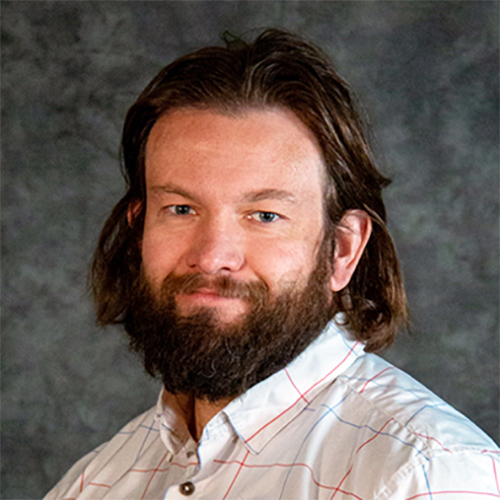
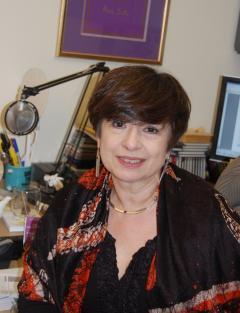
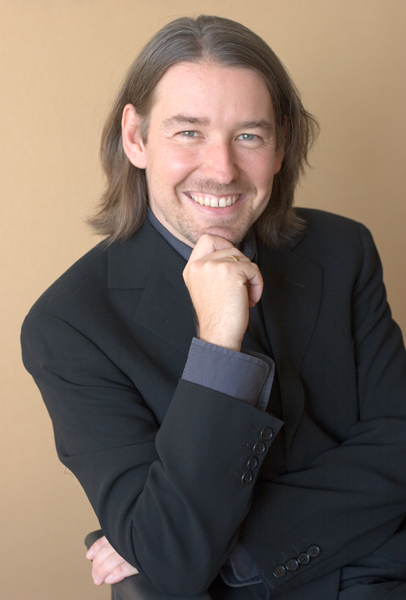
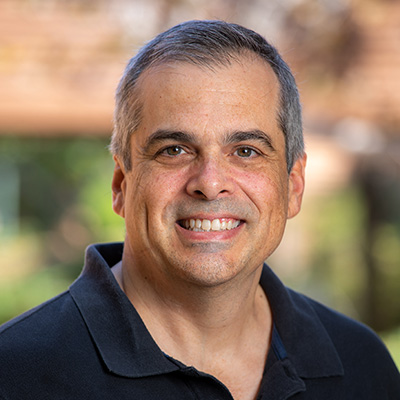
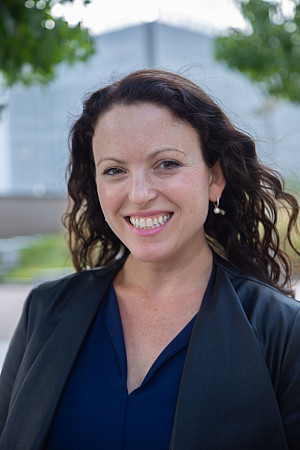
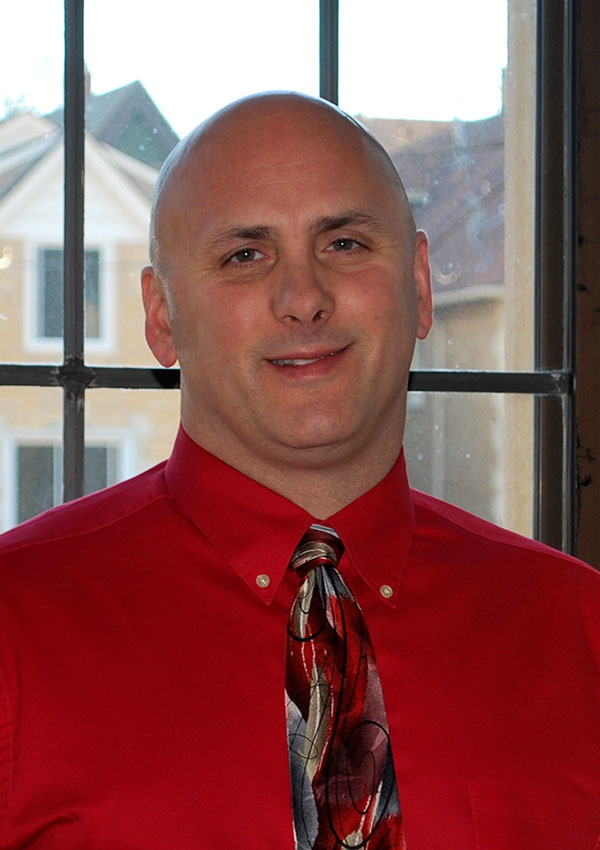
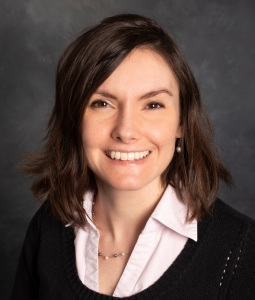
Prof. Johannes Bohacek is an Associate Professor at ETH Zürich's Department of Health Sciences and Technology, within the Institut für Neurowissenschaften. His research focuses on understanding how acute stress events lead to anxiety disorders, particularly through noradrenaline's role in molecular and circuit-level brain changes. He leads the Molecular and Behavioral Neuroscience (MBN) lab, emphasizing transgenerational epigenetic effects and neuromodulation. Notable contributions include the BehaviorFlow pipeline for rodent behavior analysis and studies on locus coeruleus-norepinephrine signaling. He was a finalist for the 2024 Art of Leadership Award (ALEA). His work is published in top journals like Nature Methods and Nature Neuroscience . Contact: Email , Lab Website .
Viktor Feketa is an Associate Research Scientist in the Department of Cellular & Molecular Physiology at Yale School of Medicine. He holds a PhD in Cardiovascular Sciences from Baylor College of Medicine (2015). His research focuses on sensory physiology, particularly exploring mechanosensory systems like Pacinian corpuscles and thermoregulatory adaptations in hibernating ground squirrels. Key areas include touch detection mechanisms, TRP channel functions, and physiological adaptations in extreme environments. His work spans structural biology of sensory organs, molecular mechanisms of temperature sensing, and evolutionary adaptations in sensory systems. Notable projects include identifying lamellar cells as touch sensors and discovering hypothalamic hormone roles in hibernation-induced anorexia. Publications emphasize interdisciplinary approaches combining anatomy, physiology, and molecular biology. Collaborations include studies on mechanosensory corpuscle architecture and cross-species analyses of tactile specialization in birds. Laboratory activities are centered at the Gracheva Lab in Sterling Hall of Medicine. No specific grants or awards explicitly noted in provided materials.
Gabriele Floris is an Associate Research Scientist in the Department of Psychiatry at Yale University. His primary research focuses on neuropharmacology, addiction biology, and translational neuroscience with particular emphasis on mechanisms underlying drug-seeking behavior, neuroinflammation, and neuropsychopharmacological interventions. Dr. Floris uses rodent models to investigate how substances like heroin, psilocybin, and cannabis influence neural circuits involved in reward processing, stress responses, and decision-making. Key research areas include: 1) Neurosteroid modulation of addiction pathways, 2) Circular RNA and microRNA regulatory mechanisms in addiction, 3) Neuroimmune interactions in substance use disorders. His work bridges basic science and clinical applications, aiming to identify novel therapeutic targets for opioid use disorder and related neuropsychiatric conditions. Recent studies have explored the efficacy of psilocybin in reducing heroin relapse and the role of 5α-reductase inhibitors in modifying drug-seeking behavior. He has developed innovative behavioral paradigms like the sinking platform test to measure persistence in animal models. Collaborations with Mary Zanda and Stephen Daws highlight his network in translational addiction research.
Andrew Neilson is a Professor at North Carolina State University, affiliated with the Plants for Human Health Institute (PHHI). His research focuses on the interactions between dietary phytochemicals (especially flavonoids) and the gut microbiome, investigating how these interactions influence human health, particularly gut health and metabolic syndrome. Dr. Neilson holds a Ph.D. in Food Science from Purdue University (2009) and a B.S. in Food Science from Brigham Young University (2005). He is a member of the American Society for Nutrition and Phi Tau Sigma. His work emphasizes microbial metabolites derived from unabsorbed dietary components and their role in disease prevention. Prior to joining PHHI, he served at Virginia Tech for 7.5 years. Neilson's research spans dietary interventions, microbial metabolite analysis, and translational nutrition. His recent studies include evaluating the vascular benefits of strawberry-derived microbial metabolites and developing biomarkers for trimethylamine N-oxide (TMAO) status. He also explores culturally relevant dietary strategies to improve infant gut barrier function and investigates genetic diversity in mouse models to enhance translational nutrition research. His publications highlight interdisciplinary approaches, combining food science, microbiology, and clinical studies. Key themes include the health impacts of cocoa and berry phytochemicals, the role of TMAO in metabolic and cardiovascular disorders, and the optimization of food processing to enhance phytochemical bioaccessibility. Neilson collaborates on projects like the techno-economic analysis of grape pomace biorefineries and the development of high-throughput methods to screen for TMAO inhibitors. No scientific awards are explicitly listed, but his extensive grant-funded work suggests significant recognition in his field. His lab's focus on preclinical models and human trials underscores a commitment to bridging basic research and clinical applications.
Robert S. Astur is an Associate Professor in the Department of Psychological Sciences at the University of Connecticut. His research focuses on the neurobiology of memory, particularly the roles of the hippocampus and amygdala, using translational tasks across rodents, monkeys, apes, and humans. Key areas include anxiety disorders, substance abuse, depression, virtual reality applications, spatial memory, and gender differences in cognition. Primary Affiliation: University of Connecticut, Department of Psychological Sciences Techniques: Virtual reality, fMRI, behavioral testing His work investigates risk factors for mental health disorders and develops interventions for at-risk populations. Recent publications highlight virtual reality applications in conditioned place preference, substance use disorders, and cognitive assessments in schizophrenia and Alzheimer’s disease. Scientific awards and honors are not explicitly mentioned in the provided texts. However, his extensive publication record and leadership in virtual reality-based cognitive research demonstrate significant contributions to behavioral neuroscience and translational psychology.
Dr. Ana Soto is a Professor of Immunology at Tufts University School of Medicine, specializing in endocrine disruption, carcinogenesis, and developmental biology. Her research focuses on the role of sex steroids in mammary gland morphogenesis and the fetal origins of adult diseases, challenging traditional genetic paradigms of cancer through the Tissue Organization Field Theory (TOFT). She holds a Doctor of Medicine from the University of Buenos Aires (1970) and a Bachelor of Science from Colegio Elizalde (1964). Her work emphasizes the impact of environmental chemicals like bisphenol A (BPA) on health, advocating for stricter regulations. Key contributions include modeling mammary organogenesis using systems biology and critiquing regulatory agencies' conflicting BPA safety standards. Dr. Soto has received the Grand Vermeil Medal of Paris (2019) and led numerous grants, including studies on BPA's effects on obesity and gut microbiome. She teaches courses on the developmental origins of adult diseases and actively participates in international conferences on endocrine disruptors and cancer biology. Her lab integrates experimental and theoretical approaches, linking developmental biology to public health. Recent publications address nonmonotonic dose responses, BPA's fetal carcinogenicity, and challenges to genetic-centric cancer theories. She collaborates globally to advance safer food contact material policies and improve toxicological testing frameworks.
Christian Keysers is a leading full professor of Social Neuroscience at the University of Amsterdam and head of the Social Brain Lab at the Netherlands Institute for Neuroscience (NIN). He has held tenured positions since 2000, focusing on the neural basis of empathy, mirror neurons, and social cognition across species. Department Head, Social Brain Lab, NIN (2010–now) Full Professor, Social Neuroscience, University of Amsterdam (2014–now) Full Professor, Social Brain, University of Groningen (2007–2014) His research explores how mirror neurons and embodied cognition underpin empathy, using neuroimaging, electrophysiology, and animal models. He has pioneered cross-species approaches, linking empathic mechanisms in humans and rodents to prosocial behavior and moral conflict. Recent publications highlight his work on predictive coding , altruism , and touch interventions . His findings have been published in Nature Neuroscience , Current Biology , and PLoS Biology . Scientific Awards: ERC Consolidator Grant (2012) VICI Grant (2016) Marie Curie Excellence Grant (2005) IPPY Prize for 'The Empathic Brain' (2012) Keysers actively shapes European research policy as a member of the Future and Emerging Technologies advisory board and the Young Academy of Europe. His book 'The Empathic Brain' won critical acclaim for science communication.
John Loegering is a Professor and Department Chair in the Agriculture and Natural Resources Department at the University of Minnesota Crookston. He holds a Ph.D. in Wildlife Science from Oregon State University, and his research focuses on avian ecology, quantitative ecology, and wildlife-human interactions. He curates the U of M Crookston Wildlife Museum, emphasizing hands-on education and community engagement. His educational background includes a B.S. in Zoology and Biology from North Dakota State University (1988), an M.S. in Wildlife Science from Virginia Tech (1992), and a Ph.D. from Oregon State University (1997). He is a Certified Wildlife Biologist and has pioneered distance education methodologies in wildlife conservation. Research interests include migratory connectivity of warblers, riparian ecosystem dynamics, and wildlife habitat relationships. His work combines field studies with data-driven analysis, contributing to conservation strategies for threatened species like the Golden-winged Warbler and Piping Plover. Notable awards include the 2019 Wildlife Society Fellows Award and the 2009 H.T. Morse Distinguished Teaching Professor honor. He actively mentors students, supporting their conference participation and research presentations, as seen in recent U of M Crookston student achievements. Loegering’s outreach extends to public education, such as his 2024 media appearance addressing wildlife management in residential areas. He maintains active professional memberships in ornithological and conservation societies, bridging academic research with practical conservation efforts.
Emily Ho is an OSU Distinguished Professor and the Director of the Linus Pauling Institute at Oregon State University. She is also affiliated with the School of Biological and Population Health Sciences and the Department of Nutrition and Exercise Sciences. Dr. Ho leads cutting-edge research in nutritional science, focusing on the roles of zinc and phytochemicals in cancer prevention, immune function, and healthy aging. PhD in Human Nutrition, The Ohio State University Bachelor of Science in Nutrition Sciences, University of Guelph, Canada Her research interests center on antioxidants, gene expression, dietary chemoprevention, and micronutrient biology . She investigates how nutrients like zinc influence DNA integrity, immune response, and cancer development, particularly in aging populations. Her lab also studies the molecular mechanisms by which compounds in broccoli, soy, and tea may prevent prostate and breast cancers. She is especially interested in epigenetic regulation, gut microbiome interactions, and the impact of whole grains and plant-based diets on chronic disease. The recent articles from her lab reveal a strong focus on zinc metabolism, cruciferous vegetable bioactives (especially sulforaphane), gut microbiome modulation, and biomarker discovery . Her work combines human clinical trials, rodent models, and advanced 'omics technologies to explore how diet influences health at the molecular level. There is a clear trend toward precision nutrition, inter-individual variability, and the development of dietary strategies for cancer prevention and healthy aging. Dr. Ho has received several honors, including: OSU Distinguished Professor OnPoint Faculty of the Game Recognition Moore Family Center Endowed Director She has secured major grants and leads large collaborative research initiatives. As Director of the Linus Pauling Institute, she oversees a dynamic research program focused on vitamins, minerals, and plant chemicals in human health. She mentors numerous graduate students and postdoctoral researchers and is actively involved in public outreach, promoting whole grains, fruits, and vegetables for disease prevention. Her leadership extends to organizing community events like the Grid Iron Chef Contest and lectures on whole grain nutrition. Dr. Ho leads the Emily Ho Lab, which is part of the Linus Pauling Institute and collaborates extensively with researchers in toxicology, biochemistry, and environmental health. Her team investigates how diet and environment interact to influence aging, immune function, and cancer risk.
Eric Zorrilla, PhD, is an Associate Professor in the Department of Translational Medicine at The Scripps Research Institute (TSRI), with a joint appointment in the Skaggs Graduate School of Chemical and Biological Sciences. He is also a member of the Pearson Center for Alcohol and Addiction Research. His research focuses on understanding the neural mechanisms underlying motivated behaviors, particularly the interplay between reward circuits and stress systems in conditions like obesity, alcoholism, and binge eating disorders. Dr. Zorrilla employs interdisciplinary approaches combining molecular, pharmacological, and behavioral techniques. Education: PhD (Psychology, University of Pennsylvania, 1996), MS (Psychology, UPenn, 1992), BS (Psychology/Economics/Political Science triple major, Duke University, 1991). He has held academic roles at TSRI since 1996, advancing from Postdoctoral Fellow to Associate Professor in 2003. Research emphasizes genetic/epigenetic factors in reward and stress pathways, with notable contributions to CRF signaling in addiction and the neurobiology of compulsive behaviors. His lab has published influential work on leptin’s role in food demand, insula-striatal circuits in eating disorders, and PDE10A’s role in alcohol dependence. Key achievements include developing rodent models of compulsive eating and stress-related psychiatric disorders. Awards include the Most Outstanding Graduate Student (UPenn, 1996), multiple paper commendations (PNAS, Science, Neuropsychopharmacology), and Fellowship at the Harold L. Dorris Neurological Research Institute. His work has been featured in high-impact journals and media, including Scientific American and Proceedings of the National Academy of Sciences .
Pavol Makovický, PhD is a Researcher at the Biology Department of the Teacher Training Faculty at Selye János University in Komárom, Slovakia. He previously served as an Assistant Professor at the same institution from 2011 to 2019. His academic career focuses on animal science and veterinary research, particularly in sheep breeding and animal husbandry. Dr. Makovický completed his undergraduate studies in Animal Breeding at the Slovak University of Agriculture in Nitra (2001-2006), followed by a PhD in Special Animal Breeding at the same institution (2006-2009). His primary research interests include animal breeding, veterinary science, and sheep husbandry. Dr. Makovický has contributed significantly to understanding udder morphology, milk quality, and genetic parameters in various sheep breeds including Improved Valachian, Tsigai, and Lacaune. His work bridges practical animal husbandry with scientific research to improve breeding practices and animal health. Dr. Makovický's recent publications (2022-2024) demonstrate a diverse research portfolio spanning veterinary medicine, animal science, and biomedical research. His work on sheep mastitis, udder morphology, and somatic cell counts in sheep milk represents his core expertise in animal husbandry. Additionally, he has collaborated on studies related to human health topics including colorectal cancer, oxidative damage, and the effects of dietary components. Dr. Makovický has been involved in multiple research projects funded by VEGA, KEGA, EnviroFond, and SORO programs, demonstrating sustained research activity and funding success throughout his career. As a researcher, Dr. Makovický has published over 230 scientific works, including numerous articles in international journals. His research collaborations span multiple institutions across Central Europe, reflecting an active research network in animal science and veterinary medicine. Dr. Makovický's laboratory work focuses on practical animal husbandry research with applications in sheep breeding and dairy production. His research integrates field studies with laboratory analysis to address real-world challenges in animal agriculture.
Honglian Shi is an Associate Professor and Director of Graduate Studies in the Department of Pharmacology & Toxicology at the University of Kansas School of Pharmacy. He holds a Ph.D. in Biophysics from the Institute of Biophysics, Chinese Academy of Sciences (1995) and completed postdoctoral training at Tokyo University and the Burke Medical Research Institute (2001). His research focuses on oxidative stress mechanisms in diseases, particularly cerebral ischemia, hypoxia, heavy metal toxicity, and antioxidant therapies. He leads the Shi Lab, investigating redox regulation, iron metabolism, and HIF-1 signaling in neurodegenerative conditions and stroke. Key contributions include studies on mitochondrial ferritin’s role in neuroprotection and HIF-1’s involvement in blood-brain barrier integrity during ischemia. Education: Ph.D. in Biophysics (1995, Institute of Biophysics, CAS), Postdoctoral Fellowship (2001, Tokyo University/Burke Medical Research Institute) Research Interests: Dr. Shi’s work spans oxidative stress pathways in ischemic stroke, heavy metal-induced carcinogenesis, and translational applications of antioxidant interventions. He employs multidisciplinary approaches including biochemistry, neuroimaging, and molecular biology to elucidate mechanisms linking free radicals to disease processes. Key Findings: His studies highlight HIF-1’s dual role in neuroprotection and vascular permeability, iron homeostasis in cerebral ischemia, and synergistic toxicity of arsenic and alcohol. Recent work explores nanotechnology-based drug delivery (lycopene-liposomes) for reducing ischemic brain damage. Lab/Teams: The Shi Lab collaborates on projects involving stroke pathophysiology, neuroprotection strategies, and redox signaling. Ongoing studies investigate epigenetic regulation of iron metabolism in stroke and the therapeutic potential of methionine sulfoxide reductase A.
Dr. Lauren Harburger is an Assistant Professor in the Department of Psychology at Purchase College. She holds a PhD in Psychology from Yale University following her MS at Yale and BS at Cornell University. Specializing in behavioral neuroendocrinology, her research explores how environmental enrichment and female sex hormones (estrogens/progestins) affect learning and memory across different age groups. BS, Cornell University MS, Yale University PhD, Yale University Her work addresses critical topics in aging cognition and hormonal influences, particularly through: Investigating age-related changes in learning and memory Examining sex differences in cognitive performance Developing environmental treatments for cognitive decline Elucidating molecular mechanisms of female sex hormones Key publication trends show consistent focus on: Hormonal modulation of memory consolidation Environmental enrichment effects Age-related cognitive differences Gender-specific neurocognitive mechanisms Animal and human model comparisons Honors include: President’s Award for Junior Faculty Development Samuel K. Bushnell Fellowship Purchase College Faculty Support Award Tieman Research Prize Contact: Office in Natural Sciences 1024 | Email: lauren.harburger@purchase.edu | Office Hours: Tuesday by appointment
James R. Moyer, Jr. is Associate Dean and Associate Professor in the Department of Psychology at the University of Wisconsin–Milwaukee (UWM), with strong affiliations to neuroscience research. He leads the Neurophysiology and Behavior Laboratory, where his team investigates the cellular and molecular mechanisms underlying brain aging, learning, and memory. His work has particular relevance to neurodegenerative disorders such as Alzheimer's disease. His research focuses on the neurobiology of learning and memory, with emphasis on brain regions including the prefrontal cortex and medial temporal lobe. Utilizing behavioral paradigms like Pavlovian fear conditioning, as well as advanced neurophysiological (e.g., patch-clamp recordings), cellular, and immunohistochemical techniques, his lab integrates data across multiple levels of analysis to understand how aging affects neuronal function and plasticity. Key interests include intrinsic excitability, calcium-dependent processes, synaptic plasticity, and neurodegeneration. The recent publications highlight a consistent focus on how learning and aging modulate neuronal excitability and plasticity in circuits critical for memory. His work spans molecular neuroscience, systems neuroscience, and behavioral models, particularly using rodent systems to explore mechanisms of fear conditioning, memory extinction, and neuroprotection. There is a strong trend toward understanding metaplasticity and the role of calcium-binding proteins in aging and disease vulnerability. Dr. Moyer mentors both graduate and undergraduate researchers, providing opportunities for students to present at national conferences such as the Annual Society for Neuroscience meeting. He teaches core courses in physiological psychology and neuroscience, including Psych 254, Psych 754, and advanced seminars on the neurobiology of aging. His laboratory is actively involved in extramurally funded research and welcomes new students. While specific awards are not listed, his sustained publication record in high-impact journals reflects recognition in the neuroscience community.
Fiona Hollis is an Assistant Professor in the Department of Pharmacology, Physiology & Neuroscience at the University of South Carolina School of Medicine Columbia. Her research focuses on the role of brain metabolism and mitochondrial function in neurodevelopmental and psychiatric disorders, using rodent and human models to investigate behavioral, cellular, and molecular mechanisms. Ph.D., Florida State University College of Medicine Postdoctoral Training, Brain Mind Institute, EPFL, Switzerland & Department of Fundamental Neurosciences, UNIL, Switzerland Dr. Hollis's research centers on understanding how mitochondrial dynamics in the brain influence behavior, particularly in the context of social dominance, anxiety, depression, and autism spectrum disorders. She explores how environmental factors such as stress, nutrition, and enrichment can induce 'neural metabolic programming' during development. Her work integrates behavioral assays, high-resolution respirometry, pharmacology, and molecular biology to uncover the links between mitochondrial networks, synaptic function, and behavior. Her recent publications reveal a strong trend in the intersection of metabolism and mental health, particularly highlighting mitochondrial function in the nucleus accumbens as a key modulator of social behavior and anxiety. She investigates how metabolic interventions (e.g., medium-chain triglycerides) and stress exposure alter brain function and behavioral outcomes, contributing to the emerging field of metabolic psychiatry. Scientific Awards: Featured on F1000Prime as exceptional breaking research (Hollis et al., PNAS 2015) Dr. Hollis leads an active research laboratory at the University of South Carolina, where she mentors students and collaborates on interdisciplinary projects exploring the metabolic underpinnings of psychiatric diseases. Although specific grant details are not listed, her extensive publication record and research scope suggest active funding. She has collaborated with leading scientists in Switzerland, including Carmen Sandi, and continues to publish in top-tier journals. Her lab is based in Building 1, Rooms D14 (lab) and D15 (office), and she is accessible via email at Fiona.Hollis@uscmed.sc.edu. The lab environment emphasizes mechanistic studies of mitochondrial-behavior interactions, with a focus on translational relevance to human neuropsychiatric conditions. Future work likely includes expanding human cell-based models, exploring sex-specific effects (e.g., postpartum period), and identifying metabolic biomarkers for mental health disorders.