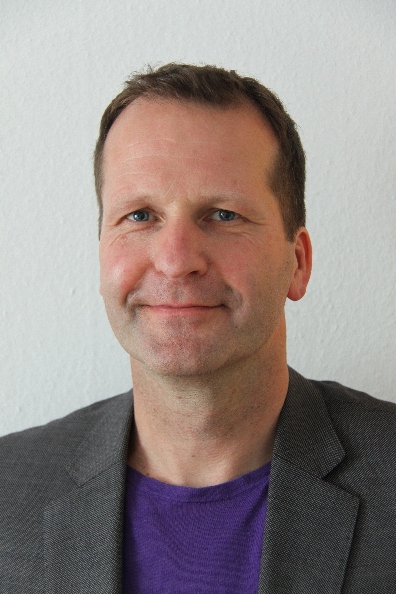
Dalibor Sames is a Professor of Chemistry at Columbia University's Graduate School of Arts and Sciences, where he leads an interdisciplinary research program bridging organic chemistry, neuroscience, and therapeutics development. His laboratory is situated within the Department of Chemistry and maintains strong collaborative ties with the Departments of Psychiatry, Neurology, and Pharmacology at Columbia. Dr. Sames' research focuses on restorative neuroplasticity as a therapeutic paradigm, with particular emphasis on psychedelic and psychoactive compounds like ibogaine, mitragynine, and non-hallucinogenic analogs. His group combines molecular design , organic synthesis , and pharmacological validation to develop novel CNS therapeutics for addiction, PTSD, depression, and neurodegenerative disorders. Key methodological innovations include Fluorescent False Neurotransmitters (FFNs) for synaptic imaging and C-H bond functionalization techniques for complex molecule synthesis. Analysis of his publication record reveals three dominant research trajectories: (1) Mechanistic studies of psychedelic compounds and their derivatives, (2) Development of cell-type-specific brain imaging technologies, and (3) Fundamental advances in organic synthesis methodology. His work consistently demonstrates translational impact, with multiple discoveries advancing toward preclinical therapeutic development. The Sames laboratory maintains active collaborations with leading neuroscientists including David Sulzer (Columbia), Jonathan Javitch (Columbia), and Susruta Majumdar (Memorial Sloan Kettering). His research is supported by multiple NIH grants focused on neuroplasticity mechanisms and imaging technology development. The group has established innovative approaches combining machine learning behavioral analysis , human primary cell models , and in vivo synaptic imaging to bridge molecular mechanisms with therapeutic outcomes. Current laboratory efforts include developing receptor-specific imaging agents , mapping structural-activity relationships of iboga alkaloids, and creating voltage-sensitive dyes for circuit-level brain interrogation. The group's synthetic expertise enables rapid exploration of chemical space around bioactive natural products, accelerating the discovery of novel neurotherapeutics with improved safety profiles.